What the Weather Here Does to It
Moline sits in a cold-moderate climate band
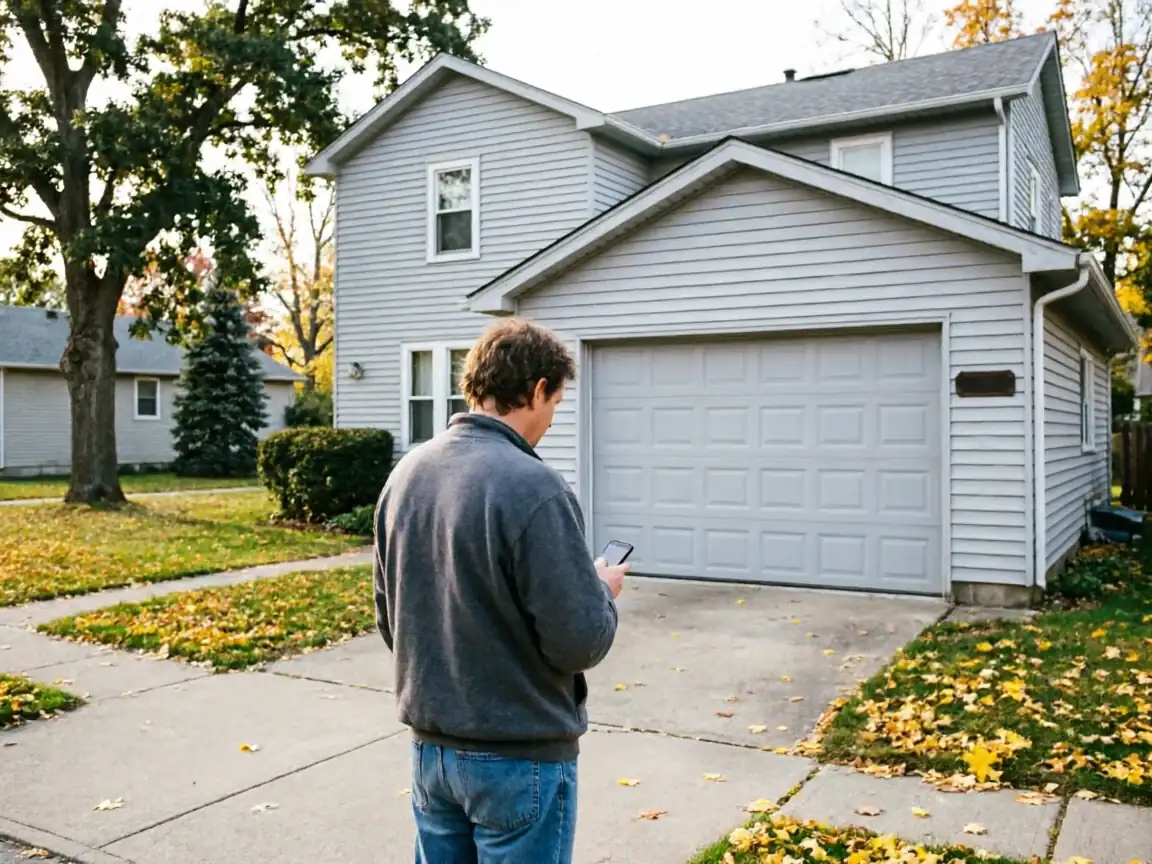
And that matters more to a garage door than most people think. Steel panels contract in freezing temperatures and expand again once the sun hits them, and that cycle happens over and over through a Midwest winter. On a door that's thirty, forty, even sixty years old, the metal has been through thousands of those cycles.
Most houses in this service area went up between 1952 and 1998
With the bulk of the stock clustering around 1968. A door built or replaced in that era wasn't built to current insulation standards - foam-core, double-wall panels weren't the norm yet. That means a lot of garages here have single-layer steel skins with nothing behind them to slow heat loss or dampen the cold-snap pop you hear when a panel contracts overnight.
The practical effect
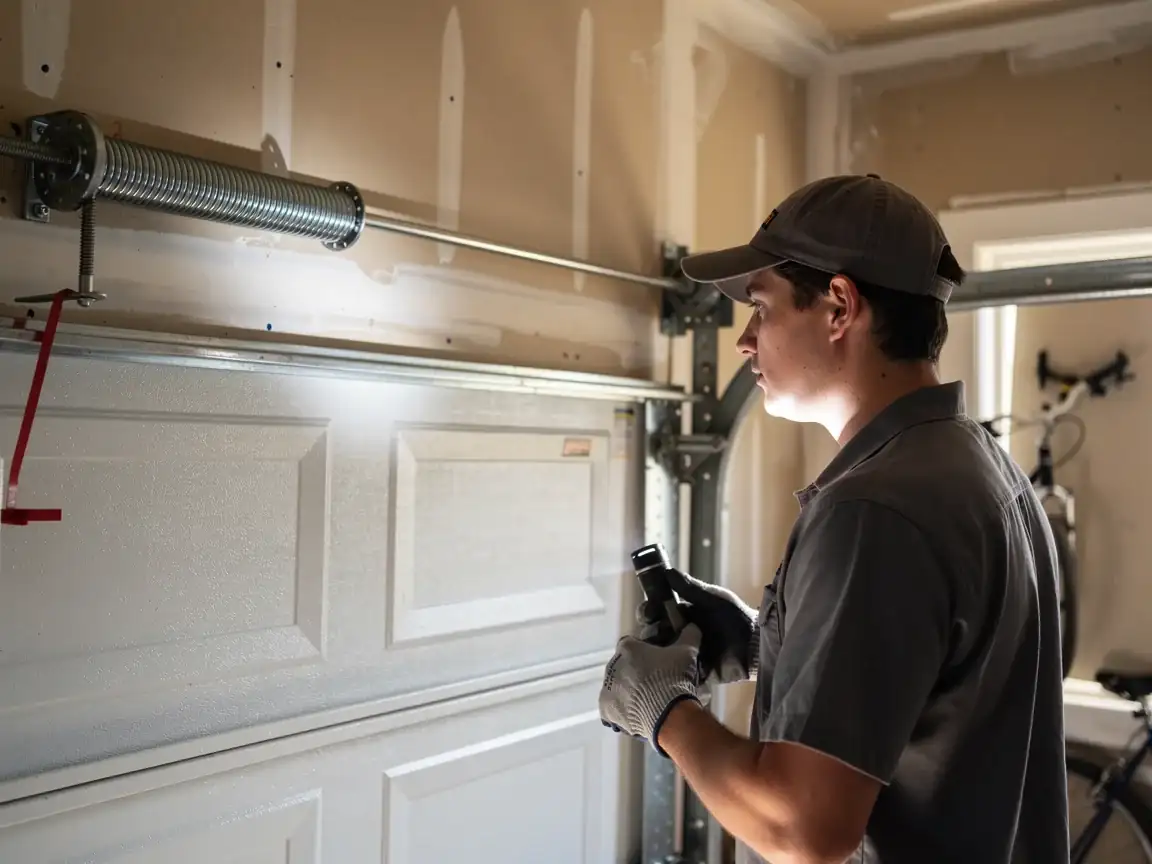
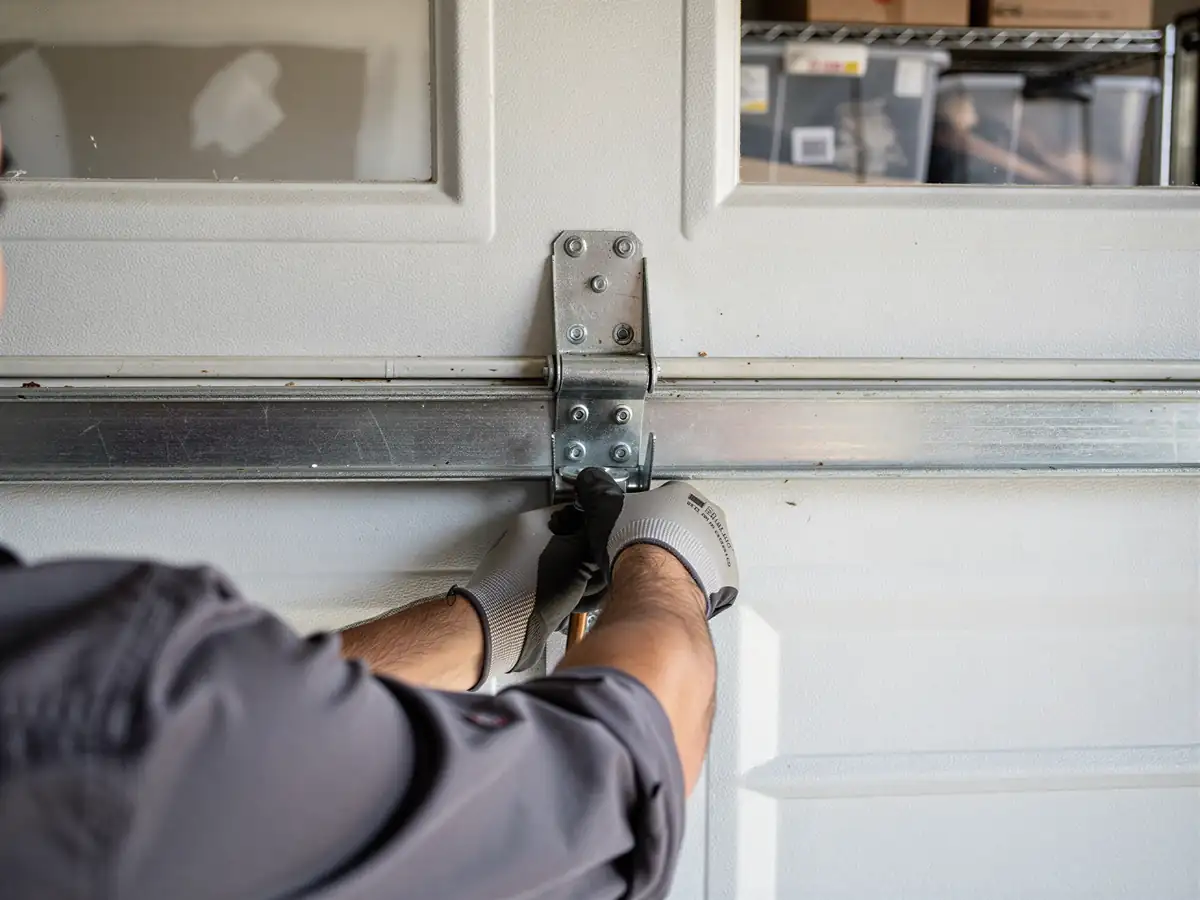
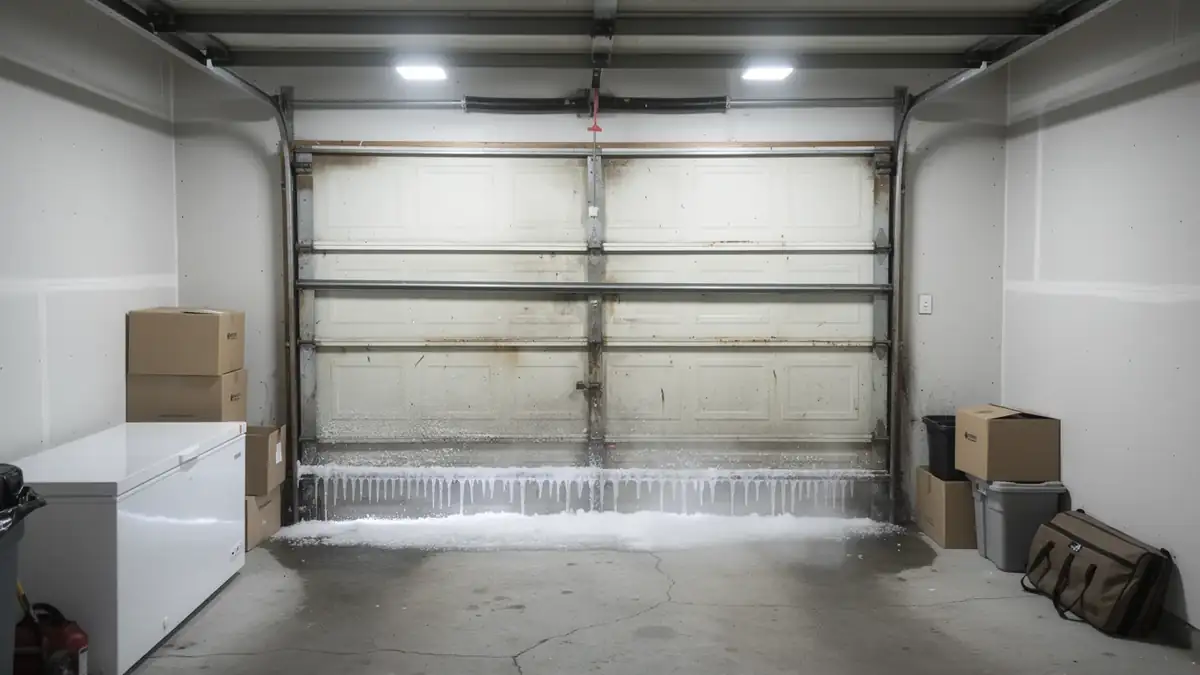
Weatherstripping dries out and cracks faster here than it would in a milder climate, bottom seals go stiff and stop sealing in January, and torsion springs lose tension a little quicker when they're constantly cycling through freeze-thaw swings. None of this is dramatic on its own. It adds up over a winter or two, and it's why doors in this area tend to need attention on a shorter clock than the manual suggests.
What It Costs
We don't have a price list to quote here, and giving you a number without seeing the door would be a guess, not a fact. What drives the cost on a given job is the door's age, the hardware behind it, and whether the panel insulation needs updating along with the seal.
What we can say is who's paying for these repairs. Across this service area there are 35,627 households and 18,914 owner-occupied houses - the kind with an actual garage and an actual door to maintain. Median household income here runs $70,407, which tells you most of these jobs are being paid for out of a working household budget, not discretionary income. That's part of why we'd rather tell you a repair isn't worth it than sell you a new door you don't need yet.
The towns right around Moline - Rock Island Arsenal, Coal Valley, Rock Island, Milan, East Moline, Hampton - went up in roughly the same postwar decades, so a lot of the parts and failure patterns repeat house to house. That consistency is useful: it means when we see a spring or a hinge fail on one of these doors, we've usually seen the same part fail on a dozen others like it nearby.
Checking It Yourself
Before you call anyone, there's a few things worth looking at yourself, especially on an older door.
First, the weatherstripping along the bottom and sides. If it's cracked, flattened, or doesn't make contact with the floor when the door's down, cold air is getting in and the seal needs replacing - cheap fix, big difference in a cold garage.
Second, listen on a cold morning. A sharp bang or pop when the door first moves usually means a panel or hinge is contracting hard against something - not always serious, but worth noting if it gets worse.
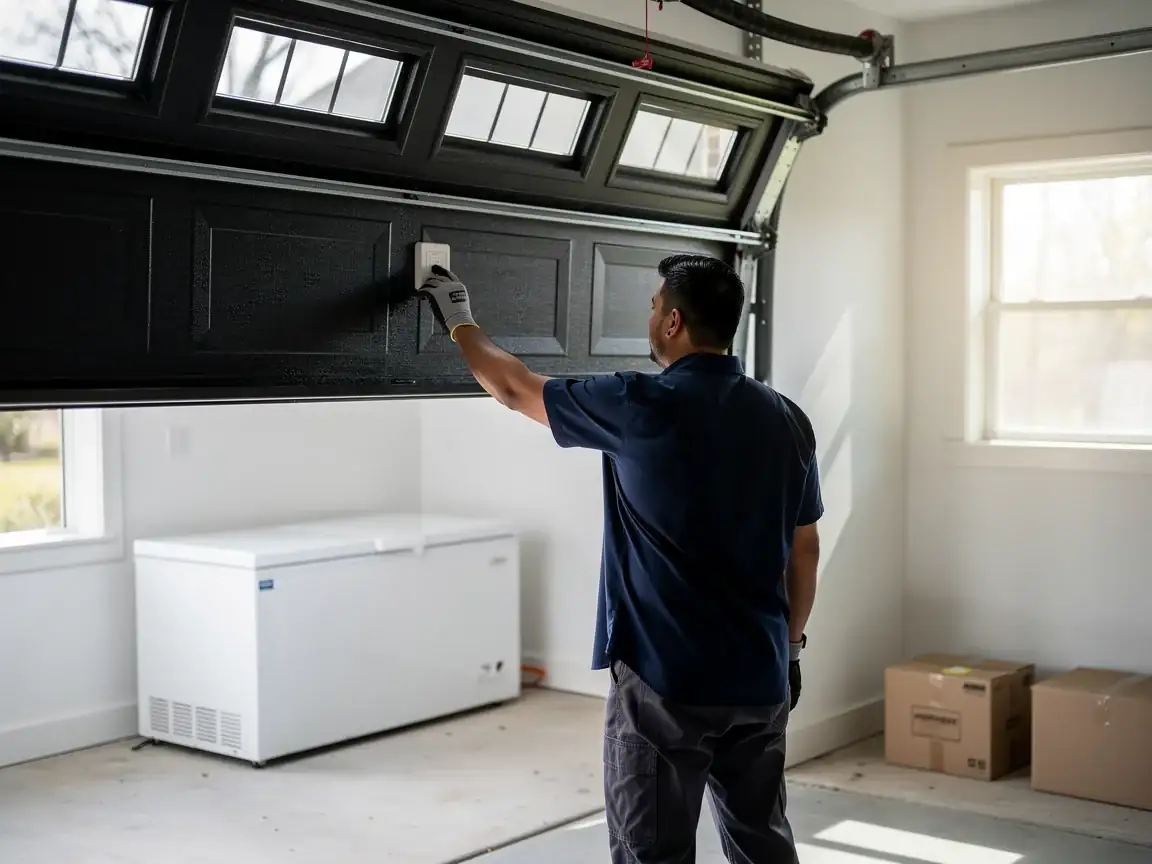
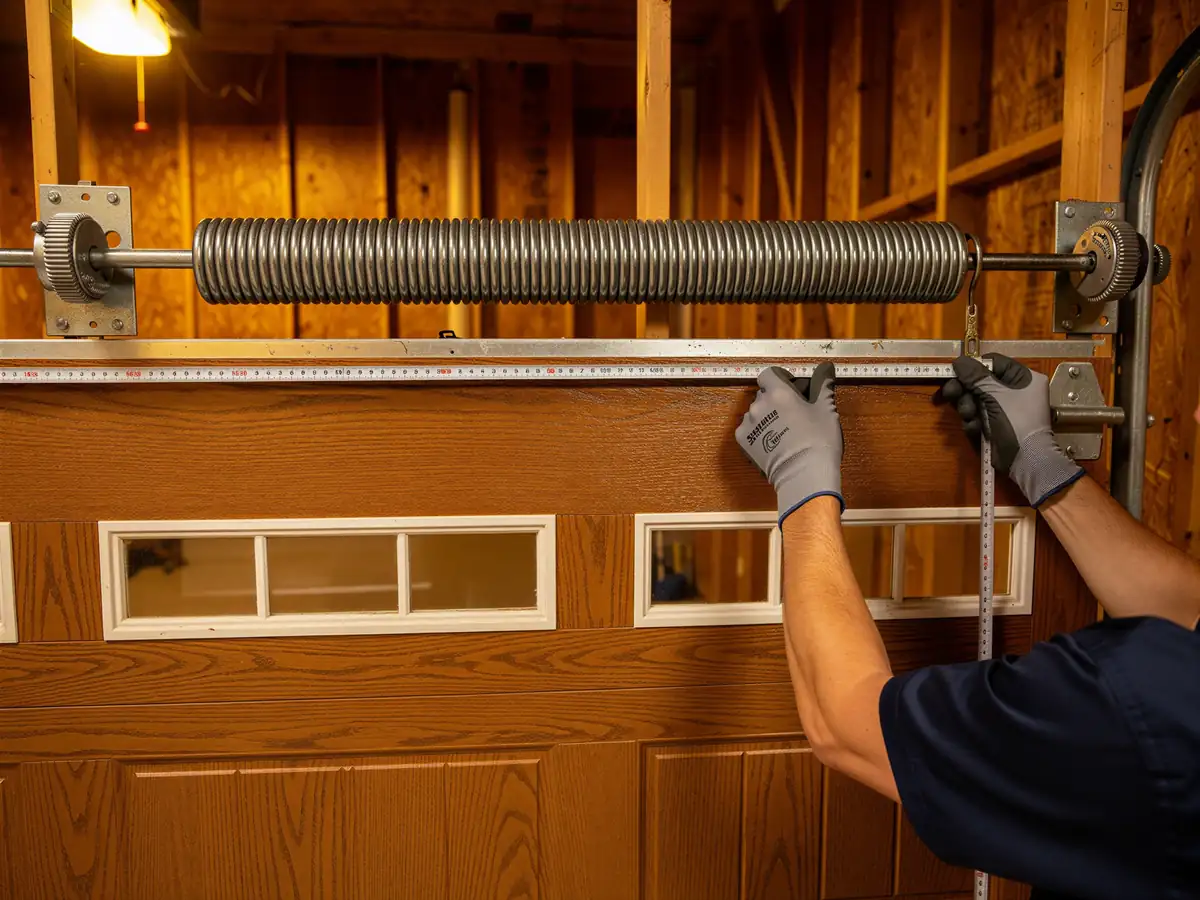
Third, do a balance check: with the opener disconnected, lift the door halfway by hand. It should stay roughly in place. If it drops or shoots up, the spring tension is off, and that's not a DIY fix - springs under tension can injure you badly, and on an older door you don't always know its full service history.
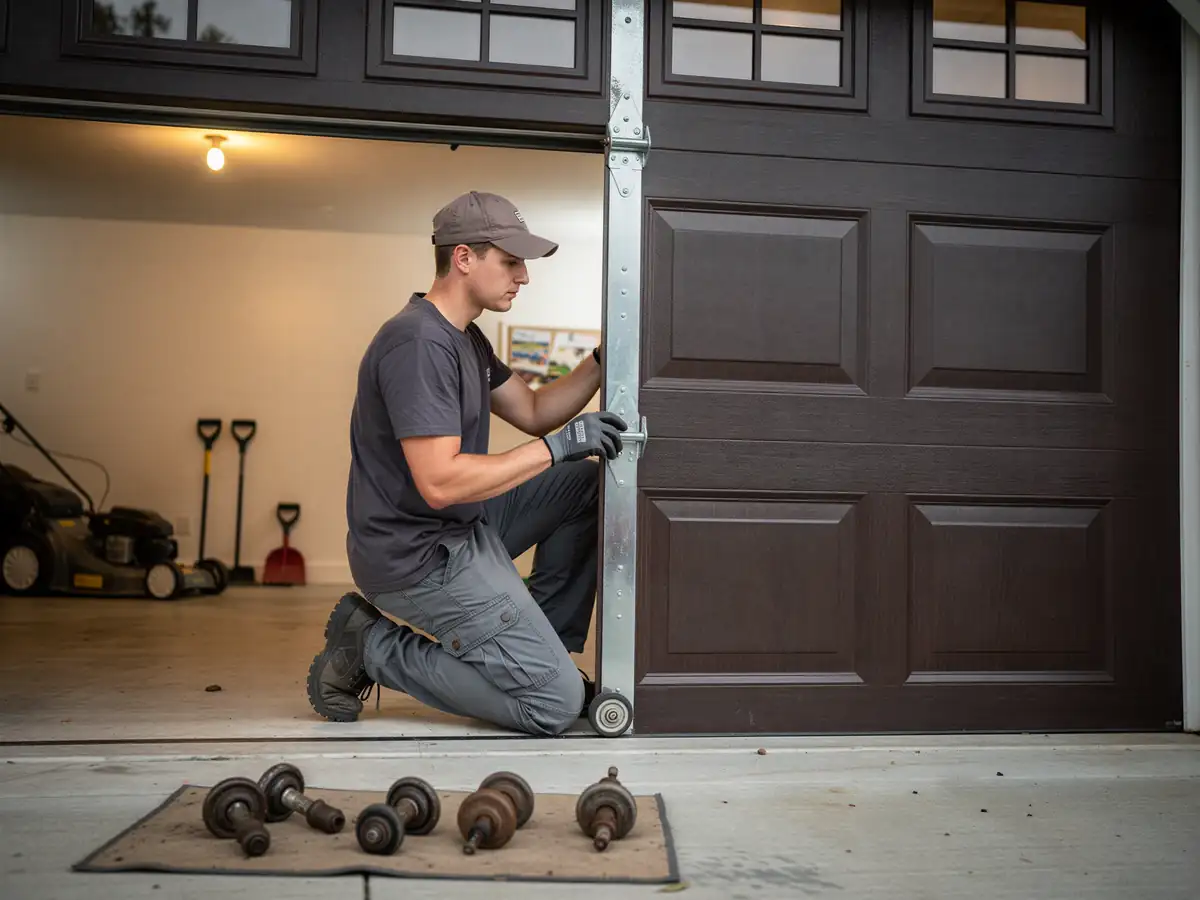
Fourth, in winter, use a door-rated lubricant on rollers and hinges, not household oil, which thickens in the cold and gums up the track. That's a five-minute job that can save a service call.
What Is Going On
The short version: a door built in the 1960s or 70s wasn't designed around today's expectations for a tight, insulated garage, and a cold climate exposes that gap faster than a mild one would
Insulation codes and manufacturing standards for garage doors have moved a long way since most of this area's housing went up, median year 1968. That's not a flaw in the door - it just wasn't built against the rules we have now.
What that means in practice is that a lot of the calls we get aren't about a door that's broken so much as a door that's aged out of sync with the weather it's dealing with
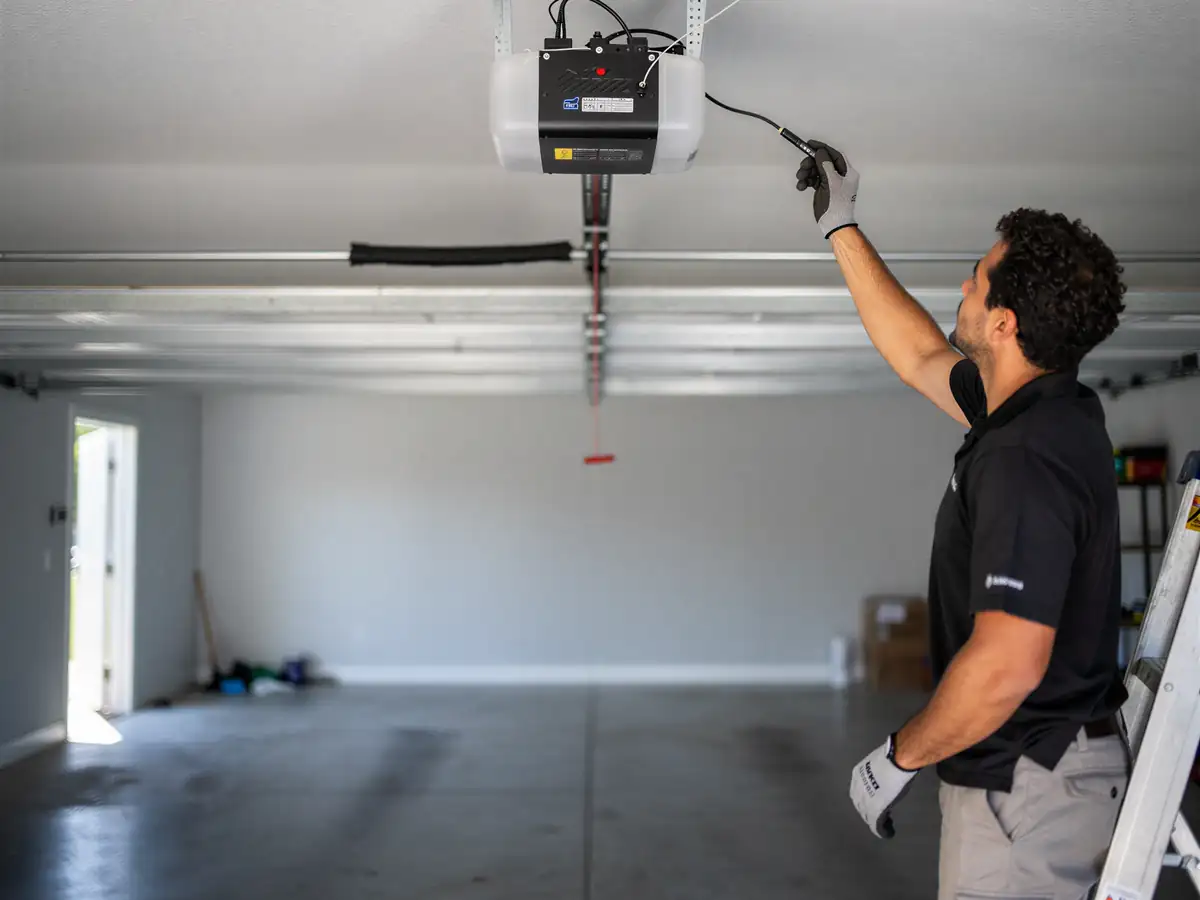
Springs lose tension faster, seals fail faster, and opener gears strain harder pulling a heavier, poorly balanced panel.
Here's the honest limitation: not every older door is worth repairing
If the panel insulation is gone, the track is bent, and the opener's on its last legs all at once, patching one piece just means the next piece fails in a few months. At some point replacement costs less over time than repair, and we'll tell you that straight instead of running up a repair bill on a door that's done.