The Houses Here
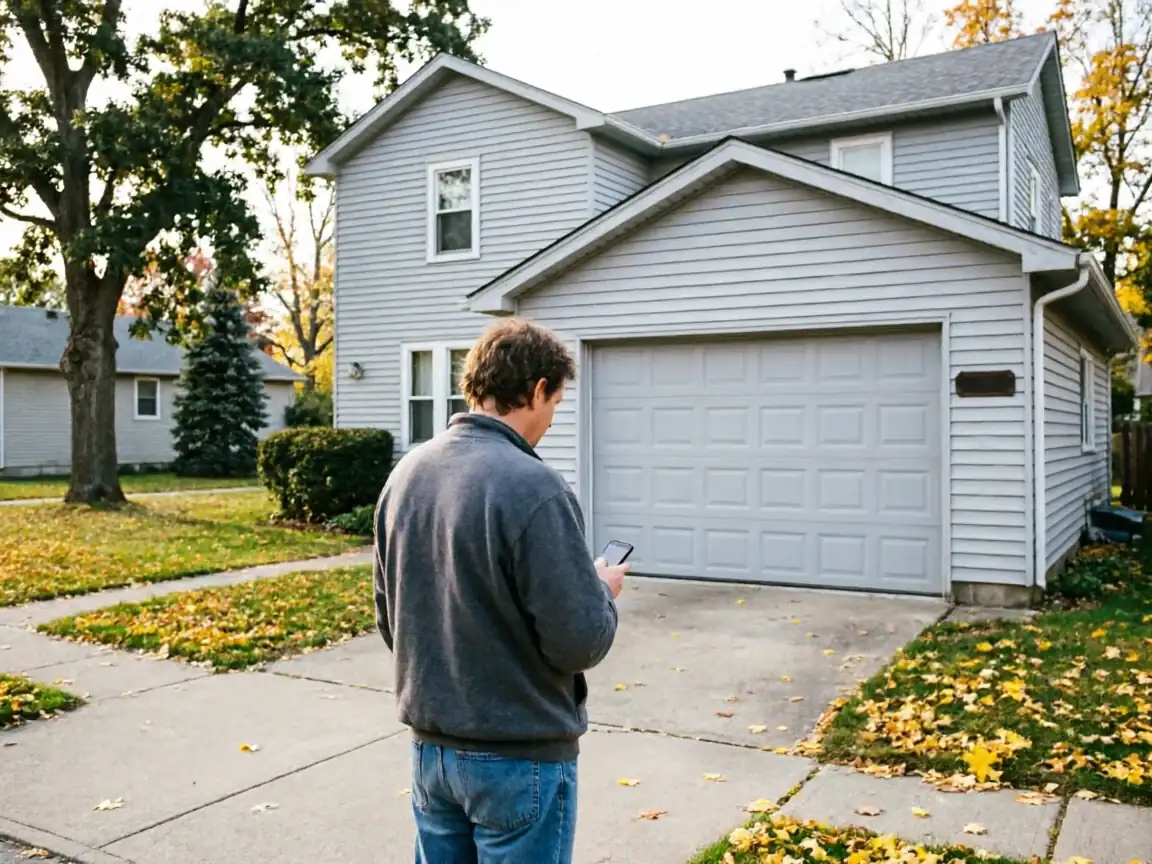
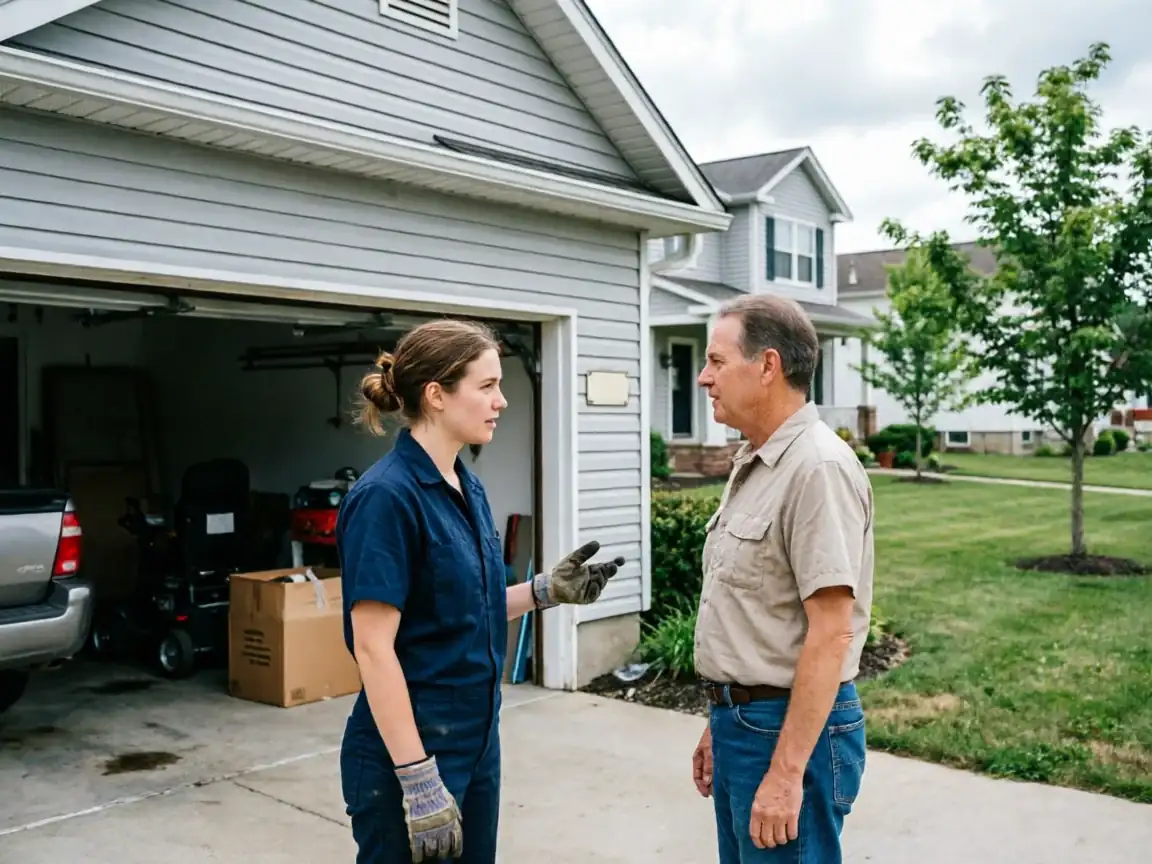
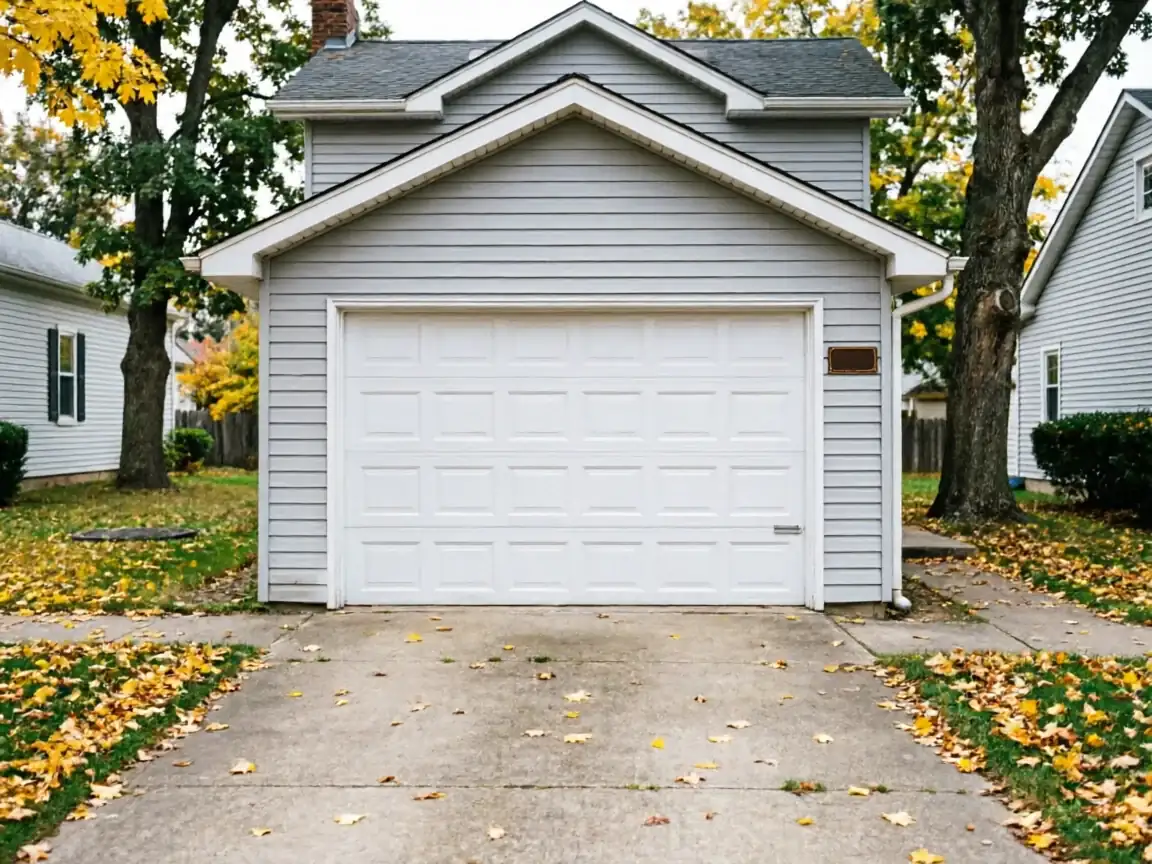
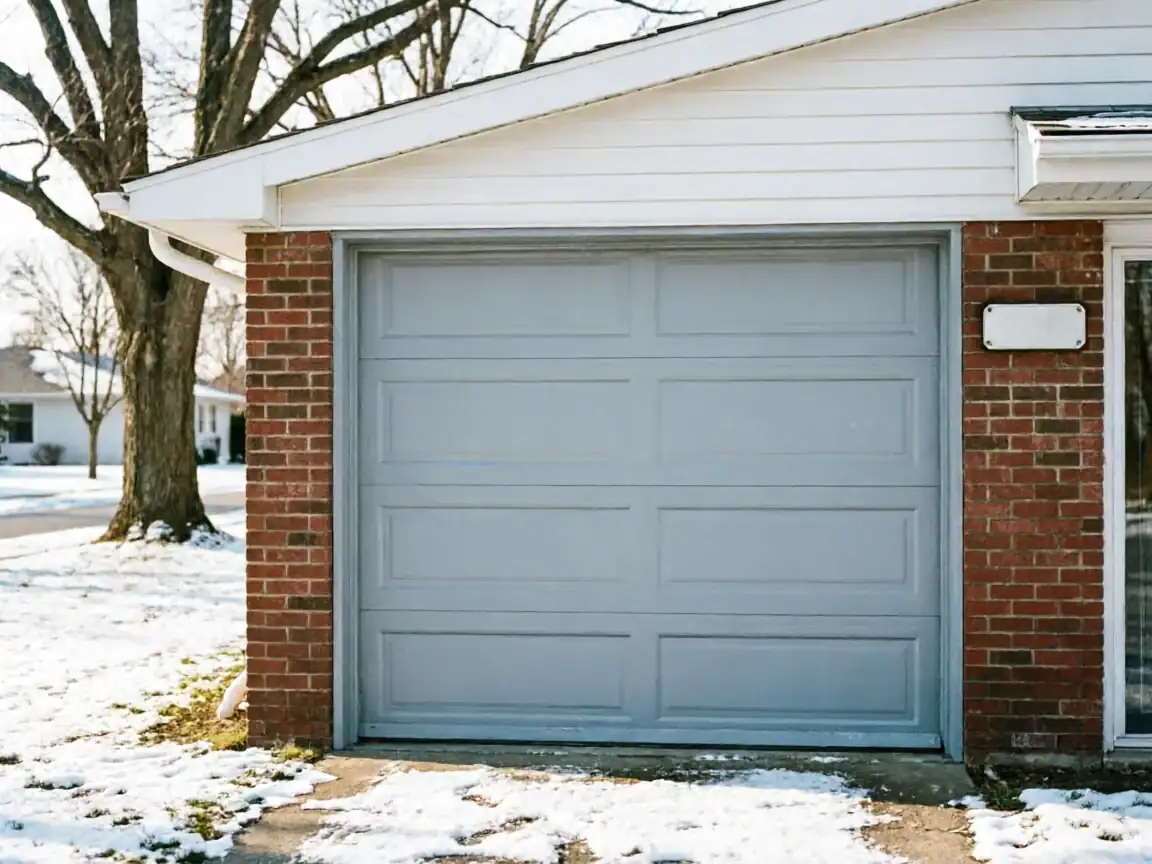
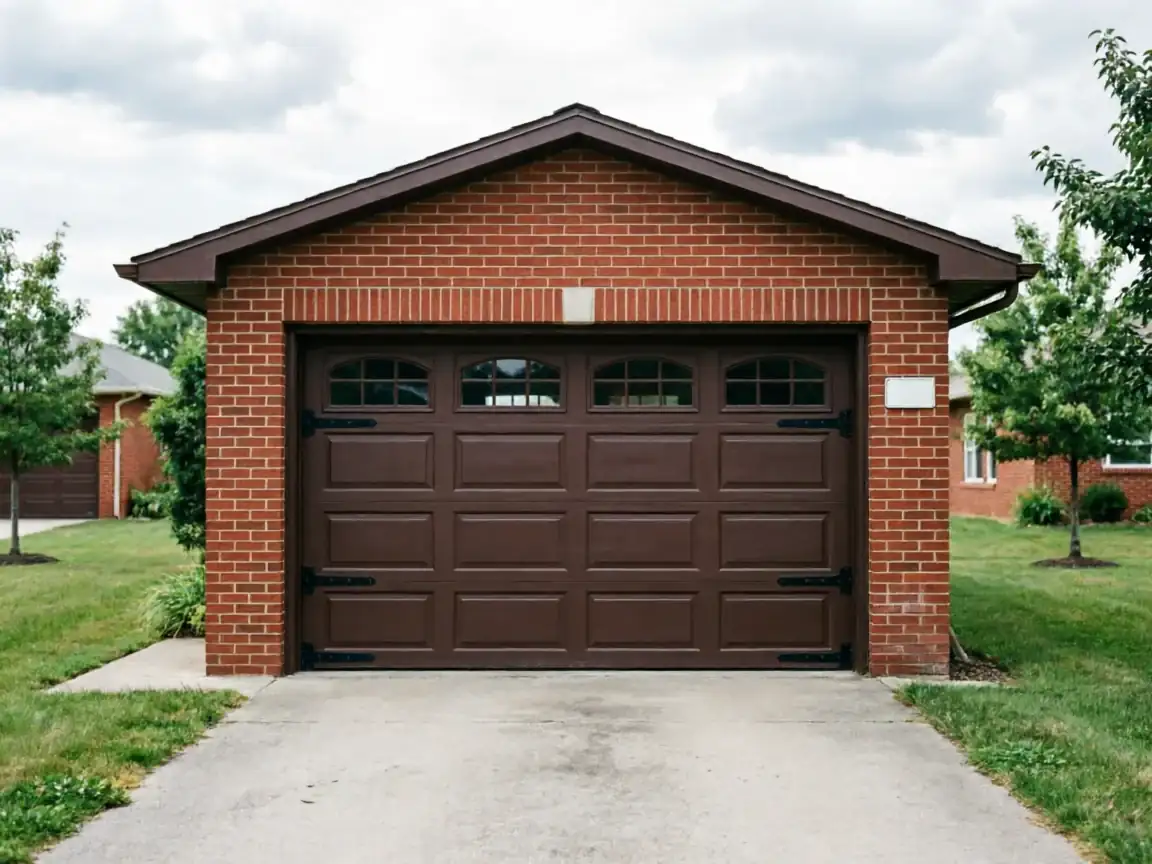
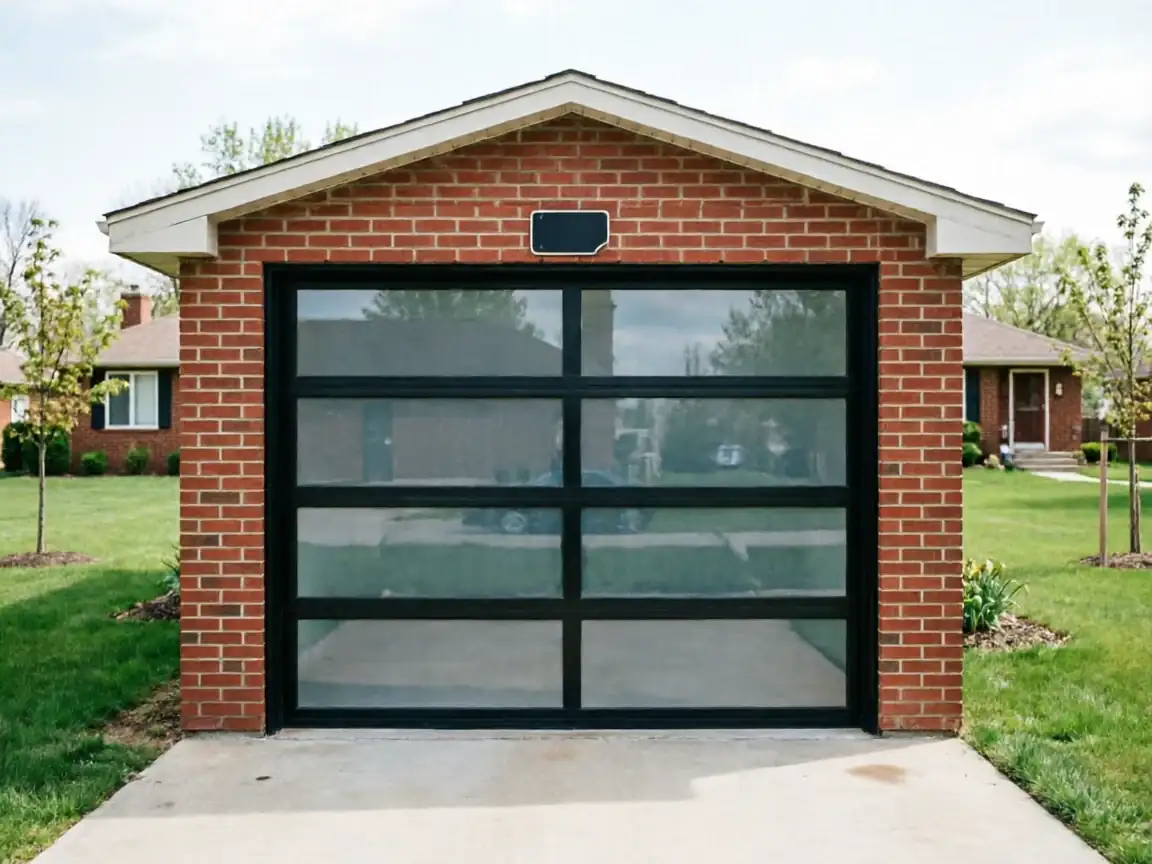
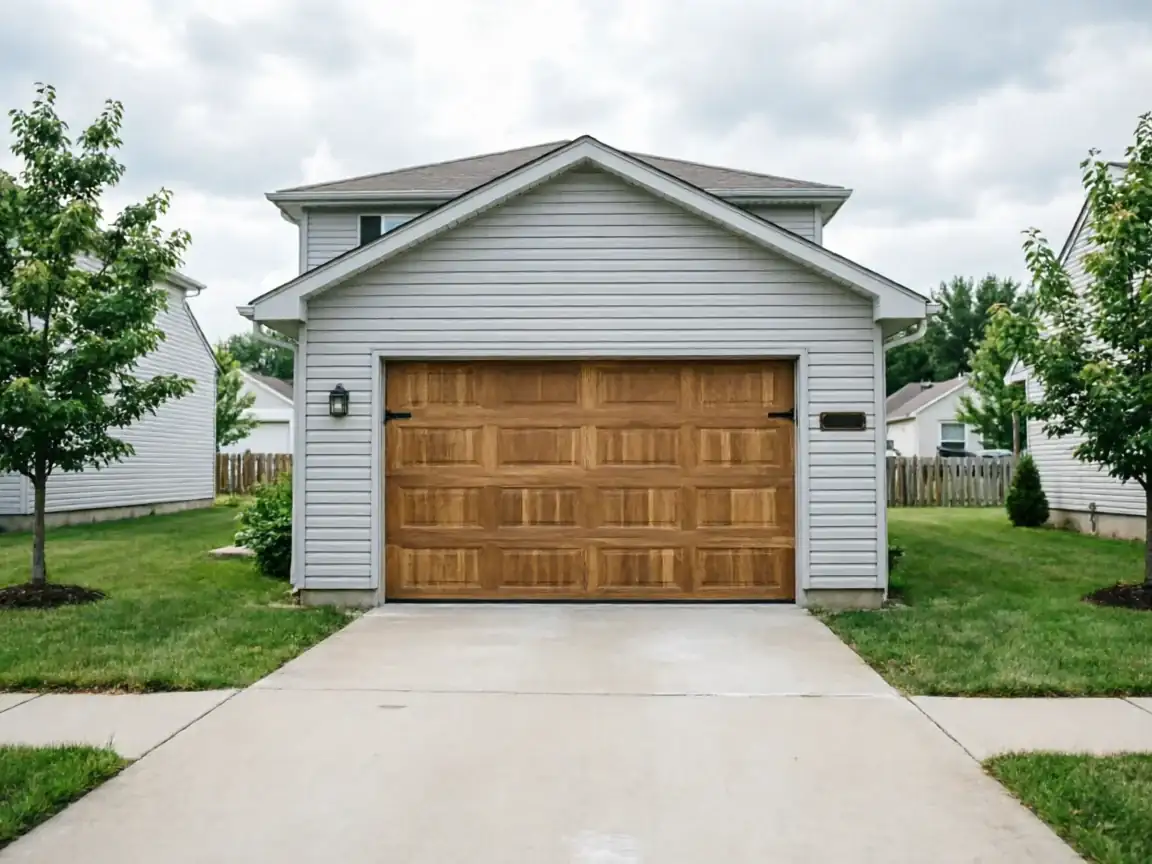
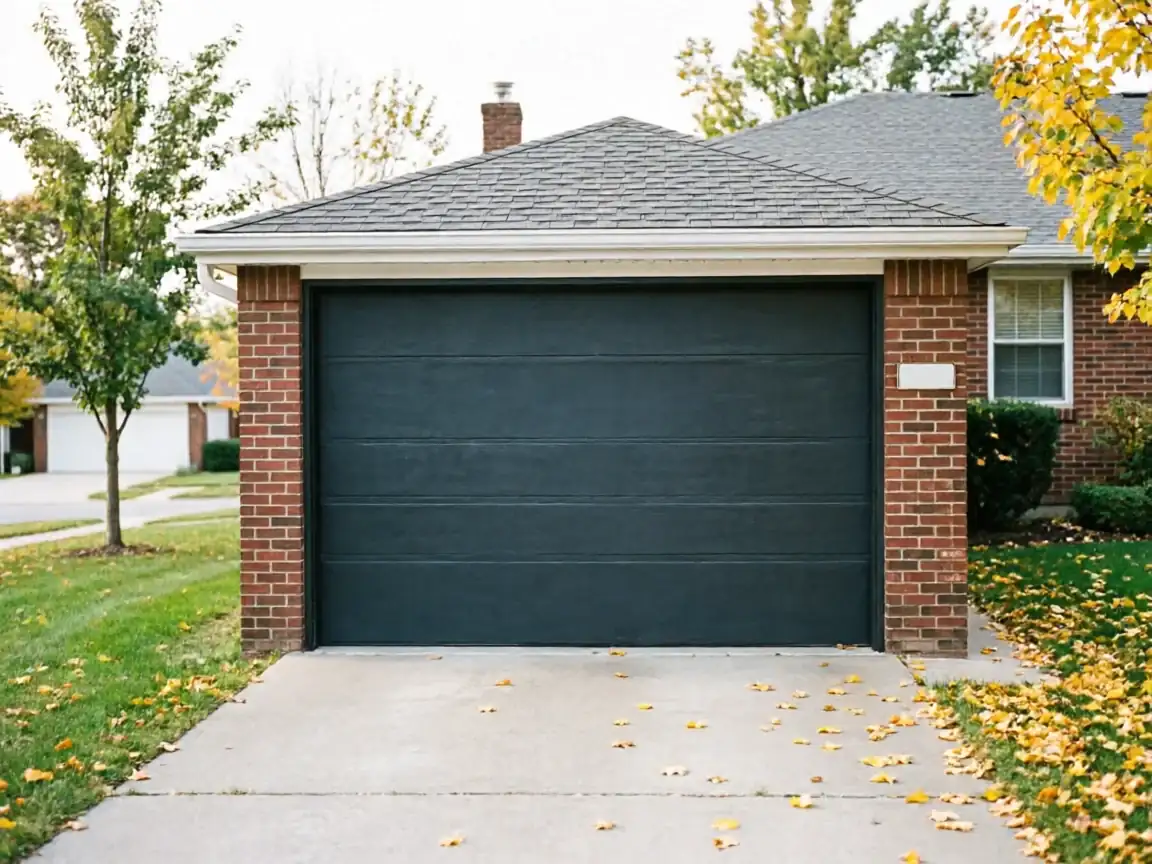
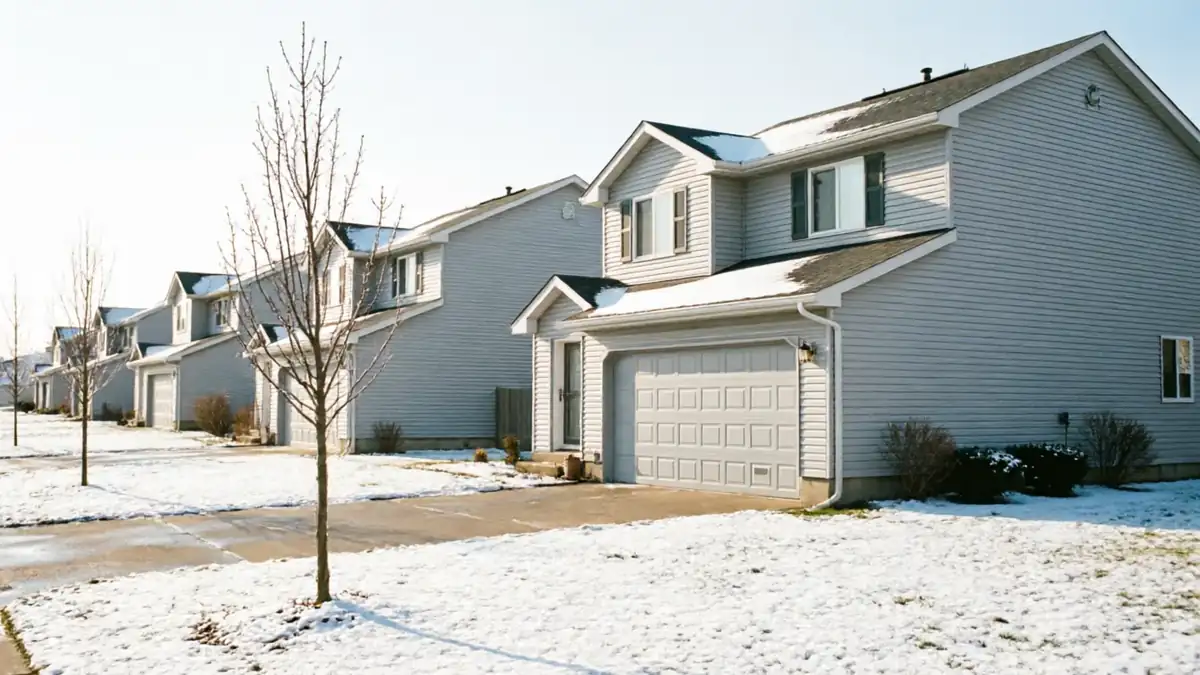
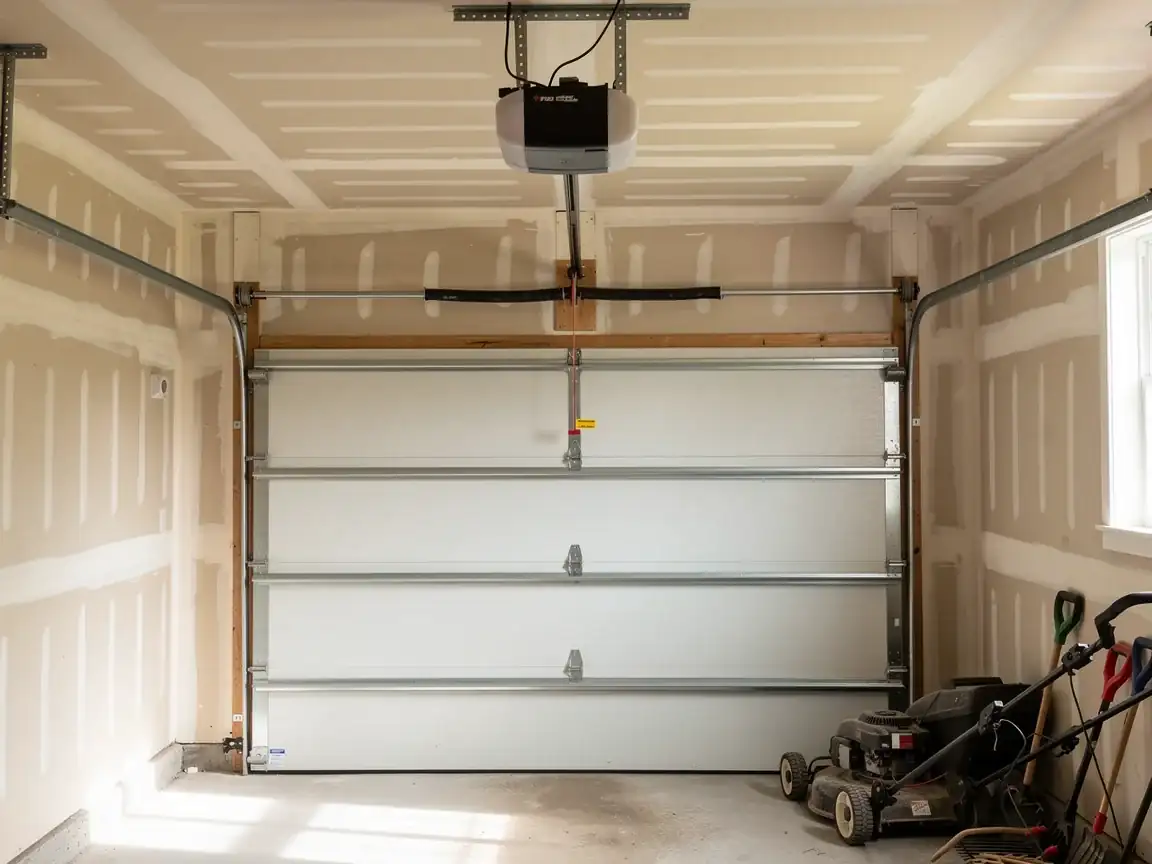
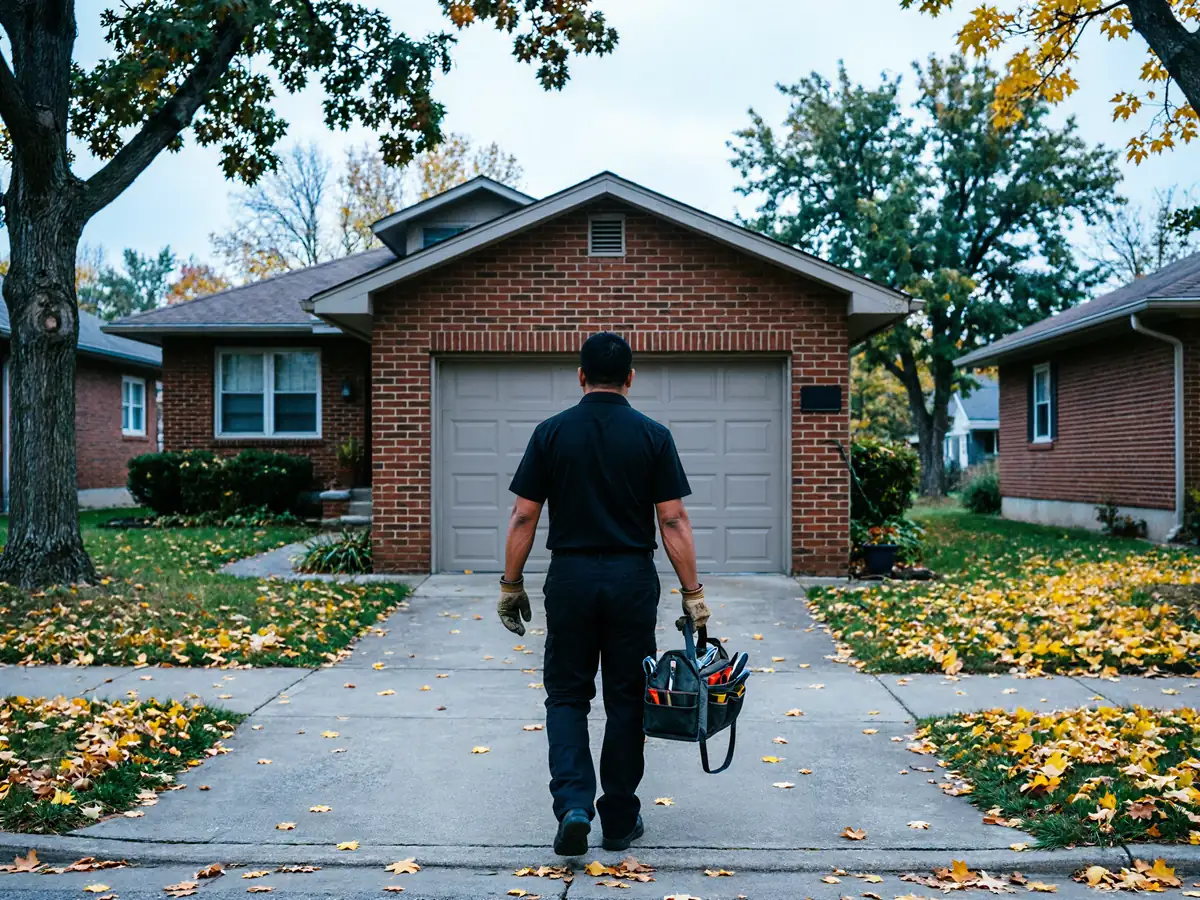
East Moline sits about 6 miles from our Moline shop, close enough that a truck roll doesn't eat half the day. The area holds roughly 8,105 households, smaller than some of the other communities in our coverage area but dense enough that we see the same handful of door and opener models on repeat. Across the wider service territory median household income runs $70,407, while East Moline's own median sits lower at $63,328 - a gap worth mentioning because it shapes which jobs we quote as full replacements versus which ones we patch. A lot of garages here are attached single-stall or narrow two-stall setups built to the dimensions common in the late 1960s, not the wider bays you see in newer subdivisions. That narrower footprint limits which off-the-shelf doors fit without trim work, something worth knowing before you go pick a door out of a catalog.
Common Jobs Here
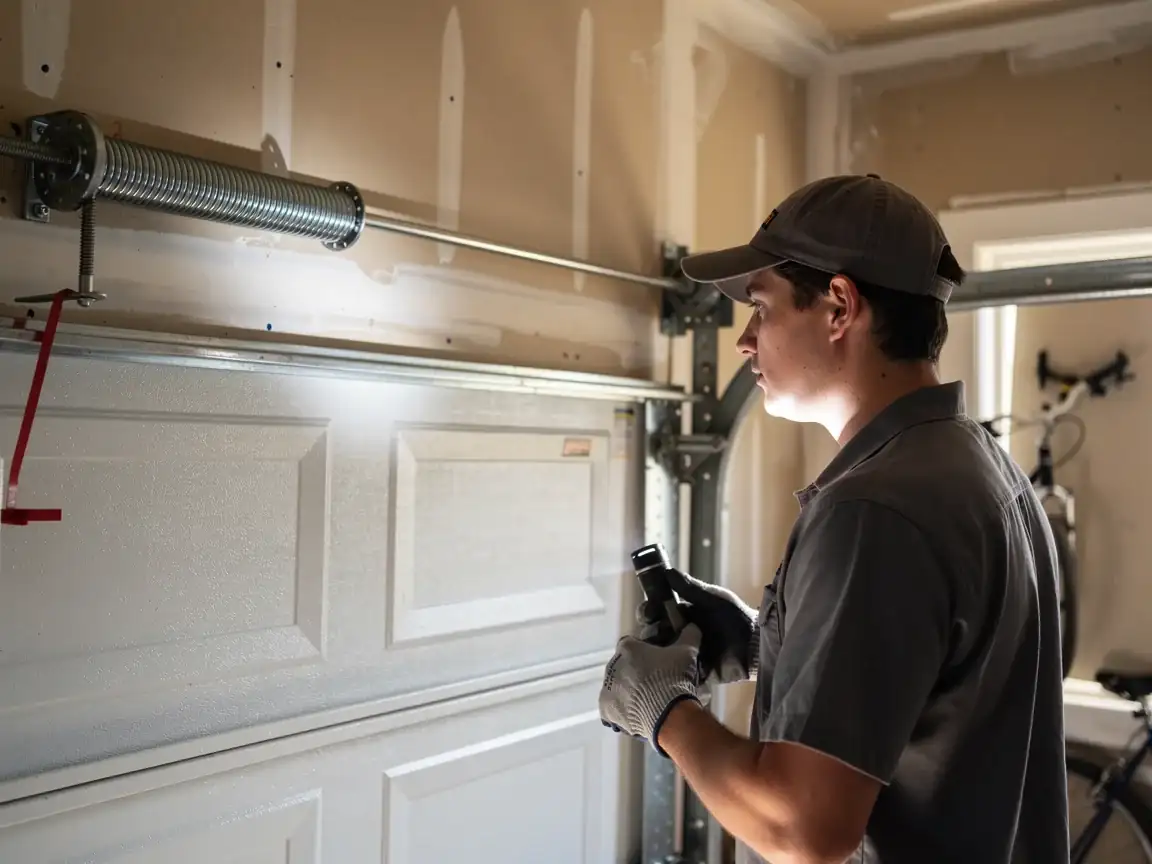
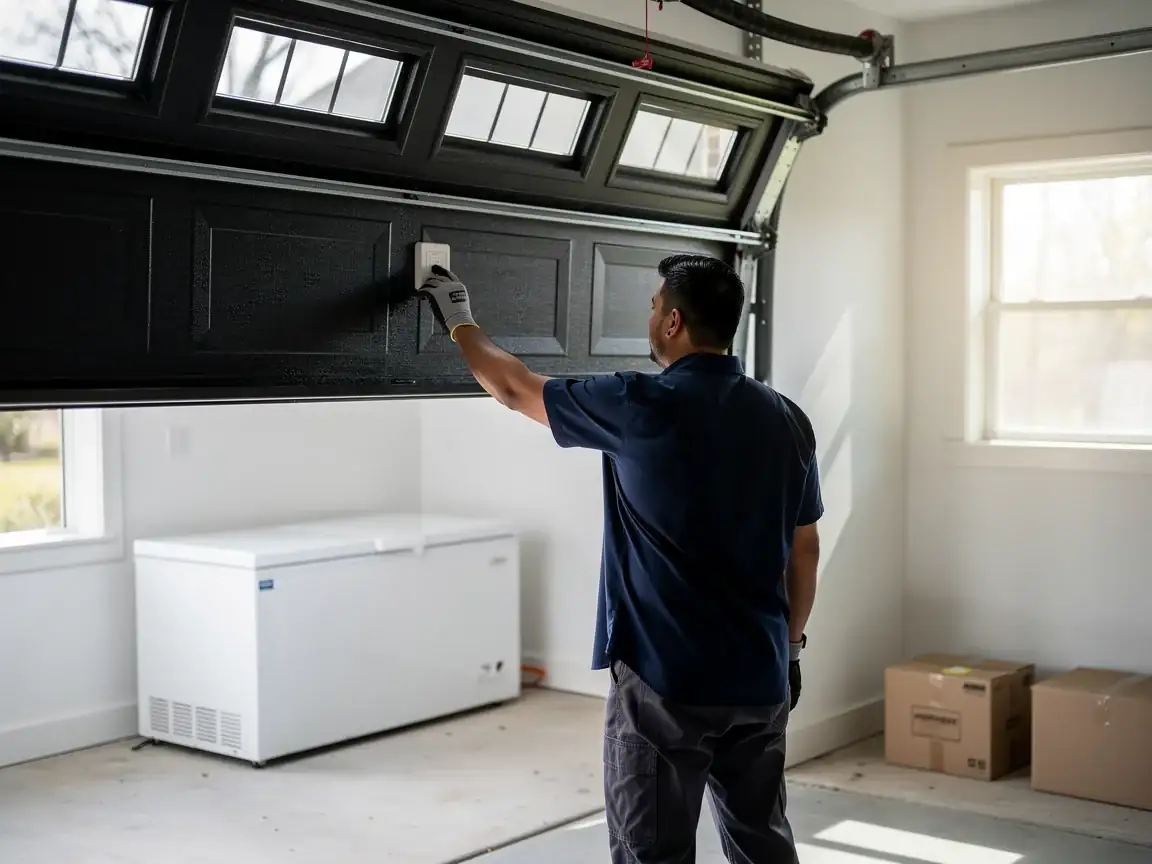
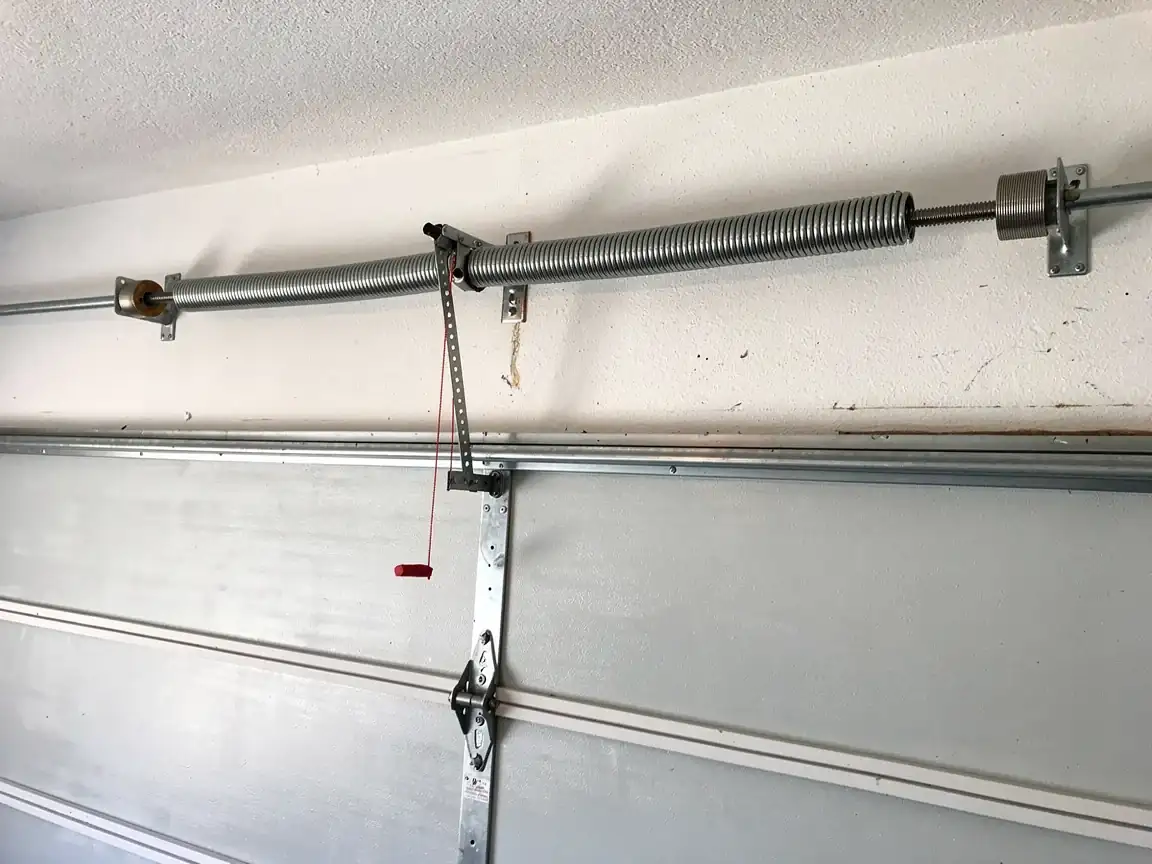
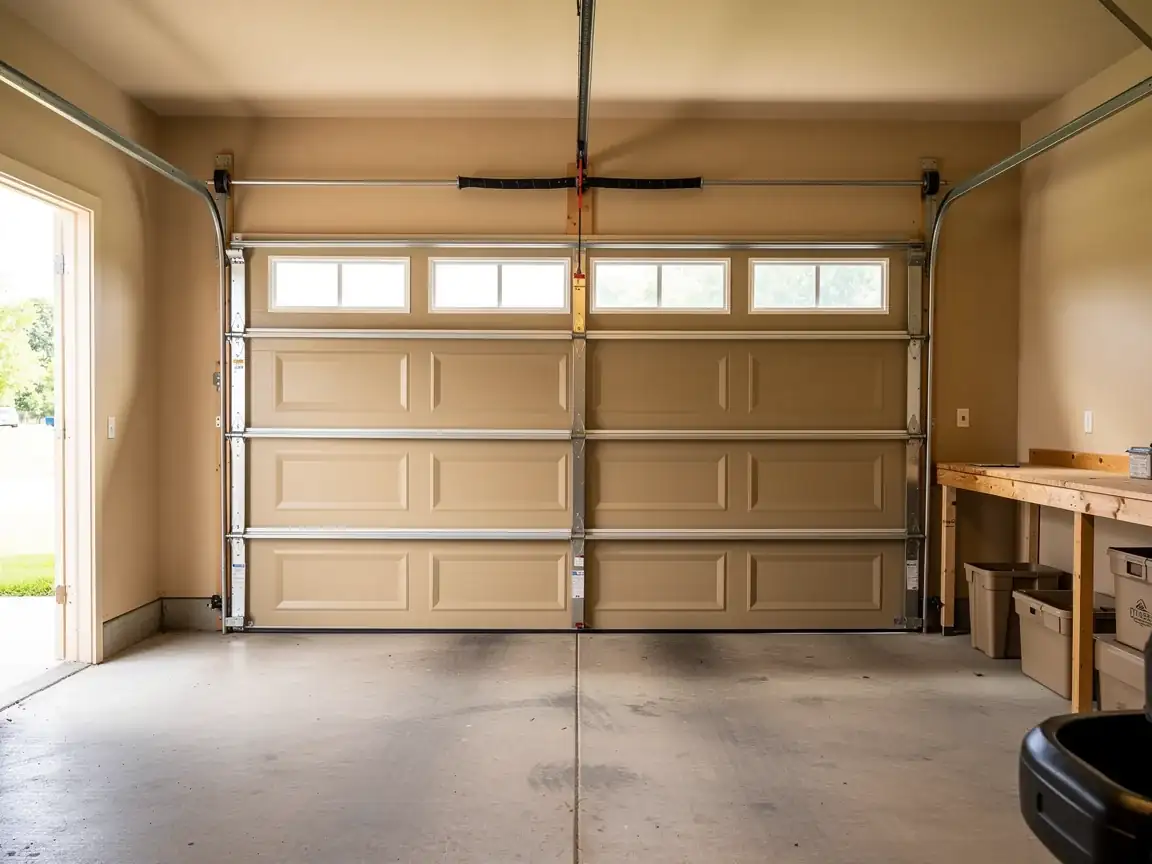
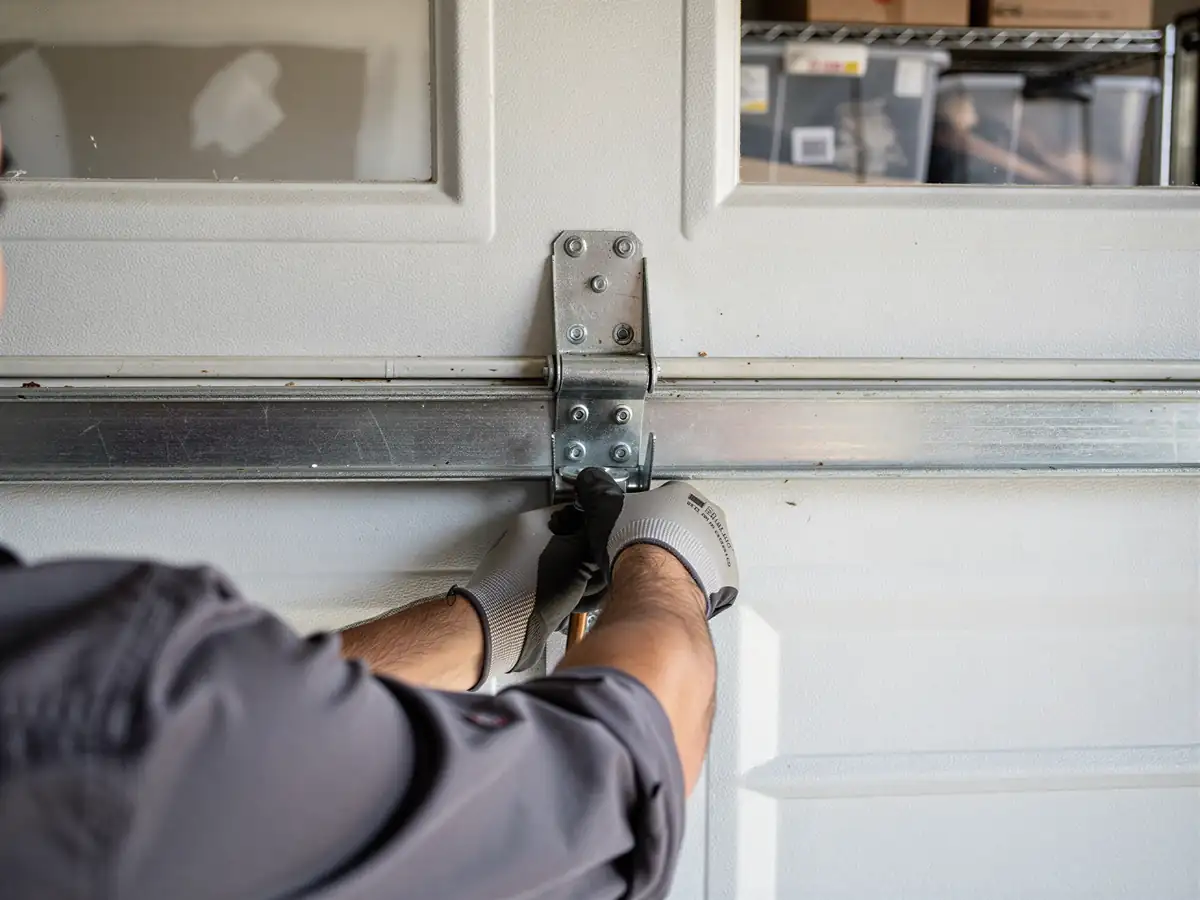
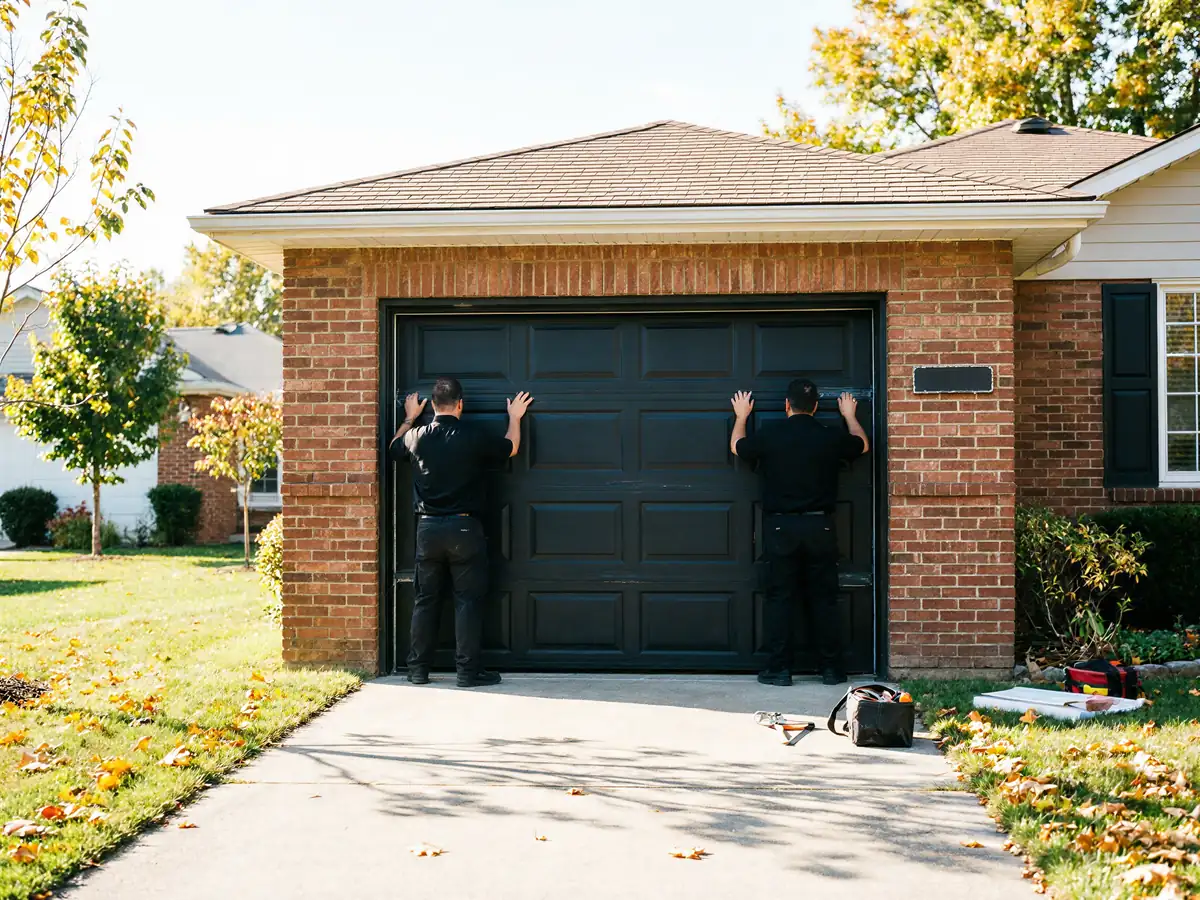
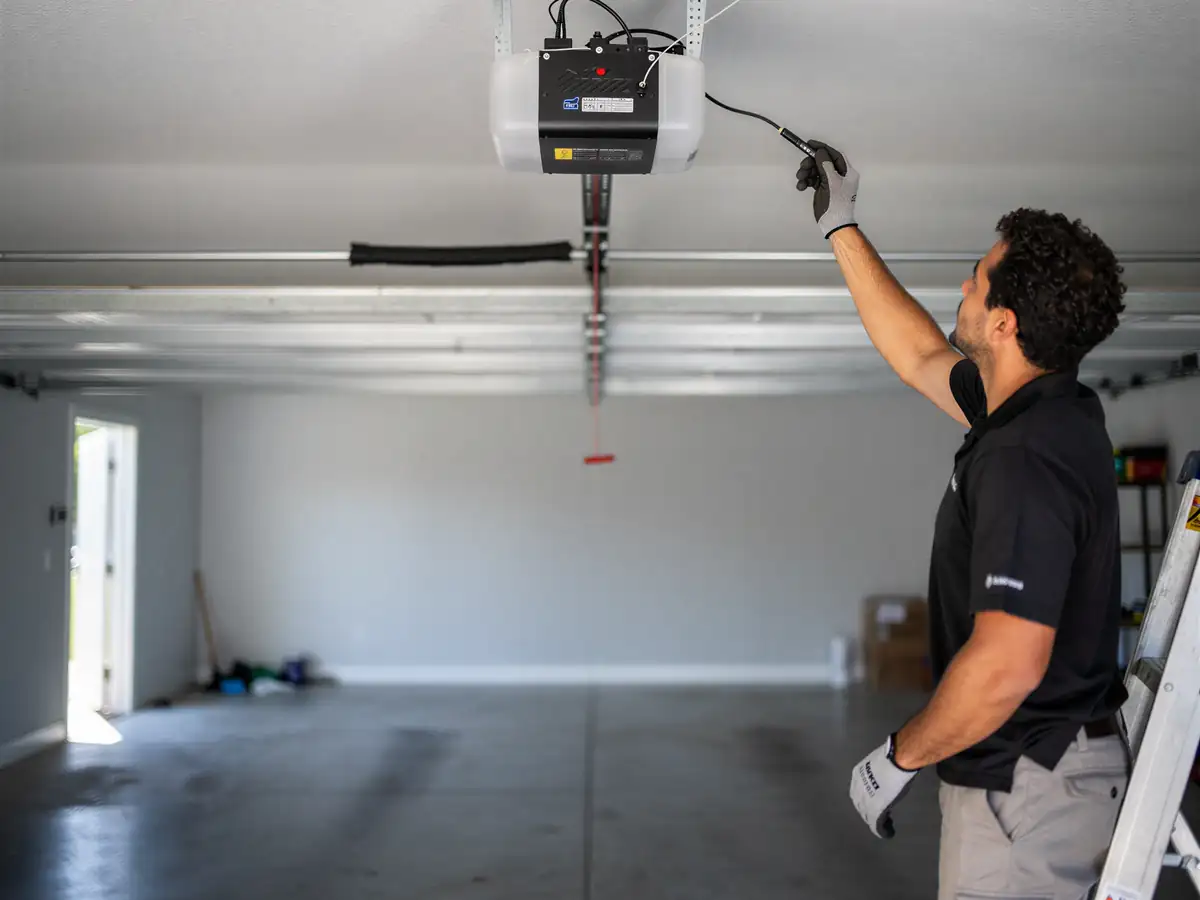
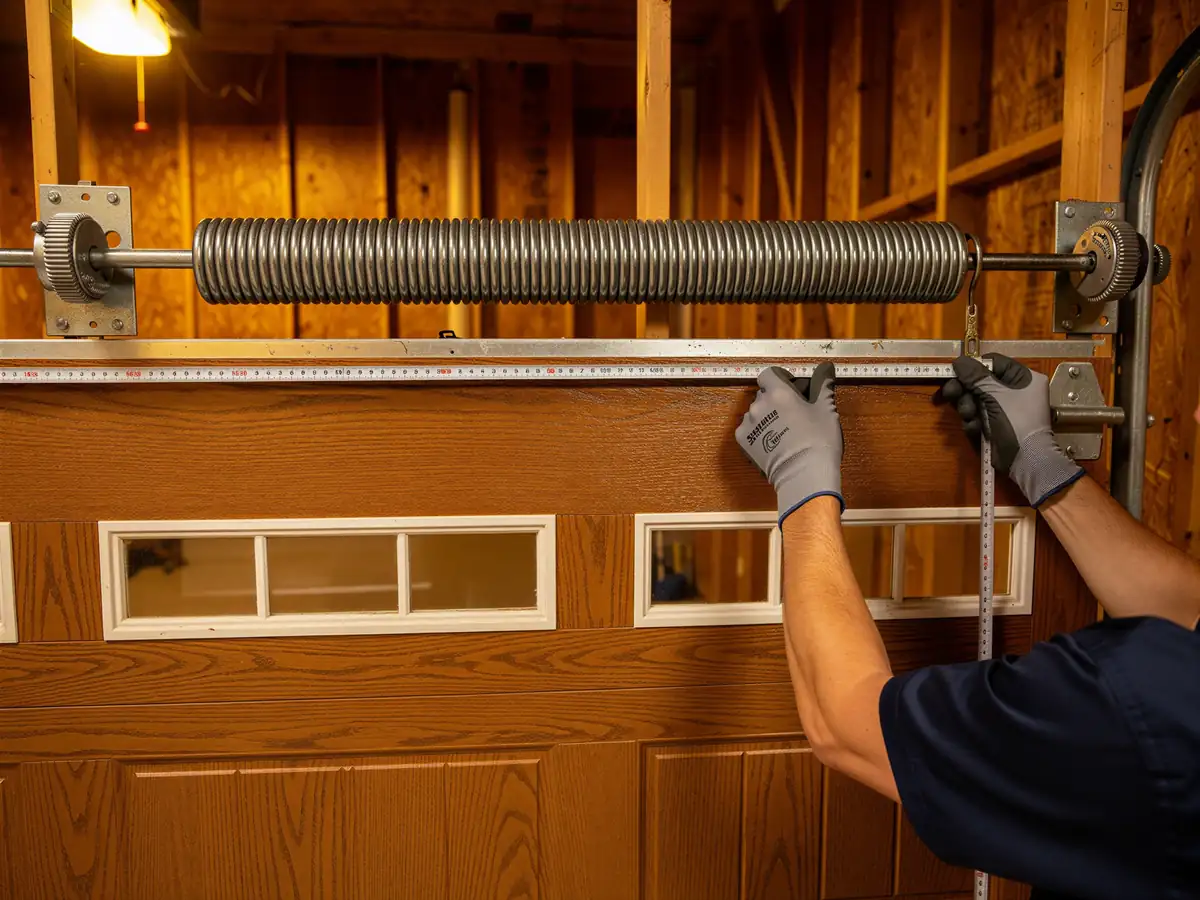
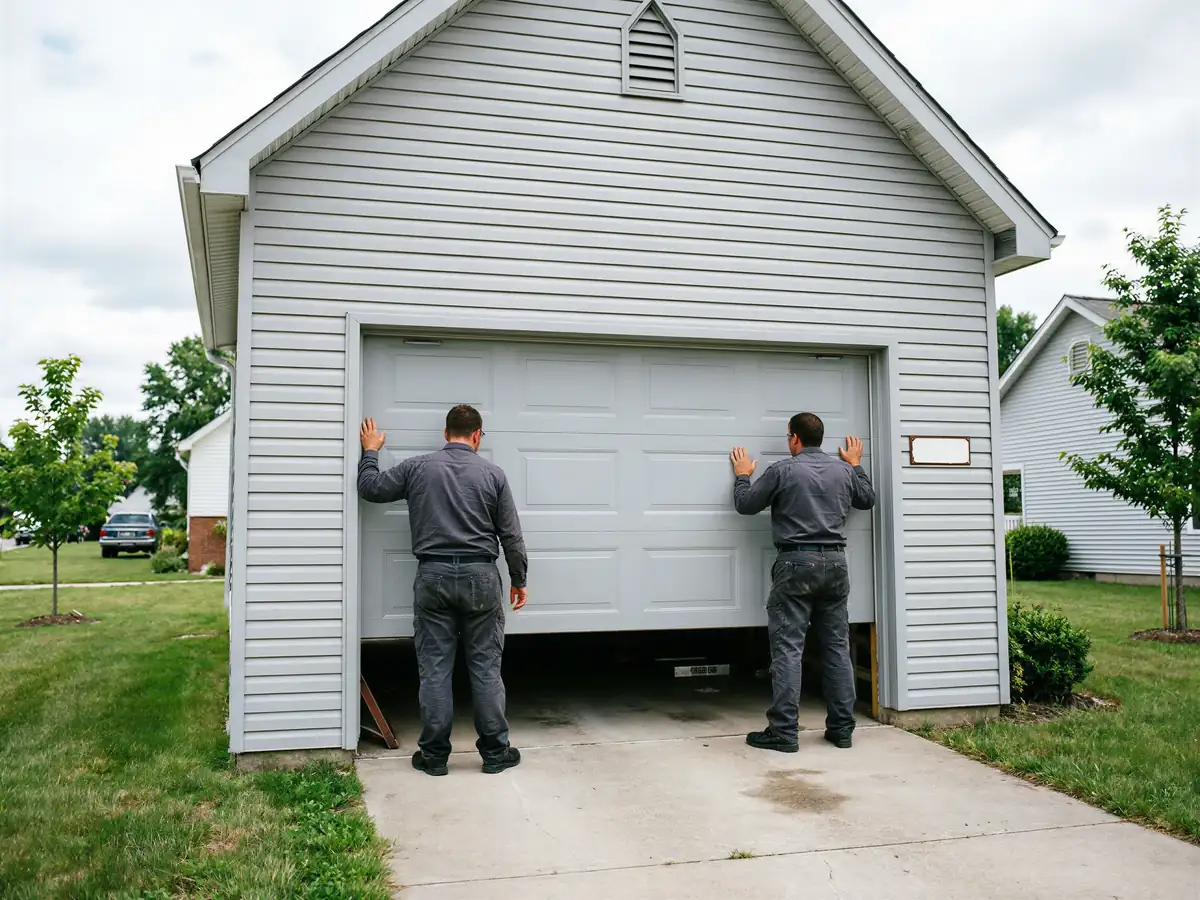
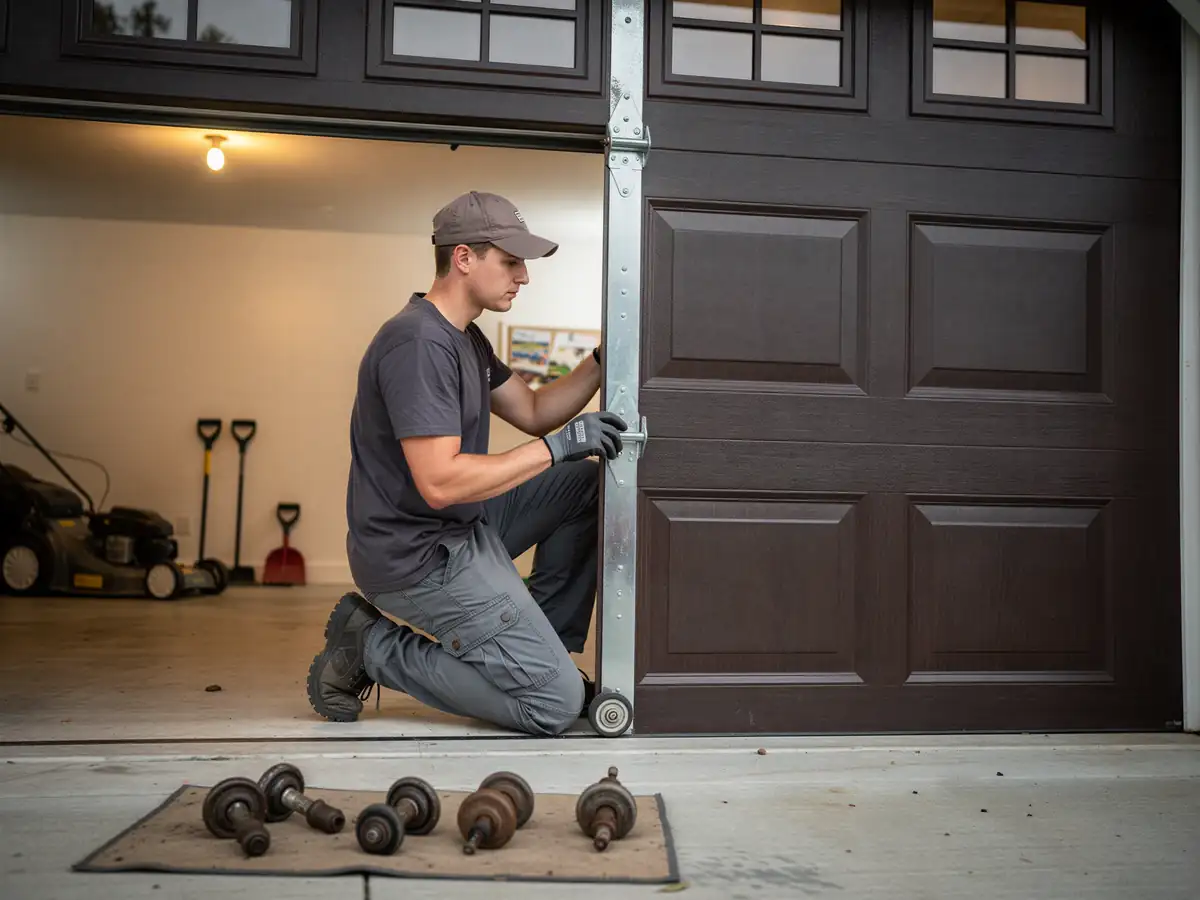
The calls we get from this part of our coverage area follow a pattern. Broken torsion springs top the list - original springs from a 1960s install are well past the cycle count they were rated for, and when they go, they usually take a cable or a bent track hinge with them. Opener failures are close behind; a lot of these garages still run openers installed decades after the house itself, now also aging out. Rust at the bottom roller brackets shows up often too, a byproduct of the region's cold winters and the de-icing runoff that pools near slab edges. We also get a fair number of calls about doors that bind halfway up - almost always a track that's shifted slightly out of plumb on an older wood-framed opening that's settled over 50-plus years. What we don't recommend: patching a torsion spring system that's original to a 1967 install with a single new spring. If one side's gone, the other is close behind, and doing both at once saves a second trip.