How Long It Takes
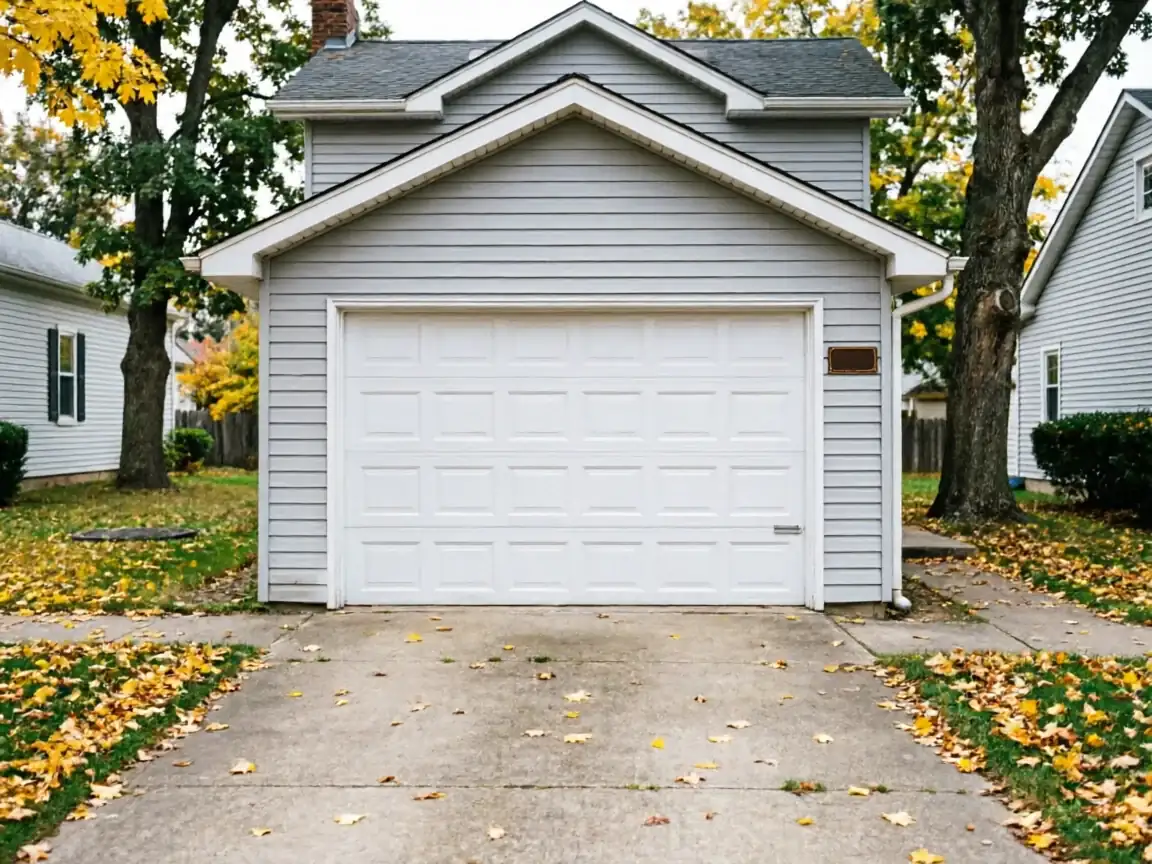
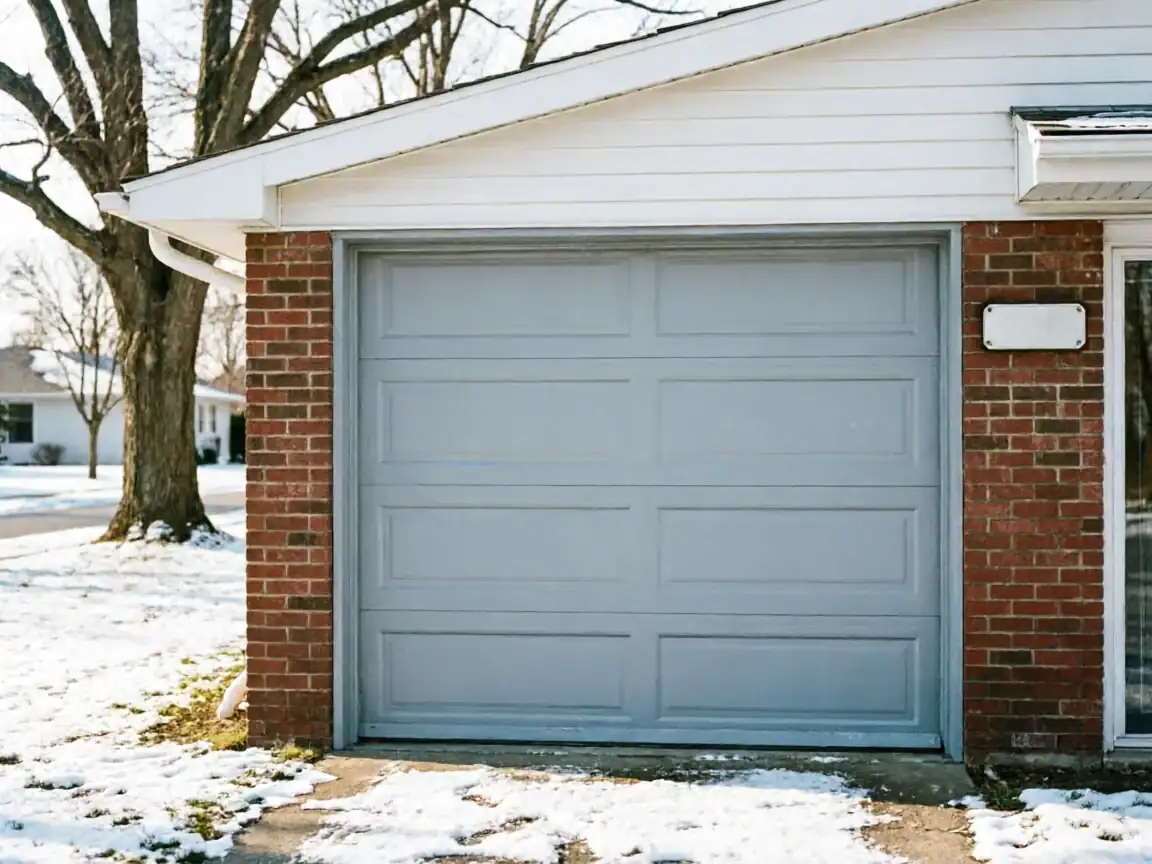
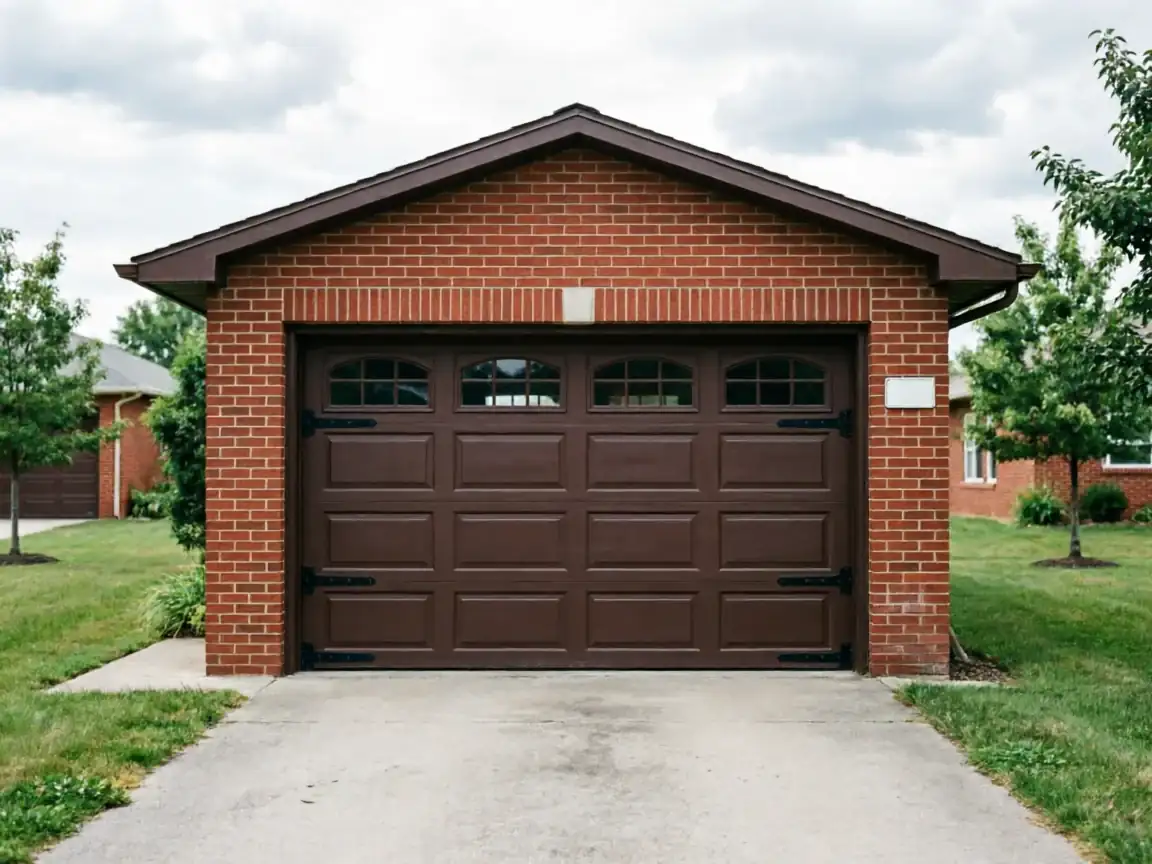
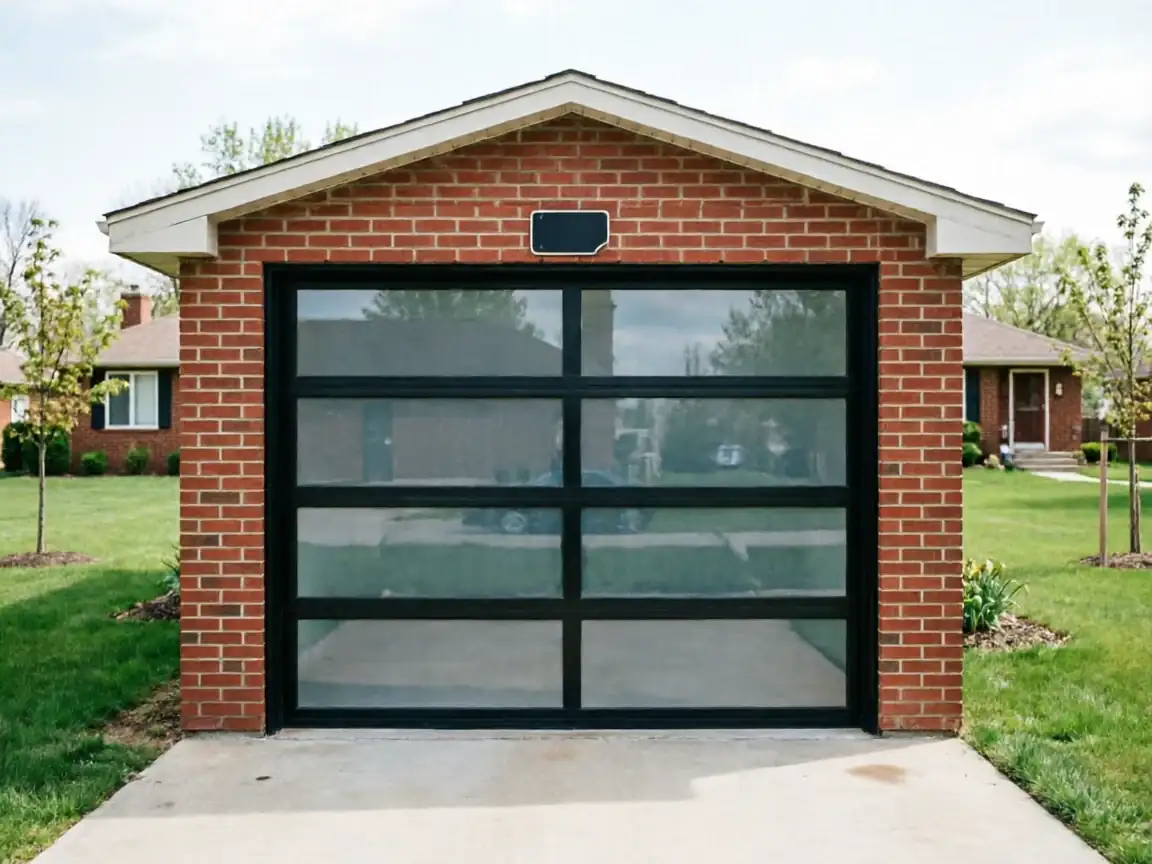
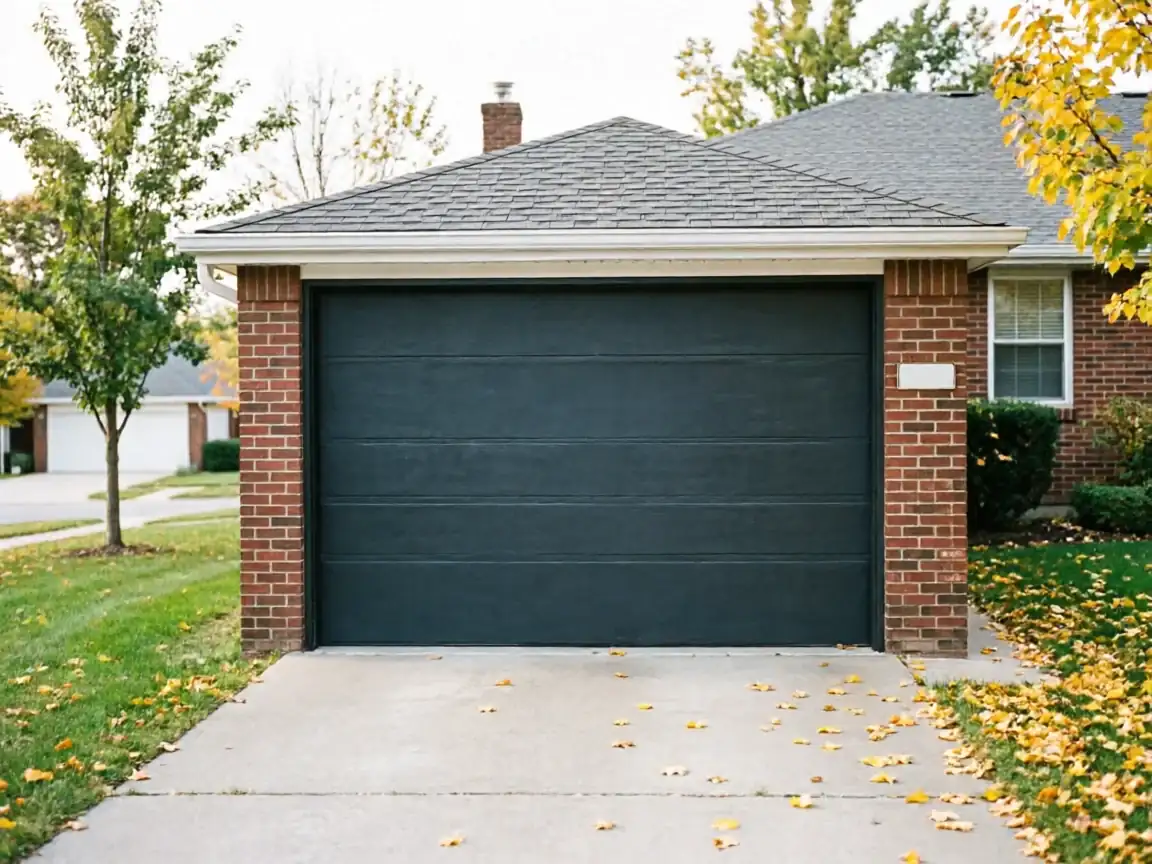
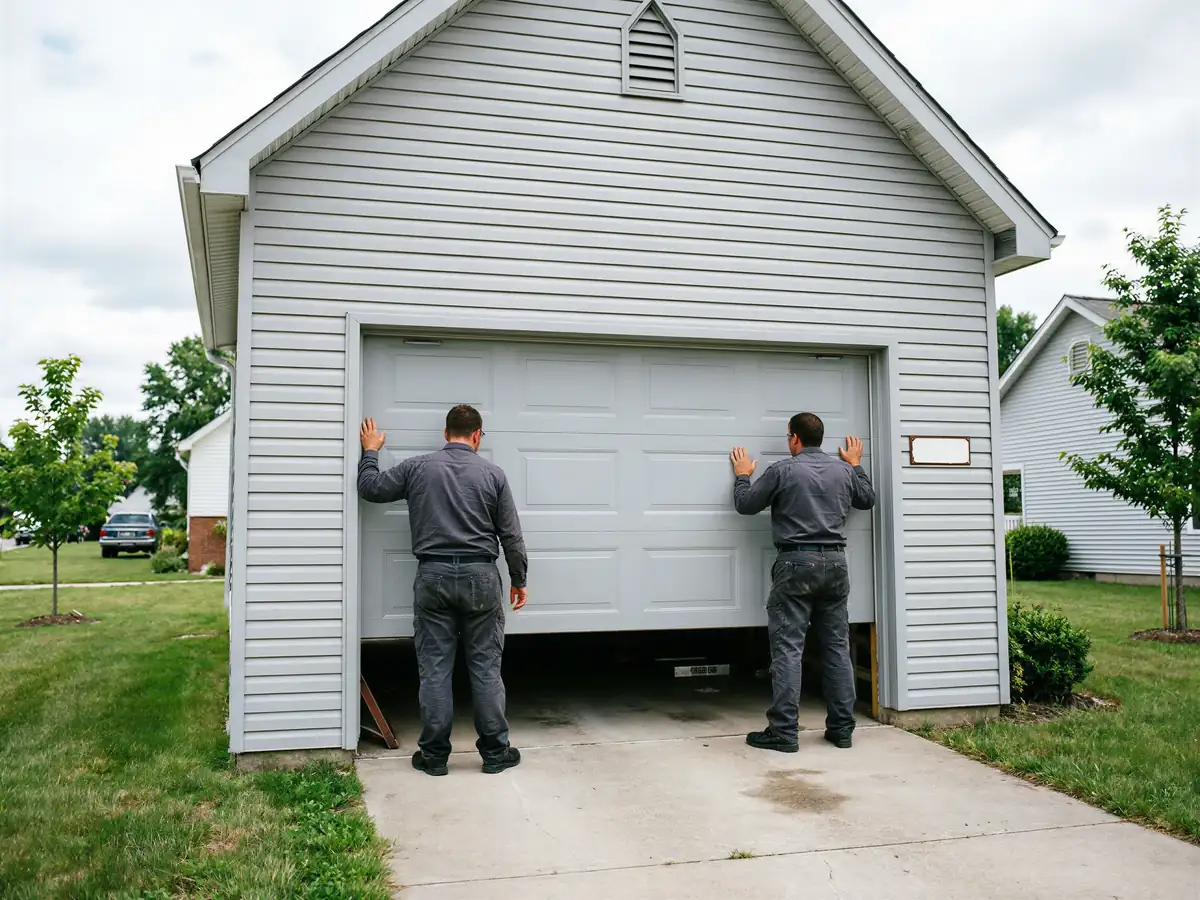
A straight panel swap on a door where the profile is still in production is usually a same-visit job once the part is on the truck or ordered in. The complication with East Moline's older stock is that a 1960s panel profile frequently isn't in production anymore, so the first step is confirming whether a close match exists before we quote a timeline at all. If it does, we're usually looking at a short order wait, then an install that takes an hour or two depending on whether we're swapping one section or restacking the whole door to keep the color and texture consistent top to bottom. If it doesn't exist, that's a different conversation - we'll say so plainly rather than stall you with vague promises, because a door built in 1967 on a torsion system from the same era isn't a part number anyone stocks anymore.
How We Fix It
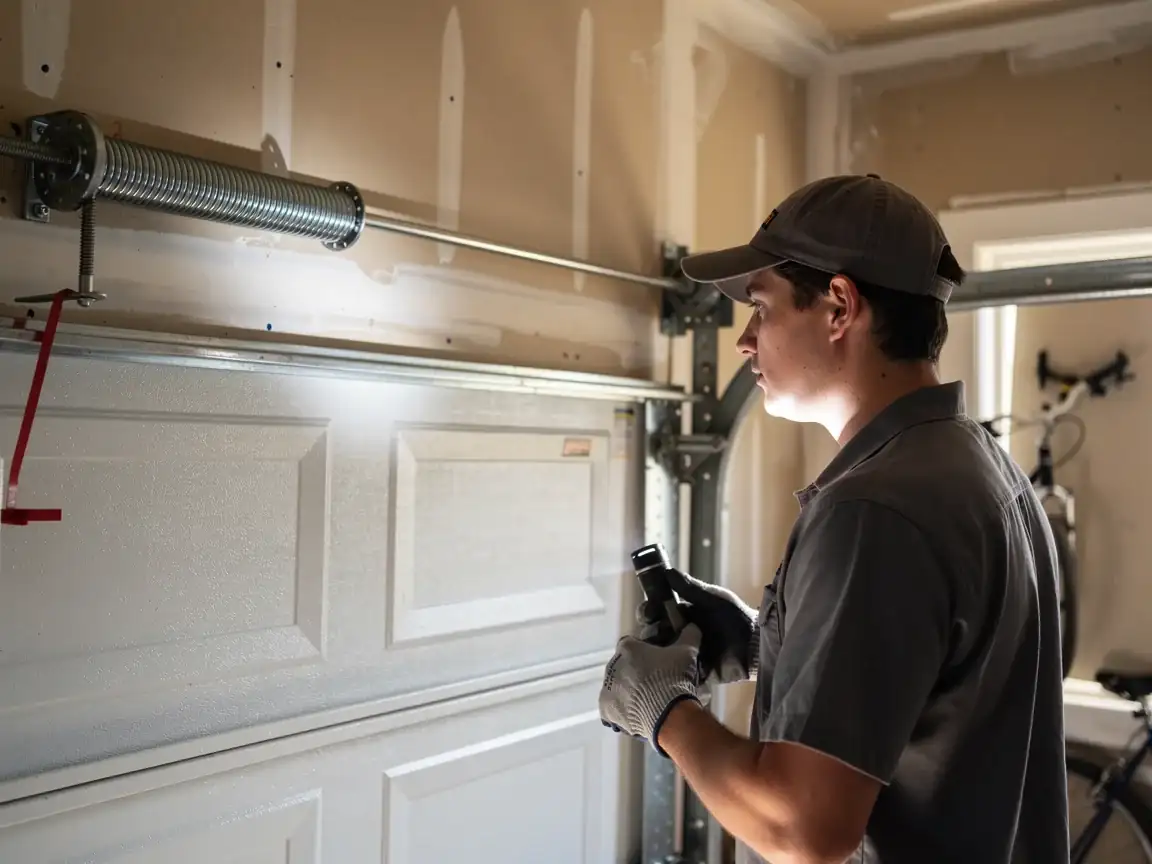
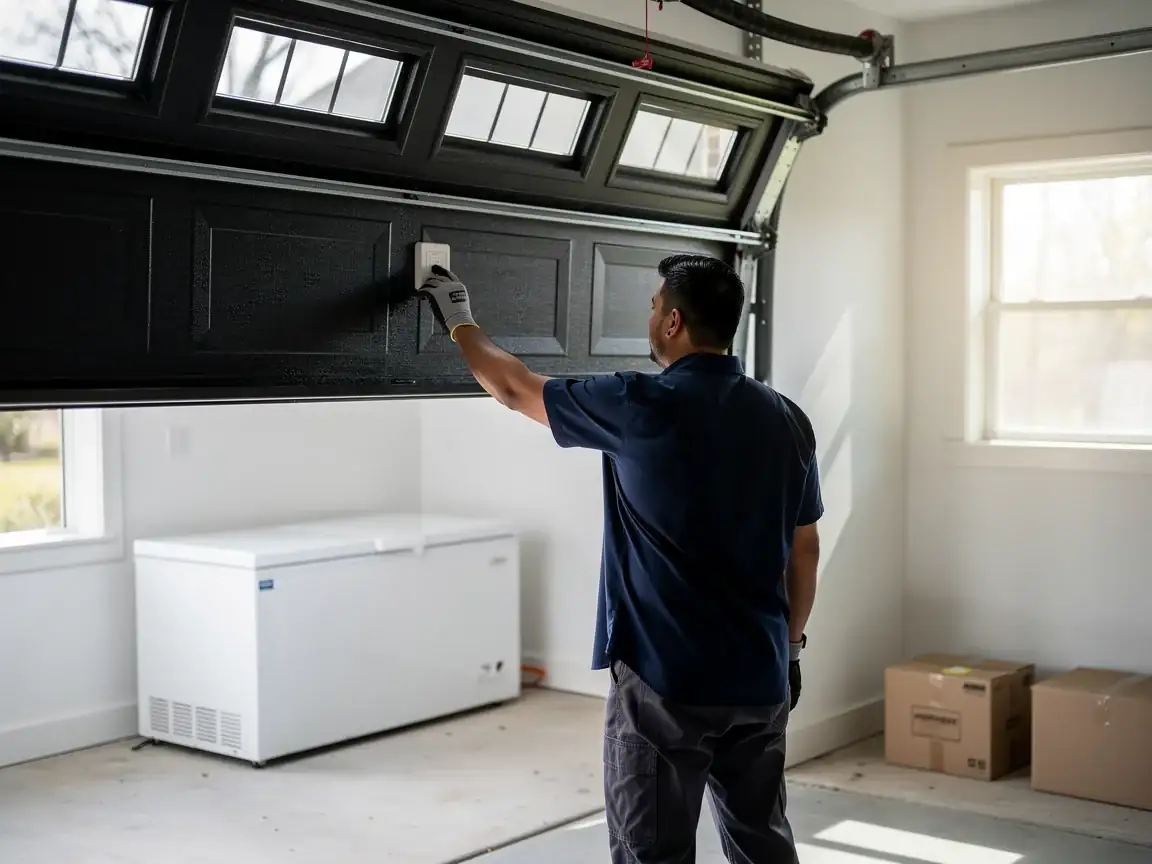
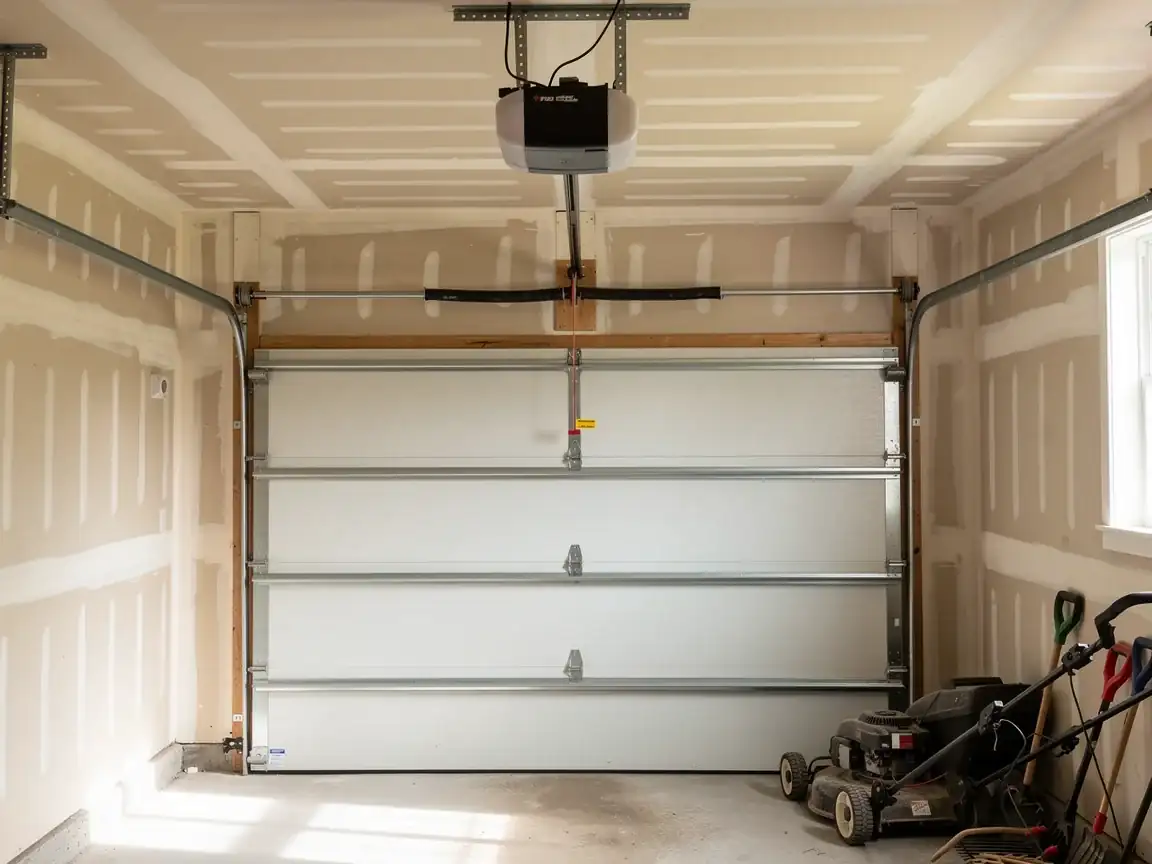
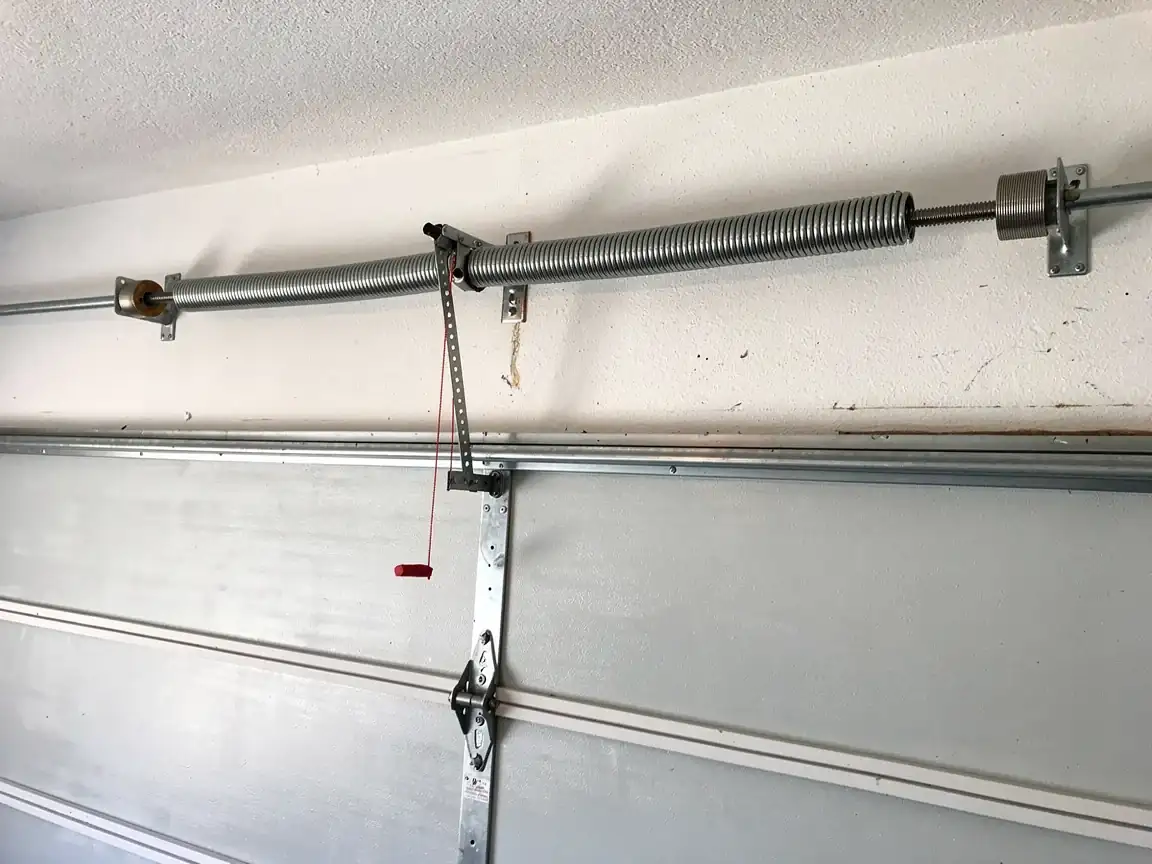
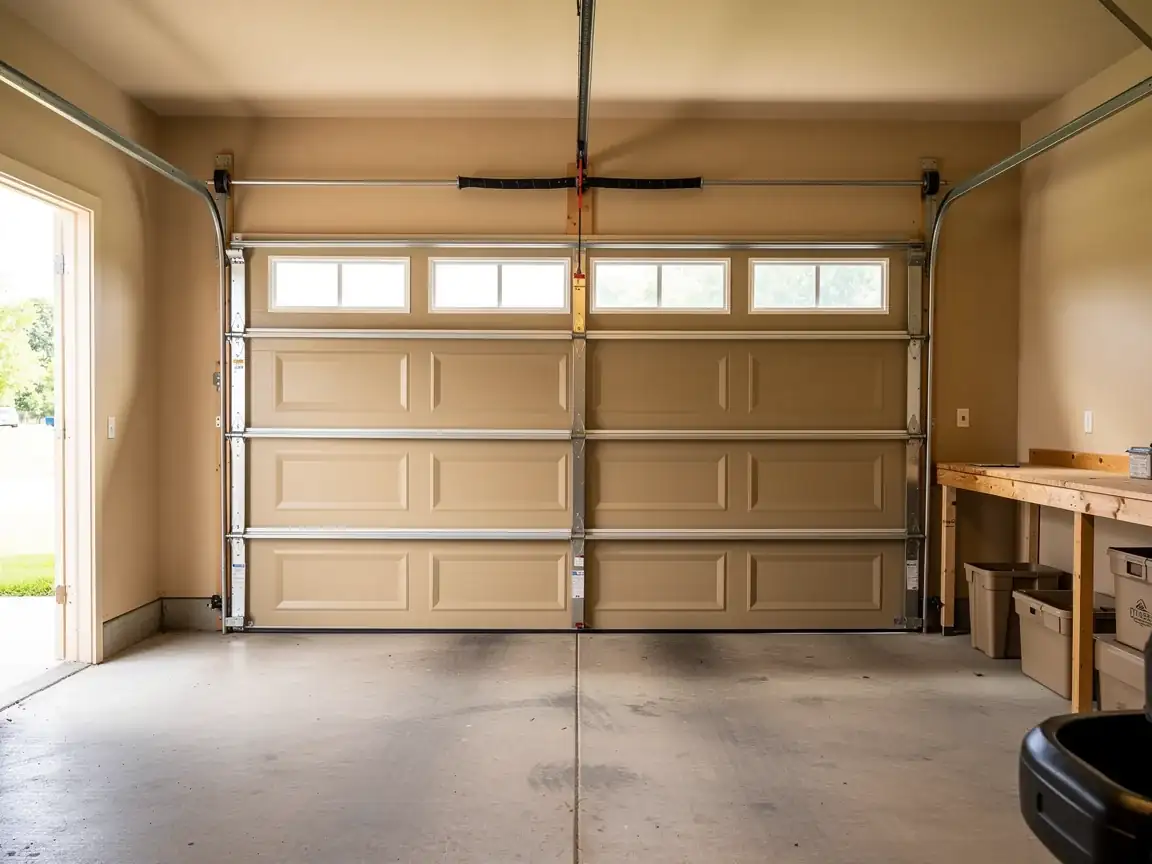
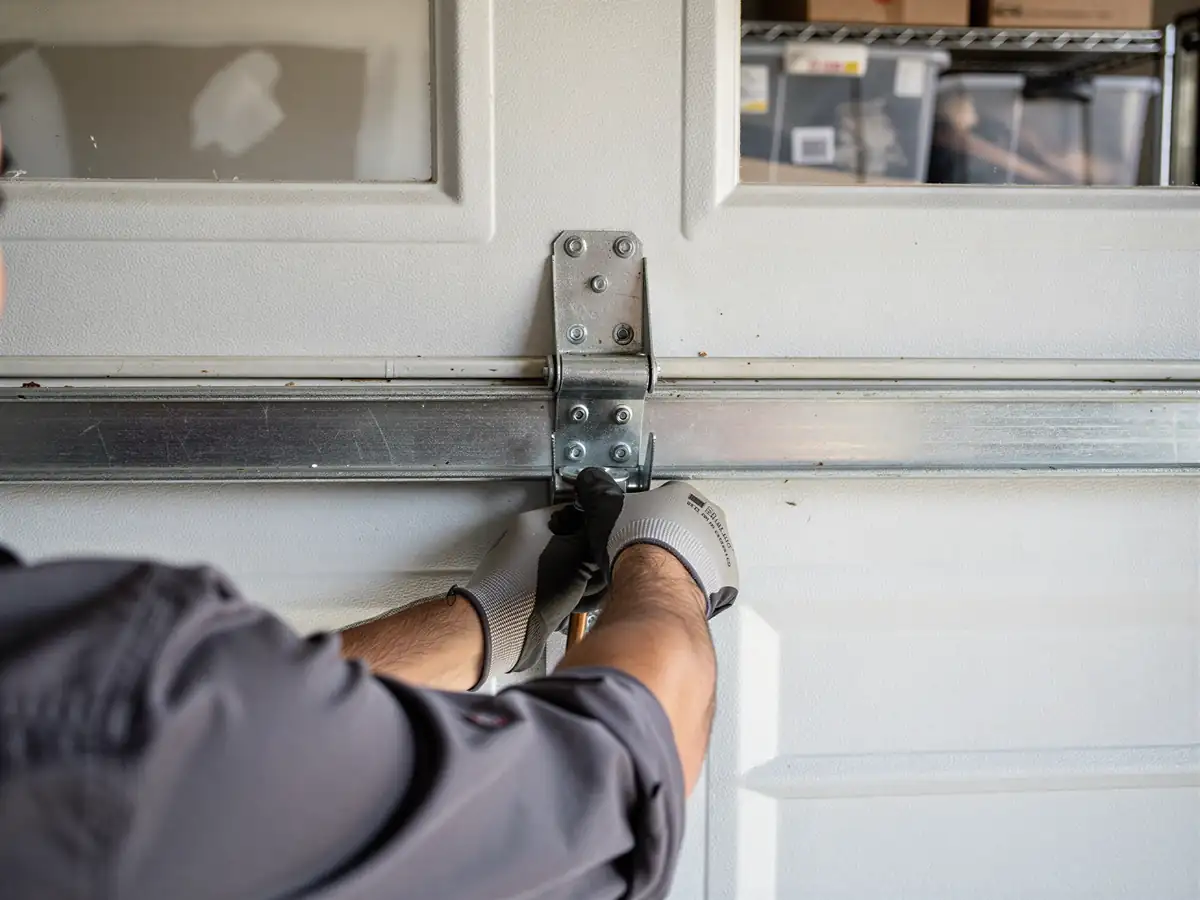
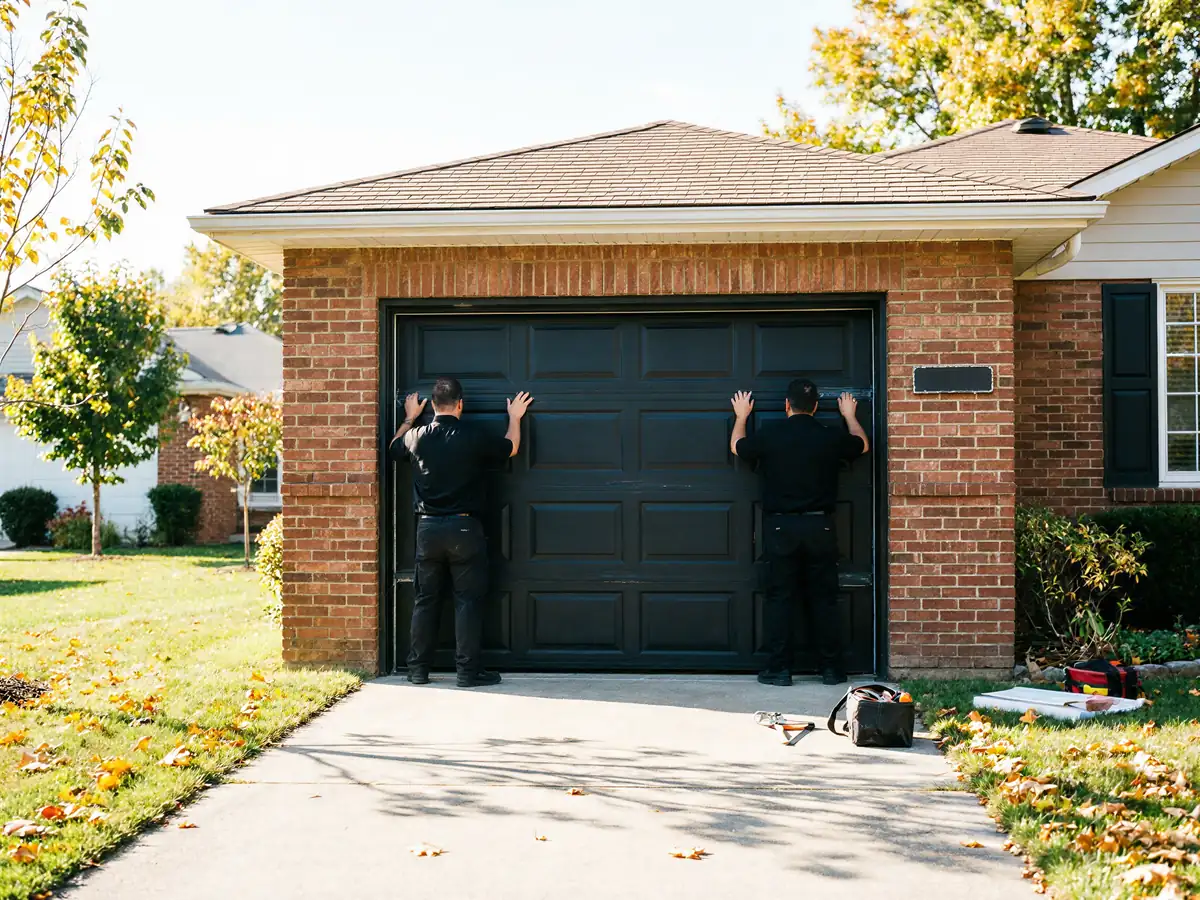
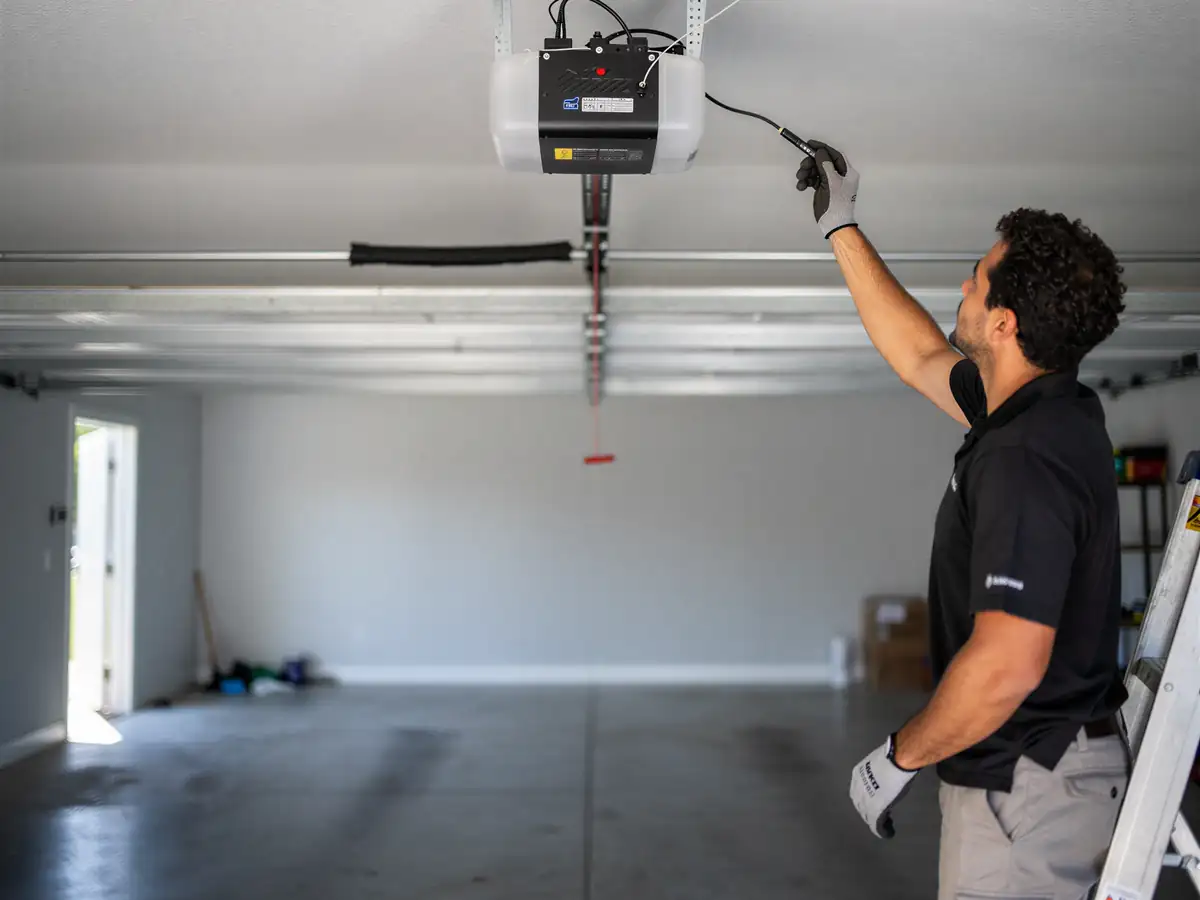
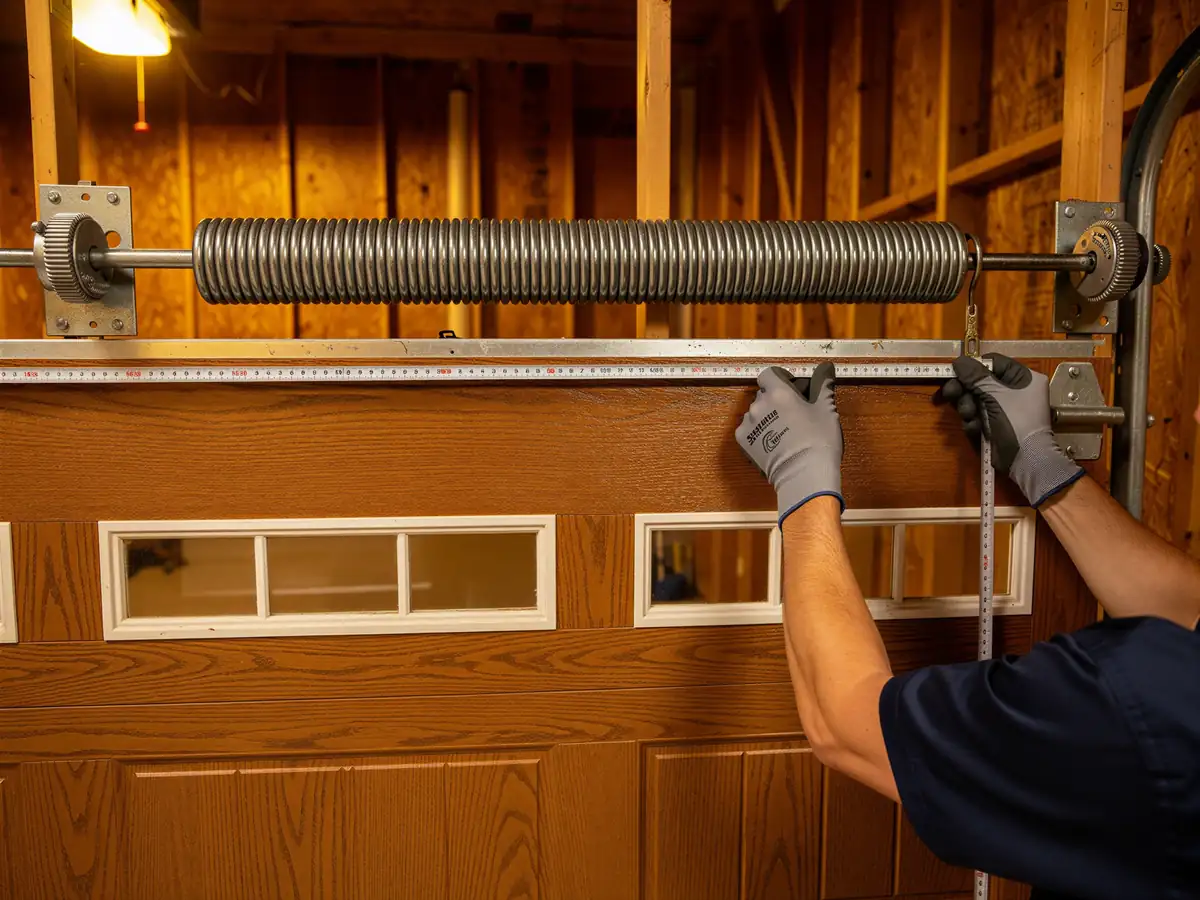
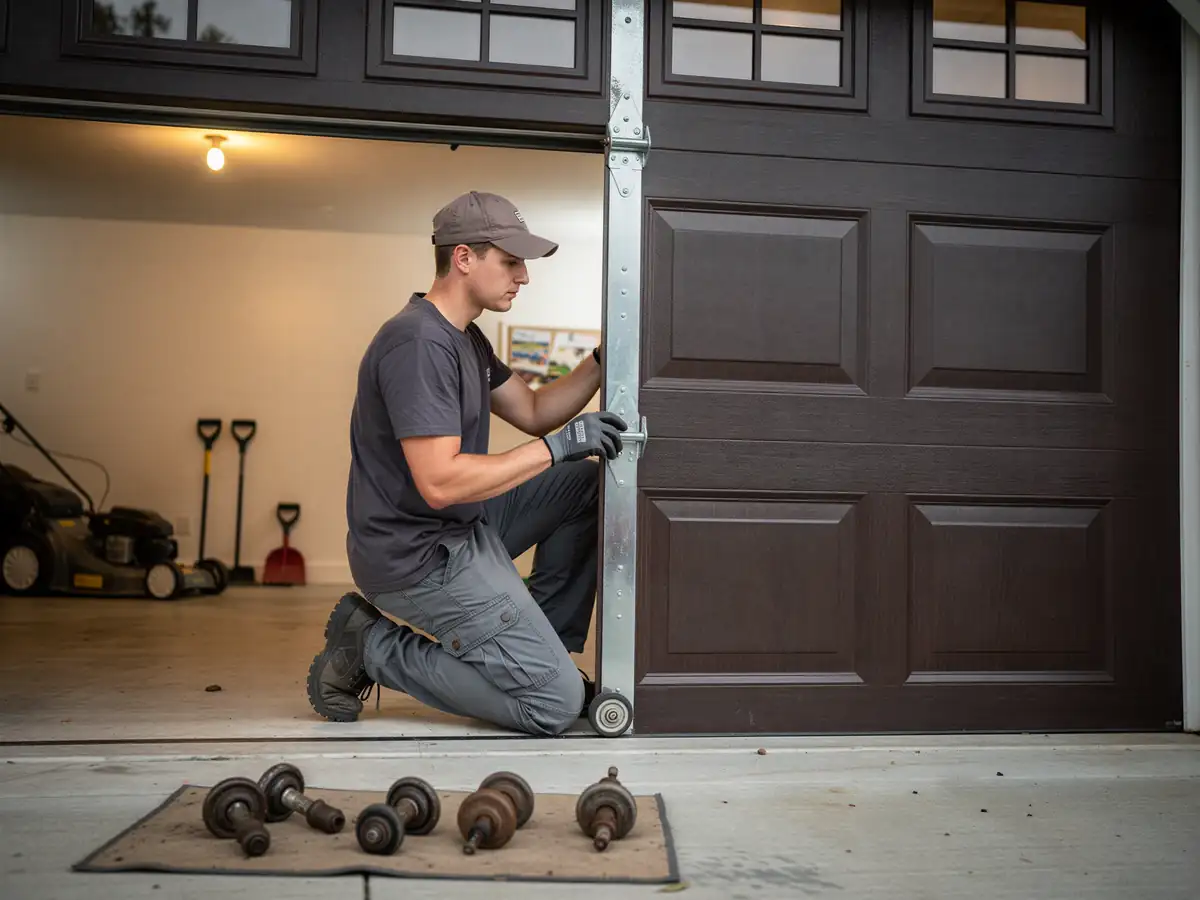
We start by pulling the door's model info if it's still legible, which on houses from the 1967 era often means a worn or missing sticker, so we measure the panel dimensions, the hinge spacing, and the track width by hand. From there we try to source a matching or close-enough replacement panel rather than the whole door, since full replacement on a sound frame and working opener is usually more than the job calls for. We disconnect the opener arm before touching any panel on a door with a working spring system, pull the damaged section's hinges and rollers, swap the panel, and reset hinges and rollers with new fasteners rather than reusing stretched hardware from a decades-old install. Then we run the door through a full open-close cycle, check that the new section sits flush with its neighbors, and look at the torsion spring load, since swapping panel weight even slightly can throw off balance on an older system that was never rebalanced since it was put in.
What Is on the Truck
We carry common panel sections and the fasteners, hinges, and rollers that go with a standard swap, along with primer and touch-up paint for matching edges on steel doors. What we don't carry, because no one stocks it, is an exact factory match for a raised-panel steel door built around 1967 - those profiles were phased out long before composite and insulated steel doors became the standard, and a section that specific gets special-ordered once we've confirmed the measurements on site. The truck also carries torsion spring stock sized for the weight range common on East Moline's older two-car doors, since a panel swap on a 50-plus-year-old system is a good time to check whether the spring is still rated for the door's current weight, not just whether it still lifts.
Doing It Yourself
Swapping a single panel section yourself is possible if the door is unplugged from any spring tension and you're only replacing a non-structural top panel with no hardware changes. It gets dangerous fast on anything involving the bottom section, the hinges that carry spring load, or a torsion system from a door this old, because the tension on a decades-old spring doesn't behave predictably and a slipped bar under load has put people in the hospital. If you're not sure whether your door's panel is even still made, that's worth a call before you order anything online and find out it doesn't fit a 1967-era frame. We'd rather tell you it's a DIY job and save you the drive than have you order a part twice.