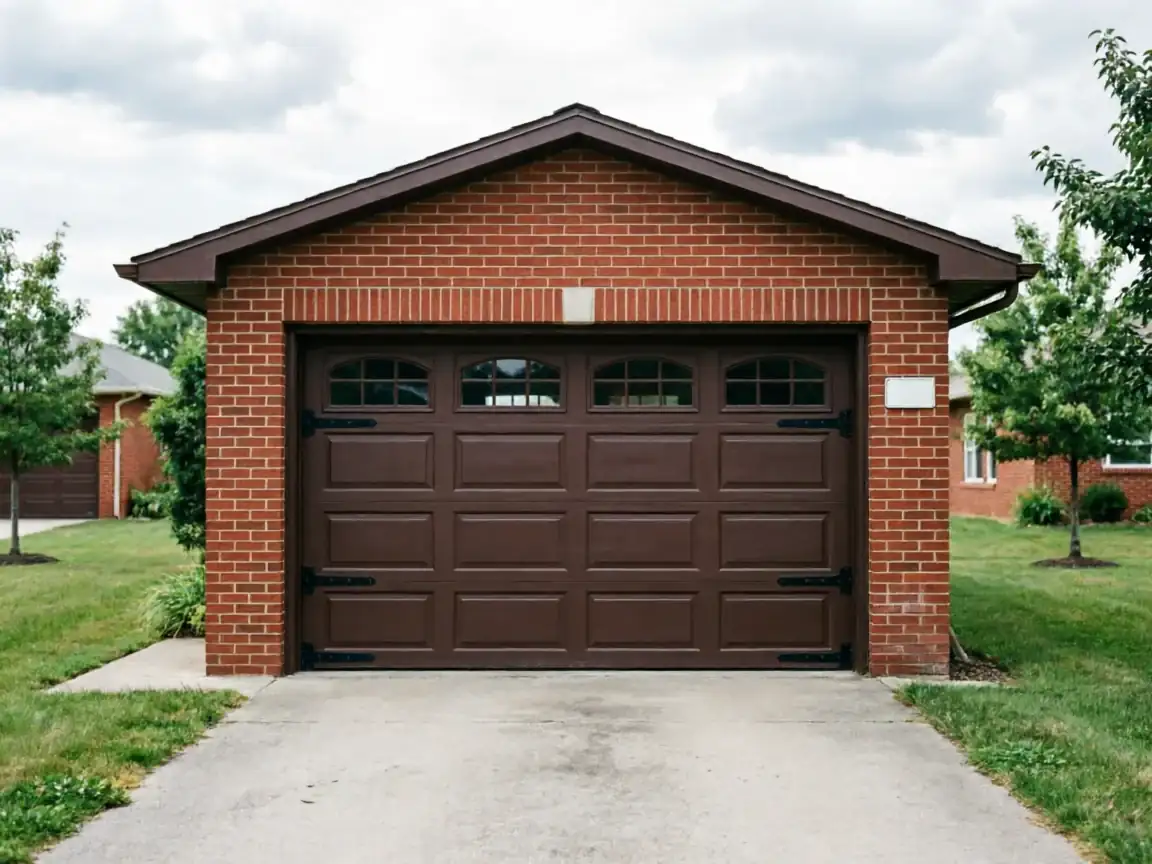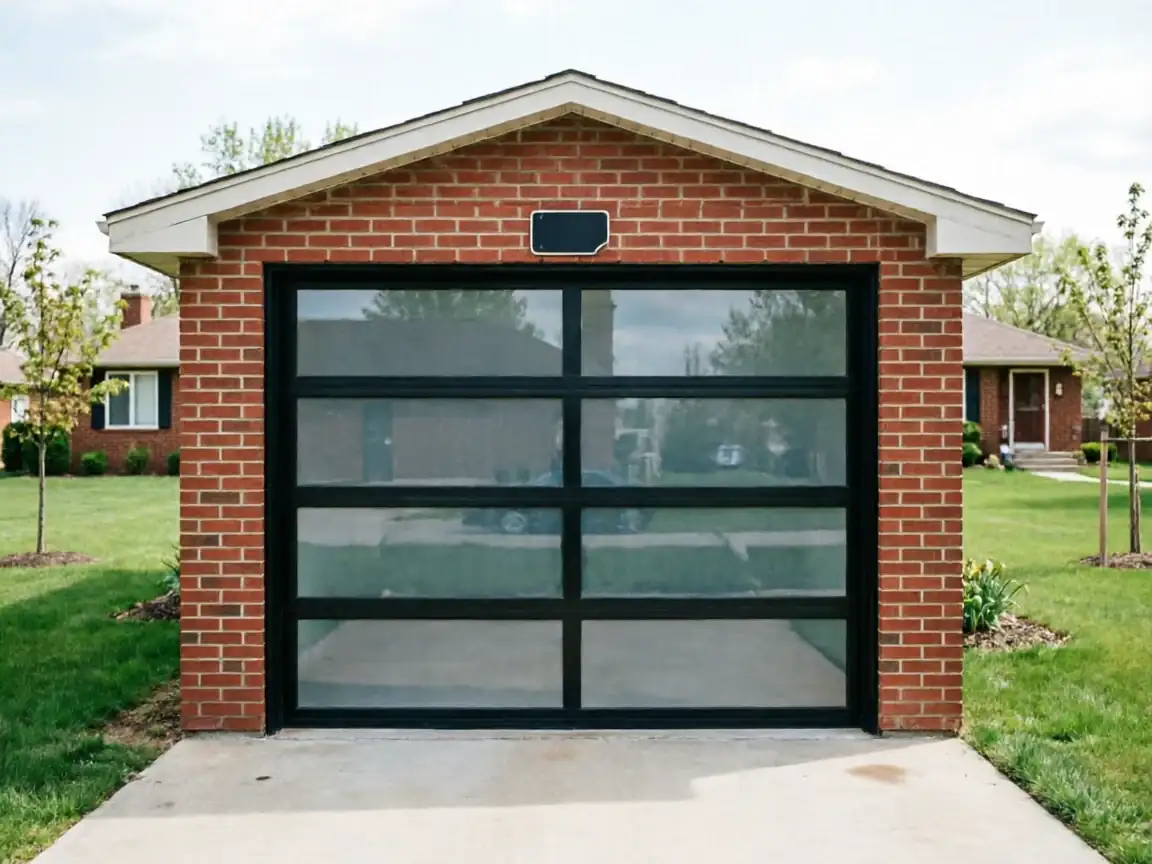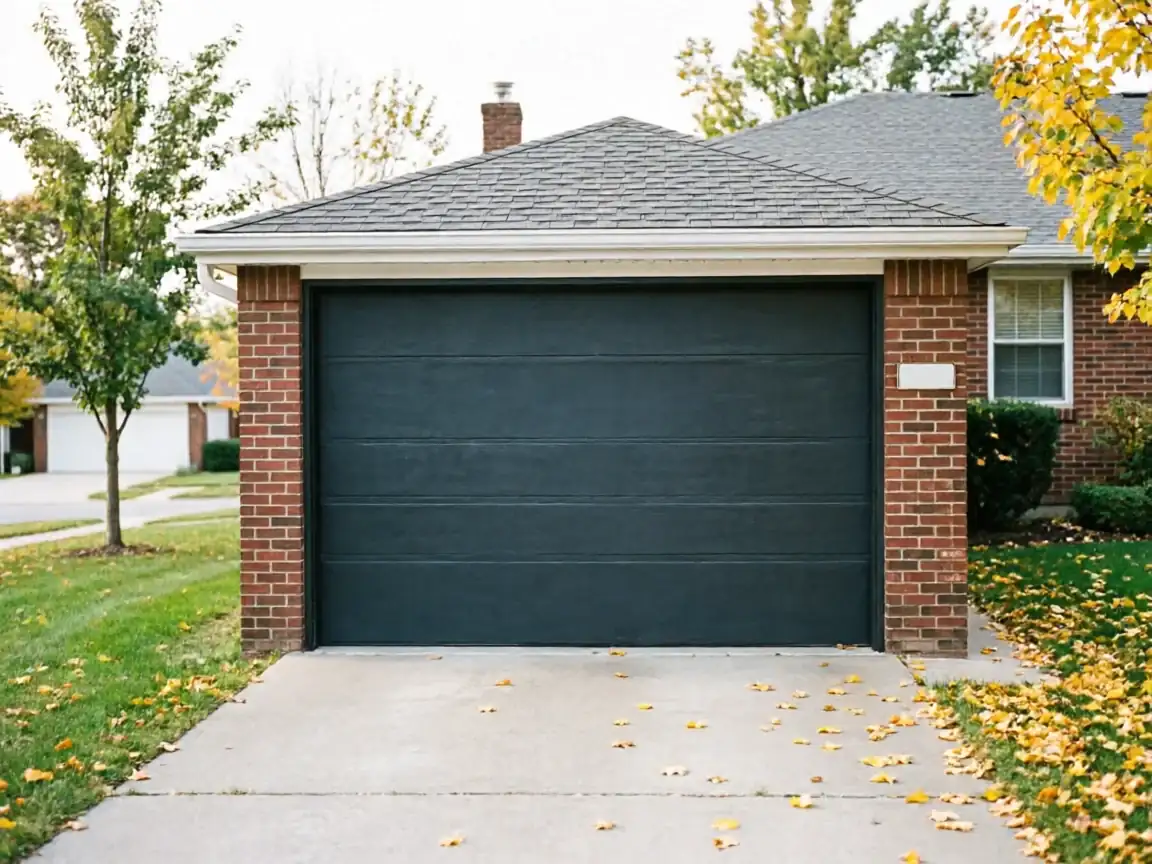
How Long It Takes
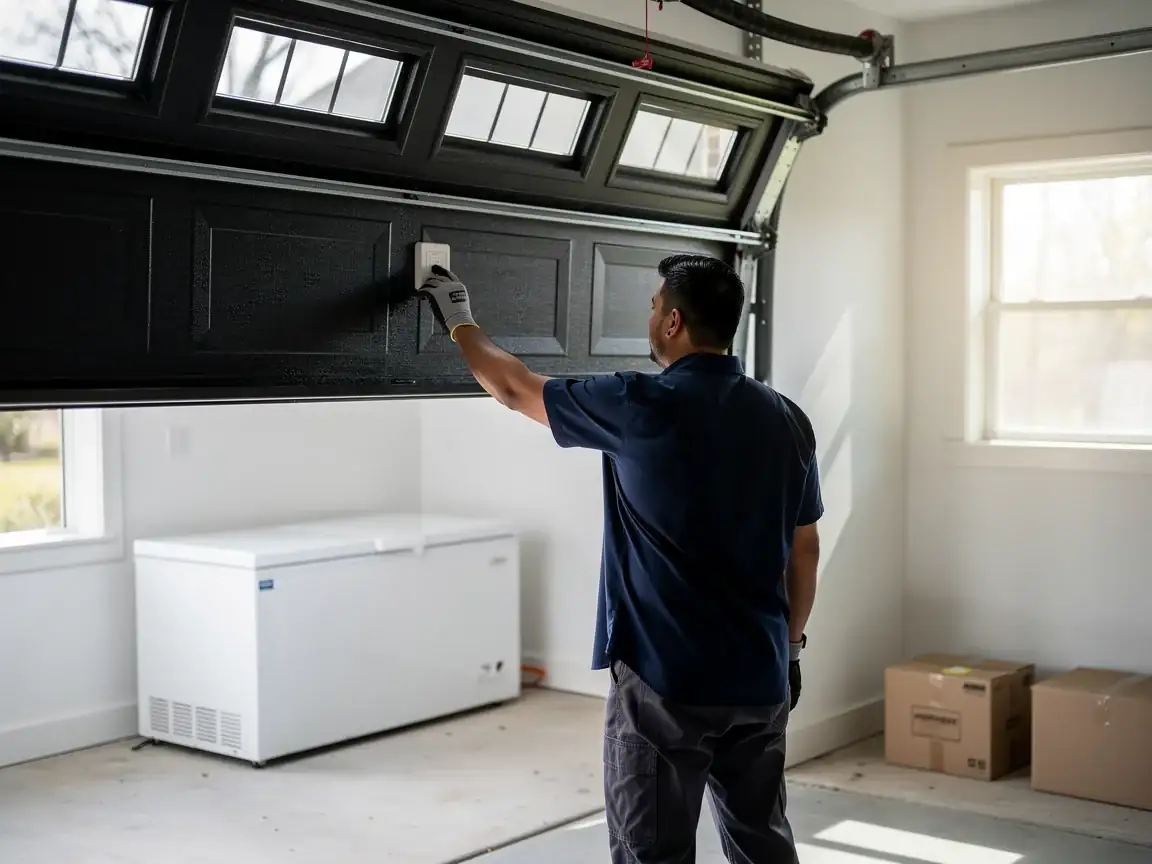
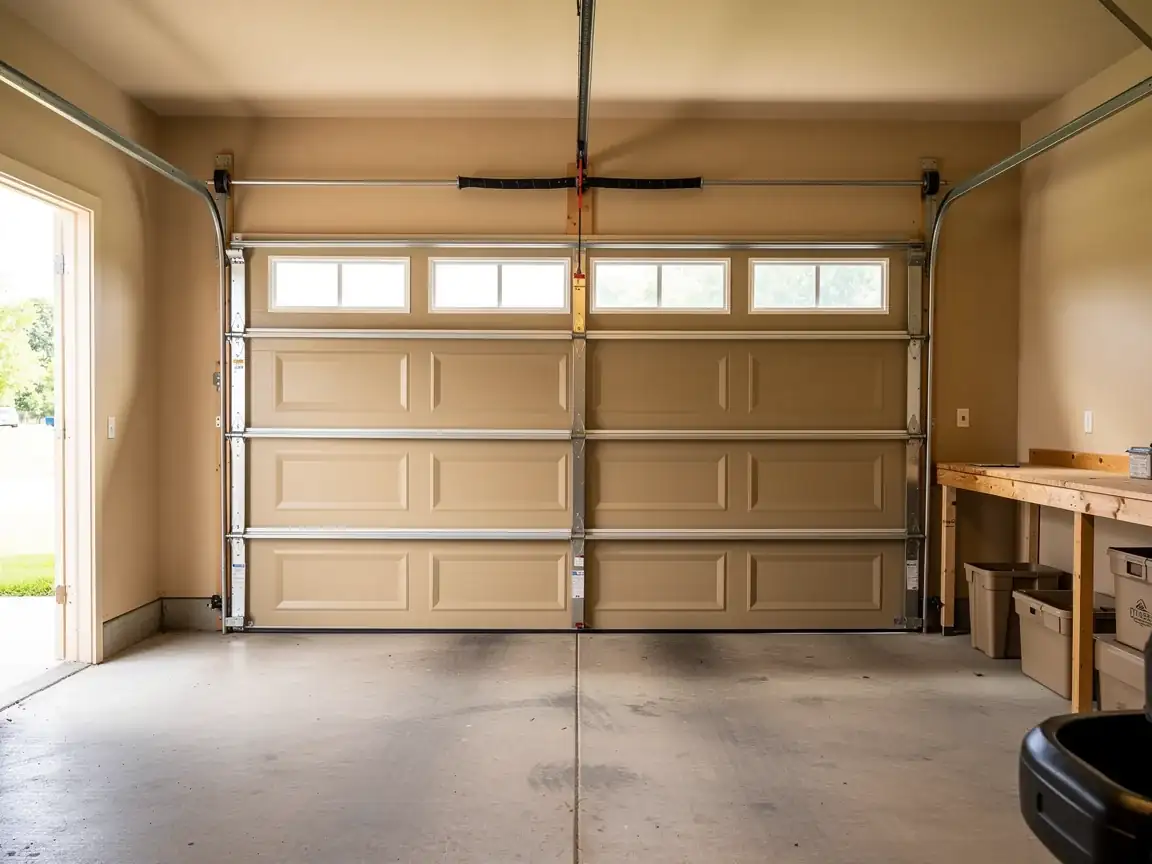
Most spring jobs on East Moline's older doors run on the shorter side once we're on site, because a single torsion spring or matched pair is a straightforward swap when the rest of the hardware is original and hasn't been modified. Where it runs longer is on the two-car extension-spring doors common in this area's mid-1960s builds - those often need new safety cables and sometimes a pulley or two at the same time, since parts that age tend to fail as a set rather than one at a time. We travel from Moline, about six miles out, so factor that into when you'd see a truck versus when the call comes in. We don't carry every odd spring size on the truck for every house built before 1970, so if your door has a spring wind or wire gauge we don't stock, that part can add a day.
How We Fix It
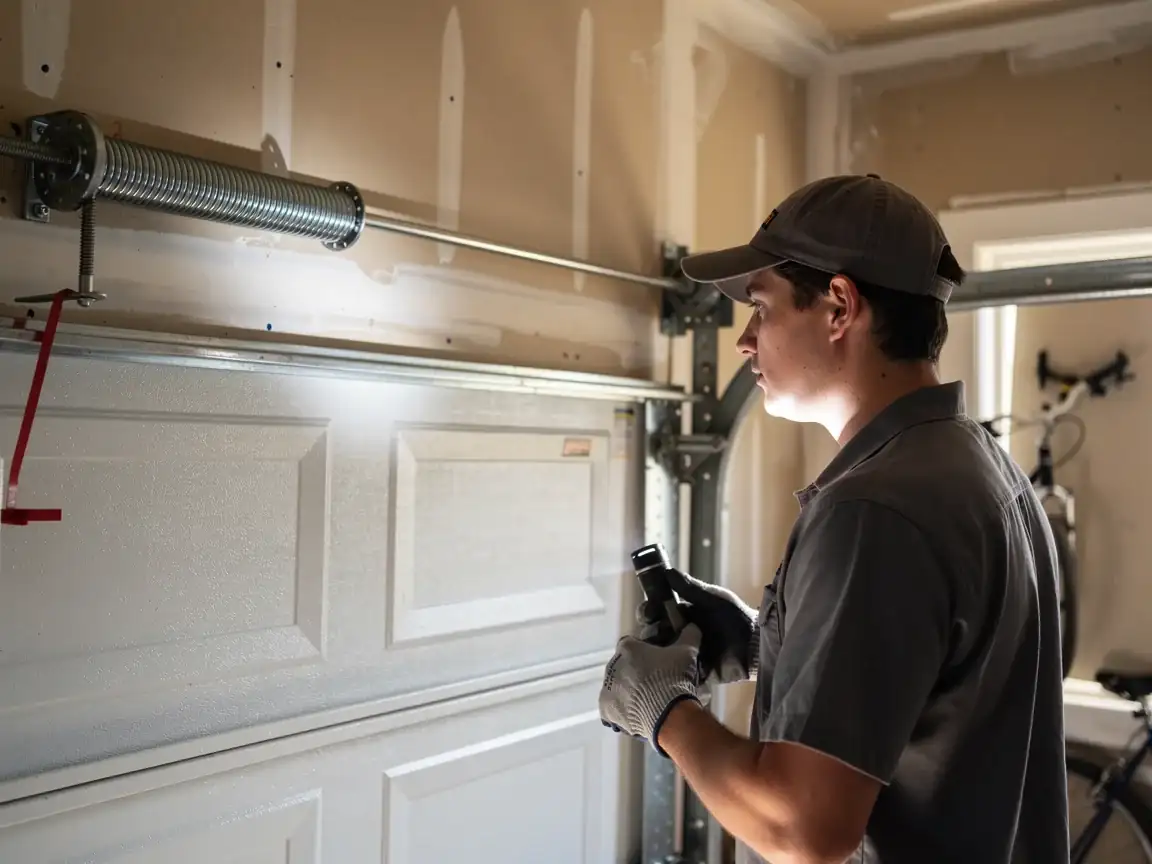
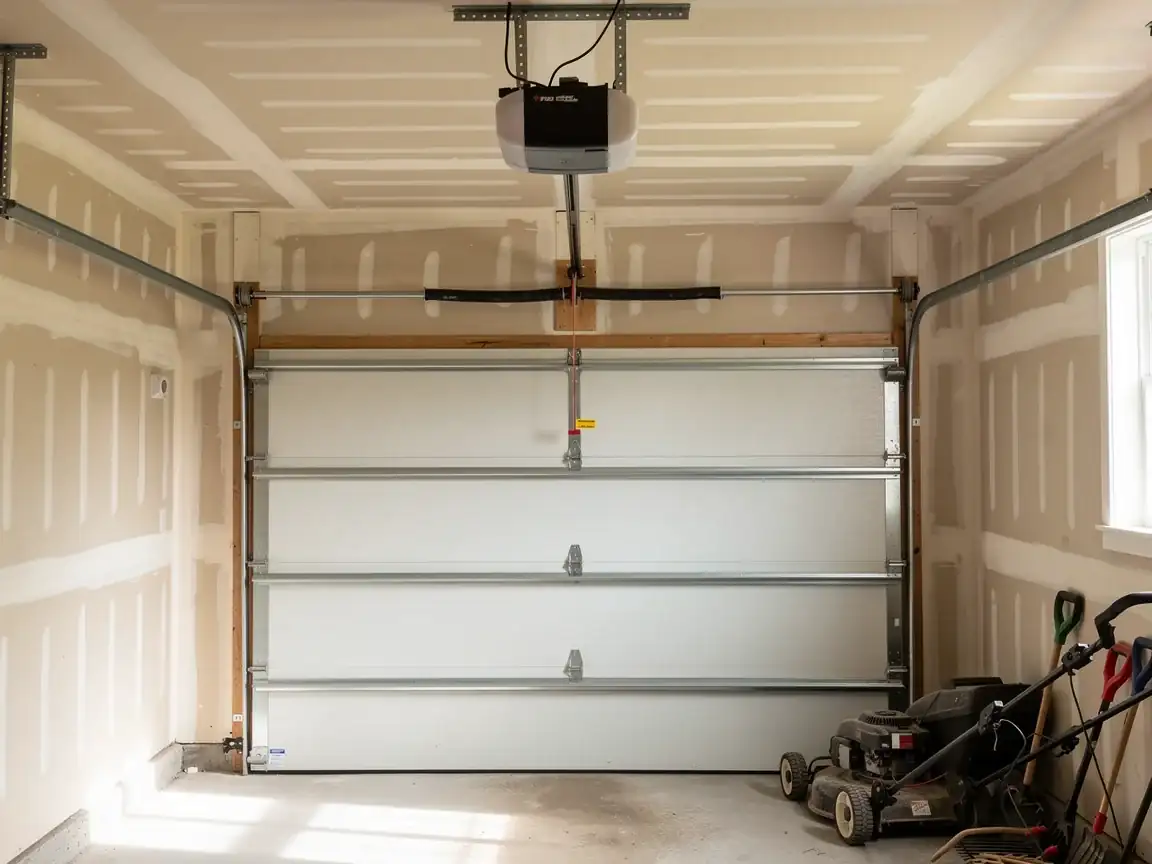
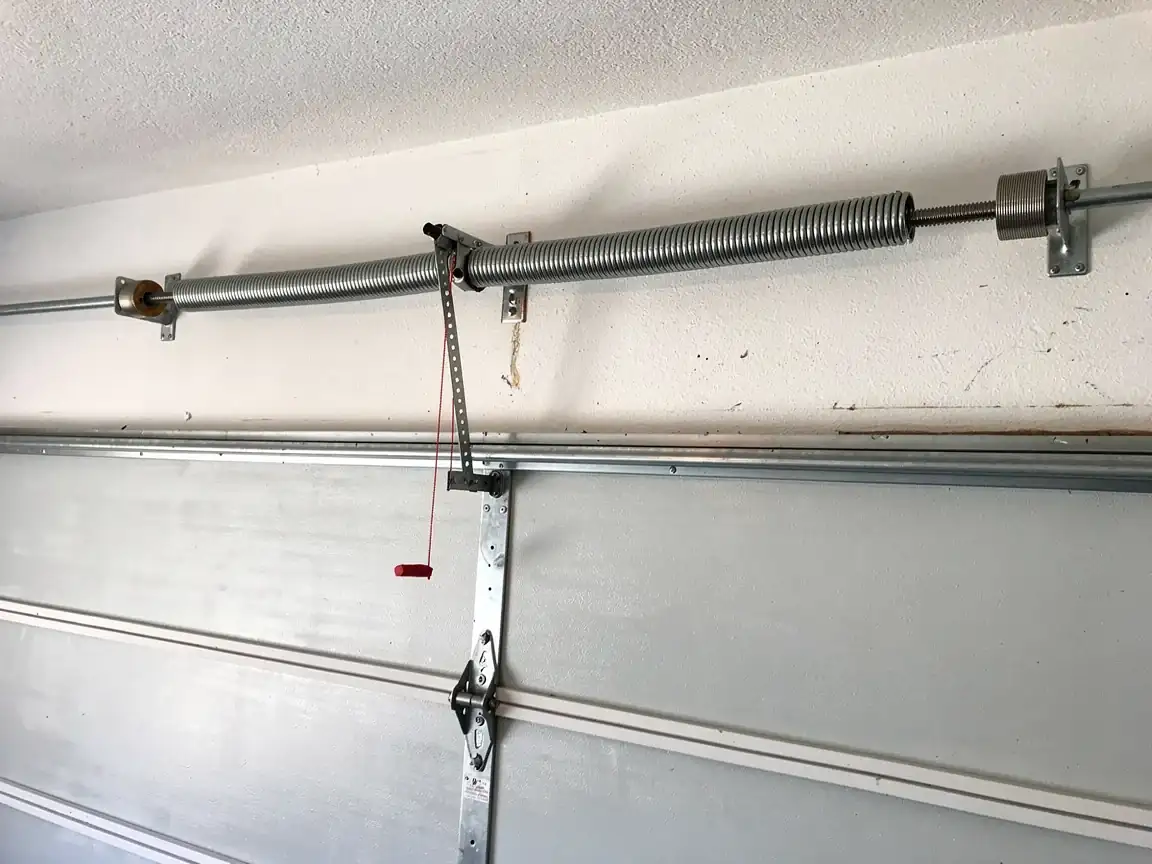
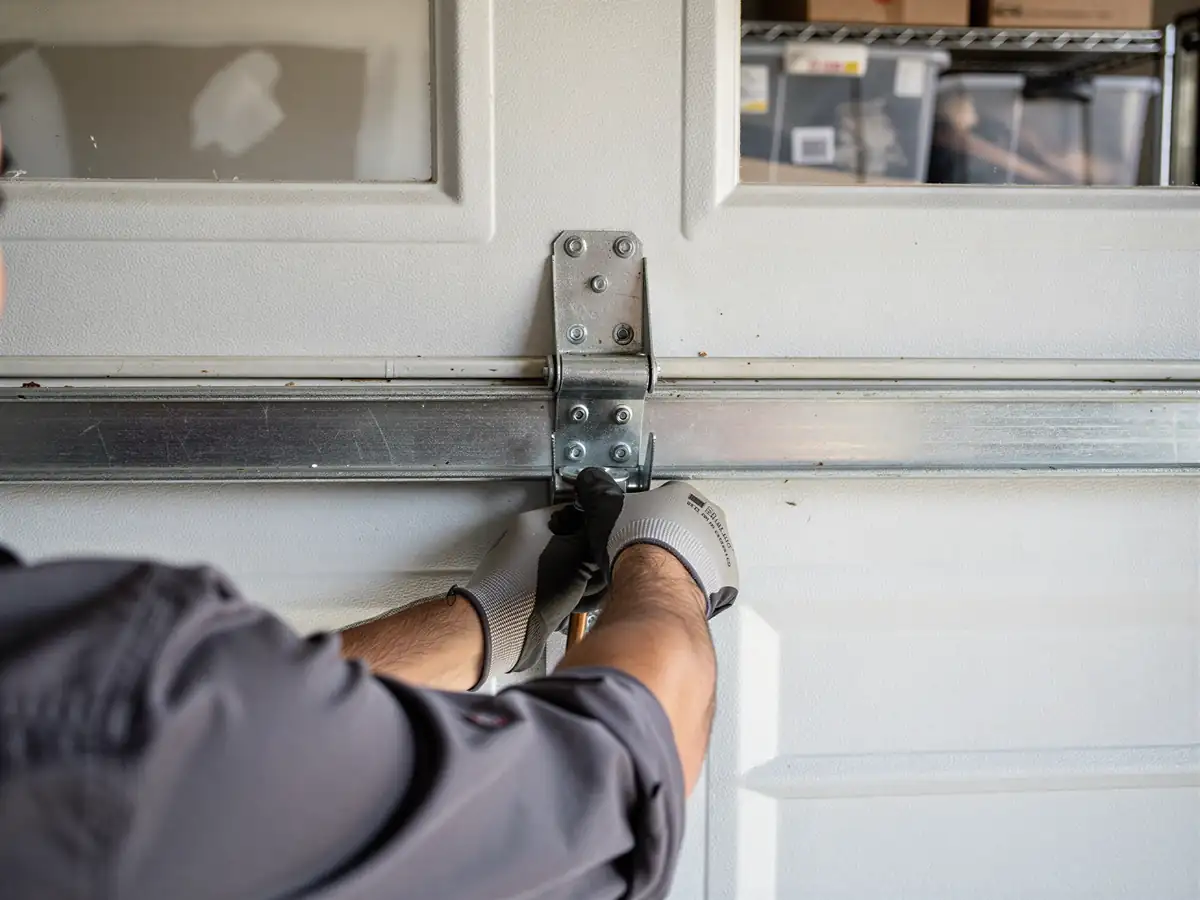
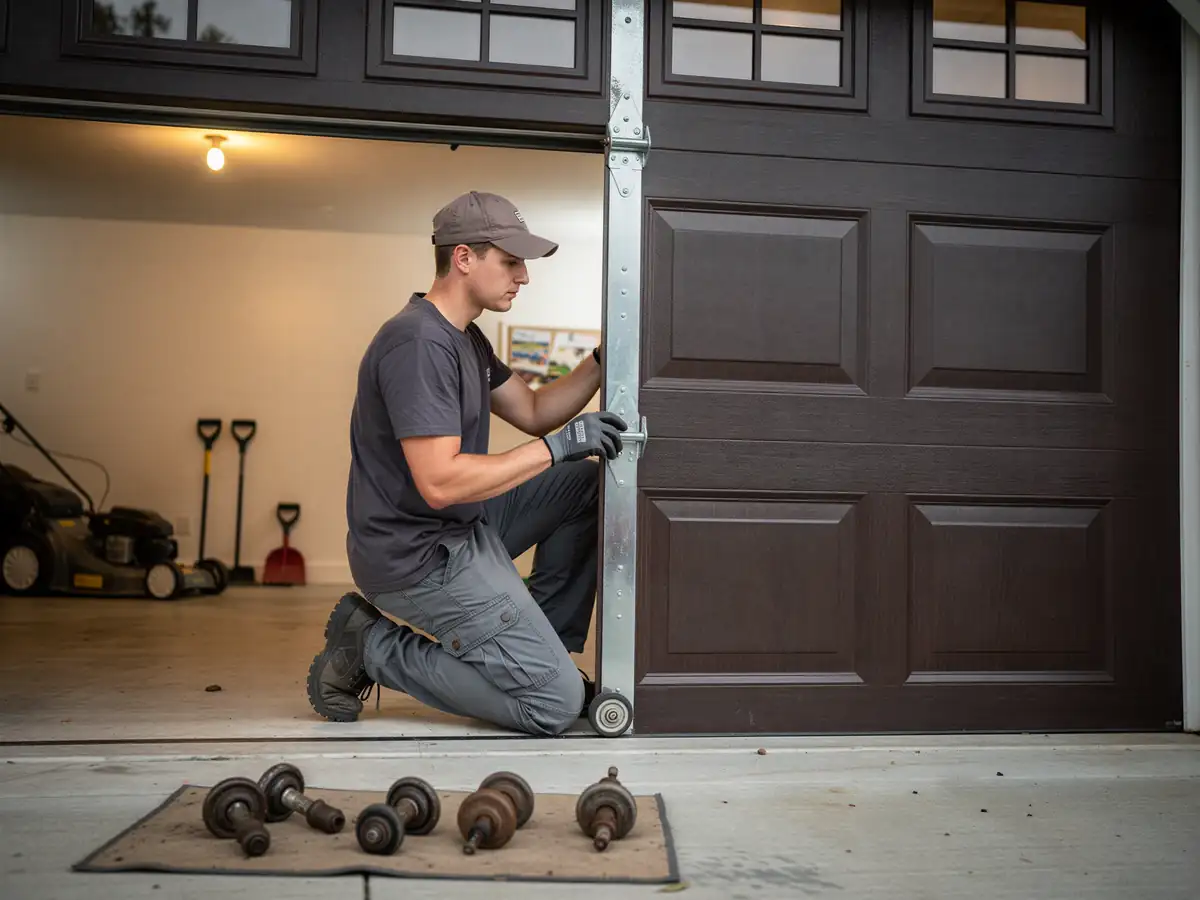
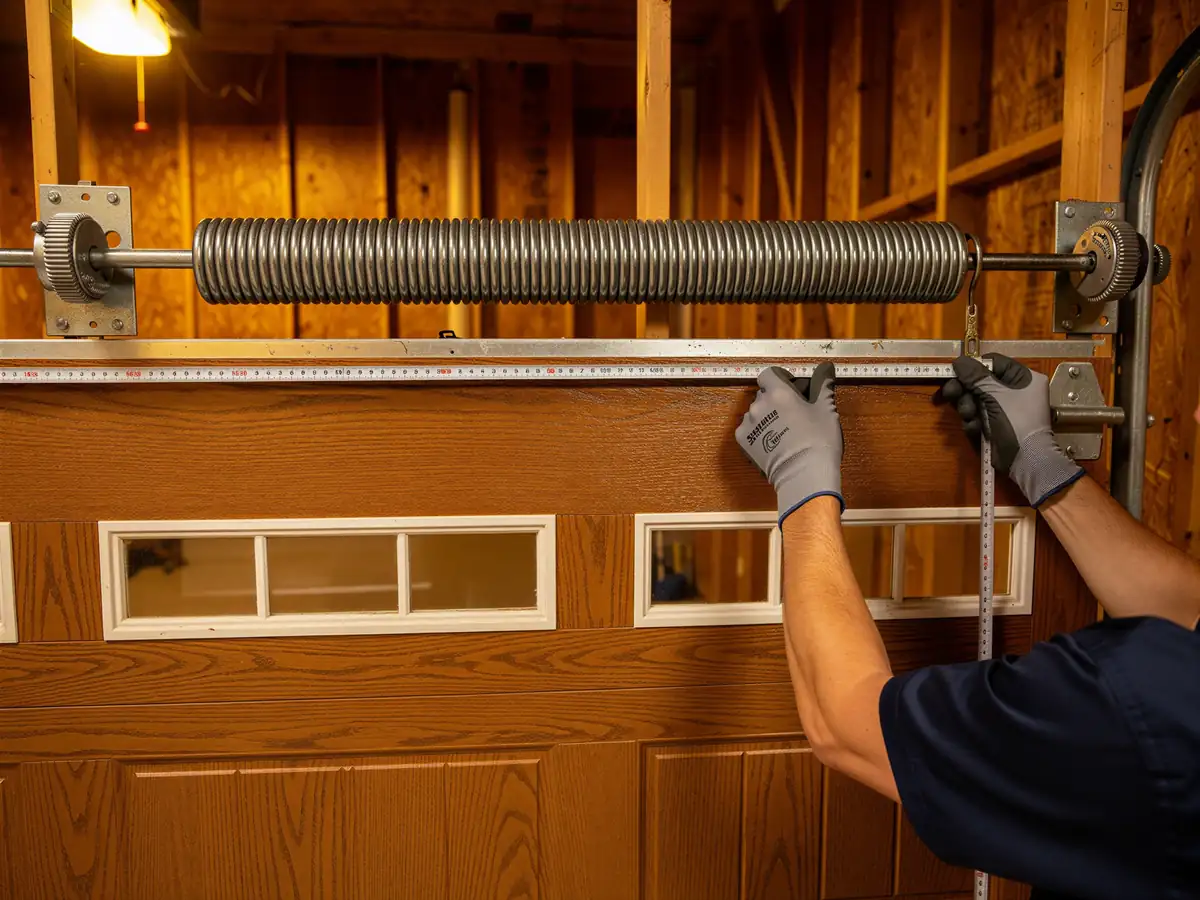
We match the spring to the door, not to what's already hanging there, since a lot of East Moline's original 1960s torsion springs were undersized for the door weight to begin with and that's often part of why they failed early. On torsion setups we check the shaft, center bearing, and drum condition before putting a new spring under tension - no point replacing a spring on hardware that's about to bend. On extension-spring doors we replace the cables along with the spring regardless of how they look, because in this climate band the ones that look fine are usually the ones about to let go. We test the door's balance after the swap, not just that it opens and closes, since a door that's out of balance will just eat the next spring too. On a handful of the oldest doors in this area, the drums or shafts are worn enough that spring replacement alone won't fix the real problem, and we'll tell you that instead of selling you a spring that buys six months.
What Is on the Truck
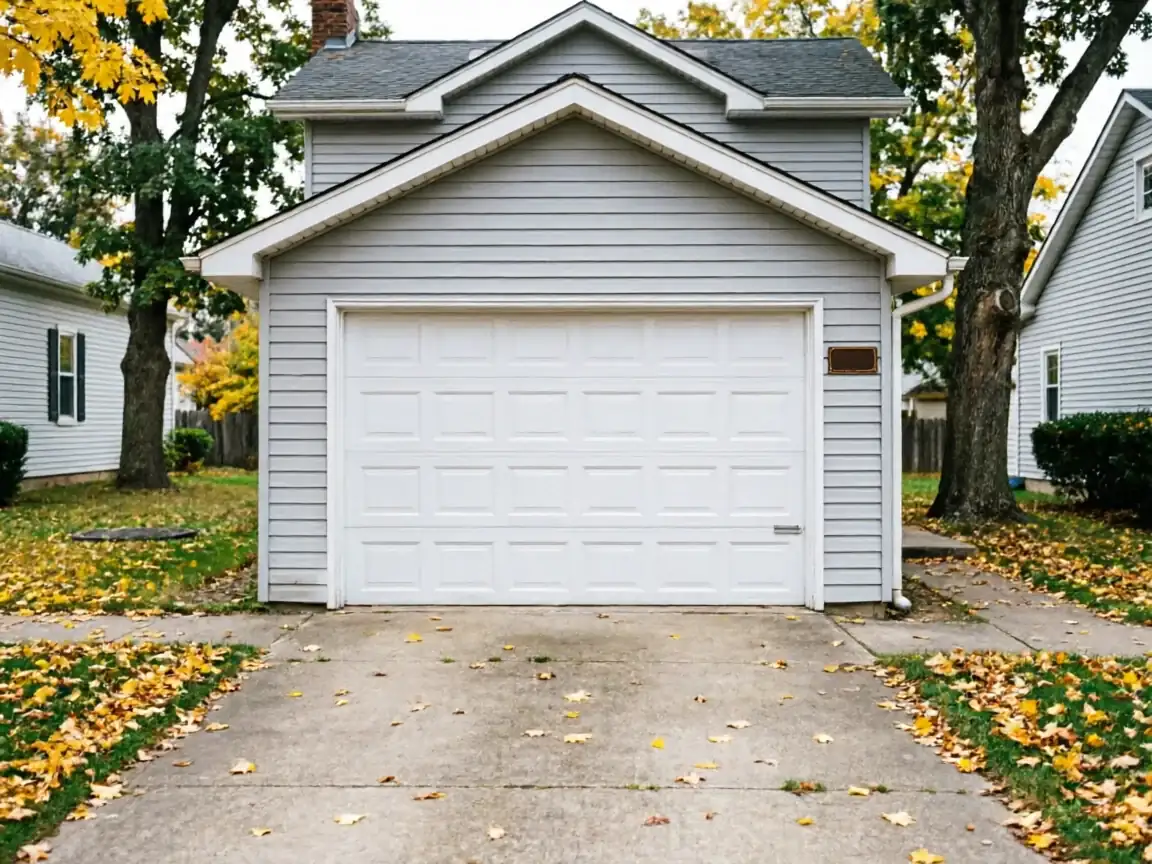
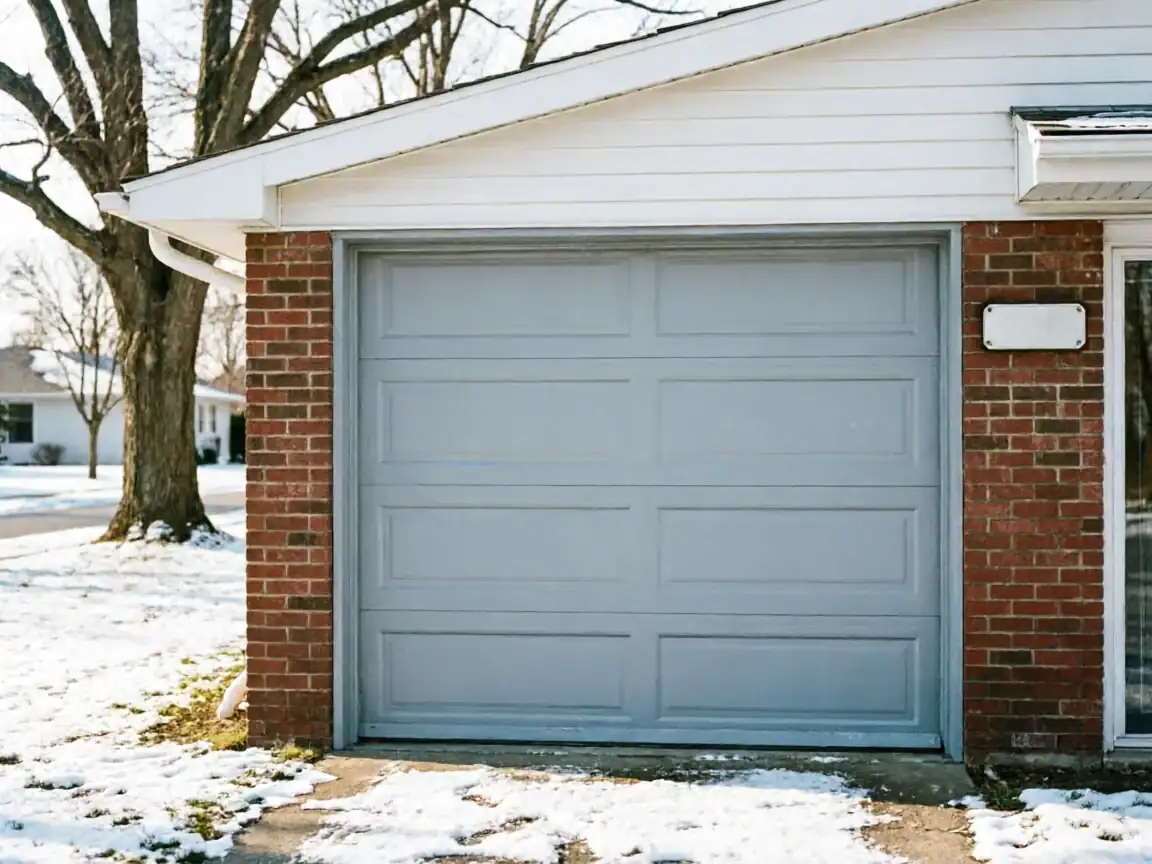
We carry common torsion spring sizes for the door weights and shaft diameters typical of 1960s and 1970s steel sectional doors, since that's what most of this area's 8,105 households are working with. We also stock extension springs, replacement safety cables, and the drums and bearings that tend to go along with a spring failure on a door this age. What we don't always have with us is a spring wound to an unusual wire gauge or a non-standard shaft size - some of the earliest doors in the 1952-1960 range of this area's housing stock used hardware that isn't a stock item anymore, and that may mean a short wait on a part rather than a same-visit fix.
Doing It Yourself
A broken torsion spring is not a weekend project. The spring is under enough tension to break a wrist or worse, and the winding bars and clamps that make it safe to work on aren't something most garages have lying around. Extension springs are a little more forgiving to look at - you can usually see a snapped one hanging loose - but swapping it without working safety cables in place is exactly how people get hurt on doors this old. What you can safely check yourself: whether the door moves at all when you pull the manual release, and whether the springs look stretched, gapped, or rusted compared to each other. That tells you whether to call now or whether it's a smaller fix.