What the Weather Here Does to It
Moline sits in a cold, moderate climate band
So winter temperature swings are what wear out garage door seals and springs here, not humidity or salt air. When the mercury drops hard overnight, steel torsion springs contract and the oil in them thickens, which means the door feels heavier on that first cold-morning lift than it did in October. Nylon rollers crack instead of wearing smooth, and weatherstripping that was pliable in summer turns stiff and lets wind under the bottom panel. None of that is dramatic, but it's steady, year after year, and it's why a spring that looked fine in September can snap in January.
Most houses in Moline went up between 1952 and 1998
With the bulk from the 1960s and 70s, which means original torsion hardware is still common on these doors. That hardware wasn't built with today's lift cables or galvanized coatings, so cold cycling does more damage to it than it would to a door installed in the last decade. If your opener struggles on cold mornings, that's often the spring losing tension, not the motor failing.
What It Costs
We don't have a price list to hand out here, because what a repair costs depends on what's on your door and what's still available for it. That's the honest limitation: original 1960s and 70s hardware doesn't always have a drop-in replacement part, so a repair on an older torsion system can mean sourcing an obsolete shaft or spring instead of grabbing one off the shelf, and that changes the job.
The median household income across Moline's service area is $70,407, which shapes whether a homeowner replaces a door outright or patches it. For many households here, that means repair first and replacement only when the door itself - panels, track, not just hardware - is failing. With 18,914 owner-occupied houses out of 35,627 households in the service area, a lot of this is original hardware nobody has replaced, which is exactly why cost conversations here tend to start with 'what do you have' rather than a flat number.
We won't quote you a price without seeing the door. A spring job and a full door replacement aren't in the same category, and guessing at either over the phone does nobody any favors.
Checking It Yourself
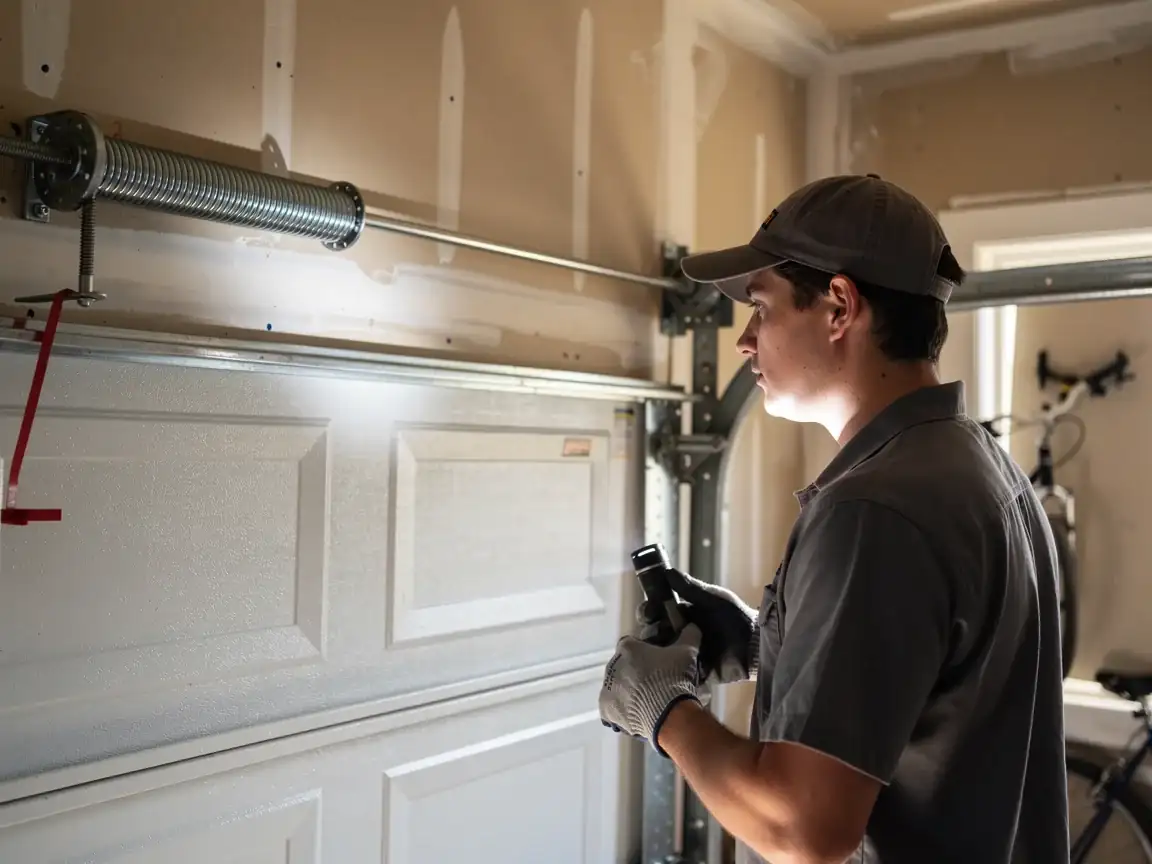
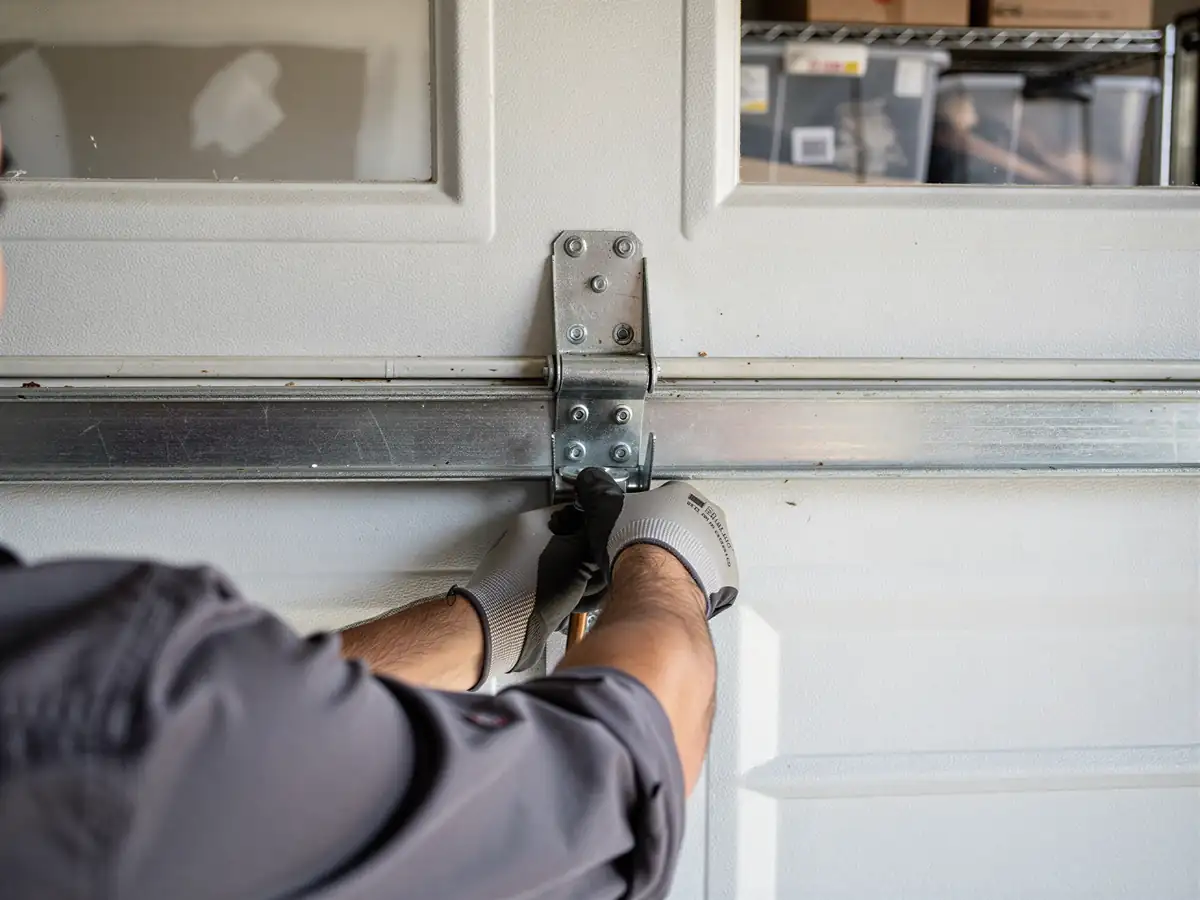
Start with the balance test: disconnect the opener, lift the door halfway by hand, and let go. It should hold there. If it drops or shoots up, the spring tension is off, and on a torsion system that's not a DIY fix - the spring is under load and can hurt you.
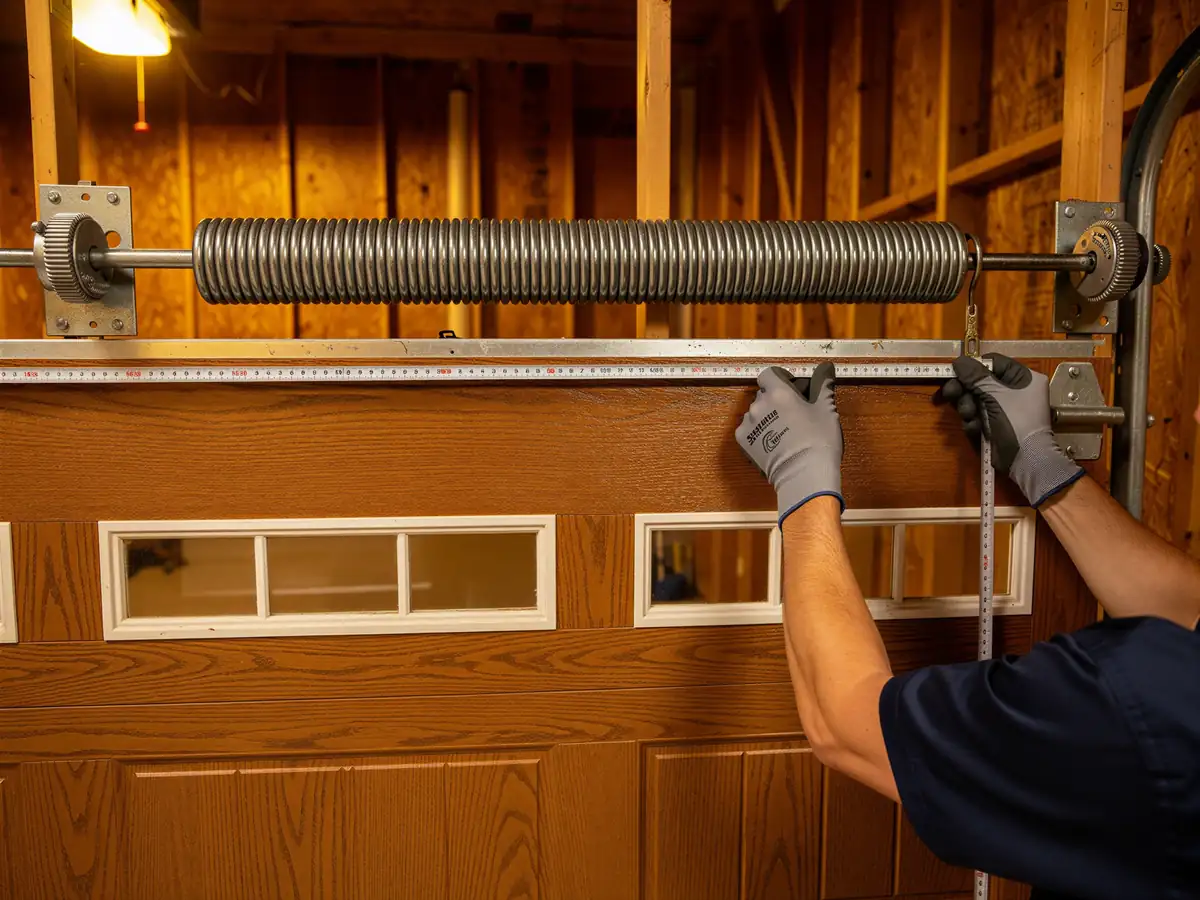
Given the age of hardware around here, check whether you've got torsion springs mounted on a shaft above the door, or older extension springs running along the horizontal tracks. Rock Island Arsenal is just three miles from Moline, and a lot of houses near that end of town carry the same era of door as the rest of the service area - extension-spring setups from the 60s and 70s side by side with newer torsion retrofits.
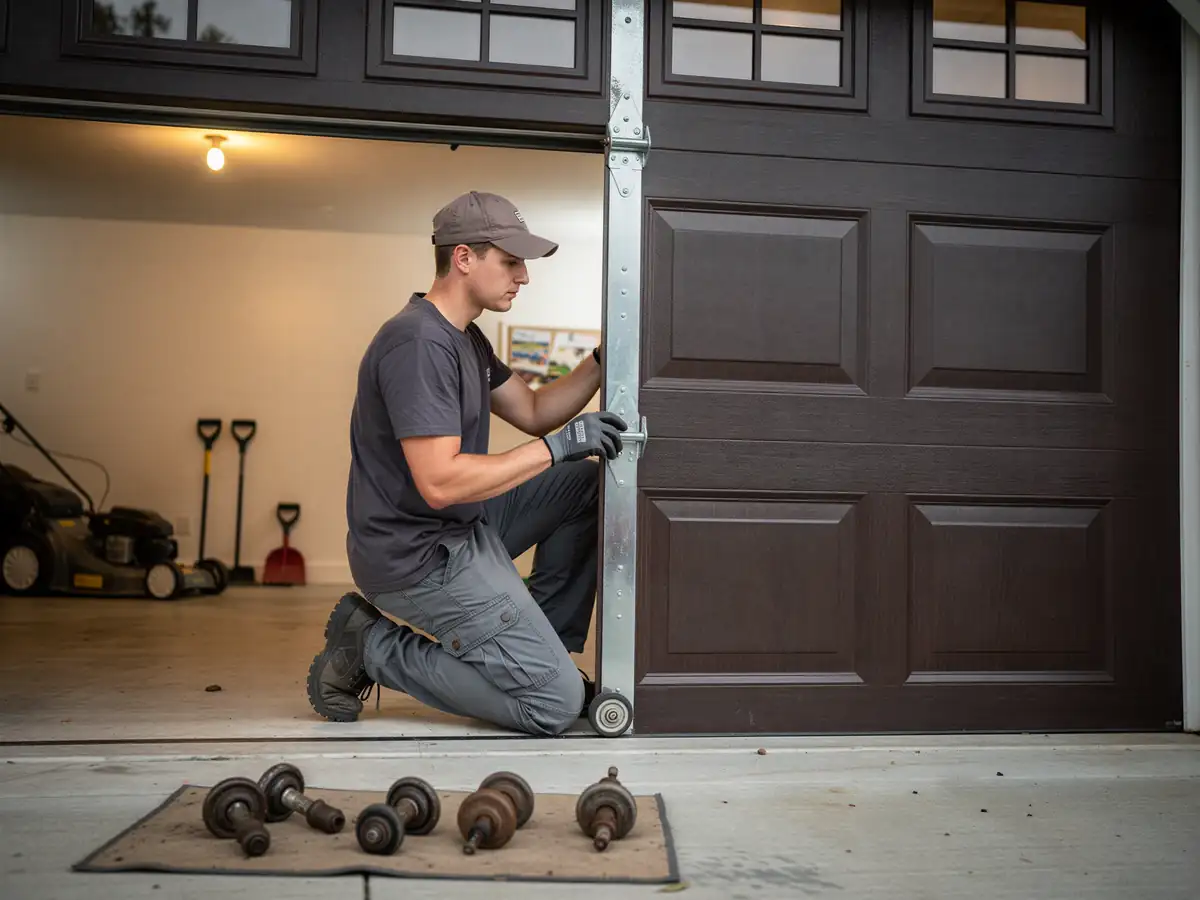
Look at the rollers next. Cracked or chipped nylon rollers are common on doors this old, and they're cheap to replace before they jump the track. Check the weatherstripping along the bottom panel too; if it's stiff and doesn't flex back when you press it, cold air is getting under your door no matter how tight everything else is.
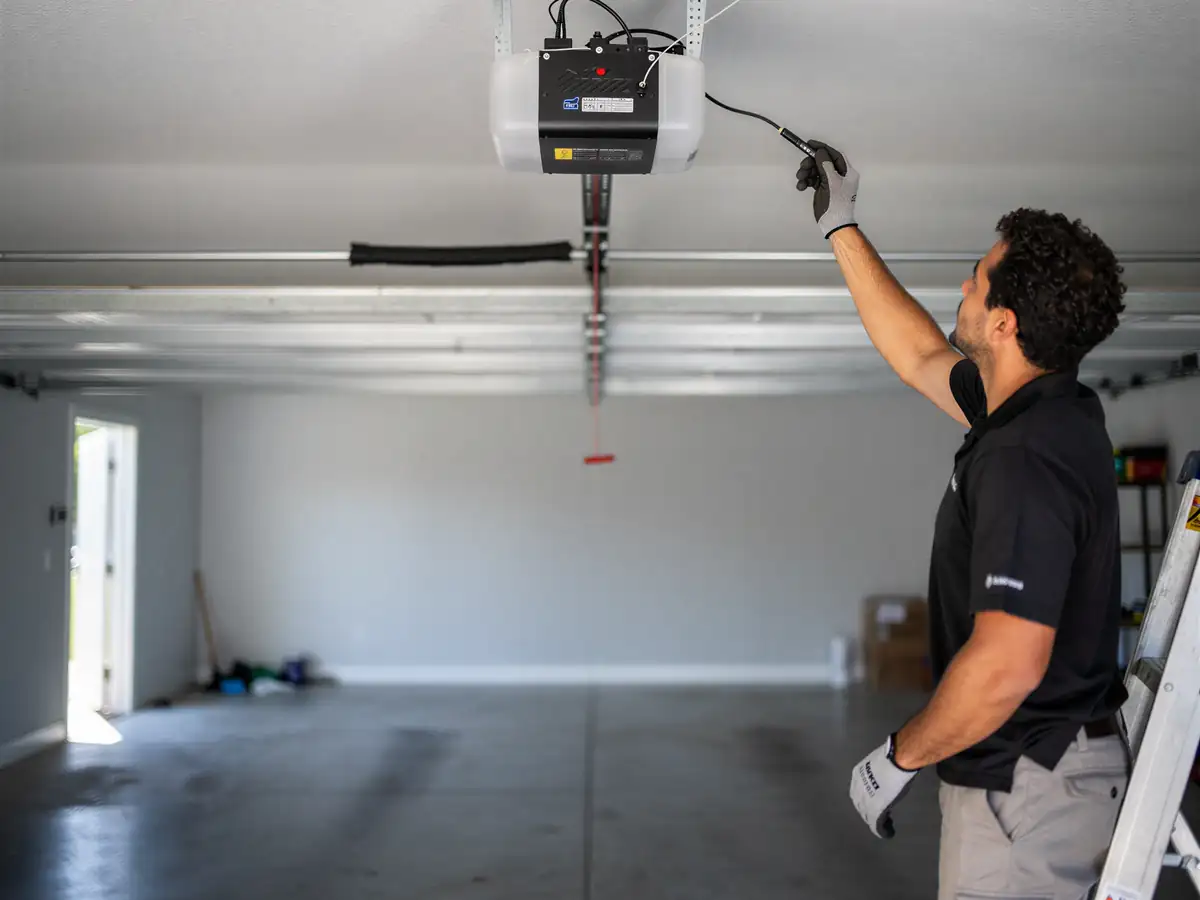
If the opener runs but the door doesn't move, or moves slow and strains, that's a spring problem showing up at the motor, not a motor problem.
What Is Going On
Here's the pattern we see
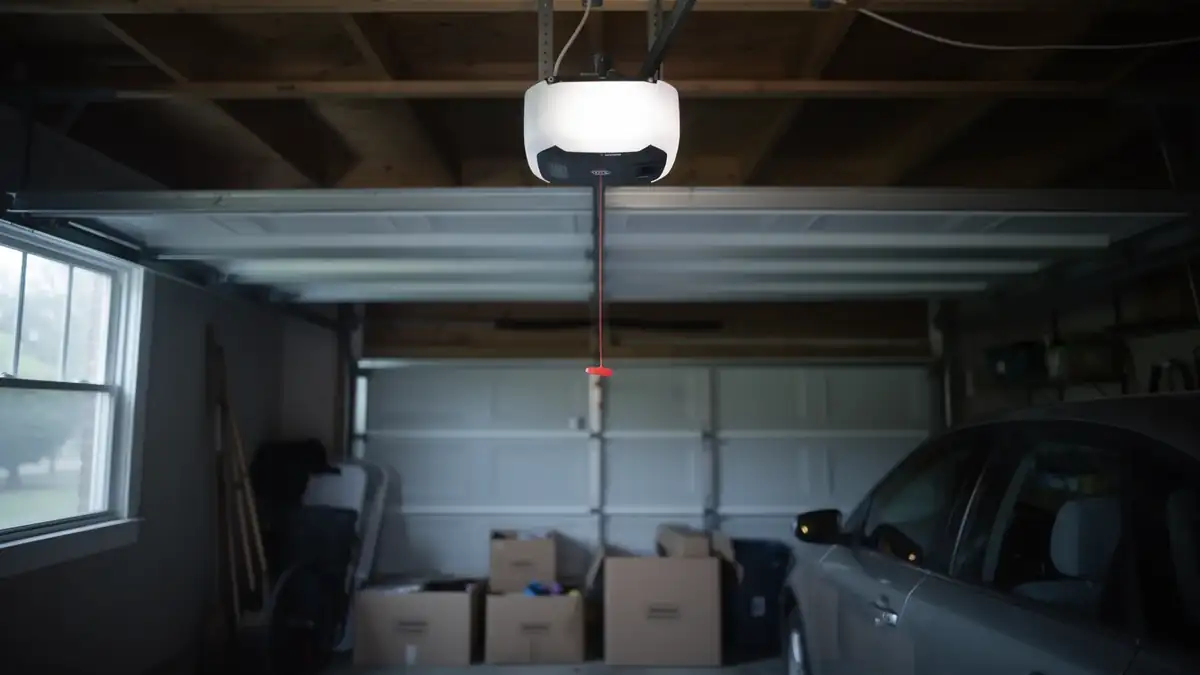
Openers and power cuts tend to show up together on the coldest nights, when the grid is under the most load and a door that was already struggling against a tight spring finally stalls out mid-cycle. The opener isn't usually the first thing to go - it's straining against hardware that's lost tension, and when a sudden power interruption hits in the middle of that struggle, the door can end up stuck half-open.
That's one more reason the age of the hardware around Moline matters more than the brand of opener on the wall
A door with properly tensioned springs will usually close itself most of the way on a manual pull if the opener drops out; a door with a tired spring won't, and that's the difference between an inconvenience and a security problem on a cold night.
None of this is mysterious once you know what to look at
The spring losing tension over years of cold cycling, rollers and seals wearing from the same temperature swings, and an opener that gets blamed for a job the hardware underneath it can't do anymore.