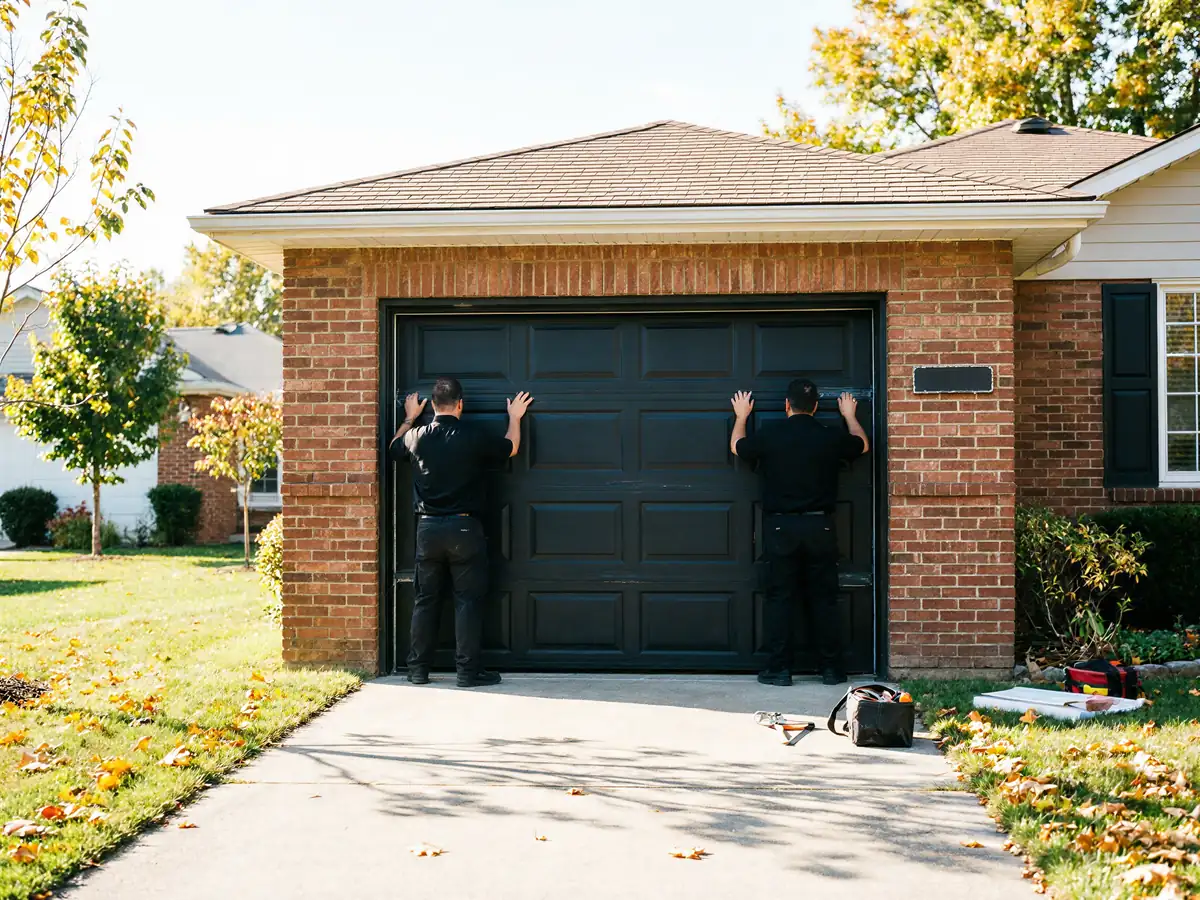
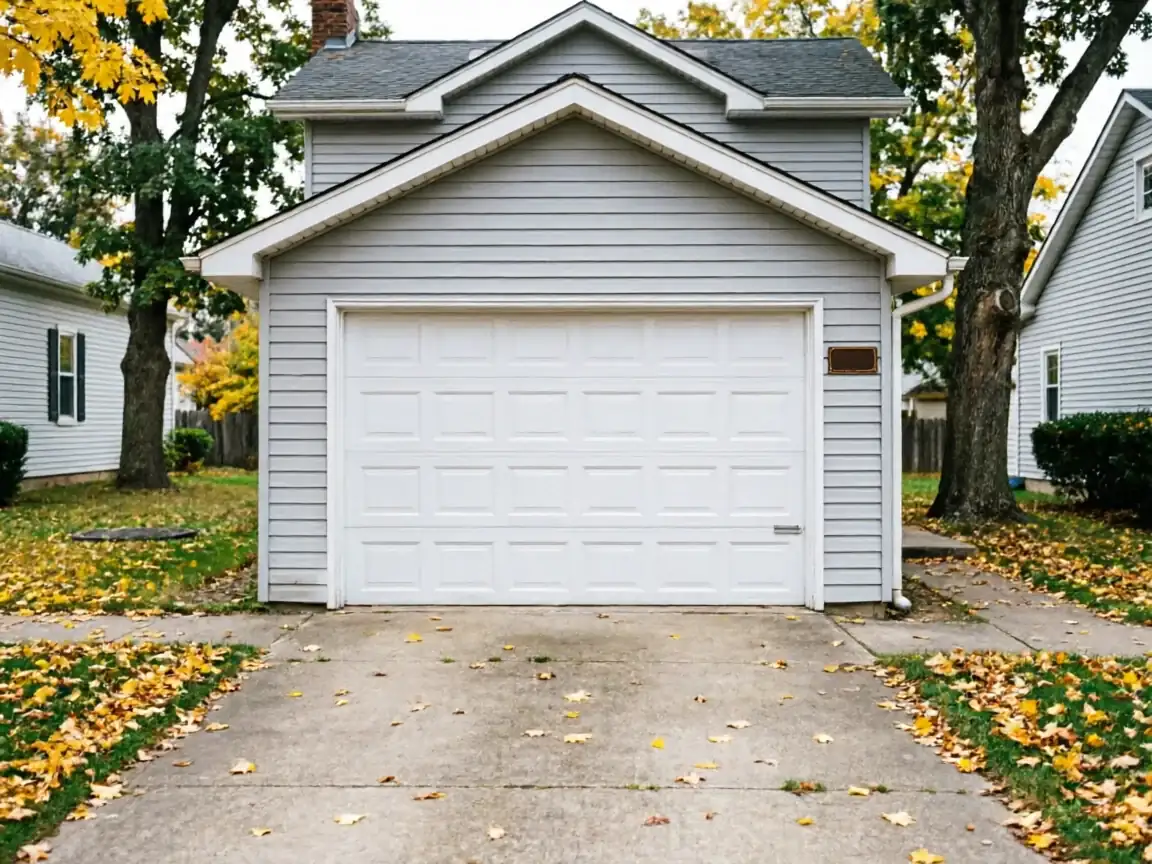
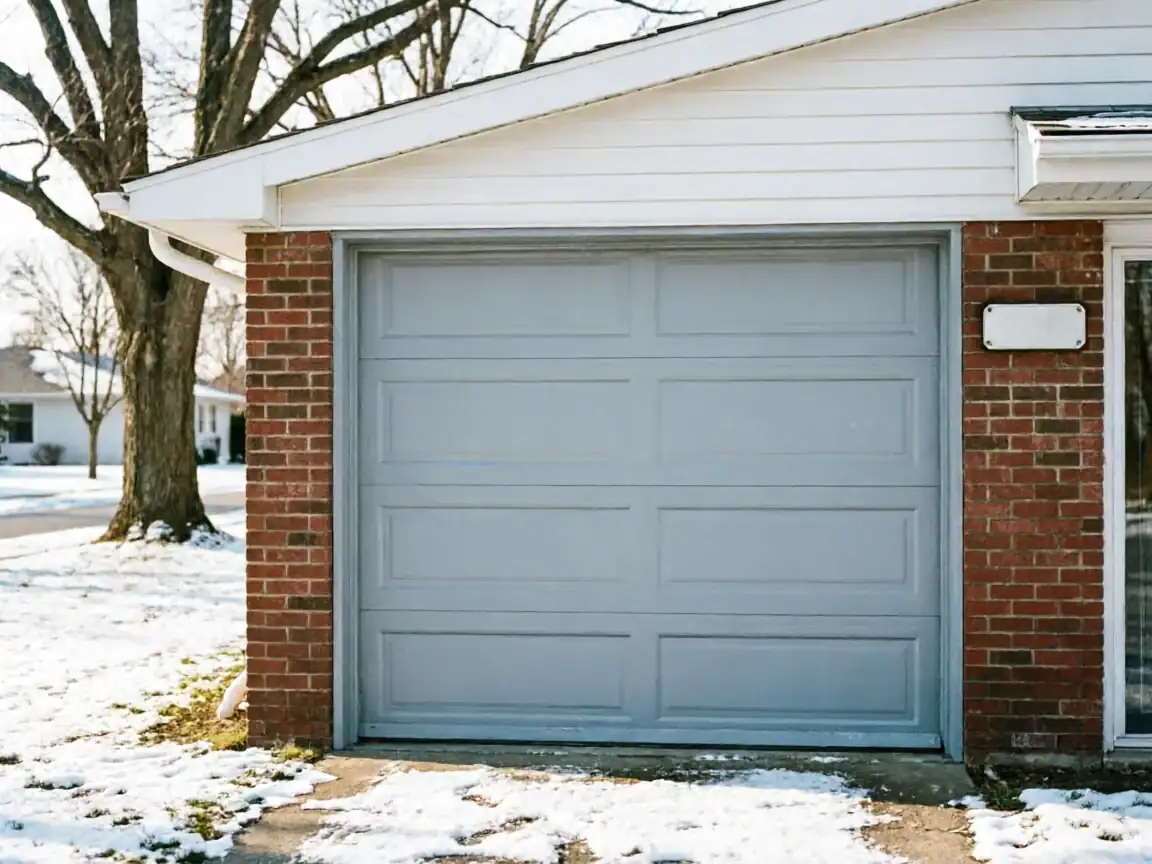
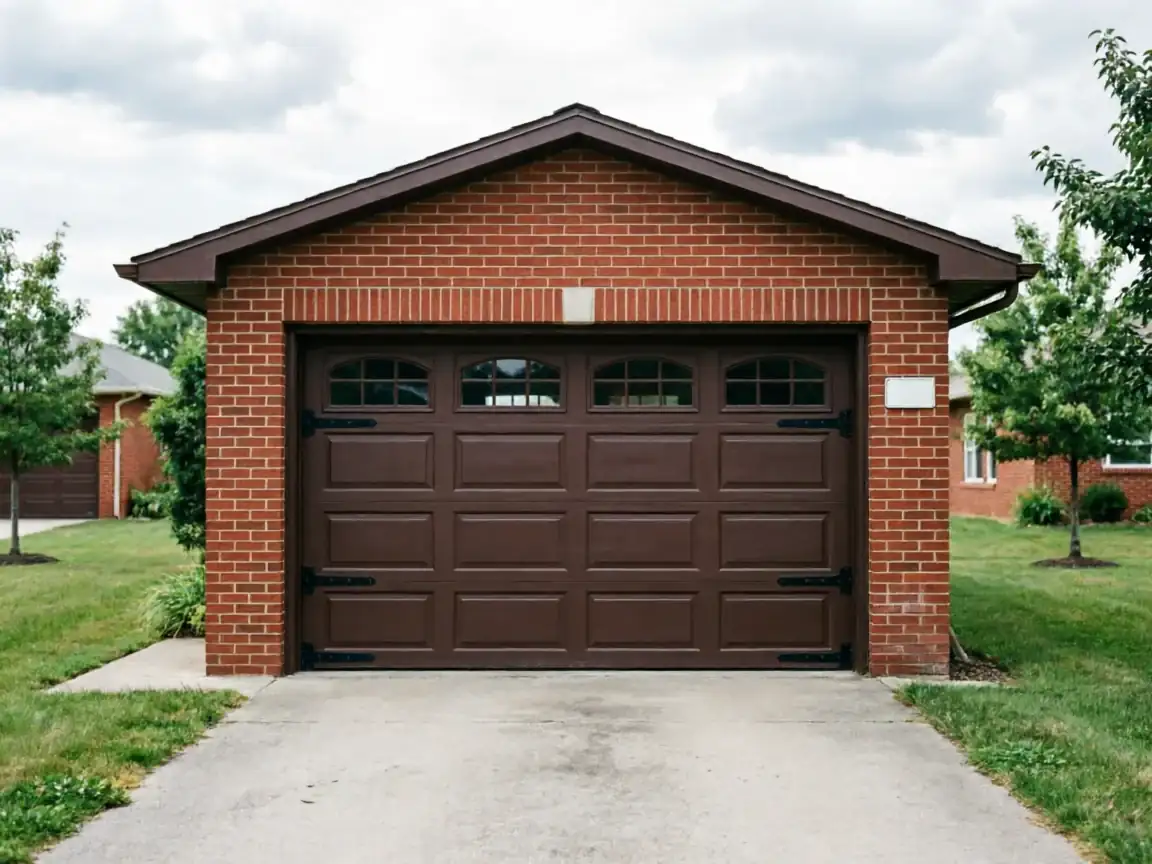
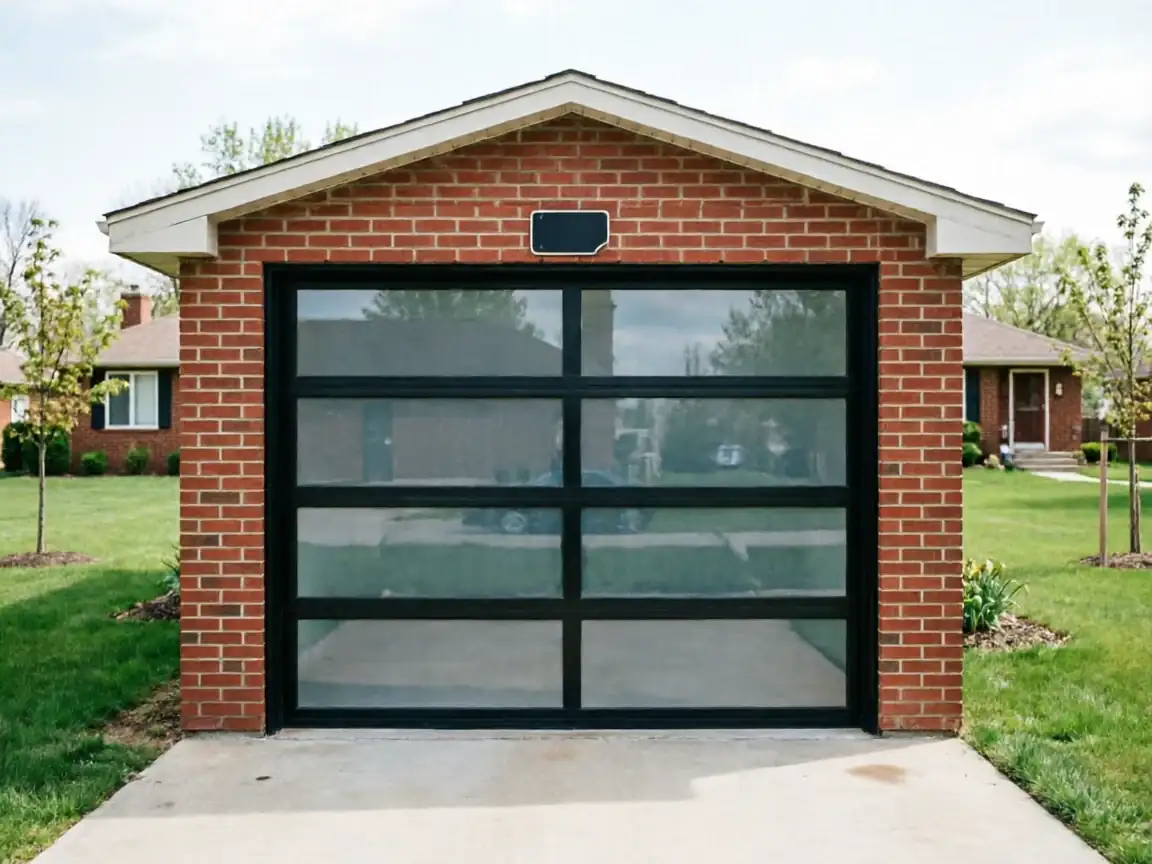
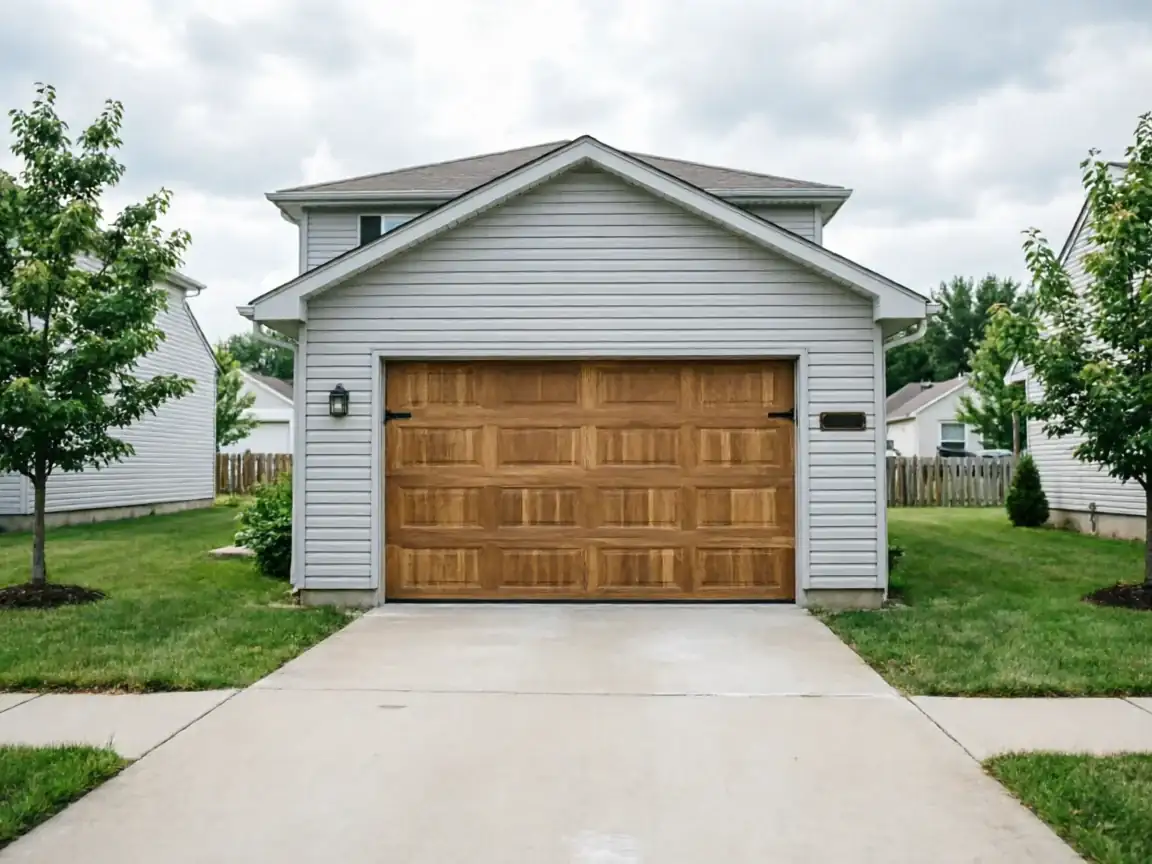
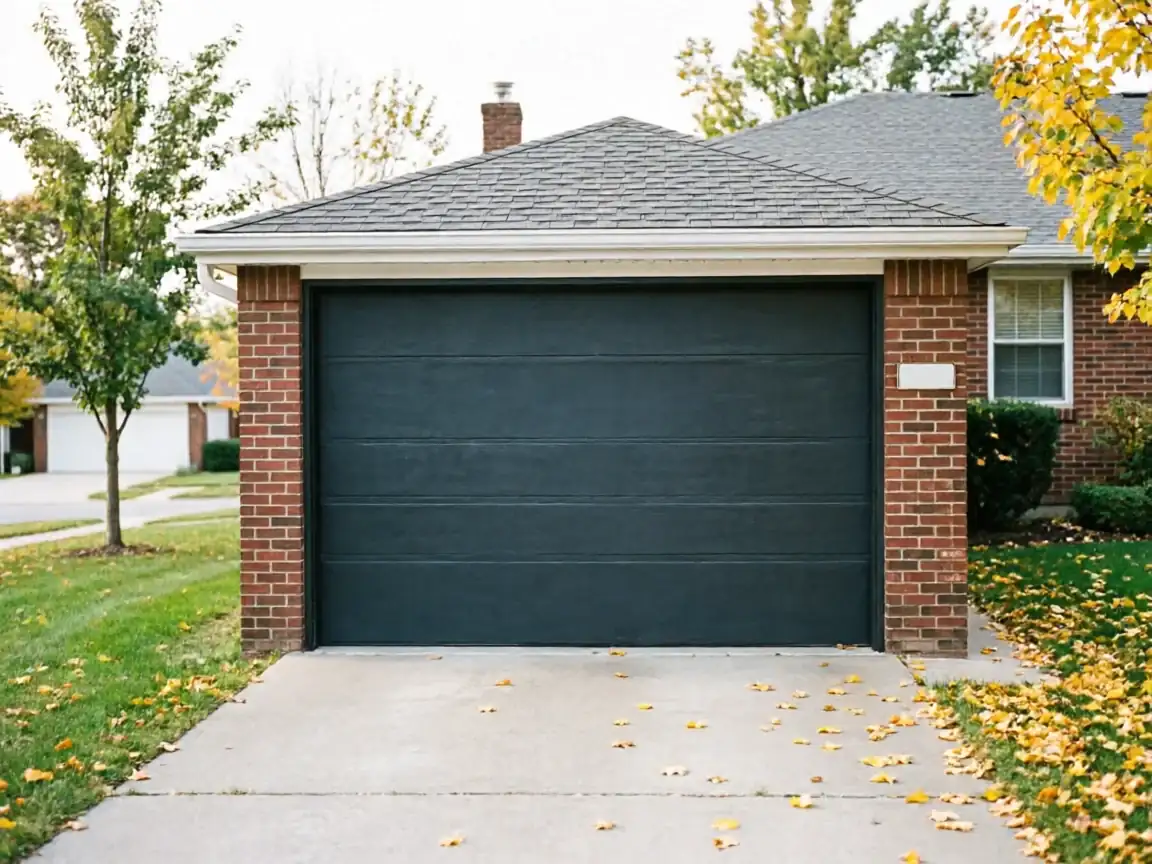
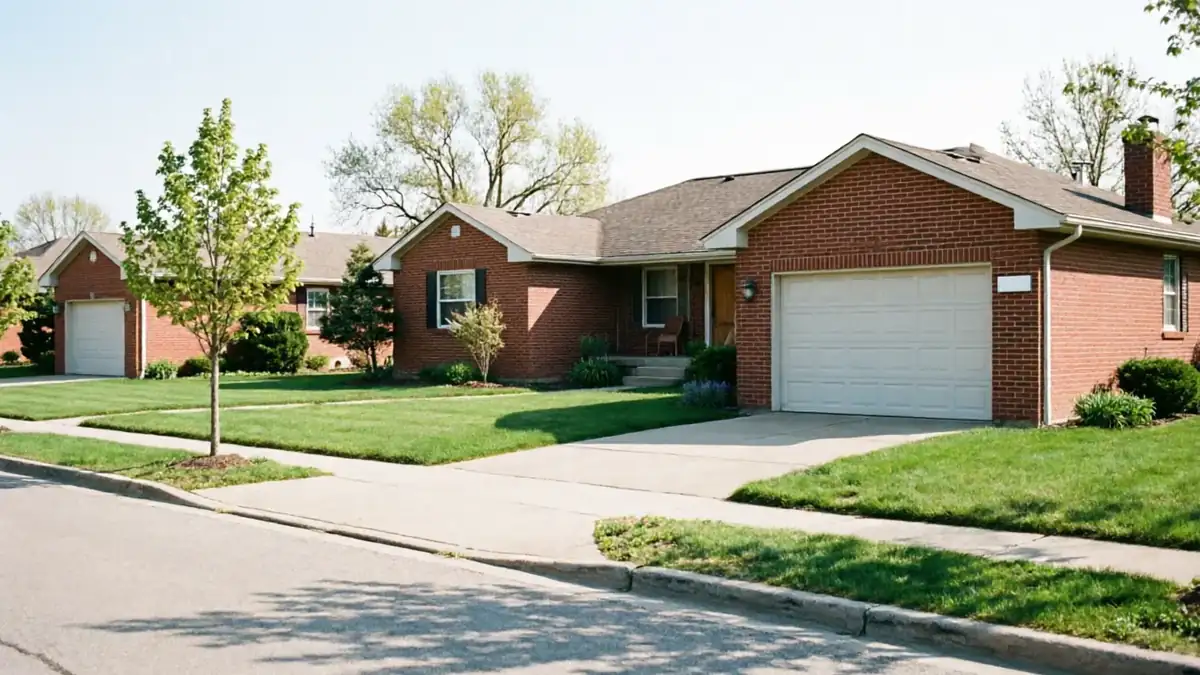
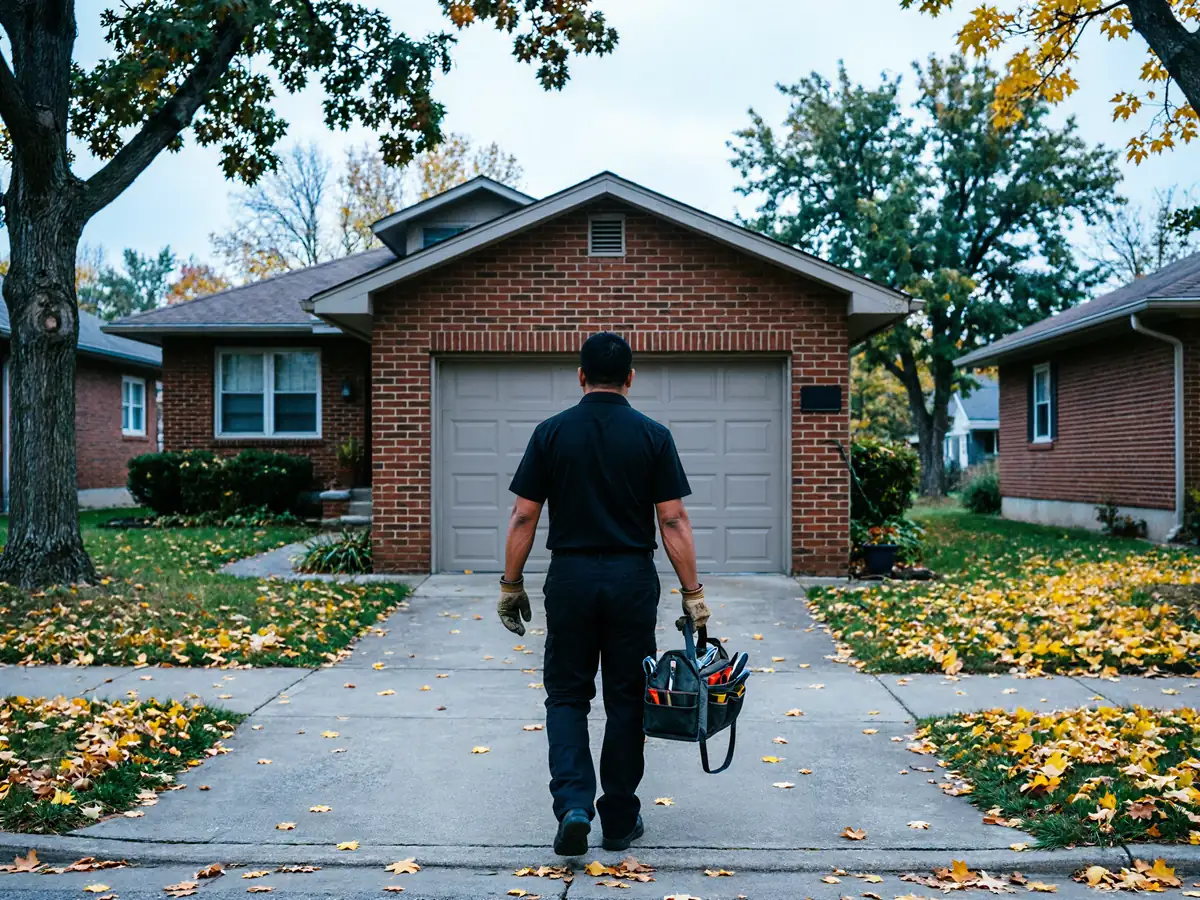
Most of the houses on Moline's older blocks went up between 1952 and 1998, with the median landing around 1968. That era built garages to fit the door standards of its day - narrower single openings, shallower headroom, lighter-gauge steel panels with no insulation layer at all. Fifty-plus years later those openings are still standing, but the doors hung in them are not built for what the house needs now.\n\nMoline sits in a cold moderate climate band, and that matters more than people think. An uninsulated panel from the 1960s or 70s doesn't just look tired - it's letting real temperature swings into an attached garage every winter, which shows up as a cold wall in the house above it and ice forming along the bottom seal. That's not a hinge problem or a roller problem. It's a door that was never built to hold a thermal break, on an opening that's decades past its original hardware's service life.\n\nWhen a door reaches that point, patching it buys a season, maybe two. Installing a door built for the opening and the climate it actually sits in is the fix that holds.
Getting It Booked In
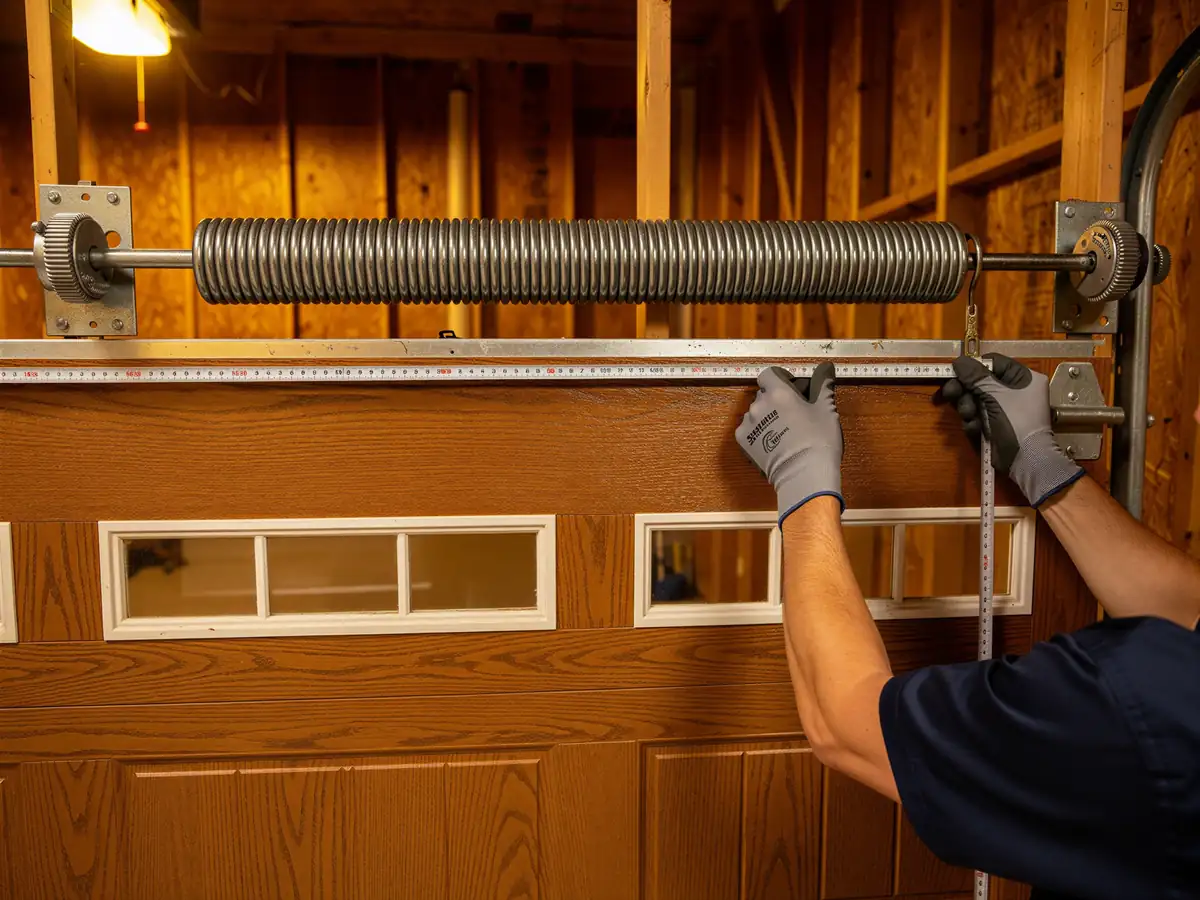
We work Moline and the areas around it - Rock Island Arsenal three miles out, Coal Valley and Rock Island at four and five miles, Milan at five, East Moline at six, Hampton at seven, Colona at eight, and farther out to Sherrard, Port Byron, Cordova, Geneseo, and Windsor. Across that service area the housing is mostly 1960s and 70s stock, so a lot of what we book is the same conversation: a door that's aged out, not a door that broke overnight.\n\nBooking starts with a look at the opening - width, height, headroom, and what track and spring setup is already there. Some of that hardware is original to the house and some of it's been swapped once already, so we don't quote blind. We measure first, then price the door.\n\nOne honest limitation: we don't stock every width or every insulation grade on the truck. Standard double and single sizes move fast. Anything custom-sized for an older or converted opening takes longer to get in, and we'll tell you that upfront rather than promise a date we can't hit.
What You Are Seeing
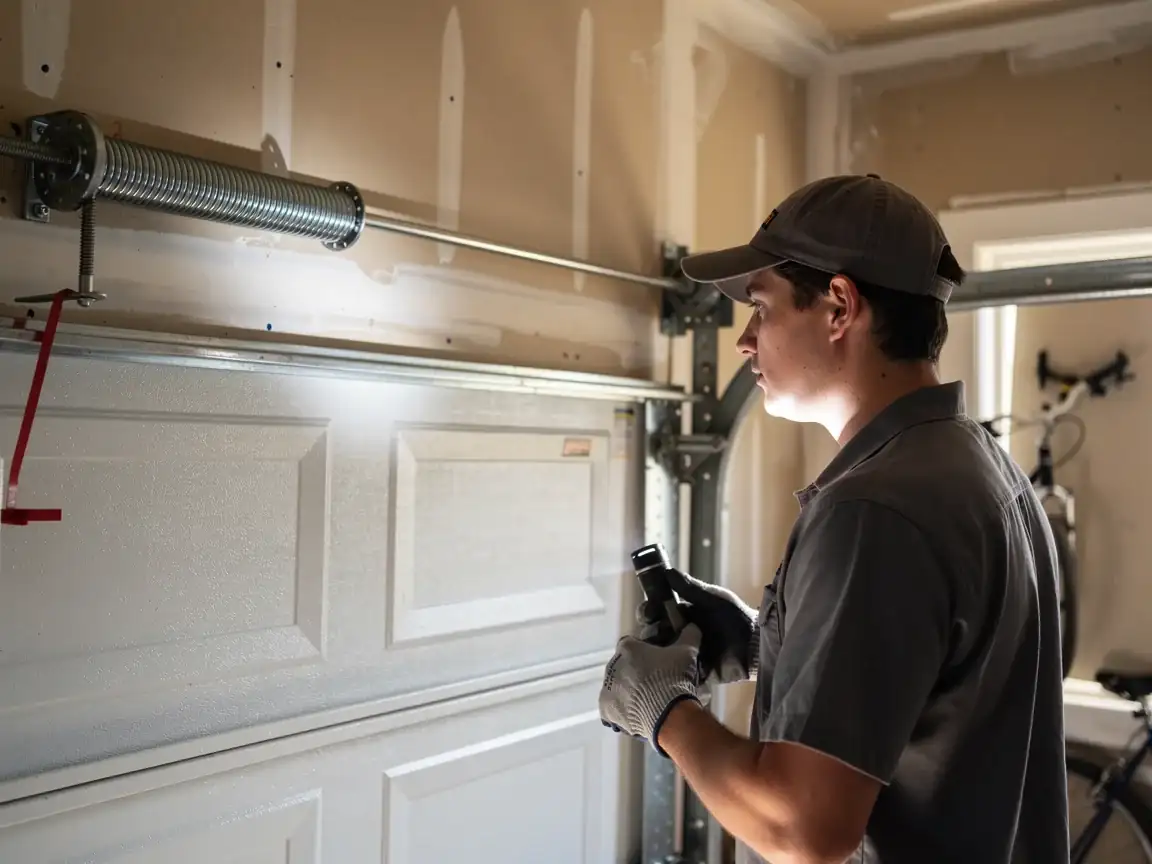
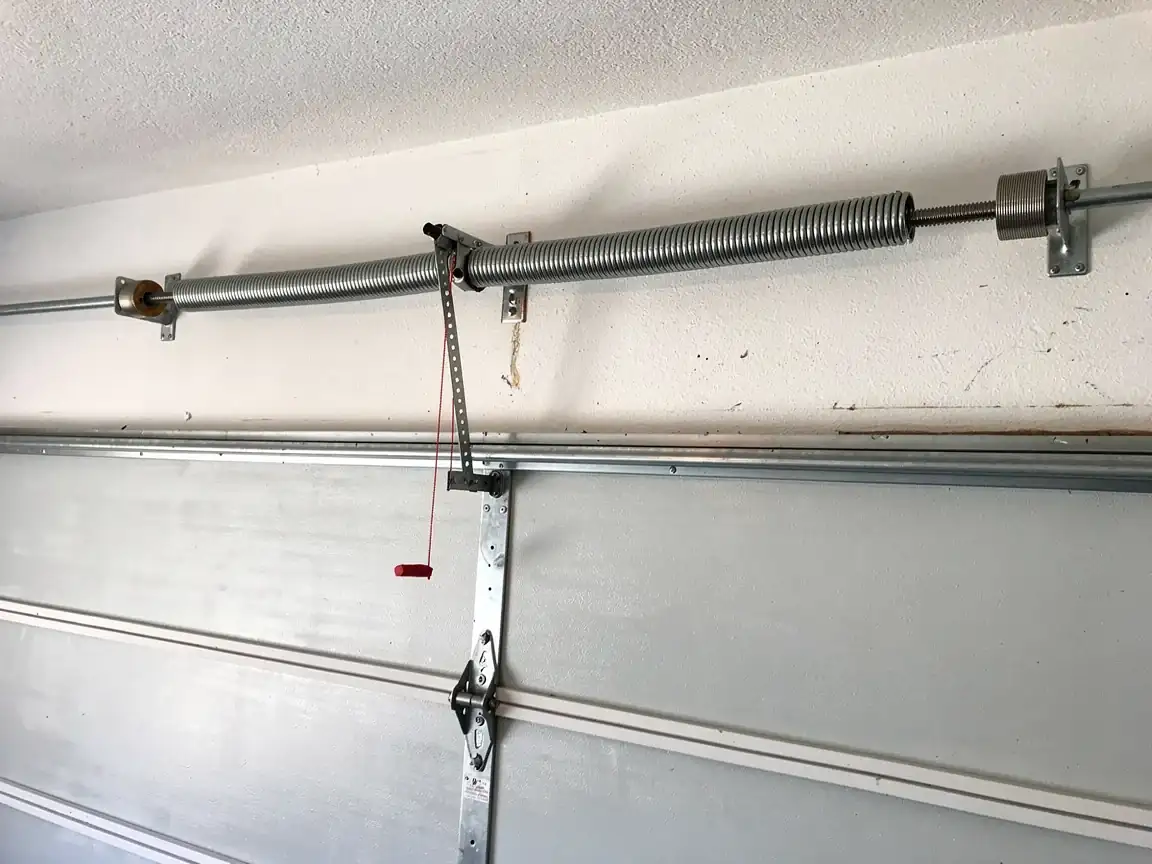
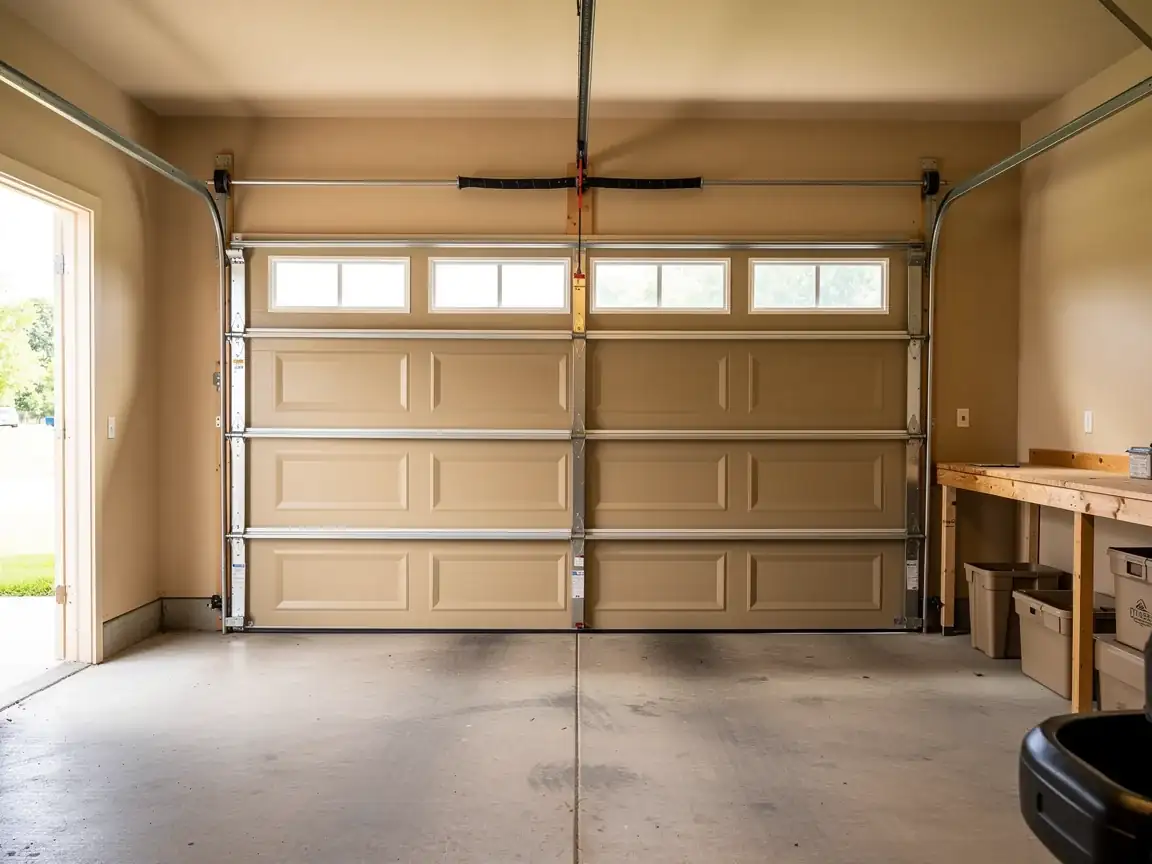
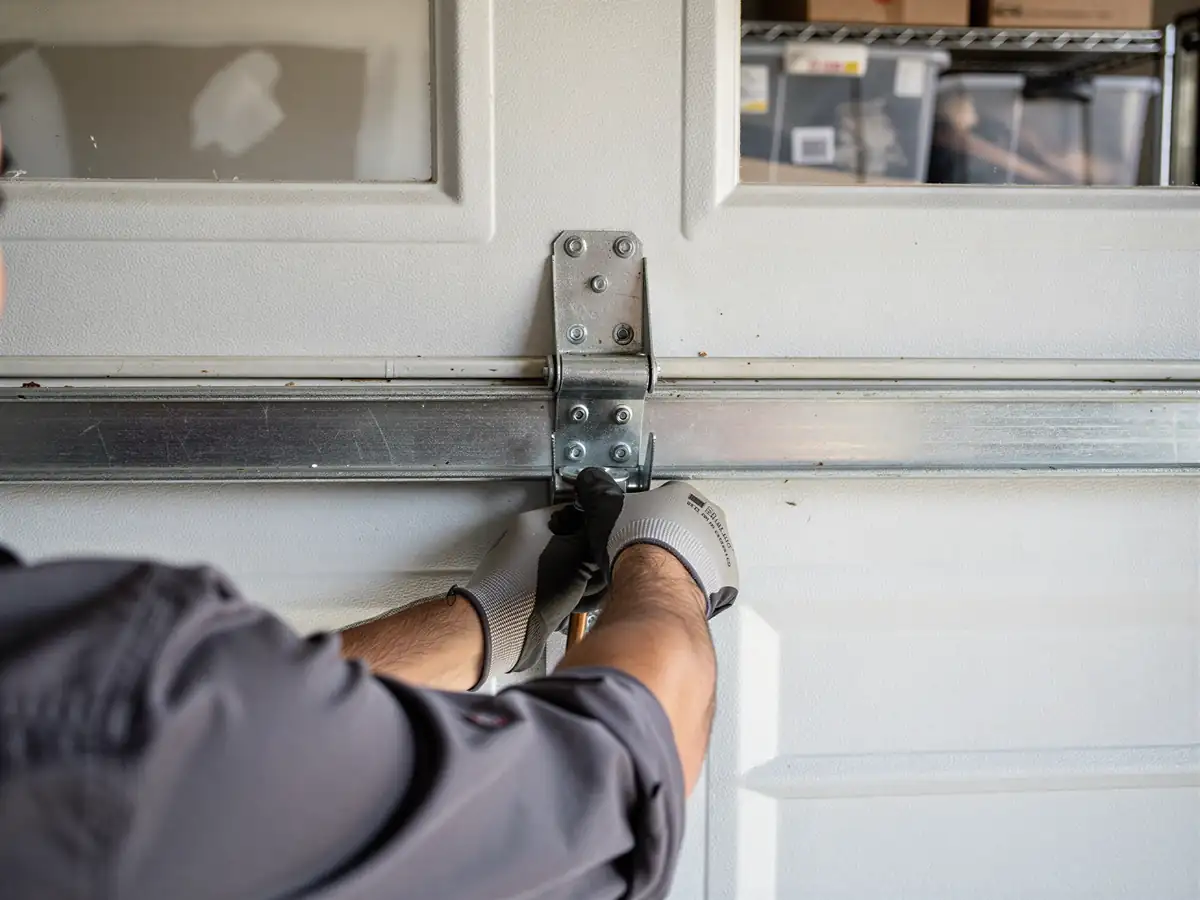
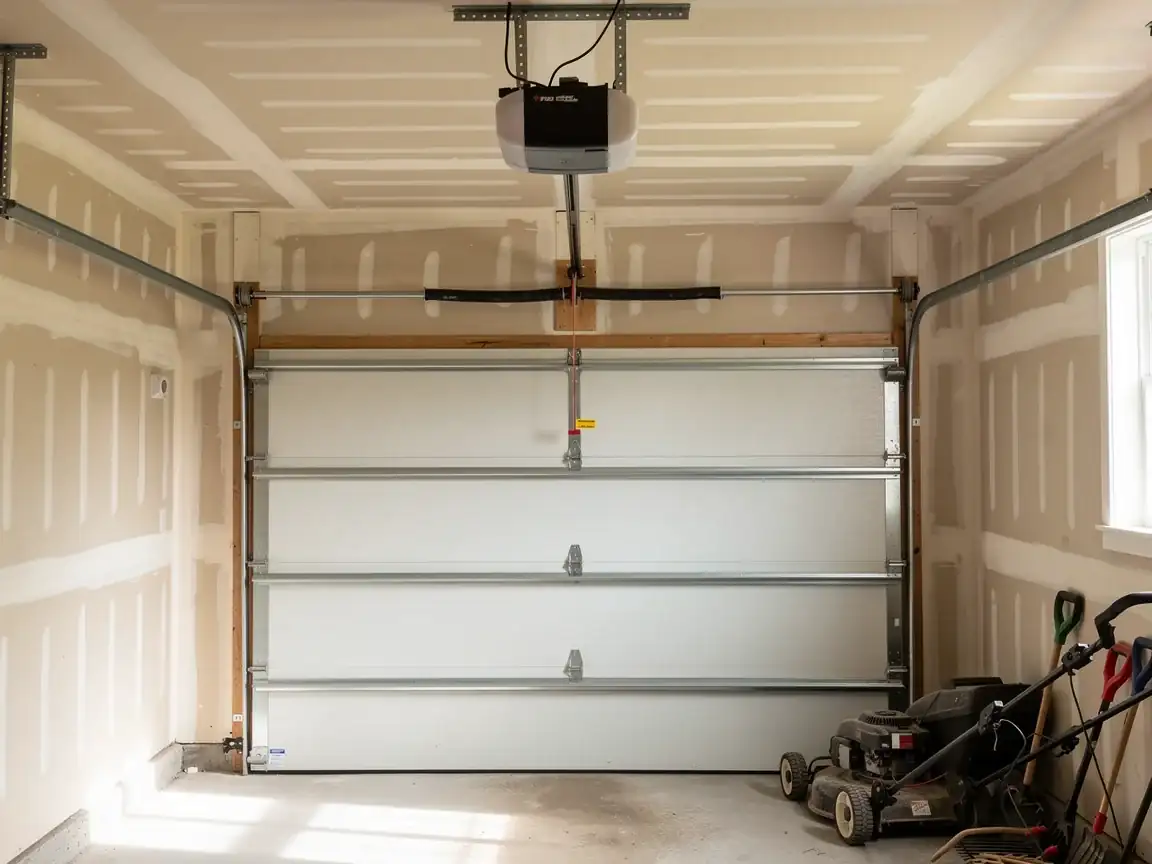
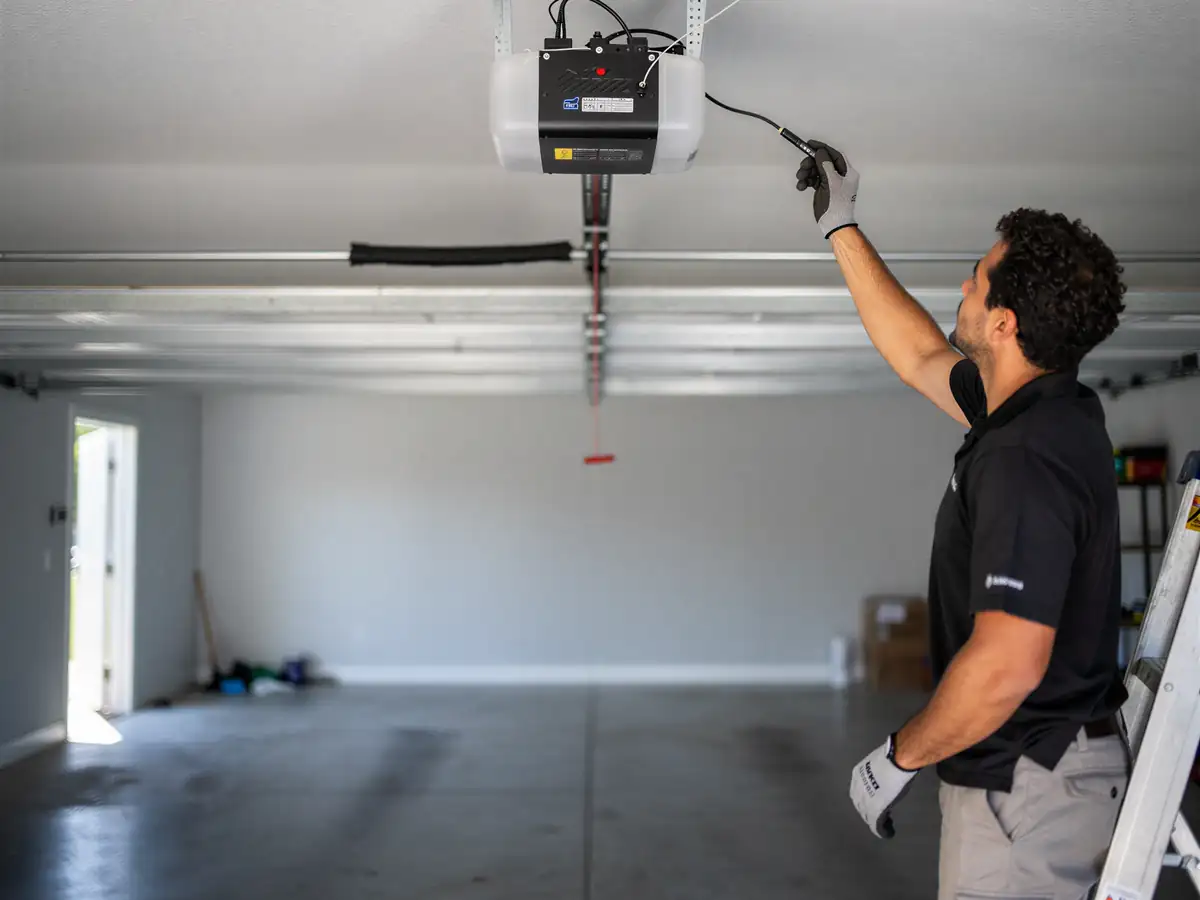
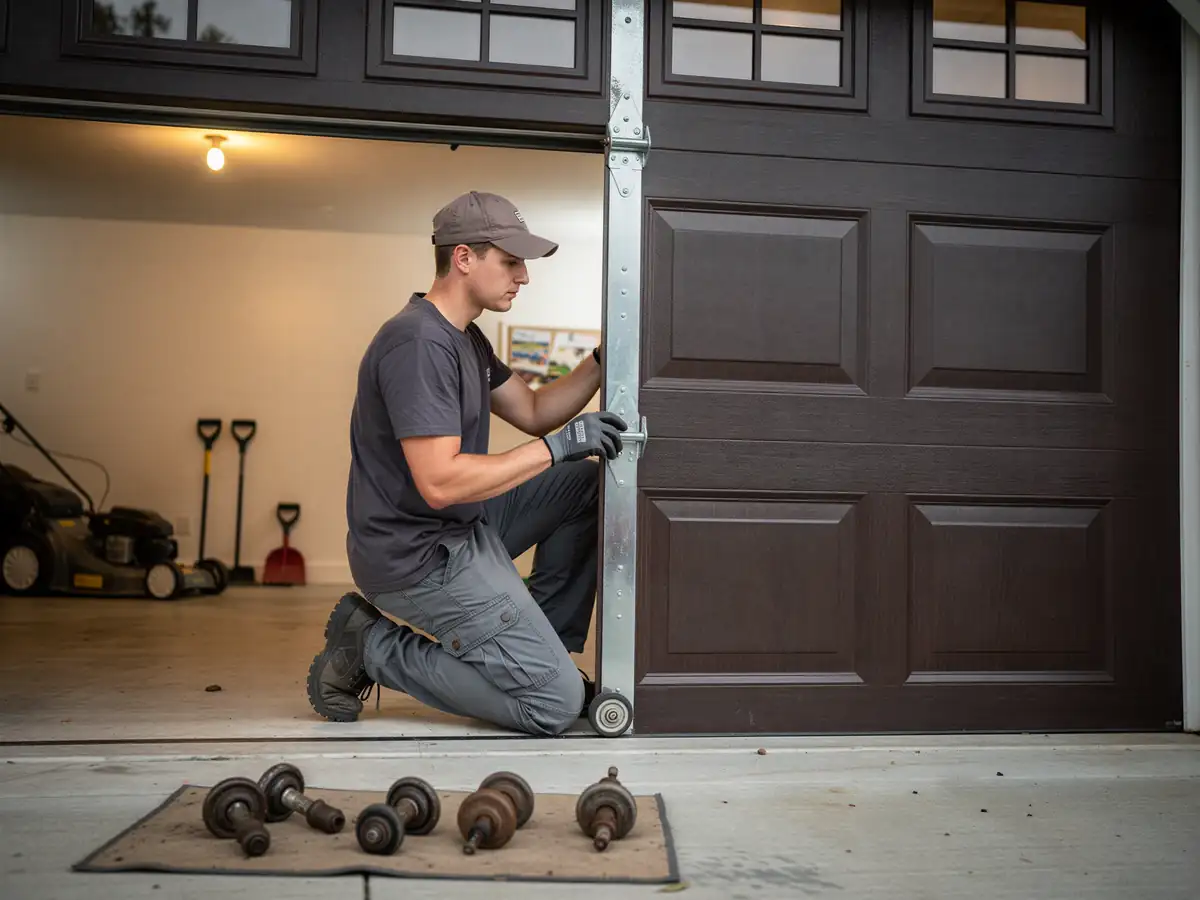
The signs that point to installation rather than repair are usually visible before you call anyone. A steel panel with no foam backing that's cold to the touch in January. A bottom seal that's cracked and letting daylight or draft through along the slab. Daylight gaps at the top corners because the track has shifted out of square over the decades and the panel no longer sits flush.\n\nYou'll also see mismatched hardware - a newer opener bolted onto an original torsion setup, or a spring that's clearly been replaced once but the drum and cable are still the originals from when the house was built. That combination works until it doesn't, and when it fails it usually fails as a stuck door, not a slow one.\n\nRust along the bottom panel edge, especially where snowmelt sits against the door through a Moline winter, is another sign the steel itself is past the point of patching. None of this means the door is unsafe today. It means the door is running on borrowed time, and a full install is the fix that actually resets the clock instead of extending it.
How We Fix It
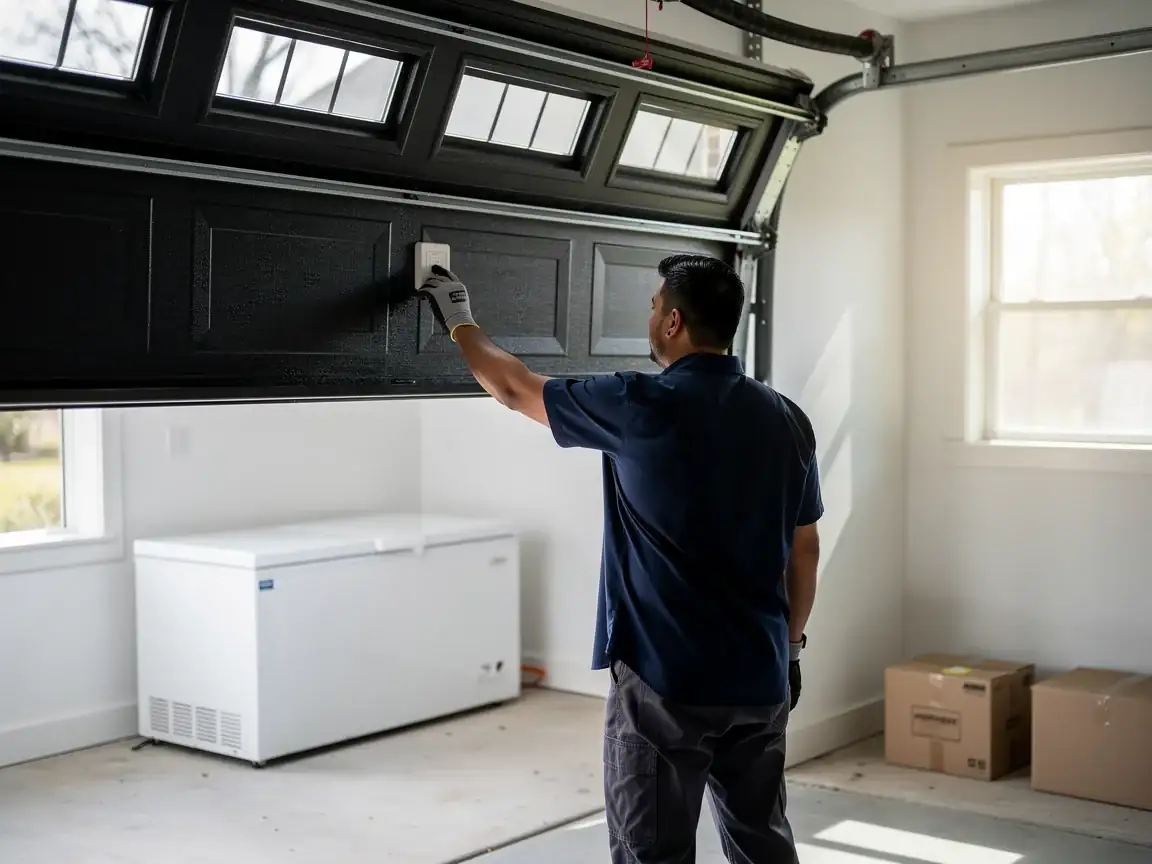
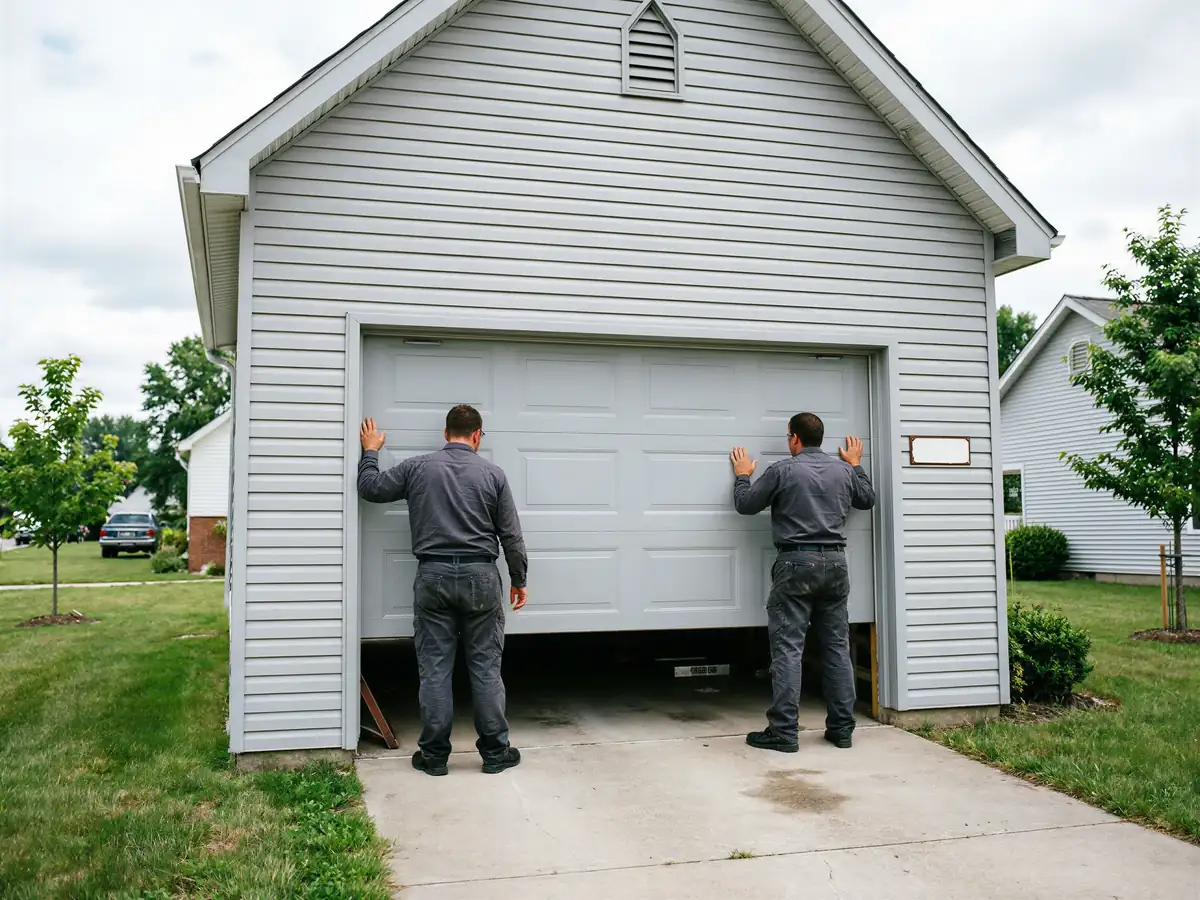
We start by measuring the opening itself, not the old door - width, height, headroom, and backroom for the track and spring system. On a house from the 1960s or 70s stock that's common in this area, that often means correcting for an opening that's shifted slightly out of square over fifty-plus years before the new door ever goes in.\n\nFor the cold moderate climate here, we spec an insulated steel door with a proper bottom seal rather than the single-layer panel that was standard when these houses were built. The torsion spring gets sized to the actual door weight, not guessed from what was there before, and the track gets reset square rather than re-anchored to an old bracket line.\n\nOnce it's hung, we run the opener through a full cycle, check the balance by hand, and confirm the seal sits flush along the slab before we call the job done. It's a half-day job in most cases, longer if the opening needs framing correction first - and we'll tell you that during the measure, not after we've started.
How it works
From “it’s stuck” to “it’s fixed”
01
Tell us what’s wrong
Describe the symptom - won’t open, loud bang, opener runs but the door won’t move.
02
On-site diagnosis
A technician tests the door under power and by hand and finds what actually failed.
03
Clear, up-front plan
You get the fix that’s needed and what drives the cost - before any work starts.
04
Repaired & tested
The repair is done, the door is set true and tested, and the work area left clean.
Not sure which repair your door needs in Moline, IL? Describe what it’s doing - every job starts with a diagnosis.
Straight answers about garage door repair in Moline. Still unsure? Ask us directly.
How do I know if I need a new door instead of a repair in Moline?
If the panel is uninsulated steel from the original build - common on houses from the 1952-1998 era here - and you're seeing rust, cracked seals, or cold drafts along the bottom, repair usually buys a season at best. A full install fixes the insulation and the hardware mismatch at the same time.
Will a new door fit my original 1960s or 70s opening?
In most cases yes, but we measure first because openings from that era can be slightly out of square after fifty-plus years. We correct for that during the install rather than forcing a standard door into a frame that's shifted.
Do you carry insulated doors suited to Moline winters?
Yes, insulated steel is what we spec by default for this climate band. Standard widths are usually in stock; custom sizes for older or converted openings take longer to order, and we'll give you a straight answer on timing before you commit.
How long does a full install take?
A standard install on a square opening usually runs a half-day. If the opening needs framing correction first, which comes up on some of the older housing stock in this area, it takes longer - we'll tell you that during the measure, not after we've started the job.