Why It Happens Here
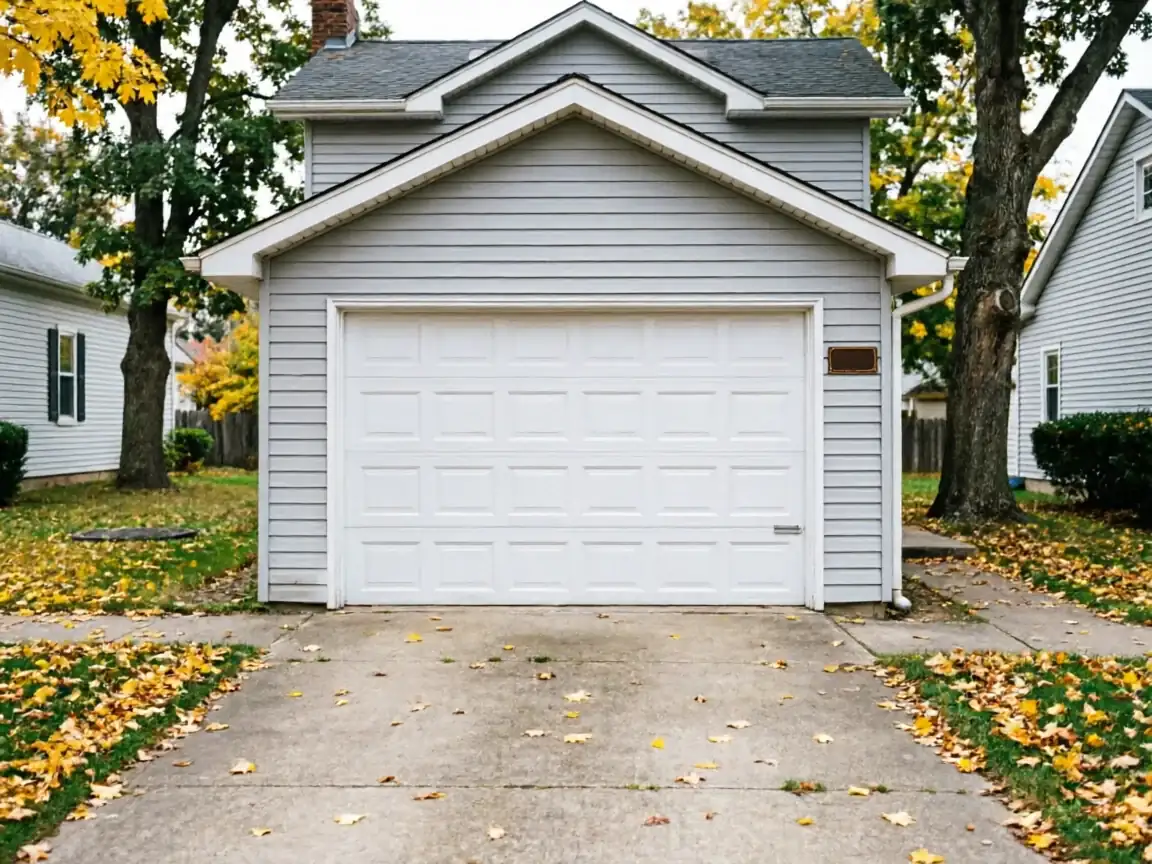
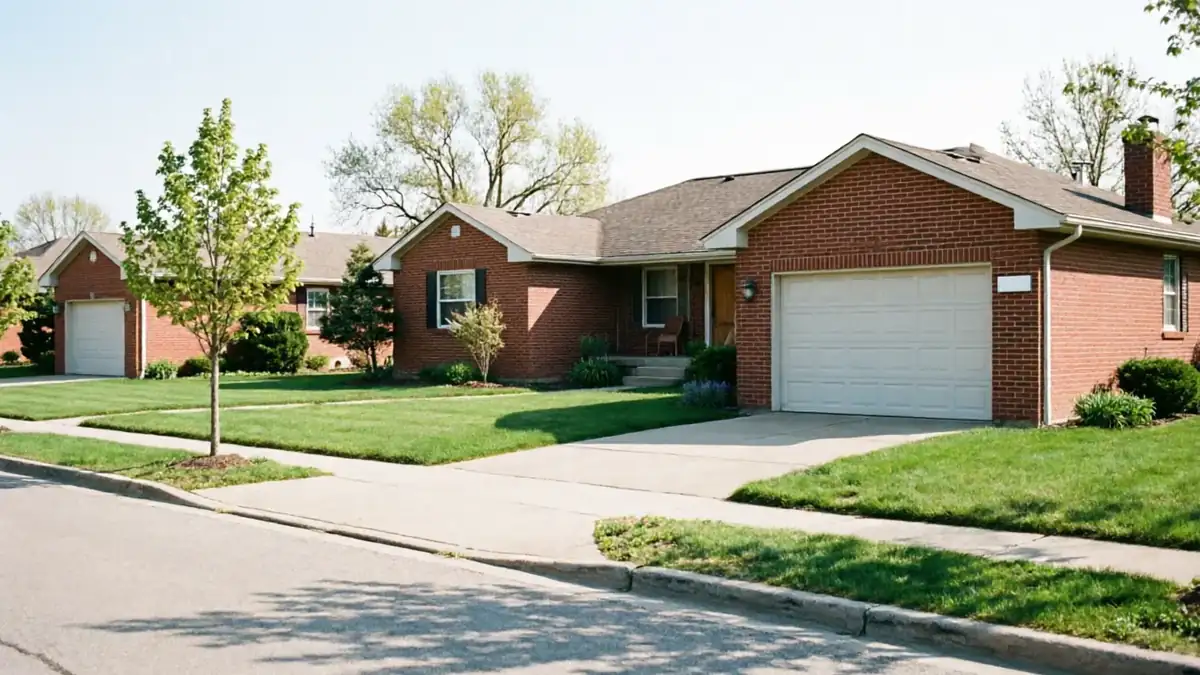
Most of the houses across this service area went up between 1952 and 1998
With the heaviest run of construction landing in the 1960s and 70s. That matters for springs because a torsion spring installed on a house built in that window has had fifty-plus years of cycles to wear through, and a lot of them are still the original hardware or a direct swap for it. Builders in that era mostly used the same handful of torsion spring setups, sized for the steel doors and weights common at the time, and those parts weren't built to last forever.
The cold-moderate climate band this area sits in adds its own wear
Steel springs lose tension and get brittle faster through repeated freeze-thaw cycles than they would somewhere with a milder winter, and the coil that's been stretching and contracting through decades of that swing is the one most likely to snap on a January morning rather than a July afternoon. Add in the sheer number of houses on original hardware - this is a 1960s-70s dominant housing stock across the towns we cover - and you get a predictable pattern: a lot of broken springs, most of them original or close to it, most of them failing in the cold months.
Getting It Booked In
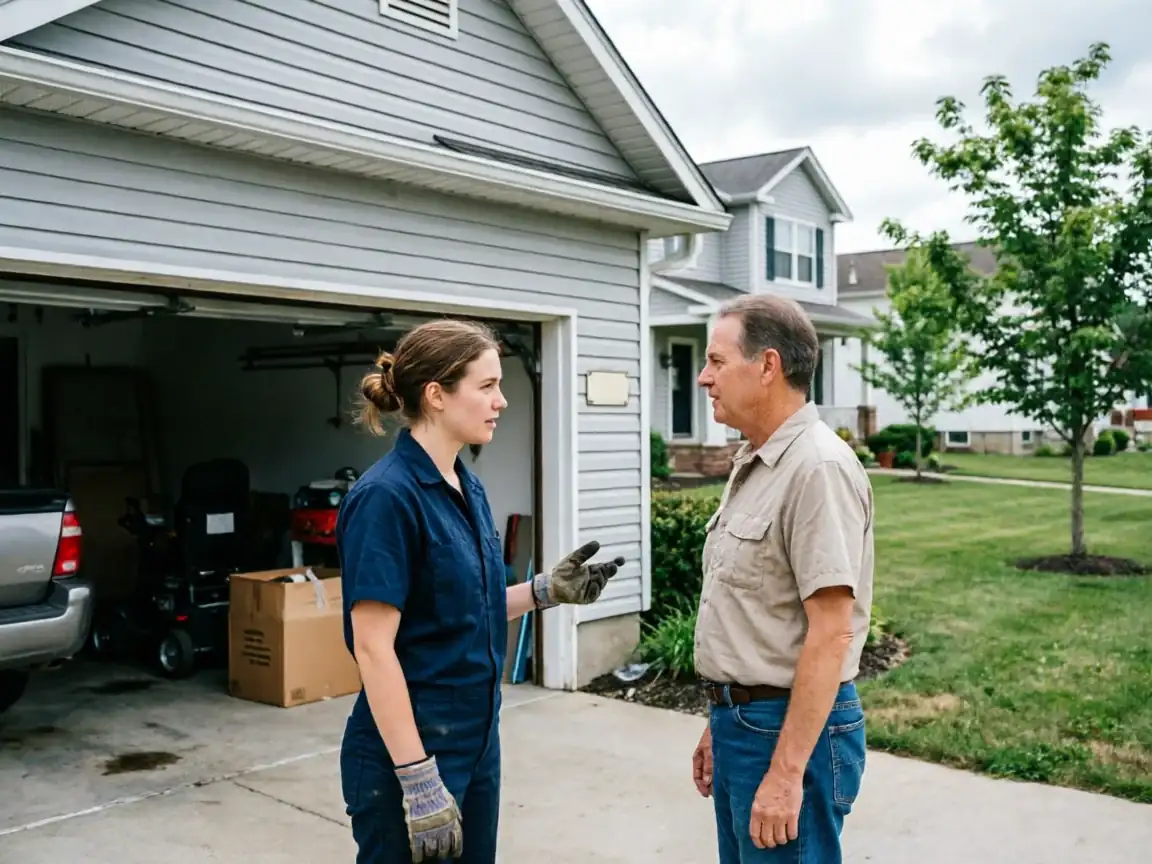
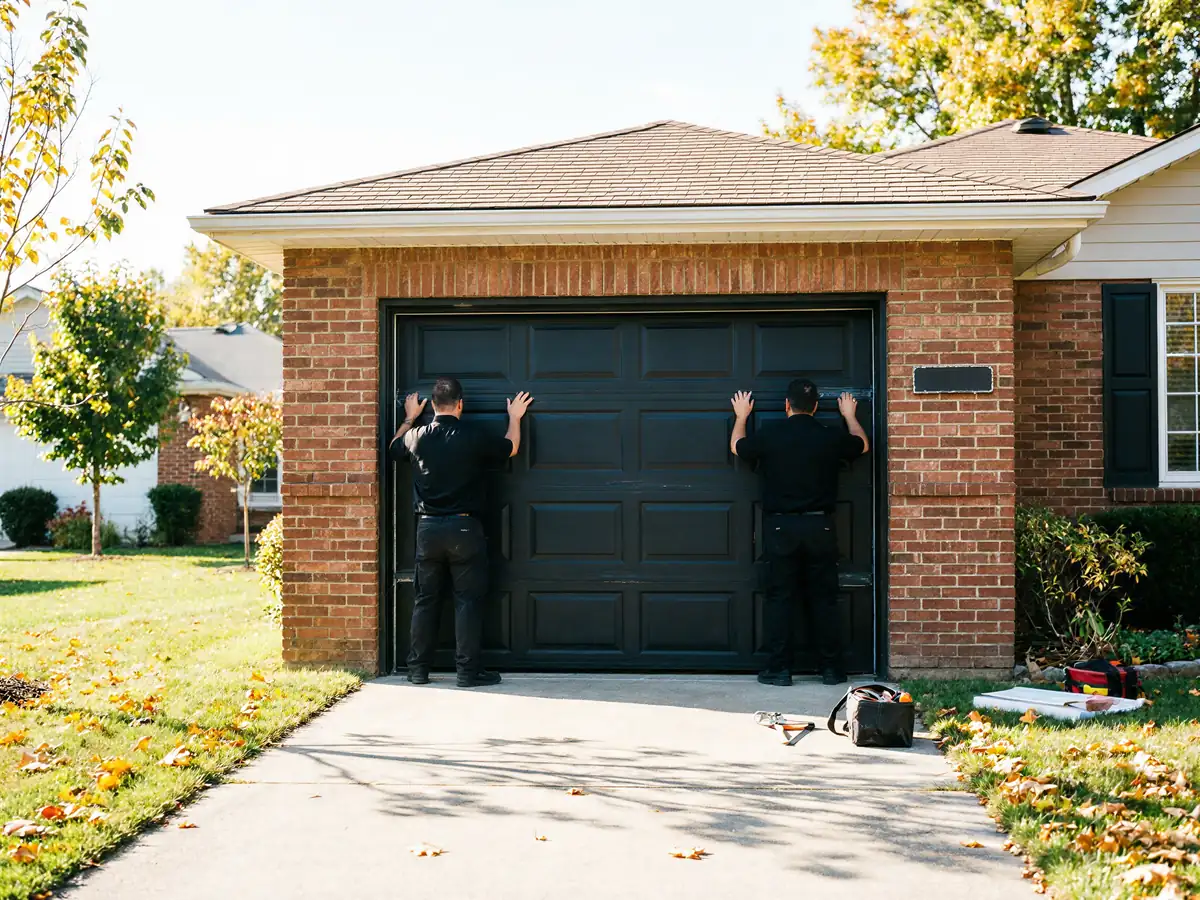
A broken spring call starts with a few quick questions over the phone - whether the door won't budge, whether it's a single spring or you can see two up top, and how old the house is, since that tells us a lot before we ever pull into the driveway. We carry stock sized for the torsion setups common to houses built in this 1952-1998 range, which covers the overwhelming majority of what we run into across the service area.
If your house is newer or has had the opener or door replaced since it was built, say so when you call. Spring sizing isn't one-size-fits-all, and getting it wrong means another trip. We'd rather ask the extra question up front than show up with the wrong coil.
What You Are Seeing
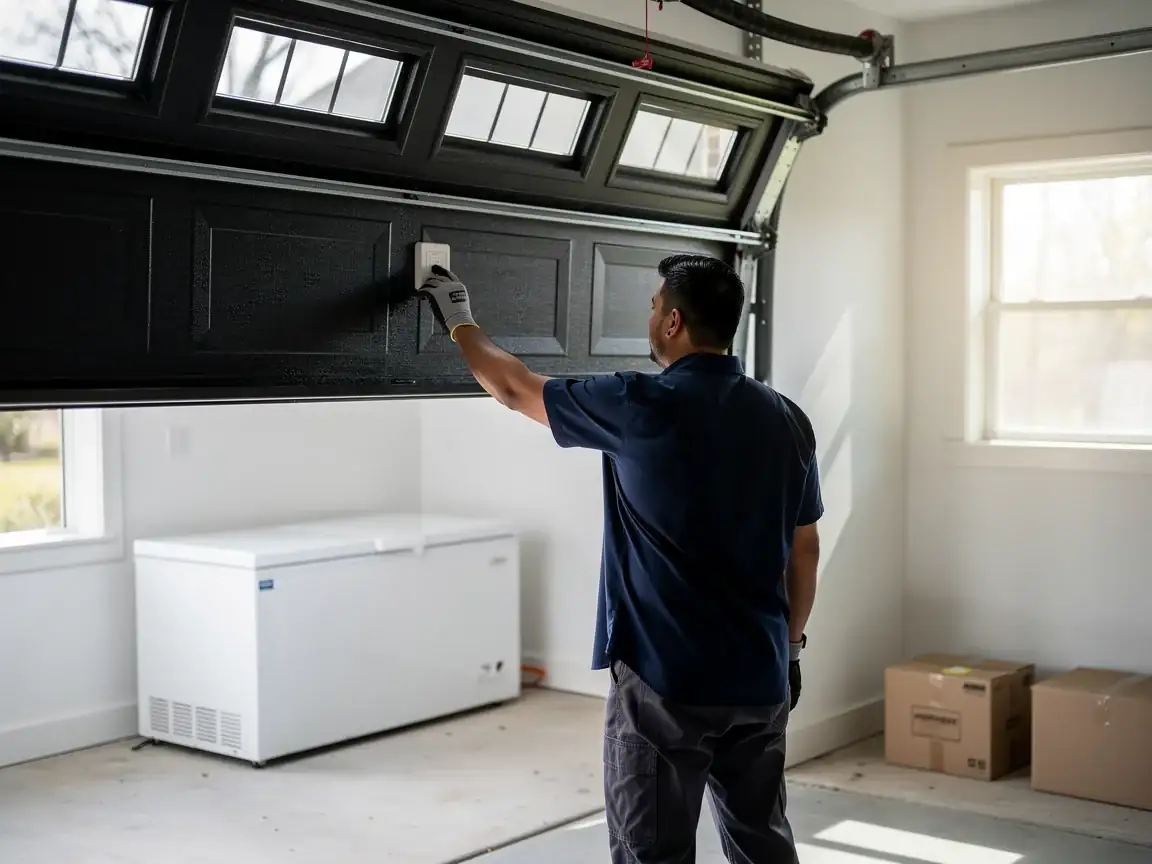
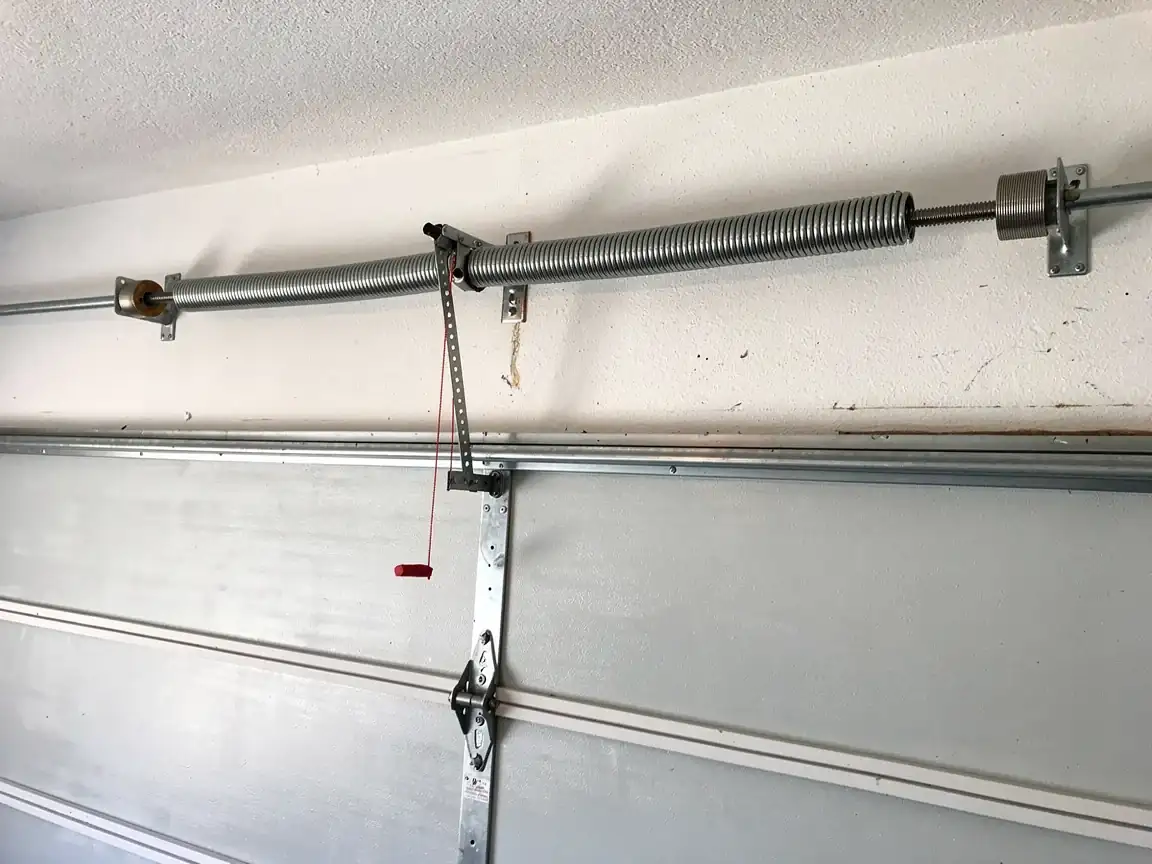
The classic sign is a loud bang from the garage, usually first thing in the morning when the temperature's dropped overnight, followed by a door that won't lift or feels like dead weight even with the opener running. Sometimes it's quieter than that: the door starts sagging unevenly on one side, or the opener strains and reverses partway up because one spring is carrying a load it was never alone meant to carry.
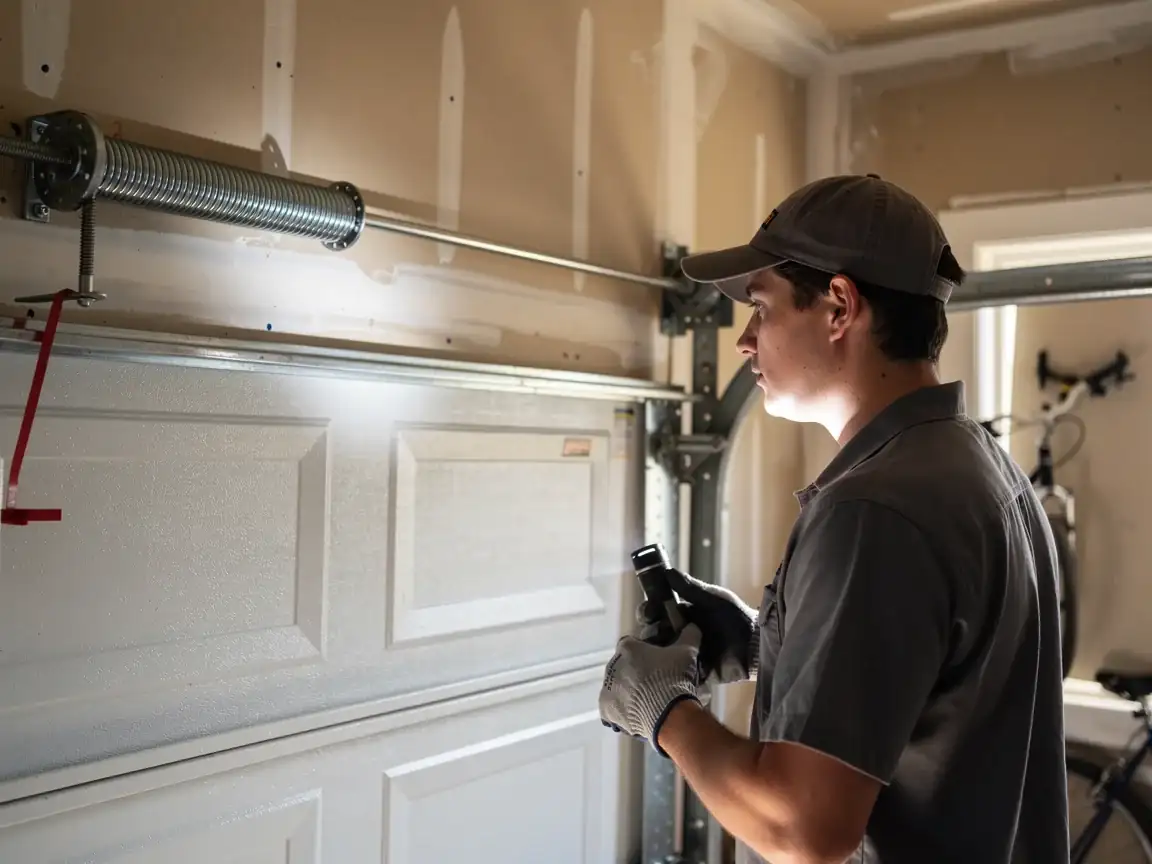
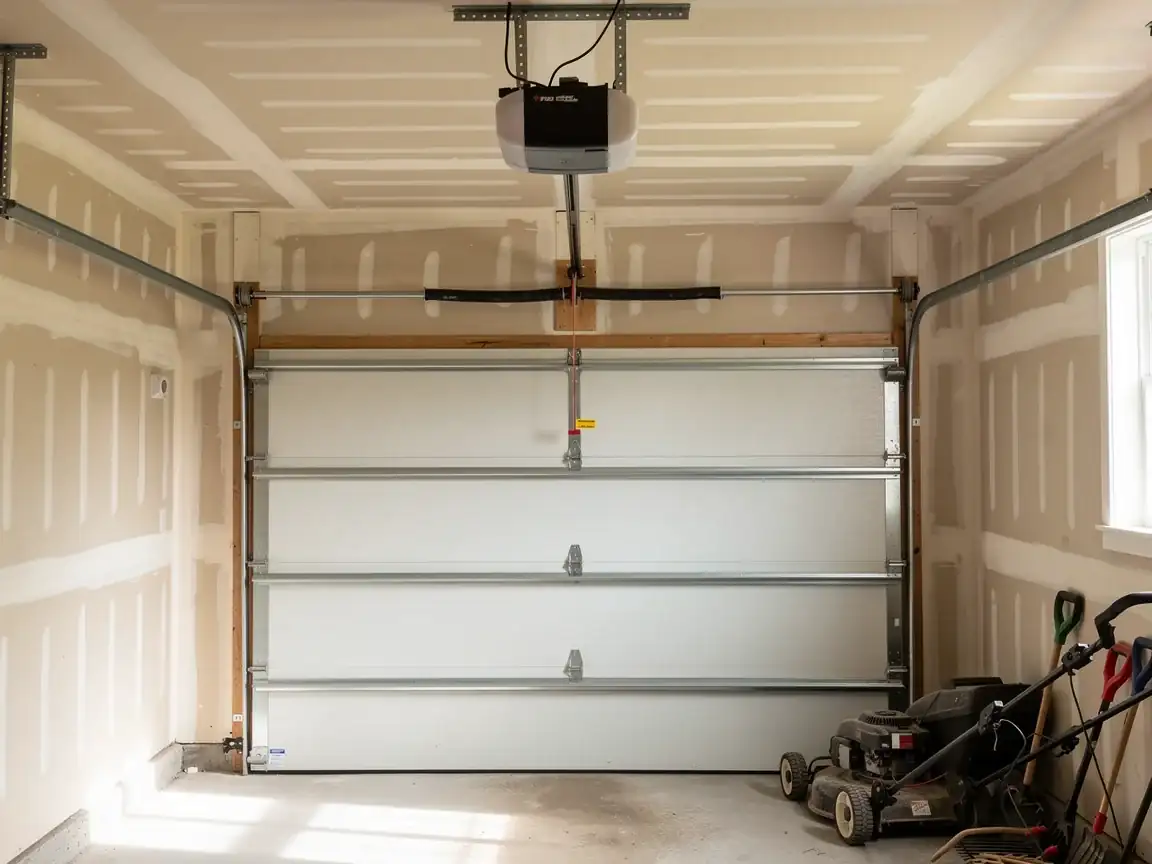
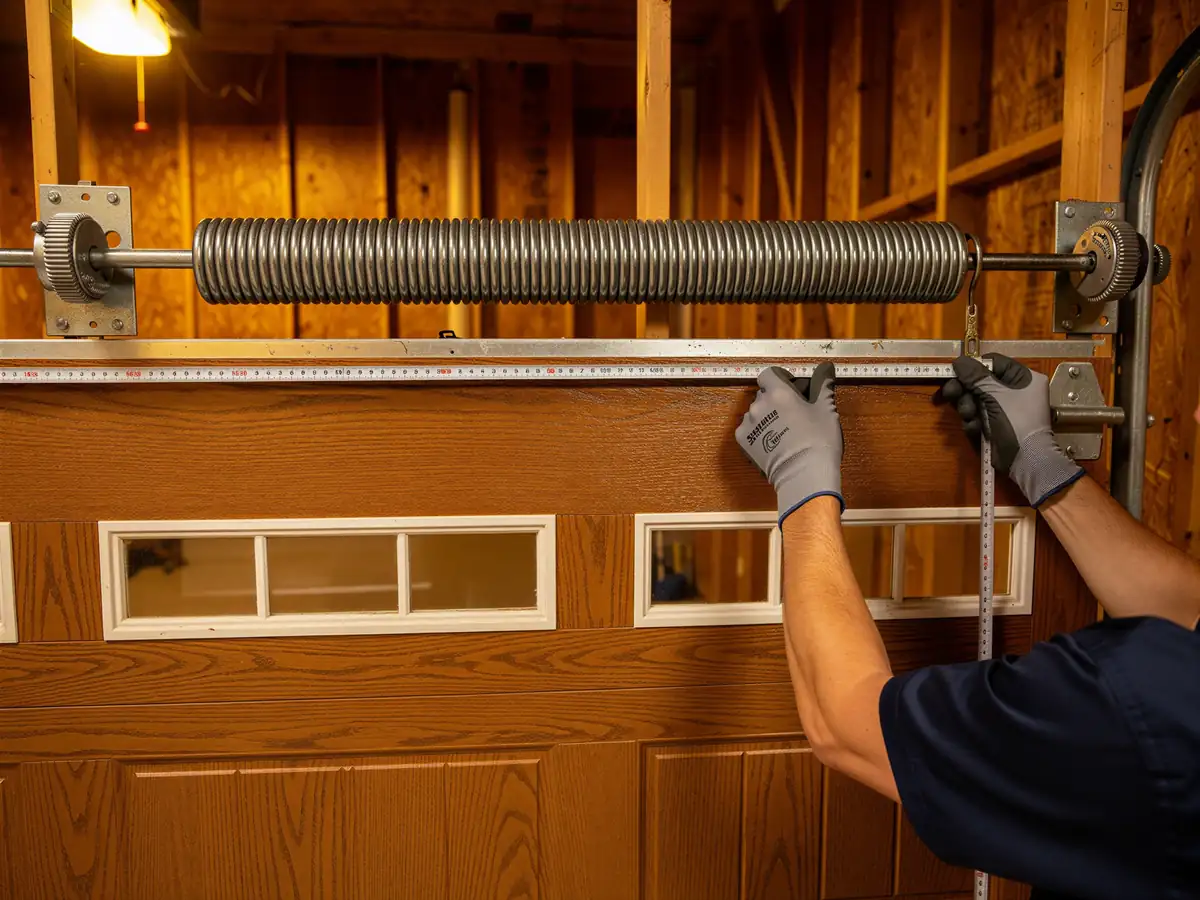
On older torsion setups - the kind still sitting on a lot of houses from that 1960s-70s building run - you'll often see visible rust or a gap in the coil where it's separated. On newer doors, the failure can look more like a frayed cable hanging loose, which is a related problem but not the same fix. Either way, don't try to lift the door by hand repeatedly or force the opener - that's how a bent track or a torn panel gets added to a spring job.
How We Fix It
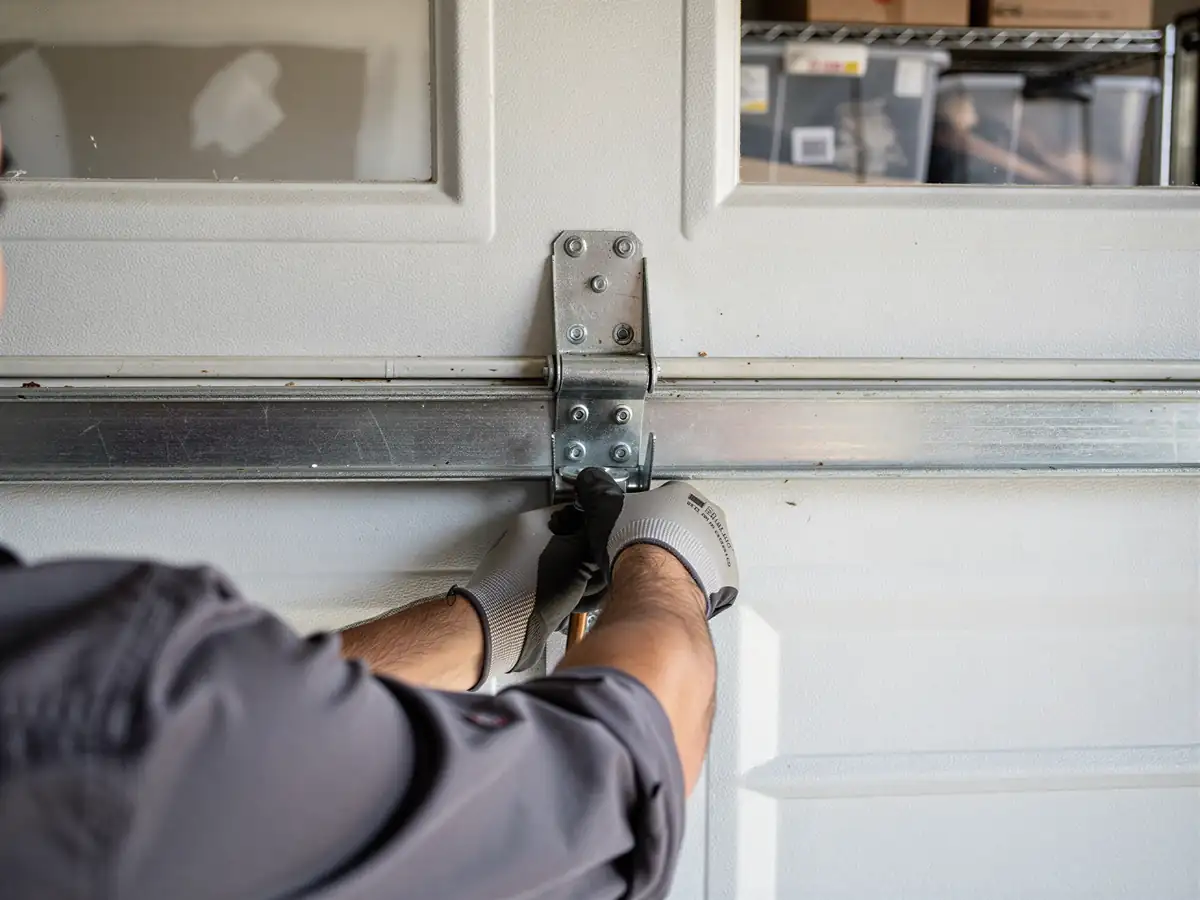
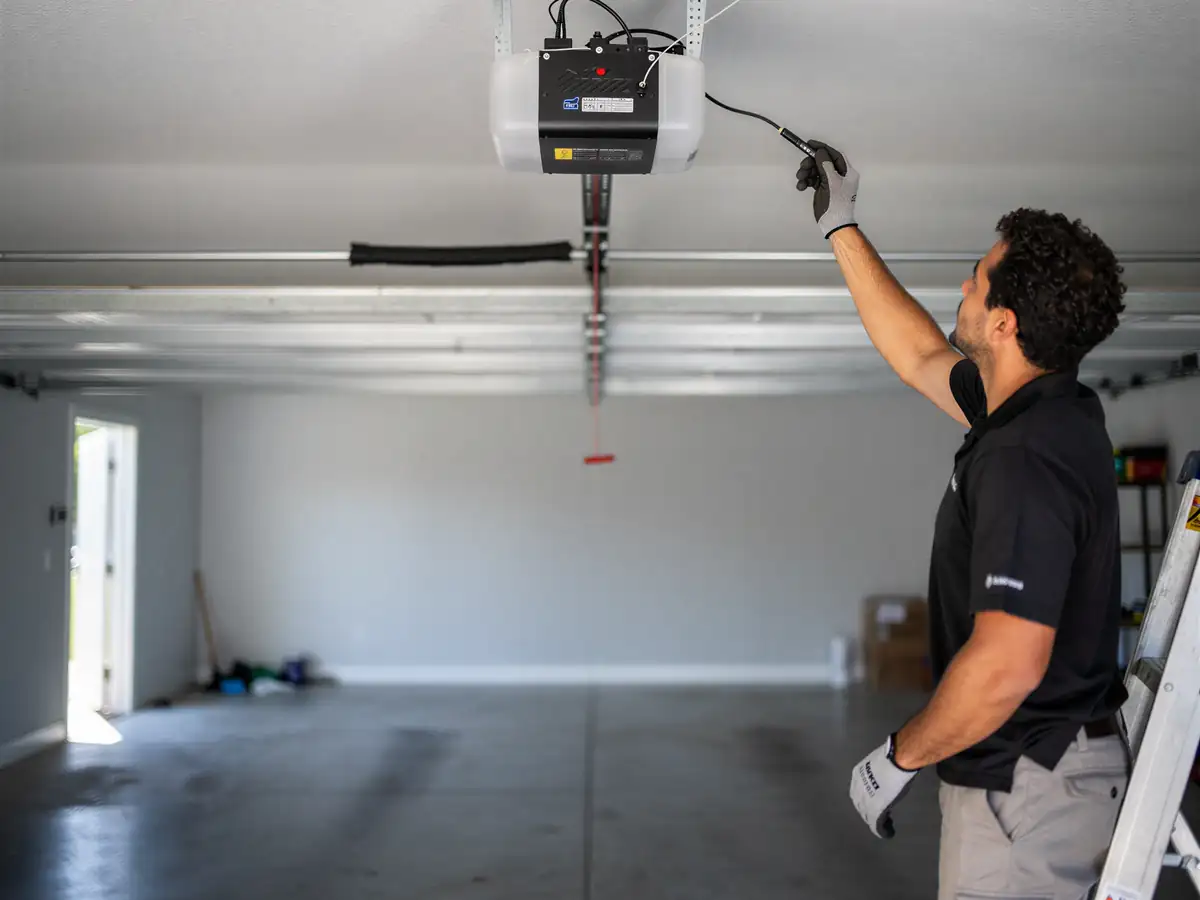
For a standard torsion spring break, the job is a full spring and hardware inspection, not just a coil swap
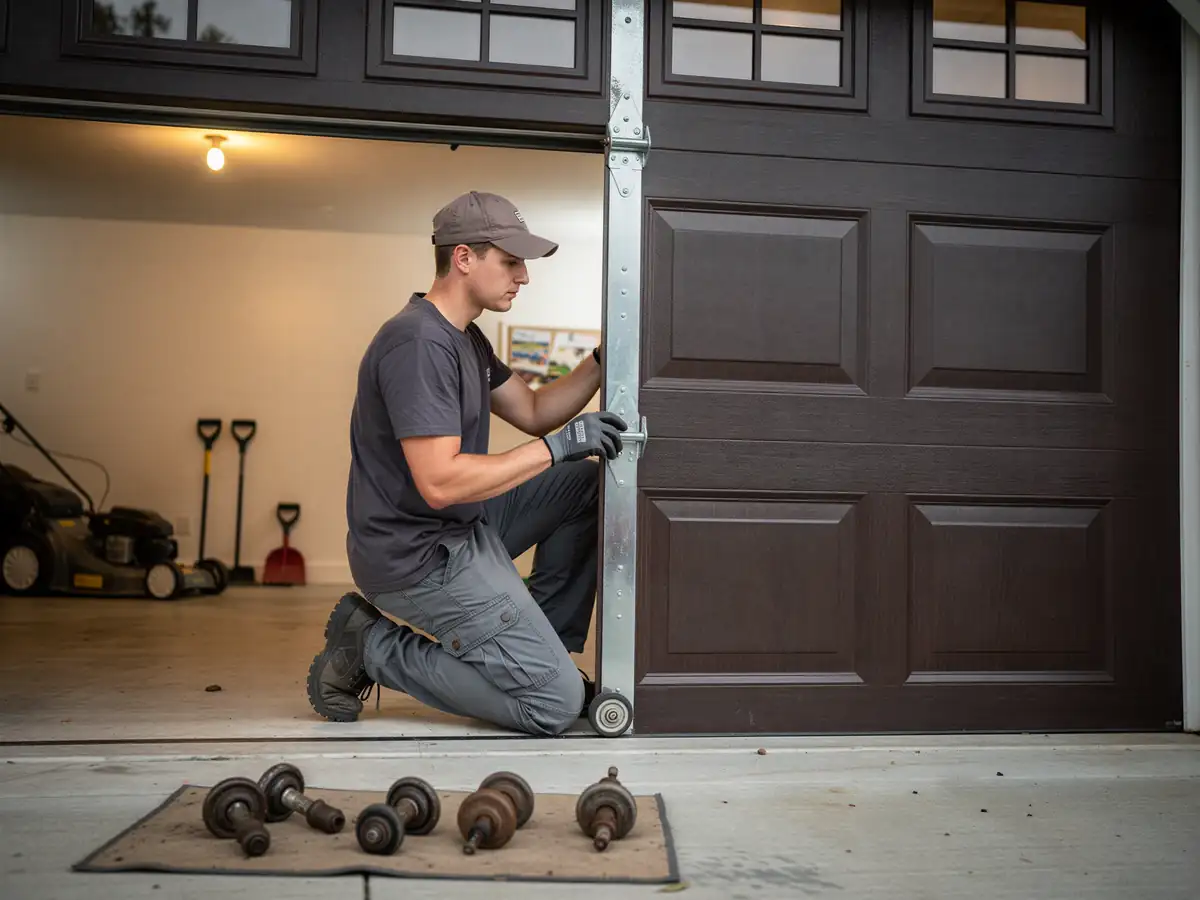
We check the drums, cables, and bearing plates at the same time, since those parts take the same decades of wear and a spring job is the easiest time to catch them before they fail too. On older original hardware from the 1952-1998 era, we also check whether the spring size on the door still matches the weight of the door itself, since some of these houses have had heavier insulated doors added over the years without the springs being upgraded to match.
We'll be straight with you if replacement makes more sense than repair
On a door old enough and worn enough, pouring a new spring into tired track and rollers is just delaying the next call. We don't carry every spring size on the truck for every unusual setup, so on an oddball door we may need a day to get the right part in rather than force a mismatch that won't hold.