What the Weather Here Does to It
Moline sits in a cold-moderate climate band
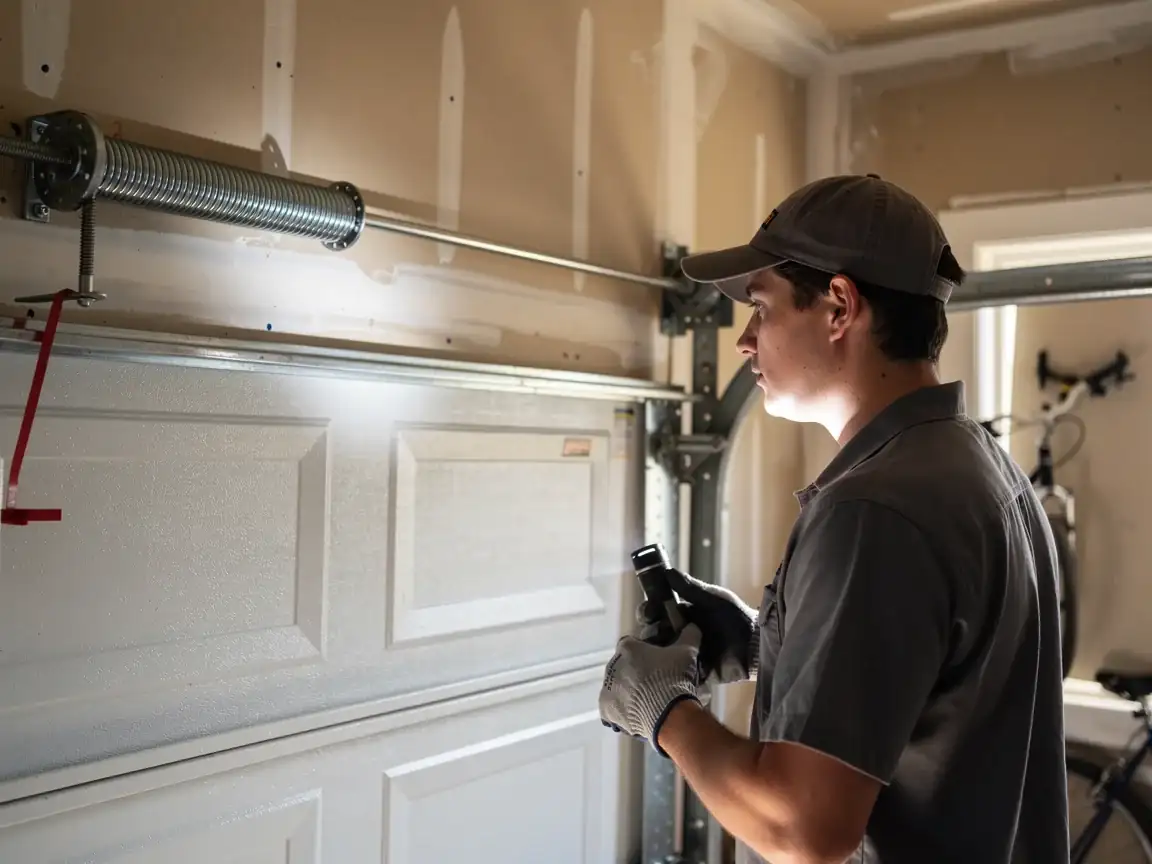
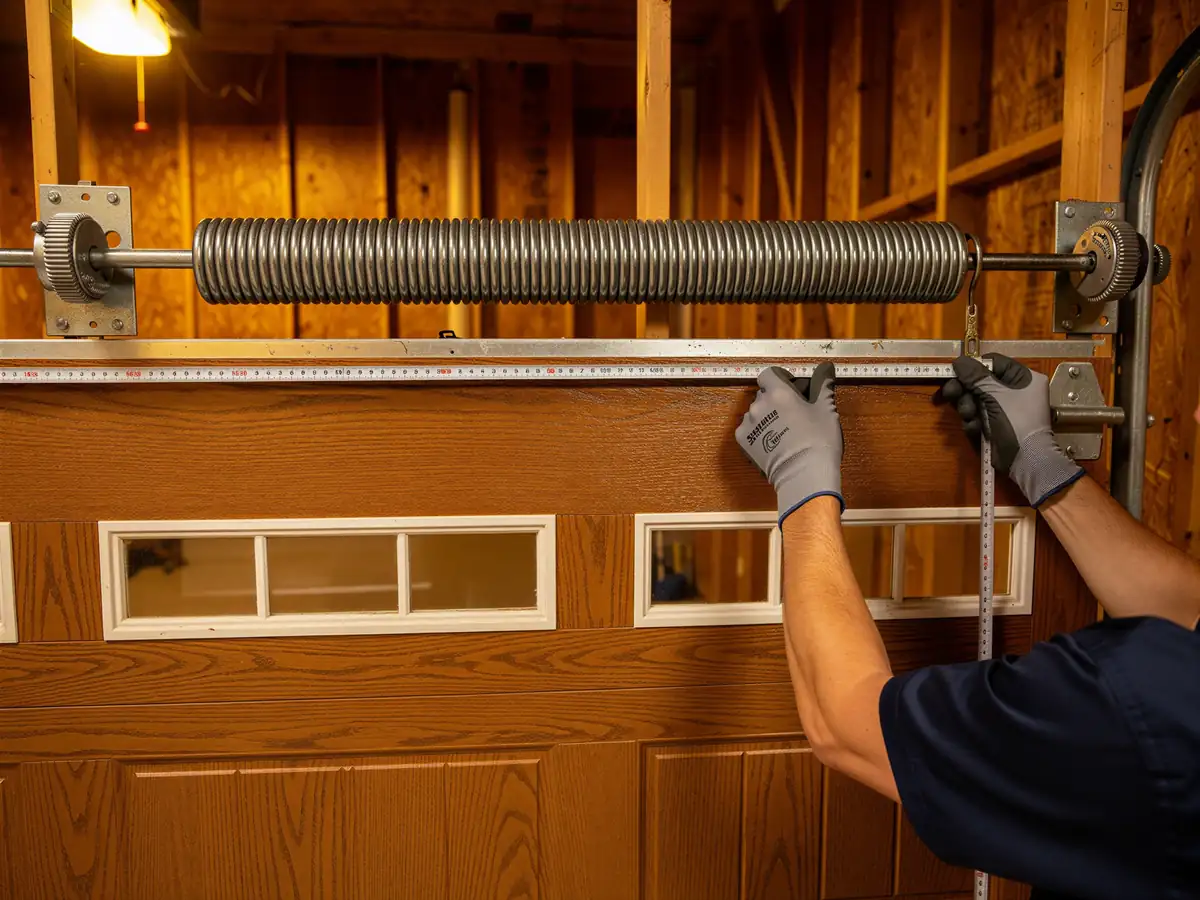
And that swing between a hard freeze and a 70-degree thaw is the thing that wears on a garage door faster than age alone. Metal contracts in the cold, grease stiffens, and a torsion spring that was fine in October can bind or snap in January because the steel itself has less give. Tracks that were bolted level in 1968 shift slightly as the slab heaves with frost, so a door that rolled smooth all summer can start grinding the second a cold front comes through.
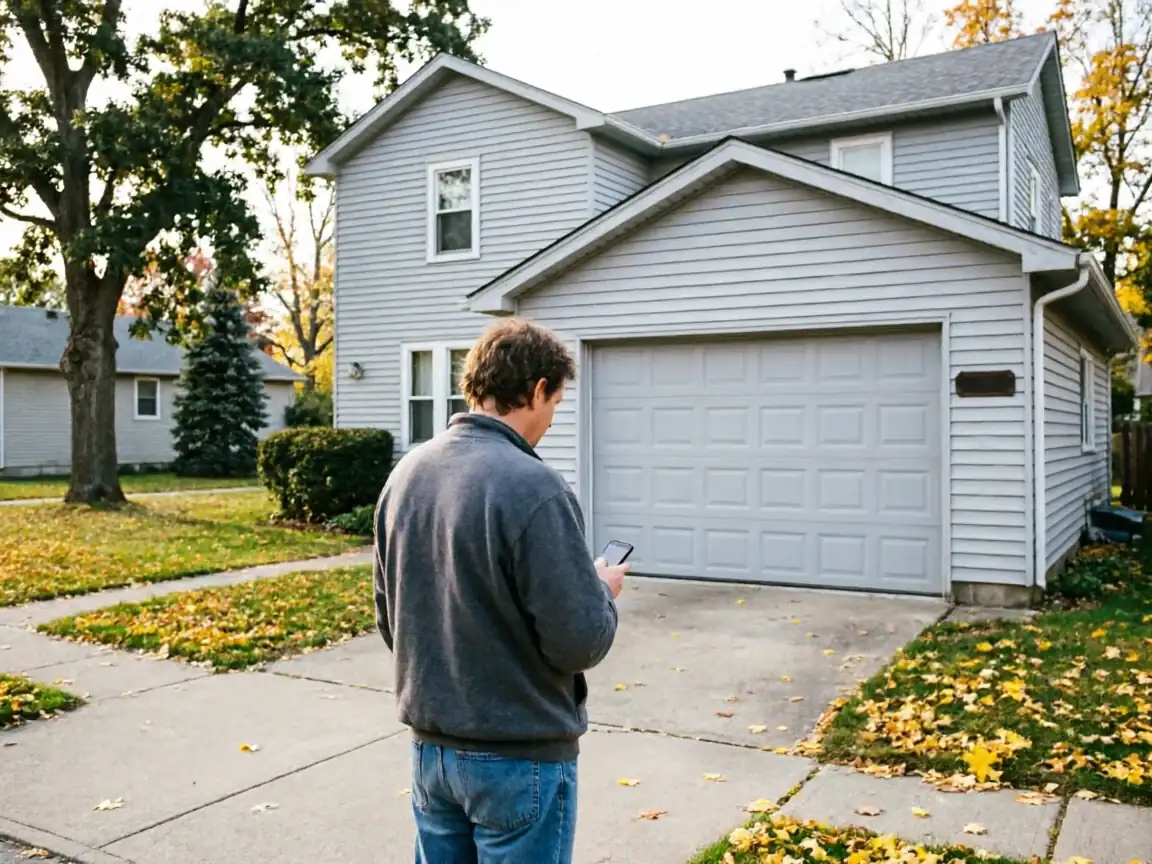
This matters more here than in a lot of places because so much of the housing stock in and around Moline, Coal Valley, Rock Island, and Milan was built between 1952 and 1998, with most of it going up in the 1960s and 70s
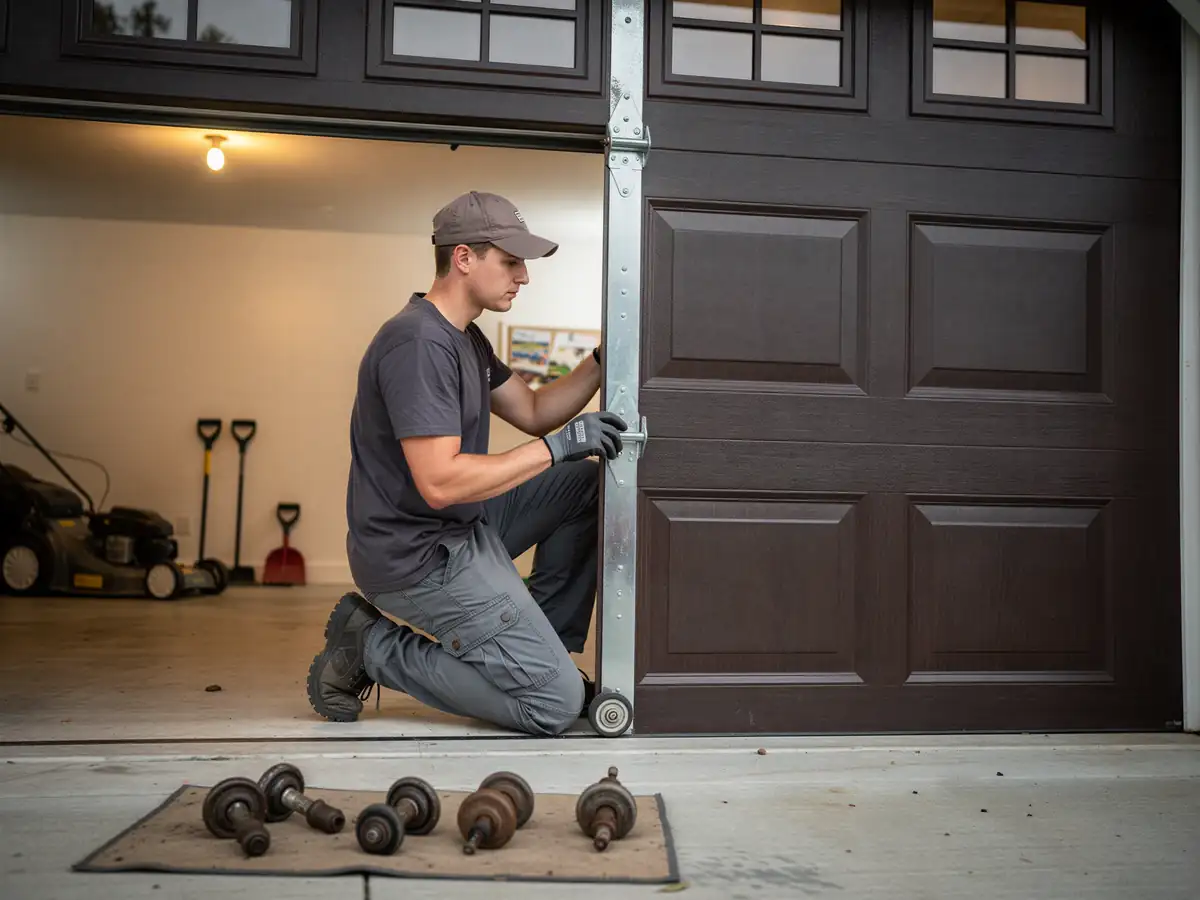
That's original rail and bracket hardware on a lot of these doors, sized for a different era of opener and spring, and cold is what exposes the fatigue in it. A new door with modern rollers handles the same freeze-thaw cycle without a complaint. An older one tells you about it with a noise.
What It Costs
I'm not going to hand you a number here, because the honest answer is it depends on what's actually wrong and what parts your door takes - and on a house built in the 1960s or 70s, that's not always a part a supply house has sitting on a shelf. What I can tell you is what drives the cost up or down. A worn roller or a loose hinge is a small job. A torsion spring on a double door, especially an older size that isn't the current standard, costs more because of the part itself, not the labor.
Across the service area - Moline, Rock Island, East Moline, Milan, Hampton, Colona, and the rest - median household income runs around $70,407, and there are roughly 35,627 households with about 18,914 owner-occupied houses. That's a lot of houses from the same two-decade build window needing the same handful of repairs around the same age. If your opener or spring is original to a house built before the mid-70s, expect to replace rather than patch - parts for that generation of hardware are getting harder to source every year, and sometimes a new unit costs less than chasing down an obsolete part.
Checking It Yourself
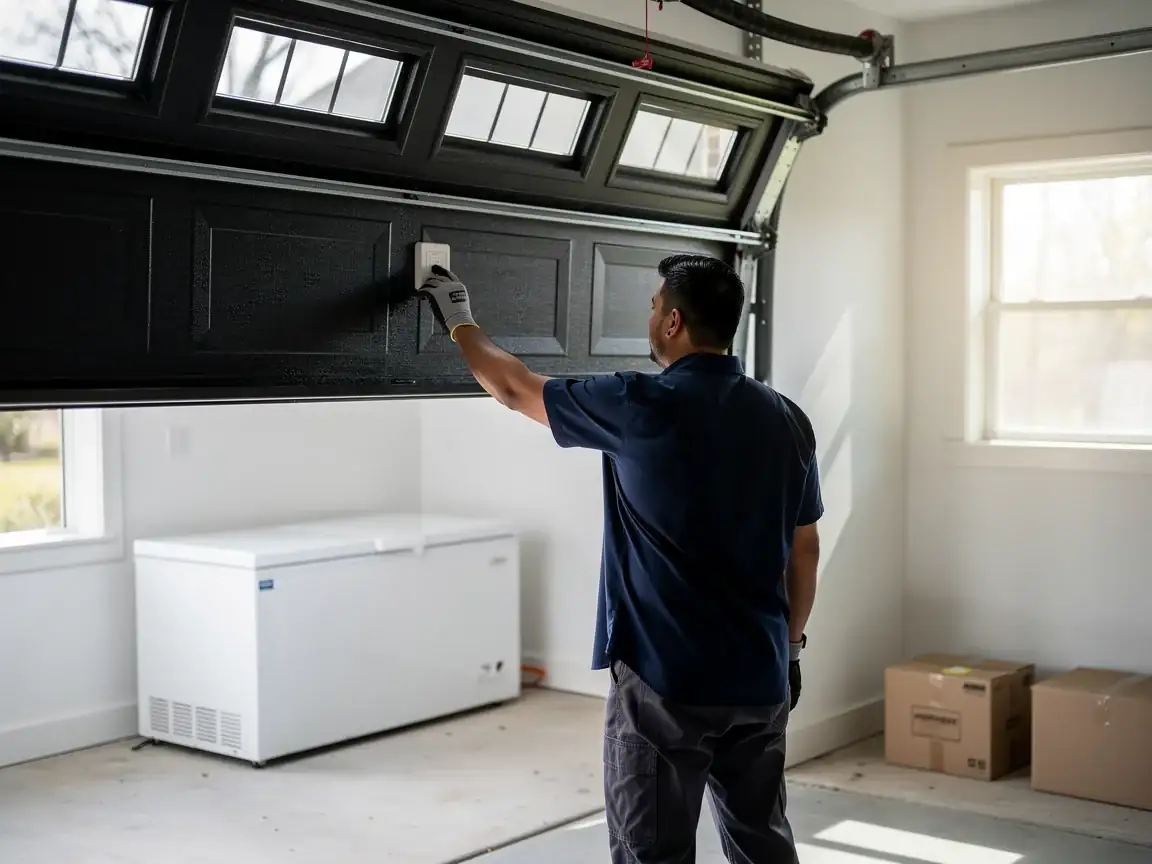
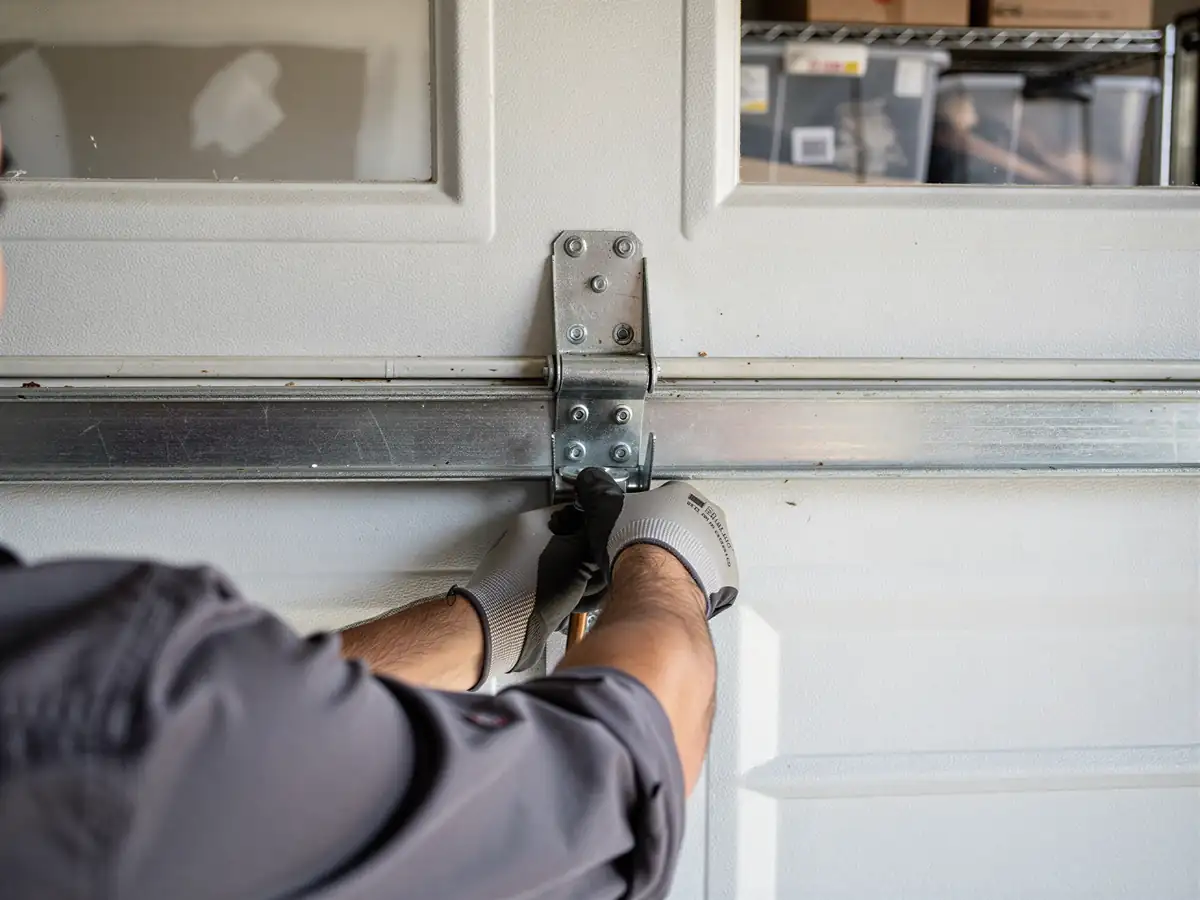
Before you call anyone, open and close the door by hand with the opener disconnected. If it doesn't move smoothly under its own hardware, no opener adjustment is going to fix that - the problem is mechanical, not electrical. Look at the tracks: on a house from the 1960s-70s build era common around here, the original steel track can show rust pitting or a slight bow where the wall has settled over fifty-plus years. Run your hand along it - if the door hesitates at the same spot every time, that's your track, not your spring.
Check the bottom corners of the panels too. Houses in this area built through the 1950s-90s window often have the original wood or early steel sectional door, and moisture from a cold-climate winter gets into the bottom panel seams first. Soft wood or flaking rust there means the door is closer to replacement than repair, regardless of what the opener is doing. Listen for a grinding, metal-on-metal sound versus a rhythmic clunk - grinding is usually rollers or track, clunk is usually a worn spring or cable, and neither one should be ignored.
What Is Going On
A squeal on the way up is almost always a dry roller
And on a door that's original to a 1960s or 70s build, that roller has likely never been lubricated in its life. A loud bang followed by the door refusing to move is a broken spring - common on doors from that same build era because torsion springs are rated for a cycle count, and a fifty-year-old door has usually used up its share.
A slow sag on one side
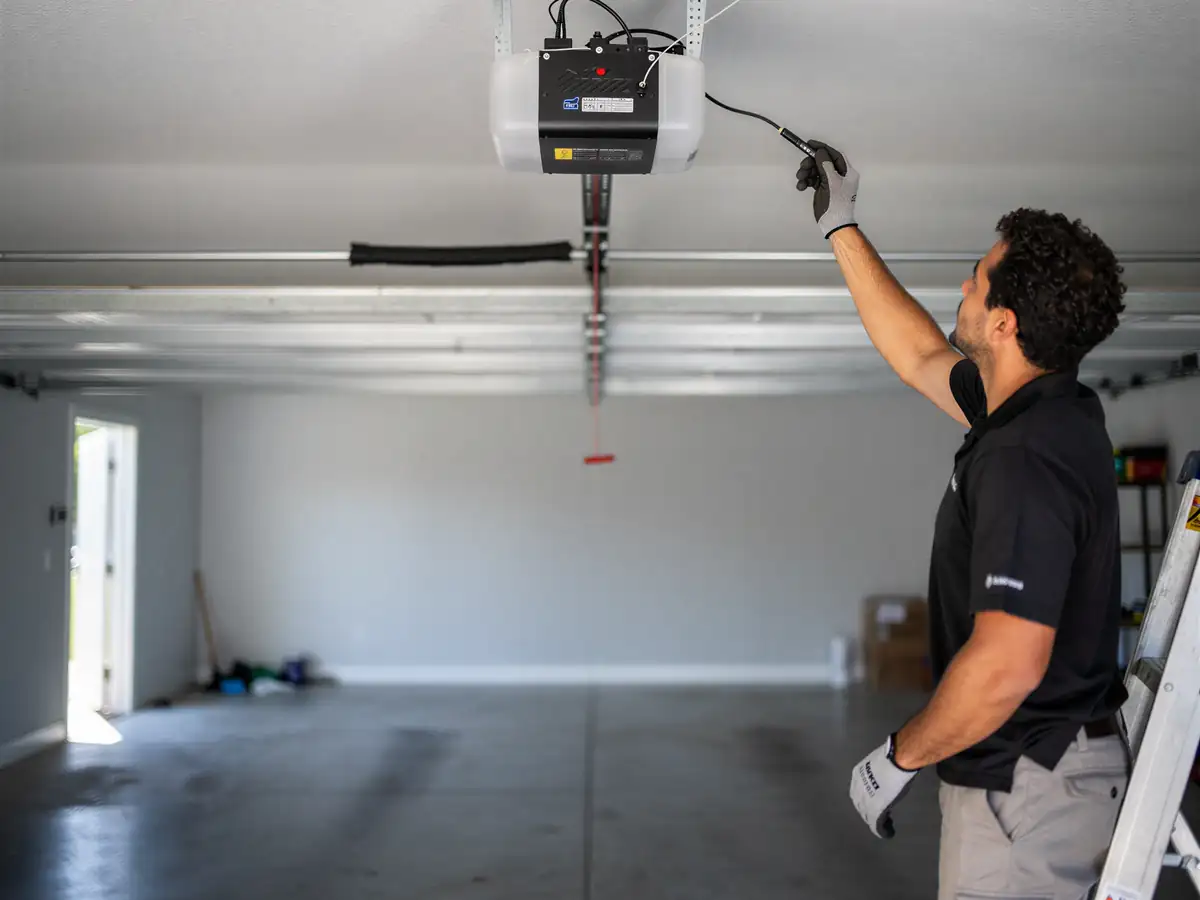
Or a door that looks crooked when it's halfway up, points to a cable that's frayed or a track that's pulled away from the frame - again, something that shows up more on older original hardware than on anything installed in the last fifteen years. If the opener runs but the door doesn't move, check the arm connecting opener to door before assuming the motor is bad; that connection fails more often than the motor does.
One honest limit: I can tell you what a noise usually means
But I can't diagnose your specific door over a page like this. If it's grinding, banging, or hanging crooked, that's a call, not a guess.