What the Weather Here Does to It
Moline sits in a cold, moderate climate band
Which means the door in your garage goes through more freeze-thaw cycling each winter than a door in a milder part of the country. Steel panels contract in the cold and expand again on the warmer days, and that constant flexing is hard on seams, especially on doors that are already a few decades old. Lubricant in the rollers and hinges thickens up when temperatures drop, which is part of why a door that opened fine in October starts groaning or sticking by January.
Condensation is the other half of it
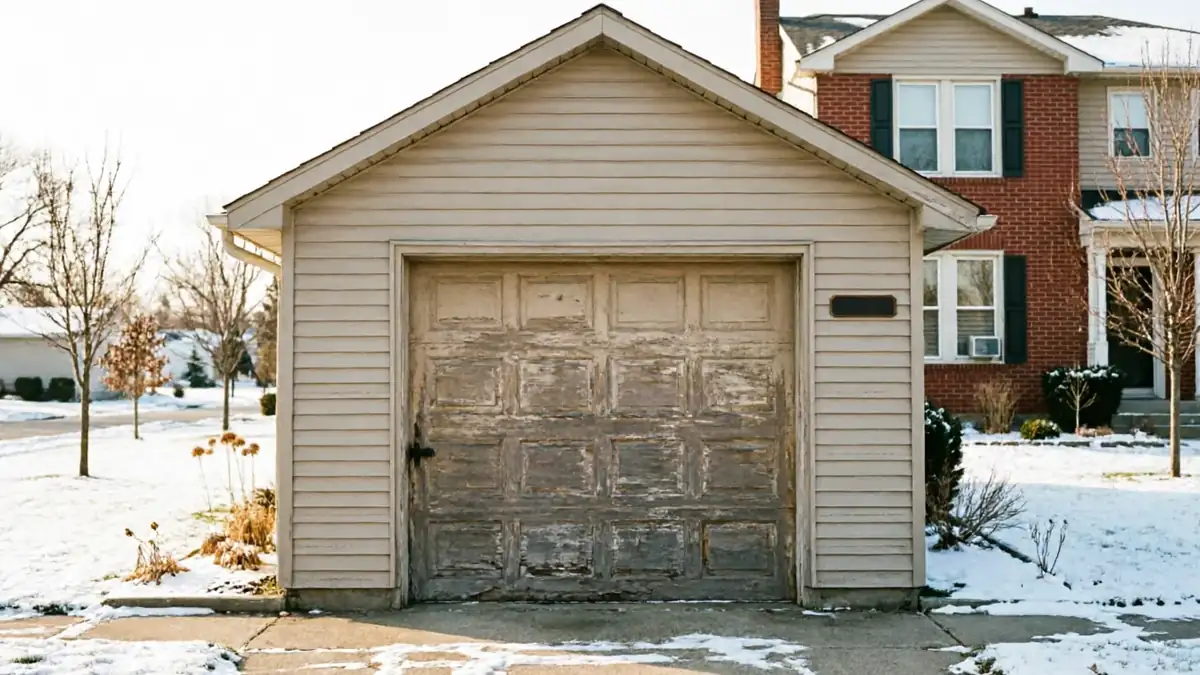
A garage that isn't heated sees moisture form on the inside of the panels overnight, and over enough winters that moisture works into any spot where paint has chipped or a weld has started to separate. On the older doors common in this area - a lot of Moline's housing stock went up between 1952 and 1998, with the median landing around 1968 - you'll often find rust starting at the bottom panel first, right where road salt and slush get splashed up during a plow pass. That's usually the first place to check before you decide a door is done.
None of this means every old door needs to go
It means the weather here is doing real, measurable work on the hardware, and that work shows up fastest on doors already past their expected life.
What It Costs
I'm not going to hand you a price list here, because what a repair runs depends on what's actually wrong, and I don't have pricing figures to quote you that would hold up as accurate for your specific door. What I can tell you is what drives the decision. A lot of the housing across this area - Moline and the nearby towns like Rock Island, Milan, and East Moline - was built in the 1960s and '70s, which means a lot of garage doors still running are matched to hardware from that same era: older spring sizes, track widths, and opener mounts that don't always match what's stocked on a truck today.
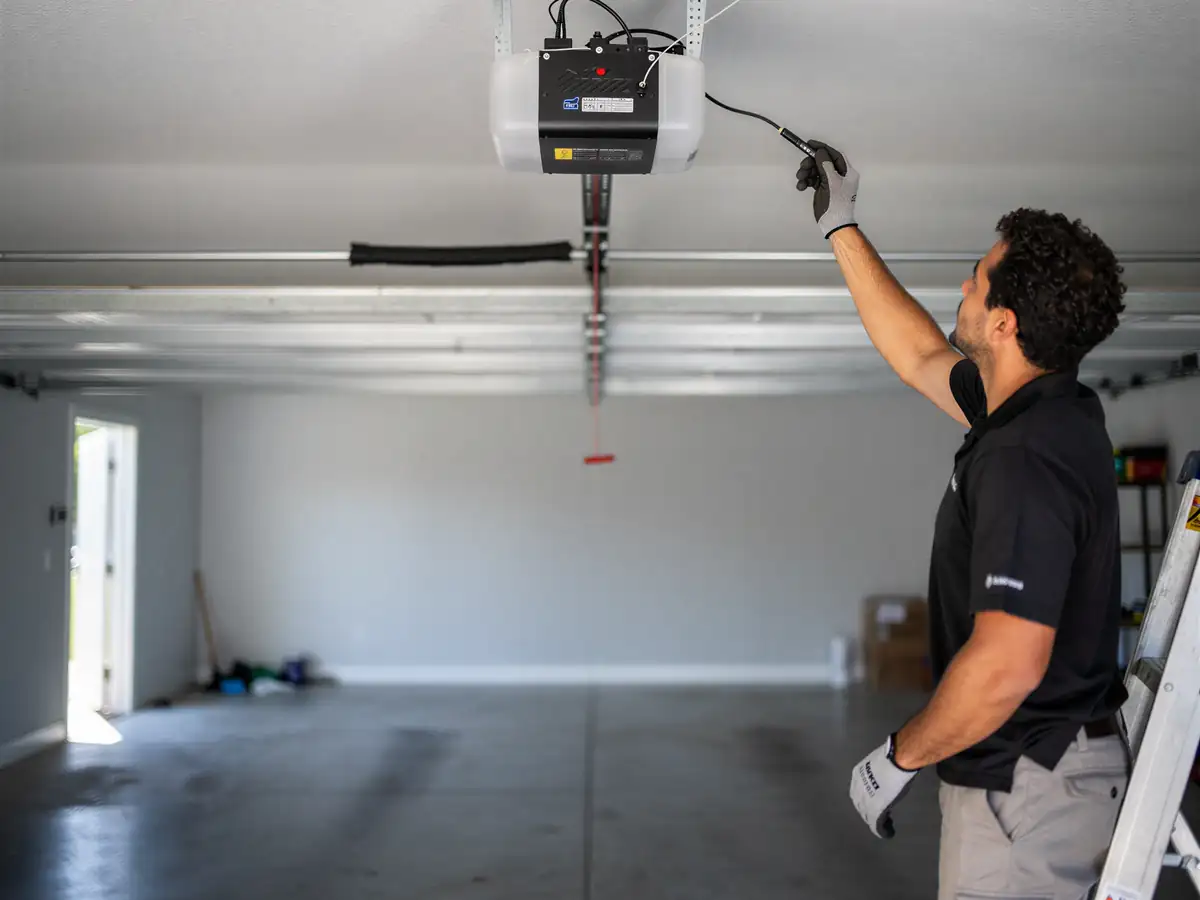
When a part is still common, a repair is usually straightforward. When it's not, you're sometimes waiting on an order, and that wait is the honest limitation here - parts for some of the original equipment from that build era aren't things we keep on hand, because the demand for them is small and shrinking every year. That lead time is worth weighing against the cost of swapping the door out for current hardware instead of chasing down a match for something 50-plus years old. At a median household income of $70,407 across this service area, most homeowners we talk to make that call once repair costs start creeping toward what a new door and opener would run - not before.
Checking It Yourself
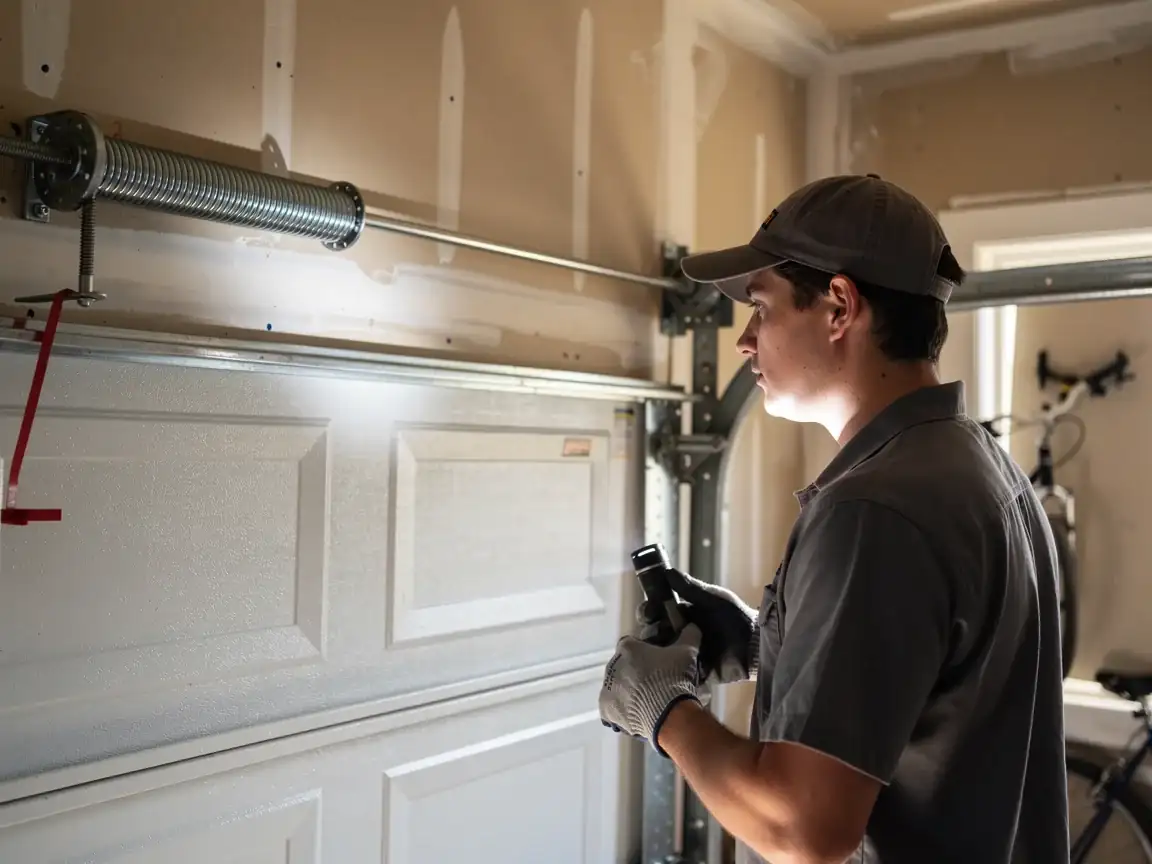
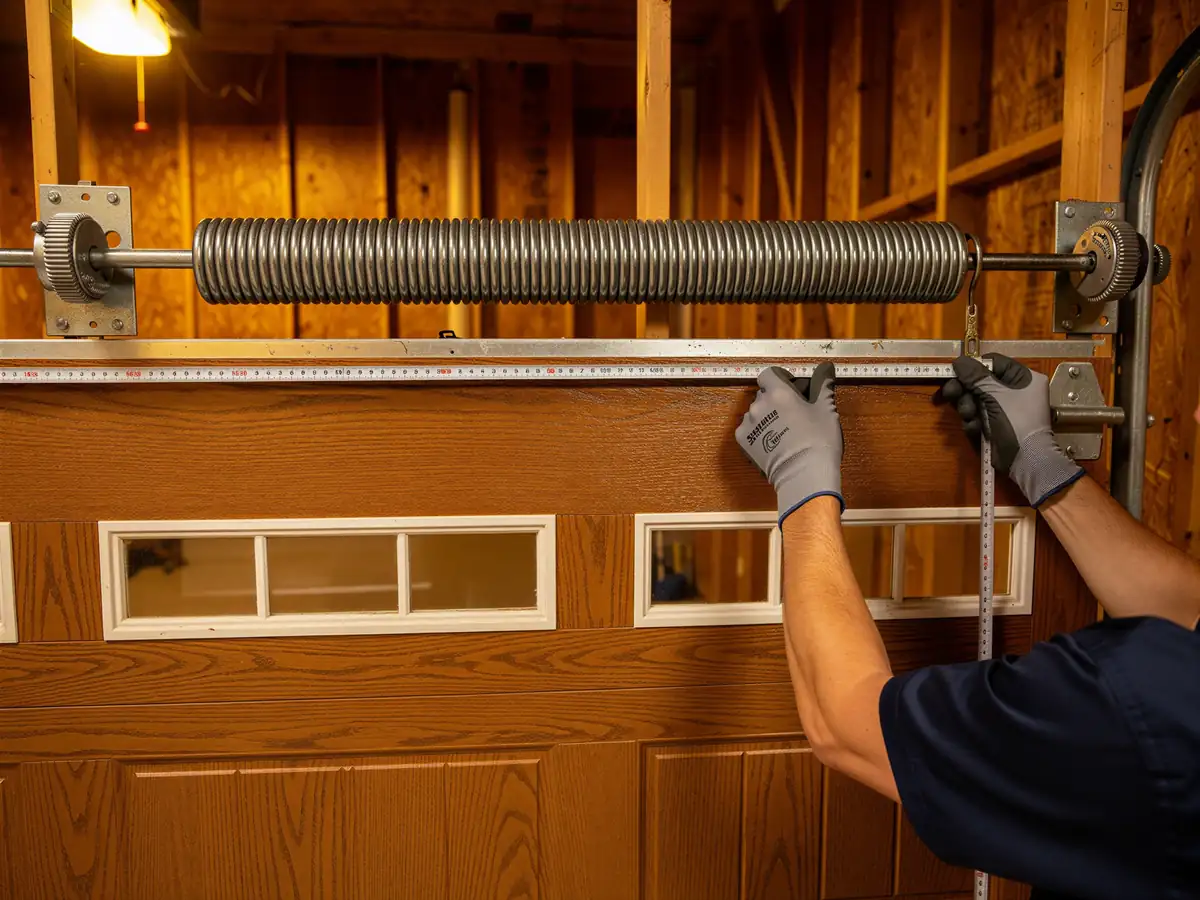
Before you call anyone, there's a handful of things you can look at yourself. Start at the bottom panel, since that's the one most exposed to road salt and melting snow through a Moline winter - check for bubbling paint or rust that's actually pitted the metal, not just surface staining. Next, look at the springs above the door. If you've got a torsion spring on a bar above the opening and you can see a gap in one of the coils, that spring is broken or close to it, and that's not a DIY fix - the tension stored in that bar can hurt you.
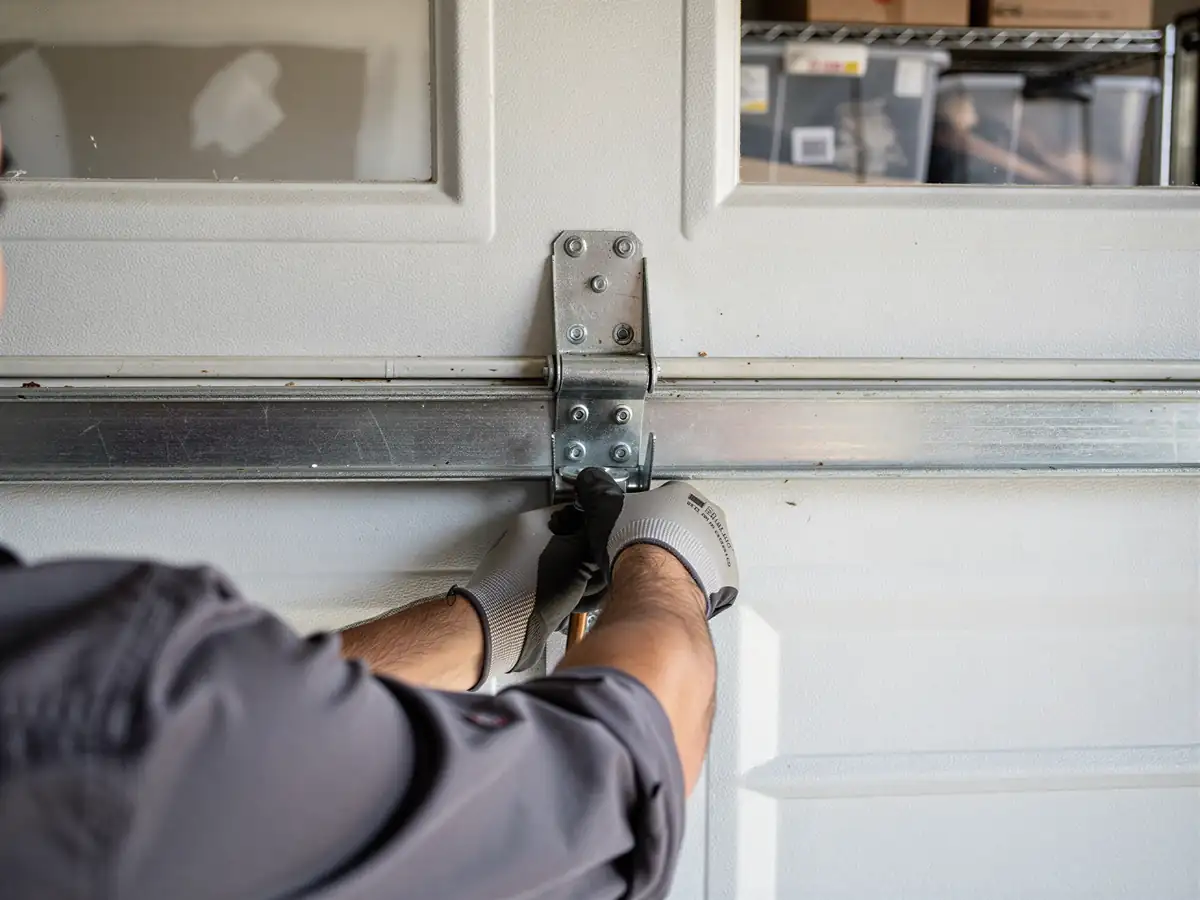
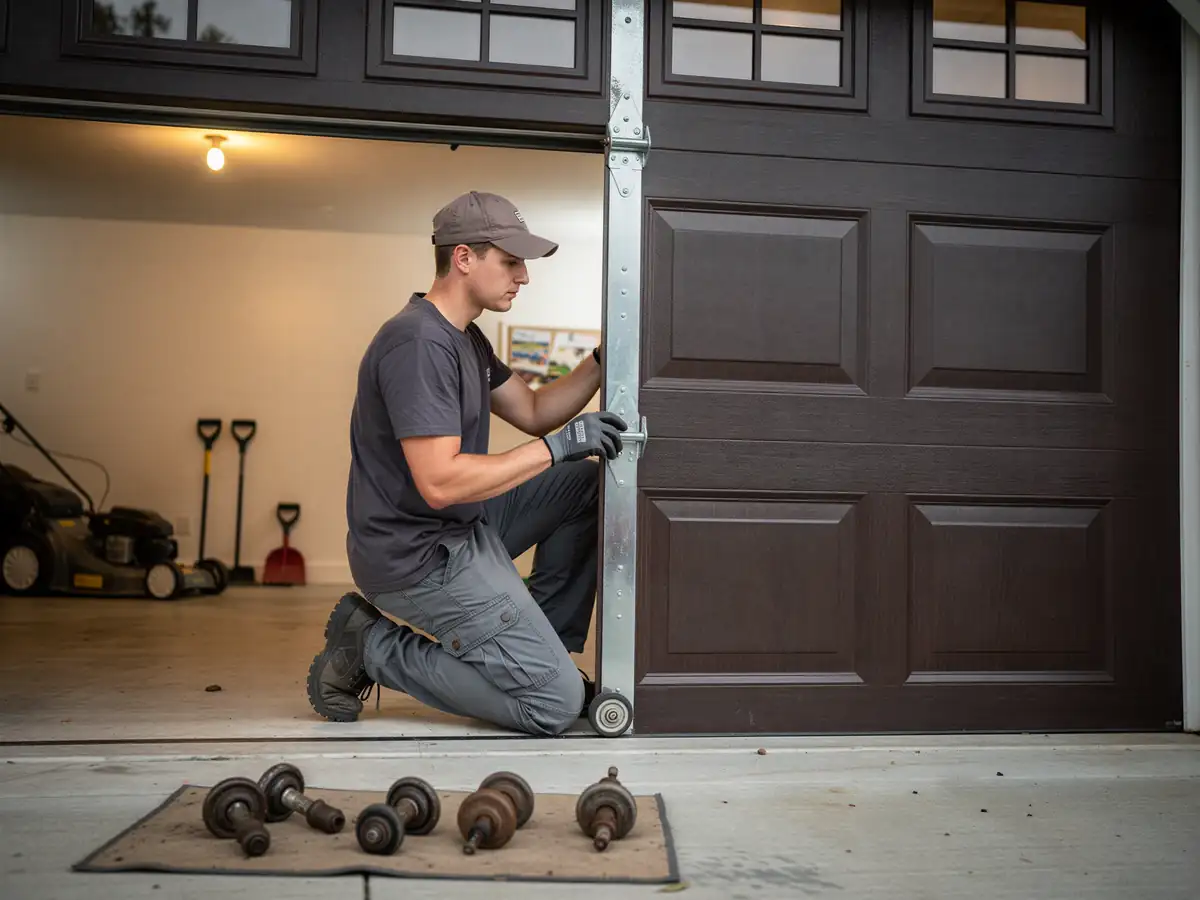
Check the rollers next. Plastic rollers that are cracked or chipped, or steel rollers that have gone out of round, will make the door jerk and bind as it travels, and that strain eventually finds something weaker to break. Run your hand along the track for rust or dents, since a lot of the original track from the 1960s-70s building wave in this area is thinner gauge steel than what gets installed now.
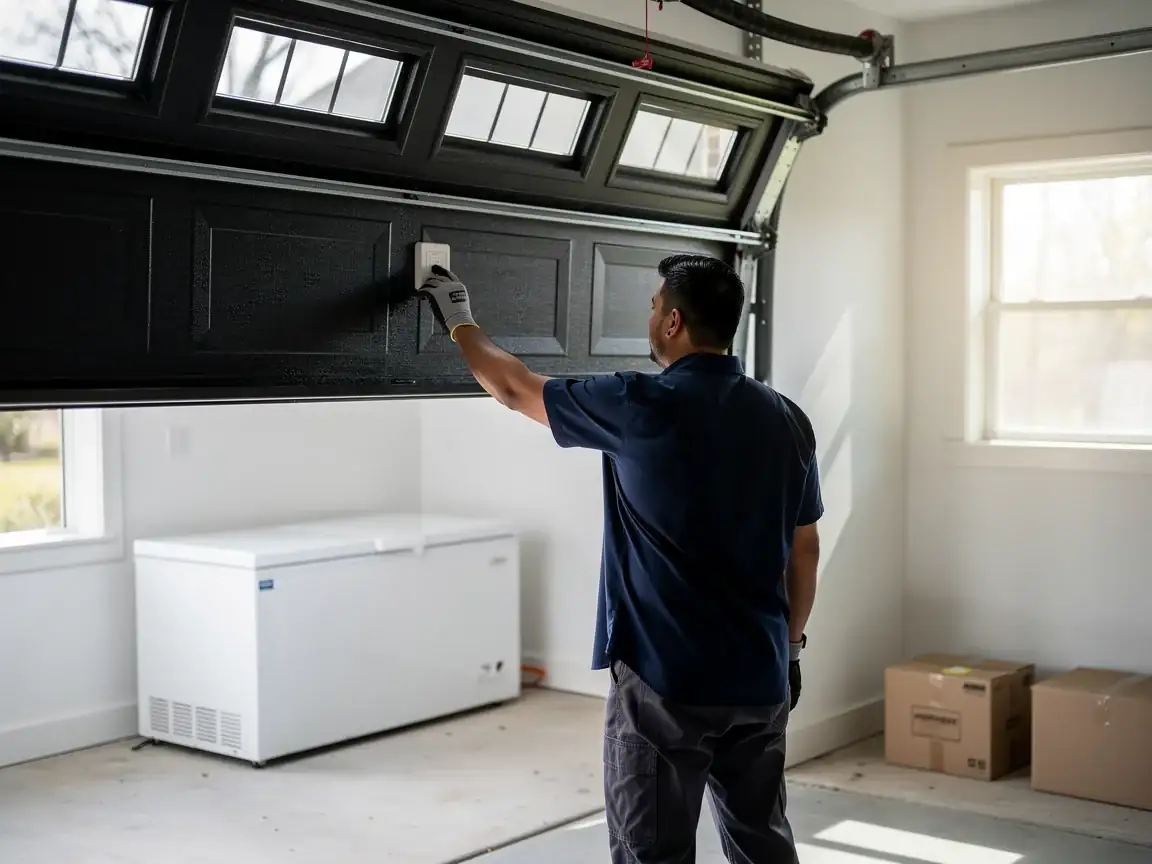
If the door is loud, slow, or sticking only in cold weather, that's often lubrication and adjustment, not replacement. If it's sagging, off-track, or the springs are visibly worn, that's a different conversation. Either way, this is a reasonable walk-around to do before deciding anything.
What Is Going On
Across the Moline area, you've got roughly 18,914 owner-occupied houses out of 35,627 households
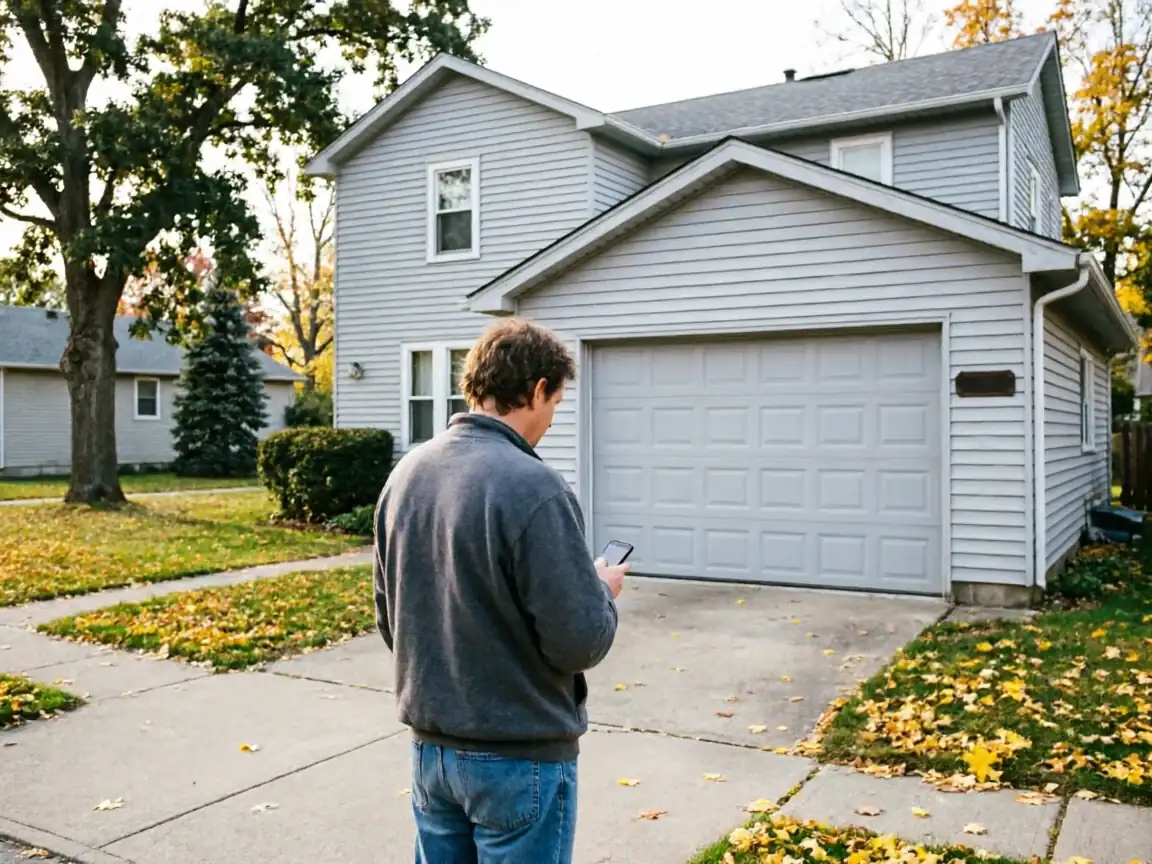
And a large share of that housing was built somewhere between 1952 and 1998. That's a wide window, but the midpoint, 1968, tells you something real: a meaningful chunk of garage doors in this area are old enough that their hardware predates a lot of what's manufactured now. That's true whether you're close in toward Rock Island and Milan or further out toward Colona and Geneseo - the building boom that shaped this whole stretch happened in roughly the same decades.
- 18,914 owner-occupied
- 35,627 households
What that means in practice is that age alone isn't the deciding factor on whether a door is worth fixing
A door from 1968 with a spring that's been replaced once and rollers that have been kept lubricated can still be a sound door. A door from the same year that's been ignored, rusted through at the bottom panel, and running on an opener that no longer has a parts source is a different story. The honest answer is that it depends on what the cold winters and the decades have actually done to that specific door, not on the year stamped on the track.