Why It Happens Here
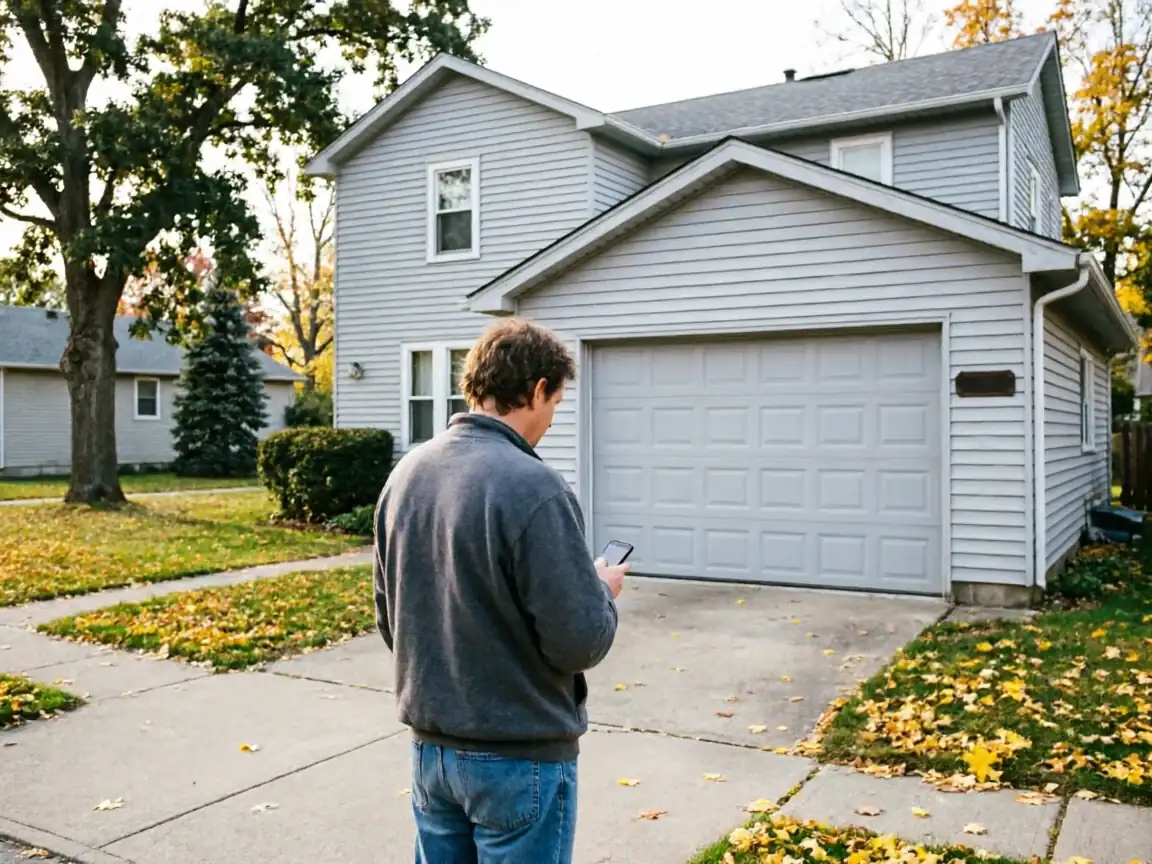
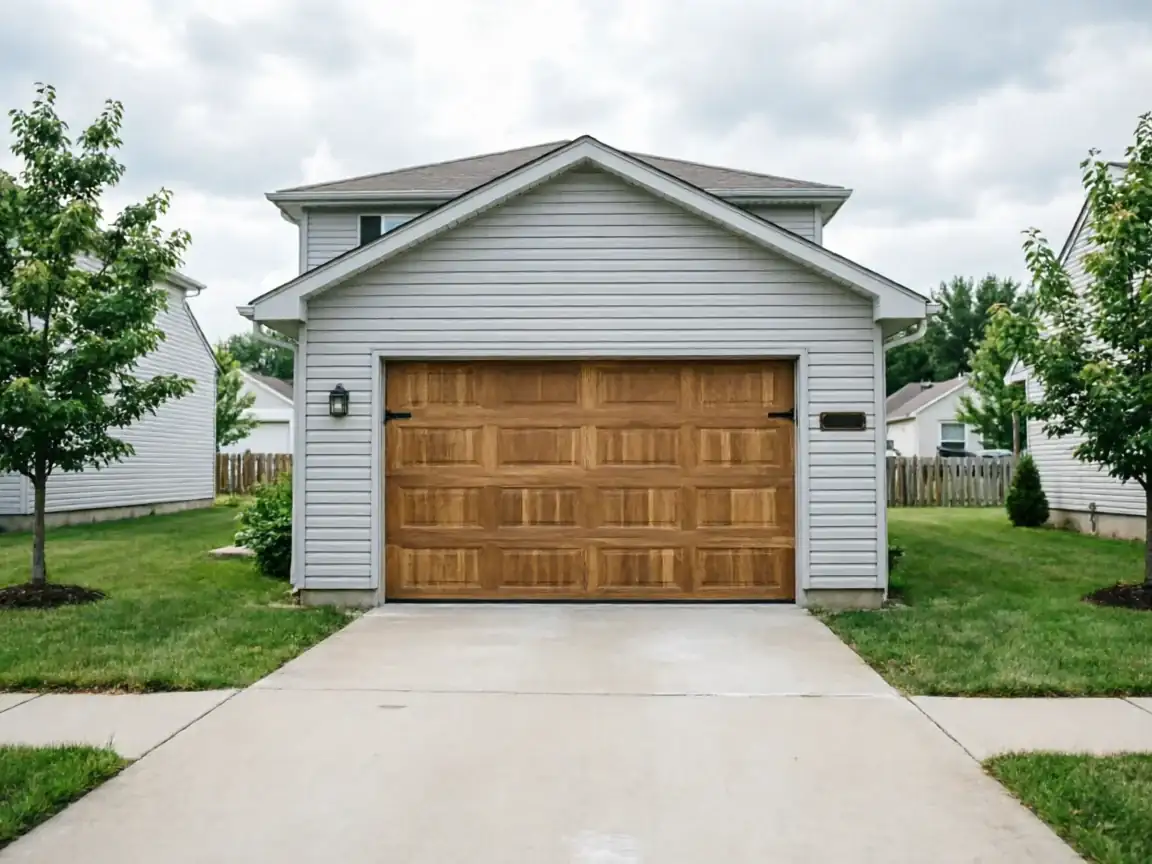
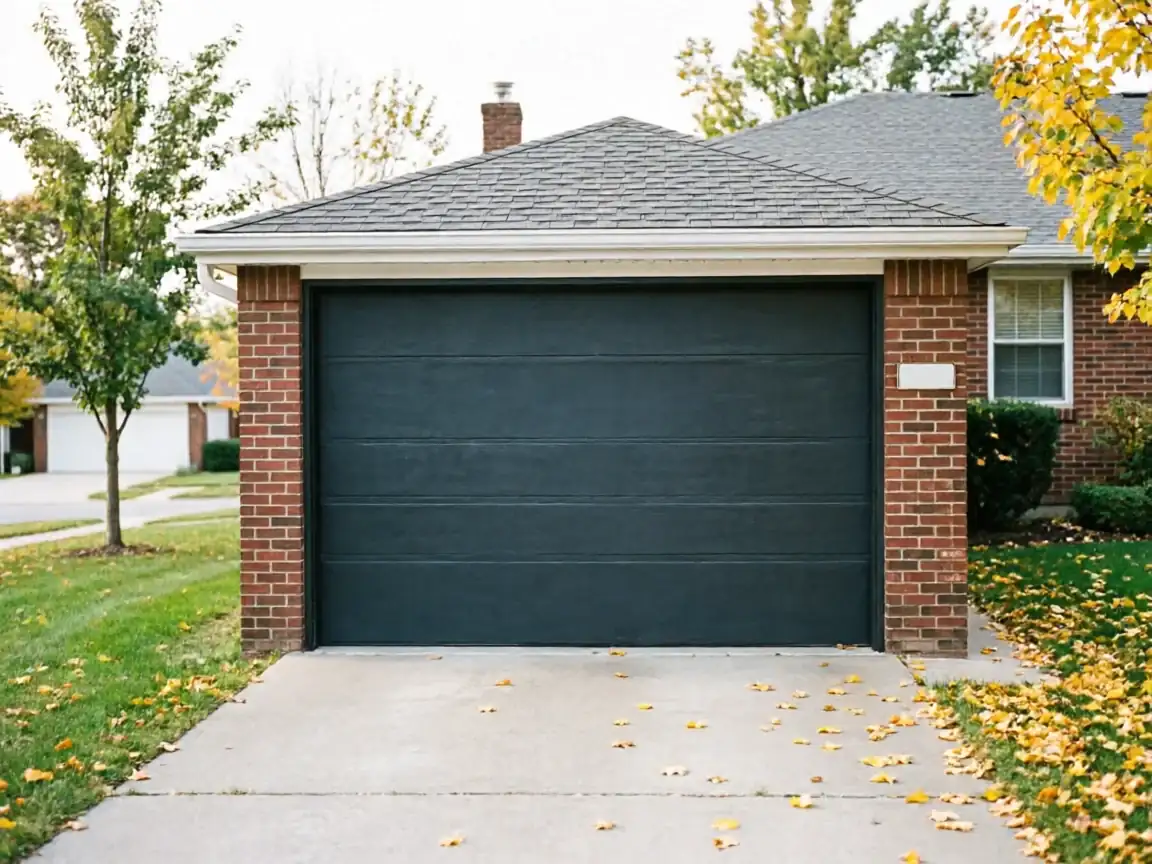
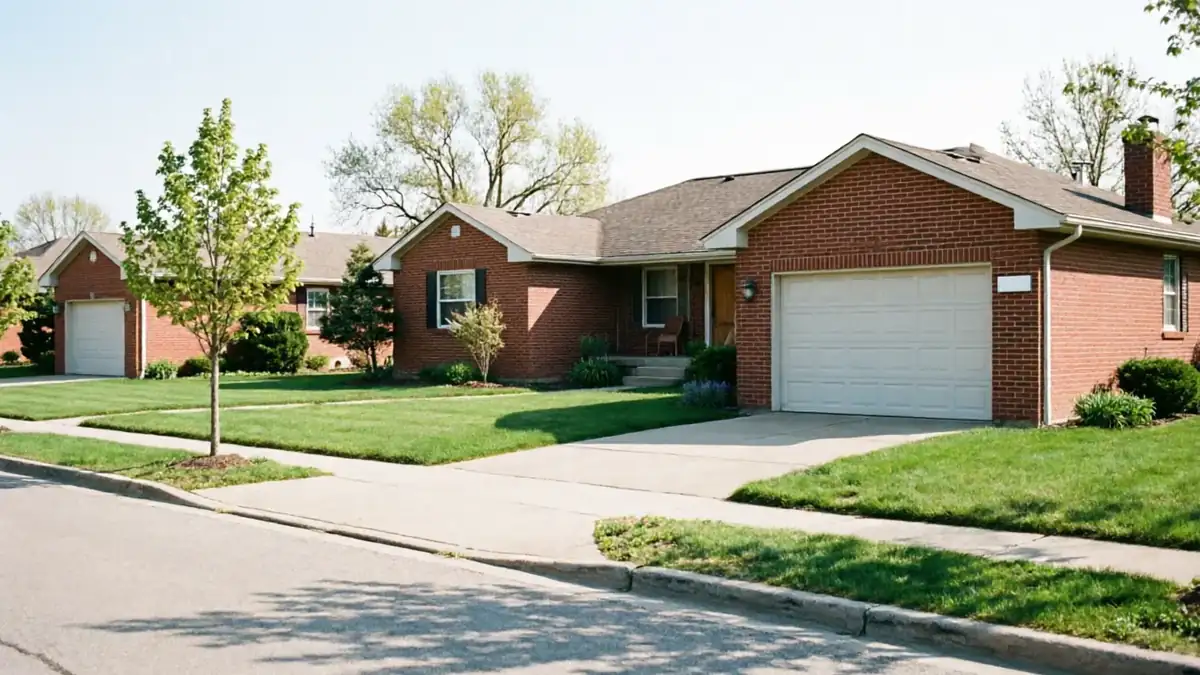
Housing across this service area went up mostly between 1952 and 1998
With the bulk of it dating from the 1960s and 70s. That matters for panel failure because doors from that era are almost always steel, and steel from that window was thinner-gauge than what gets installed today. Thirty, forty, fifty years of a cold-moderate climate band means repeated freeze-thaw cycling at the seams and the bottom panel, where road salt and snowmelt sit against the steel longest.
The bottom panel takes the brunt of it
Water wicks up from the slab, sits in the seam, and the paint fails first, then the steel underneath starts to flake and pit. On a lot of these original doors the panel is also the weakest part structurally - a car bumper tap, a basketball, a kid backing a bike into it, and the panel buckles because it was never built to flex.
Across the twelve communities this service area covers
The housing is similar enough in age and construction that the same failure mode shows up house after house: not a broken spring, not a dead opener, but a panel that's rusted through or dented past the point of pulling it back into shape.
Getting It Booked In
Panel replacement is a parts job more than a labor job. The biggest variable isn't the work itself - it's whether we can match your existing panel to the door you already have. Doors made in the 60s and 70s were sold under brand names and panel profiles that aren't all still in production, so on some jobs we're matching close rather than exact, and we'll tell you straight if that's the case before we order anything.
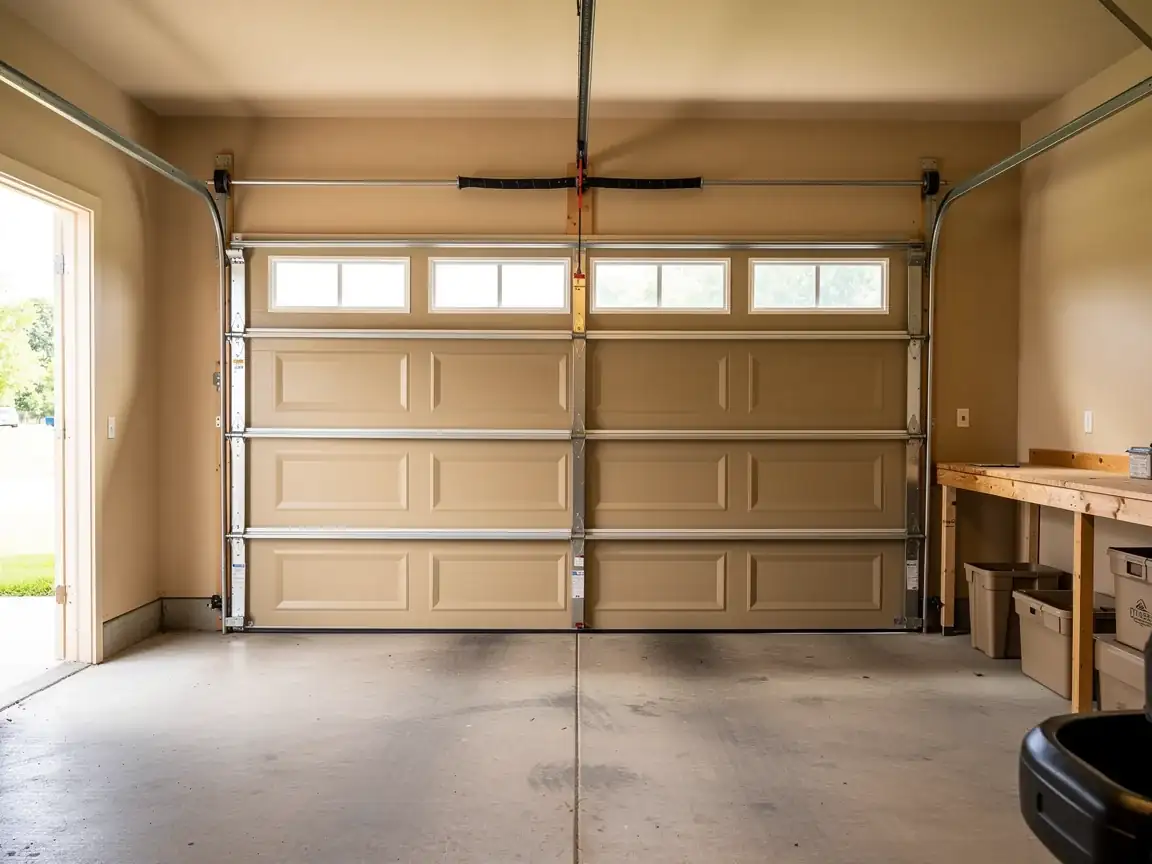
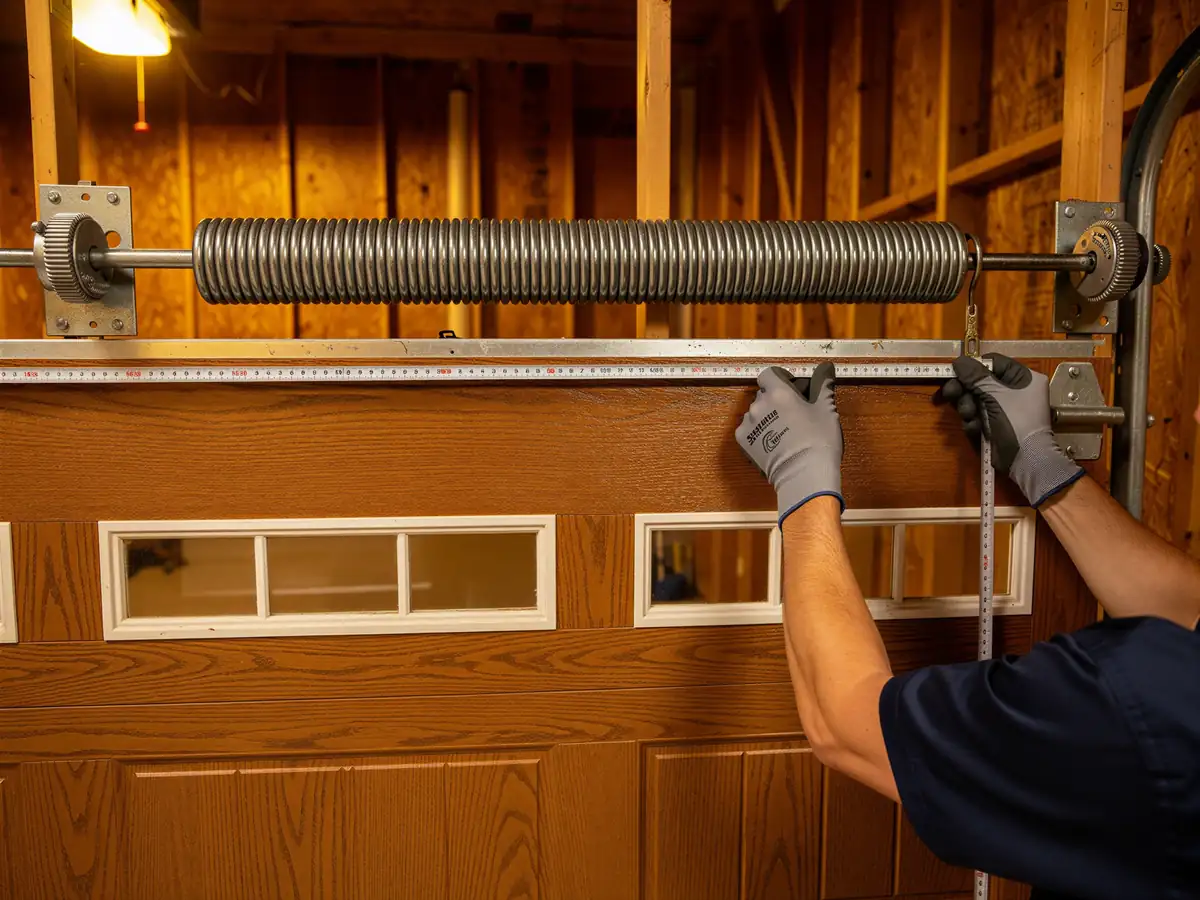
When you call, have the door's measurements and, if you can find it, any model or batch sticker on the inside of the track or the back of a panel. That sticker is often gone on doors this old, and when it is, we measure the panel height, width, and the embossment pattern on site to find the closest match.
Single-panel jobs usually move faster than full-door jobs because there's less to source. If your door needs more than two panels replaced, we'll talk through whether a full door replacement actually costs you less once you add up match-risk and labor on an aging steel door that's already thirty-plus years old.
What You Are Seeing
A bowed or bellied panel - the steel pushes outward like someone's leaning on it from inside - usually means a hard impact, not rust. A panel with flaking paint and a soft, crumbly edge near the bottom is corrosion, and it spreads from the bottom panel upward if it's left alone. Hairline cracks running along a seam on an older steel door are usually fatigue from decades of opening and closing, not a single impact.
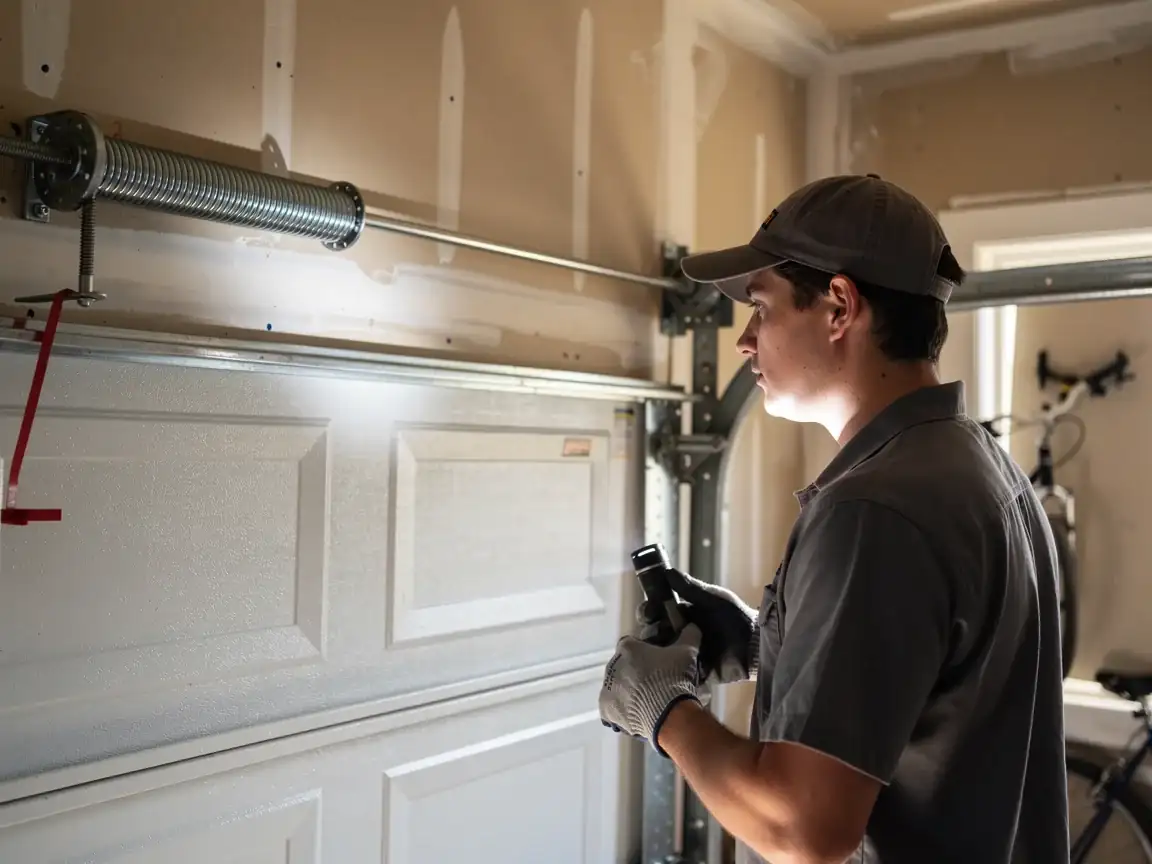
Sometimes what looks like a panel problem isn't one. If the door binds or scrapes against the track only on one side, check the rollers and the track alignment before assuming the panel's at fault - a bent track will make a straight panel look warped. We'll check that on every call before quoting panel work, because replacing a panel that was never bent wastes your money.
Rust around the bottom seal and the first panel section is the single most common thing we see on doors from the 1952-1998 housing stock here, mostly because that's where meltwater and road salt sit longest against bare steel once the factory coating starts to go.
How We Fix It
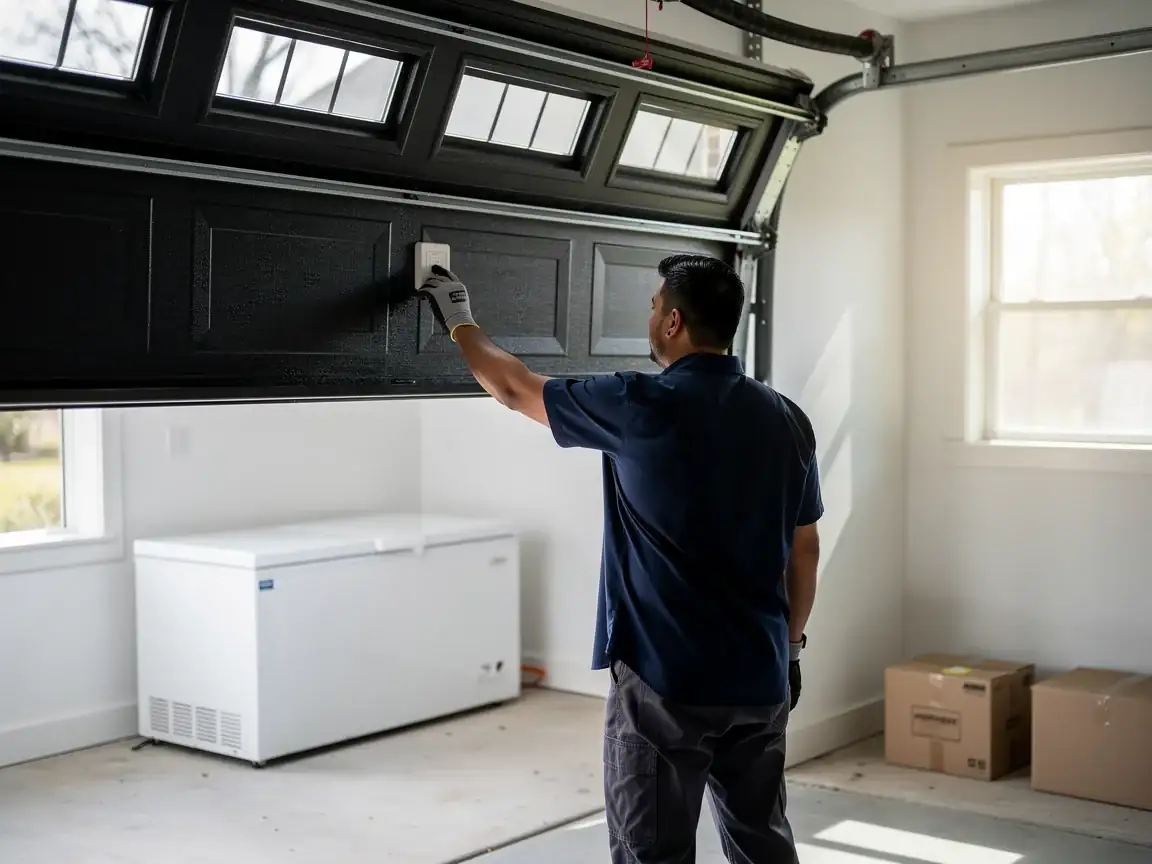
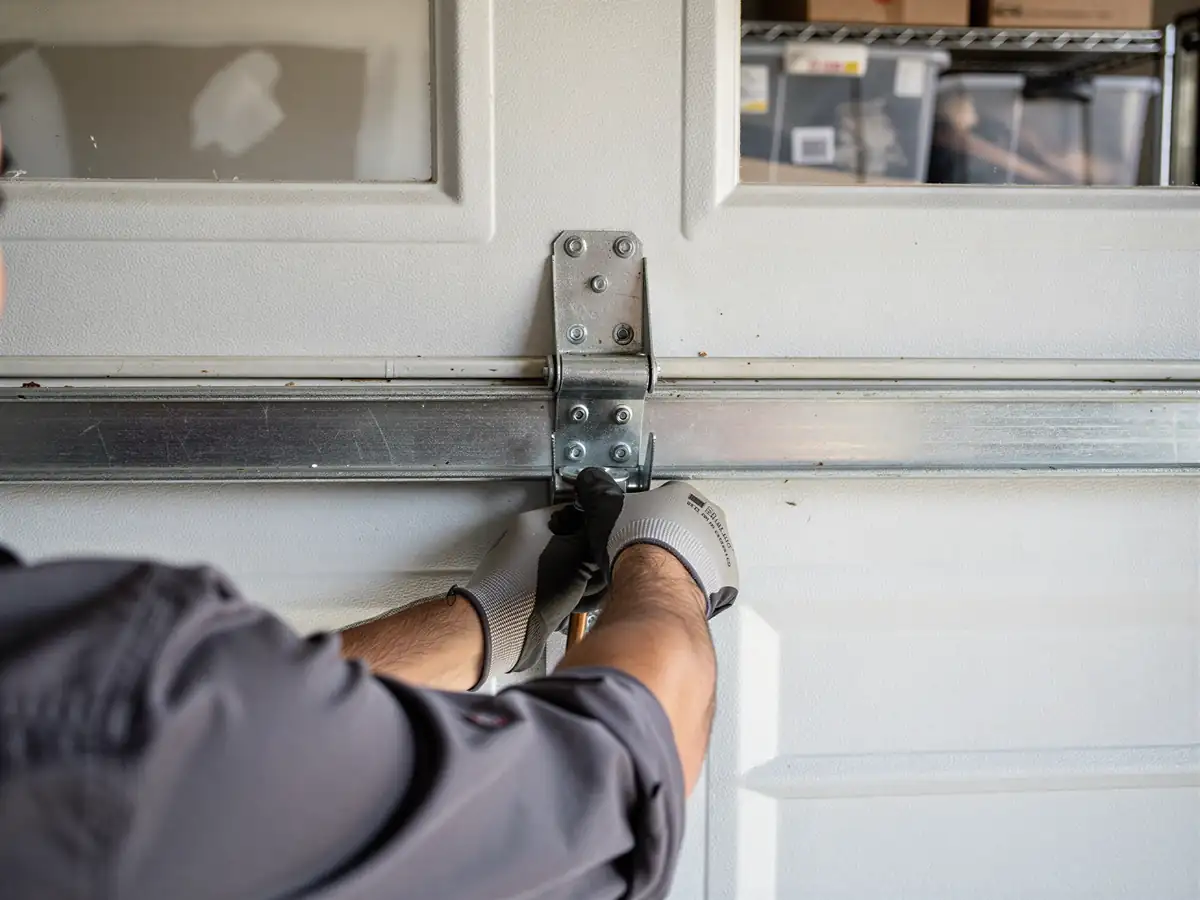
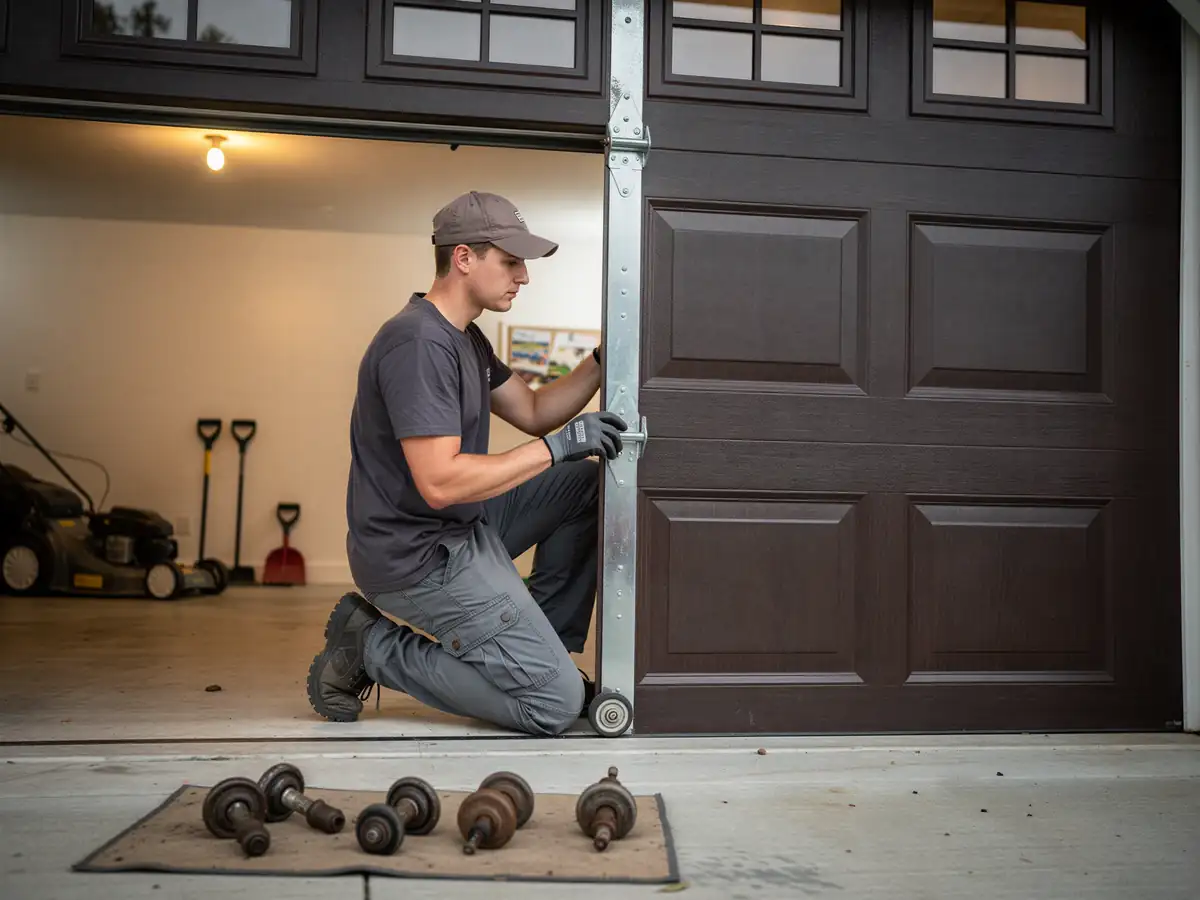
For a single damaged panel, we remove the fasteners, slide the panel out of the track end
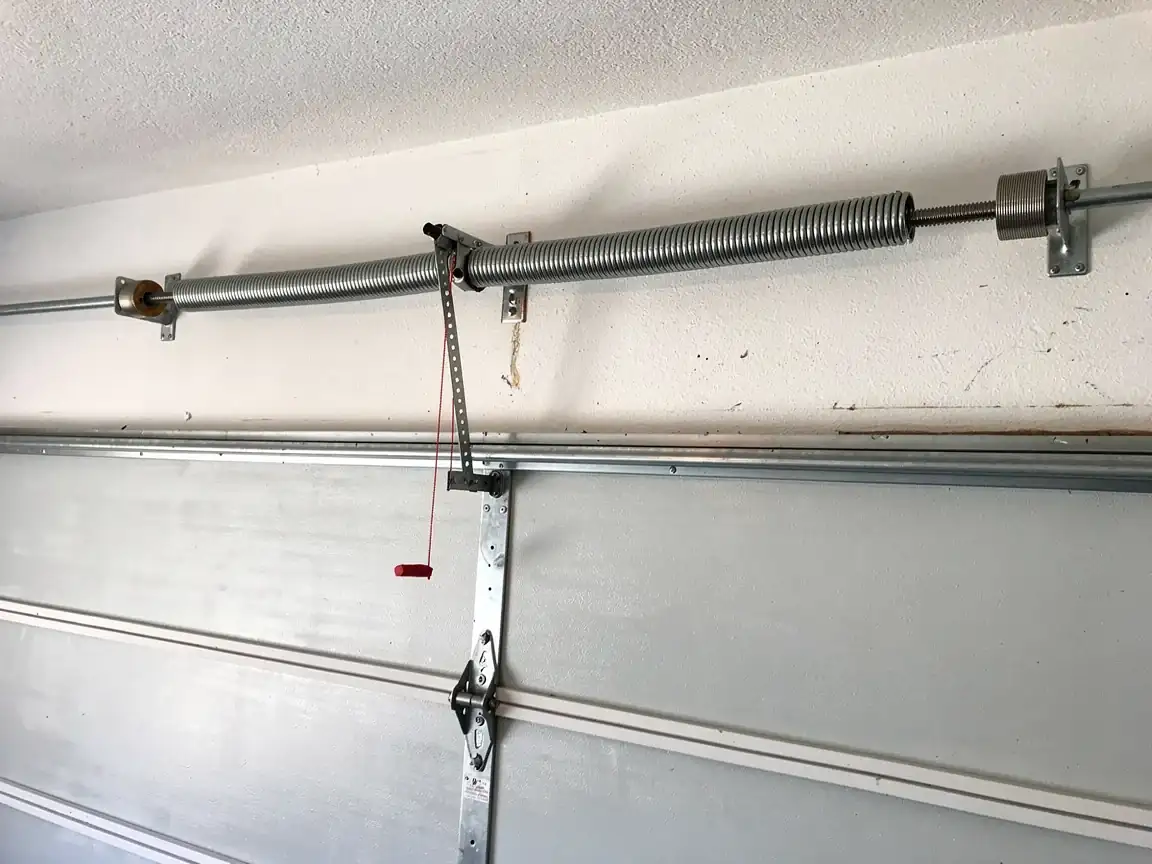
And set the replacement in without disturbing the rest of the door's balance - springs and cables stay as they are unless something else is also wrong. For rust that's gone past the surface, replacing just the affected panel section is usually enough; we don't push a full-door replacement unless the rot has spread to more than one or two sections or the frame itself is compromised.
One honest limit here
If your door's panel profile isn't something we can match or special-order, full-door replacement becomes the only real option, and we'll say that rather than installing a mismatched panel that looks wrong for the life of the door. We also won't try to straighten a severely bowed steel panel and reuse it - once steel that gauge has taken a hard enough hit to belly, it's lost its strength at that fold line even if you hammer it flat.
After the panel's in, we check the door balance and run it through a full open-close cycle before we call the job done
Since a new panel changes the door's weight distribution slightly even on a single-section swap.