Why It Happens Here
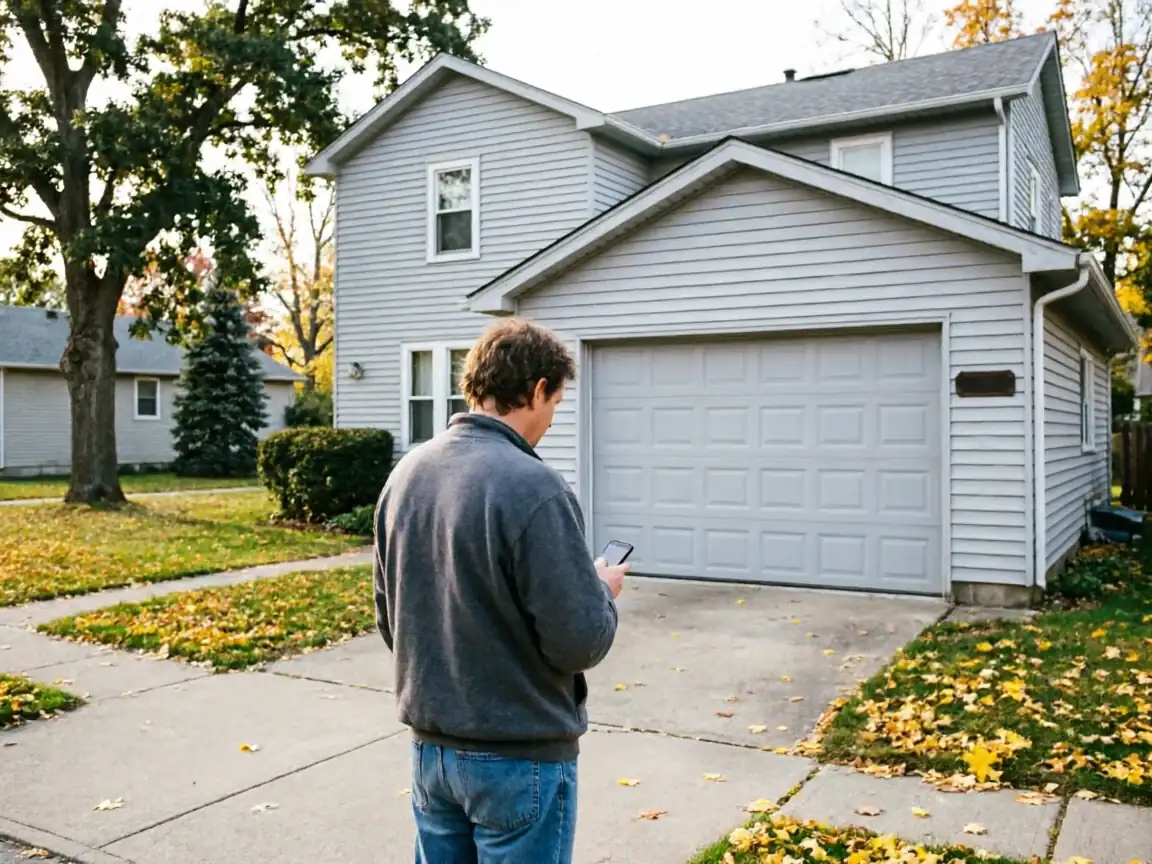
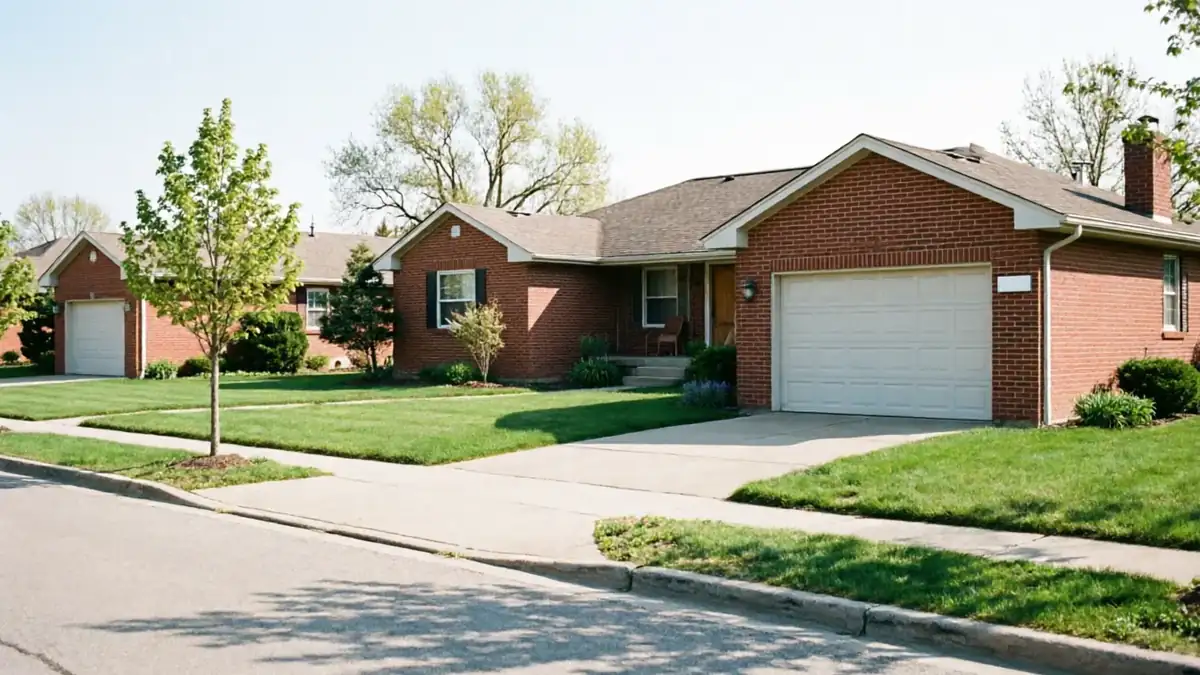
Most houses in this service area went up between 1952 and 1998
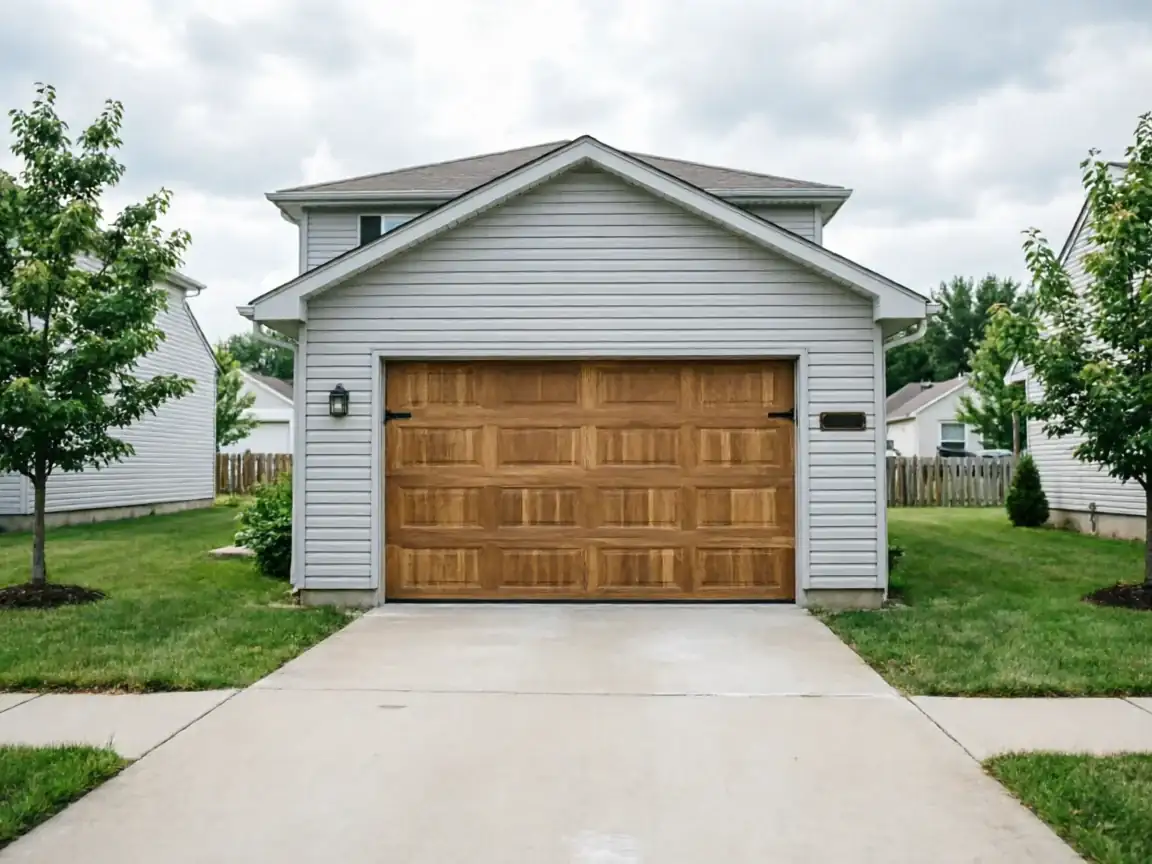
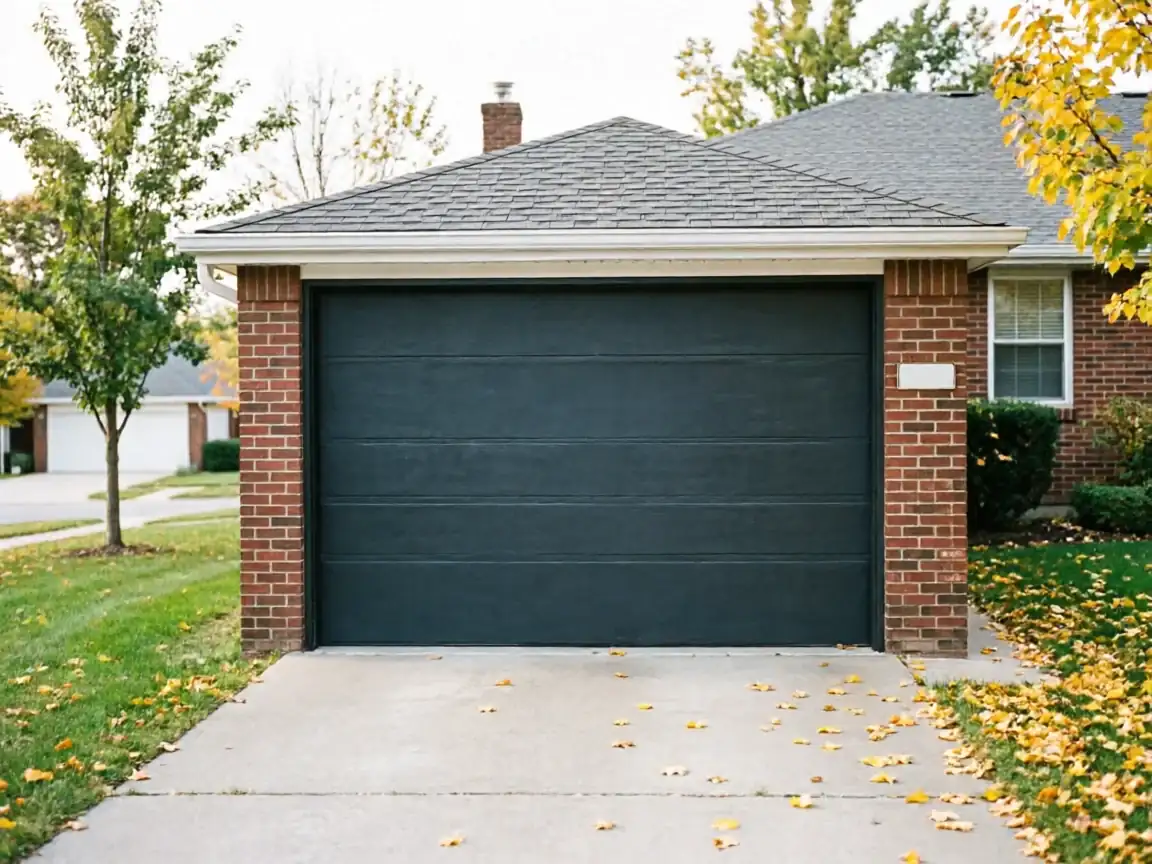
With the typical build year landing around 1968. That means a lot of garages still run the opener that came with the house, or the one swapped in during a 1980s or 90s remodel - chain-drive units with mechanical gear sets, worn sprockets, and control boards that predate rolling-code security entirely. That same 1960s-70s housing wave shows up across all twelve named communities in the area, from Rock Island Arsenal three miles out to Windsor twenty miles away, so this isn't a problem tied to one neighborhood. It's a problem tied to a build era.
The climate band here is cold and moderate, and that matters more than people think
A chain-drive opener built for a lighter duty cycle has to work harder every winter lifting a door whose springs have stiffened or lost tension in the cold, whose track has picked up grit and ice at the bottom roller. The motor strains, the gears wear faster, and a unit that might limp along another five years somewhere milder starts throwing codes or stalling mid-cycle here. Age and cold compound each other - that's the pattern we see on service calls, not a coincidence.
Getting It Booked In
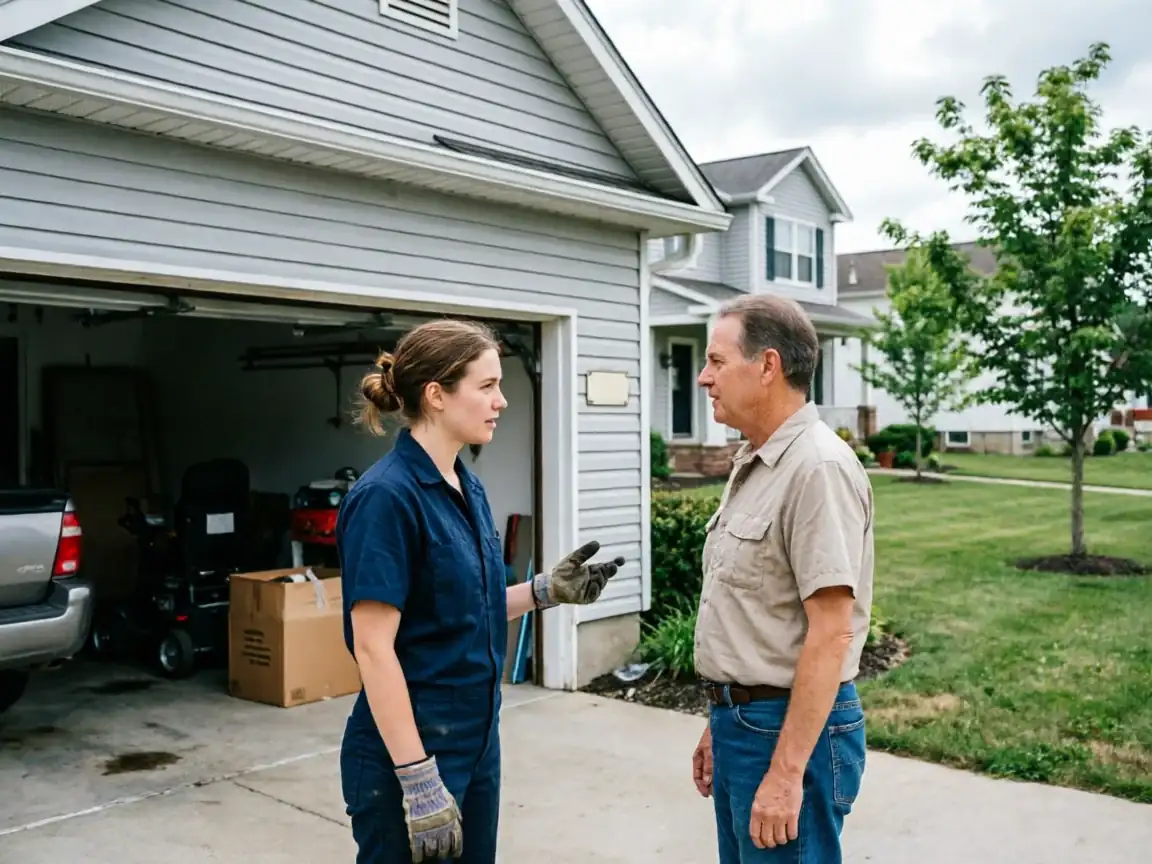
Tell us what the opener is doing - won't close, reverses before it hits the floor, runs but the door doesn't move, remote works but the wall button doesn't - and we can usually narrow down whether it's a logic board issue, a drive mechanism issue, or something mechanical on the door itself before a truck ever shows up. That matters because openers and doors fail for different reasons, and treating an opener symptom that's actually a spring or track problem wastes your money.
We're honest about one limit up front: if your opener is an older model and the part that failed is a logic board or a specific gear kit the manufacturer stopped making years ago, we may not be able to get that exact part fast. In that case we'll tell you straight whether a same-brand replacement opener makes more sense than chasing parts for a unit that's already past its expected service life, rather than stringing out a repair that won't hold.
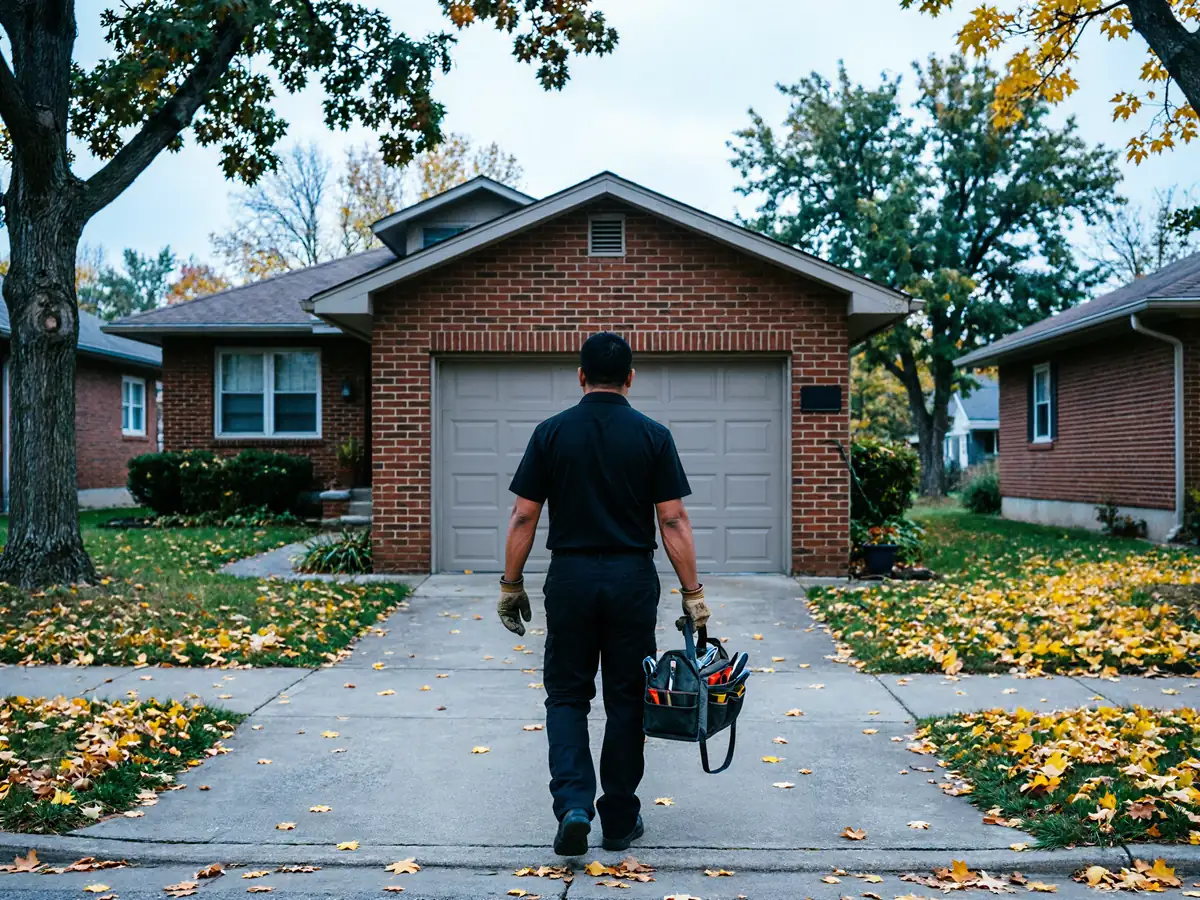
Once we know what we're dealing with, booking is straightforward - we give you a window, we show up with the opener and drive parts likely to fit houses from this era, and we diagnose on site before doing any work you haven't approved.
What You Are Seeing
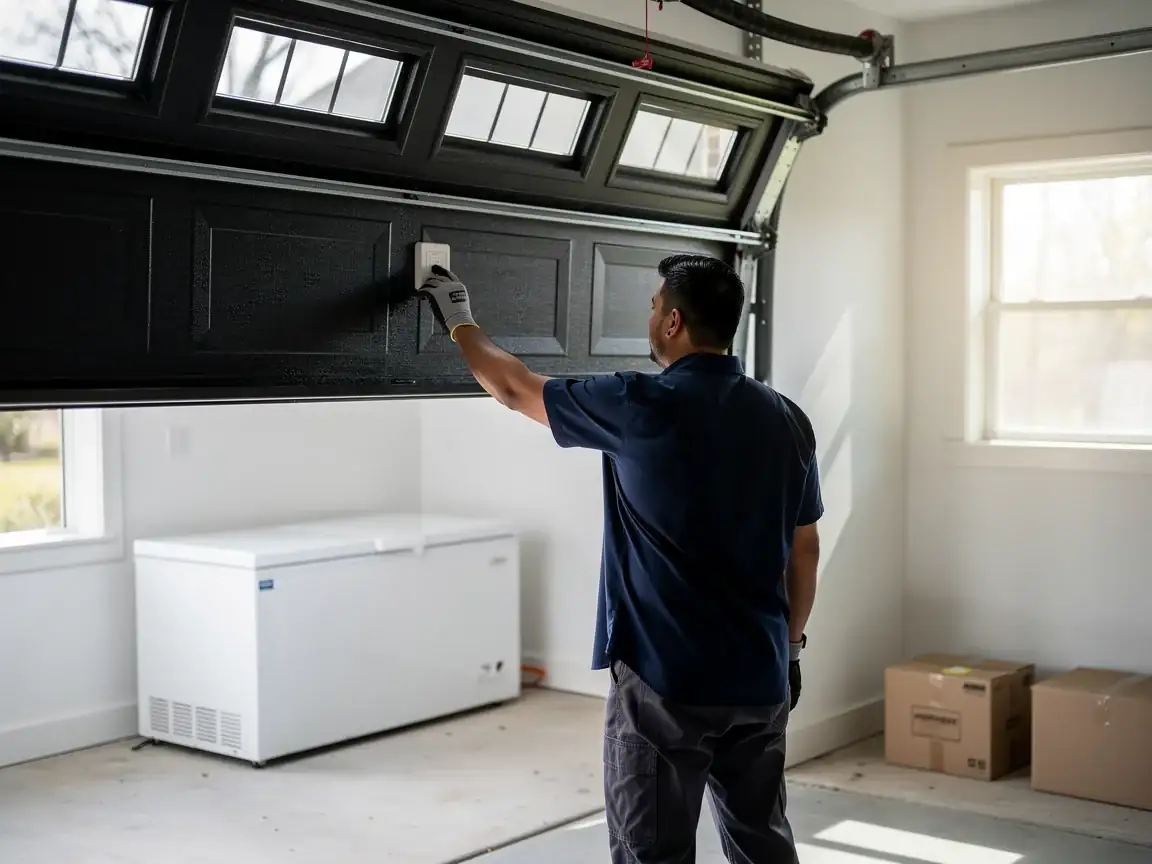
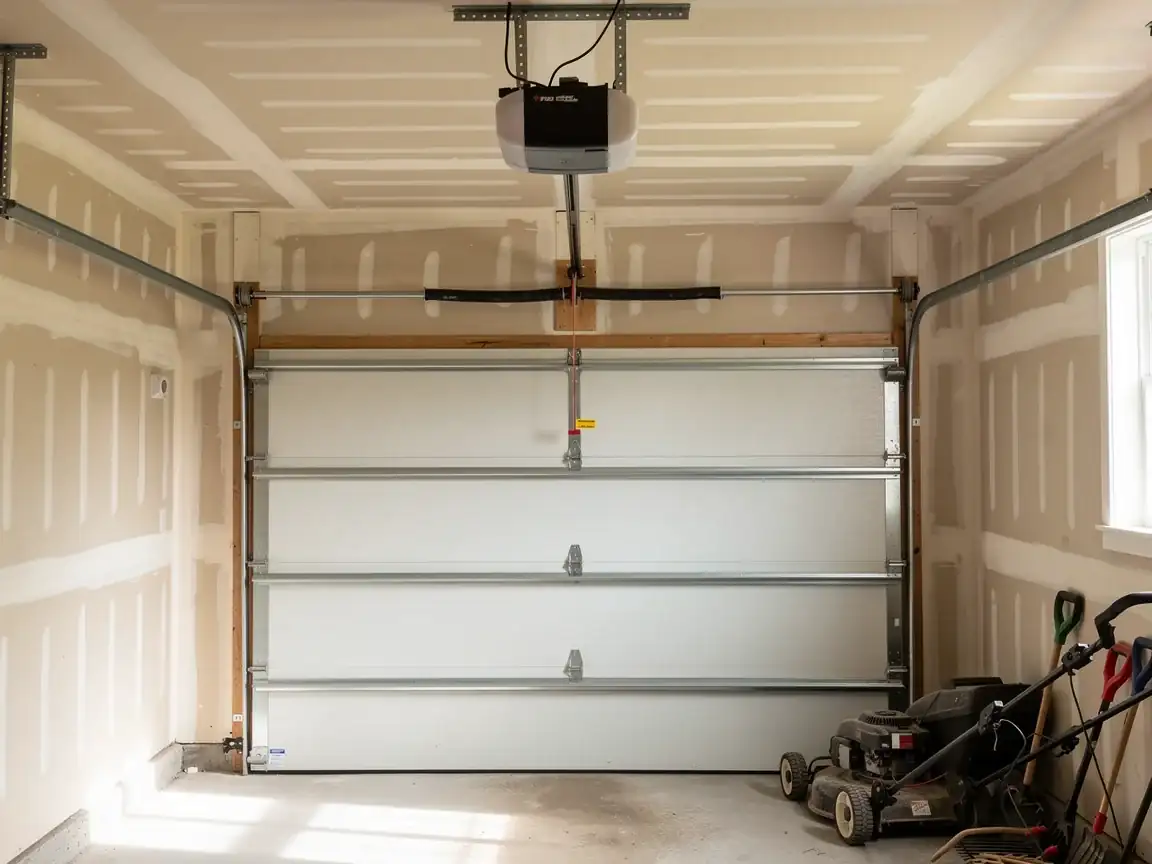
The door opens partway and reverses for no clear reason - often a sign the travel limits or force settings have drifted on an older board, something that happens more with age than with any one bad day. The opener runs but the door doesn't move at all - that's usually the drive gear stripped inside the housing, a common failure point on the chain-drive units that shipped with houses built through the 60s, 70s, and into the 90s. You hear grinding or a loud clunk right at the top or bottom of travel - that's often the trolley or carriage assembly wearing out after decades of the same chain running over it.
Some owners notice the opener works fine in summer and struggles once it gets cold - slower response, the motor straining audibly, sometimes a full stall. That's consistent with what we see across the cold moderate climate here: stiffened lubricant, a door that's gotten heavier to lift because of cold-stressed springs, and a motor that wasn't sized with that extra load in mind decades ago. None of these are guesswork diagnoses - they're the failure patterns that match the age of opener this area actually has.
How We Fix It
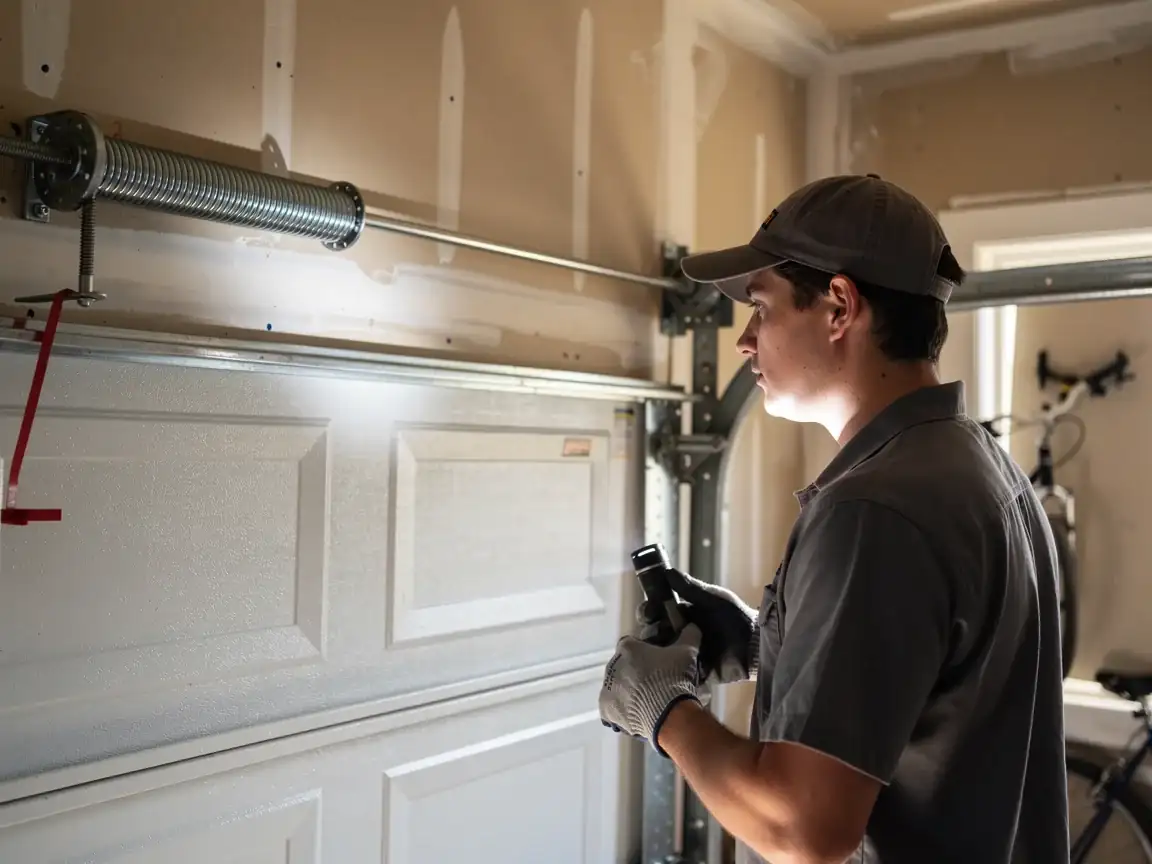
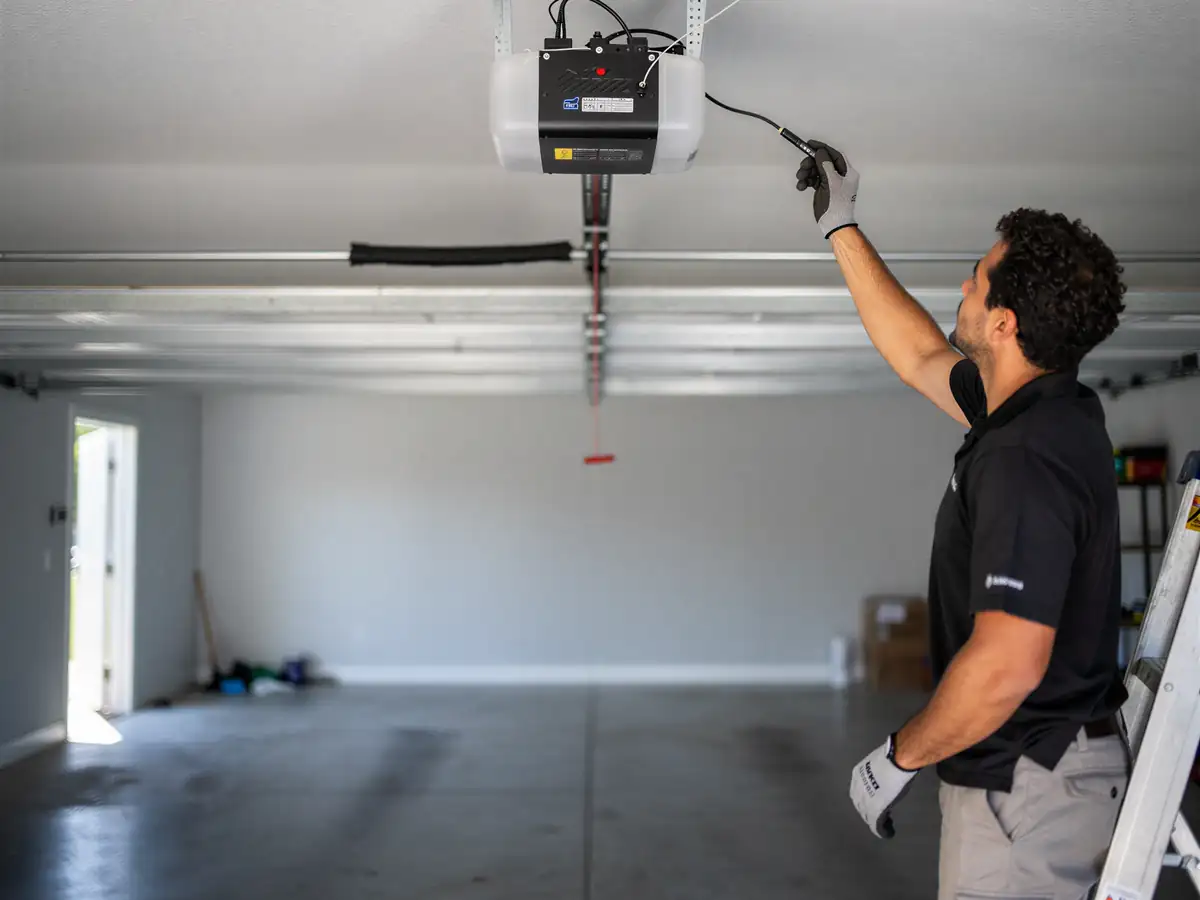
We start by testing the opener's force and travel settings, check the drive mechanism
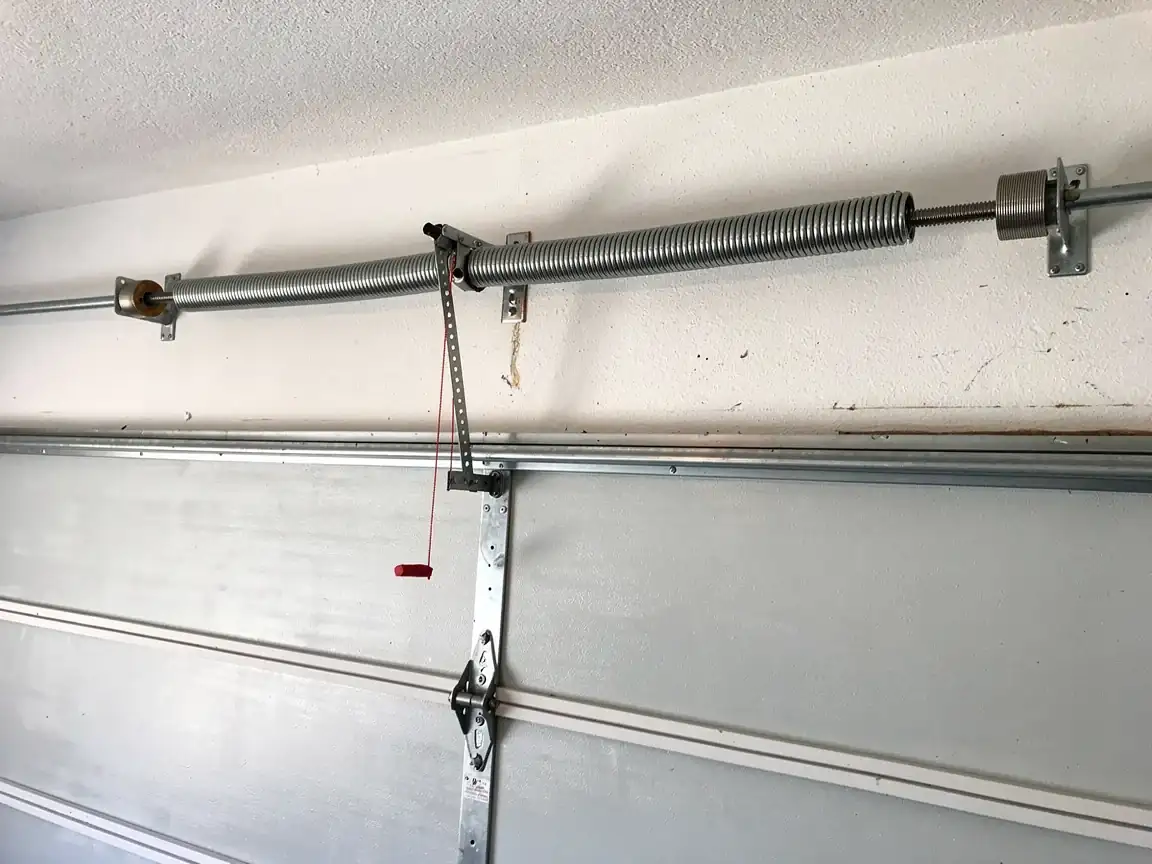
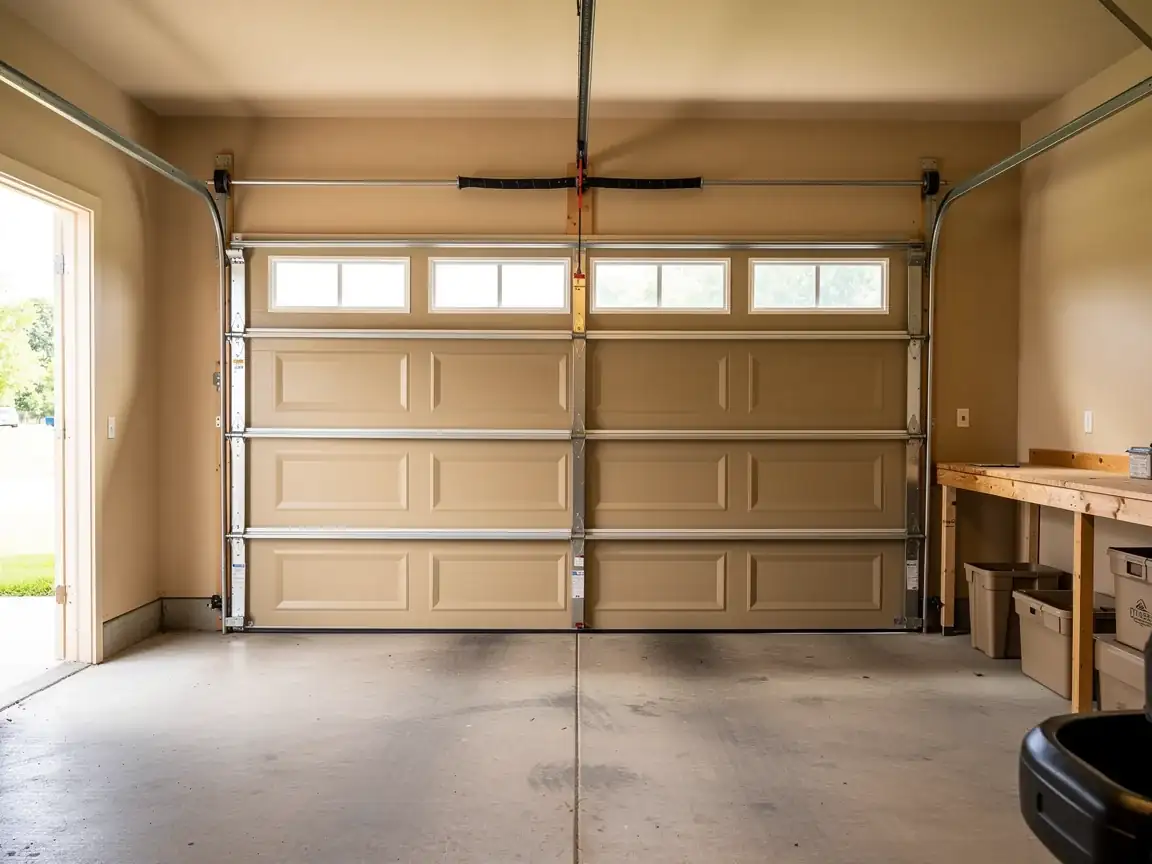
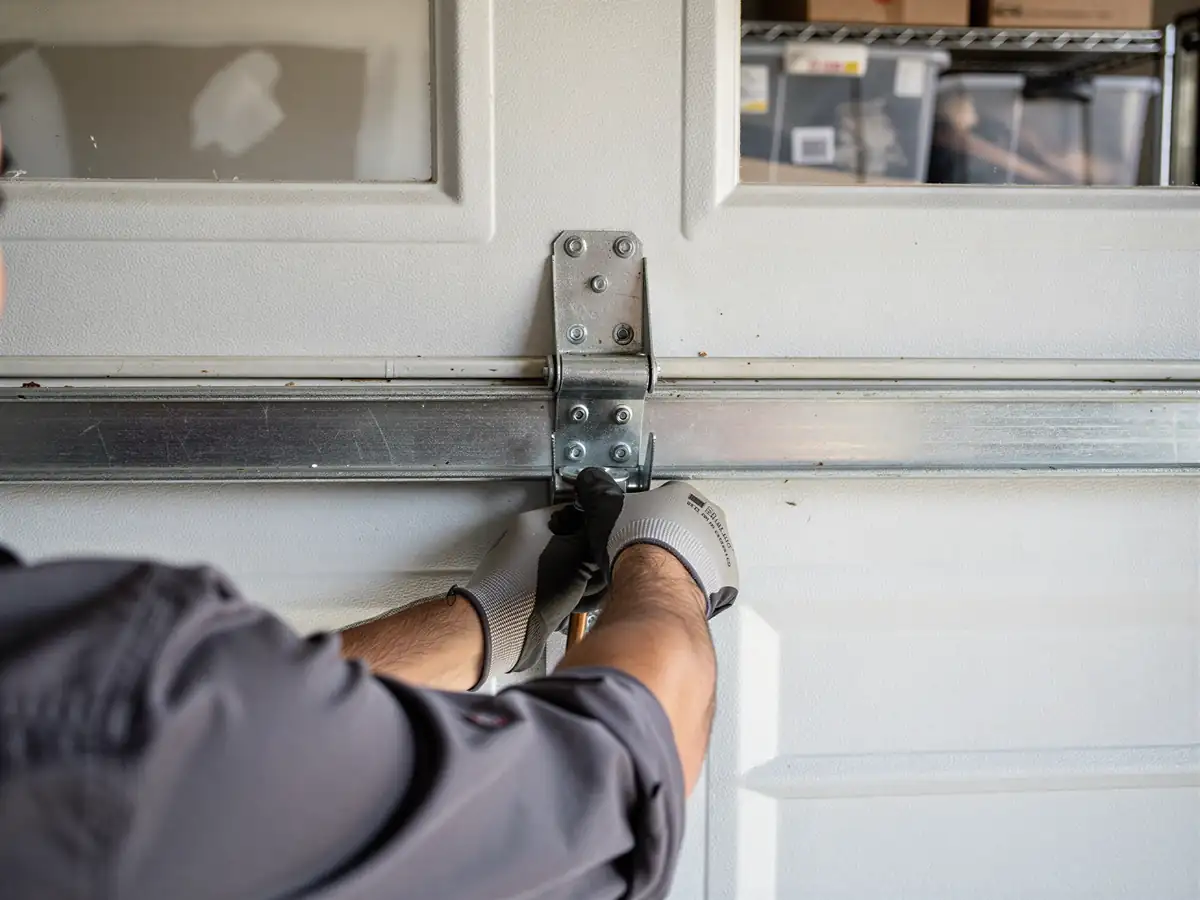
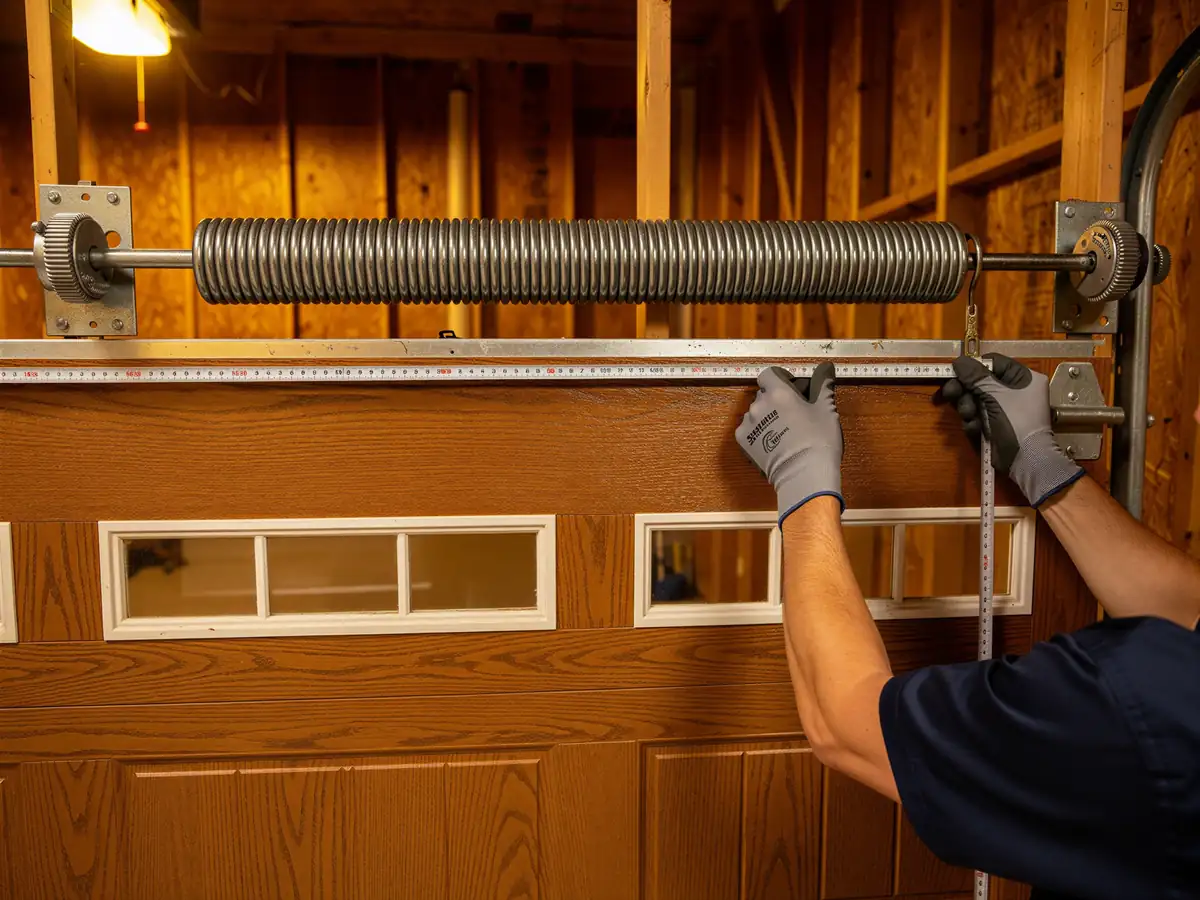
Chain, belt, or screw depending on what's installed - and look at whether the door itself is adding resistance the opener was never built to fight. A lot of what looks like an opener problem is really a spring or roller problem making the opener work overtime, and fixing the door side can save the motor.
When the fault is in the opener itself
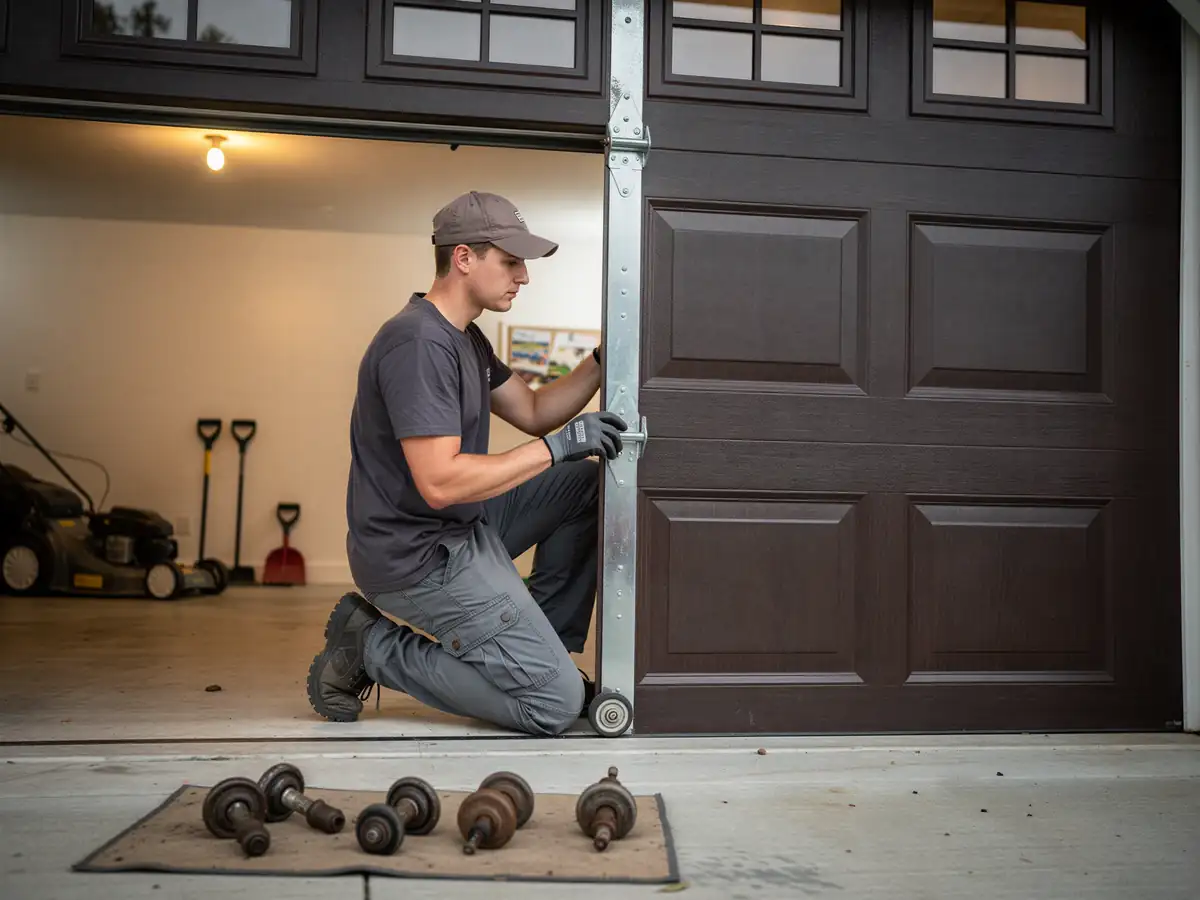
Stripped gear, failed capacitor, dead logic board, worn trolley - we replace the specific failed part where that part is still available, which covers most of what we run into on homes built in this area's main construction era. When it isn't available, or when the unit is old enough that one repair just buys time before the next part fails, we'll say so and quote a replacement opener instead. We'd rather tell you a repair isn't worth it than sell you one that fails again in six months.
Every job gets tested through a full open-close cycle, cold-start conditions included where we can
Since that's when marginal repairs show themselves first in this climate.