Moline Garage Door Pros fixes broken springs, stuck doors, and opener failures across Moline's 1960s-70s housing stock, day or night, through the Illinois cold.
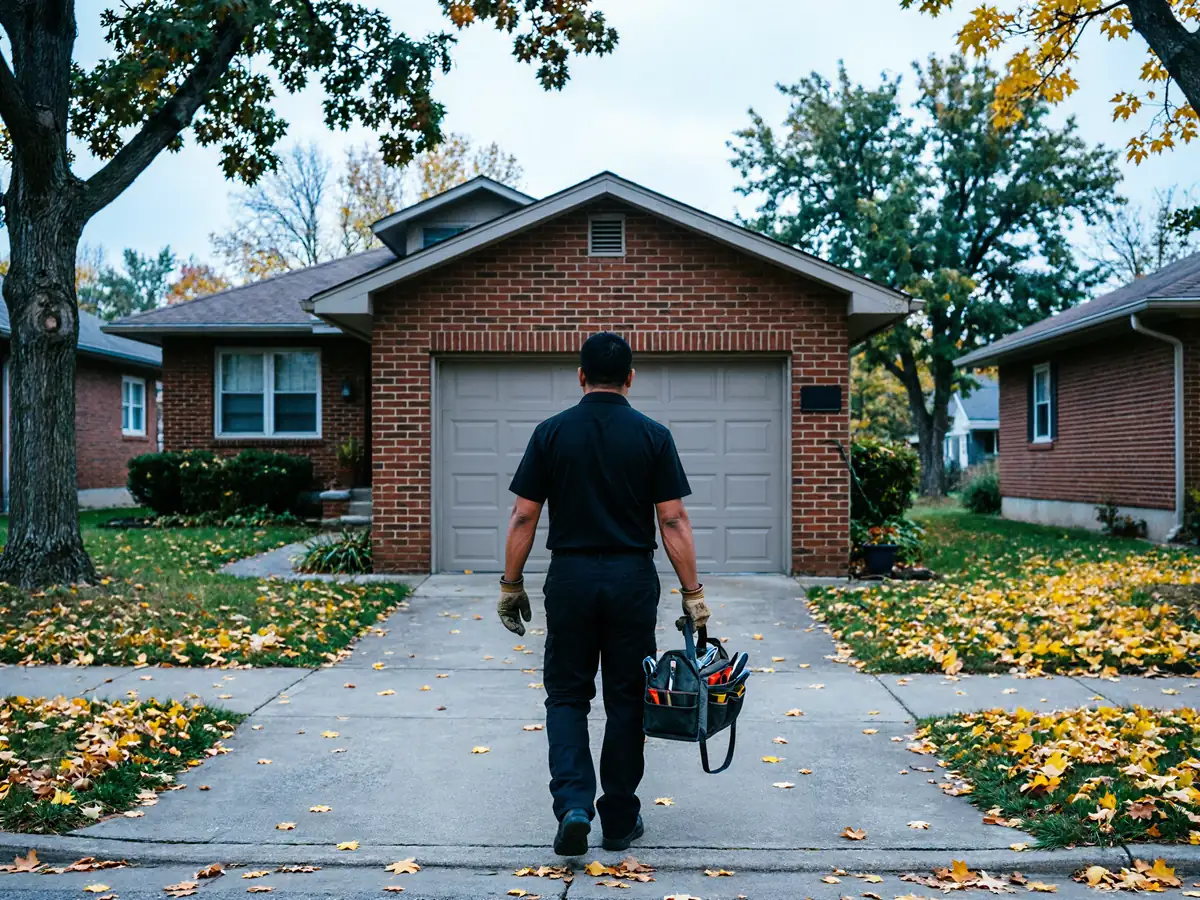
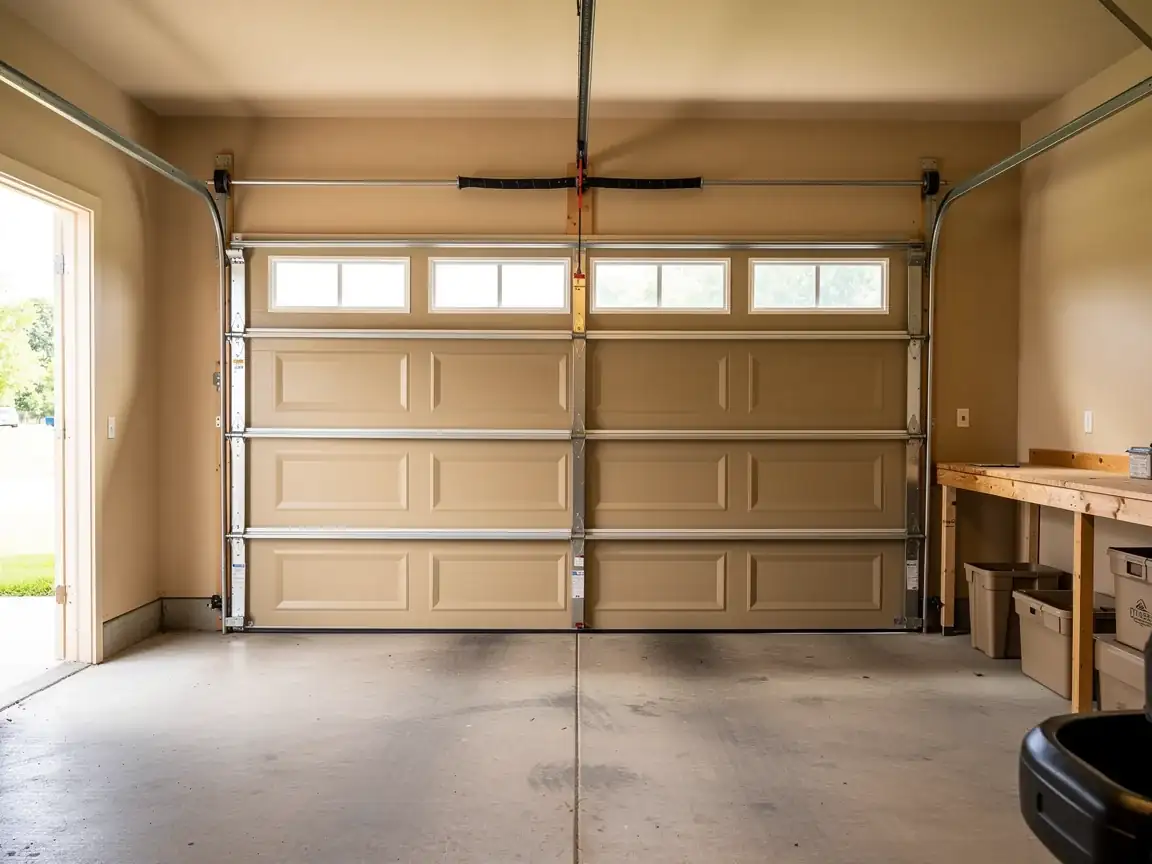
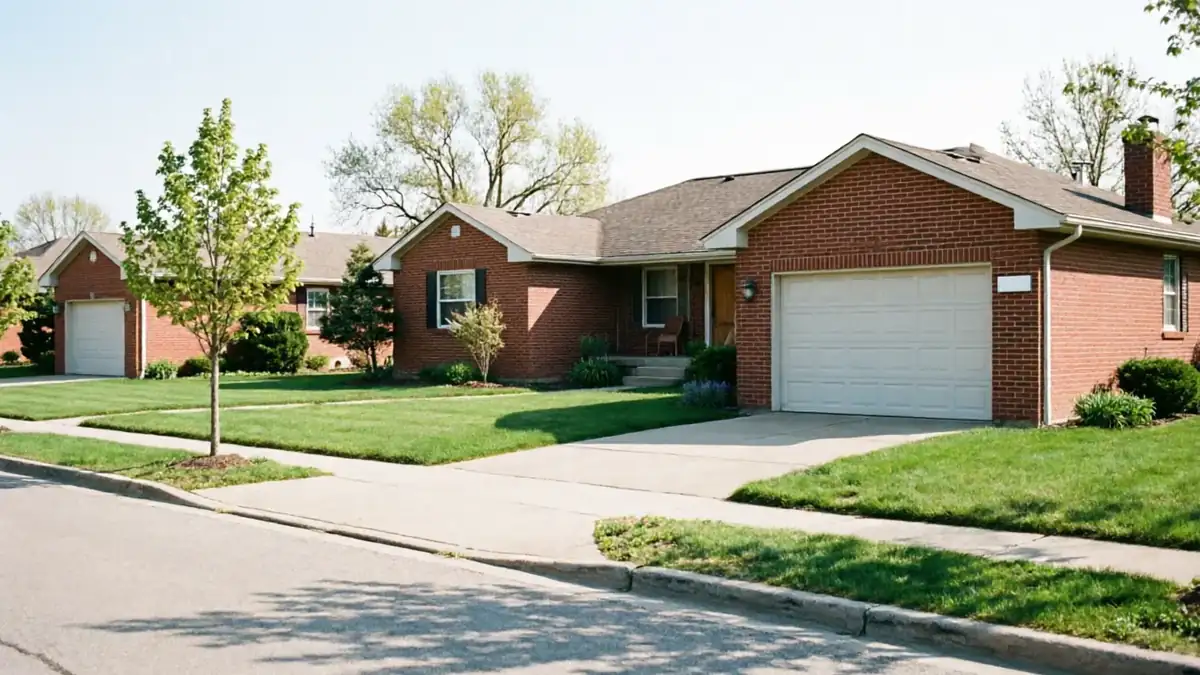
Moline's housing stock mostly went up between 1952 and 1998, with the median build year sitting around 1968, and most of the twelve communities in this service area share that same 1960s and 70s construction boom. Doors from that era typically carry original torsion springs on steel tracks that were never built to outlast fifty winters of cold-band temperature swings. Cold tightens steel and makes spring wire brittle, so stress that a spring shrugs off in July turns into a snap in January. On a house built in 1965, that spring has already done tens of thousands of lift cycles before it ever meets a hard freeze, and the two stresses compound. We see the same pattern on one-car and two-car openings alike: a door that worked fine all fall seizes mid-lift the first cold snap, or a cable jumps the drum because the galvanized coating has worn thin over decades of use. The smaller pockets of newer construction in the service area don't show this failure pattern nearly as often - it's specifically the older stock that keeps us on the road.
Getting It Booked In
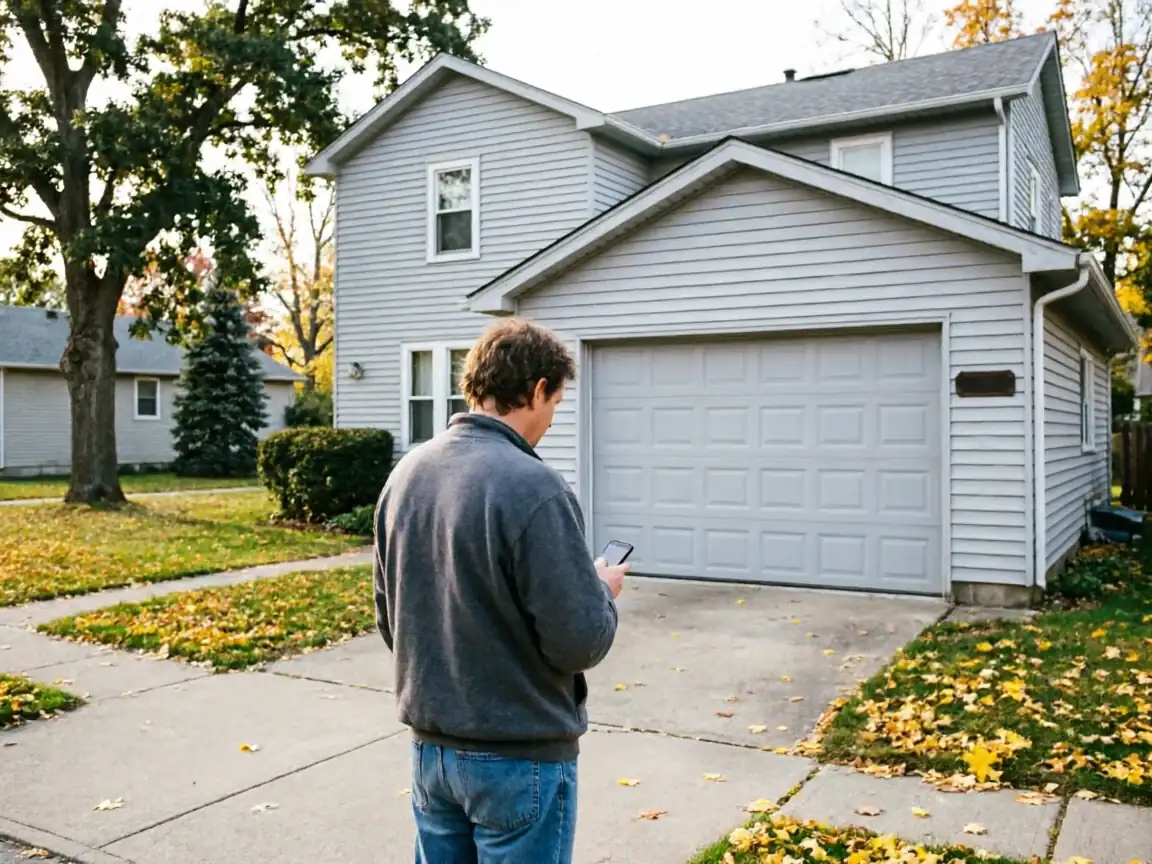
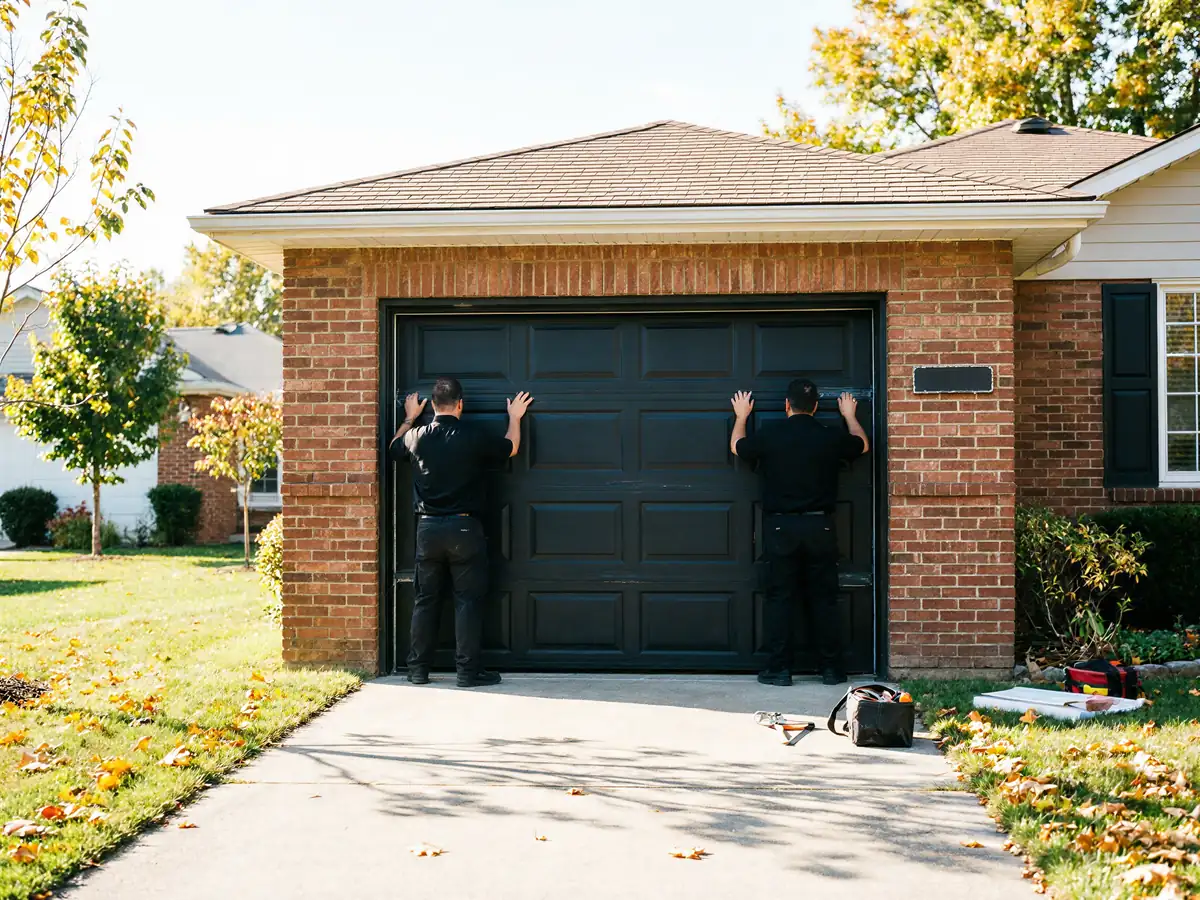
When a spring lets go or a door won't budge, call and tell us what you're seeing - stuck open, stuck shut, or came down crooked. We cover the full service area, from Moline out through the surrounding towns, so the dispatcher needs your address to route the right truck toward Rock Island Arsenal, Coal Valley, Rock Island, Milan, East Moline, Hampton, Colona, Sherrard, Port Byron, Cordova, Geneseo, or Windsor as needed. Have the door's approximate age handy if you know it, since houses from the 1960s and 70s usually need different spring sizing than anything built in the last twenty years. We don't carry every panel size on the truck for every model, so if yours needs a special-order part we'll say so up front rather than promise same-visit completion we can't deliver. Most calls we can diagnose well enough over the phone to bring the right spring weight and cable gauge, which saves a second trip. If the door is blocking a car in or out, mention that too - it changes how the stop gets prioritized.
What You Are Seeing
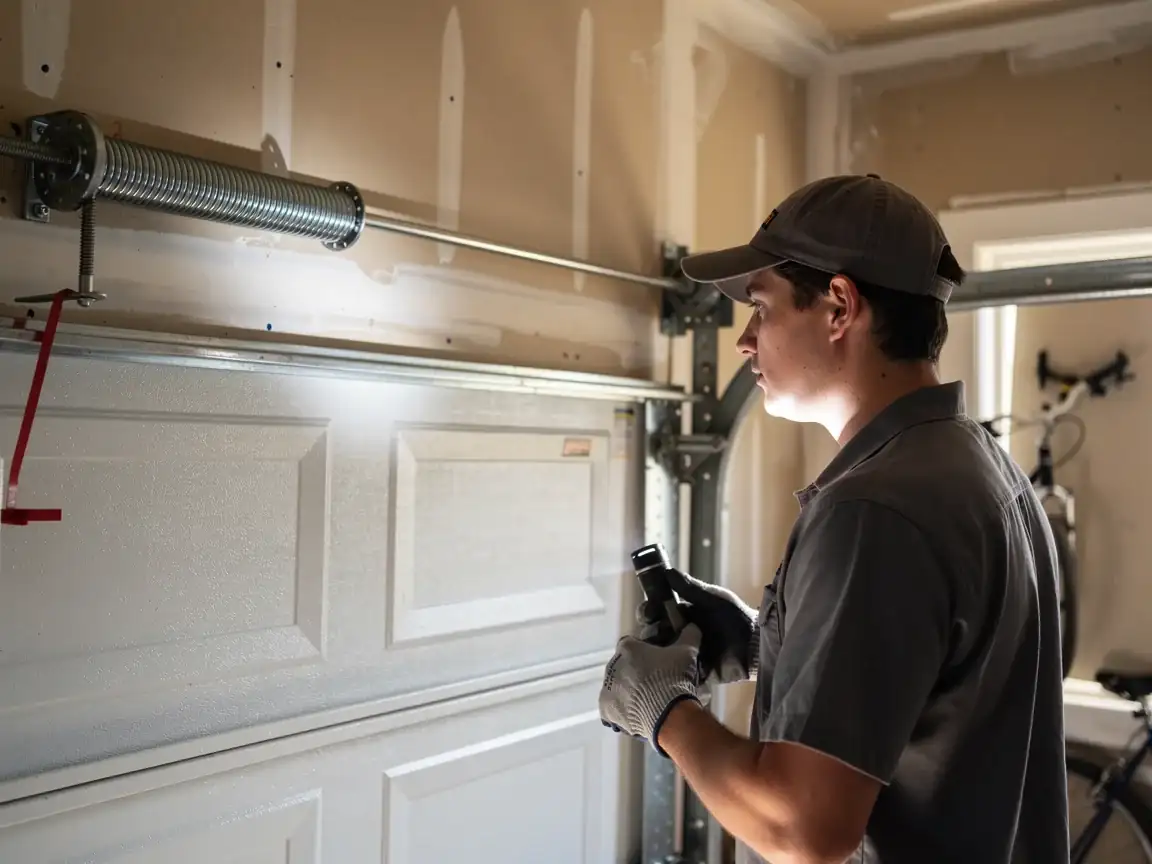
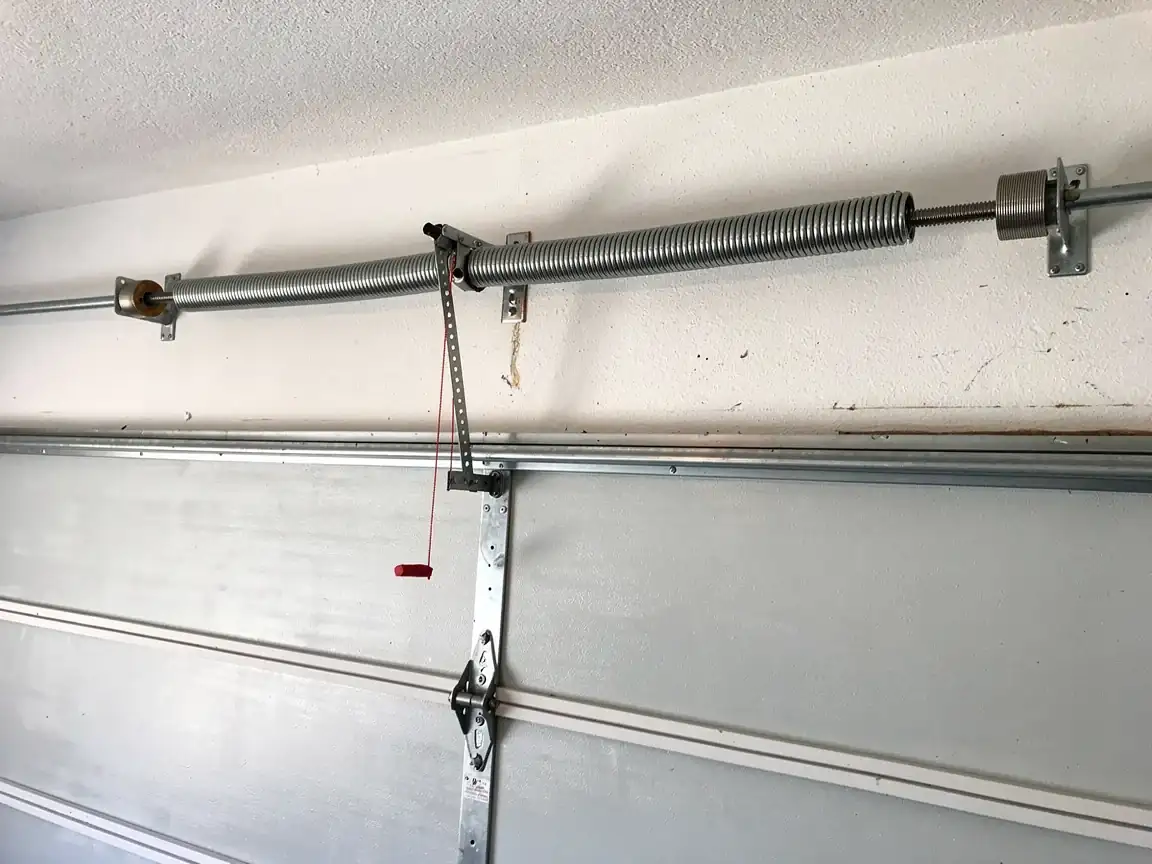
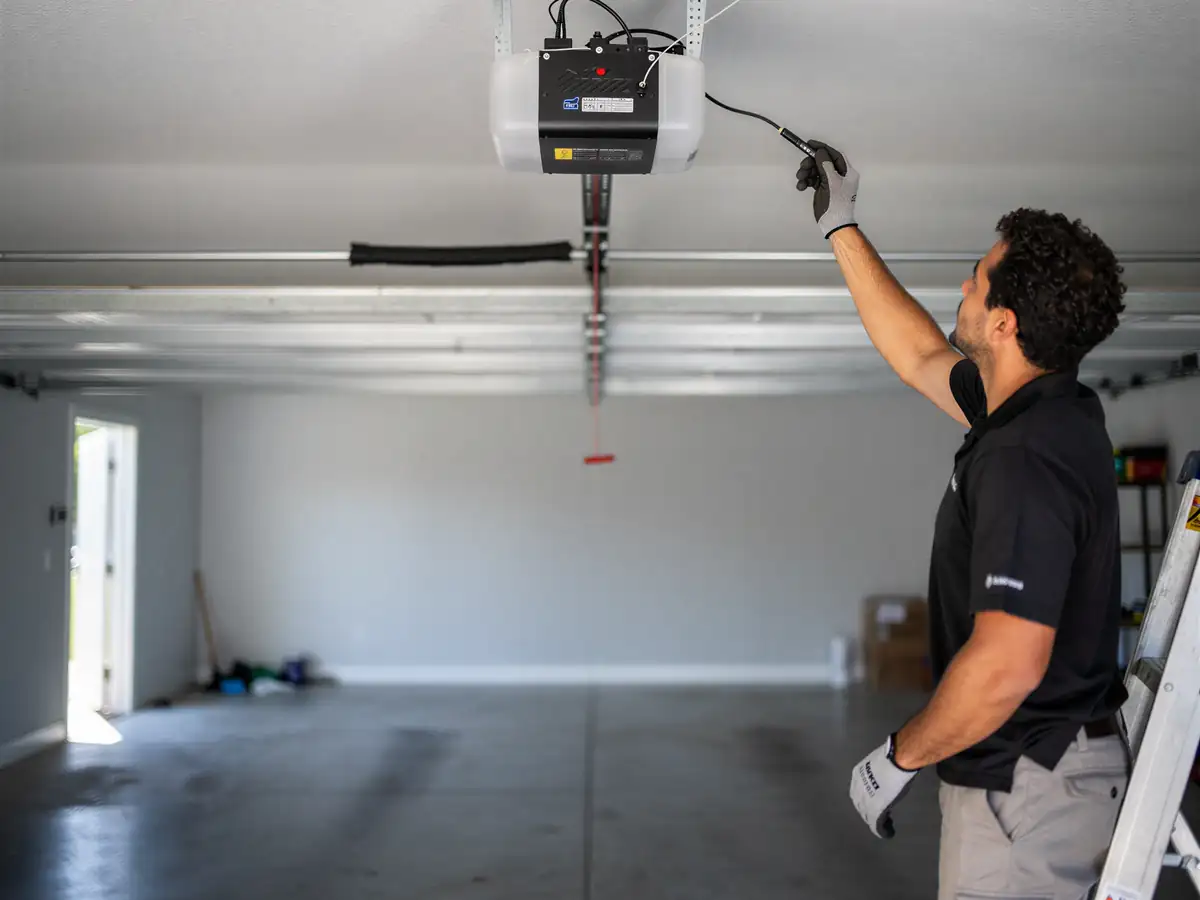
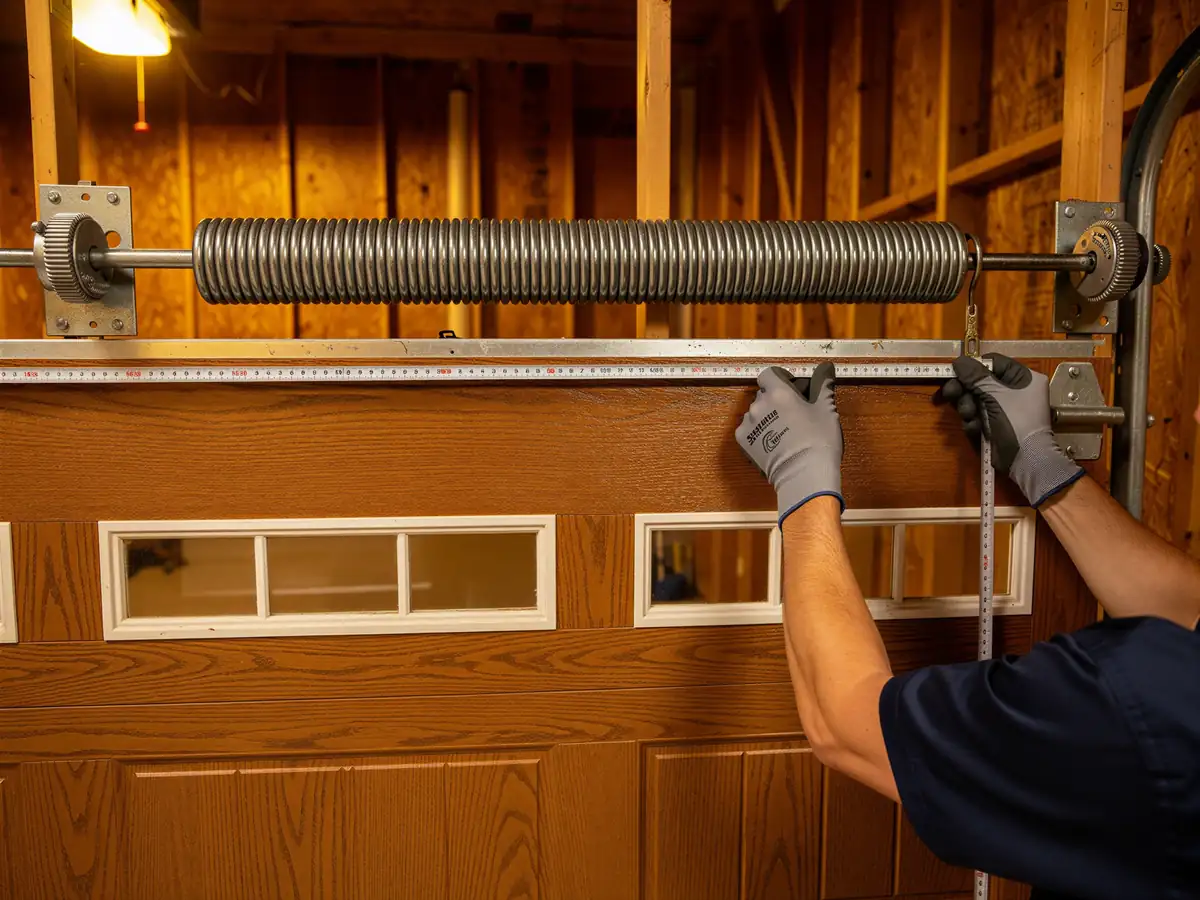
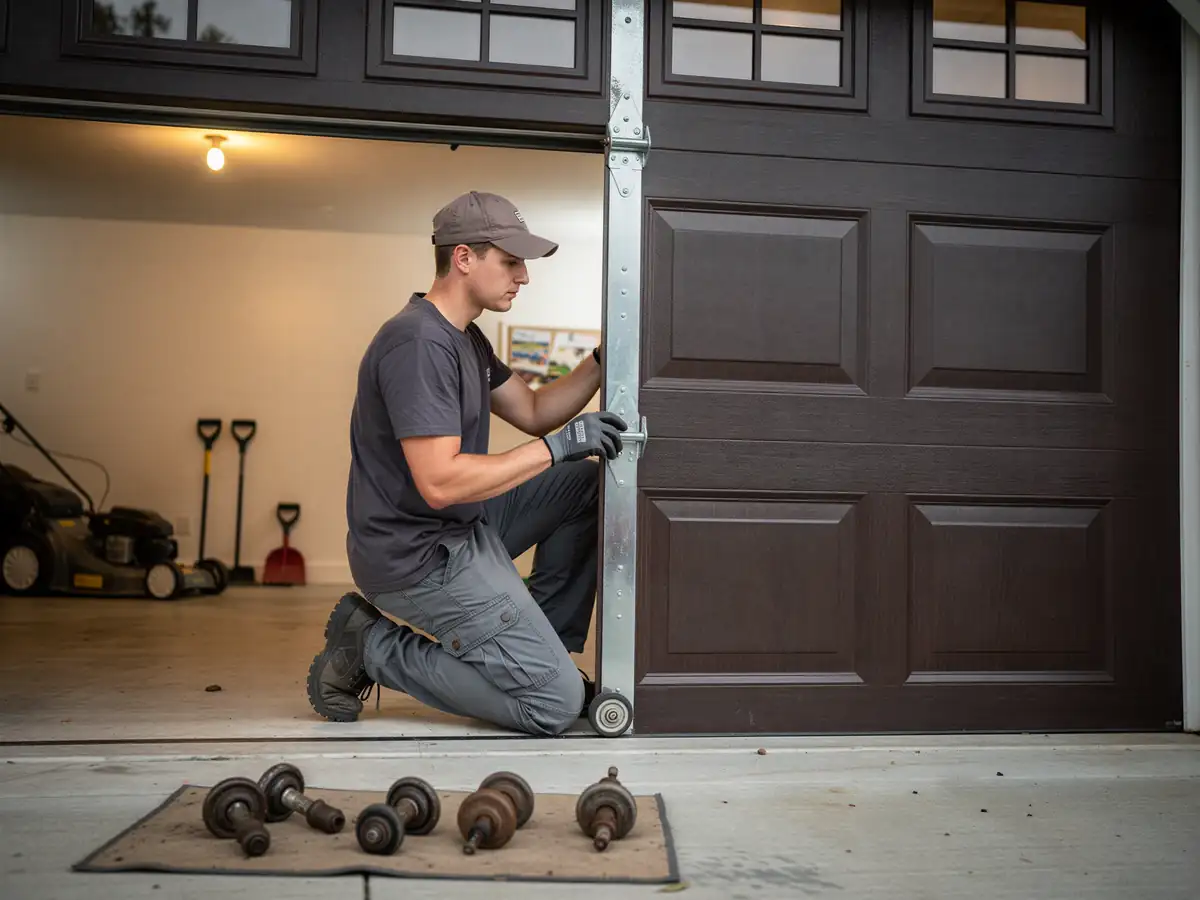
The most common emergency call is a loud bang followed by a door that won't lift - that's a torsion spring letting go, and on a double-wide opening from the 1960s or 70s it's almost always the spring, not the opener. Second most common: the door reverses itself a few inches off the floor, which points to a cable off the drum or a sensor knocked out of alignment, often from a bump. You'll also see openers that hum and run while the door doesn't move at all - the gear inside the unit has stripped, a common failure once an opener passes a couple of decades, which lines up with a lot of original equipment still sitting on houses built before 1998. Bent track from a car bump, rollers that have gone from steel to crumbling plastic, and panels rusted through at the bottom where snowmelt sits all winter - these show up far more often in the older share of the stock than in anything built recently.
How We Fix It
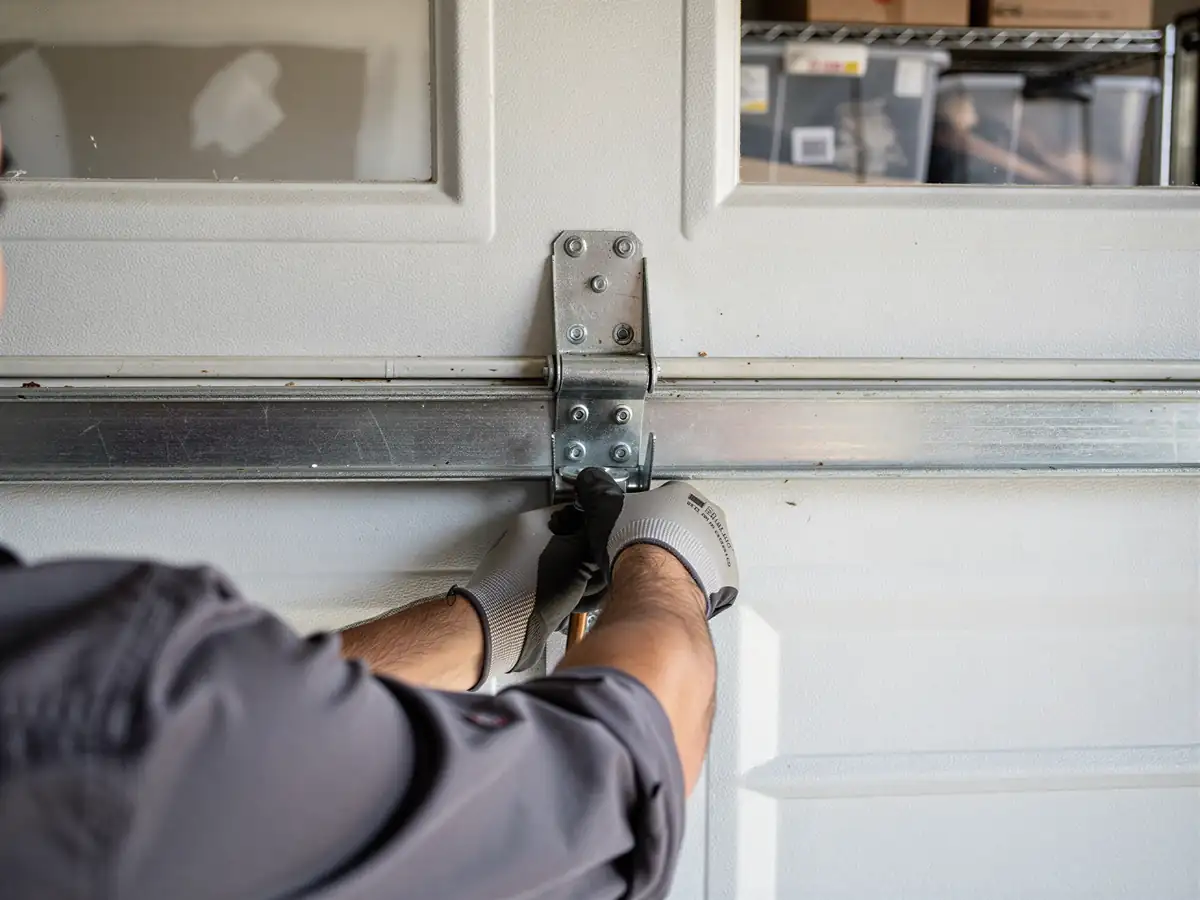
For a broken torsion spring, we match wire size and wind to the door's weight and cycle count rather than grabbing whatever's closest - a spring sized for a lighter door fails again within a year. Cable and drum work goes together; if one side of a torsion system has failed, we check the other side's wear instead of replacing only the broken part, since springs installed at the same time tend to fail close together. Opener gear failures usually mean replacing the drive gear and sprocket assembly, not the whole unit, unless the opener is old enough that parts are no longer made for it - at that point replacement is the honest answer, not a patchwork repair. We test full-cycle operation and balance before leaving, because an unbalanced door is what causes the next spring to fail early. We don't stock every size of insulated panel for every brand, so a full panel swap on an older door sometimes means a short wait while the door is secured in the meantime.
How it works
From “it’s stuck” to “it’s fixed”
01
Tell us what’s wrong
Describe the symptom - won’t open, loud bang, opener runs but the door won’t move.
02
On-site diagnosis
A technician tests the door under power and by hand and finds what actually failed.
03
Clear, up-front plan
You get the fix that’s needed and what drives the cost - before any work starts.
04
Repaired & tested
The repair is done, the door is set true and tested, and the work area left clean.
Not sure which repair your door needs in Moline, IL? Describe what it’s doing - every job starts with a diagnosis.
Straight answers about garage door repair in Moline. Still unsure? Ask us directly.
Why do garage door springs break more in winter here?
Most houses in the service area went up between 1952 and 1998, with 1960s and 70s stock dominating, and the original torsion springs on those doors are decades past their design life. Cold-band winters make the steel wire brittle, so a spring that's already fatigued from years of cycles is far more likely to snap on a hard freeze morning than in mild weather.
Do you only work in Moline itself?
No. The service area reaches out to Rock Island Arsenal, Coal Valley, Rock Island, Milan, East Moline, Hampton, Colona, Sherrard, Port Byron, Cordova, Geneseo, and Windsor, in addition to Moline. Tell us your address when you call so dispatch can route the right truck.
Is it ever not worth repairing an old opener?
Yes. If the opener is old enough that the manufacturer no longer makes parts for it, patching a stripped gear is a short-term fix. We'll tell you when replacement makes more sense than another repair instead of charging you for a fix that won't hold.
My spring just broke - can I still open the door?
Don't force it. A broken torsion spring means the door's full weight is unsupported, and trying to lift it manually or with the opener can bend the track or drop the door. Leave it as-is and call.