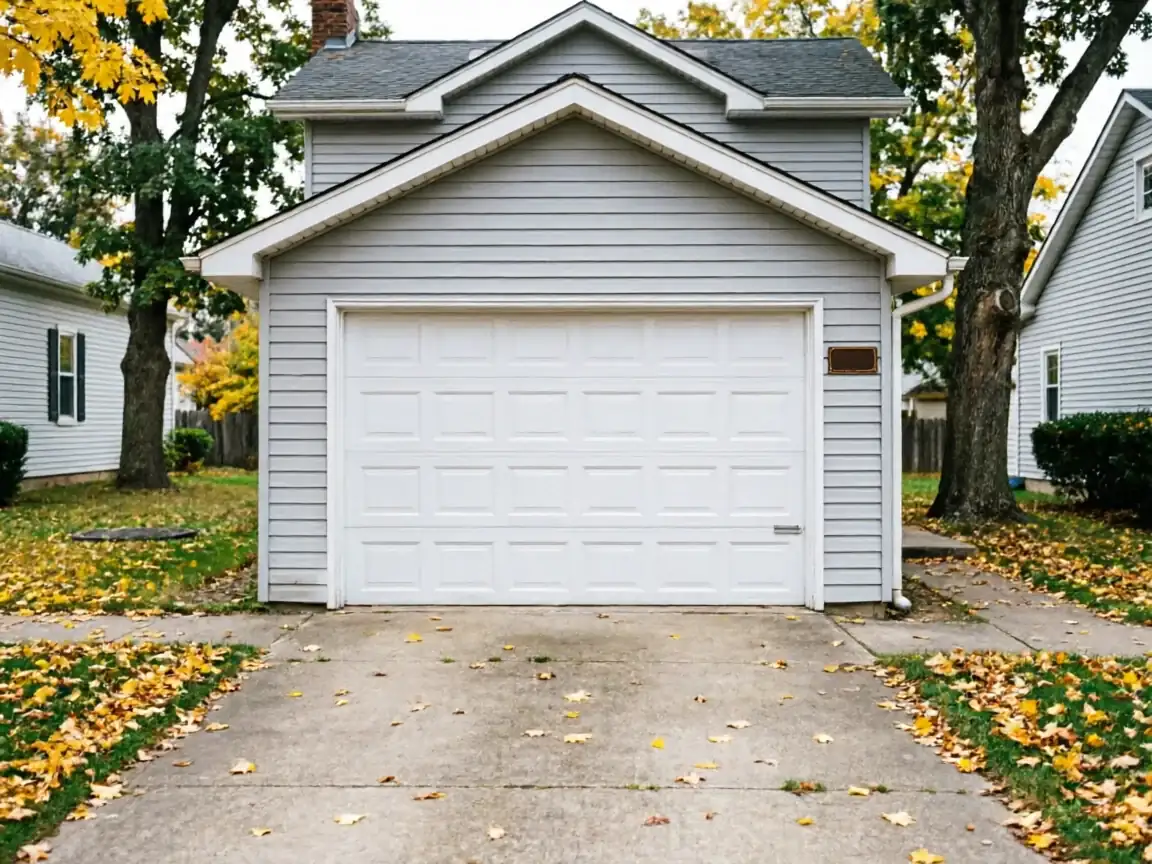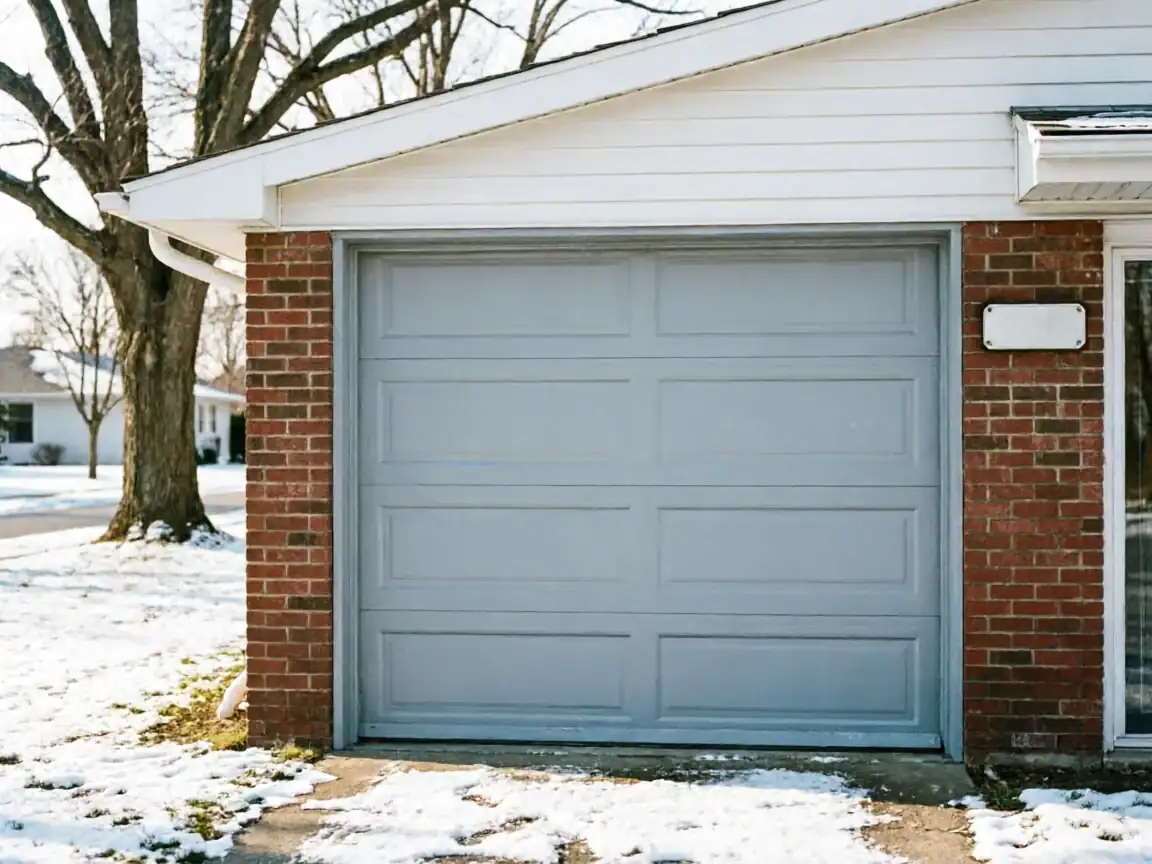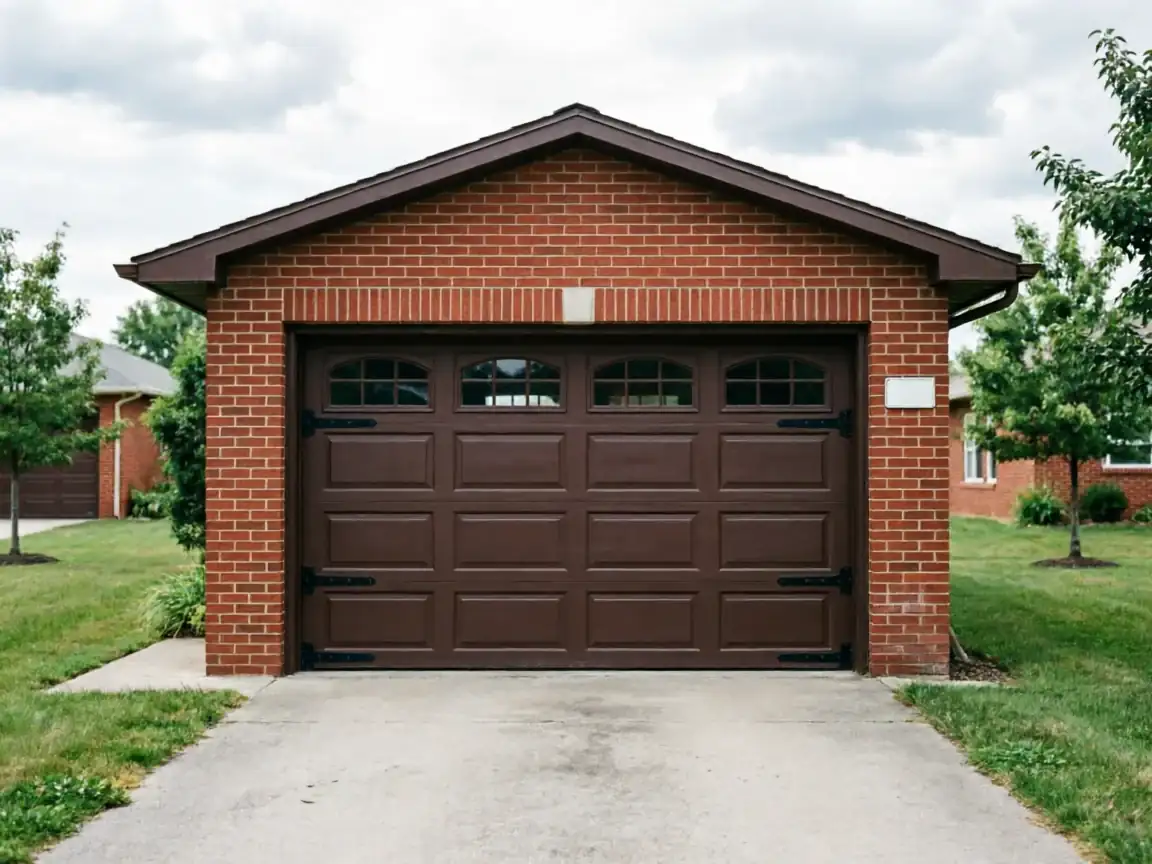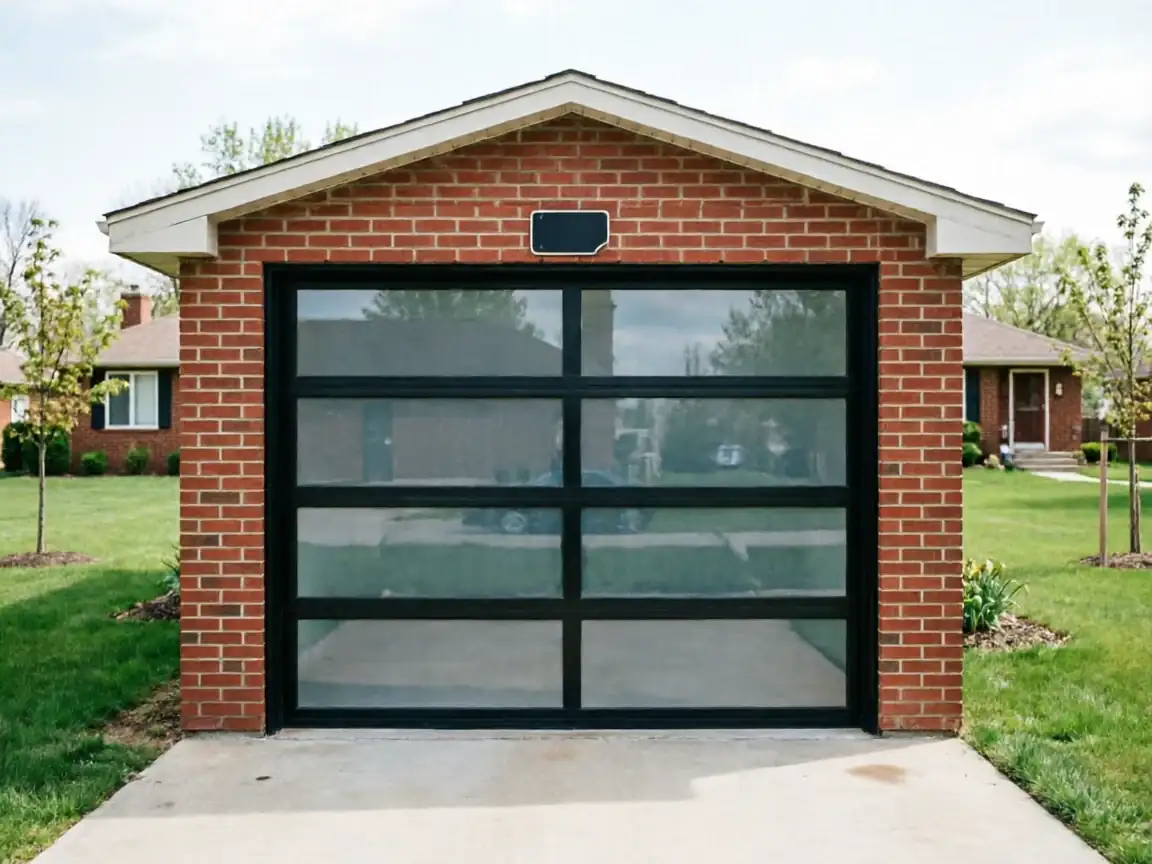
Why It Happens Here
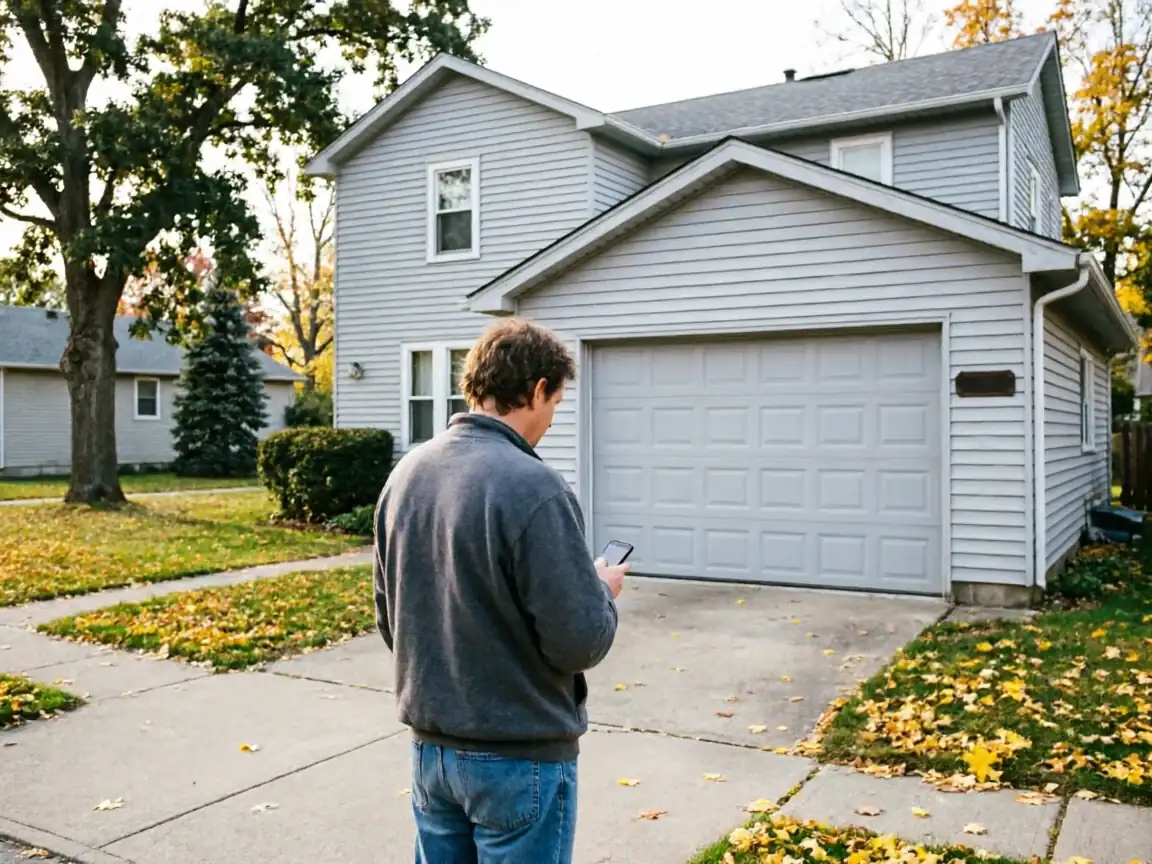
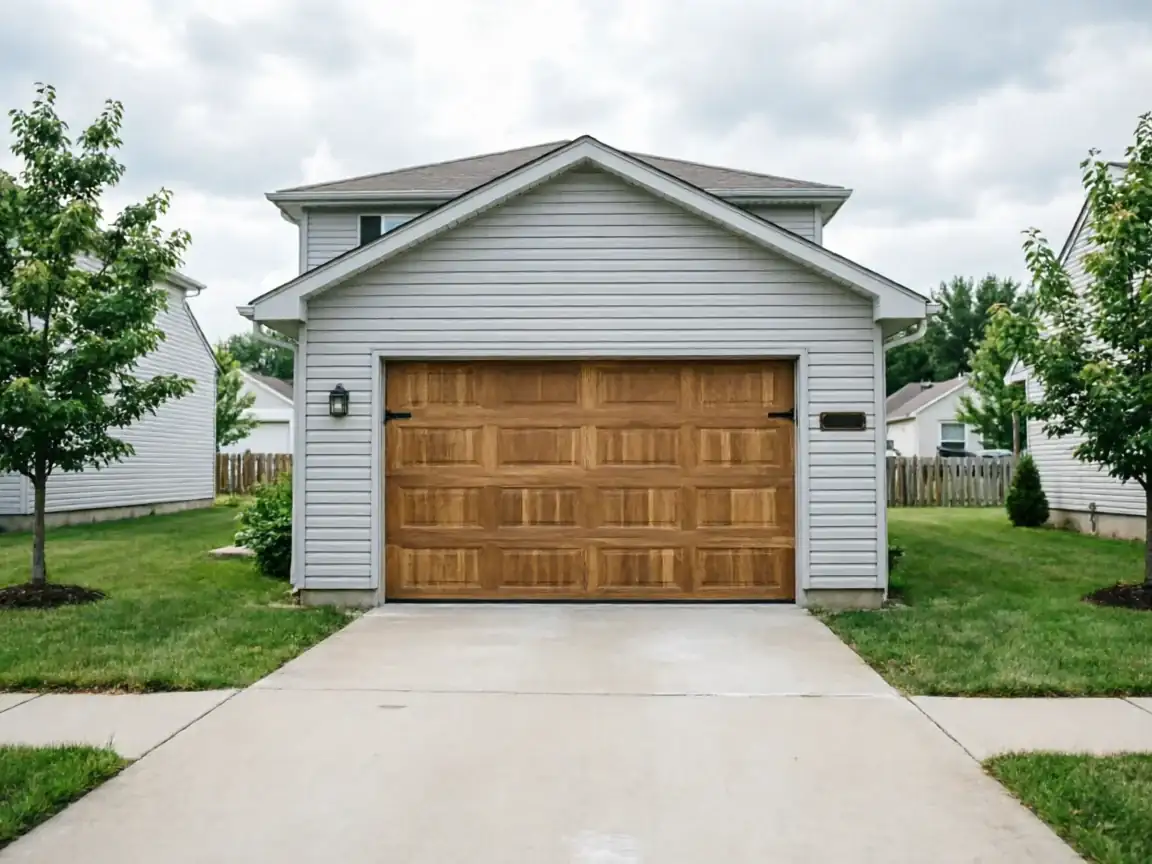
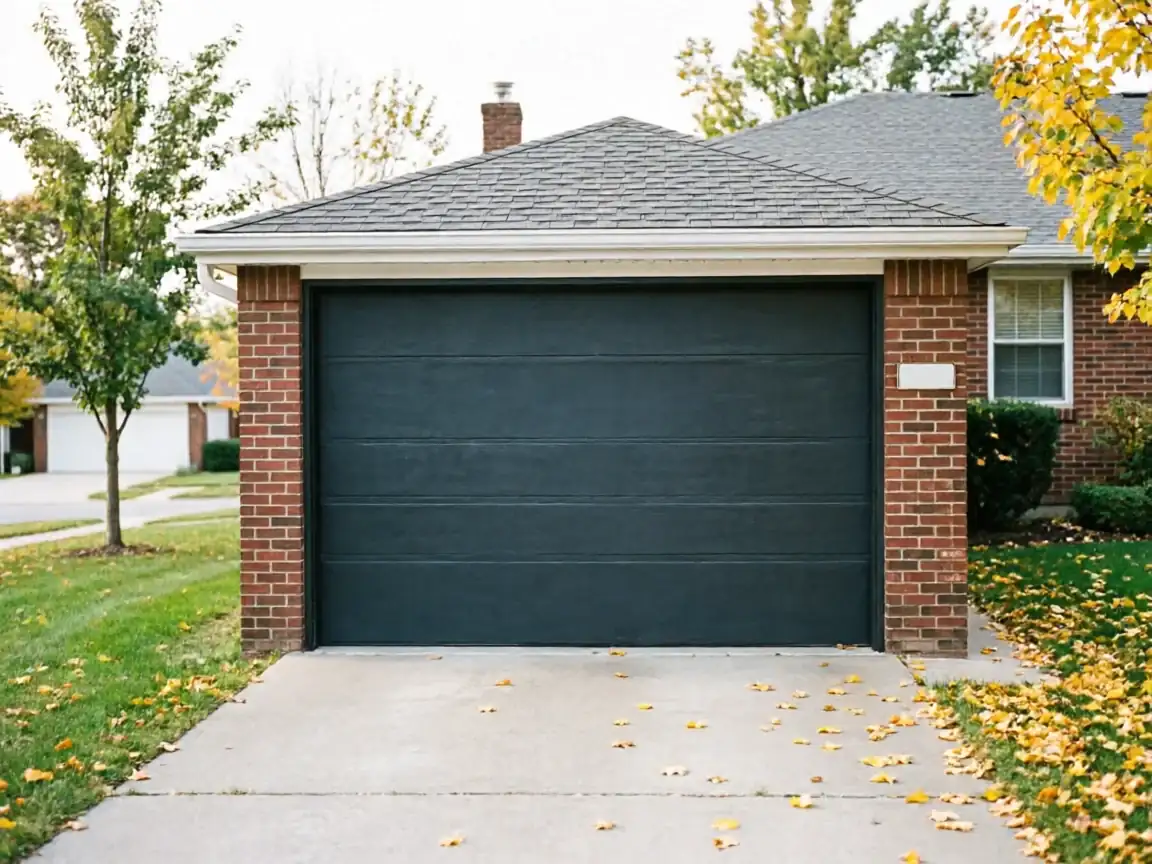
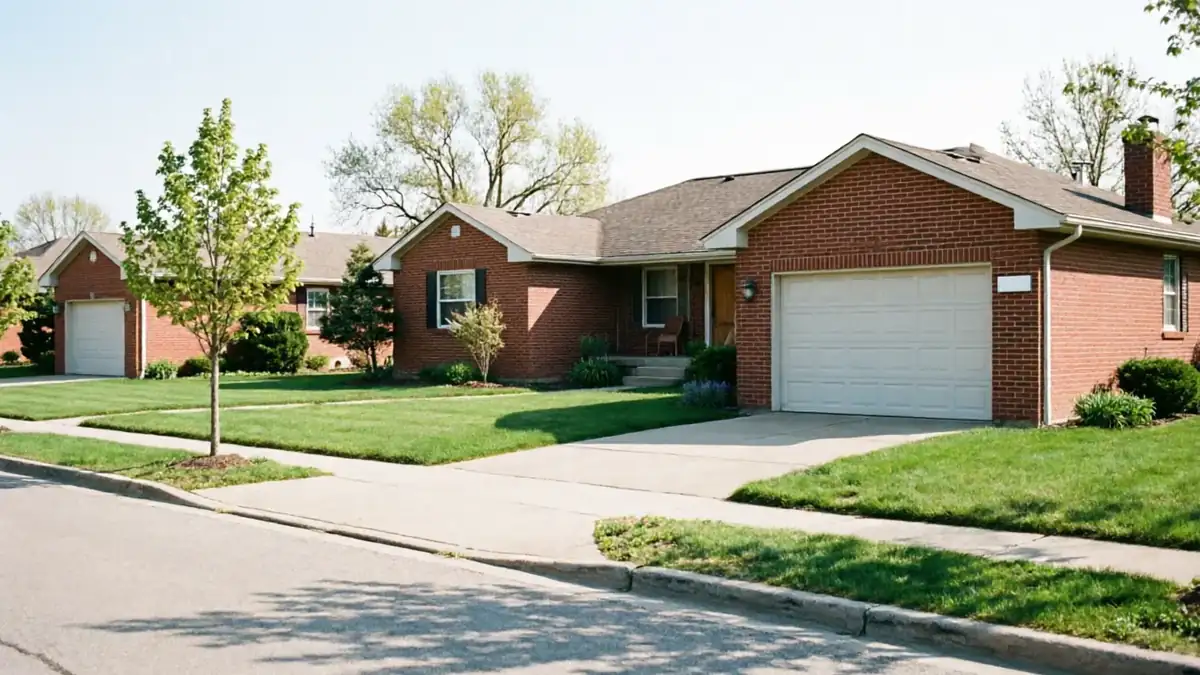
Most of the houses we get called to in Moline went up between 1952 and 1998
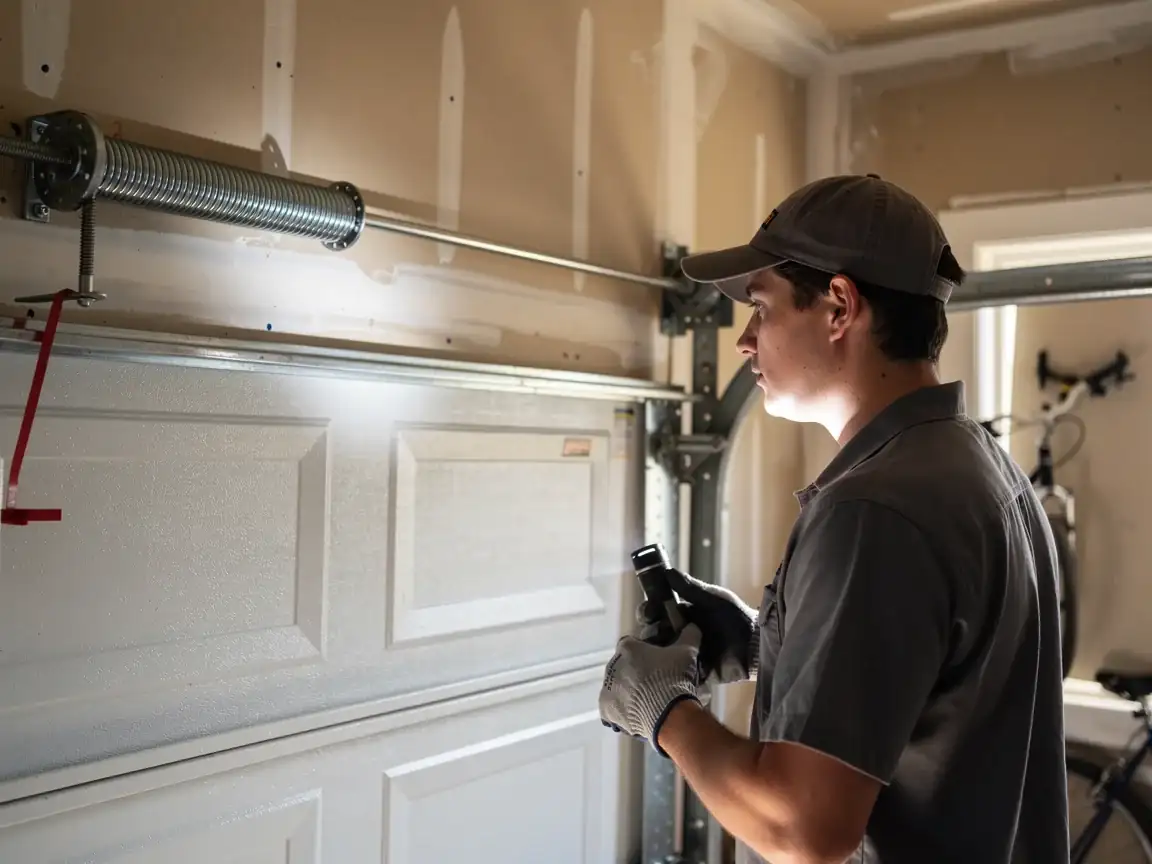
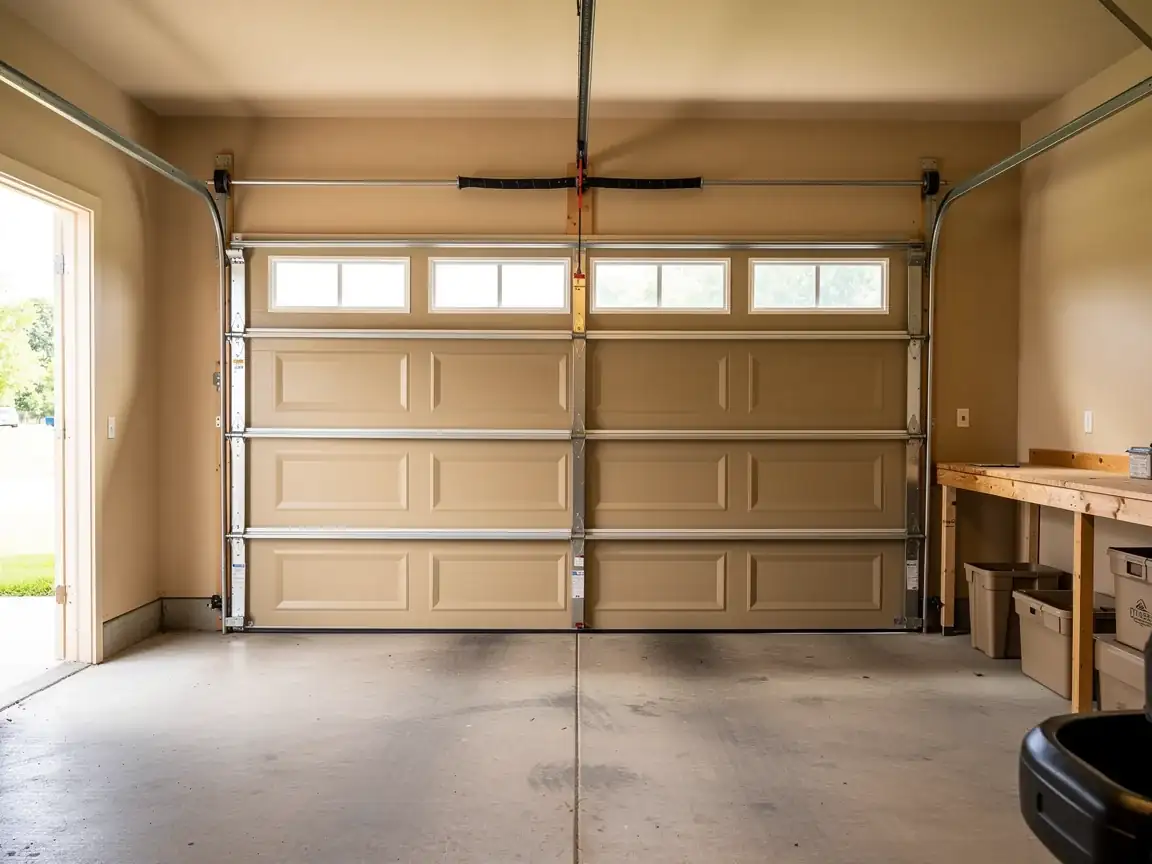
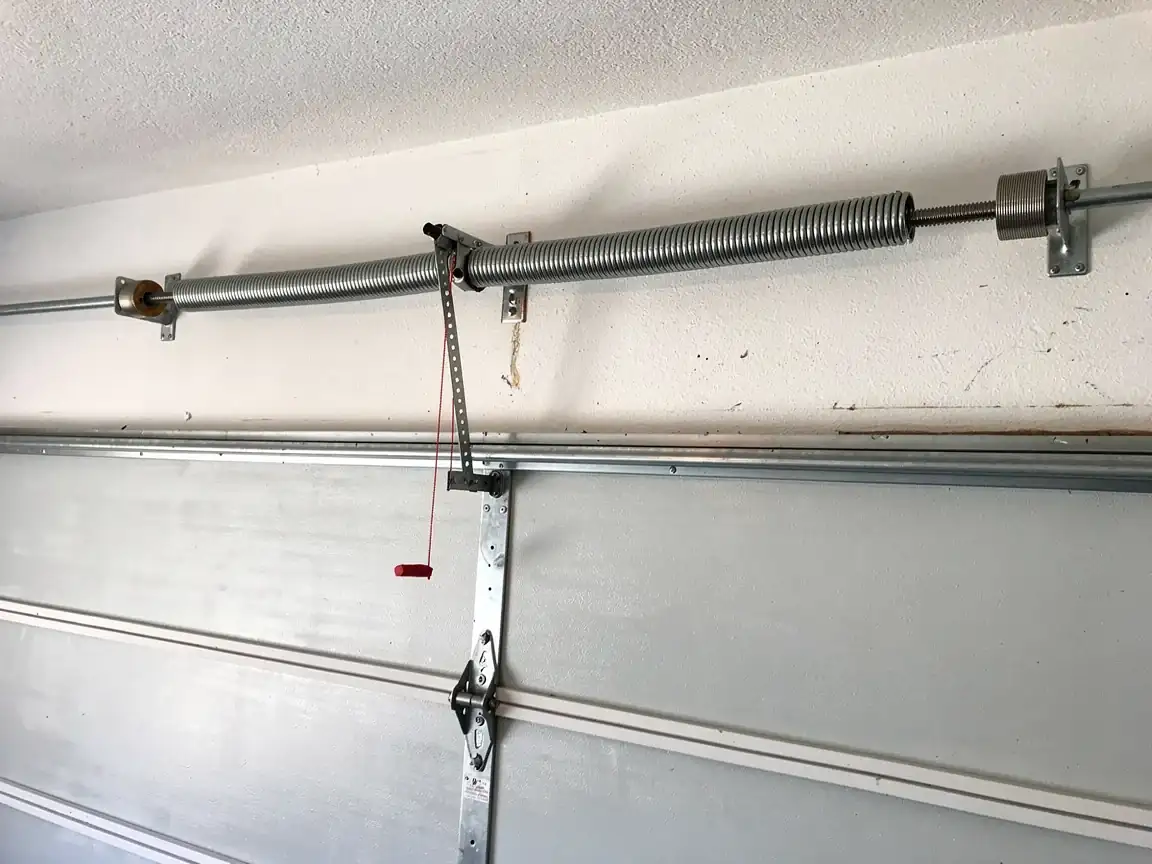
With the bulk of that stock dating to the 1960s and 70s. That matters because garage doors built or replaced during that window used hardware that nobody designed for a 50-year service life - galvanized torsion springs with a 7-10 year wind cycle, steel rollers with no bearing, and lift cables sized for the lighter doors of that era. None of it was meant to last this long, and most of it is still out there.
- 10 year
Layer on the climate
Moline sits in a cold, moderately harsh winter band, which means the grease in an original spring or hinge thickens every winter and the steel contracts and expands through repeated freeze-thaw cycles. That's a slow fatigue process, not a single failure event - which is why a spring or cable that's been fine for fifteen years can let go on a random Tuesday with no warning. We see this pattern across the older neighborhoods on both sides of town, not just one block or one builder.
Newer additions and remodels sometimes get modern torsion hardware
But a lot of original openers and tracks are still paired with newer panels after a partial replacement, which creates its own mismatch problems. The age of the house tells us roughly what's behind the panel before we even get the truck in the driveway.
Getting It Booked In
Tell us the age of the house if you know it, roughly - pre-1970s build, 1980s, or newer - because that alone tells us whether we're likely dealing with torsion or extension springs, and whether the opener is probably original or already a second or third unit. If the door is stuck down and the car's inside, say so when you call; that changes how we schedule the day.
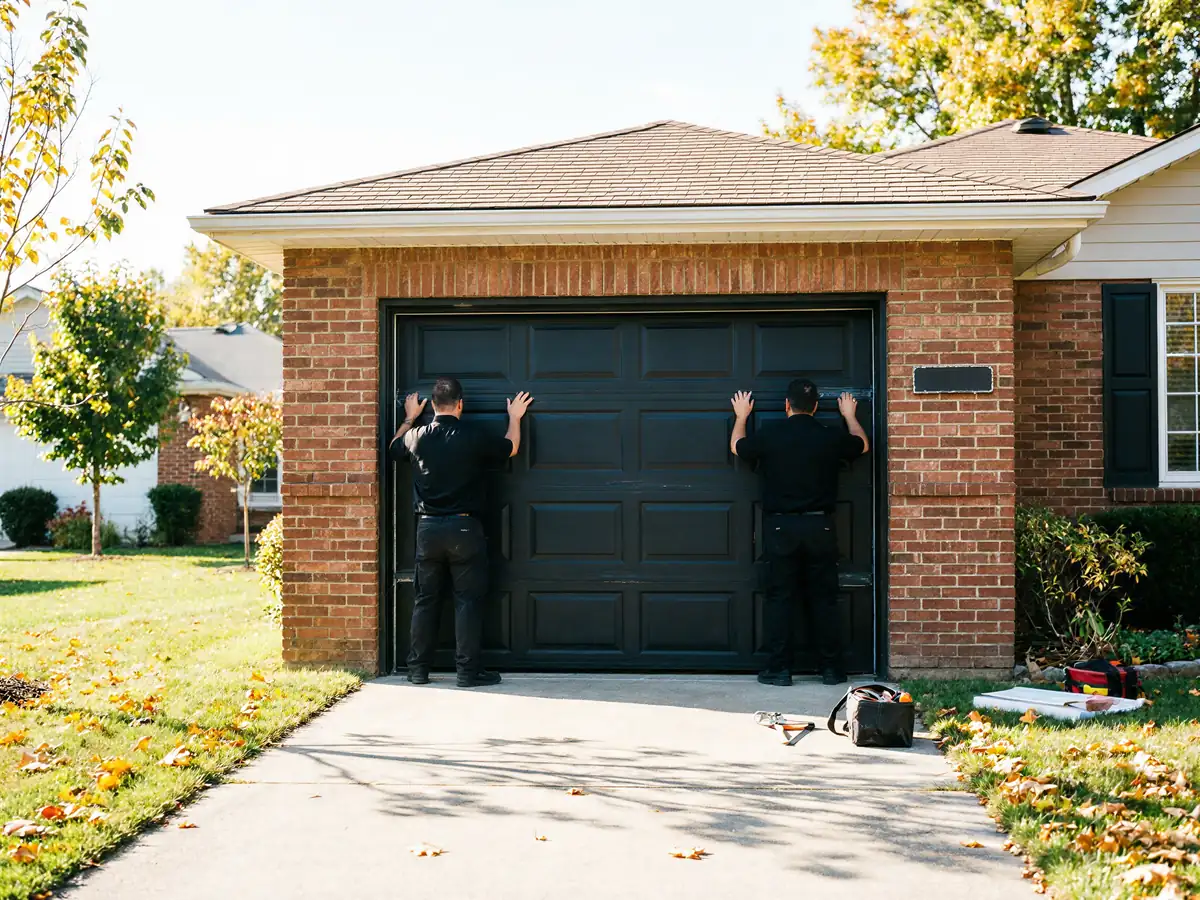
We book by phone, and we ask a few questions up front: does the door open partway and stop, does it make a bang or a loud pop before it quit, is one side higher than the other. Those answers usually point us at a spring, a cable, or a broken roller before we've even seen the door, which means we show up with the right part on the truck instead of guessing twice.
If a part isn't something we carry stock of - certain older opener control boards, for instance - we'll tell you that on the phone, not after we've already made the trip. Some older parts take longer to source than others, and we'd rather set that expectation early than have you waiting on a truck that can't finish the job in one visit.
What You Are Seeing
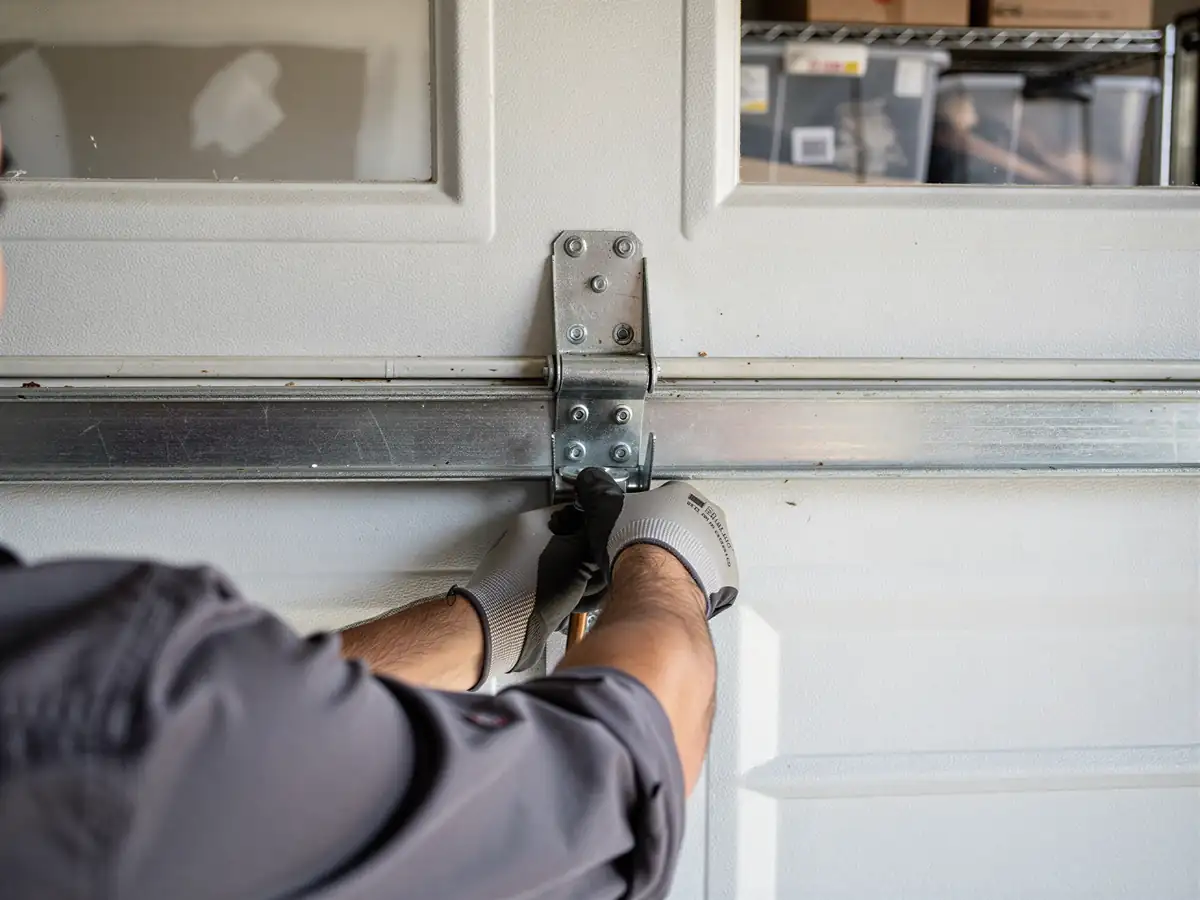
On the older end of Moline's housing - the stuff built closer to the 1952-1968 window - the most common call is a torsion spring that's finally fatigued past its wind count, usually showing up as a door that won't lift, or lifts a few inches and drops. Close behind that: rollers that have worn their track groove oval instead of round, which makes the door rattle and judder on the way up, worse in cold months when the steel track has contracted slightly.
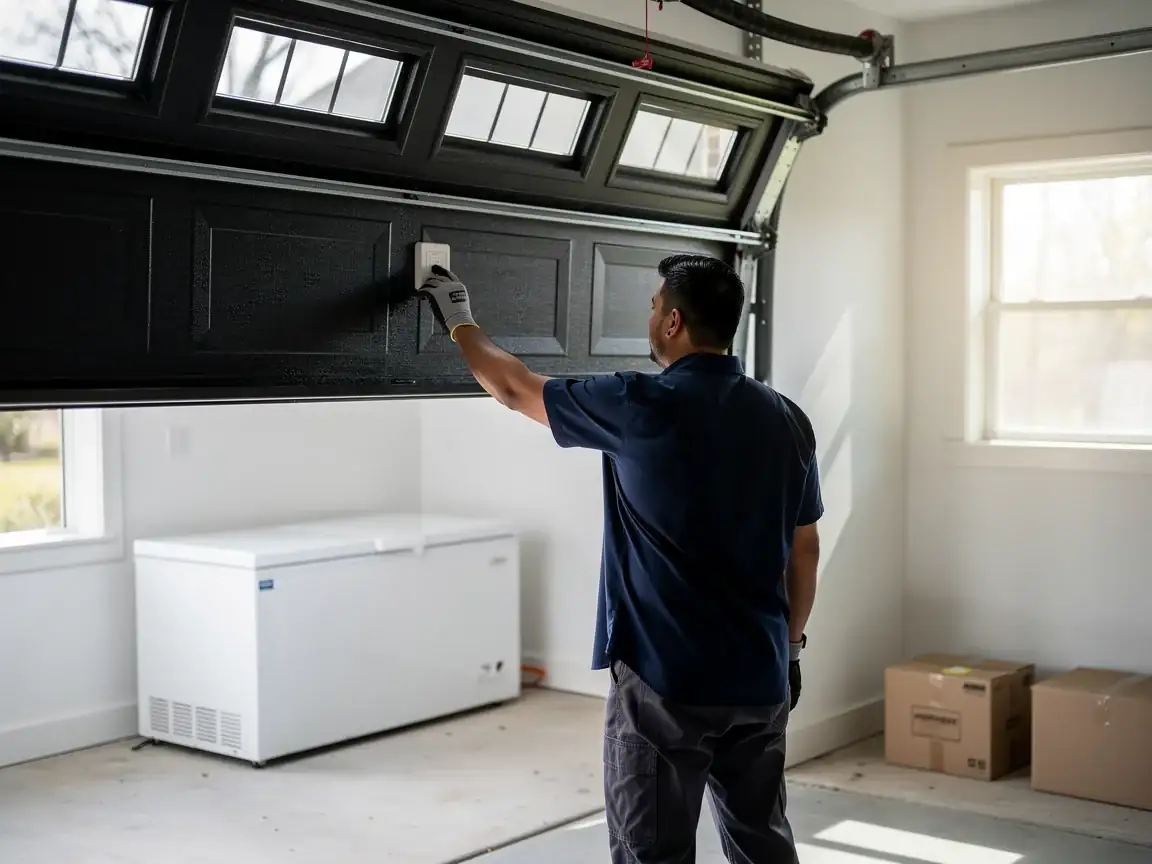
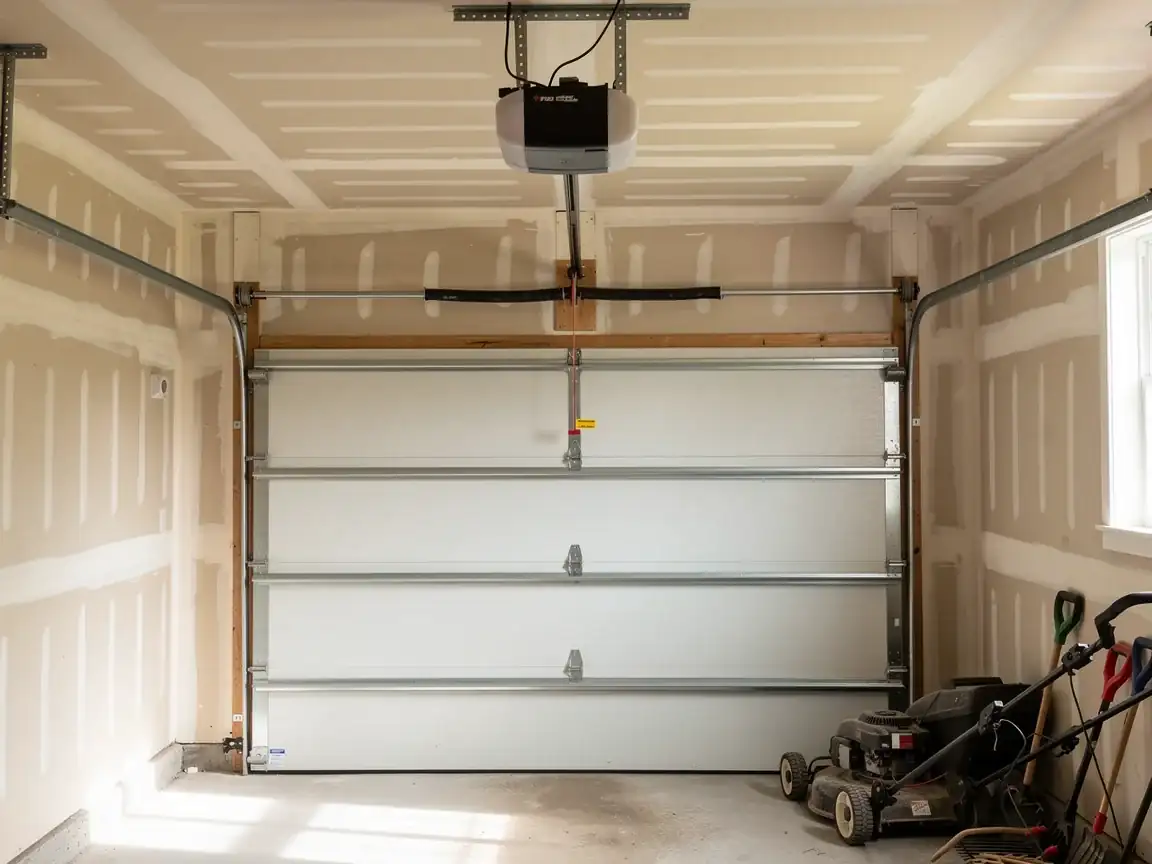
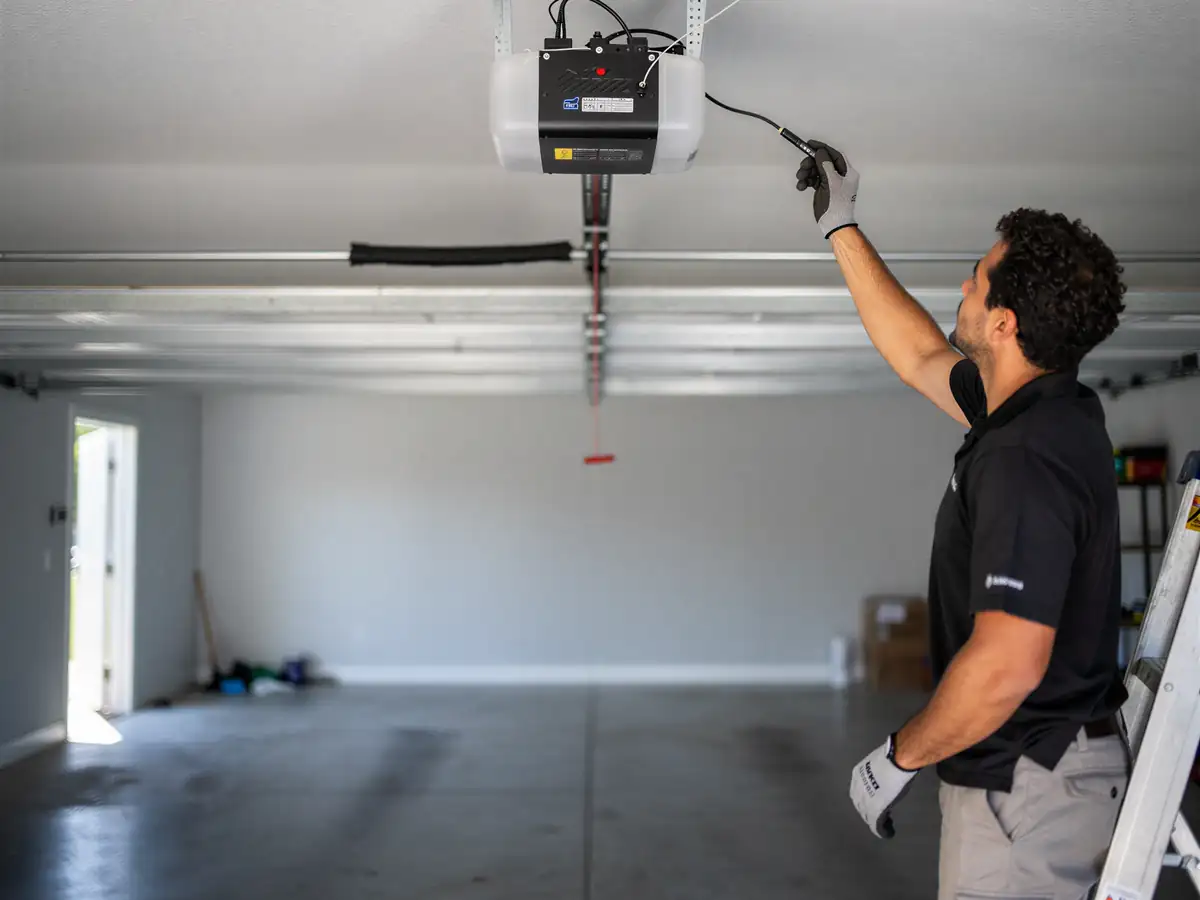
On houses from the 1970s-90s range, we see more opener failures than spring failures - drive gears stripped, or logic boards that have just aged out after 30-plus years of daily cycles. Cables fraying at the drum are common across both eras, since a cable doesn't care how old the house is, only how many winters it's been flexing through.
What we don't see much of: brand-new doors failing from manufacturing defects. When something fails here, it's almost always age and cycle count catching up with hardware that was never meant to run this long, not a bad install.
How We Fix It
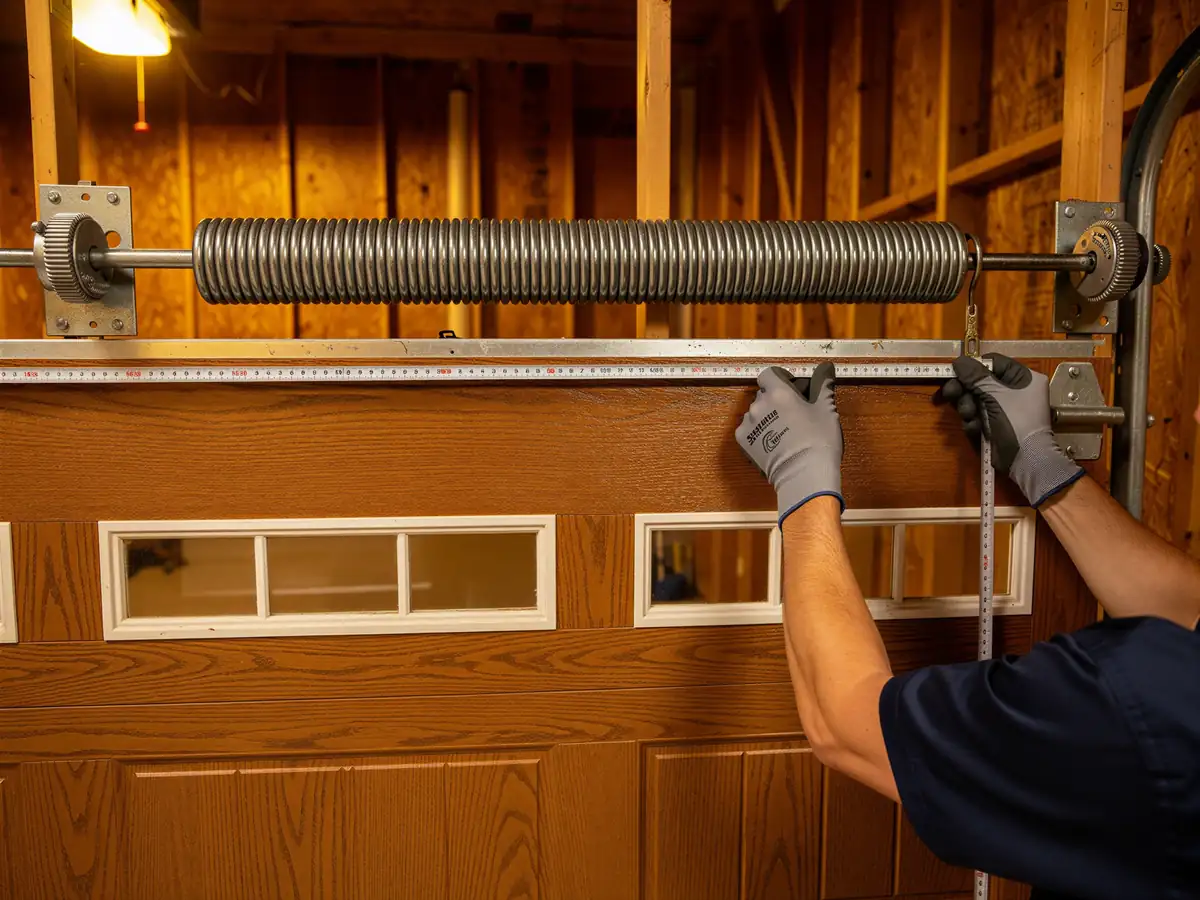
For a spring that's gone, we replace it with a correctly sized torsion spring rated for the door's actual weight and the opener it's paired with
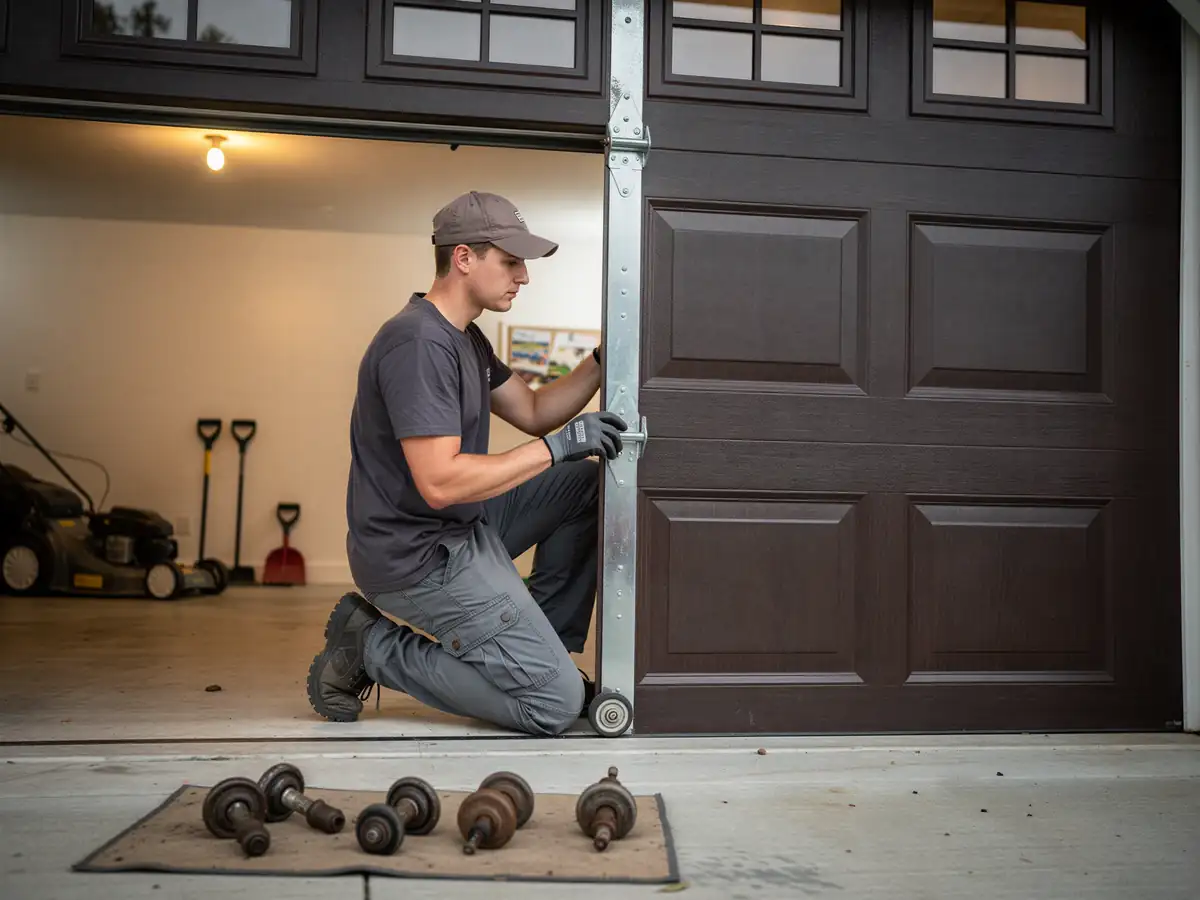
Not a universal swap, since an undersized spring just fails again in a year or two and an oversized one strains the opener. Rollers get swapped to sealed-bearing nylon in most cases, which holds up better through our freeze-thaw cycles than the steel rollers that came standard on 1960s and 70s doors.
When the opener itself is the problem
Stripped gear, dead board, motor that hums but won't turn - we'll tell you straight whether it's worth repairing. On a unit that's 25-plus years old, a repair sometimes costs most of what a new opener runs, and we'd rather say that out loud than sell you a patch that fails again next winter.
We don't stock every control board for every opener era
So on a rare older model we may need a day to get the part in. For anything standard - springs, cables, rollers, hinges - we carry it on the truck and the job gets done in the same visit.