What Can Go Wrong
Start with the number that actually decides this job
Median household income in East Moline runs $63,328, below the $70,407 average across our whole service area. That gap matters because it's the line between "replace the rollers" and "replace the door," and here that line sits a little earlier.
Most houses in East Moline were built around 1967
Which puts the original garage door hardware squarely in the steel-roller era. Steel rollers on steel stems ride loud and rough from day one, and after five decades most are flat on one side, chipped, or seized in their own grease. On a door that age you're also usually looking at worn track flanges from fifty-plus years of those same rollers dragging metal on metal.
The other common failure is a half-done upgrade
Someone swapped to nylon rollers once, years back, but left the original track un-cleaned, so the new rollers wear fast anyway. We also see bent roller stems from a door that's jumped track once already, which looks like a roller problem but is really a track-and-cable problem wearing a roller's symptoms.
How Long It Takes
A roller swap is one of the shorter jobs on a service truck, mechanically speaking - you're not touching spring tension or opener wiring, just pulling old rollers out of their track brackets and setting new ones in. How long any single visit runs depends on what we find once the door's open, which is exactly why we don't quote a fixed number here. A door with bent track or a bowed section takes longer than a straight swap, and we won't know which one East Moline's particular door is until we're standing in front of it.
What we can tell you is what adds time: rollers frozen into bent stems, track that needs re-aligning instead of just a new roller dropped in, and - on older doors - roller brackets that have to be freed from rust before anything new goes in. None of that is unusual on hardware from the 1960s stock common in this area, it just means the visit isn't always a quick in-and-out.
How We Fix It
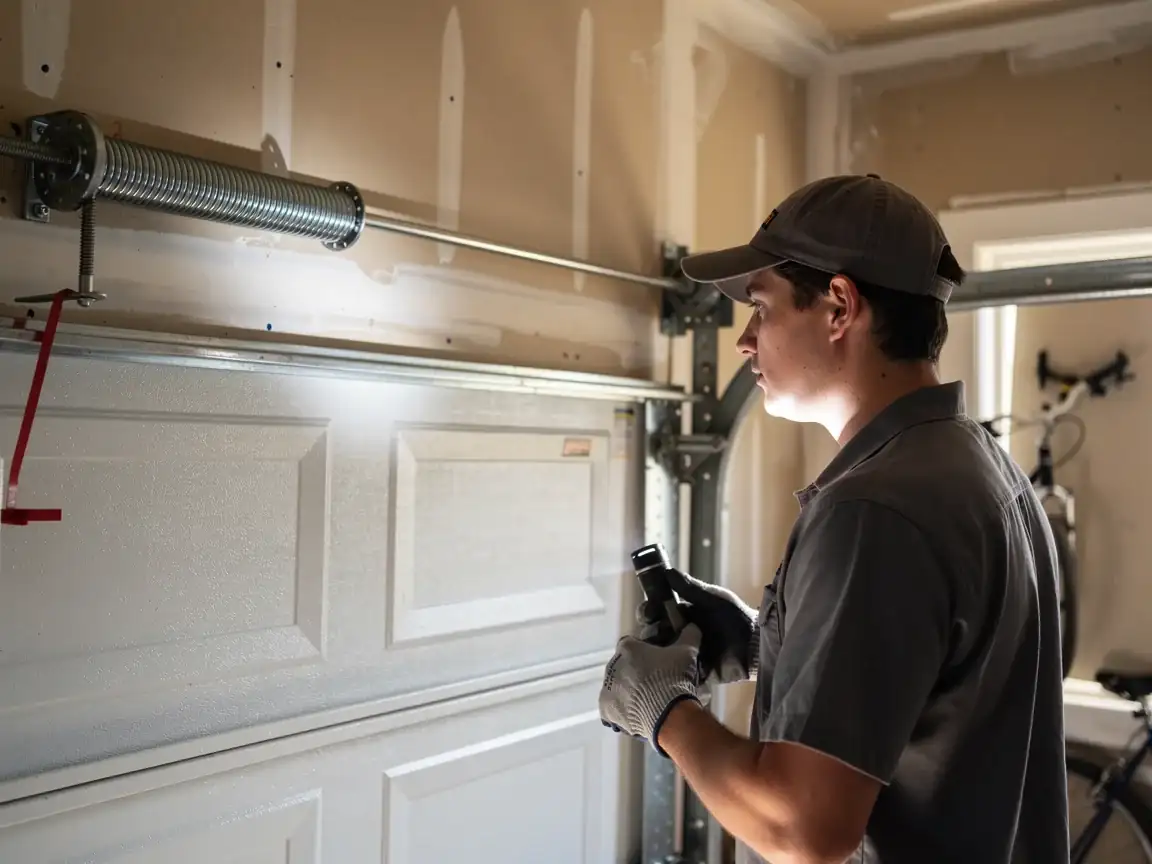
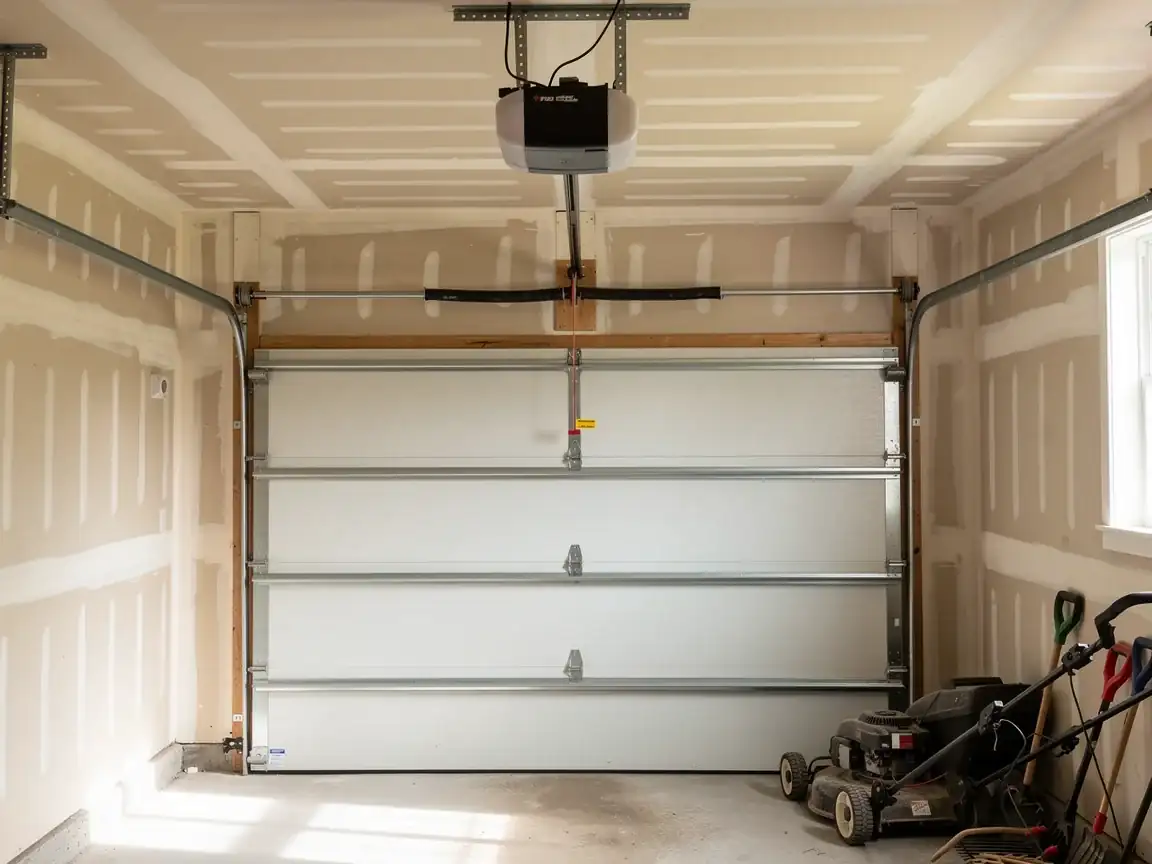
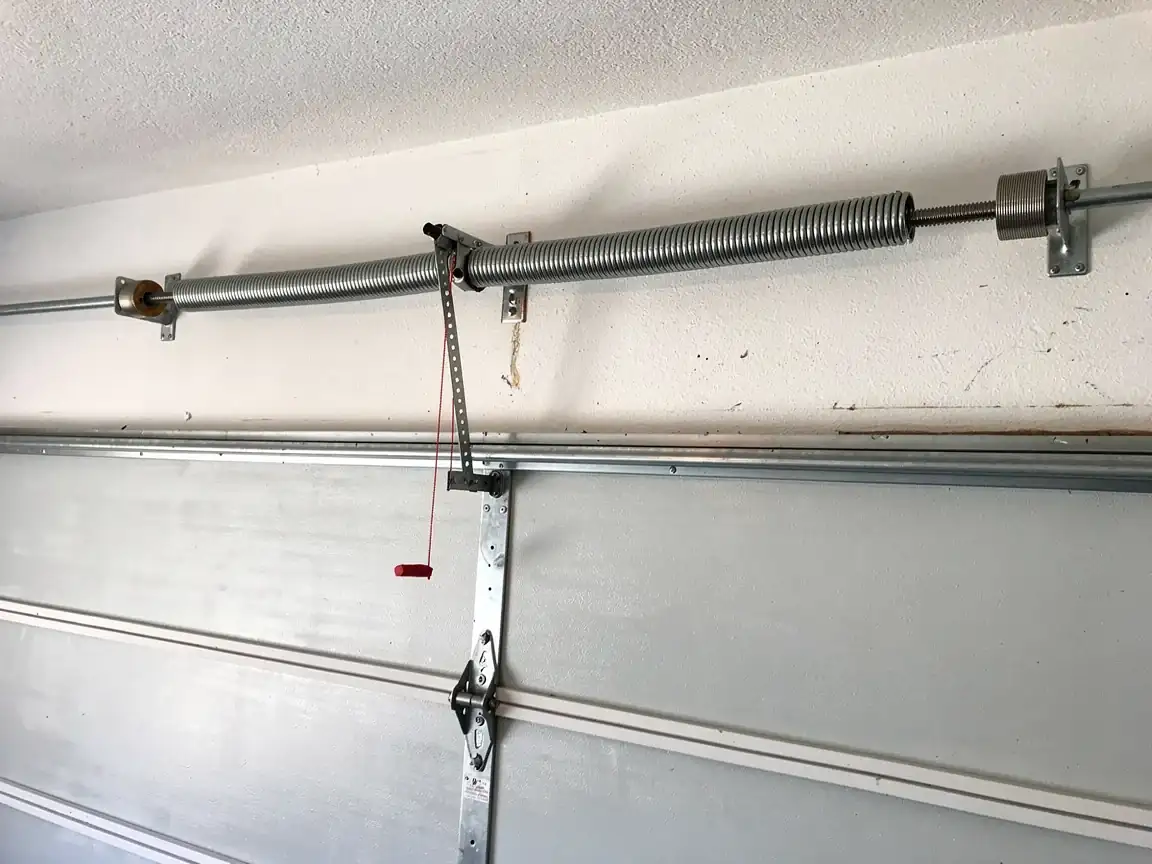
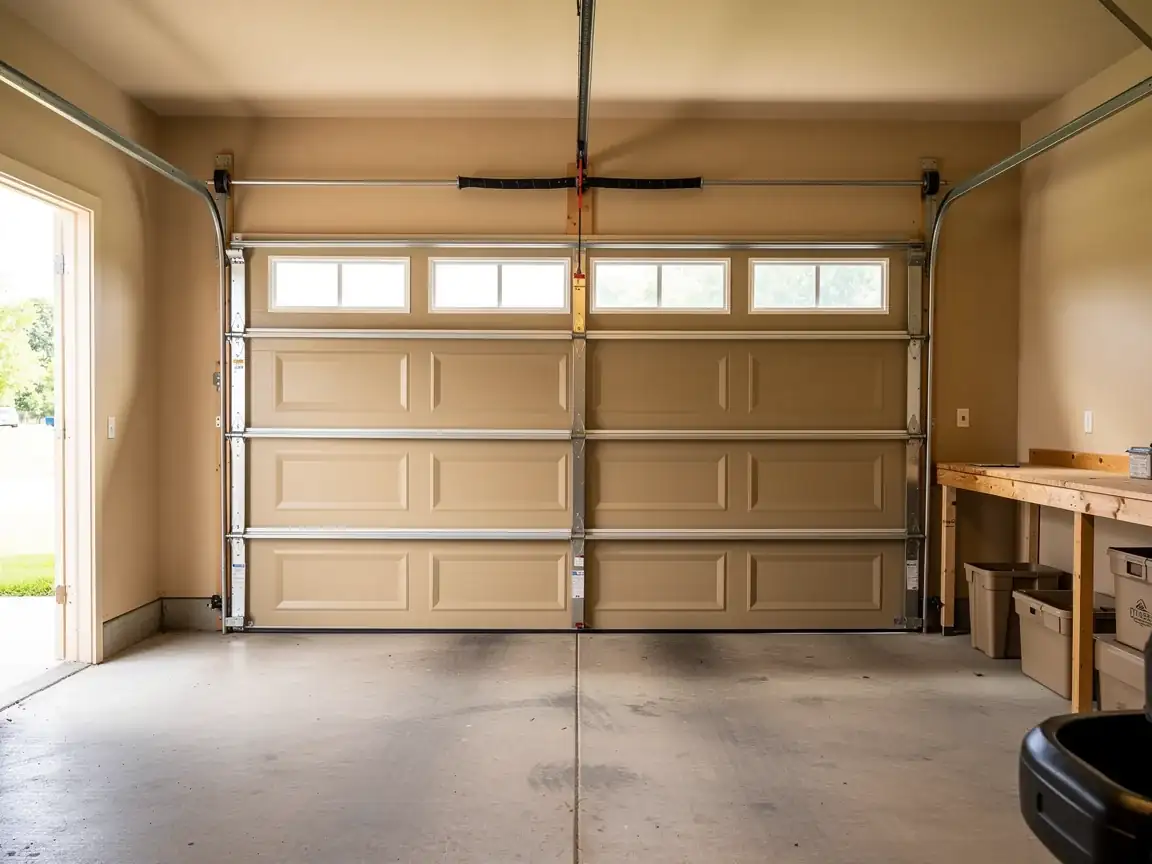
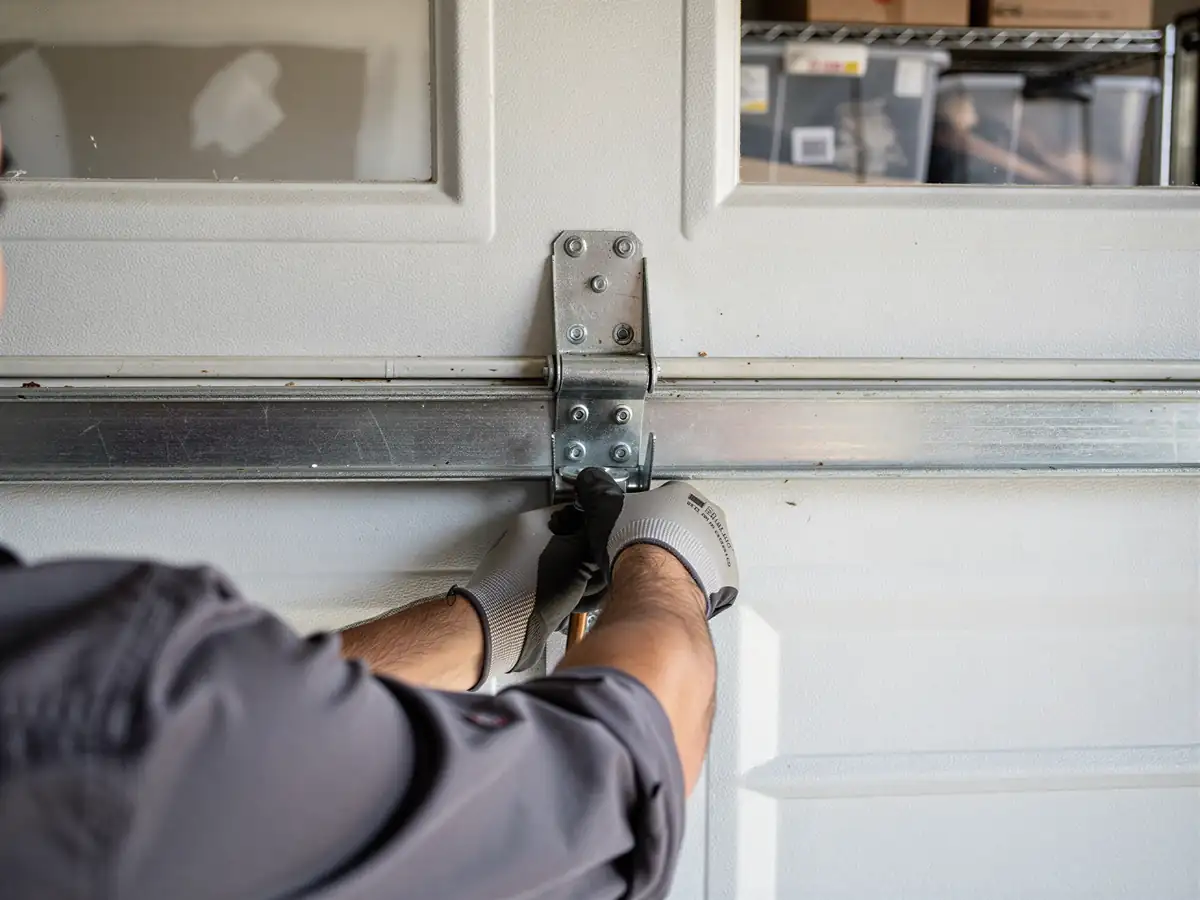
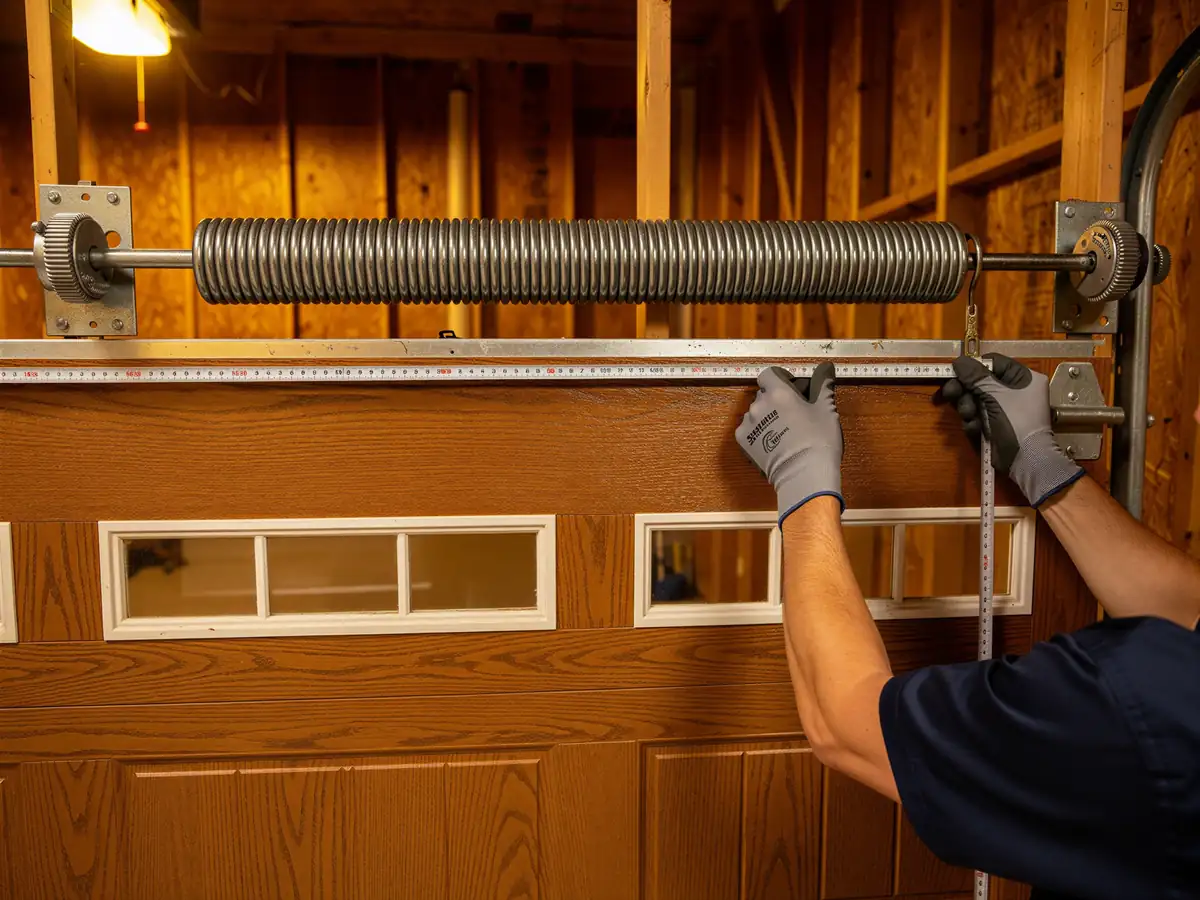
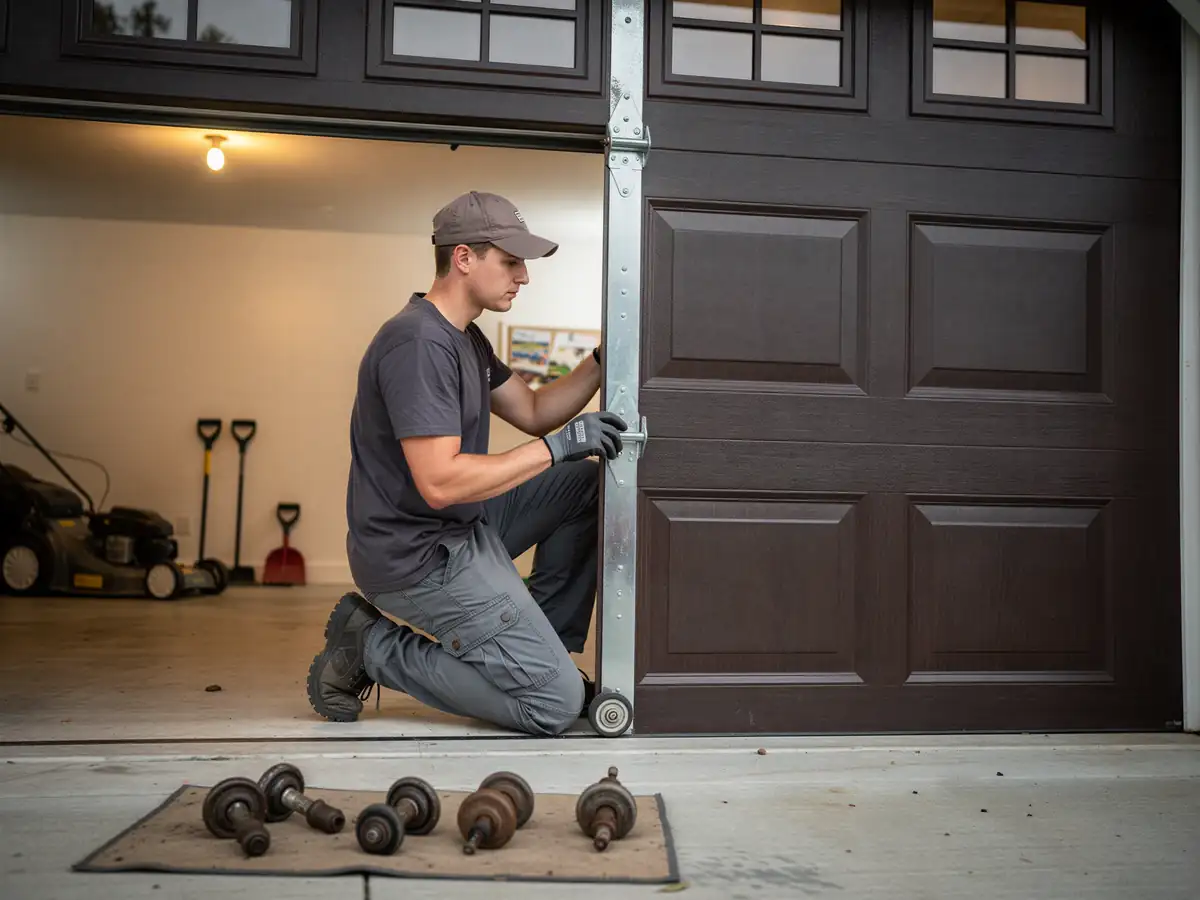
We pull the door down to where the roller track is accessible, support the section so it won't drop, and work the old rollers free one at a time rather than dropping the whole door off its track at once. On a torsion-spring door that means working carefully around spring tension the whole time; on an older extension-spring setup, common on houses from this era, the approach is a little different but the same rule applies - nothing gets disconnected until it's supported.
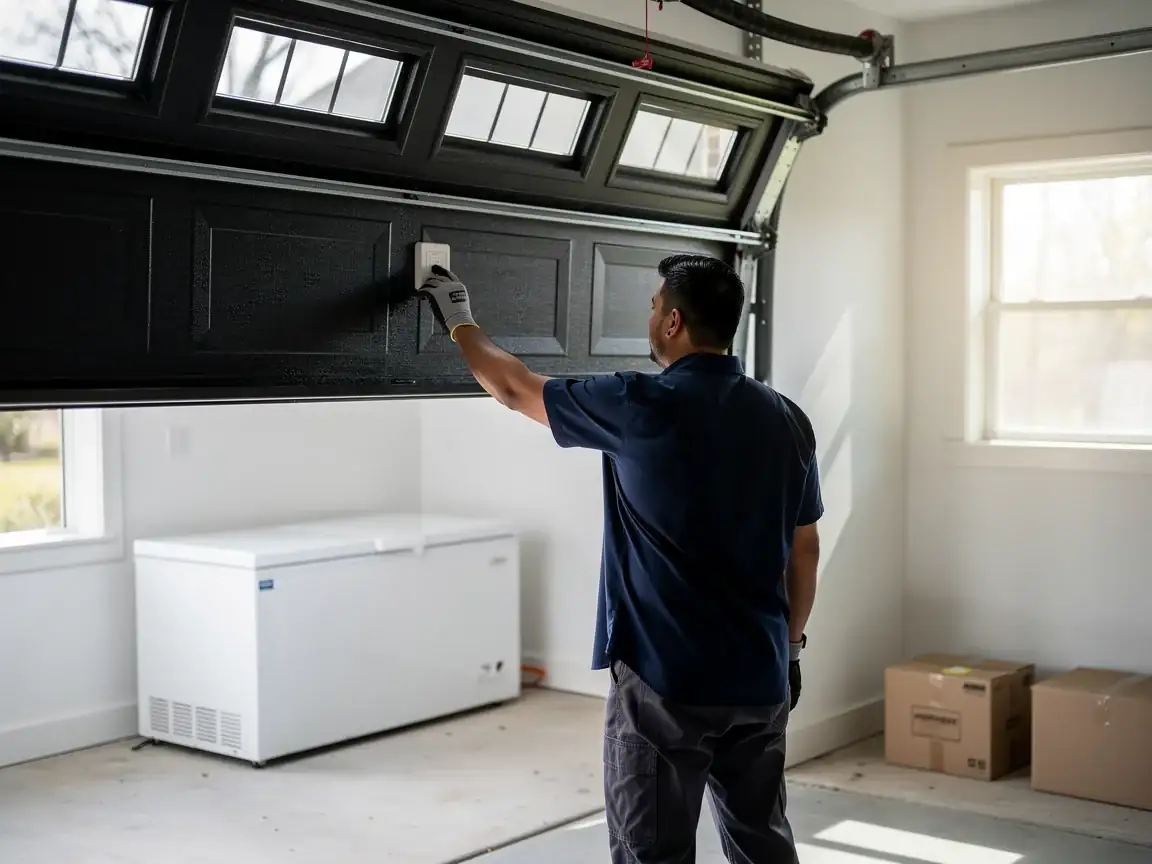
Each old roller gets checked against its track before a new one goes in, because a worn roller is often a symptom of a track that's bent or pulled away from the frame, not the whole problem. If the track's out of alignment we fix that first; putting a new roller into a bad track just wears the new roller fast too. Once the new rollers are seated we run the door through several full cycles by hand and then by opener, checking for binding, noise, and smooth travel on every panel, not just the one that was loudest to begin with.
What It Costs
We don't publish a flat number here because roller count, roller material, and what we find in the track all move the bill
And we'd rather tell you honestly that we don't know yet than make up a figure. What we can tell you is how to think about it at East Moline's income level. At $63,328 median household income, a roller-only repair on a door that's otherwise sound is almost always the right call over replacing the whole door - rollers are a wear part, not a structural one.
Where that changes is when the track is bent beyond straightening, the bottom section is rusted through
Or the door is old enough that we can't source a matching panel if one more fails. At that point you're not paying for rollers anymore, you're paying to keep patching a door that's past the point where patching makes financial sense. We'll tell you straight which category your door falls into before any work starts, not after.
What Is on the Truck
For roller replacement specifically, the truck carries both nylon and steel roller options, because not every door on an East Moline street needs the same fix. Nylon rollers with sealed bearings are the standard swap for noise complaints - they run quieter and don't need the lubrication steel rollers do. Steel rollers still have a place on heavier commercial-grade or older doors where the stem size or load calls for them, which shows up more often on the 1960s-70s stock common in this area.
We also carry roller brackets and stems separately from the rollers themselves, since on a door this old the stem is often more worn than the roller riding on it, and swapping only the roller while leaving a bent stem in place just means the new roller fails the same way the old one did. What we don't carry on every truck is a matching replacement panel for every discontinued door style - that's a limitation worth saying plainly, since on a door old enough, sourcing a panel can take longer than the roller job itself.
Doing It Yourself
Rollers on a non-torsion panel - the bottom roller on either side, basically - are about as DIY-friendly as garage door work gets. You loosen the roller bracket, pull the old roller and stem, and set a new one in. No spring tension involved on that bottom corner.
The rollers higher up the track are a different story, especially on a torsion-spring door, because getting to them means working the door into a position where spring tension is holding weight you don't want to be standing under. That's where we'd tell you honestly to call it - not because the roller swap itself is hard, but because the position you need to be in to do it safely on a torsion door isn't one we'd recommend without the clamps and bars that hold tension off a loaded spring. If your door is the older extension-spring type common on East Moline's 1960s houses, the springs sit along the horizontal track instead, which changes the risk but doesn't remove it.