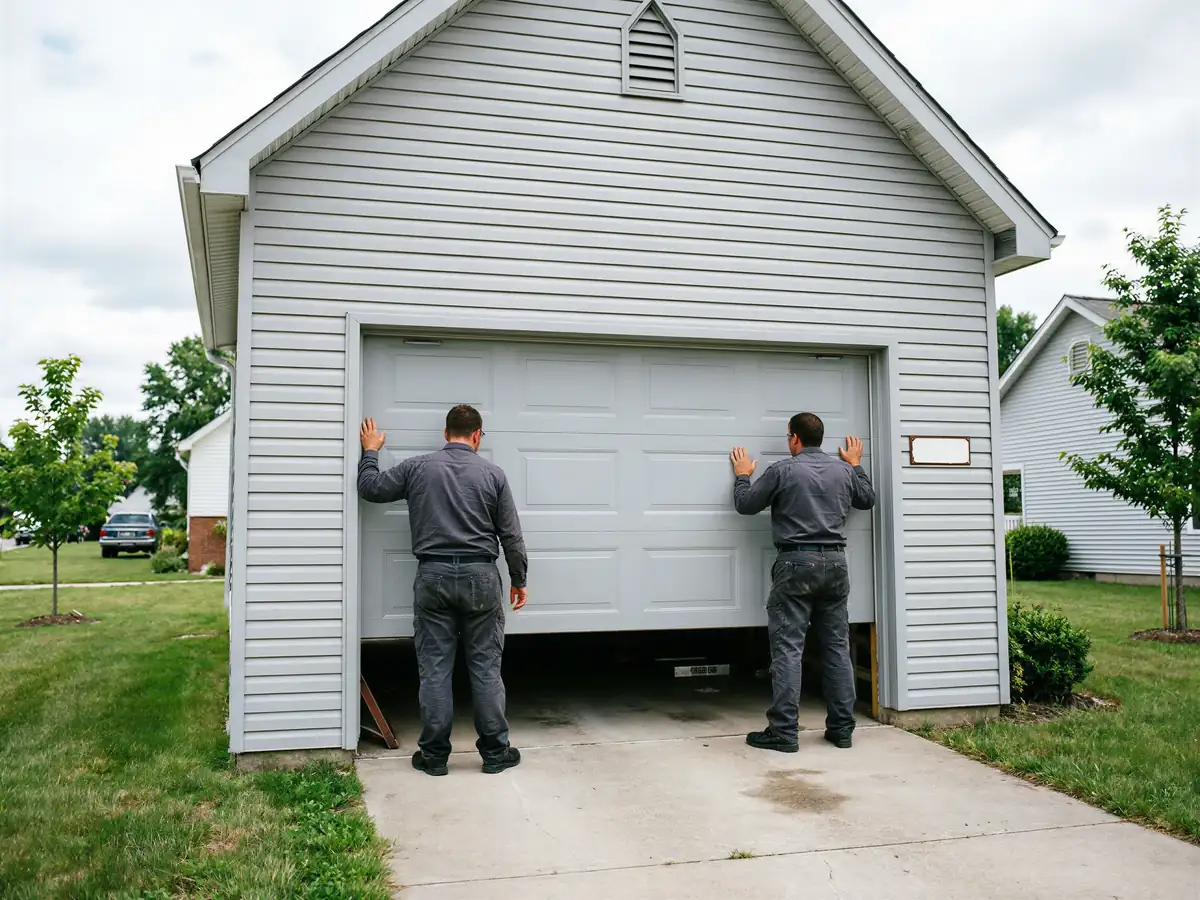
What You Are Seeing
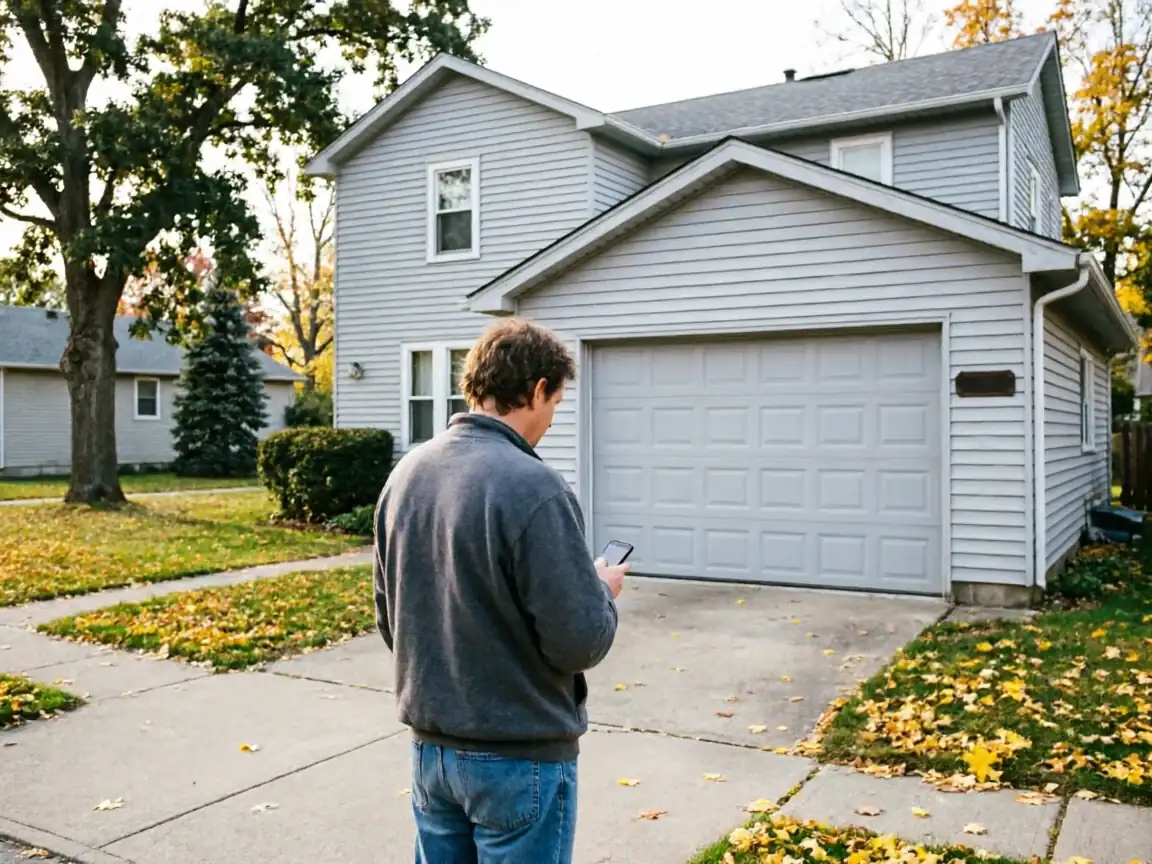
Coal Valley's housing stock is younger than a lot of what we see closer to Moline
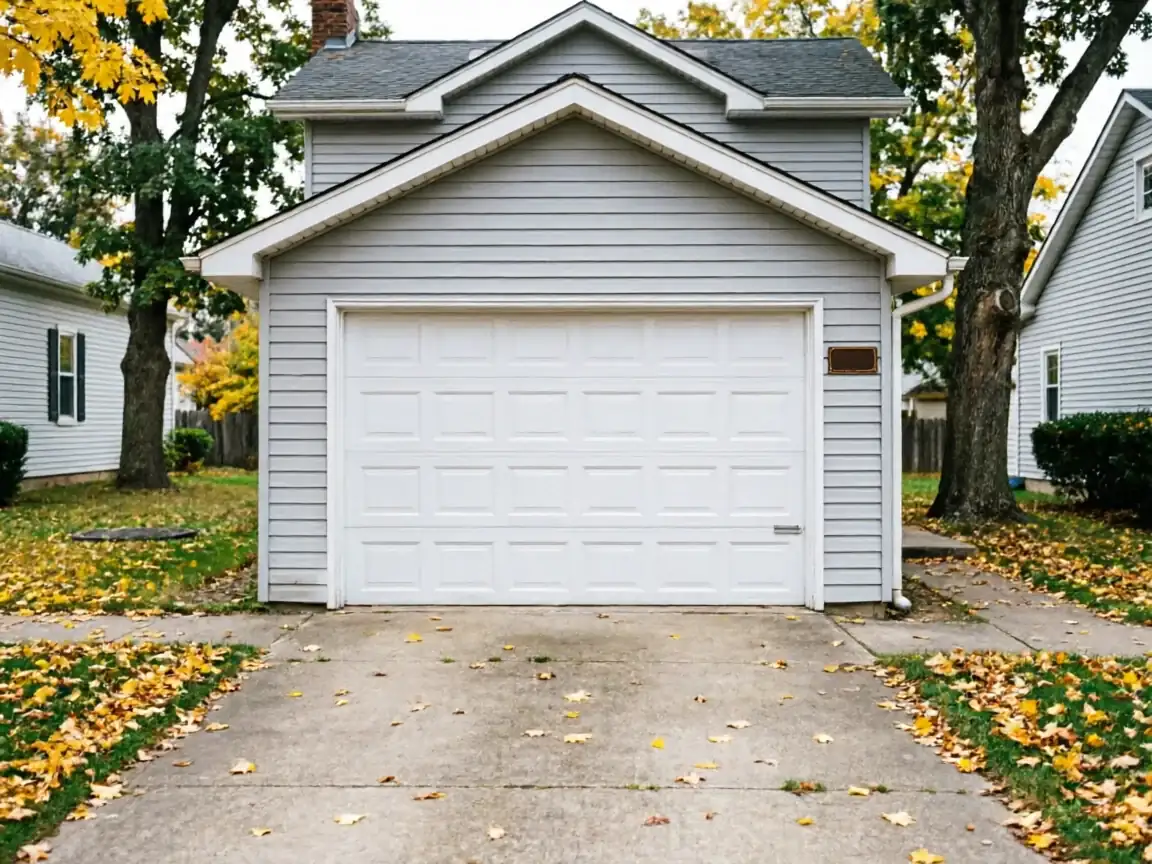
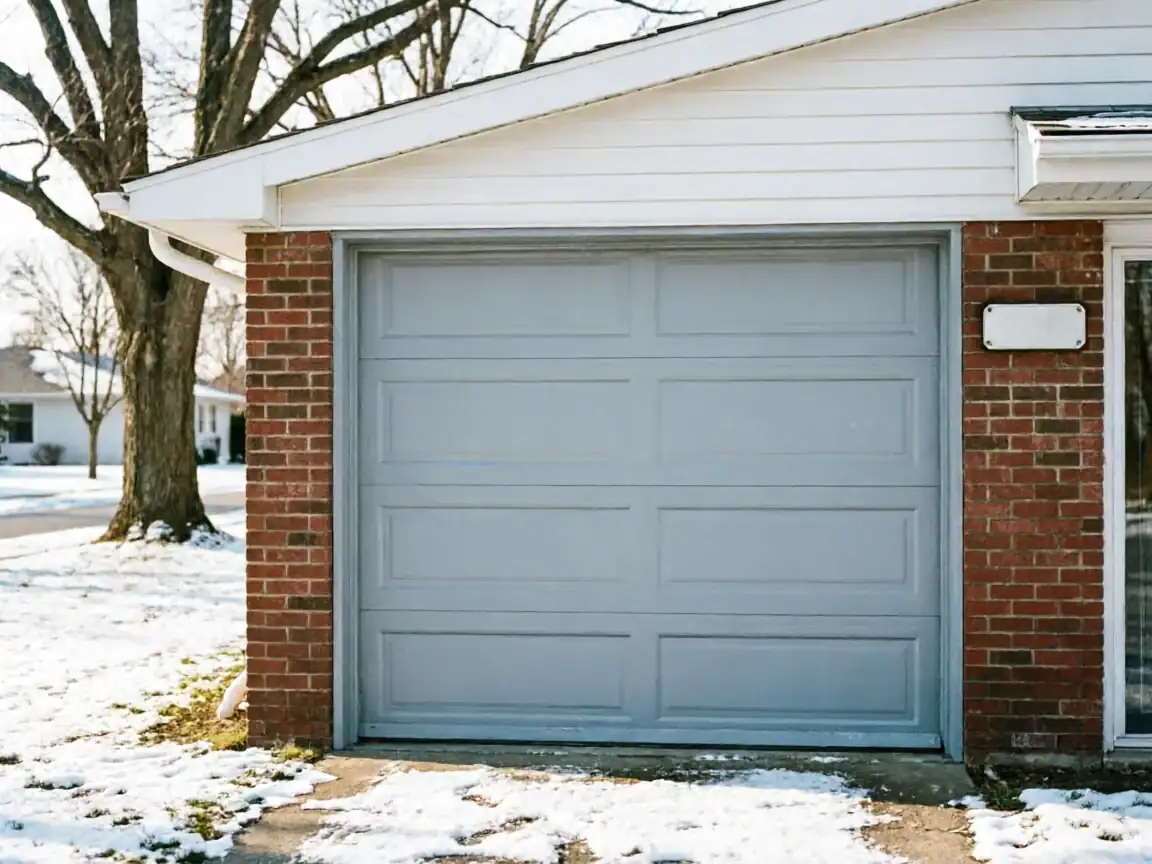
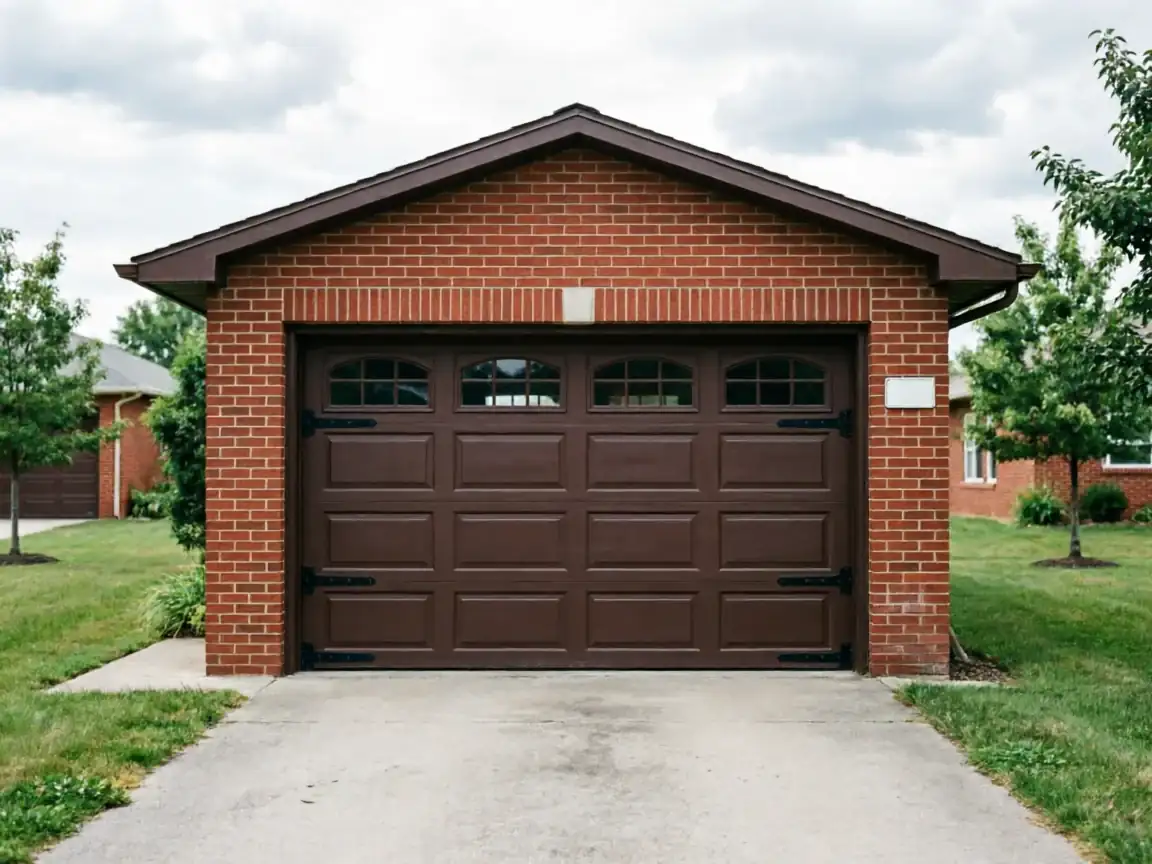
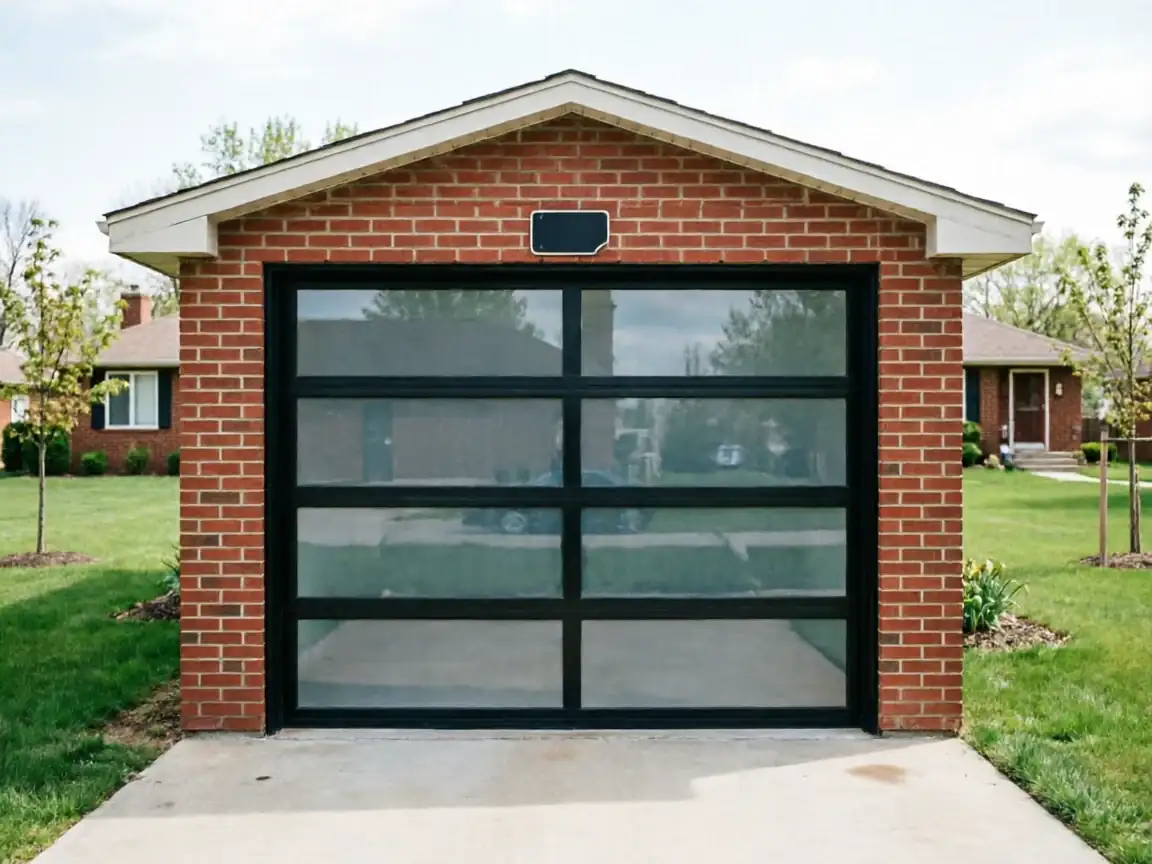
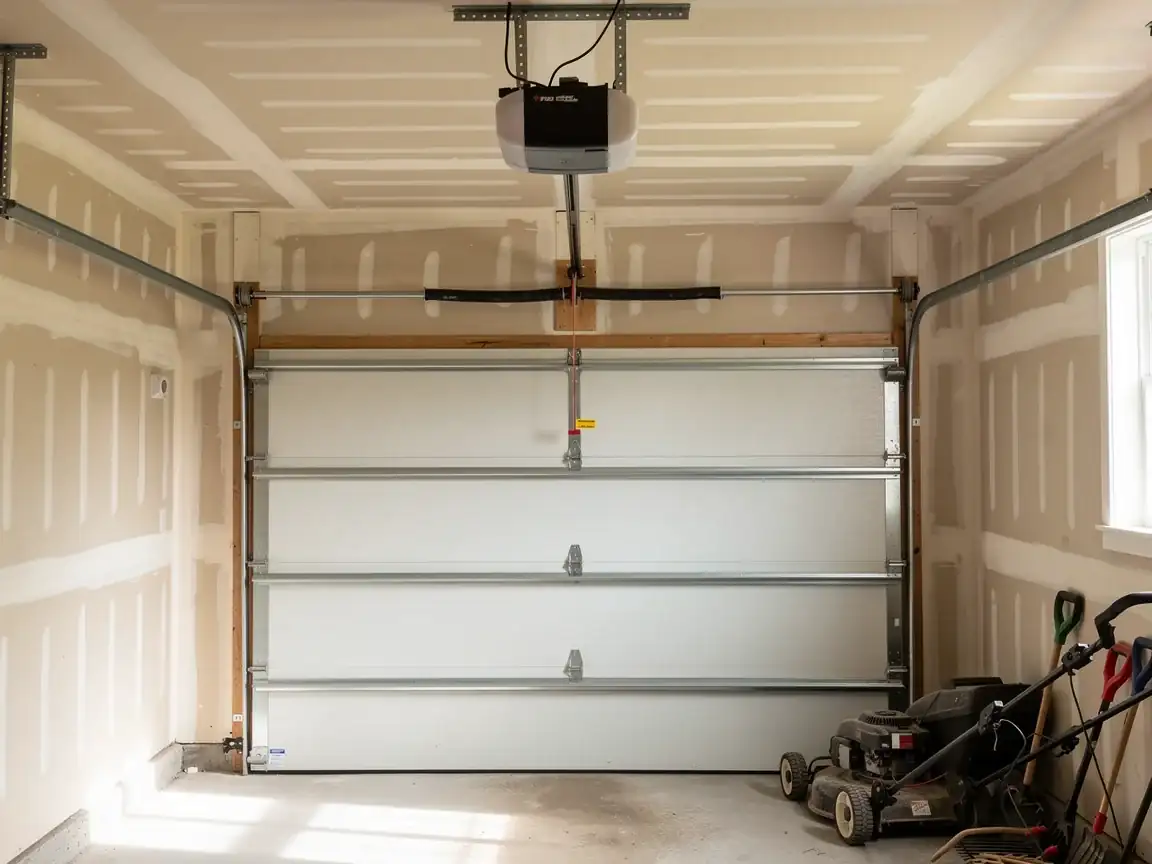
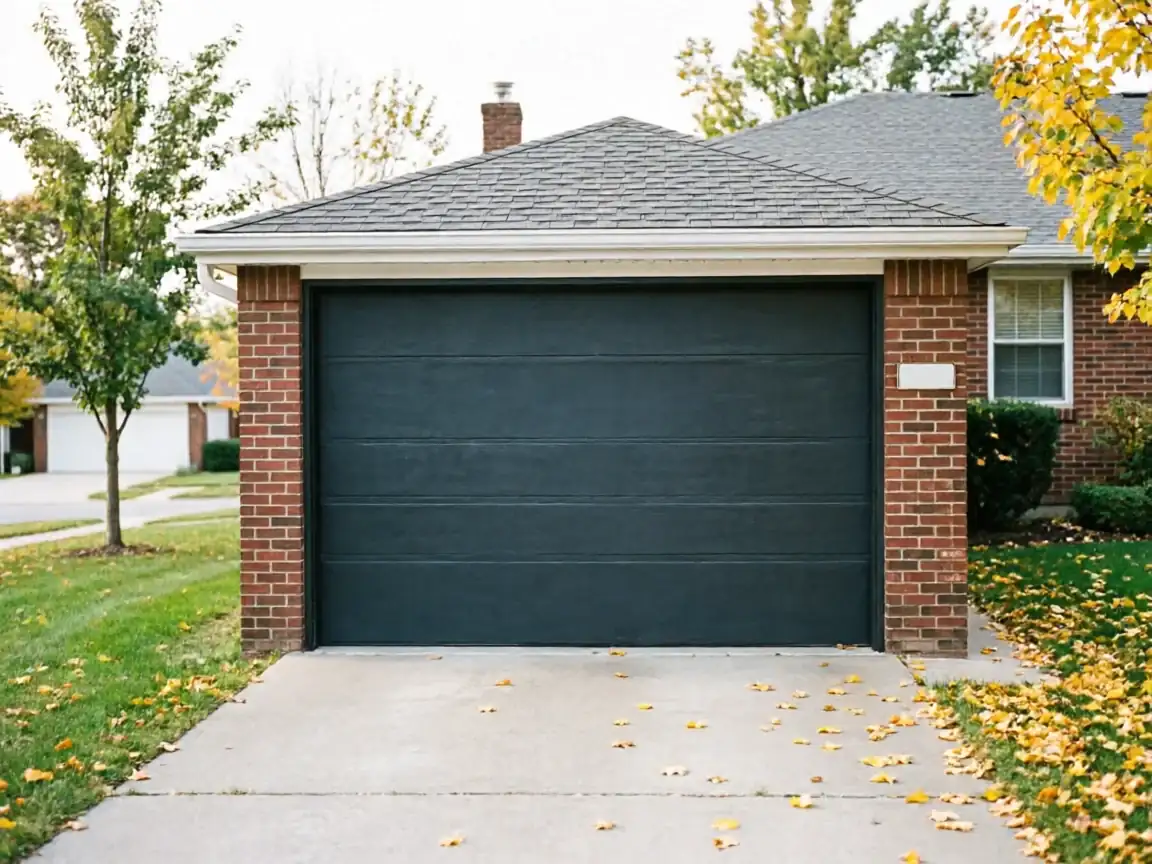
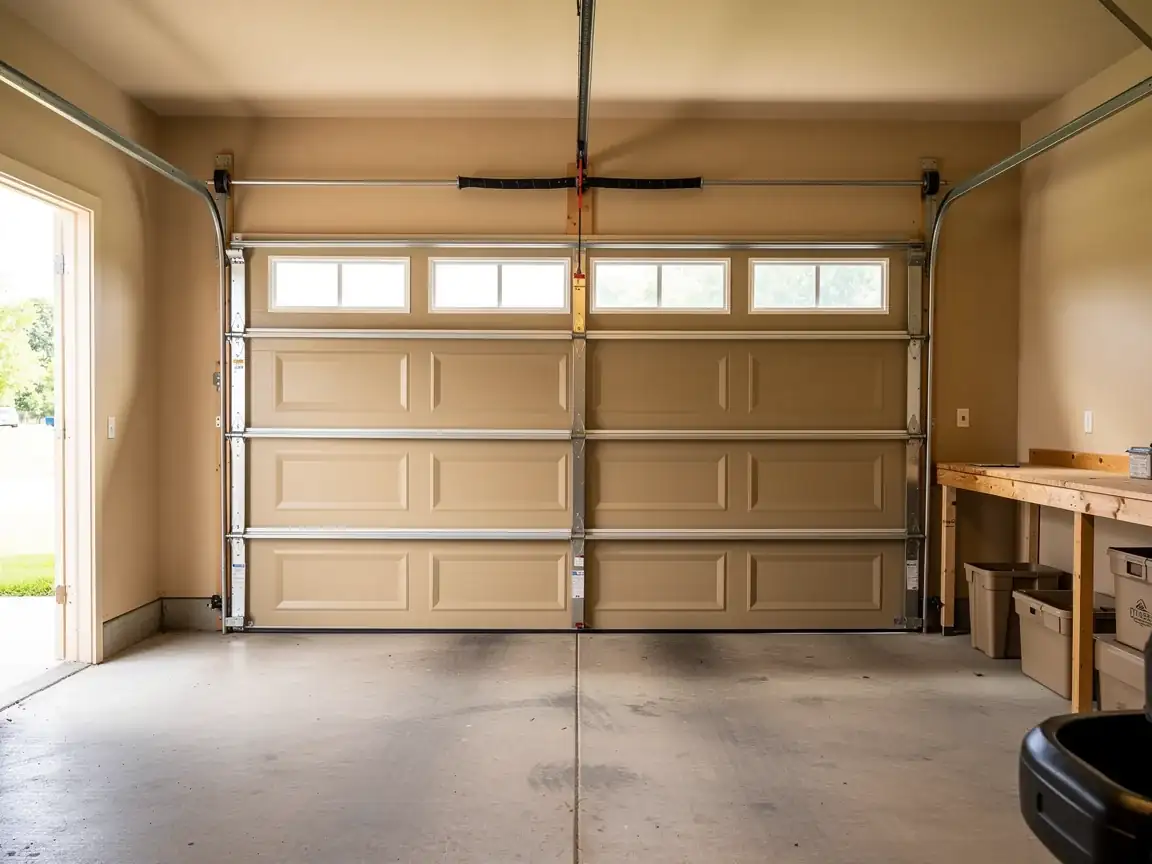
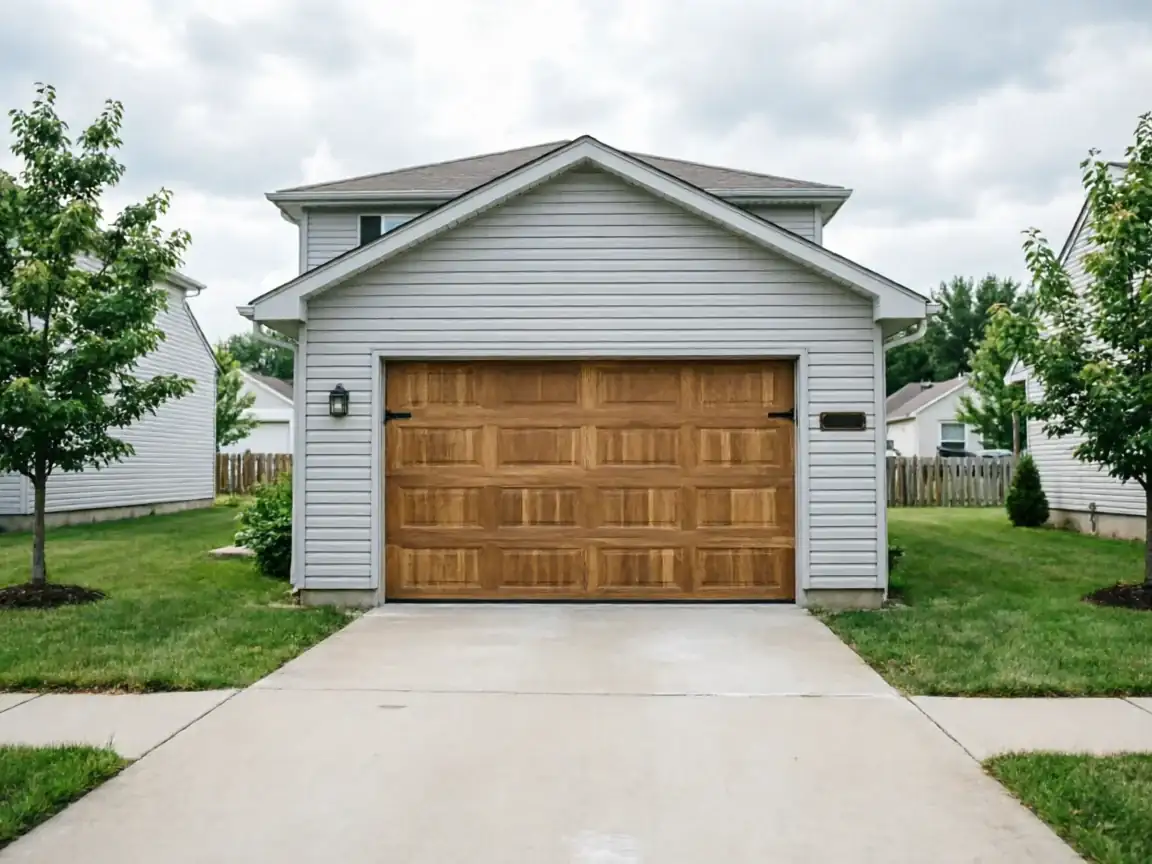
The median year built out here lands around 1988, a good two decades past the 1968 median for the wider service area. That matters for panel work because it means most of these are factory steel sectional doors, not the older wood or hollow one-piece doors you'll find in 1960s neighborhoods. Raised-panel steel, usually in 8' or 9' single widths or 16' doubles, often with a light foam core by the time you get into the late '80s builds.
The fault pattern is different too
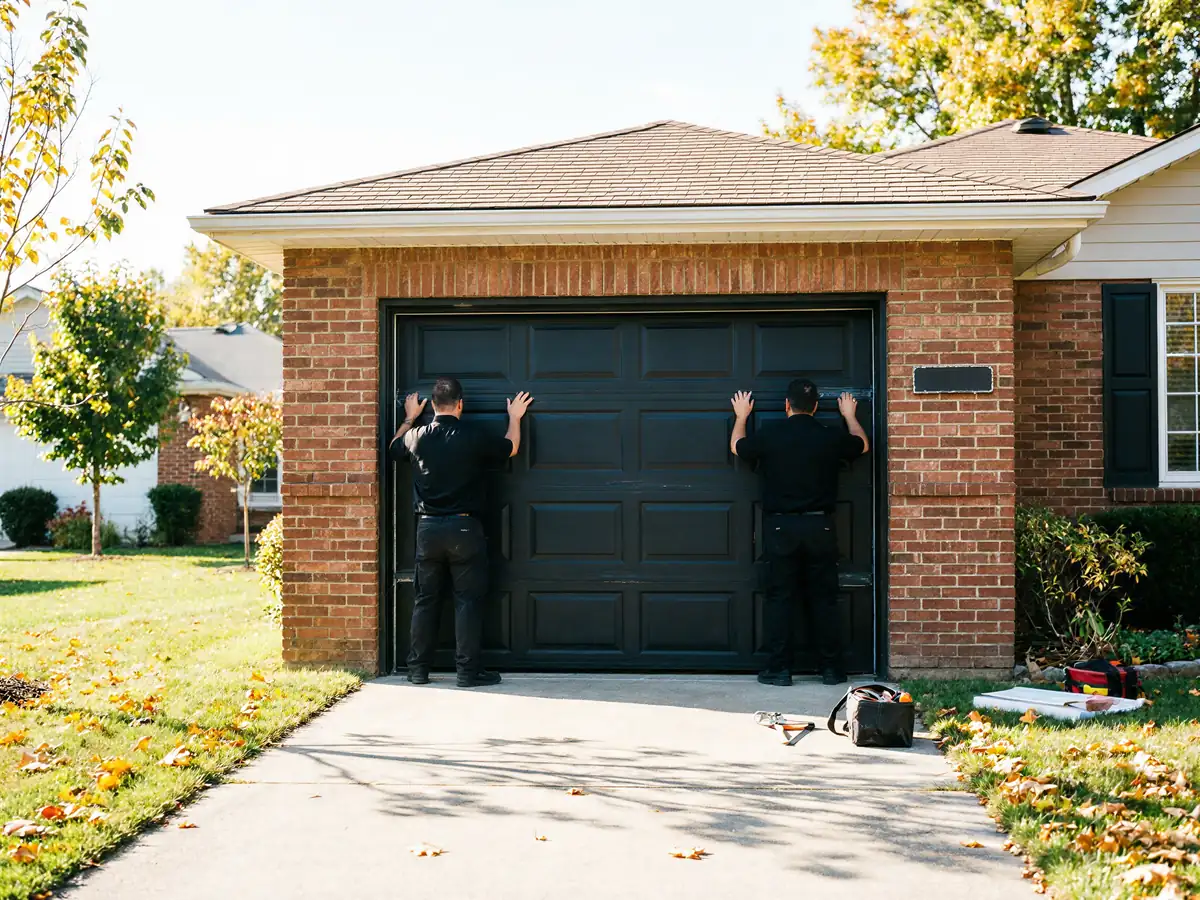
These doors are old enough that the bottom panel has taken thirty-plus winters of road salt, snow-blower spray, and the freeze-thaw cycle that comes with a cold climate zone - that's where you see the rust-through and the dented, buckled steel. What you're usually not seeing is the warped wood or delaminated plywood that shows up on the older stock elsewhere in the territory. It's a steel problem, not a rot problem.
What Is on the Truck
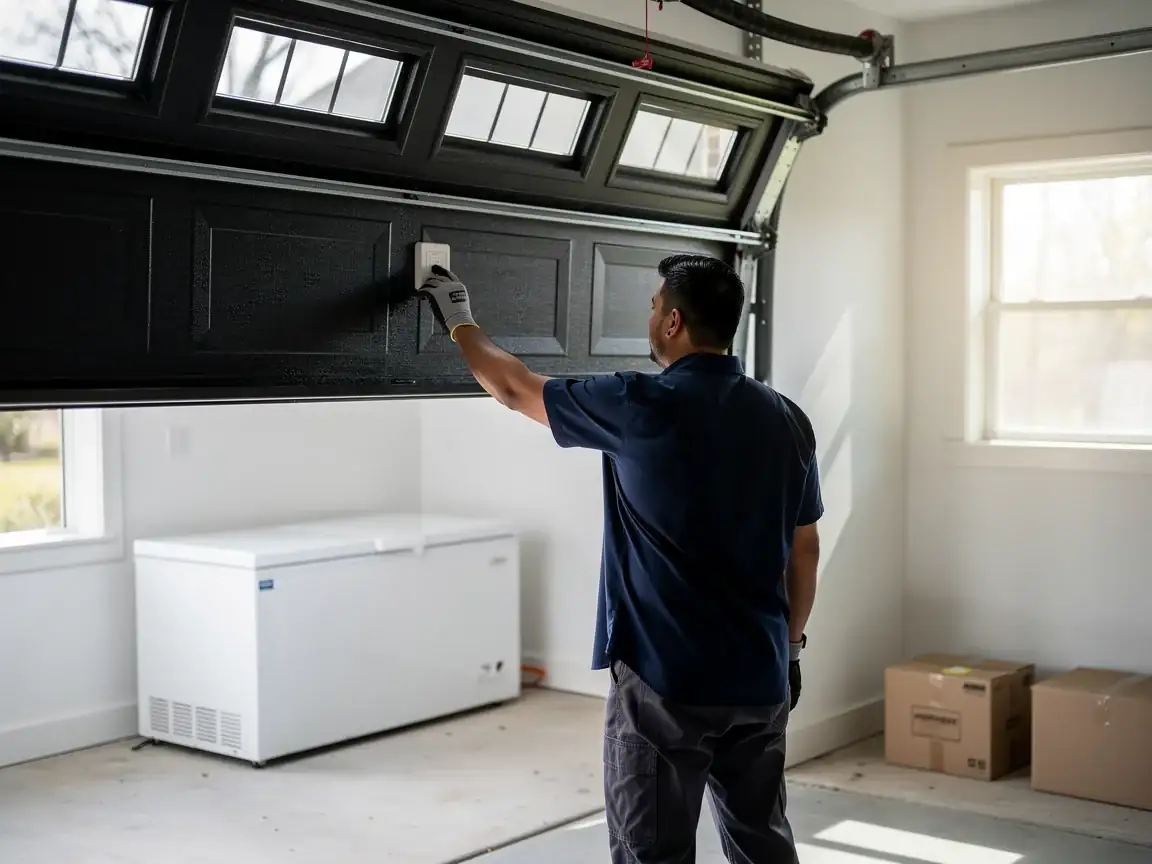
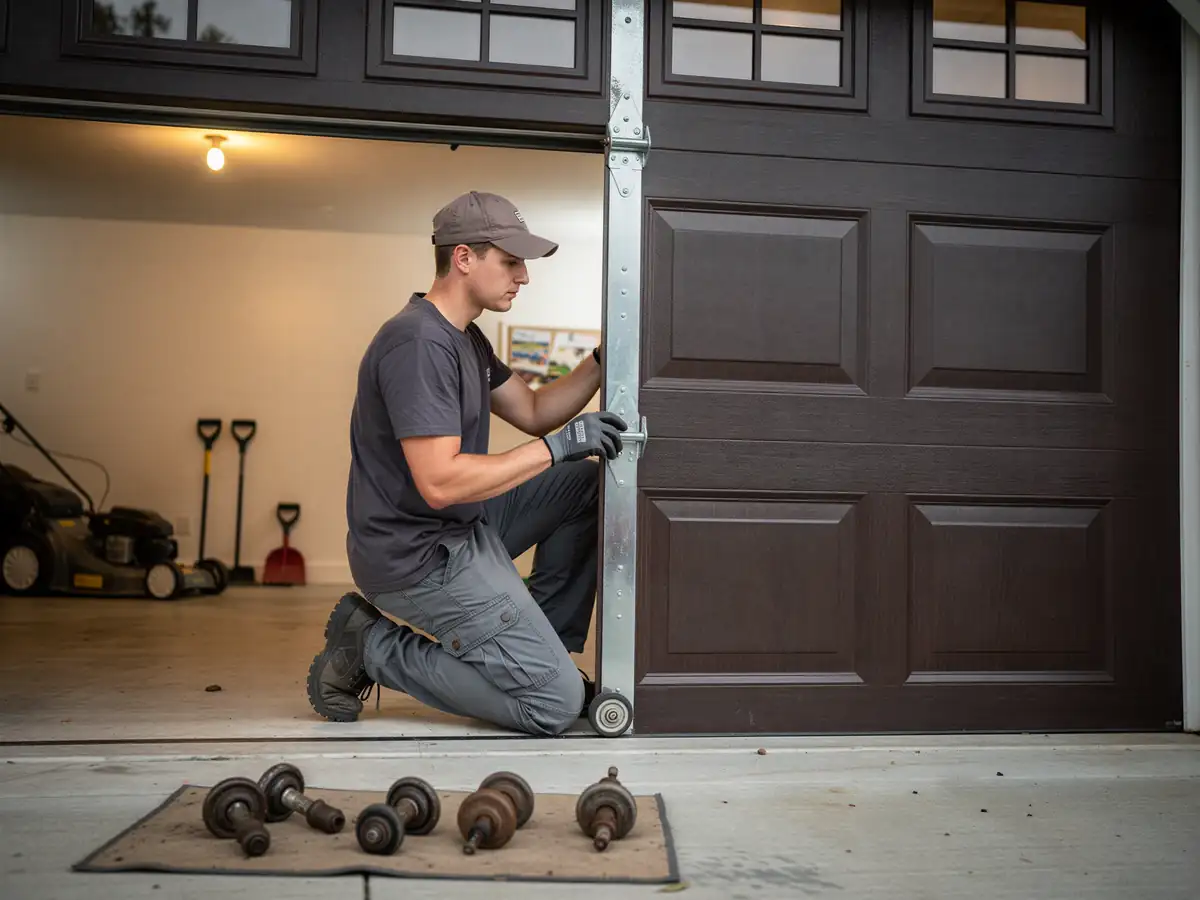
For a door built in the late '80s to mid-90s range, we carry steel sectional panel sections in the common widths - 8', 9', and 16' - along with end stiles and the hinges that tie one section to the next. Matching the embossment pattern (short raised panel vs. long raised panel) matters more here than matching paint, since a lot of these doors have already faded or chalked from UV exposure over three decades.
What we can't always promise is an exact color match. Steel door finishes from this era weren't standardized the way they are now, and a replacement section fresh off the shelf will usually read a shade brighter than panels that have sat in the sun since the Reagan administration. We'll tell you up front if that's going to be visible before we start, not after.
What It Costs
We don't quote panel replacement sight unseen, because the price swings on a few things specific to a door this age: whether the track and hinges are still true or need adjustment at the same time, whether the section is a common width we stock or something we have to special-order, and whether one panel did the damage or the impact knocked the whole run out of square.
Household income in Coal Valley runs well above the service-area median - over $104,000 versus roughly $70,000 across the wider territory - and we mention that only because it's the reason we see more straight panel-for-panel swaps out here rather than homeowners limping along with a bent section for another five years. A clean single-panel job is almost always cheaper than a full door, but if the door's already near the end of its service life, we'll say so instead of selling you a patch on a door that needs replacing anyway.
What Can Go Wrong
The most common surprise on a door this age is that the replacement section doesn't sit flush because the track itself has shifted over 30+ years of settling and seasonal ground movement - common in this cold-climate region where frost heave is a real thing under a slab
You can bolt in a brand-new panel and still end up with a door that binds or rubs, because the problem was never the panel.
End stiles are another one
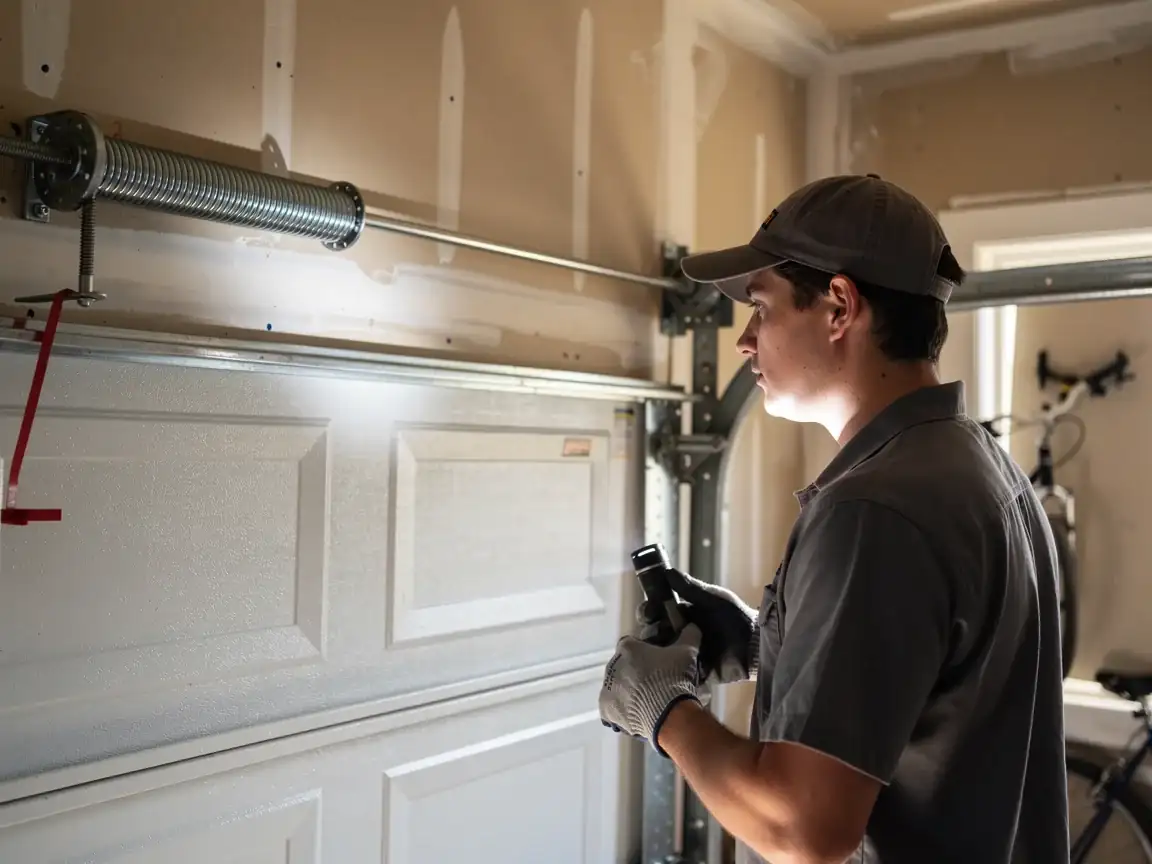
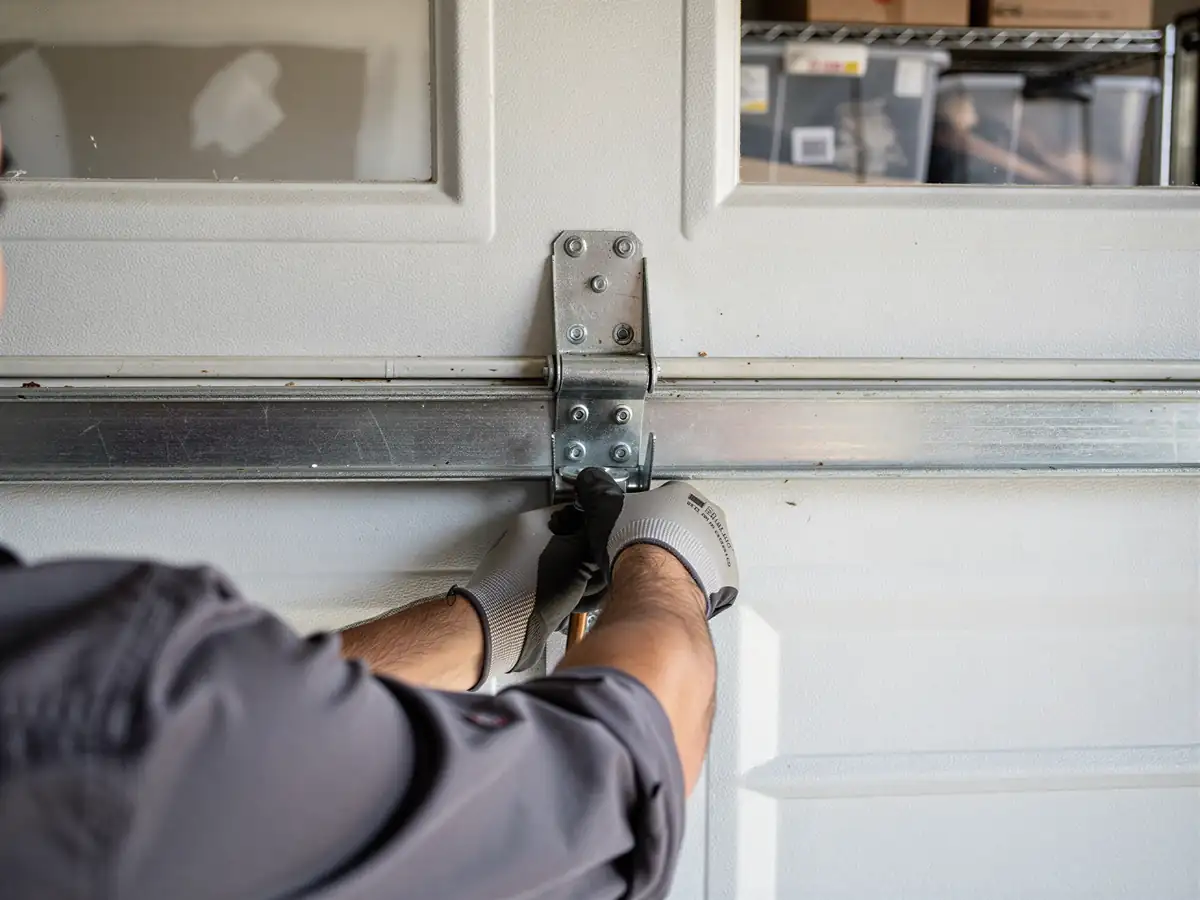
On steel doors from this era, the stile that the hinge bolts into is often the first thing to tear out from corrosion, even when the panel face still looks fine. Replace the panel and leave a compromised stile in place, and you're back out here in a year. We check both before we call the job done.
Doing It Yourself
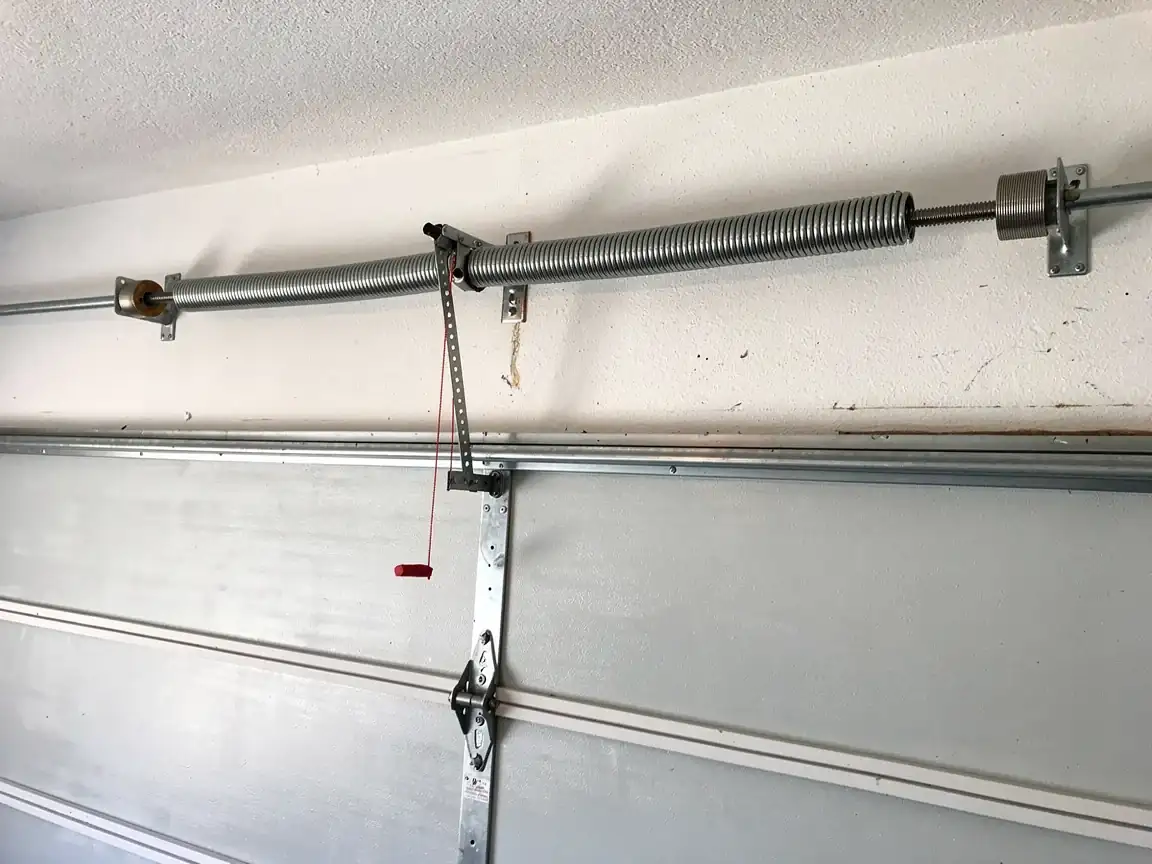
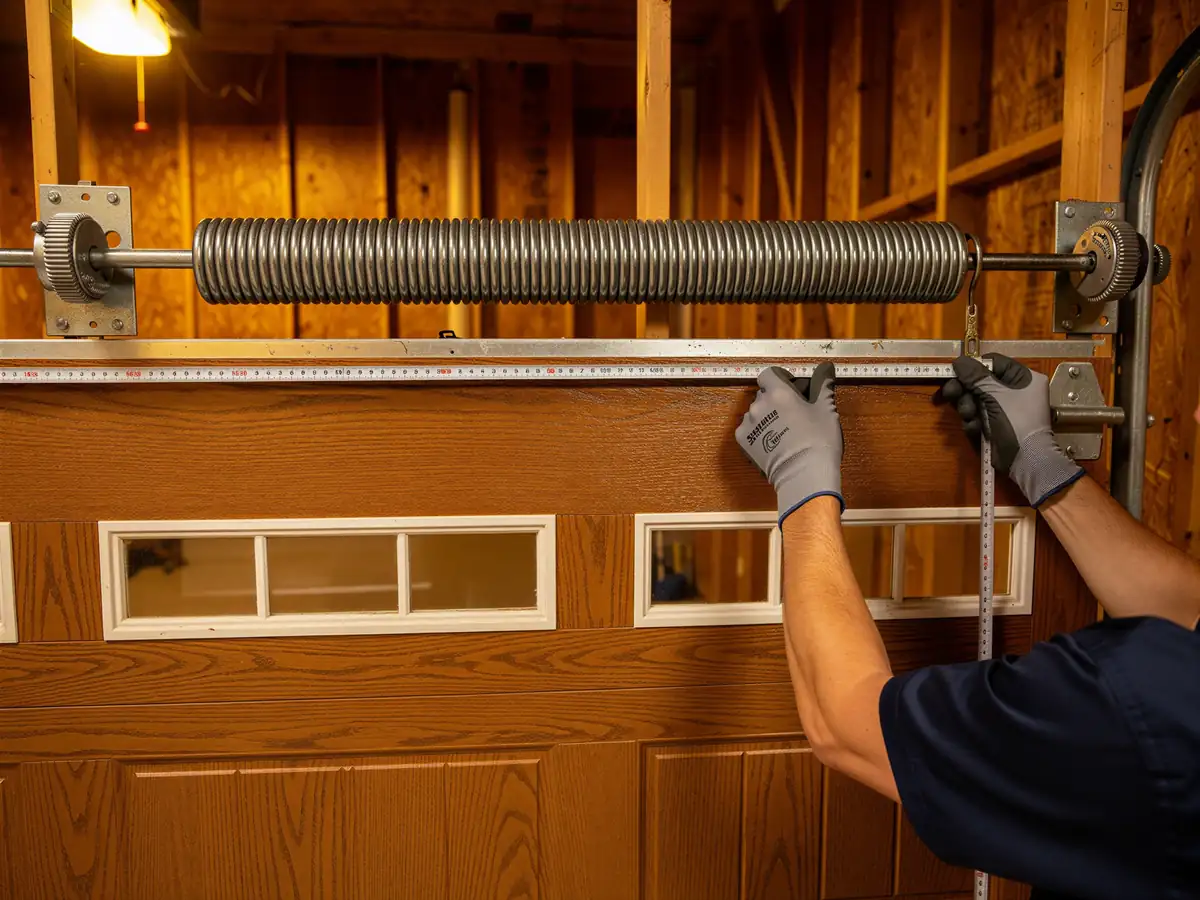
A single cosmetic panel with no structural damage, on a door that's otherwise tracking straight, is something a reasonably handy homeowner can swap without us. The honest limitation: if the door has a torsion spring under tension and you've never released one, that's not the place to learn. We've seen enough half-finished jobs where someone got the new panel in and then couldn't get the door back on track to say it plainly - once you're touching hinges near the bottom roller bracket or the spring system, call it in.
How Long It Takes
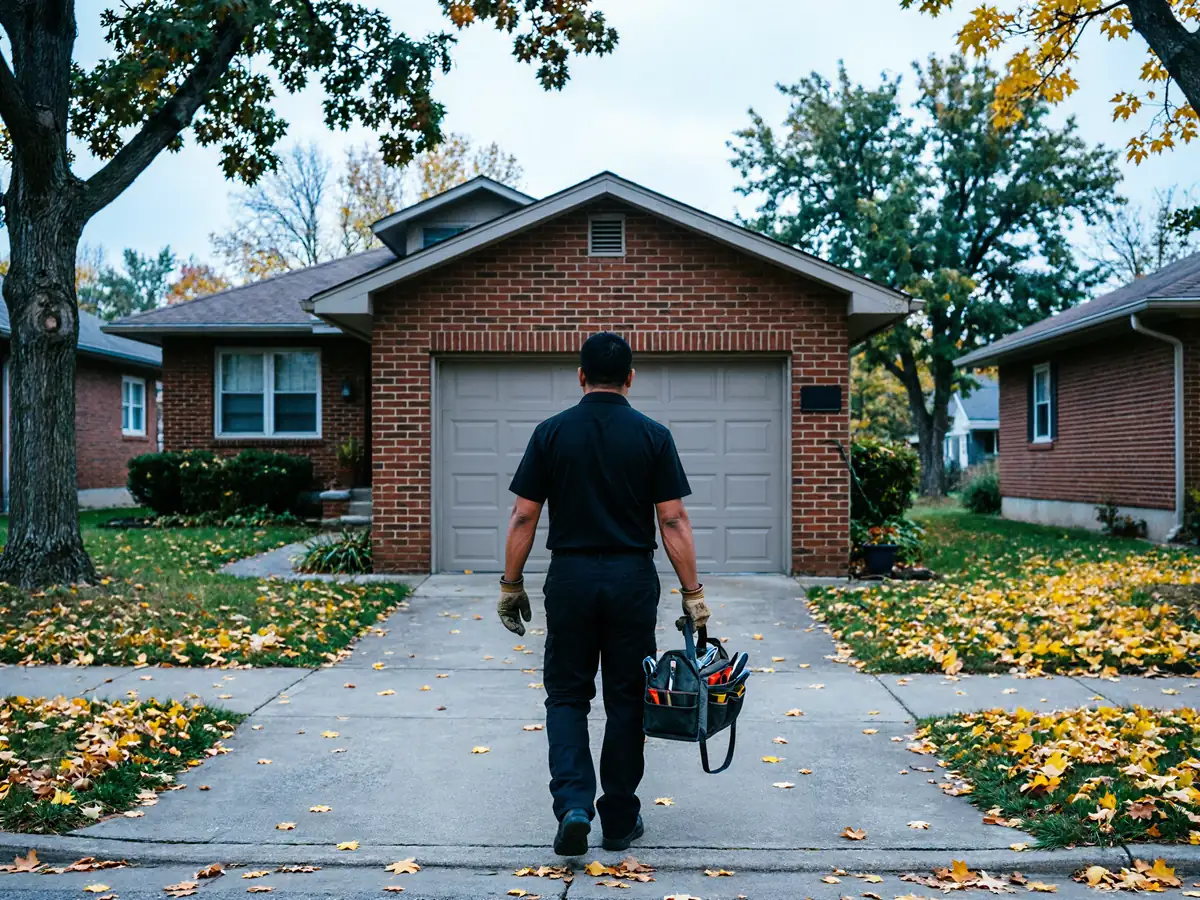
We run out of Moline, about 4 miles from Coal Valley, so travel isn't the long pole on a job like this. The work itself depends on what we find once the old panel's off. A straight swap on a common-width section, with the track already true, is usually a same-visit job. If the stiles are compromised or the section has to be special-ordered because it's an odd width, that adds a wait we'll tell you about before we start, not after we've already pulled the old panel.