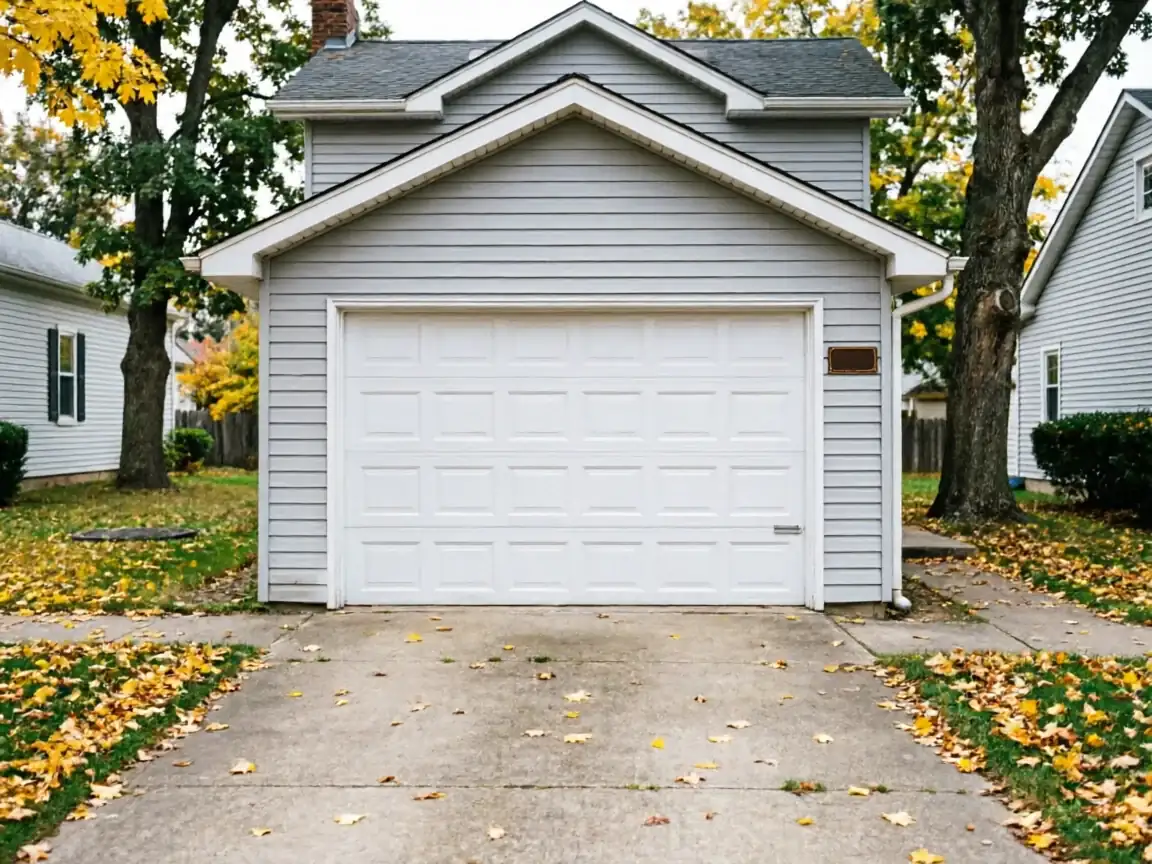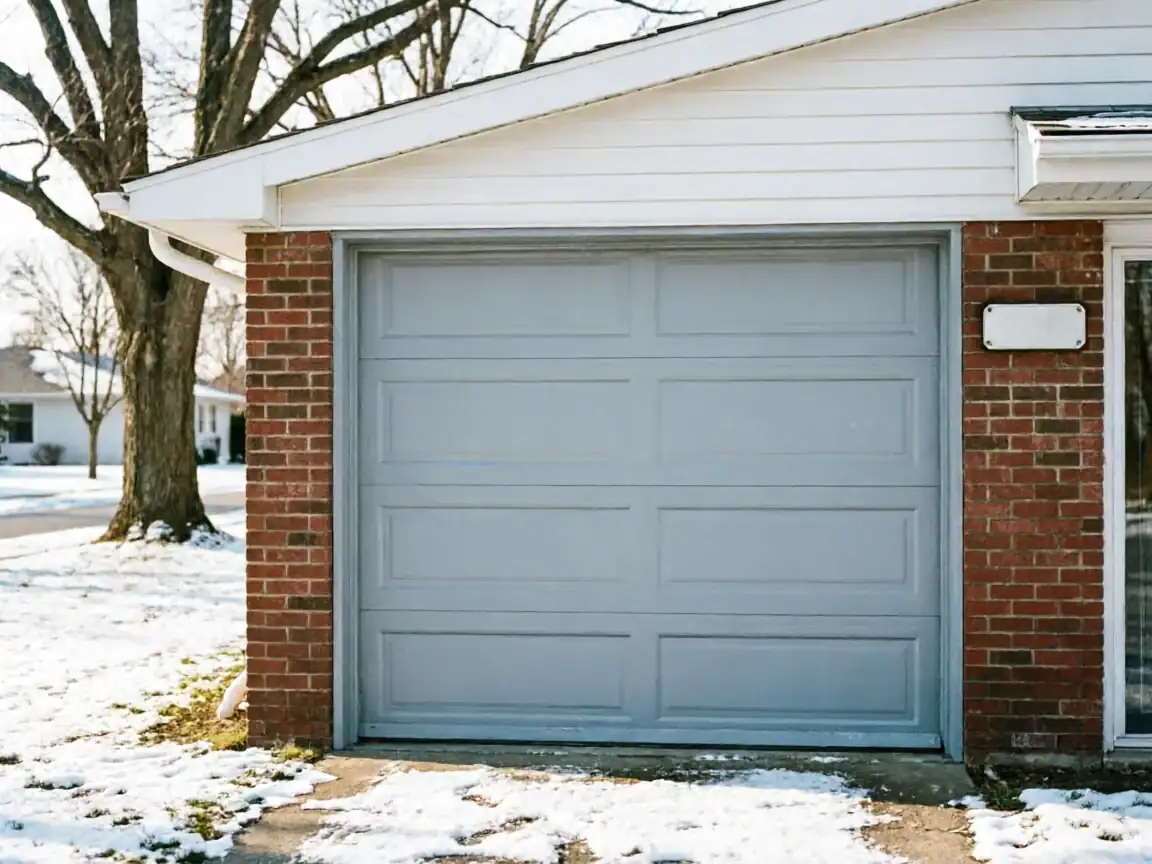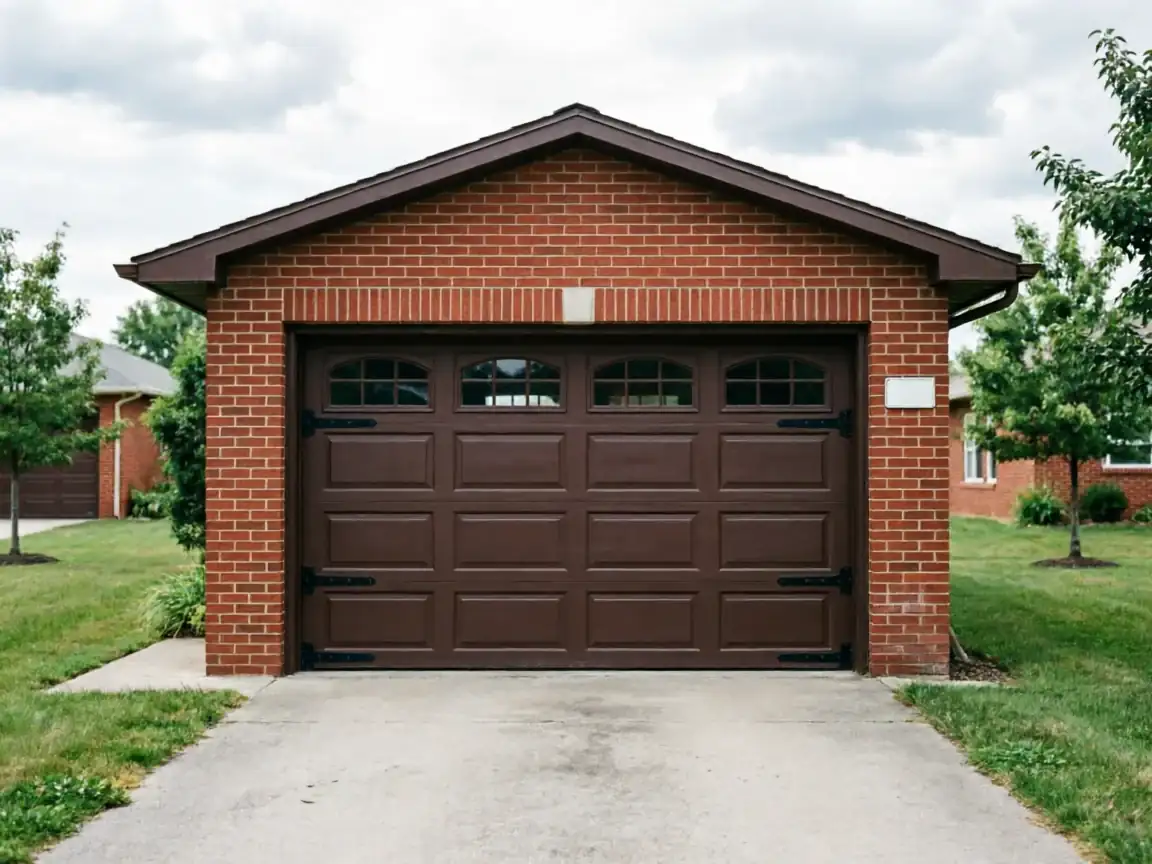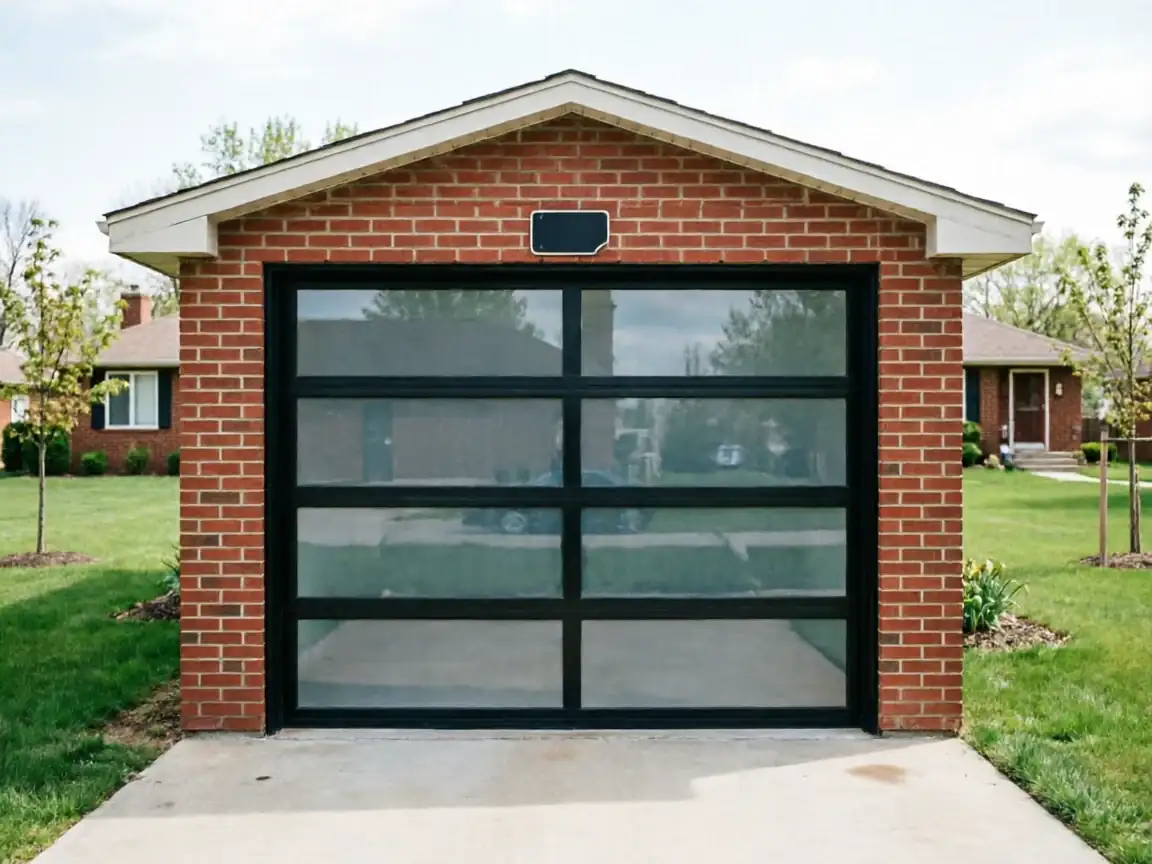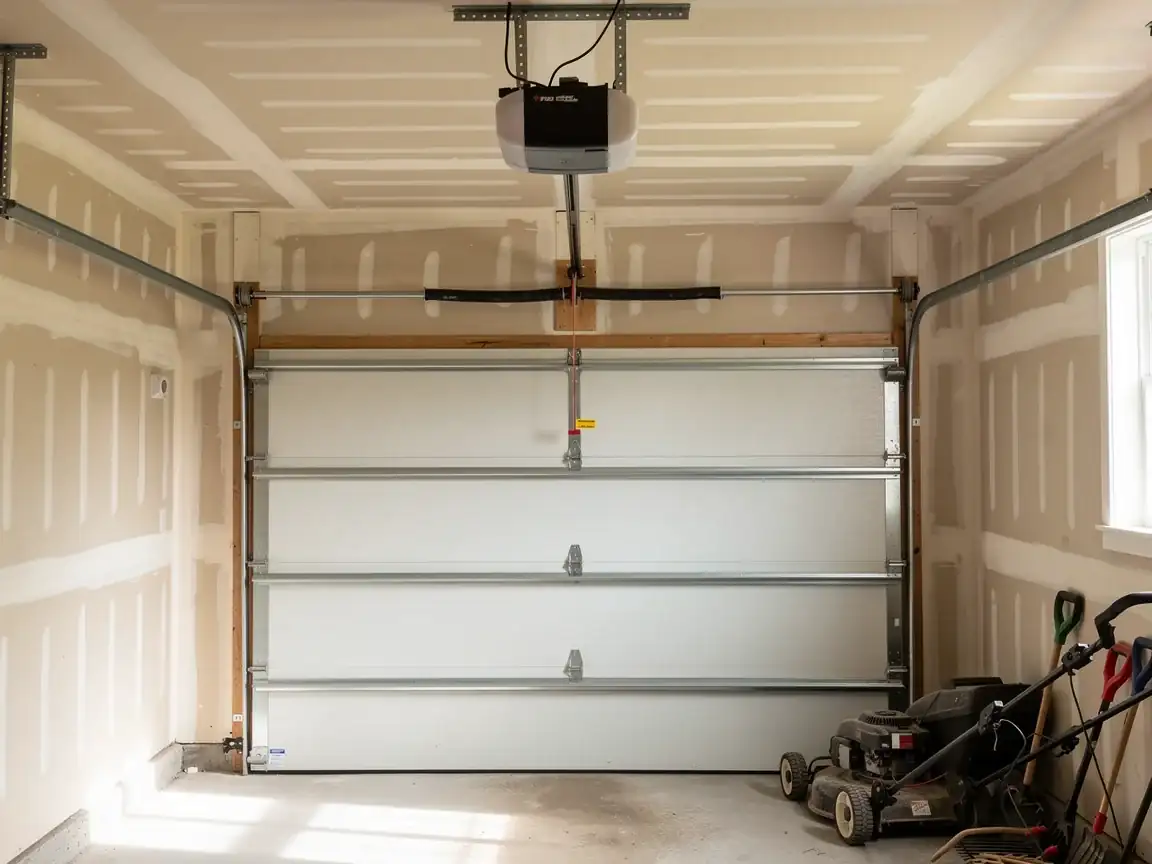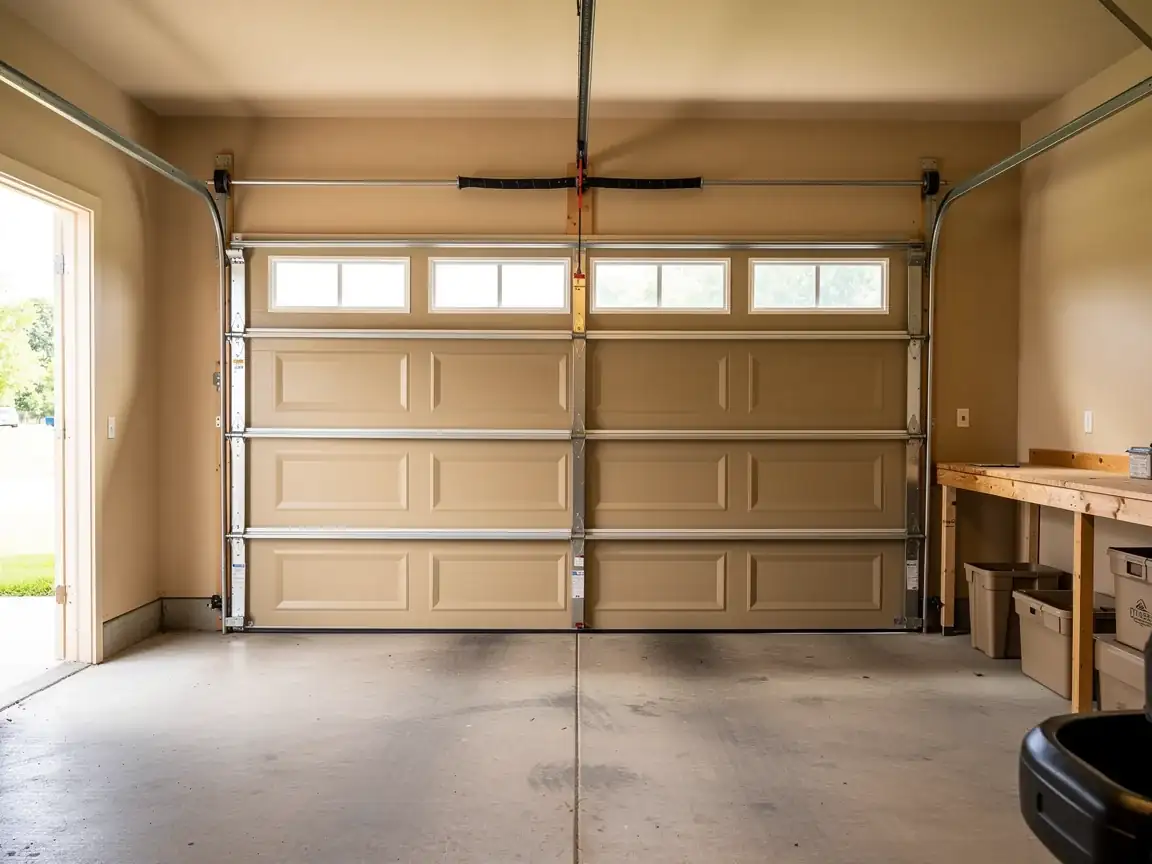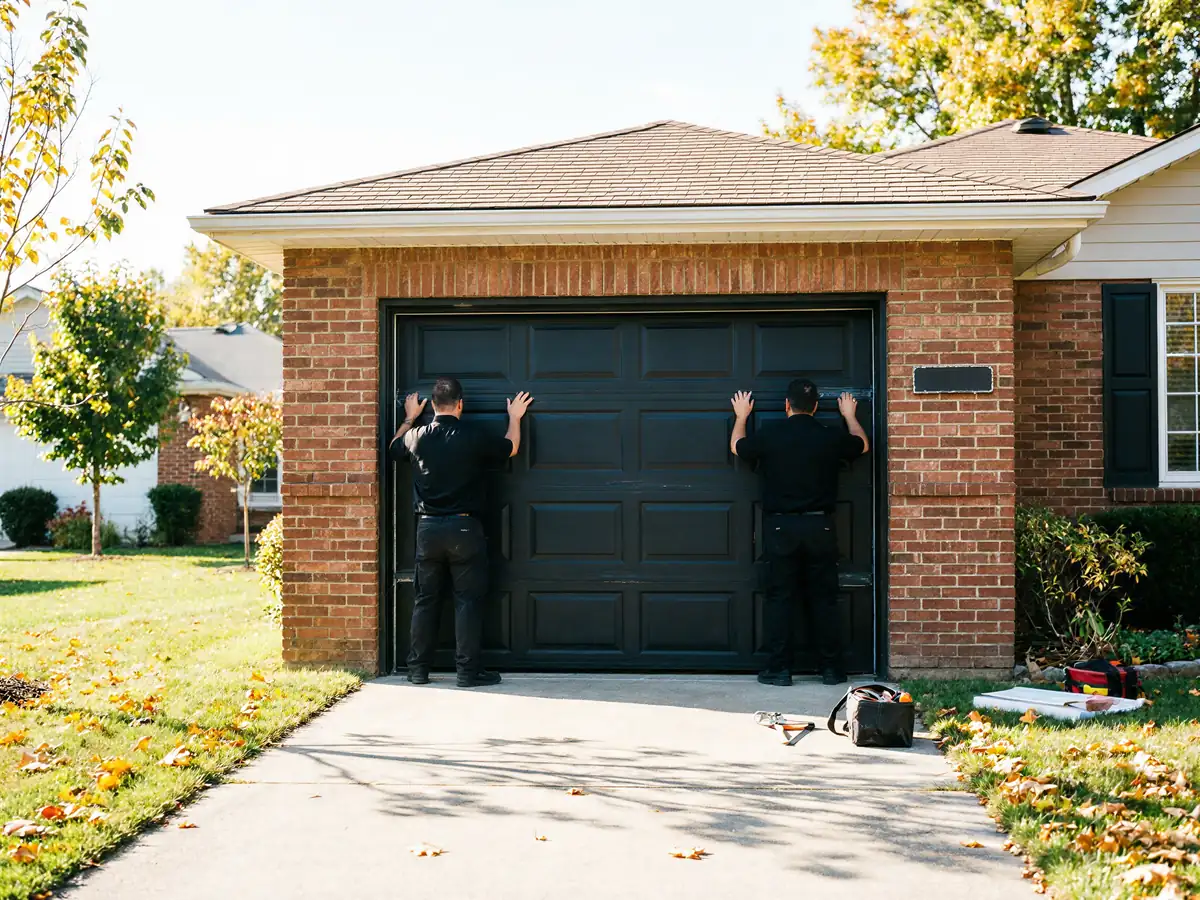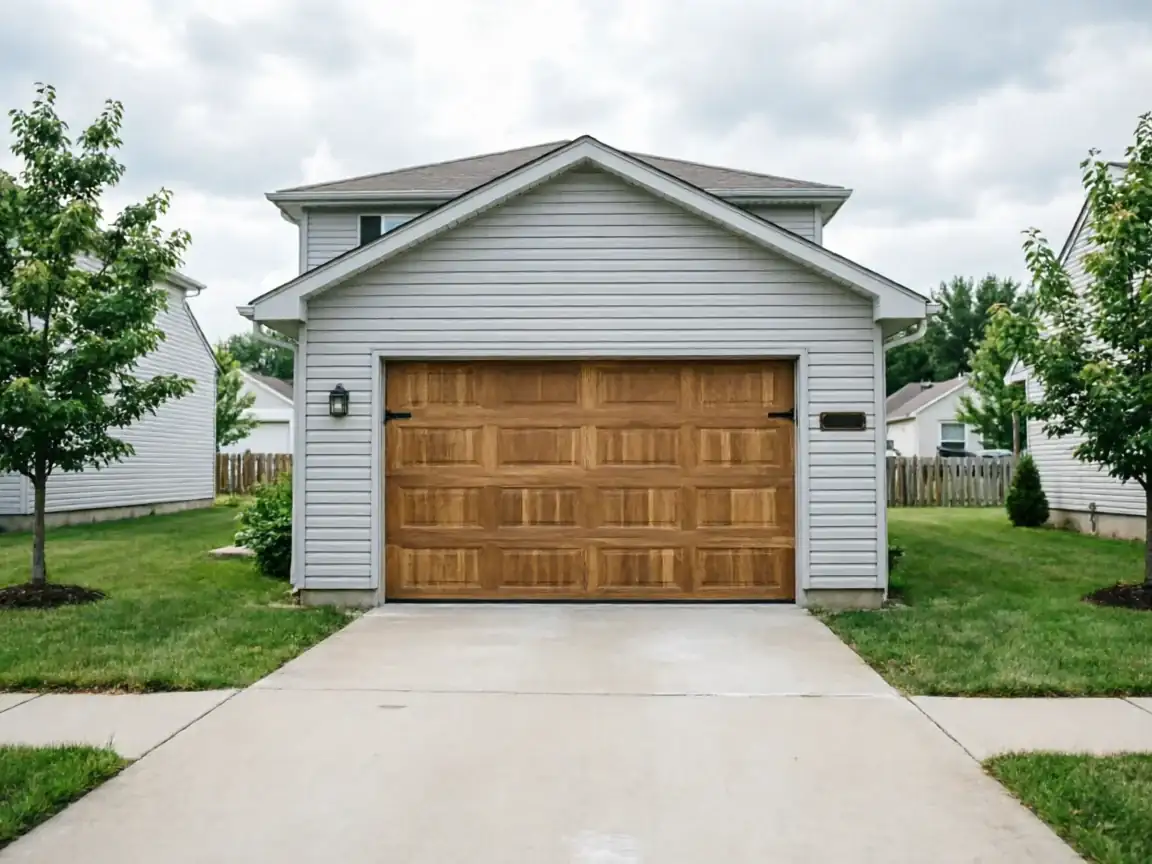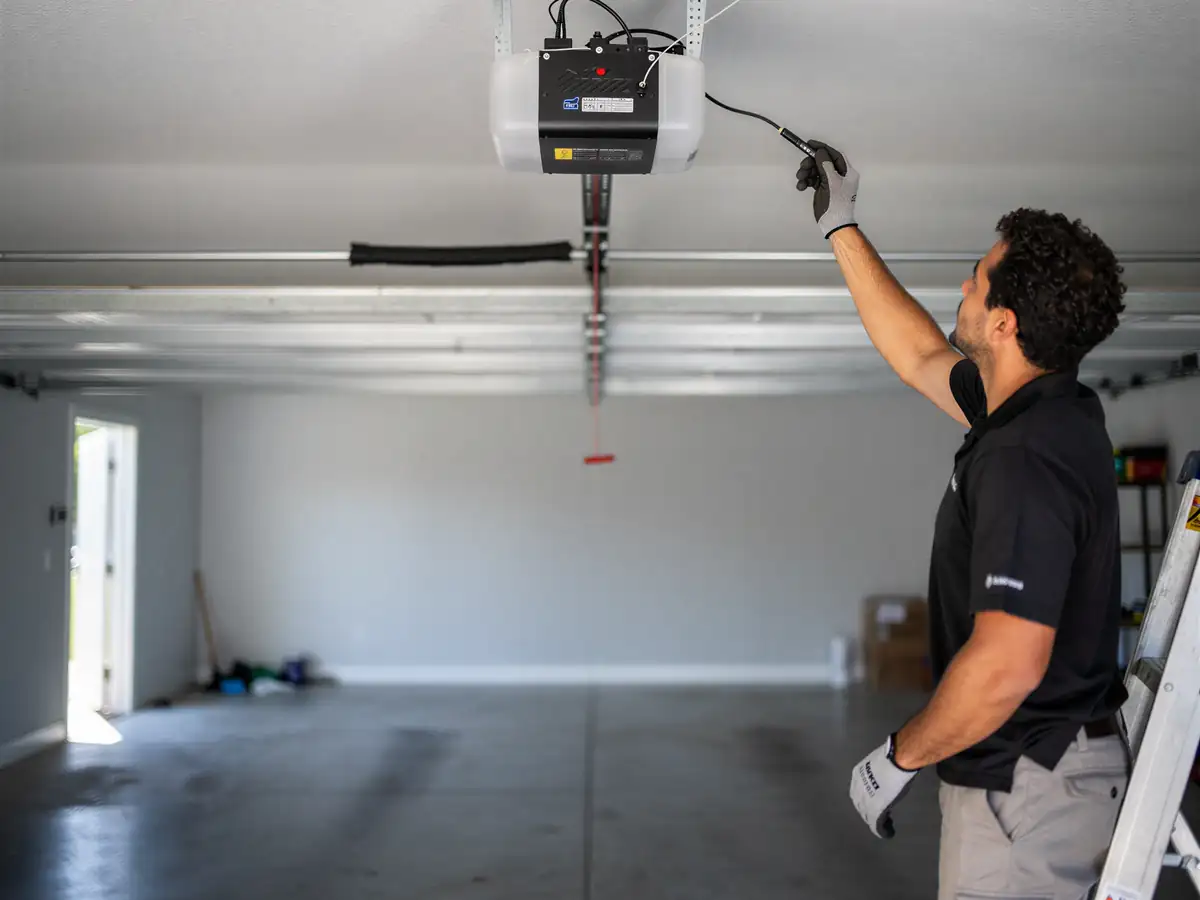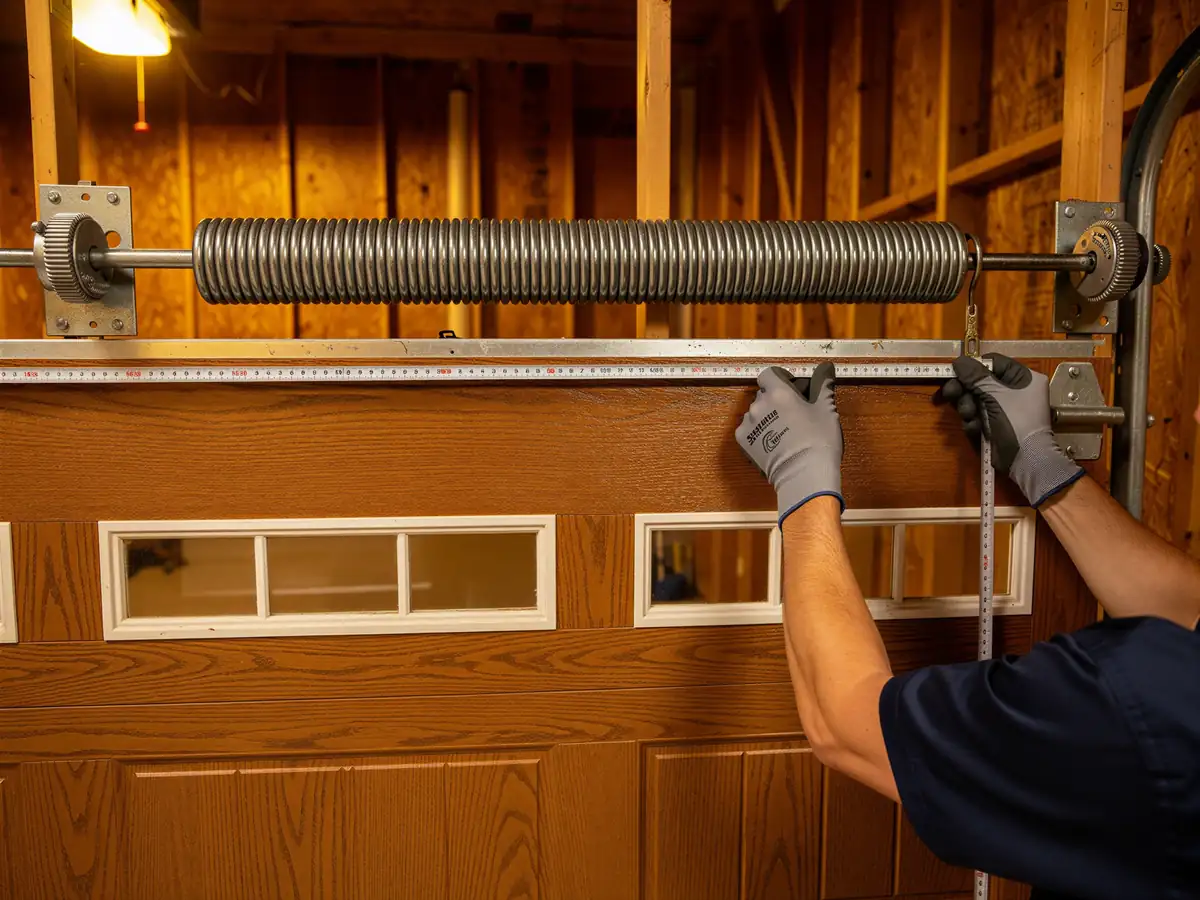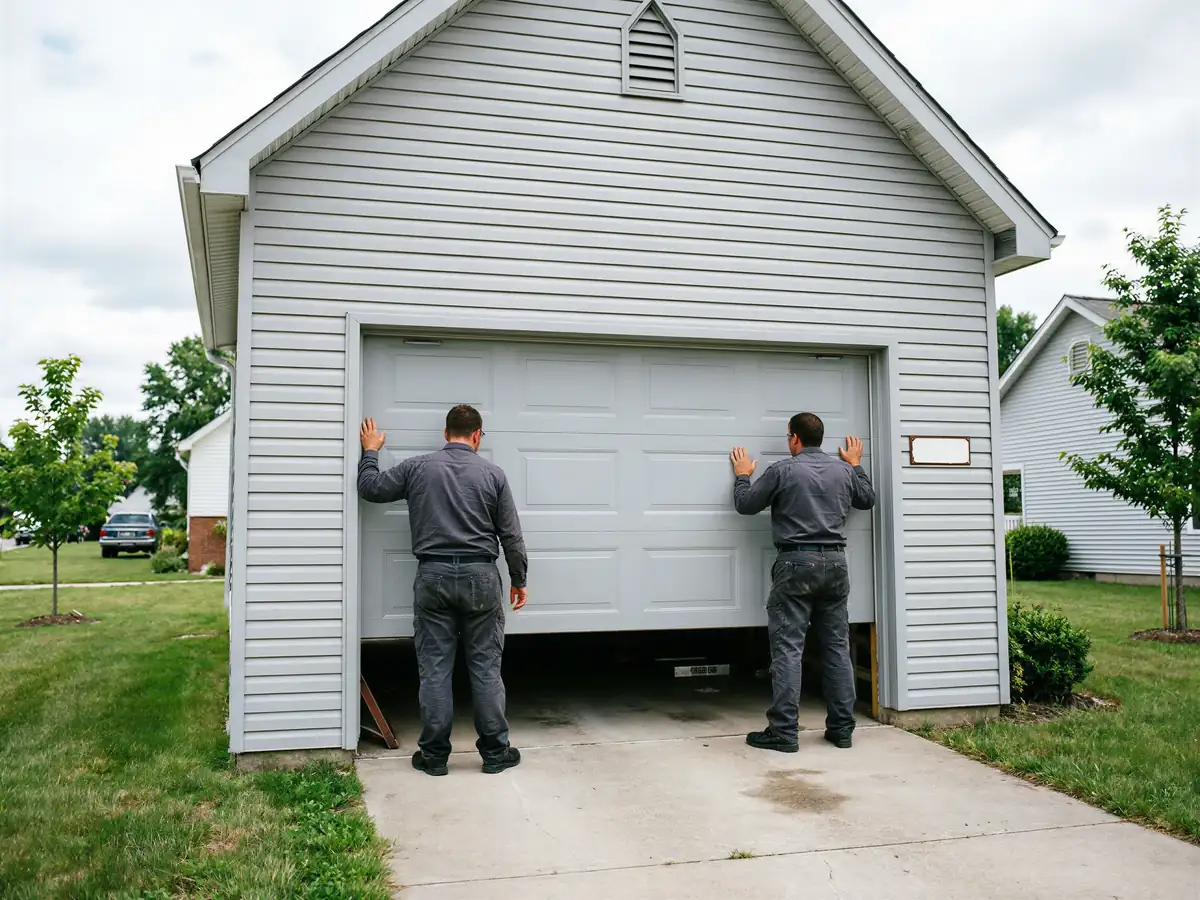
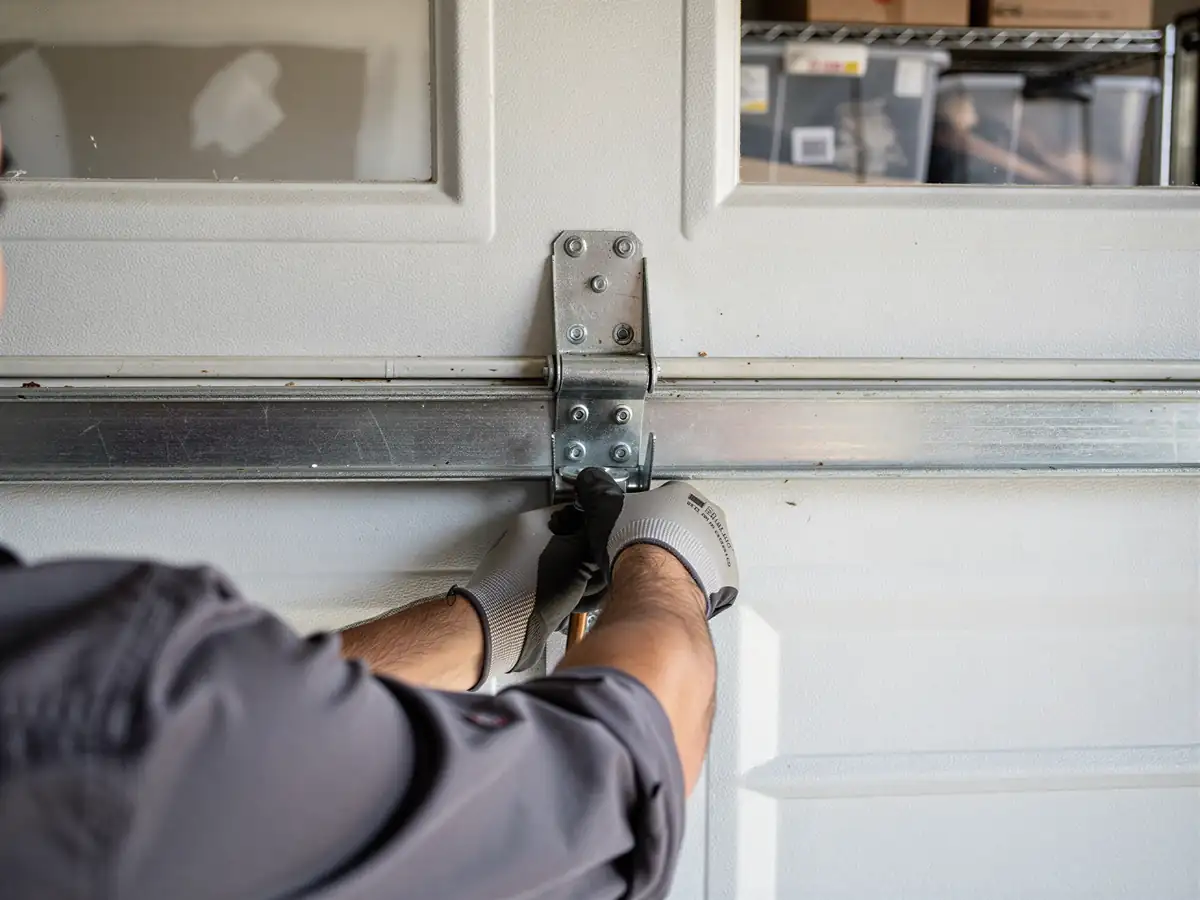
What You Are Seeing
Colona's median household income runs $76,558
Noticeably above the $70,407 median across the wider service area. That number matters more than people think when a garage door starts acting up, because it sets where the repair-or-replace line actually falls. At this income level, replacing a door isn't a stretch the way it can be in lower-income pockets nearby - but it also means a lot of Colona homeowners default to replacing when a repair would have done the job just as well, and cost a fraction as much.
So before you decide which way to go, look at what's actually failing
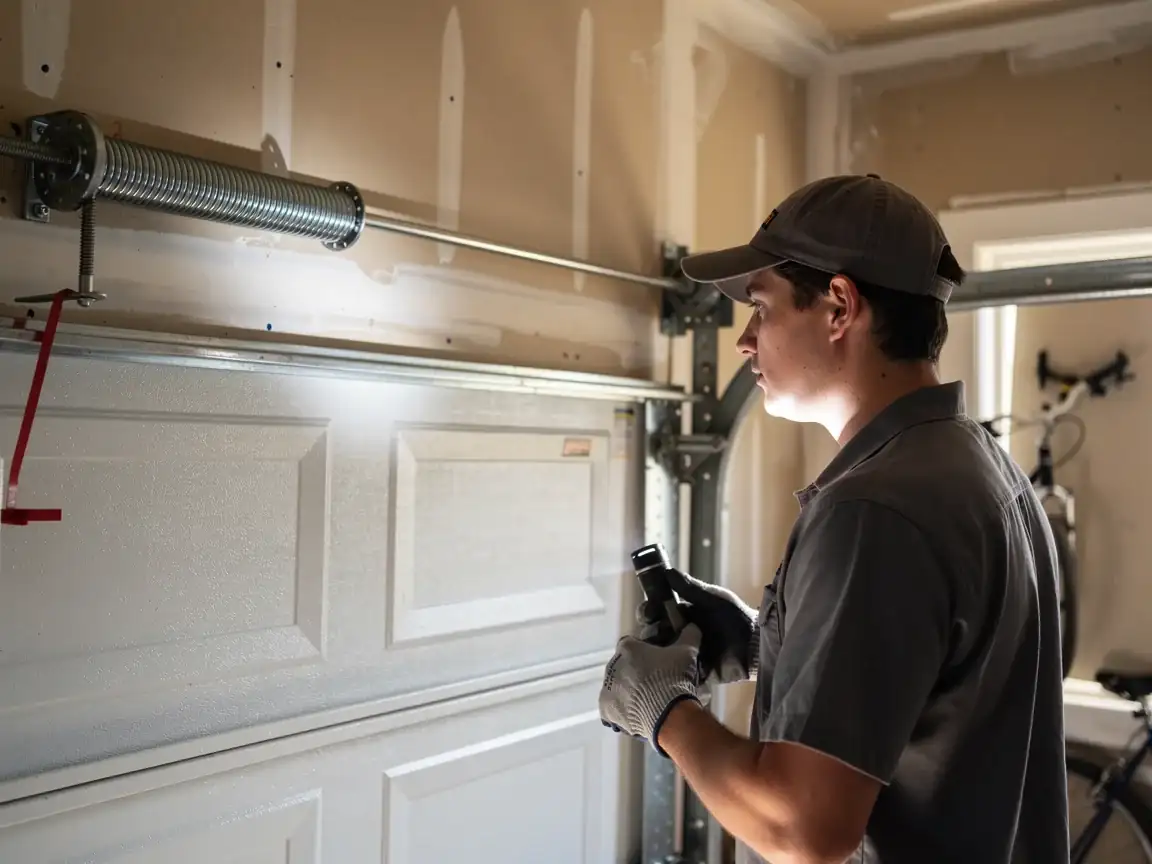
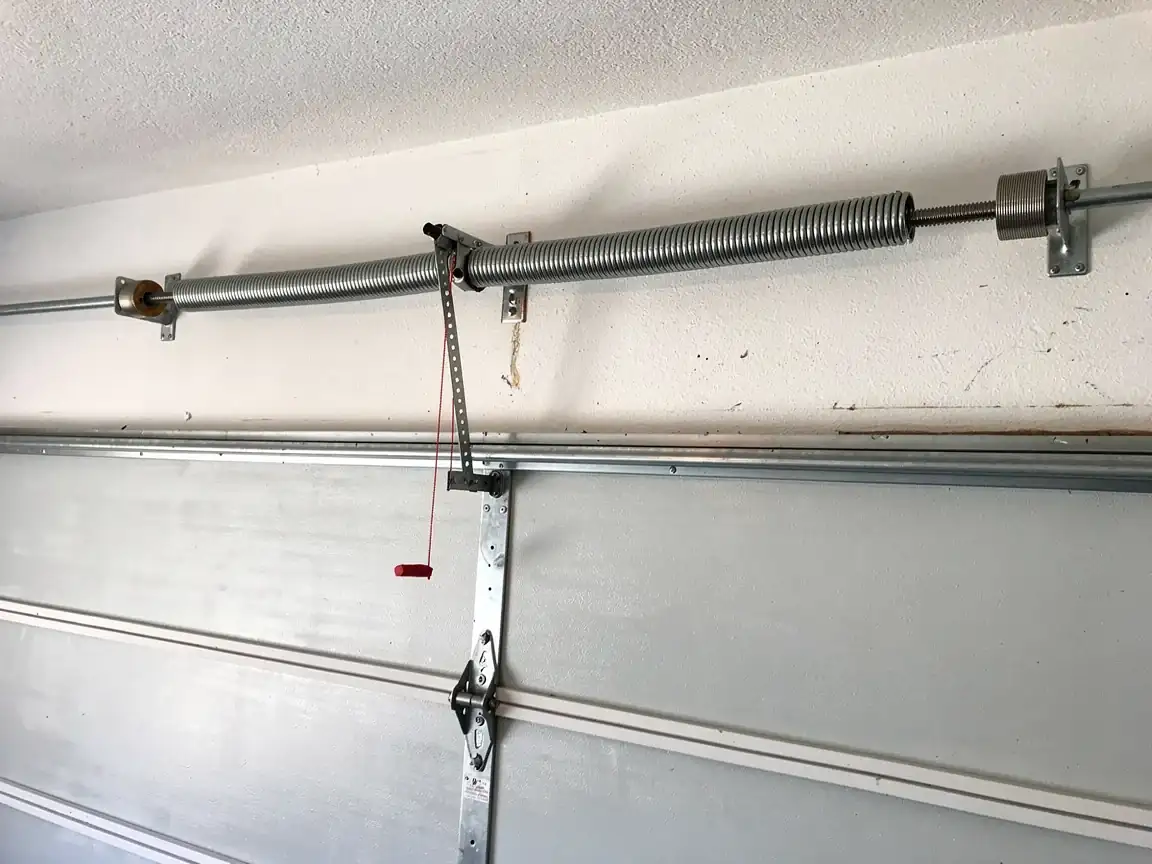
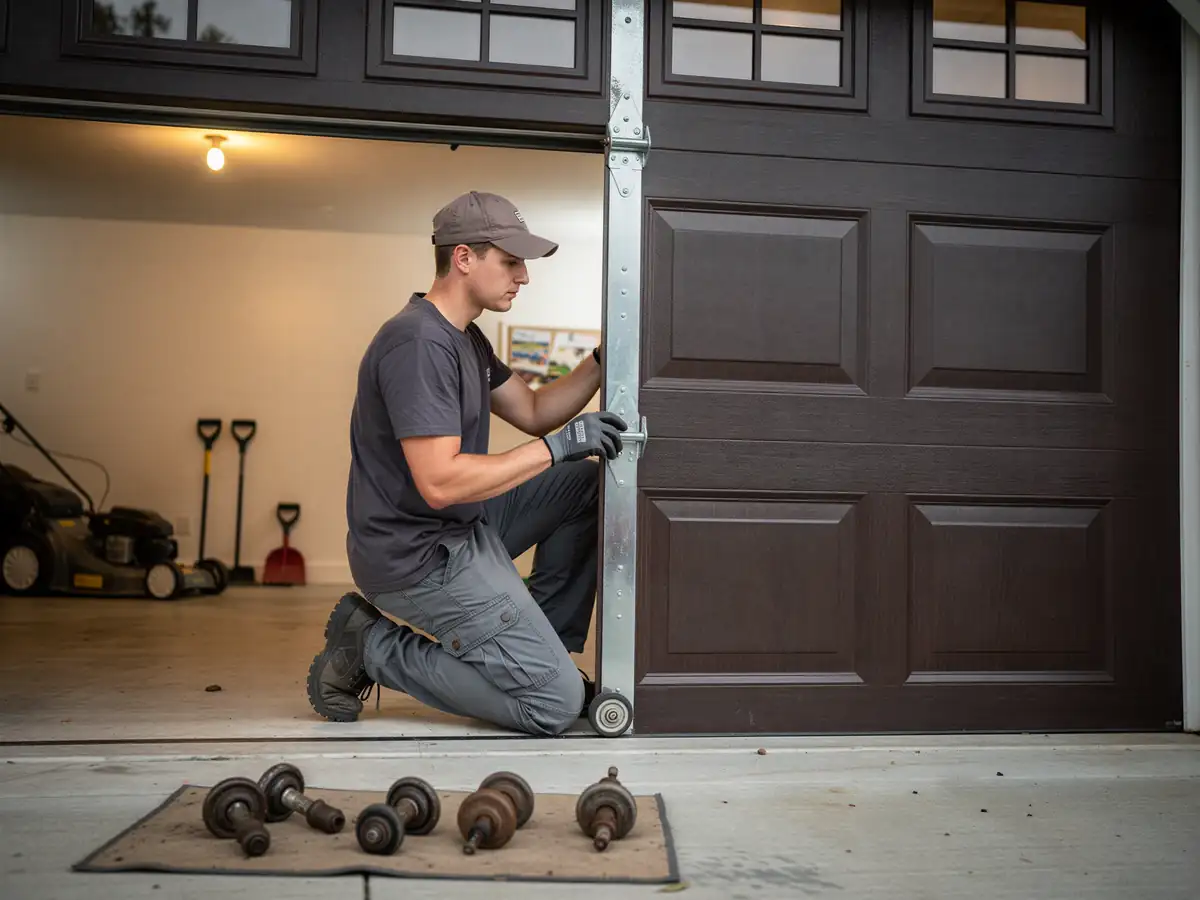
A torsion spring snapped clean, a cable frayed at the drum, a bottom roller that's worn its track groove wide - these are repairs, not reasons to replace a door. A panel that's rusted through at the bottom, or an opener that's seized and discontinued, starts tipping toward replacement. The income headroom here just means you have more room to choose the right answer instead of the cheap one or the easy one.
Why It Happens Here
Housing across the service area mostly went up in the 1960s and '70s, and Colona's own stock centers on 1968 - right in that window. Doors from that era are almost never the insulated steel sandwich panels you see on new construction. They're single-layer steel or, on the older end, wood, hung on hardware that was built to a lighter standard because openers back then pulled less weight and worked less hard.
That combination - an older door, decades of cold-weather cycling - is what actually breaks. The climate here runs cold and moderate, which doesn't sound dramatic, but it means steady freeze-thaw swings every winter that stiffen lubricant, shrink seals, and put extra strain on springs already past their rated cycle count. A torsion spring sized in 1968 was never built to flex for fifty-plus winters. When it finally lets go, it's usually not a surprise to anyone who's heard the door groaning for the last two seasons - just a surprise in timing.
How We Fix It
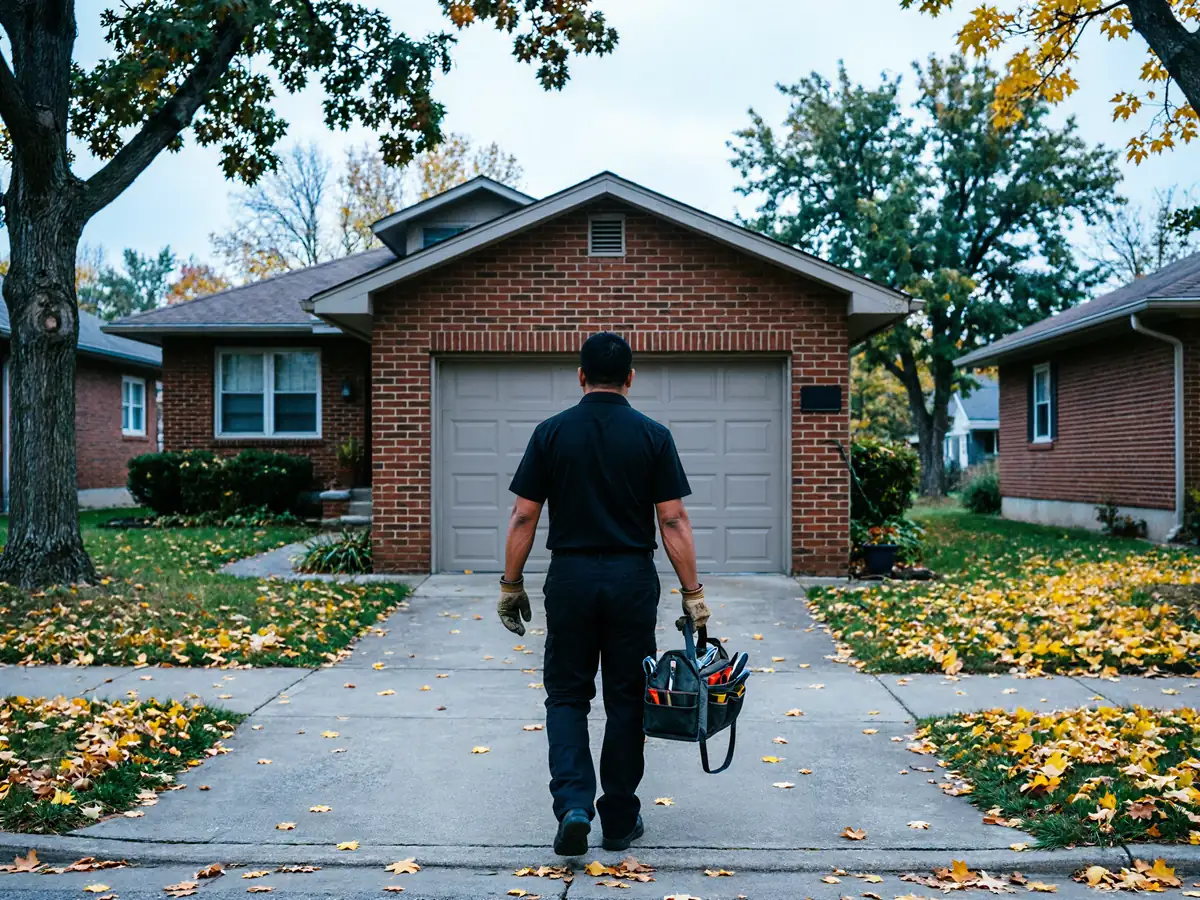
We work from Moline, 8 miles out, so a Colona call isn't a same-block job - we plan the trip, bring the parts we expect to need based on what you describe on the phone, and go from there. Most of what we see on doors from the 1960s-70s stock is springs, cables, rollers, and worn track, and we carry stock sized for that era's hardware, not just whatever fits a new-construction door.
Where we're upfront with people: if your opener is an older model that's been discontinued, we may not be able to get an exact replacement part, and sourcing a compatible board or logic unit can add days to the job. We'll tell you that on the first call, not after we've already quoted you a timeline we can't hit. In those cases the honest move is usually a new opener rather than chasing a part that may not exist anymore, and we'll say so instead of running up a bill trying to fix the unfixable.
Getting It Booked In
Since we're coming from Moline, the more you can tell us up front
What the door is doing, roughly how old it is, whether it's a single or double - the less time we spend diagnosing on-site and the more we spend fixing. If you know it's original to a house built in the late '60s, say so; that alone tells us what hardware to expect before the truck leaves.
We don't keep a branch or staff on standby in Colona itself
What we have is a service route that includes it, and we book the trip around what the job needs. If it's a snapped spring on a double door, that's usually a straightforward same-visit fix. If it's a dead opener board on a unit that's been out of production for years, we'll tell you that before you commit to anything.