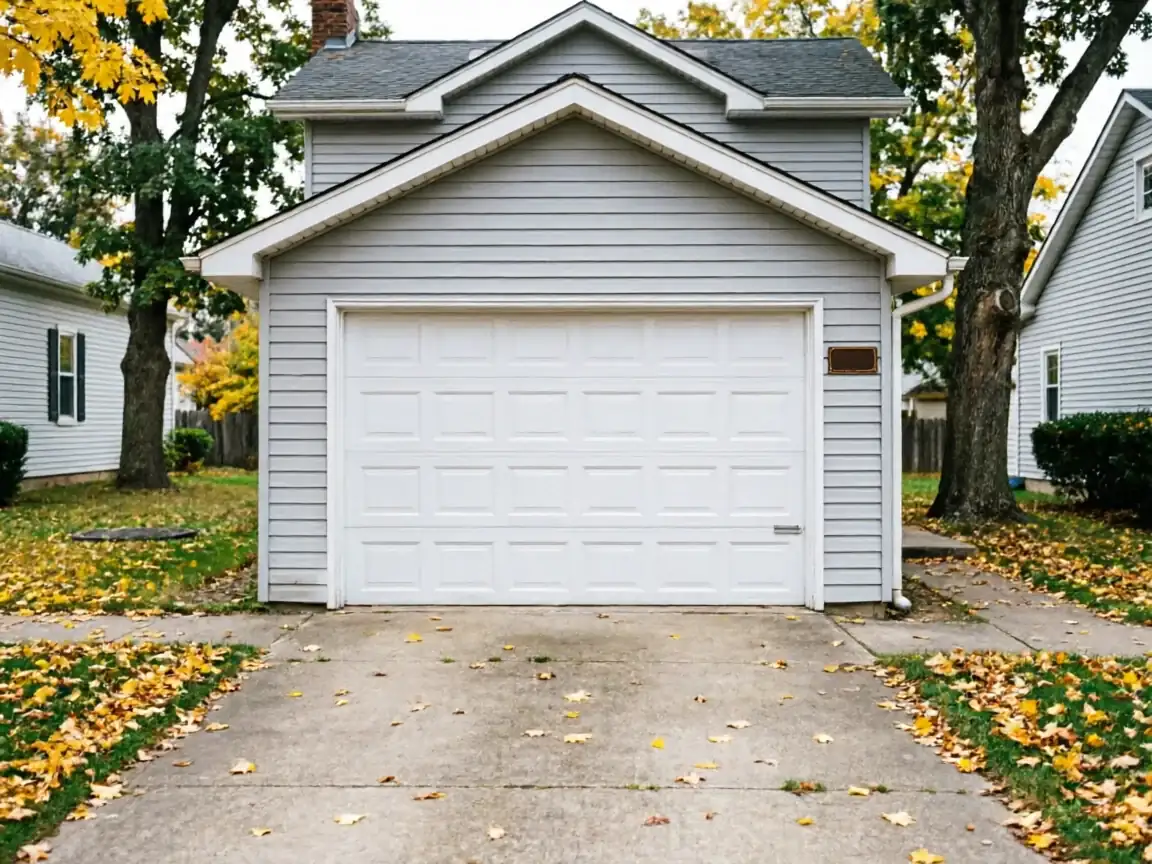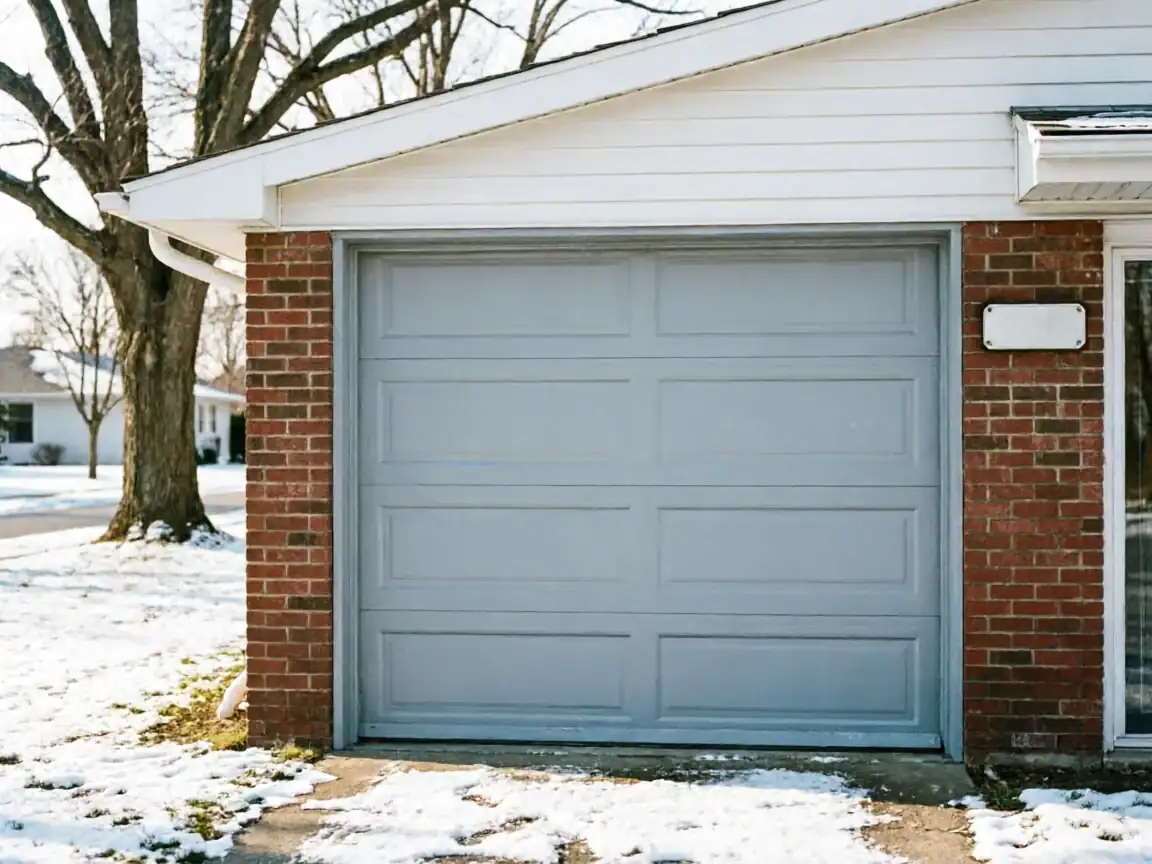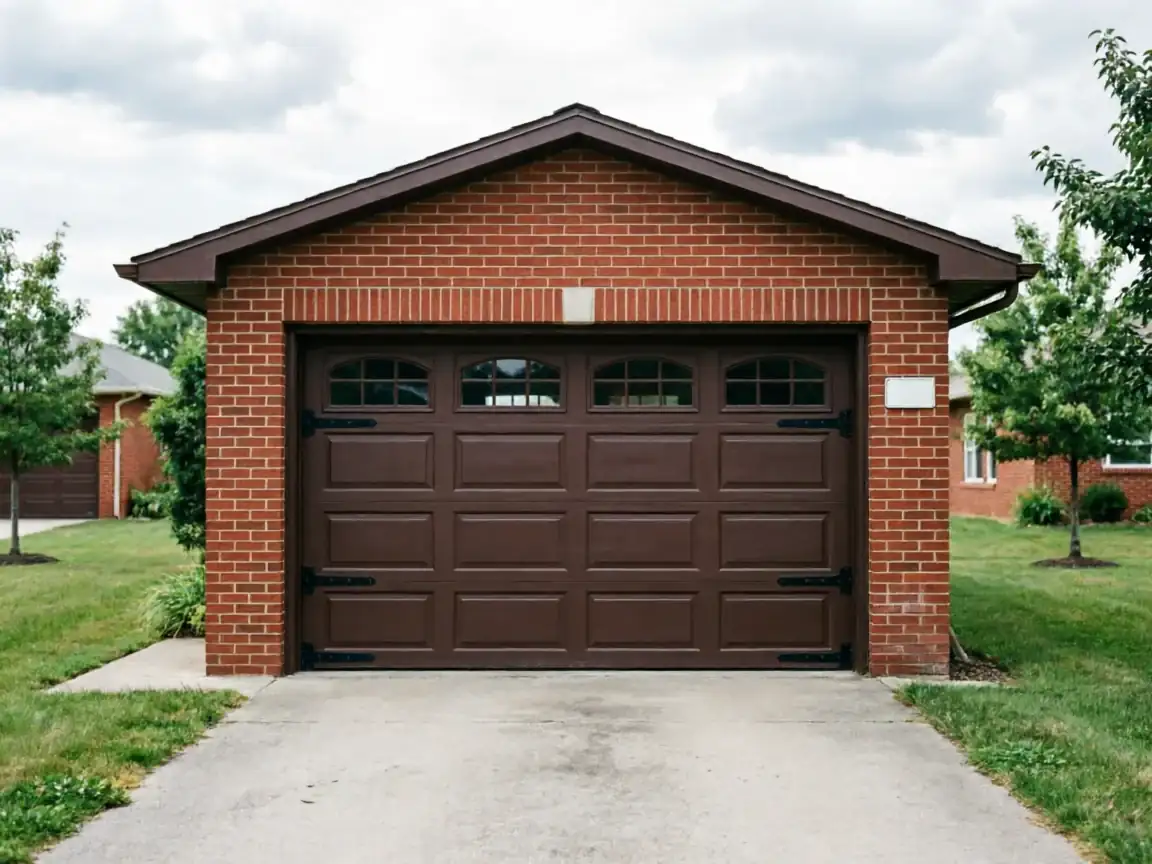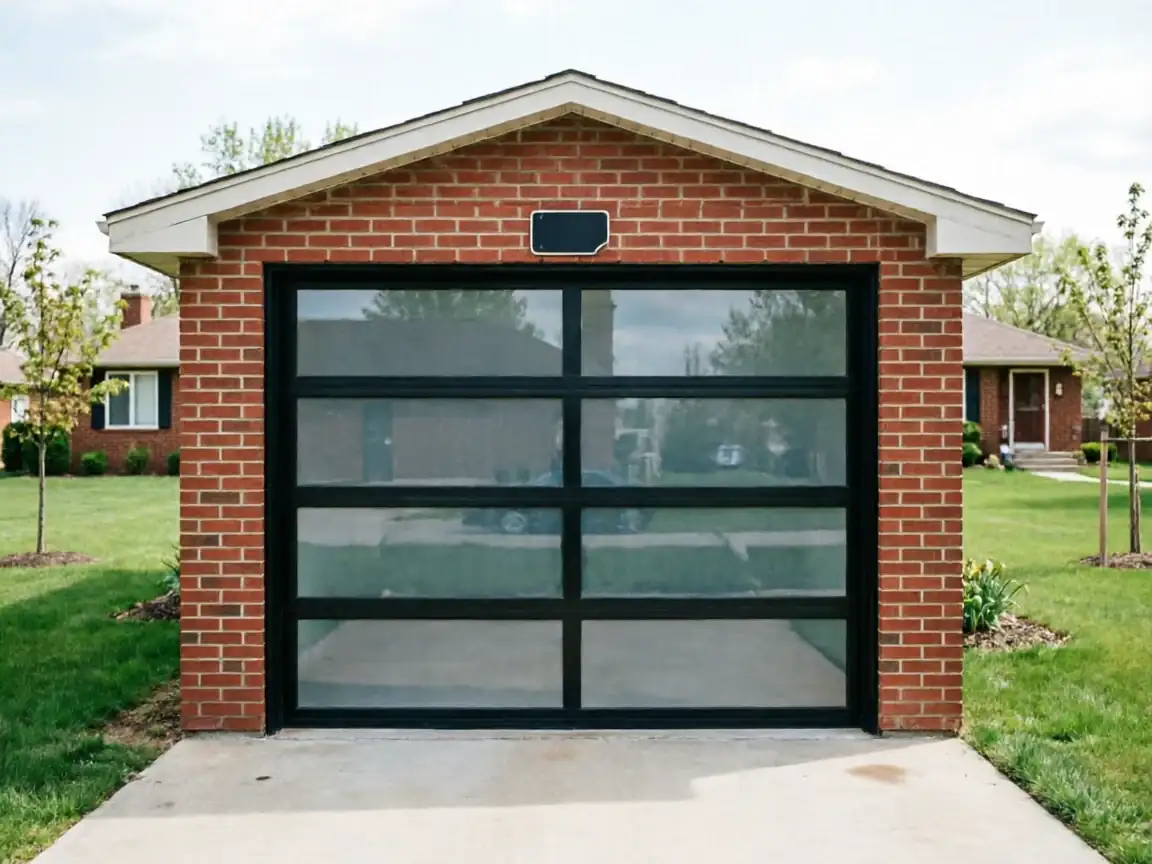
What You Are Seeing
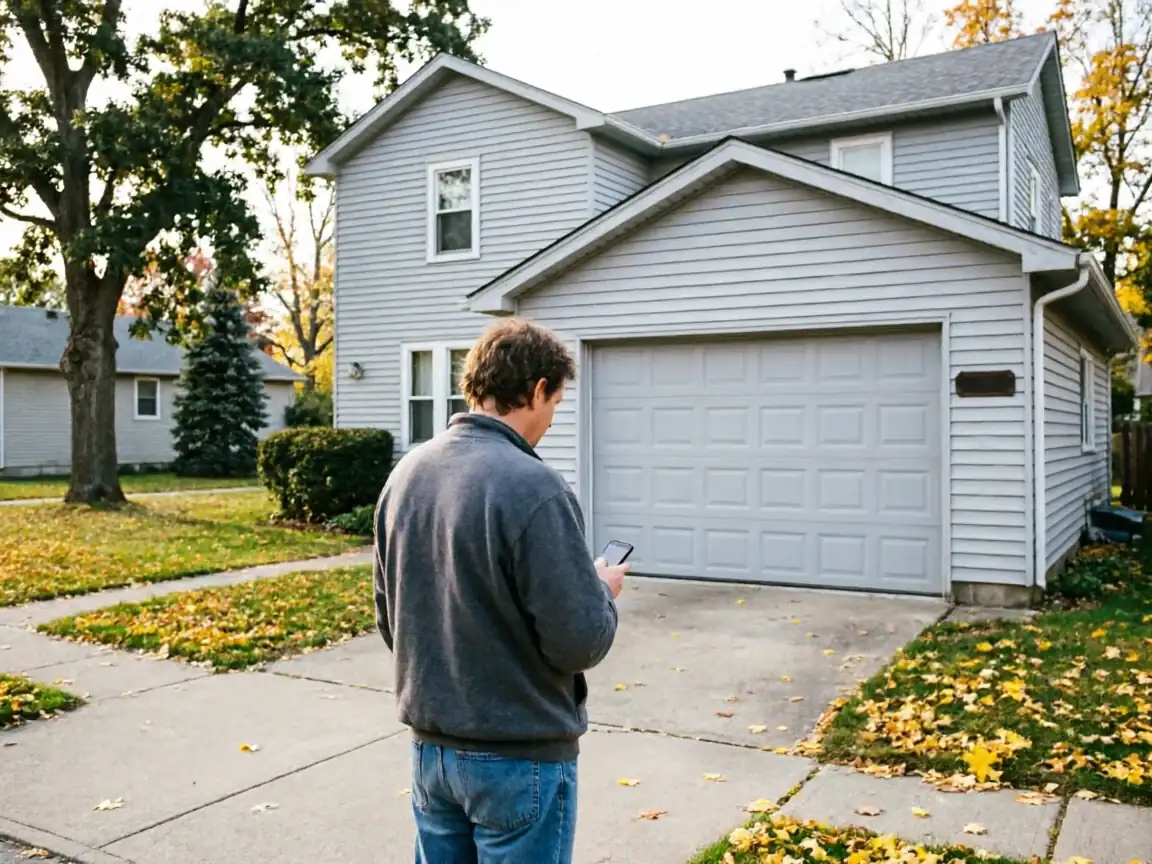
Colona is a small town
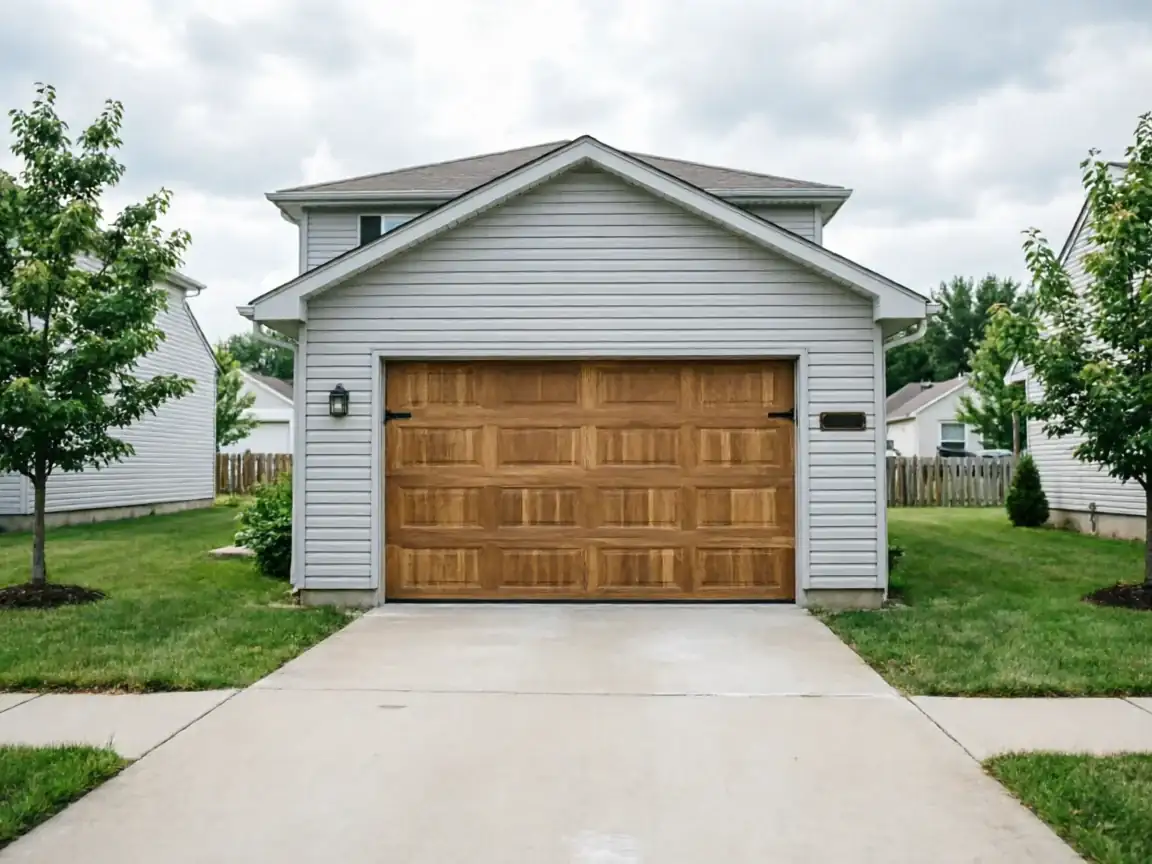
About 2,108 households, which means the spring failures we see here aren't spread across a dozen different housing waves. Most of this town's garage doors went up on the same hardware era as the rest of our service area, built out between 1952 and 1998 with the bulk of it landing around 1968. When a spring breaks in a town this size, it's usually not a random one-off; it's the same torsion setup failing on the house two doors down, because the houses went up together.
- 2,108 households
What you're looking for: the door won't lift, or it lifts a few inches and stops
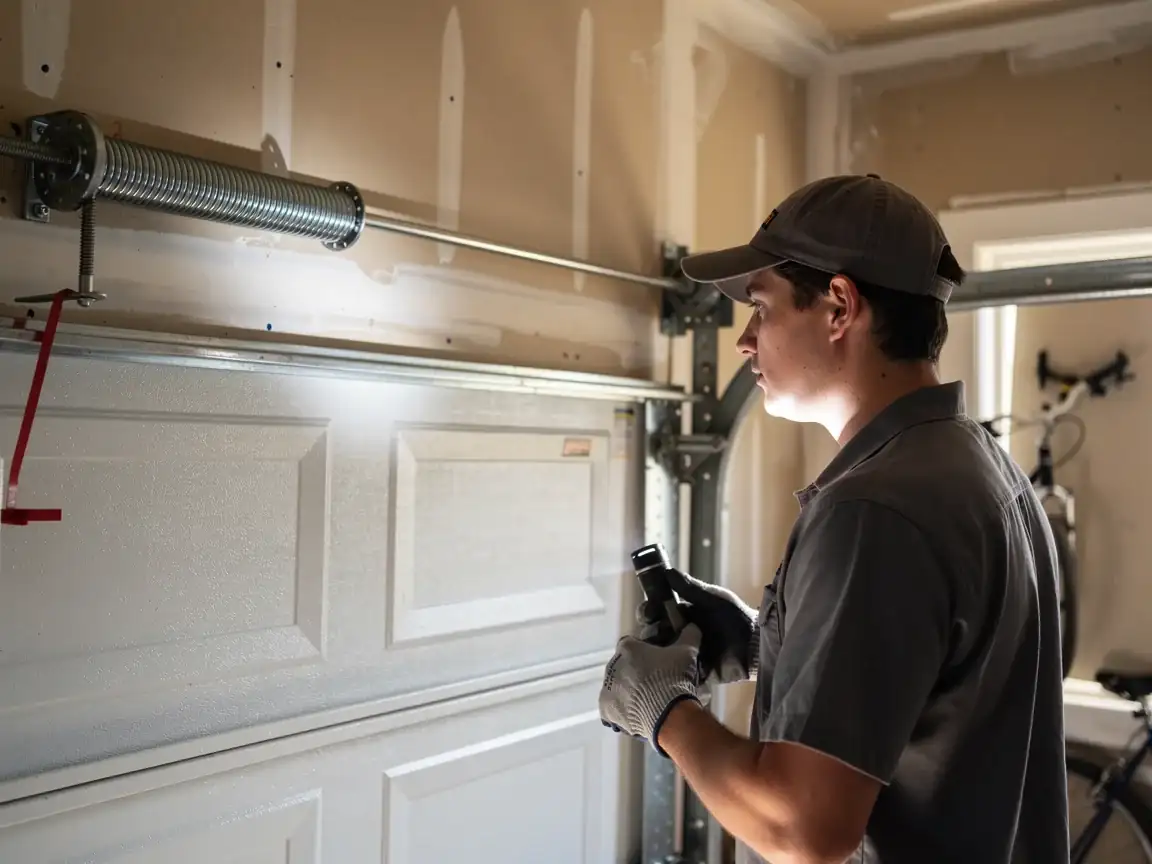
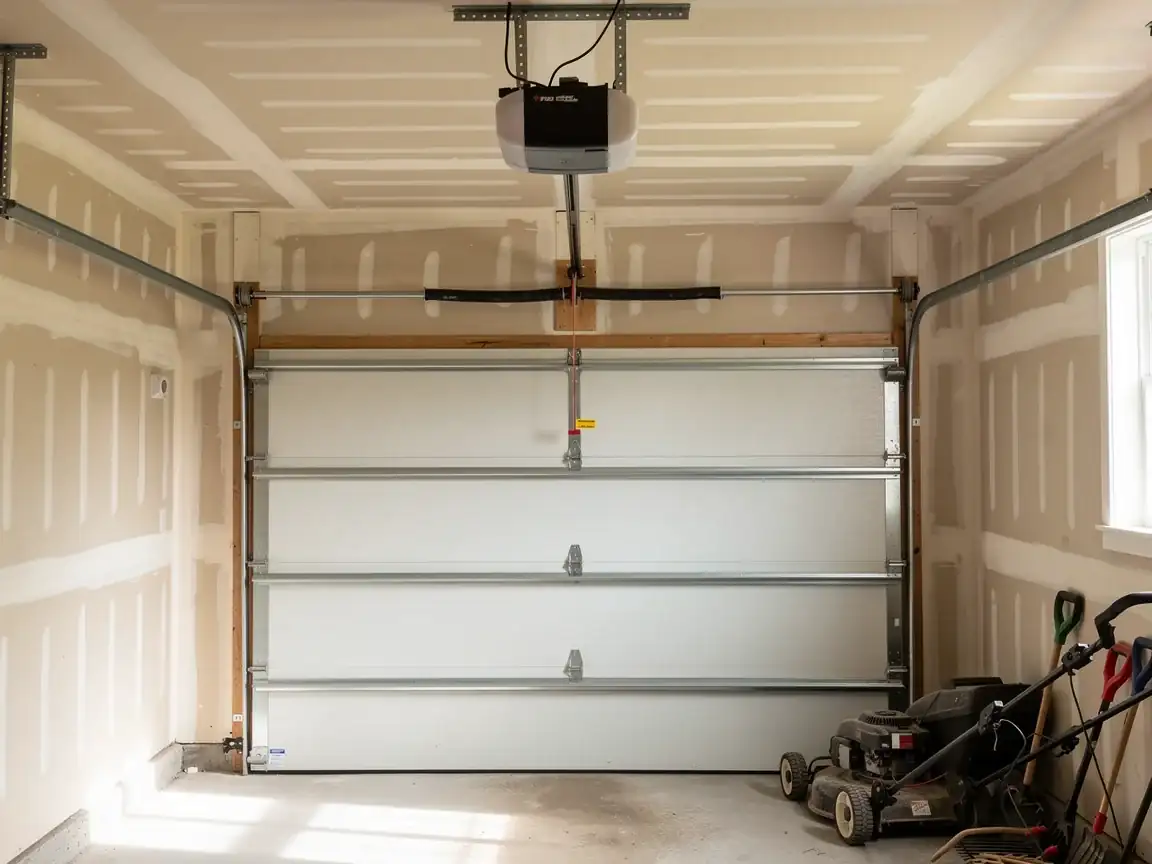
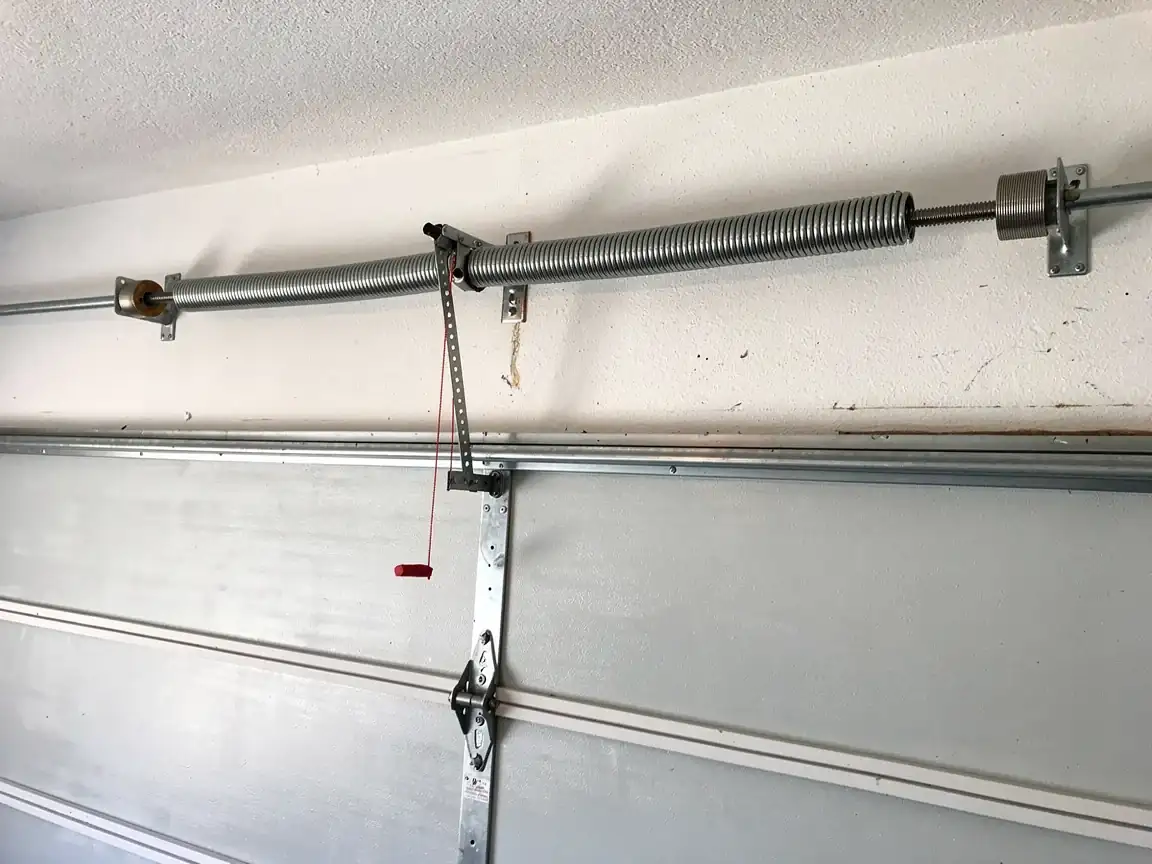
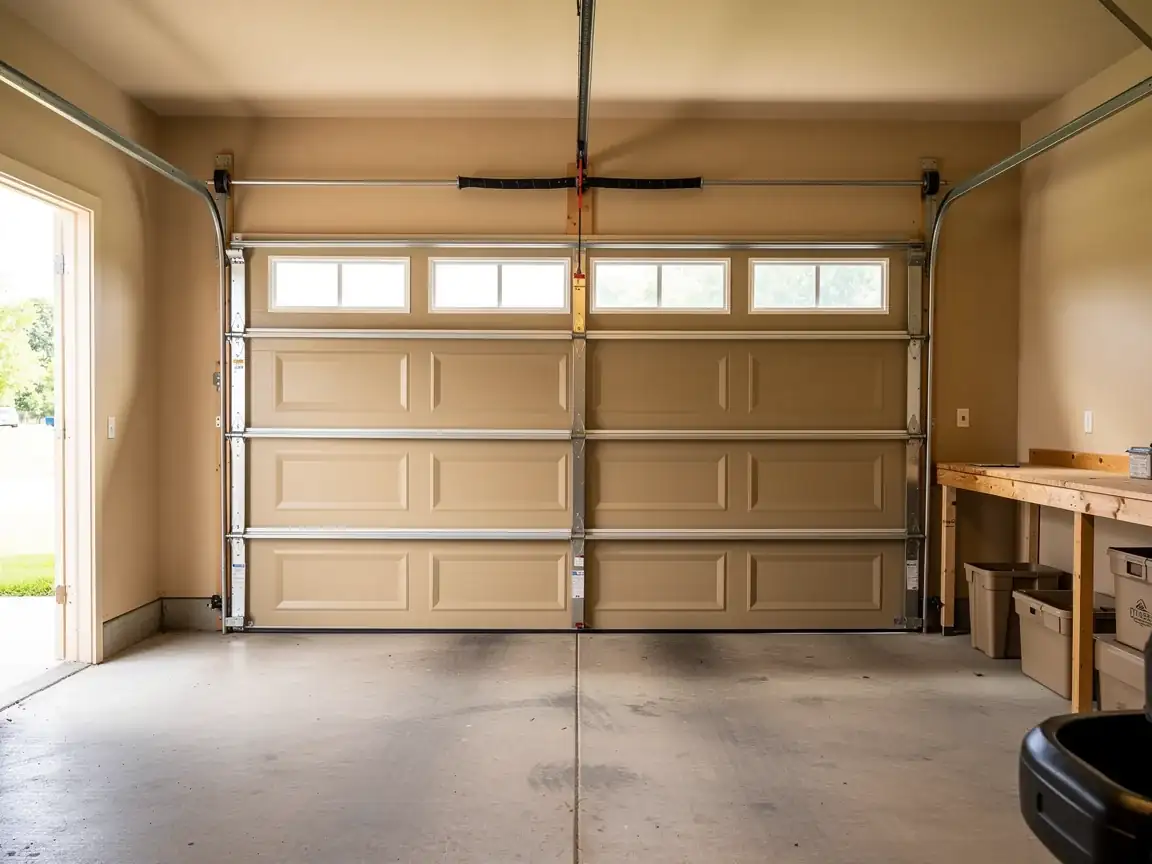
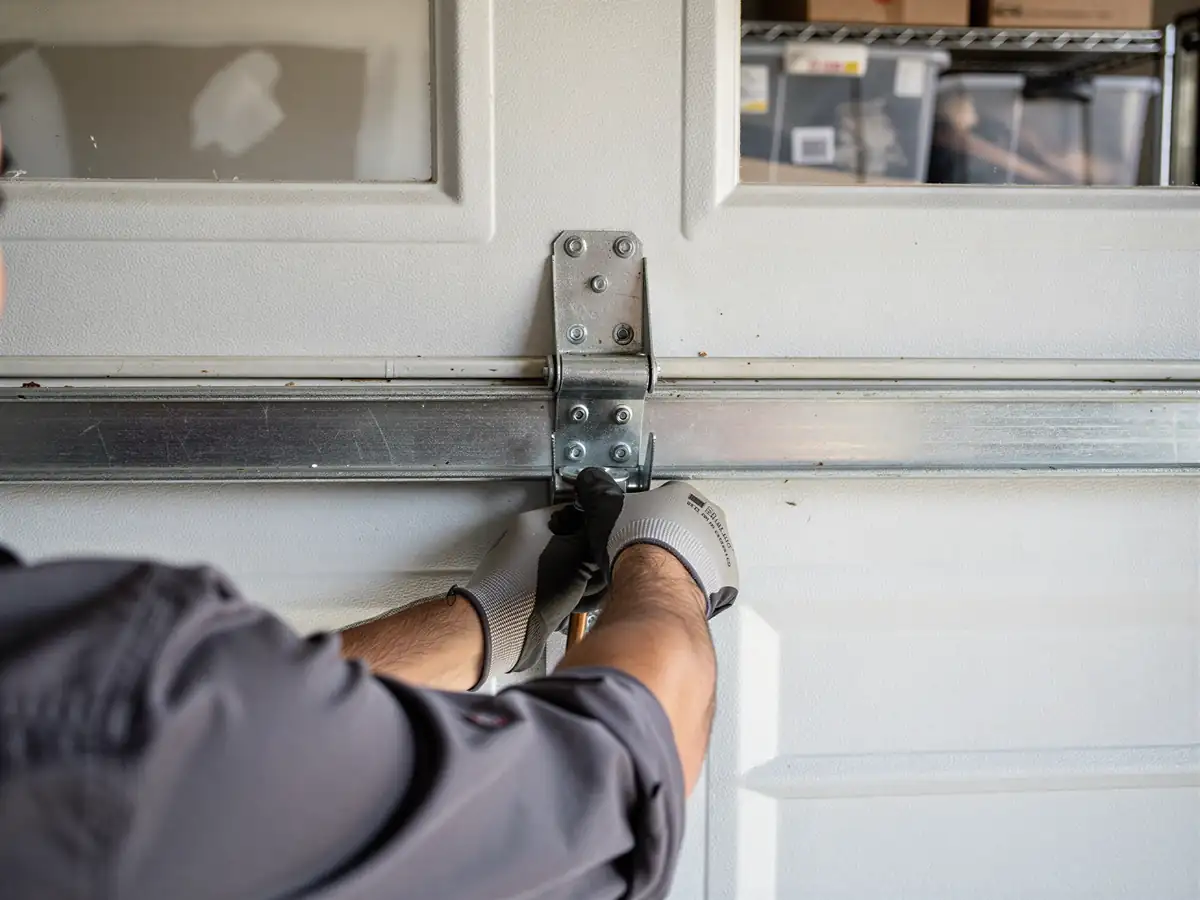
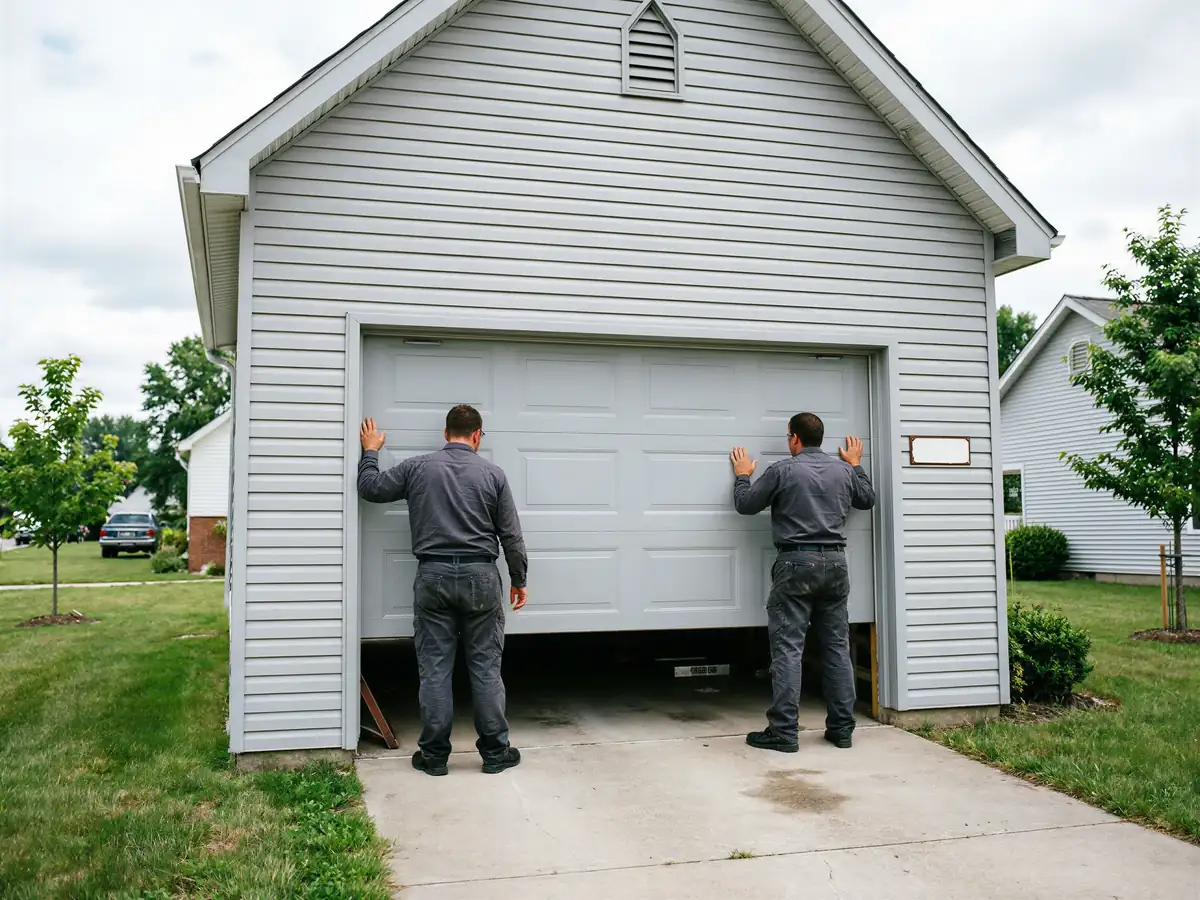
You might hear a loud bang from the garage - that's the spring letting go, usually while the door is down and nobody's touching it. Sometimes you'll see the coil itself, snapped clean through, hanging slack on the shaft above the door. On older torsion setups common to this era, the spring sits on a stationary cone at the center of the shaft, and when it fails, the whole shaft can shift slightly out of place.
Why It Happens Here
We're in a cold-climate band here, and that matters more for springs than people expect. Steel contracts in the cold, and a torsion spring that's already near the end of its cycle count doesn't handle that stress as gracefully as one in a milder climate. Garages that aren't insulated take the temperature swings straight through to the hardware - the spring, the bearings, the cable drums - all of it.
Add in the age of the stock. A door installed when this area was built out in the 1960s is carrying springs that have either already been replaced once or are the original gauge, which wasn't engineered for the cycle counts a door sees over 50-plus years. Median household income here runs around $76,558, which is on the higher side for the area, but income doesn't change steel fatigue - a spring on a well-kept house fails on the same schedule as one on a neglected one, because it's wear, not maintenance, that ends it.
One honest note: we can't always tell you over the phone whether it's one spring or both. On a double door especially, if one side has gone, the other is usually close behind, and we'd rather quote you for both up front than have you call us back in six months.
How We Fix It
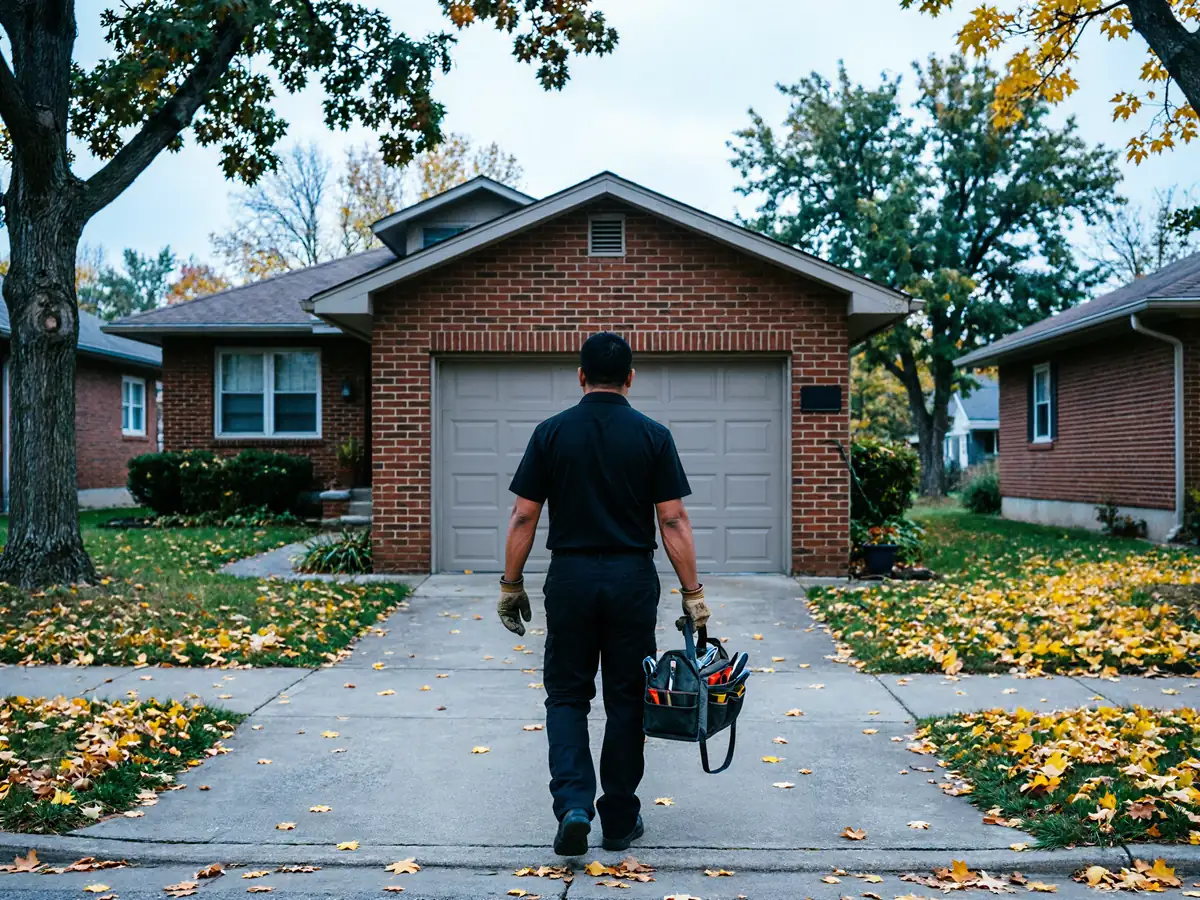
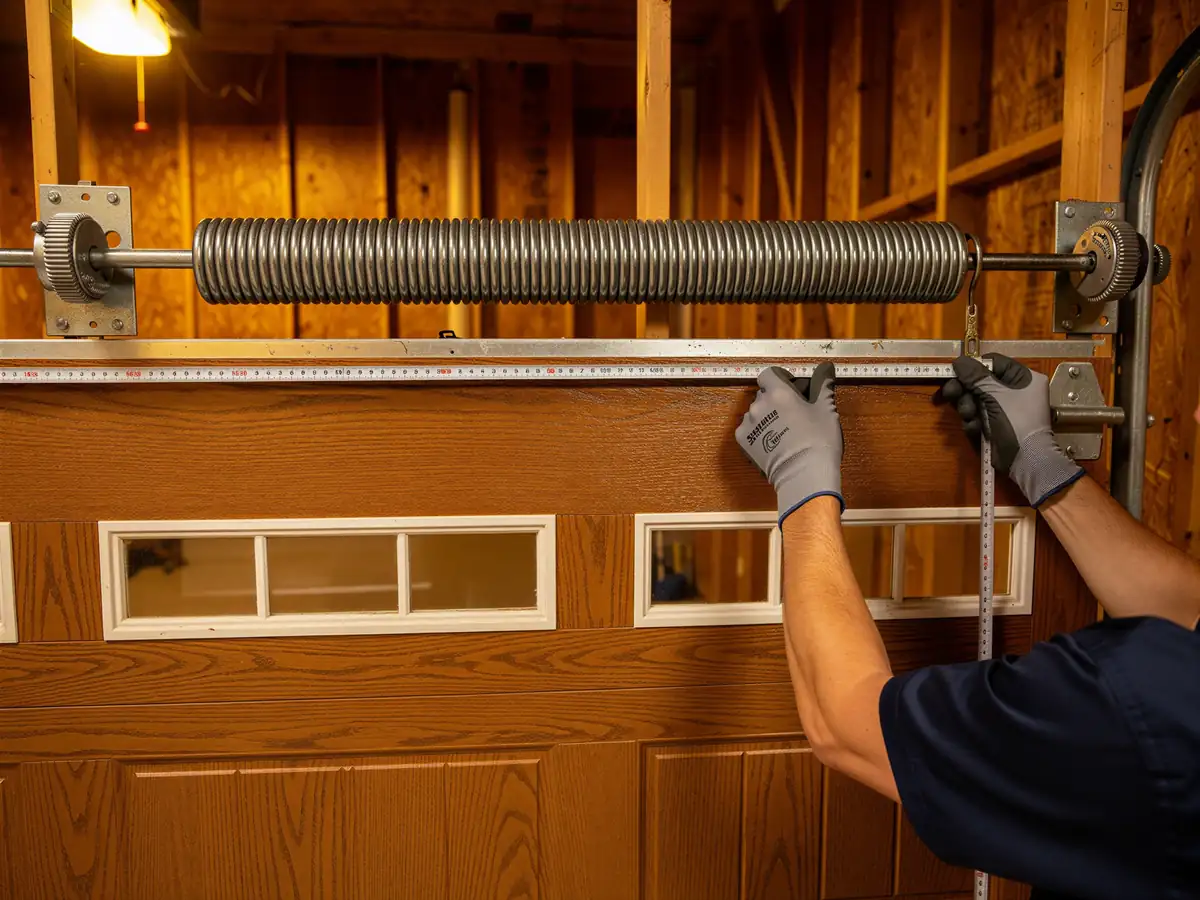
We come out from Moline - it's about 8 miles to Colona, so travel isn't the long pole on a job like this. Once we're there, the first thing we do is match the spring to the door, not just the opening size. Torsion springs are wound to the weight of the specific door and track setup, and on the older hardware common in this area, getting that wind length and wire gauge wrong means the door either won't balance or burns out the opener fighting it.
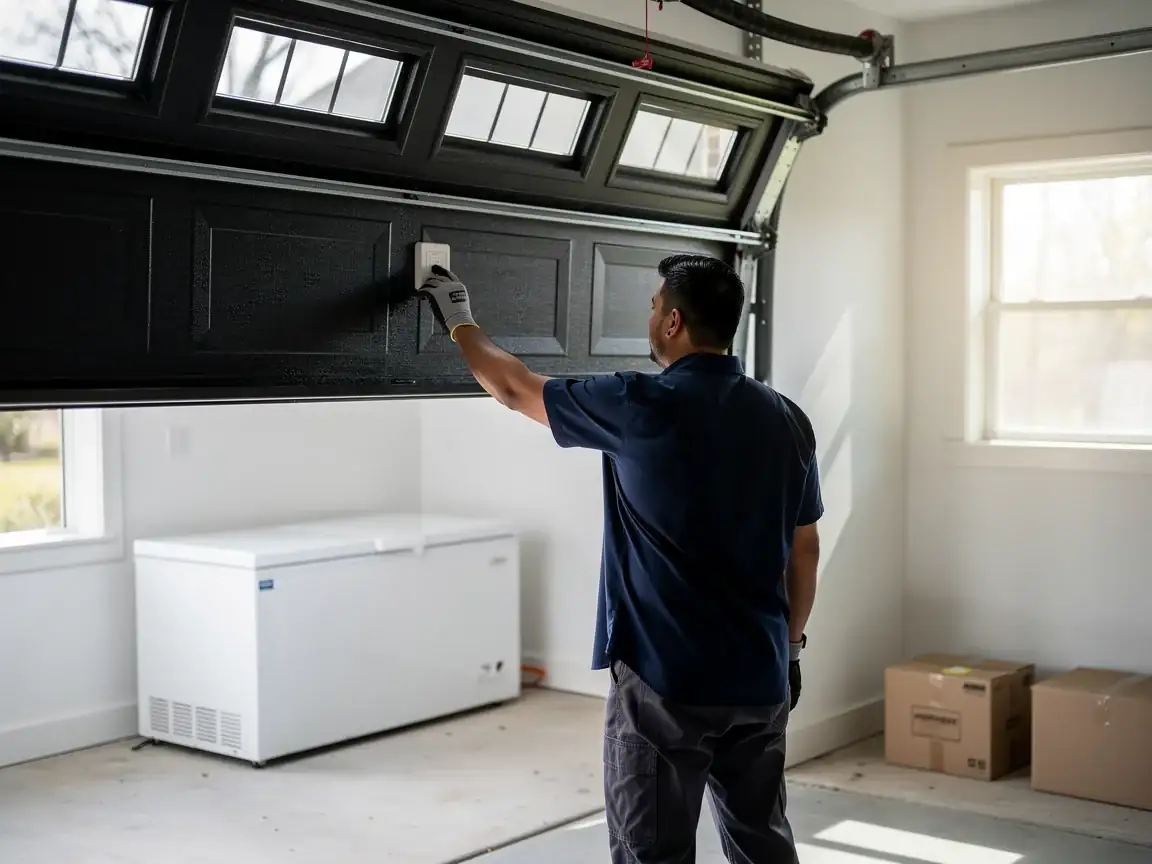
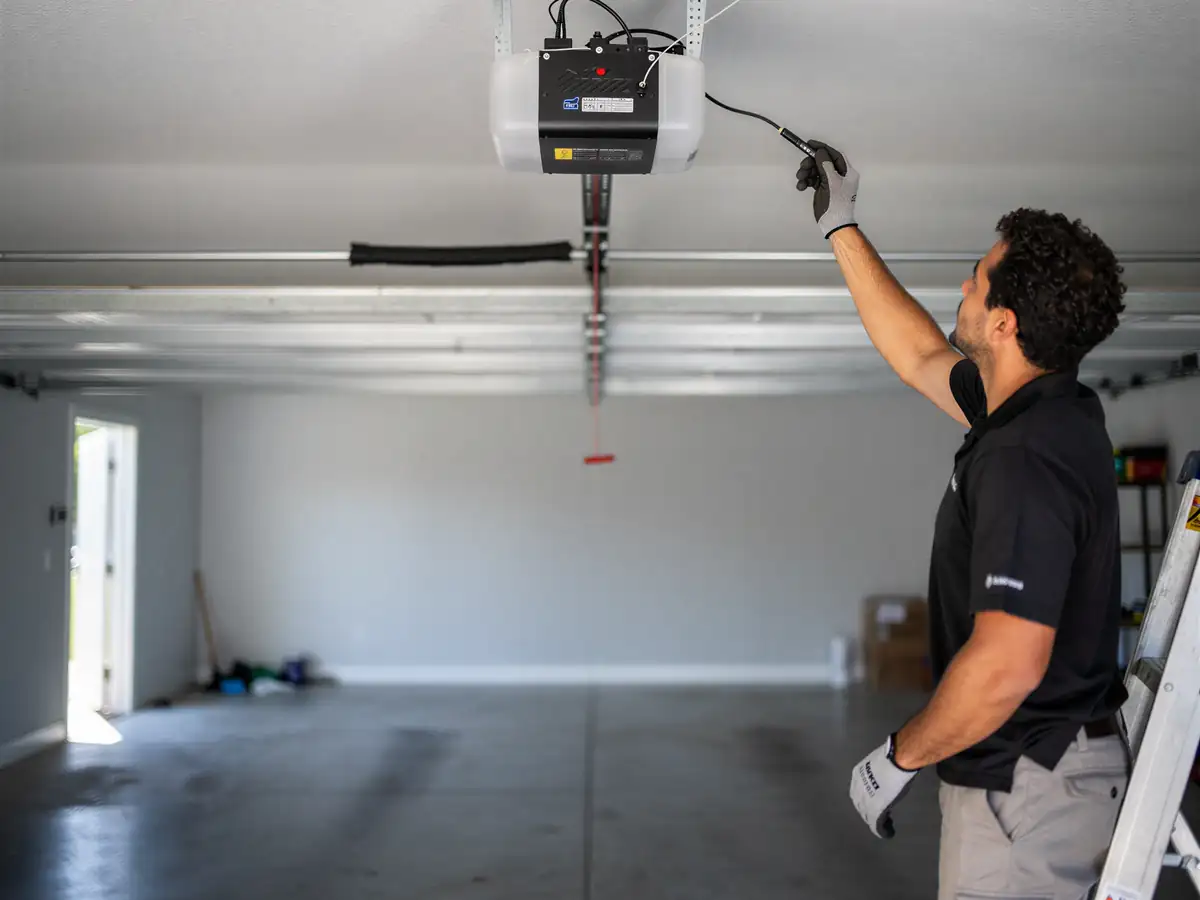
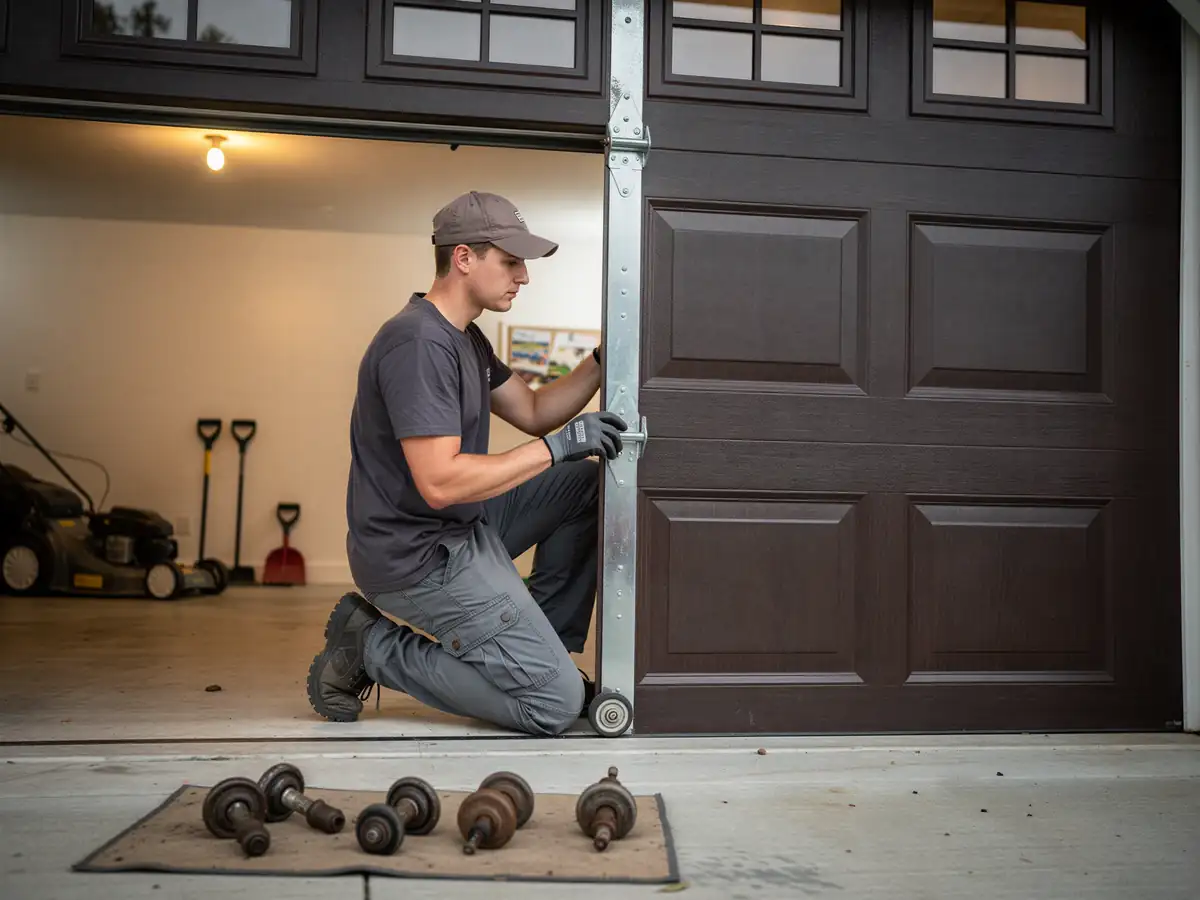
We replace the spring, check the cable and drums for wear since they take the same stress, and rebalance the door by hand before we touch the opener at all. If the shaft or bearing plates have shifted from the failure, we true those up too - a new spring on bent hardware just fails again faster.
What we won't do: patch a spring that's already stretched or re-temper a coil that's lost its set. Once a torsion spring goes, it goes. We replace it outright rather than try to stretch its life, because a half-fix on a spring is the fastest way to turn a planned repair into an emergency call.
Getting It Booked In
If your door's stuck or the spring's already snapped, don't try to force it open by hand
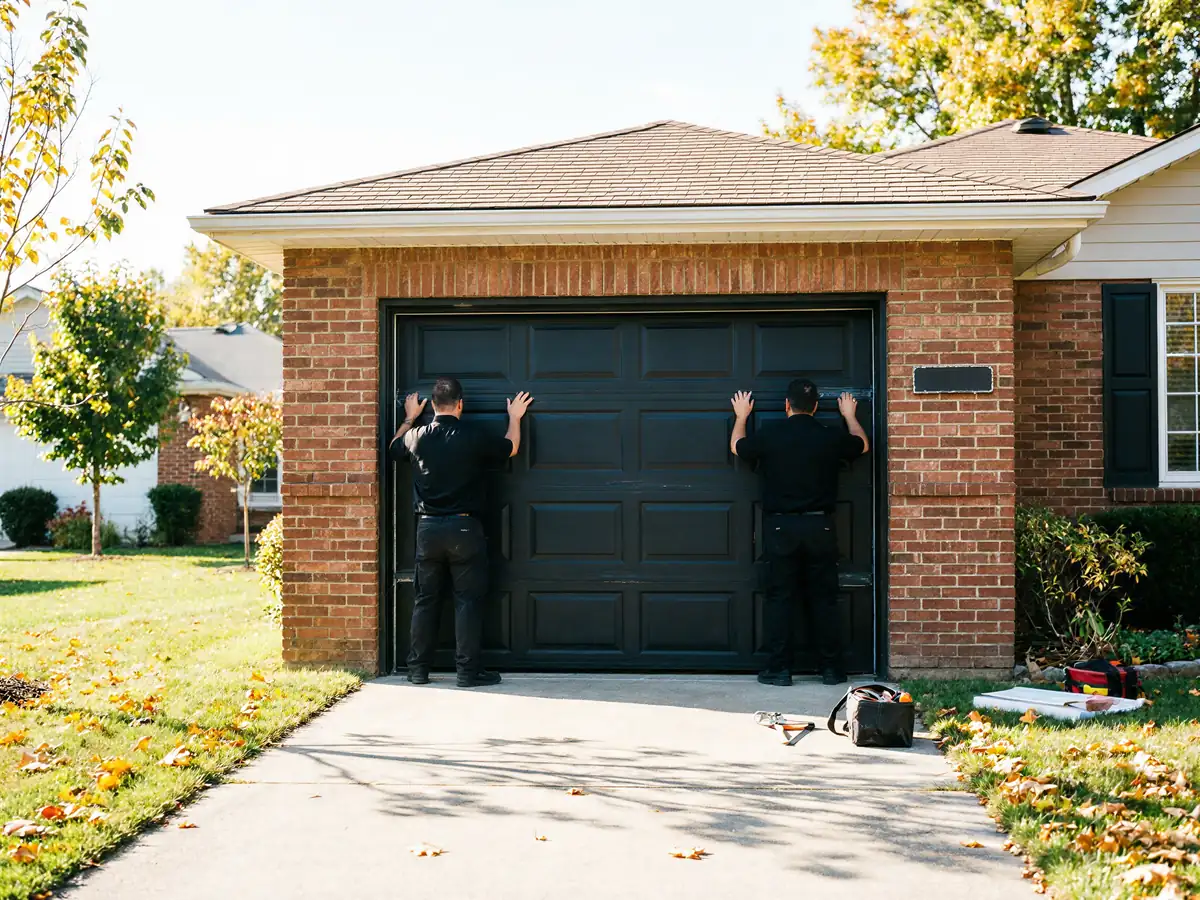
With the spring gone, the full weight of the door is on you, not the hardware. Leave it down, keep the opener off, and give us a call.
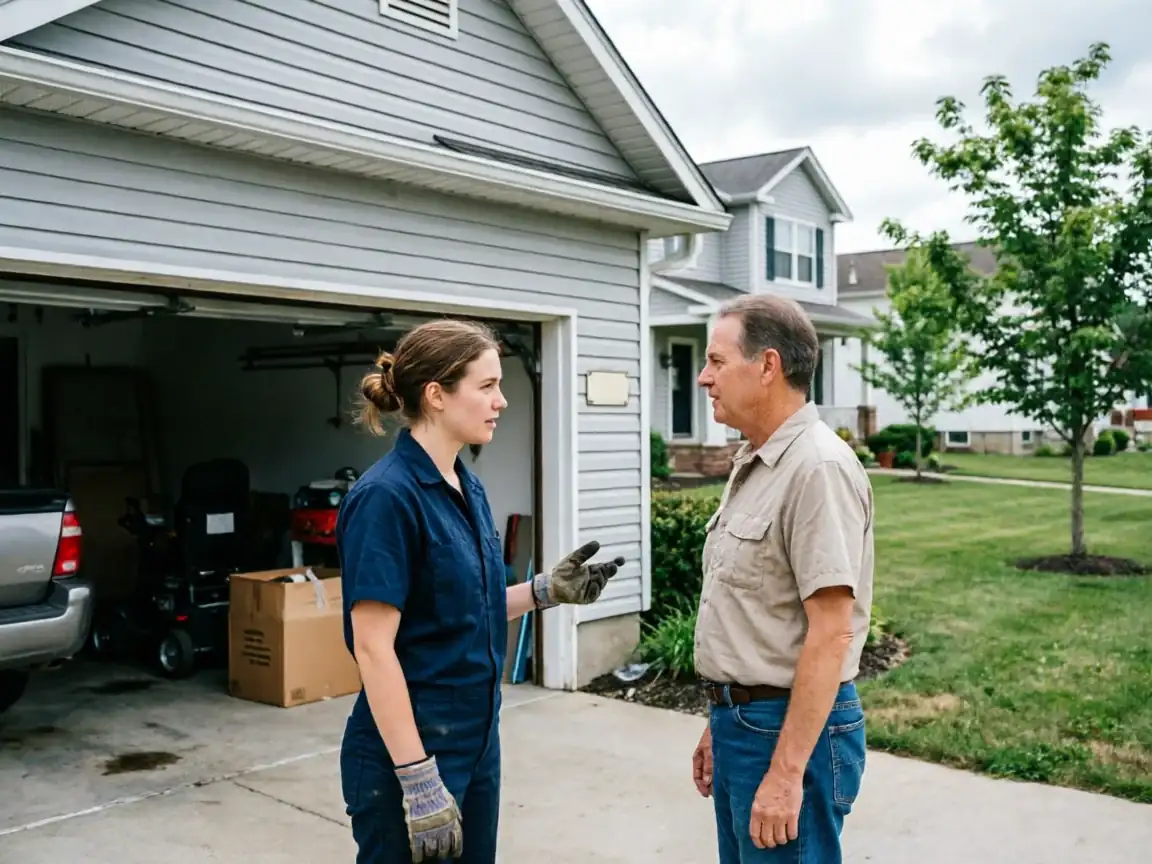
We book the visit, confirm what we're seeing with you over the phone where we can
And head out from Moline. For anything else going on with the door beyond the spring itself, our Colona service page covers the full range of what we handle in town.