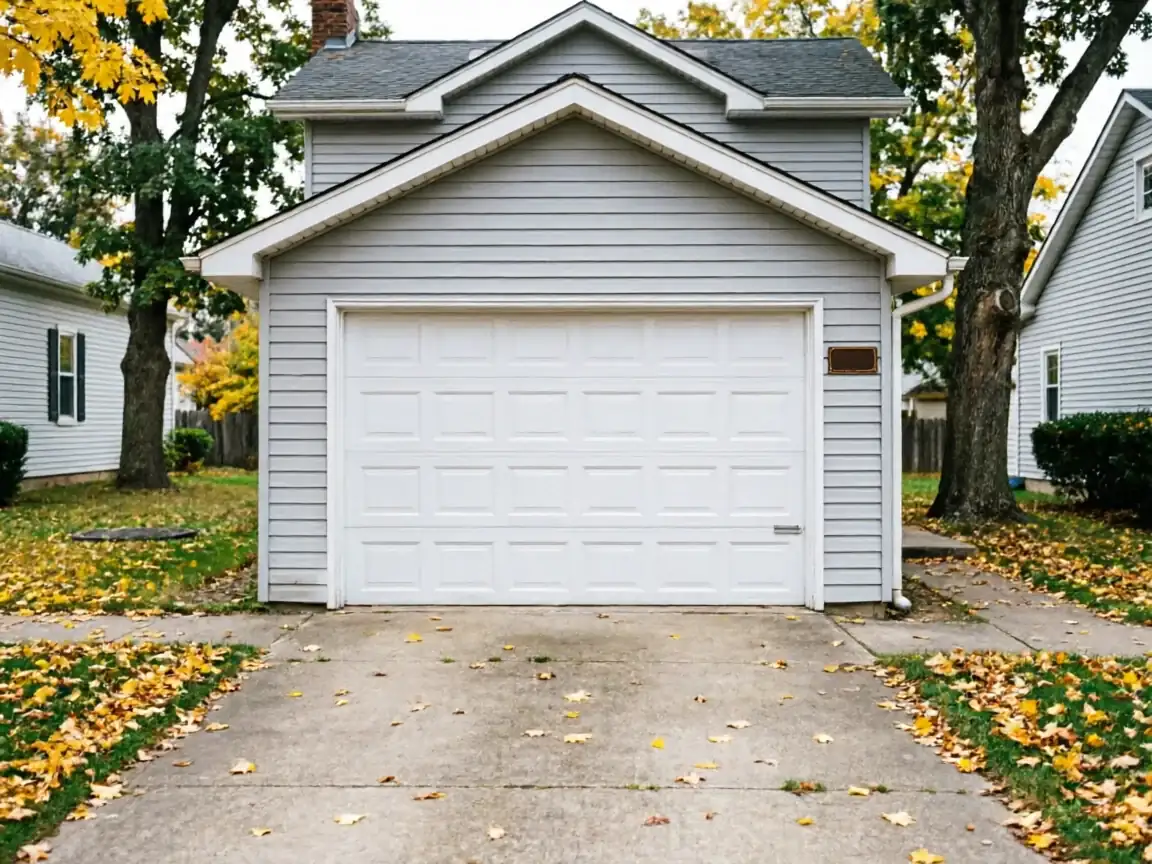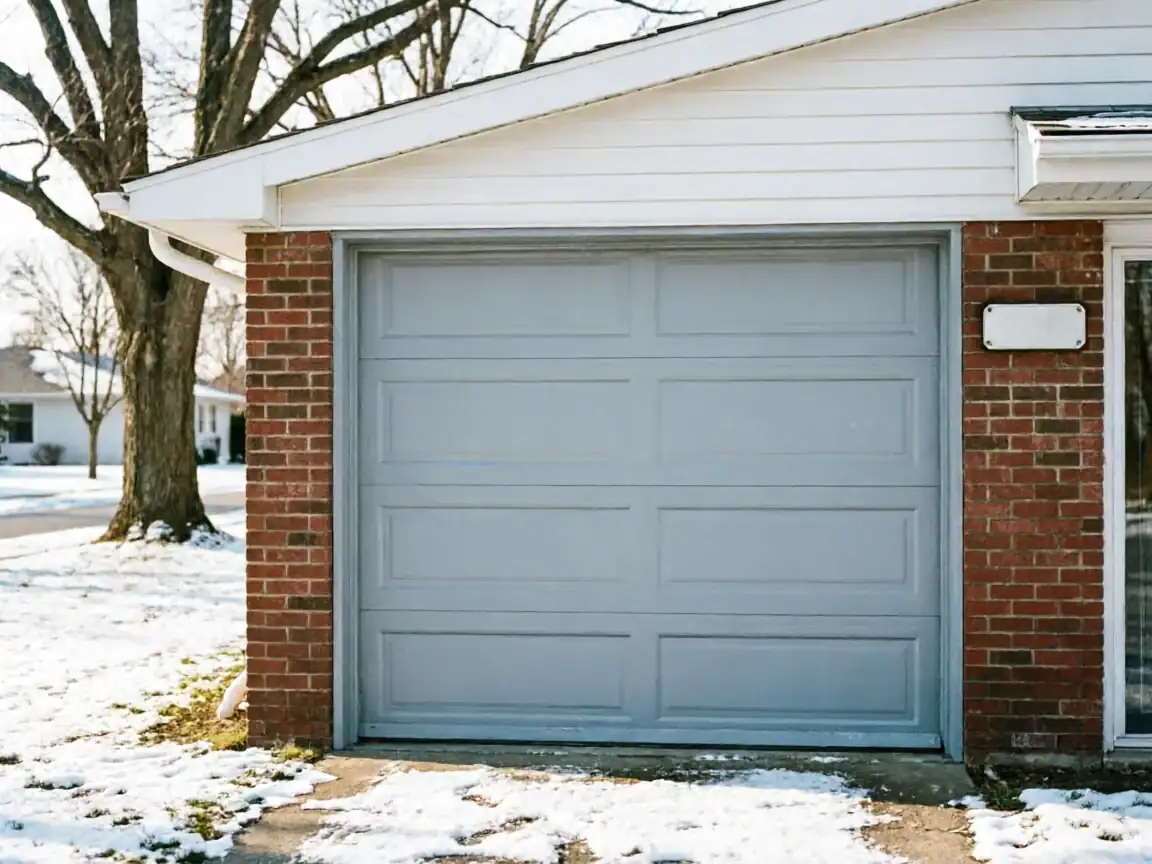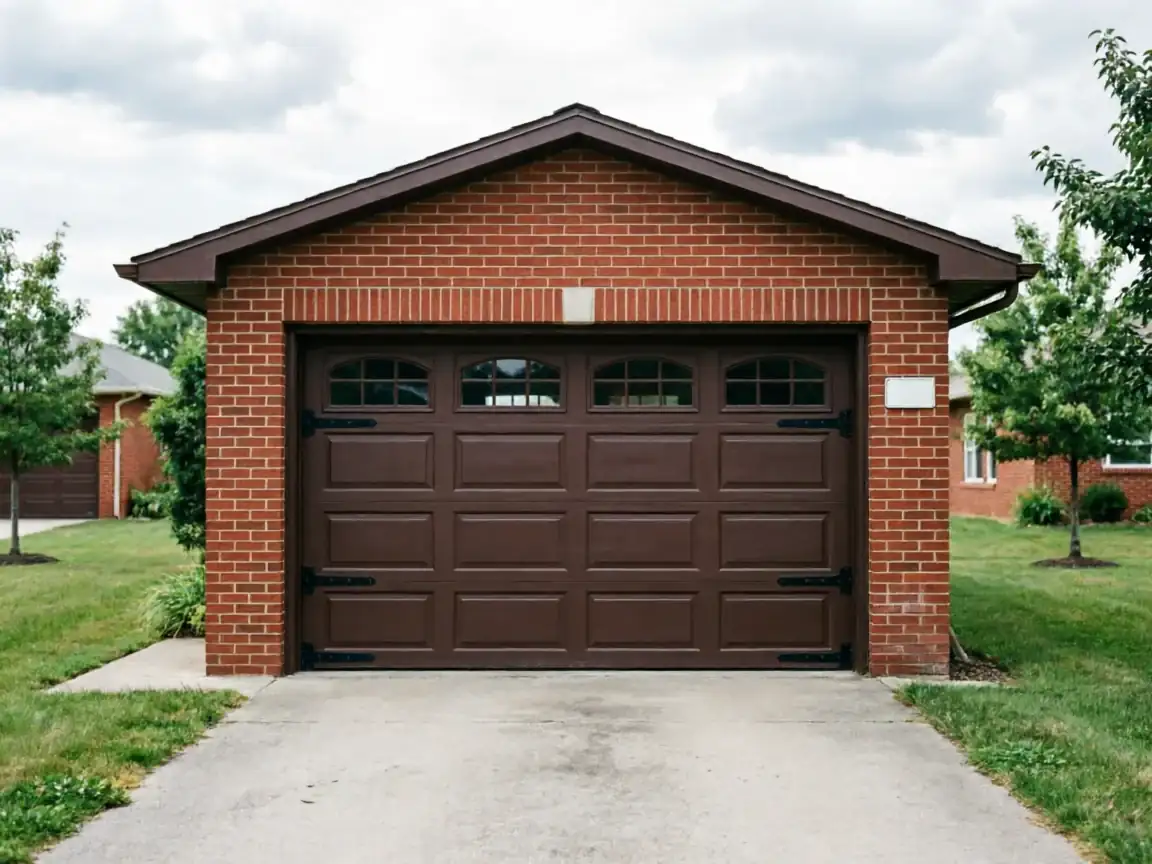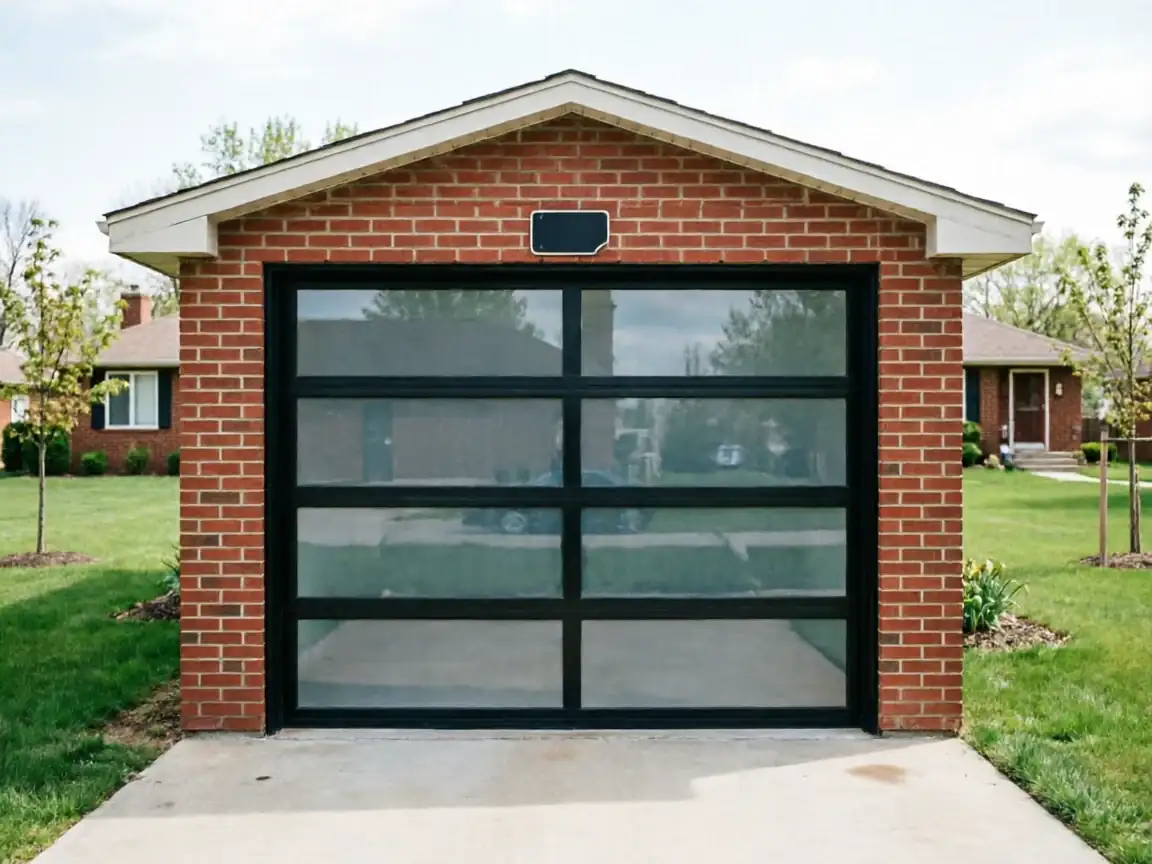
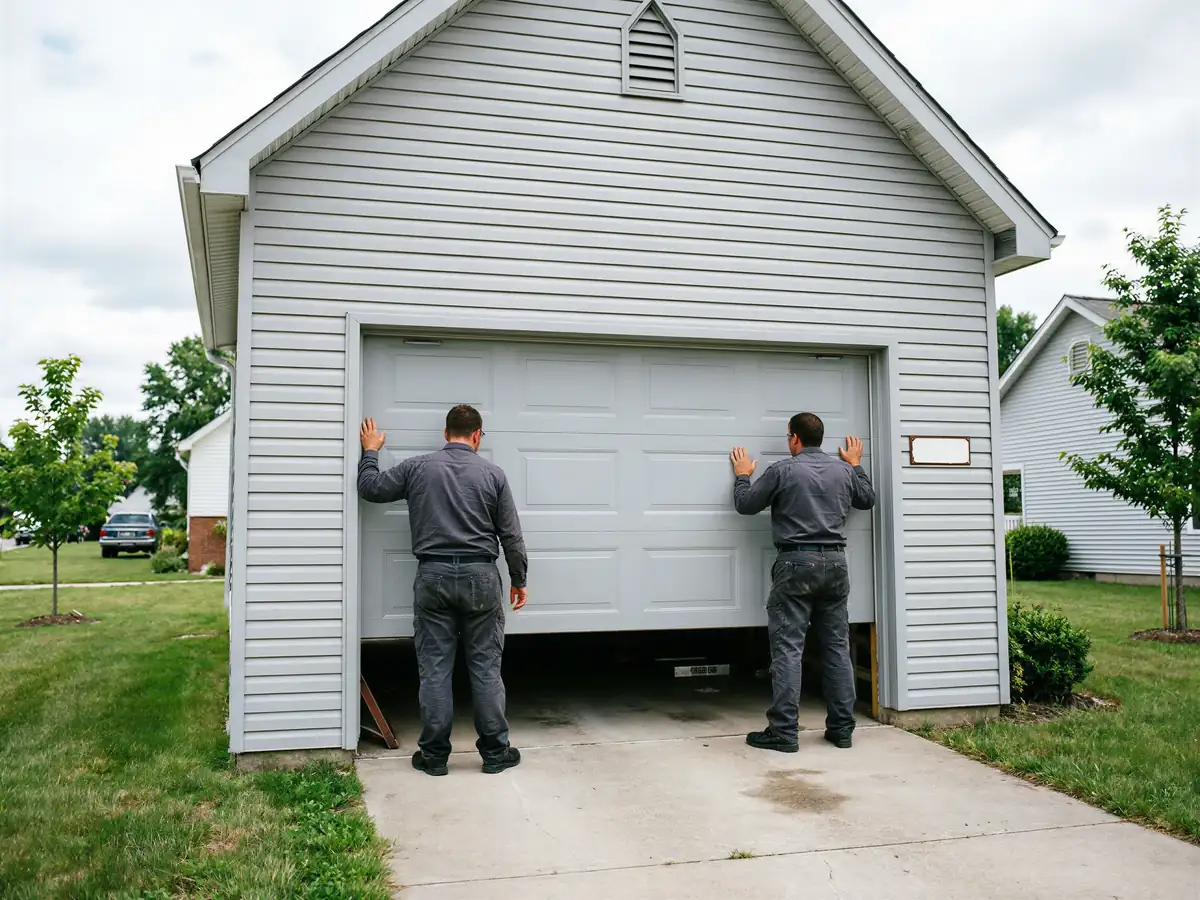
What You Are Seeing
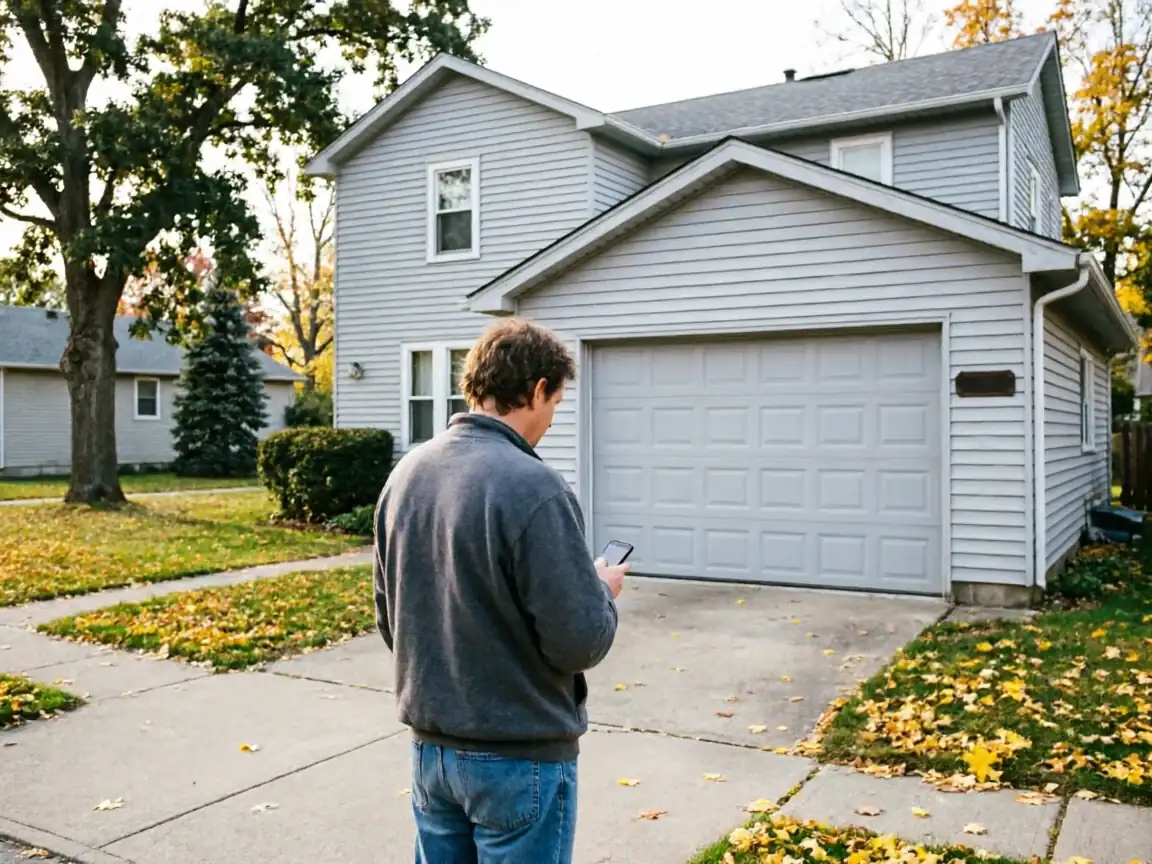
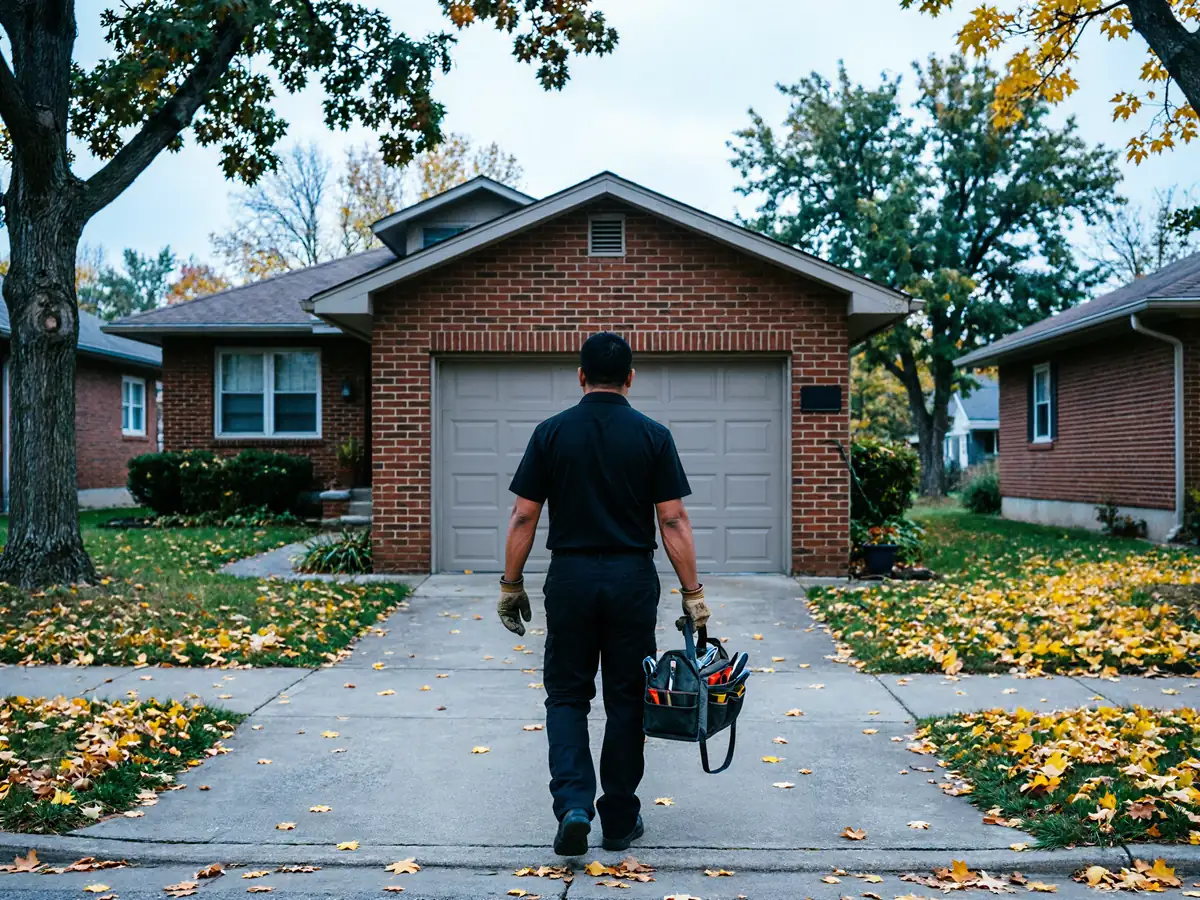
Most houses in Colona went up around 1968
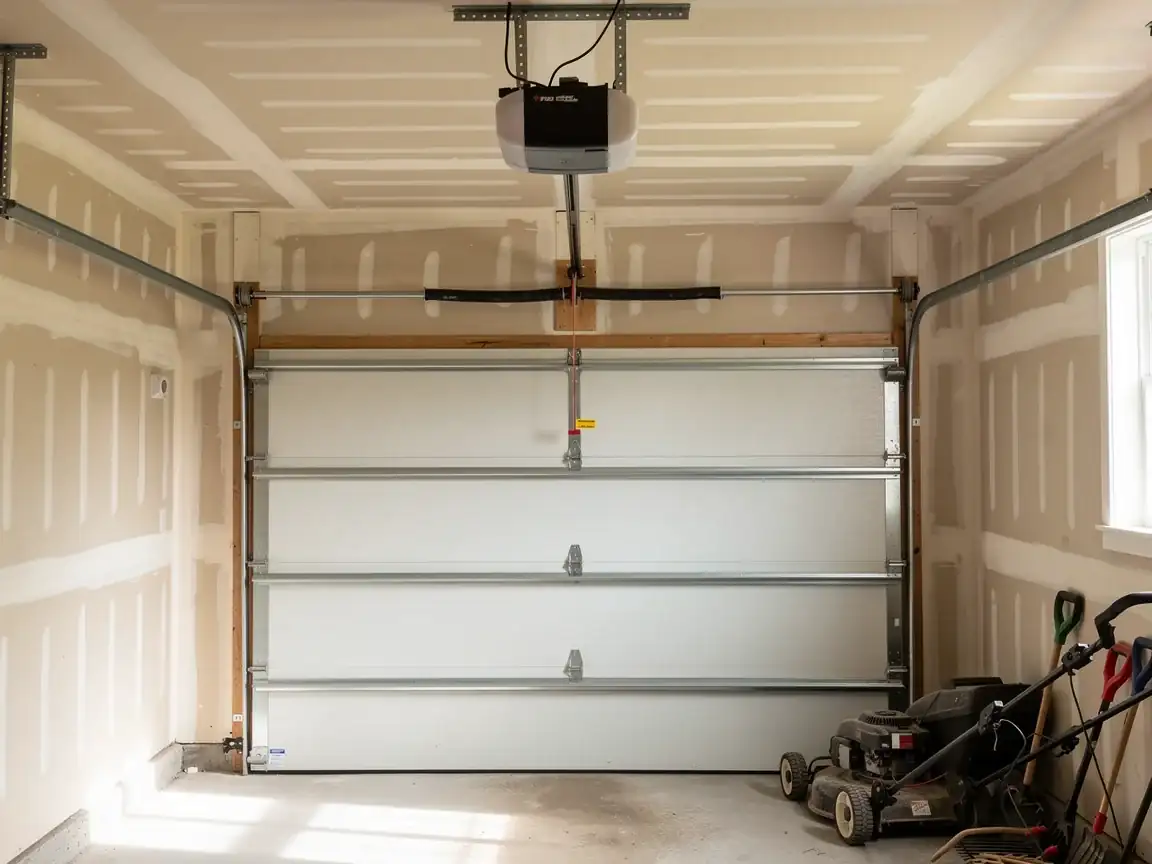
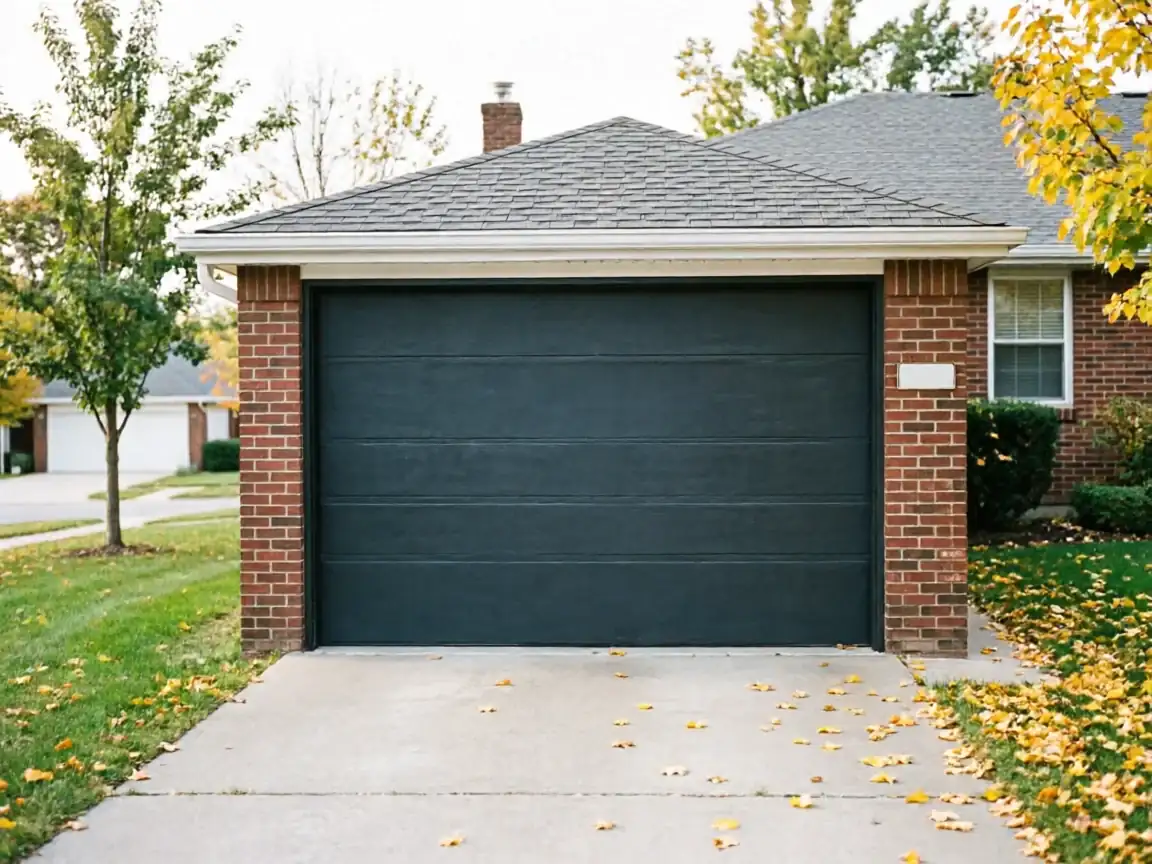
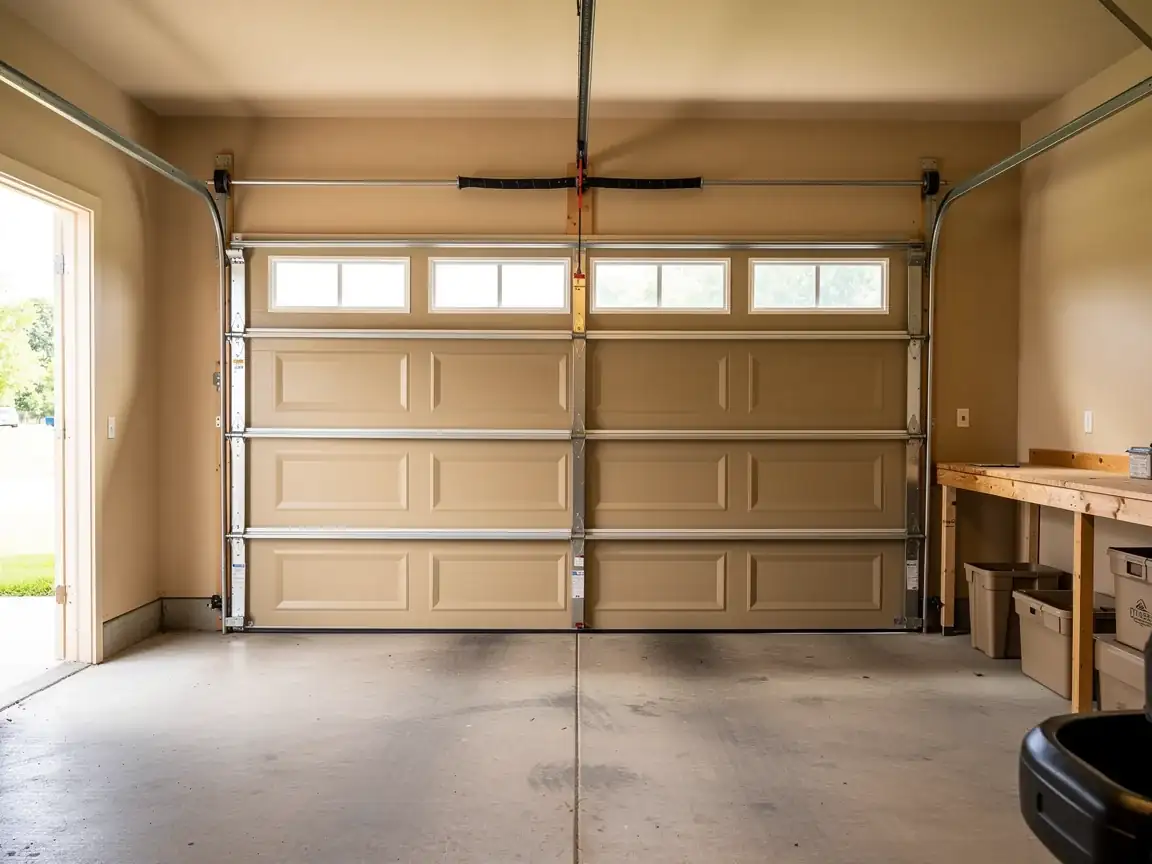
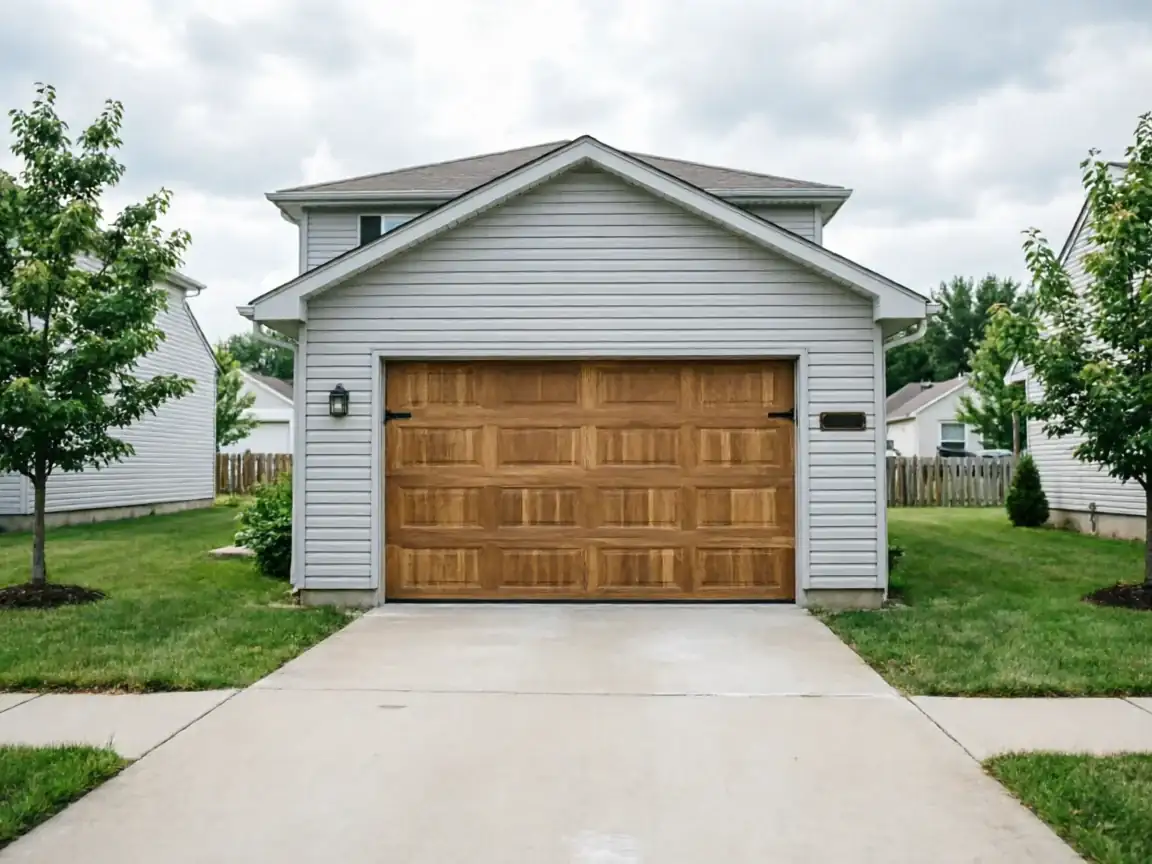
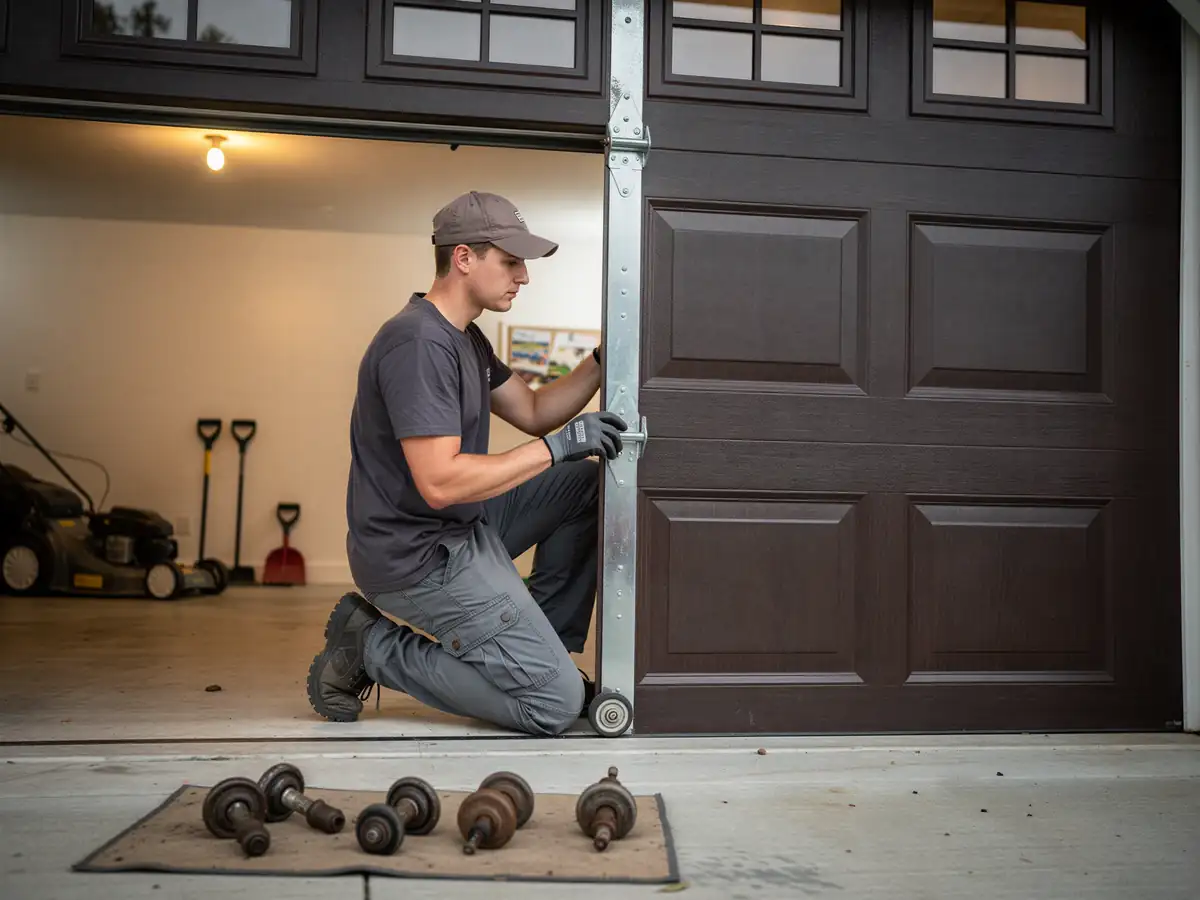
The same stretch of building that put up a lot of this part of the service area between 1952 and 1998. Doors from that period are steel sectional units, usually flat-panel, single-layer steel with no foam backing. After five decades, the failure pattern is predictable: the bottom panel is dented from a bumper tap or a snow shovel, the seams are bowing where the steel has fatigued, and rust has started eating through at the panel joints where water sits after it runs down the track. You'll also see warping on the sun-facing side of the door, where one panel has pulled slightly out of square from the rest. On a lot of these doors, only one or two panels are actually bad - the rest of the door and the opener hardware behind it are fine. That's the whole case for panel replacement over a full door swap: you're not buying new track, new springs, or a new opener, just the skin that's failed.
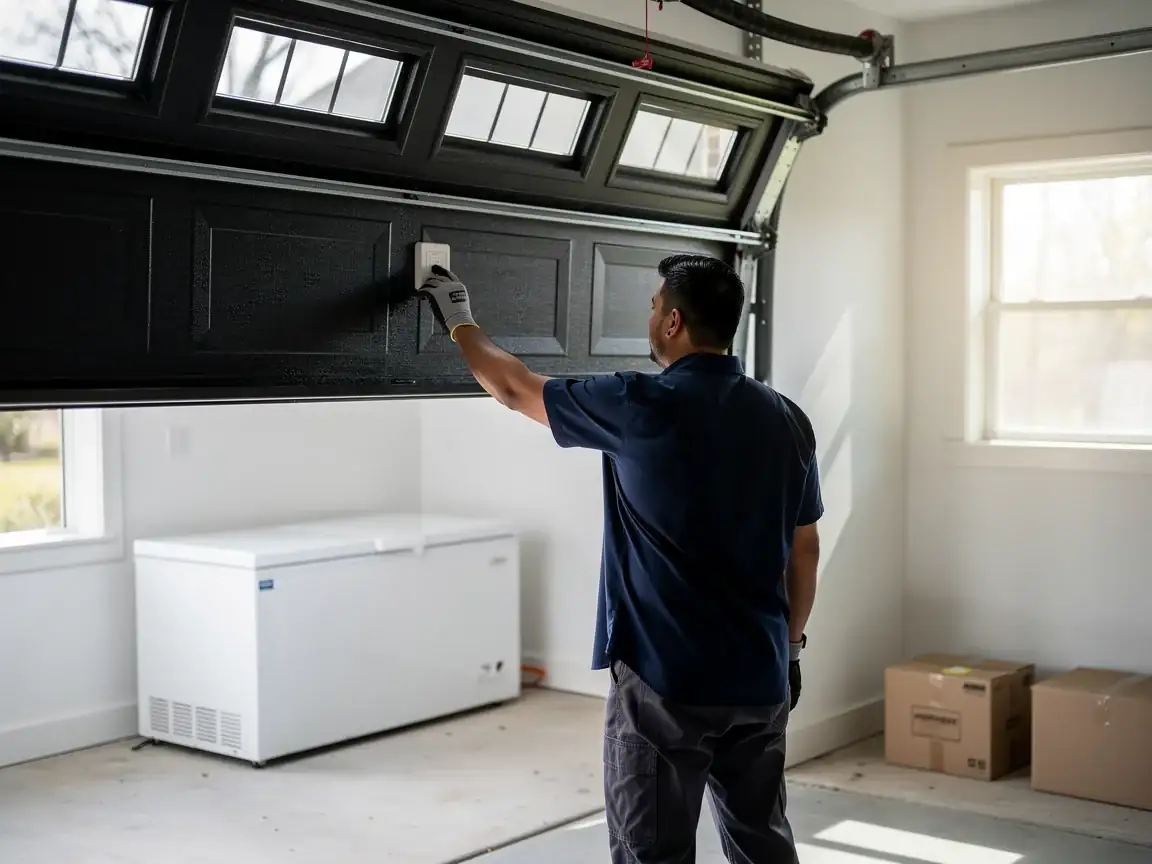
If you're seeing a section that's cracked clean through
Or a panel that's pulling the roller out of its track when the door cycles, that's past cosmetic - it's a safety issue, not just a look issue.
Why It Happens Here
Two things stack against these panels. First, age: a door installed when the house was built in the late 1960s is now well past any reasonable service life for steel, and the gauge used back then was thinner than what goes on doors today. Second, the climate - this area sits in a cold, moderate climate band, which means freeze-thaw cycling every winter. Water gets into a seam or a scratch in the paint, freezes, expands the gap, and thaws again. Repeat that for fifty winters and you get exactly the rust-at-the-seam failure we see on original panels from this era. It's not a defect specific to any one house - it's what steel panels from that build year do under this climate, full stop.
Households here report a median income around $76,558, higher than some of the surrounding towns, and a fair number of these owners have already put money into other parts of the house - roof, siding, windows - while the garage door got overlooked because it still opens and closes. The door working isn't the same as the panels being sound.
How We Fix It
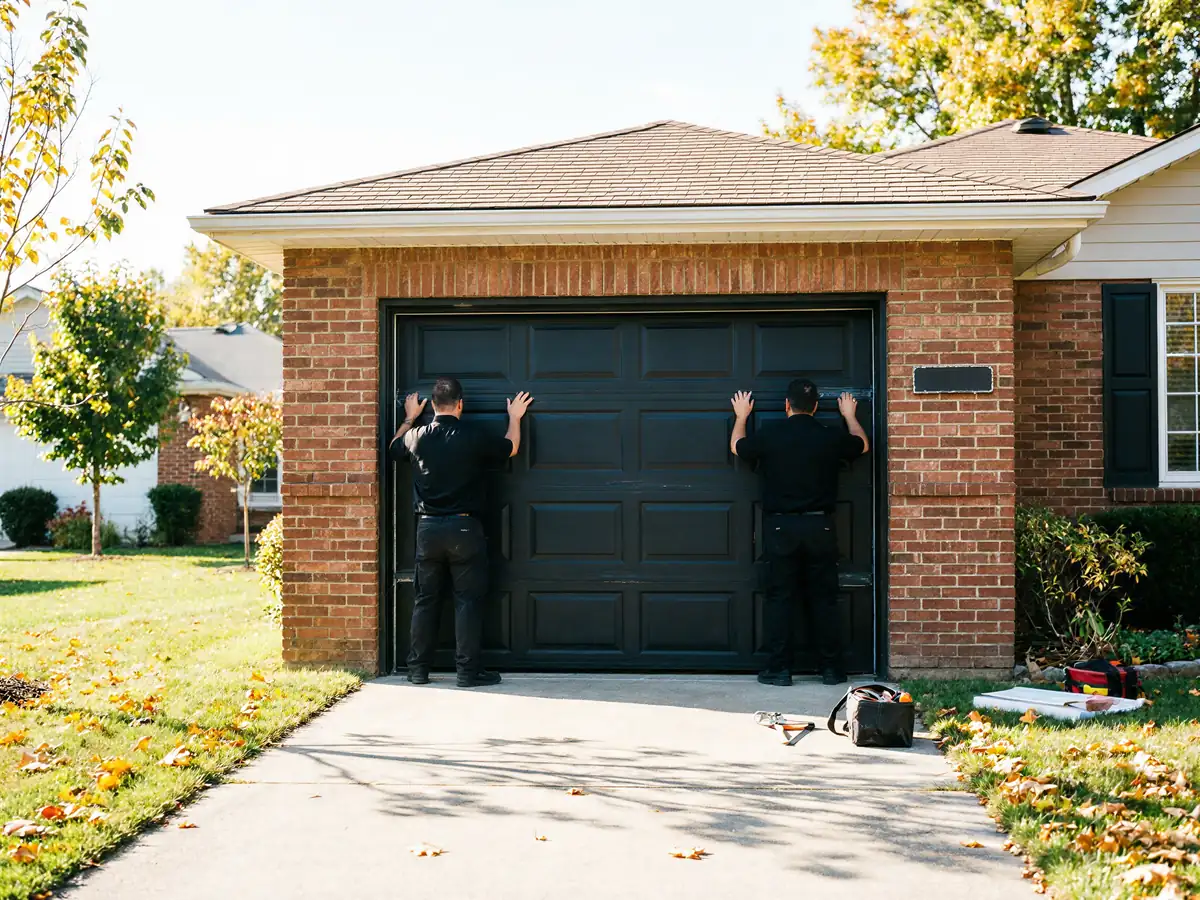
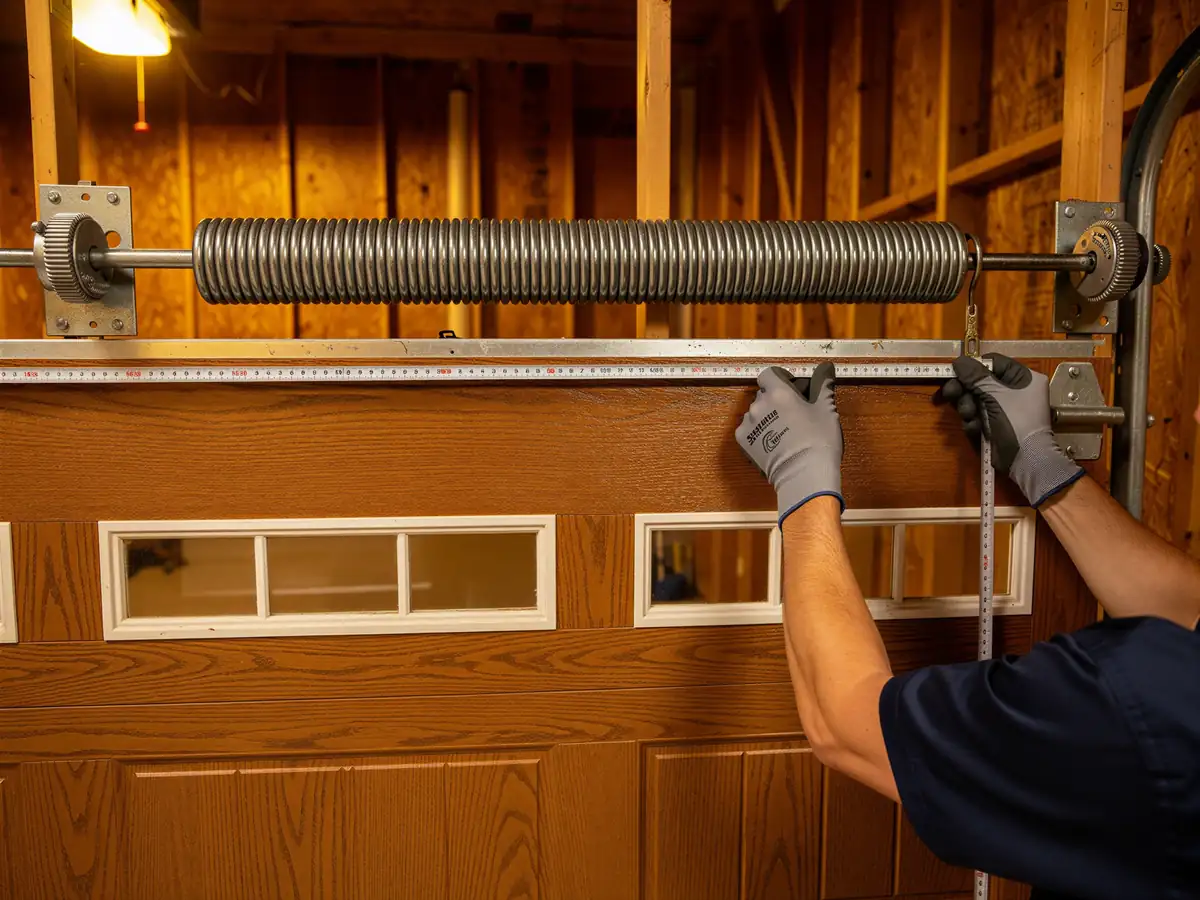
We pull the damaged section, measure the door's width and panel height, and order a matching replacement panel rather than a full door whenever the rest of the sections and the track are still good. On doors this old, matching the exact profile and color isn't always possible - manufacturers have changed panel designs multiple times since the late 1960s, and some original profiles simply aren't made anymore. When that's the case, we'll tell you straight: either we replace the one panel with a close match and accept a slight mismatch, or we talk about replacing the whole door. We don't try to force a wrong-profile panel onto an old door just to call the job done.
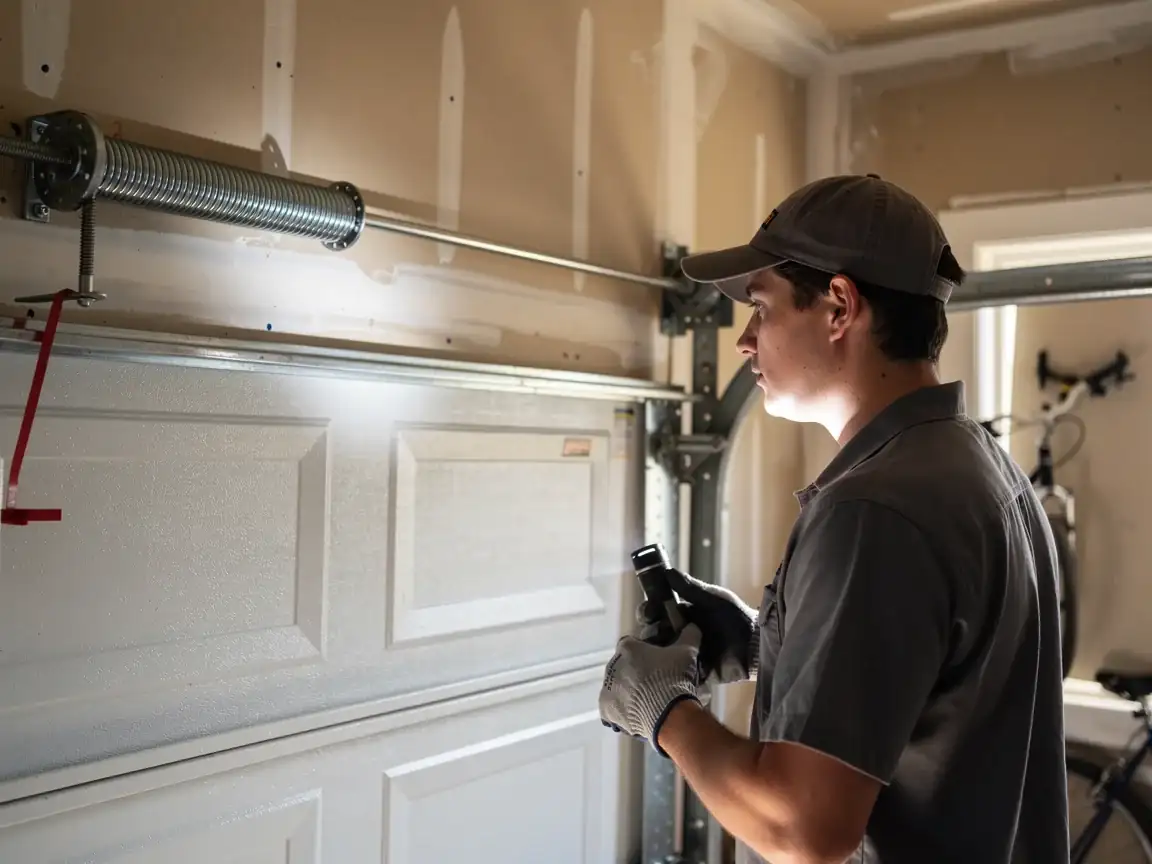
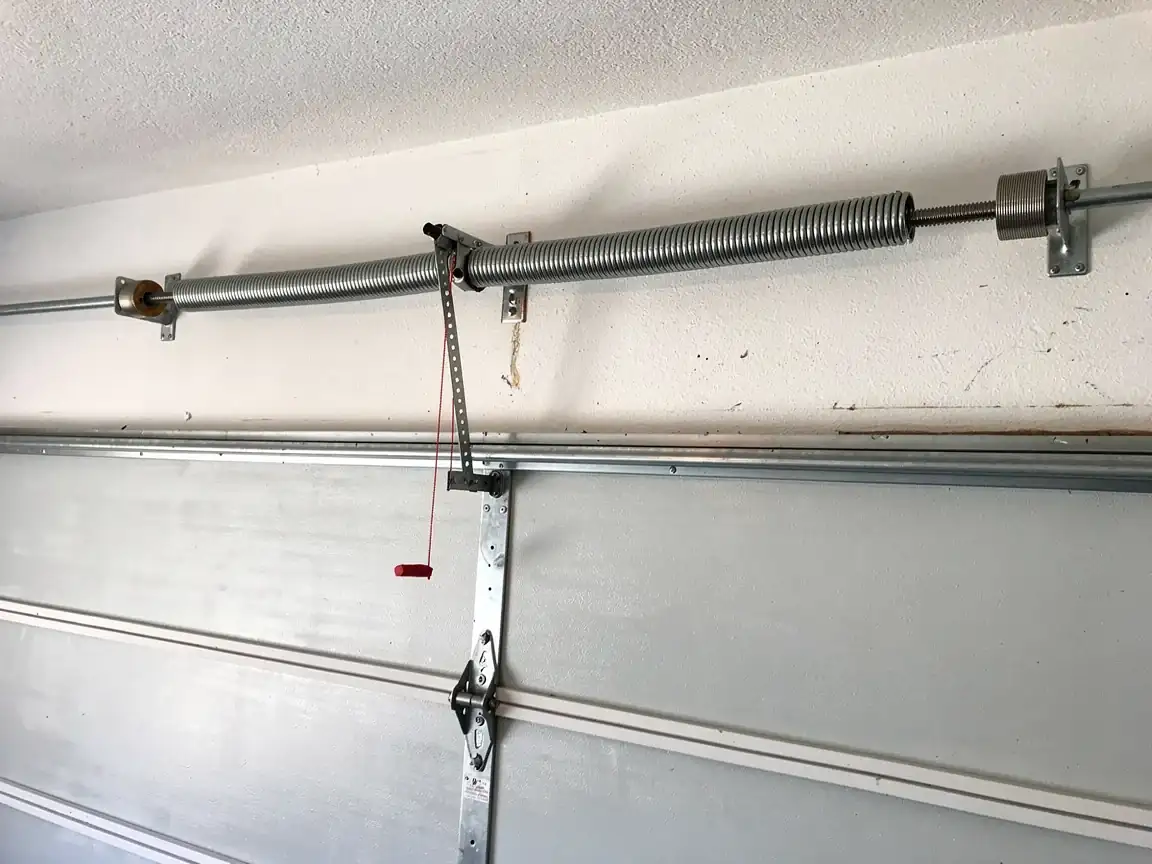
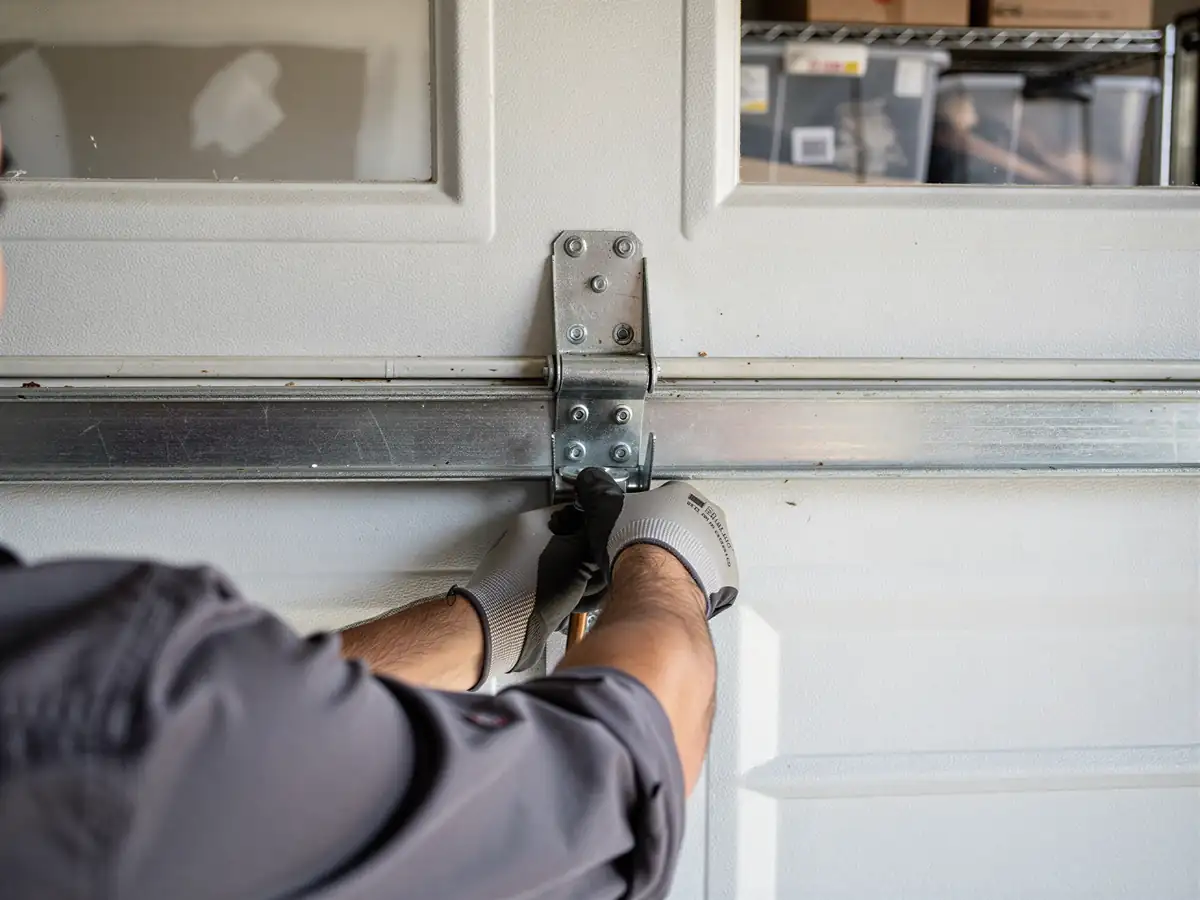
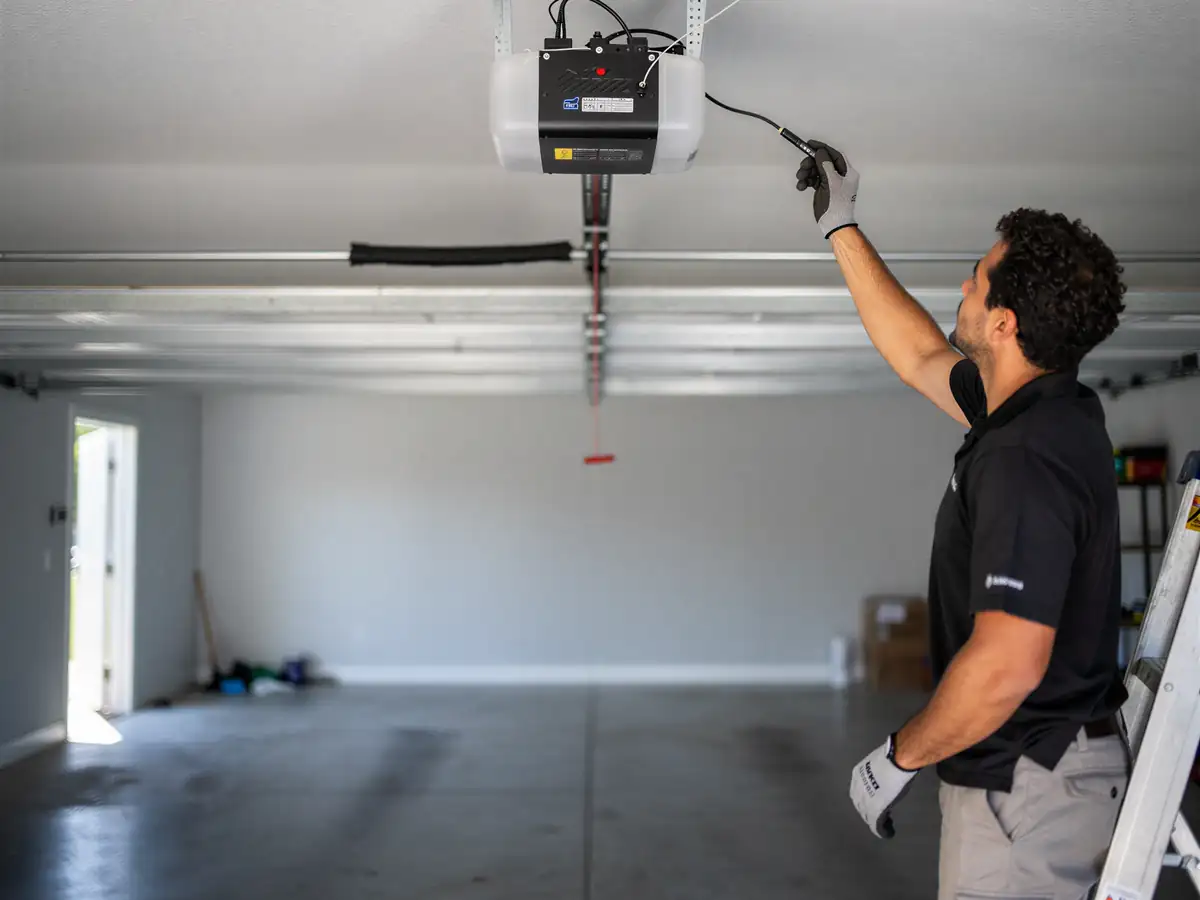
Once the new panel is in, we reset the hinges and rollers on that section and run the door through a full cycle to check balance - a new panel changes the weight distribution slightly, which can throw off spring tension on an older torsion setup. We check that before we leave, not after you call back.