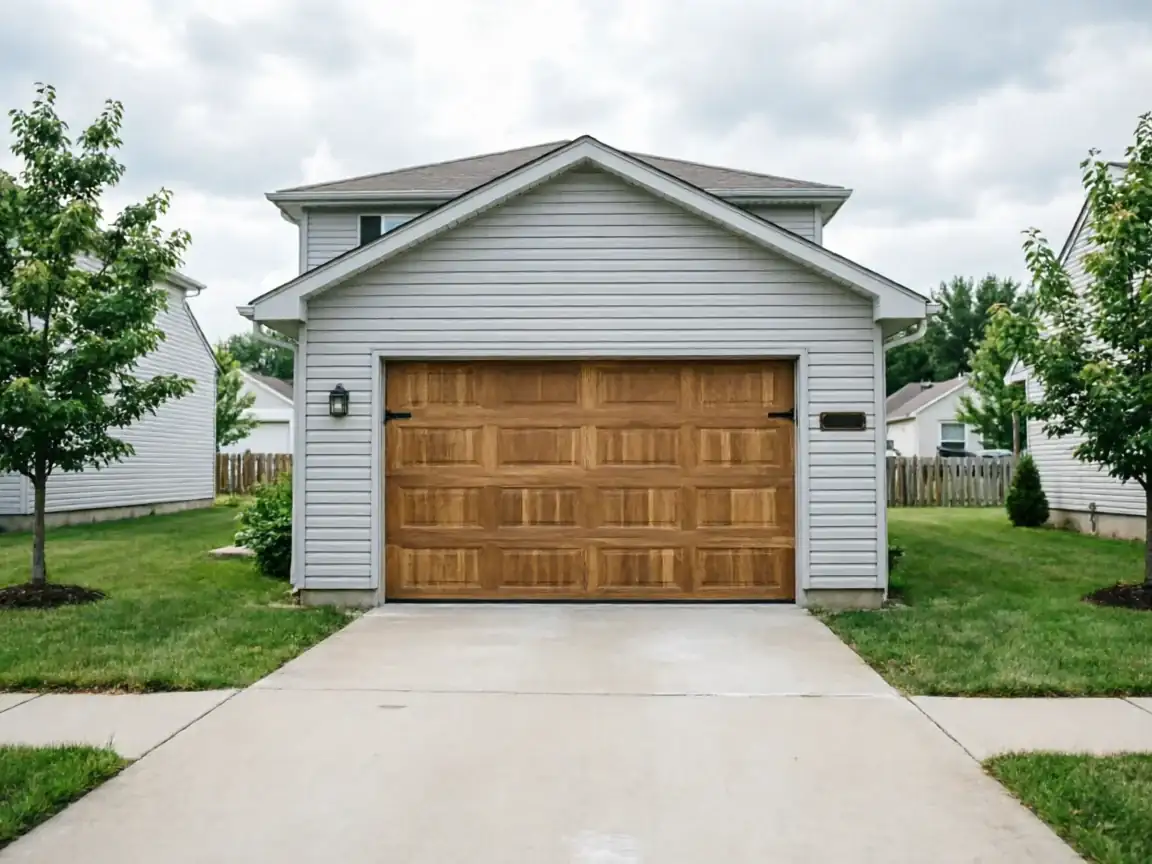
What You Are Seeing
Colona is a small slice of this service area
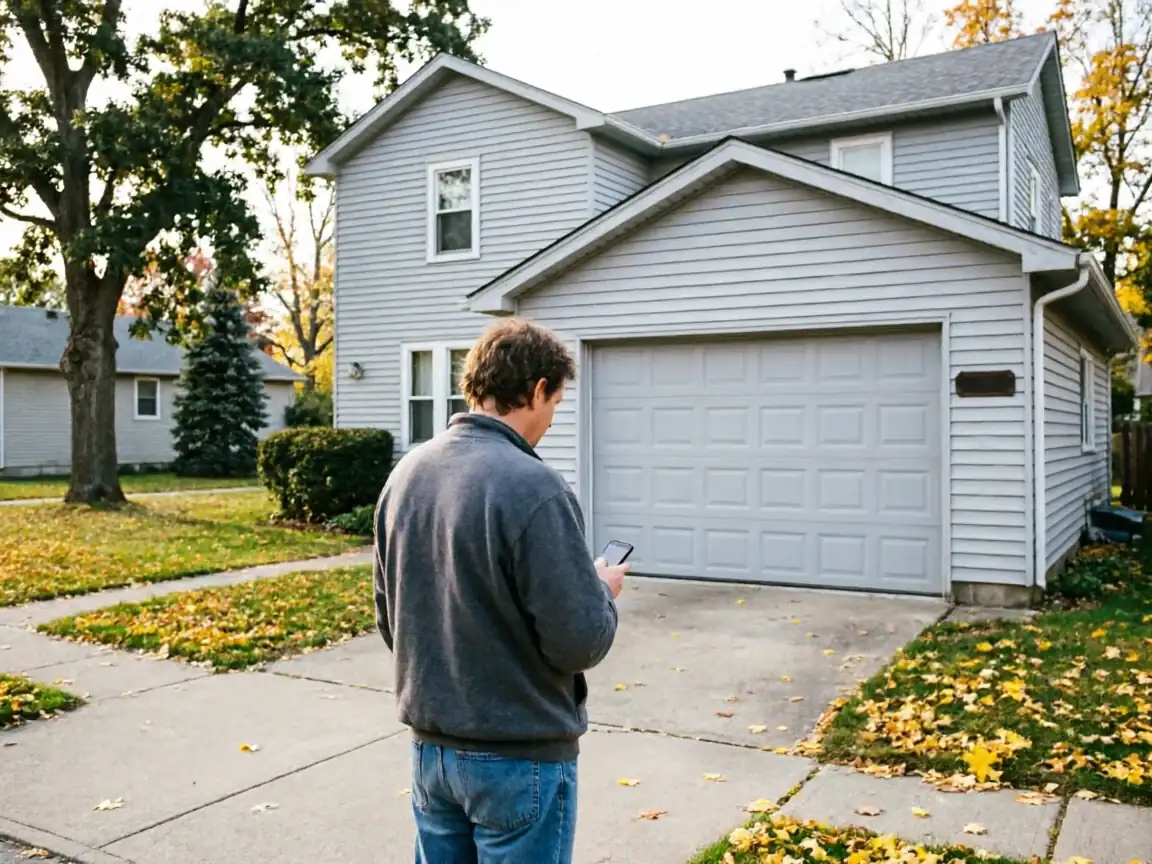
About 2,108 households, with a median income of $76,558, which runs above the broader area's $70,407. That's not a trivia point. It tells you something about how these garages were built out and maintained: fewer rental units, more owners who've kept the original door longer than they probably should have.
- 2,108 households
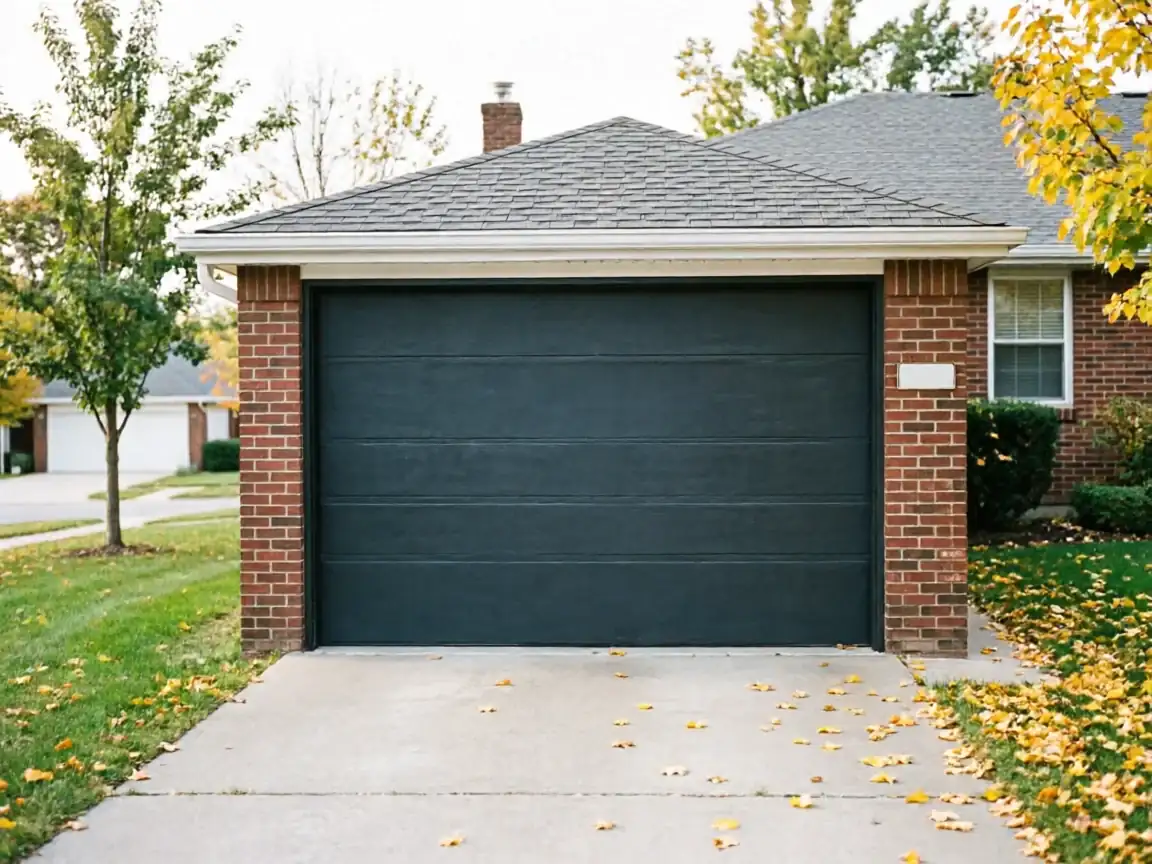
The houses here land inside the same build window as the rest of the area, 1952 through 1998, centered on 1968
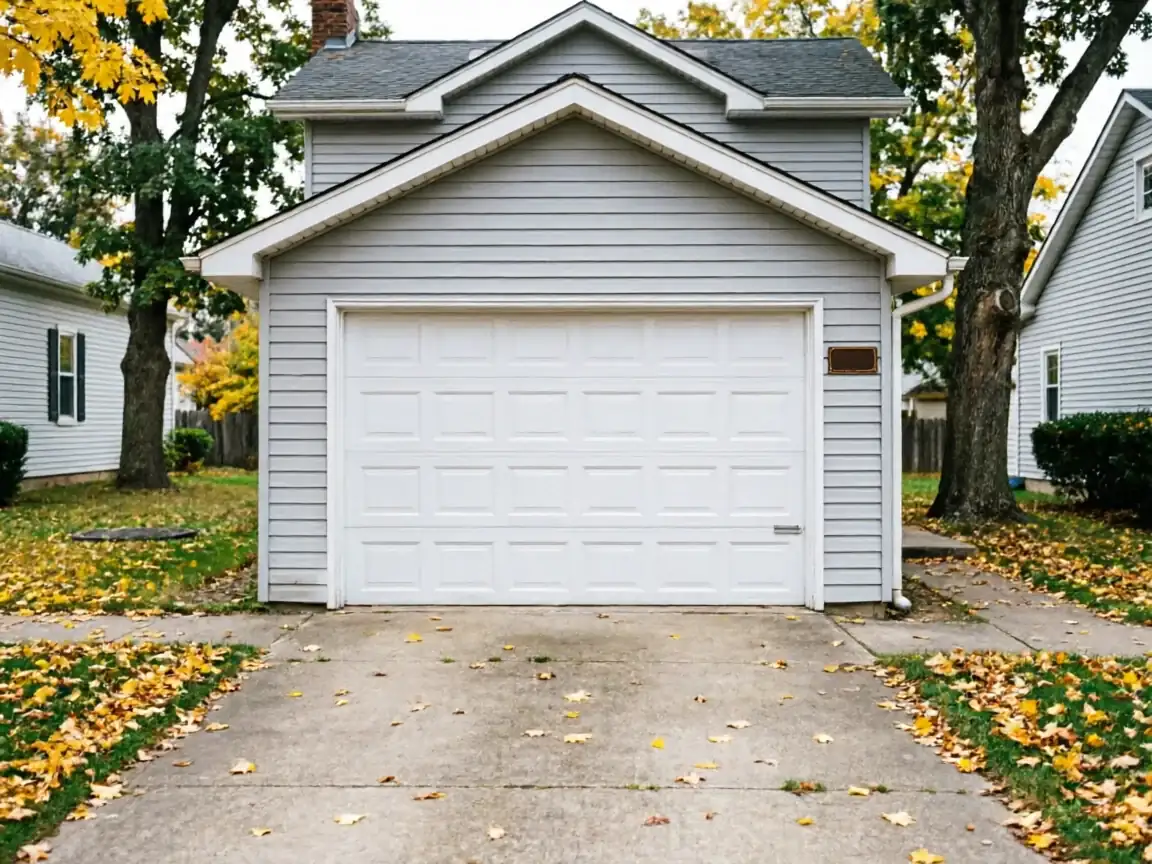
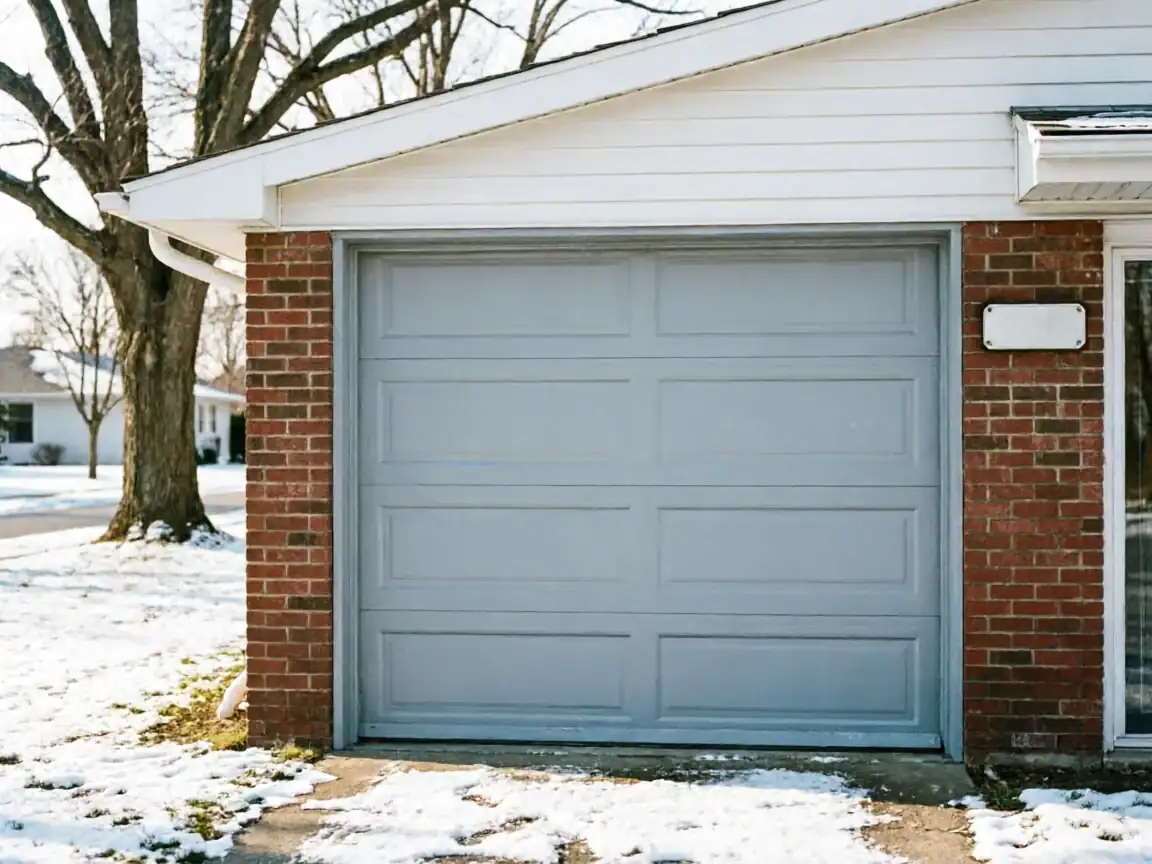
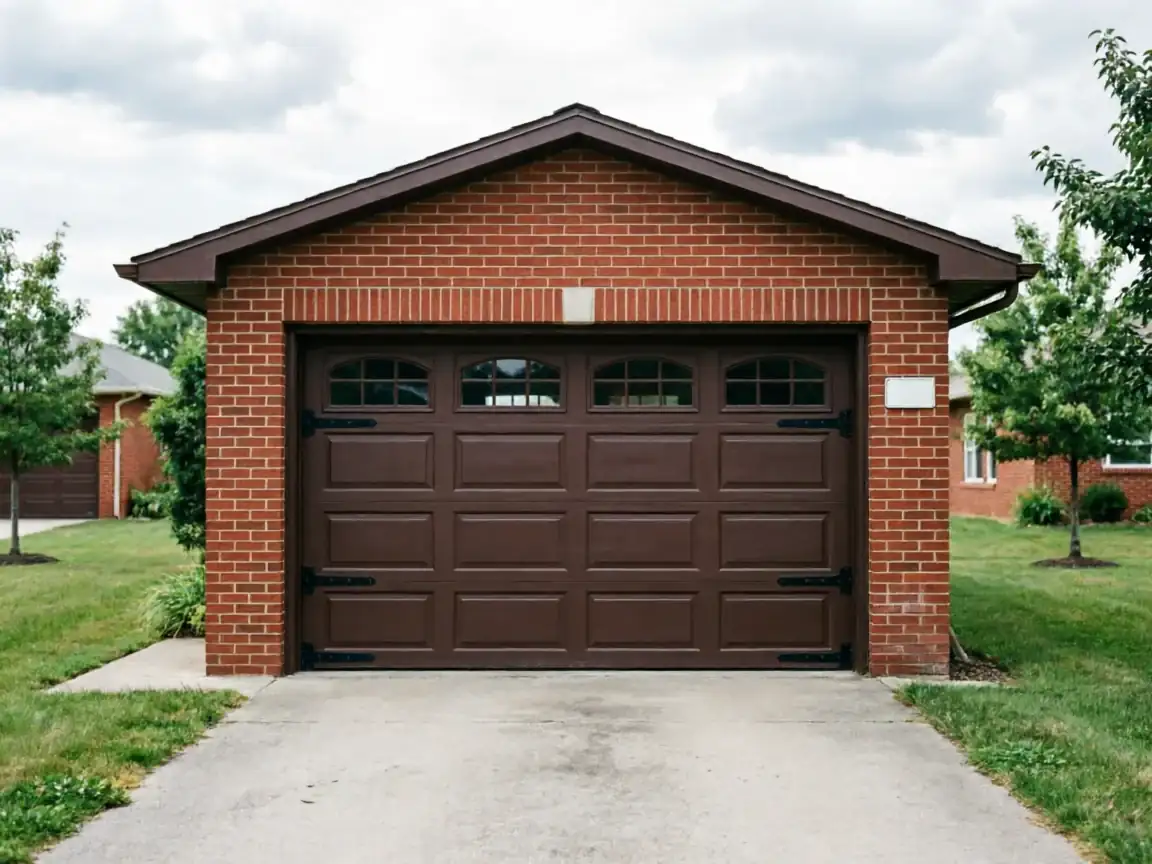
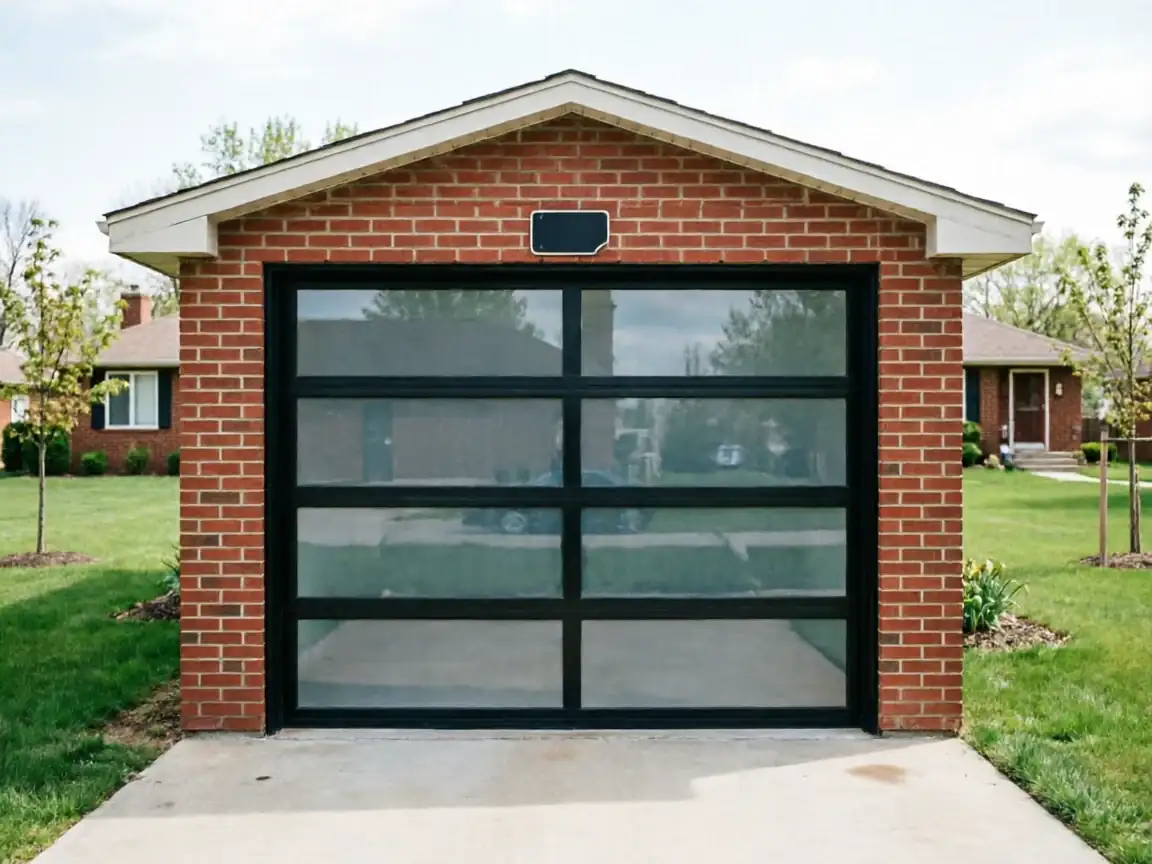
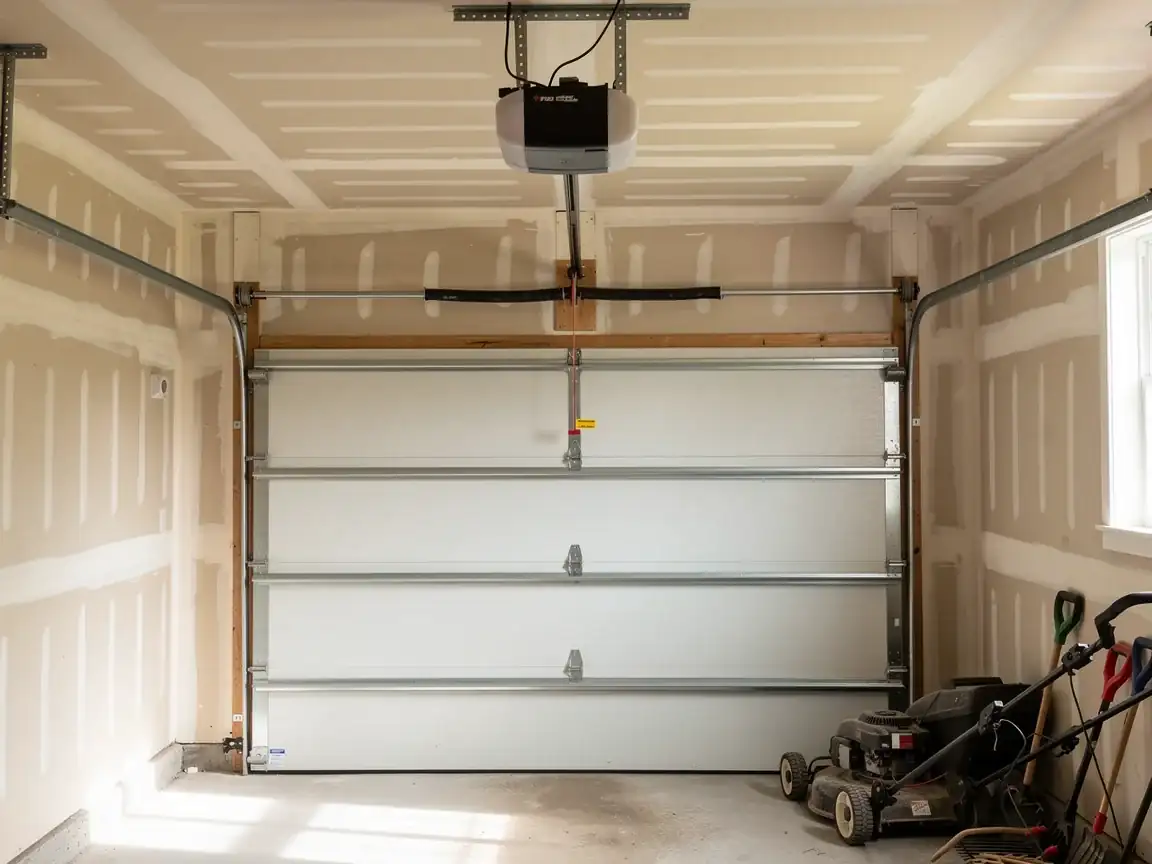
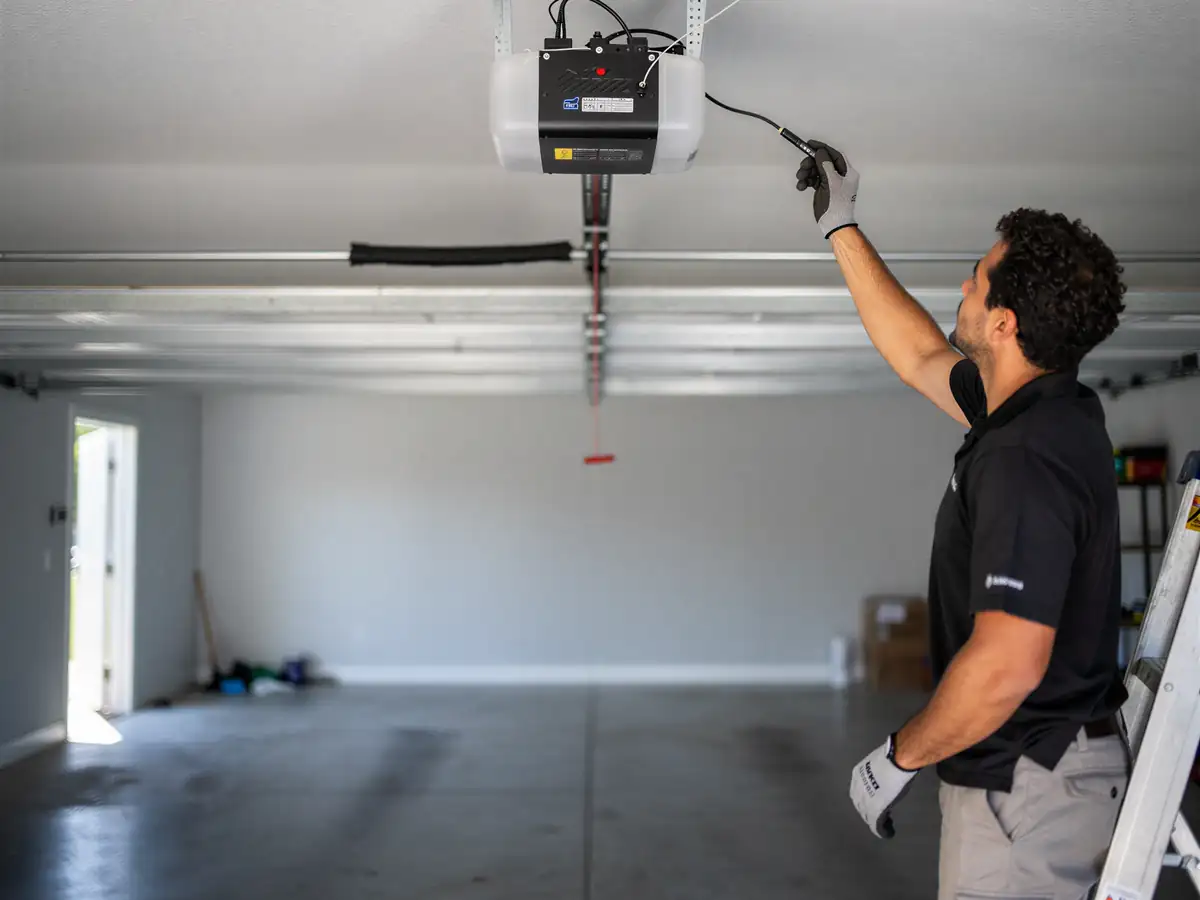
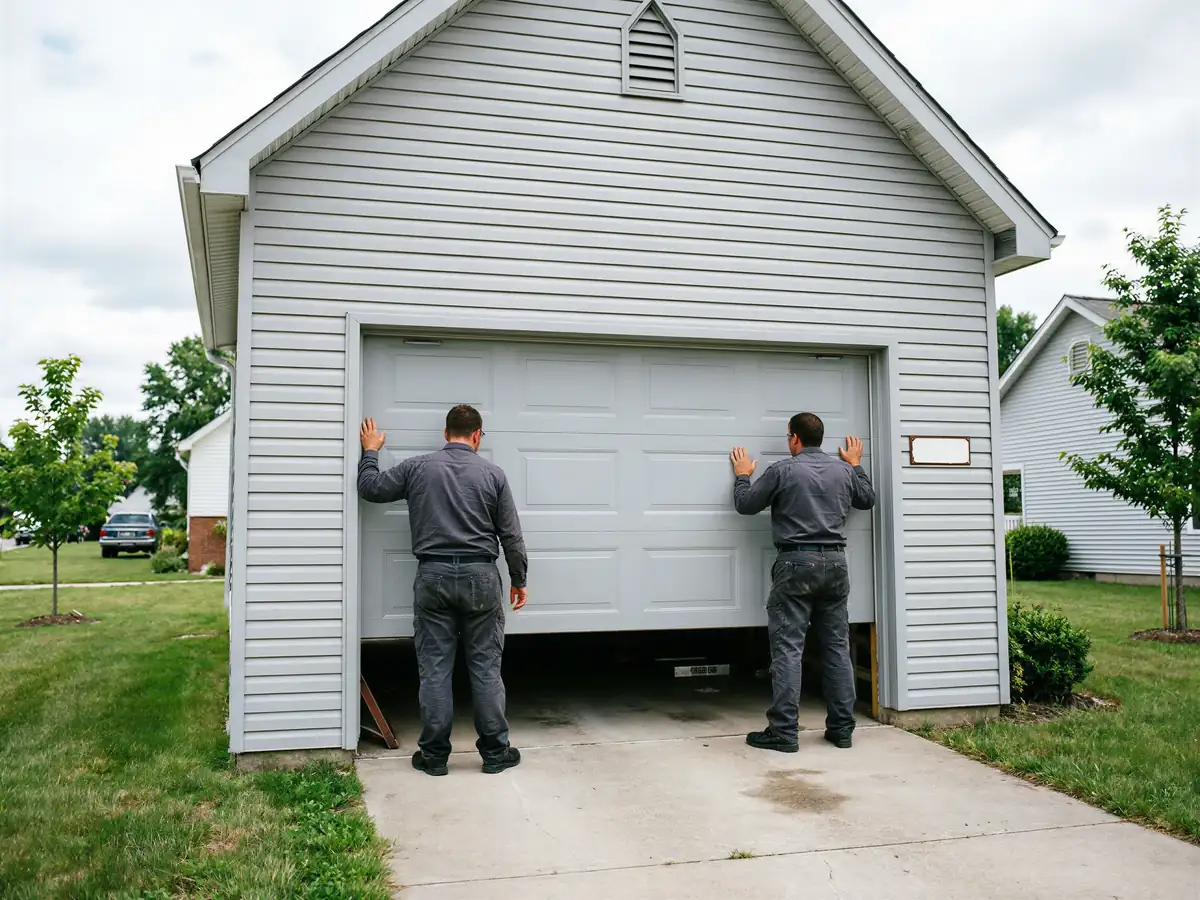
That means a lot of the doors we see on service calls in Colona are original or close to it - steel sectional panels on torsion springs that have outlived their rated cycle count by a decade or more. Sagging bottom panels, a door that lurches instead of rolling smooth, an opener straining against a spring that's not pulling its share of the weight anymore. None of that is dramatic. It's just what forty-plus-year-old hardware does.
Colona sits about 8 miles out from Moline, past Coal Valley and Rock Island on the way in
It's not the closest stop on the route, but it's a regular one.
- 8 miles
Why It Happens Here
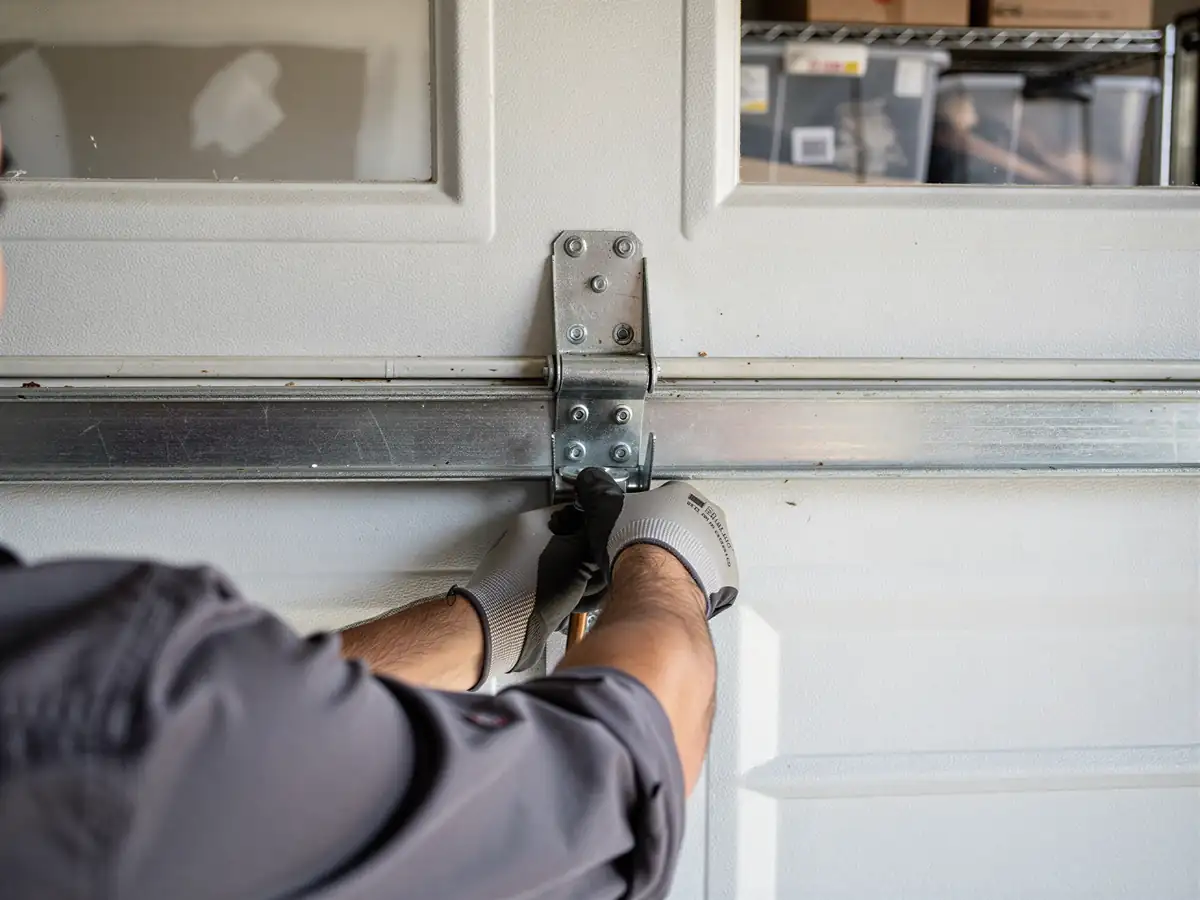
This area sits in a cold-moderate climate band, and that matters more for garage doors than people expect. Steel contracts in a hard freeze and expands again on the thaw, and it does that dozens of times each winter. On a door from the 1960s or 70s - mostly what you've got in Colona, per the same 1952-1998 build stretch that covers this whole area - the mounting hardware has been through fifty-plus winters of that cycle. Track brackets loosen. Hinges that were torqued down in 1968 work themselves looser by a quarter turn a year, and nobody notices until the door starts binding on one side.
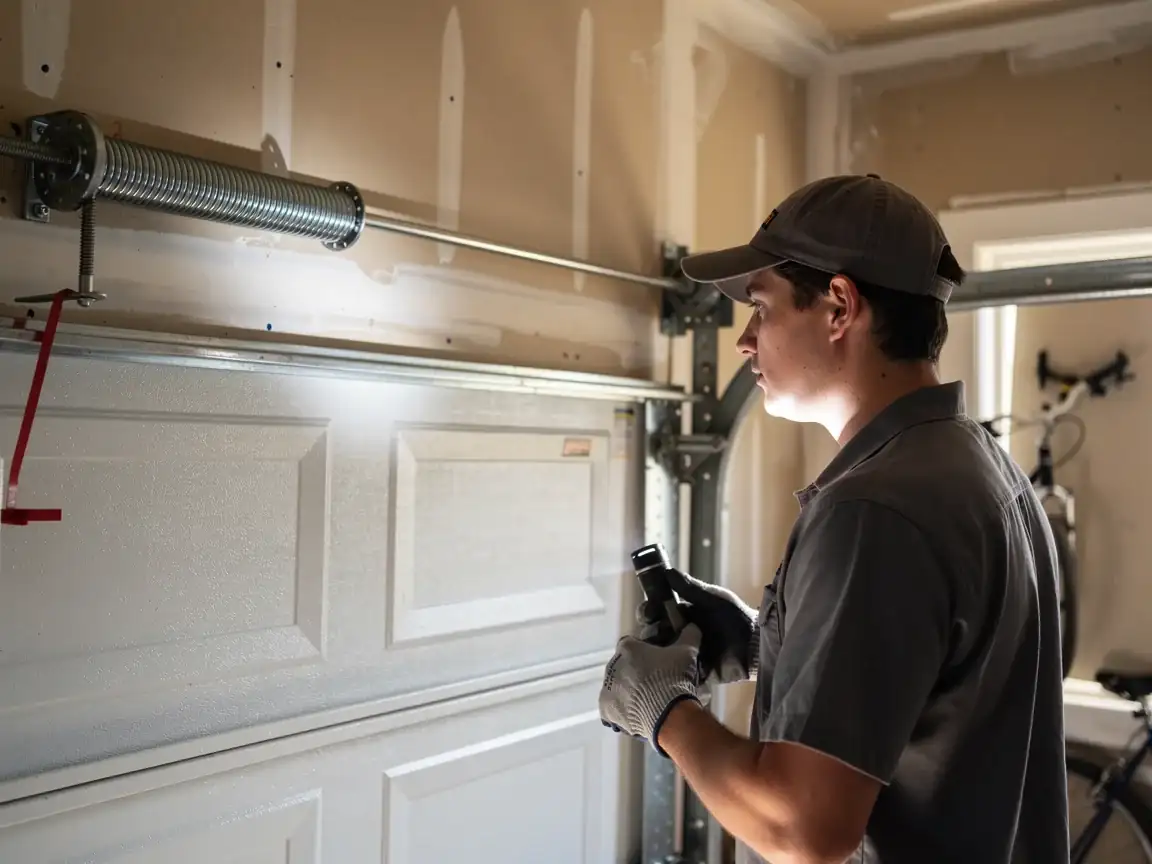
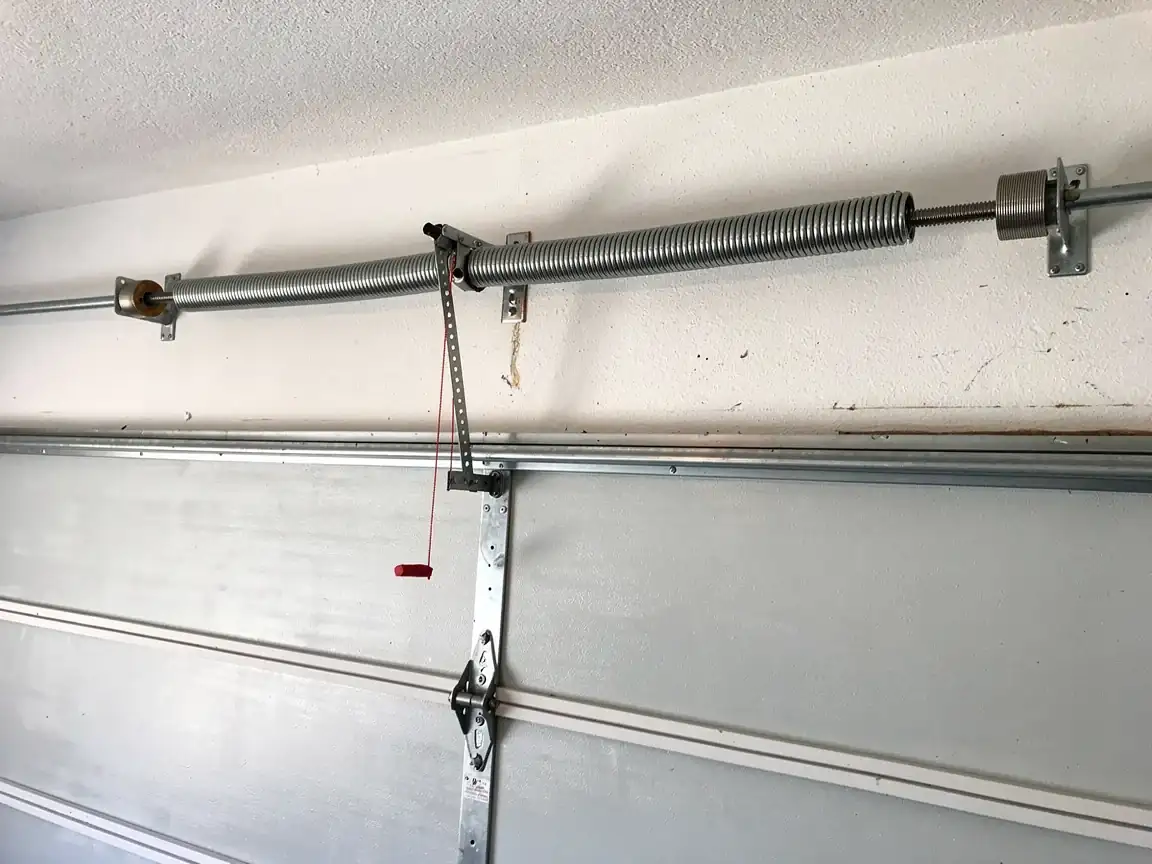
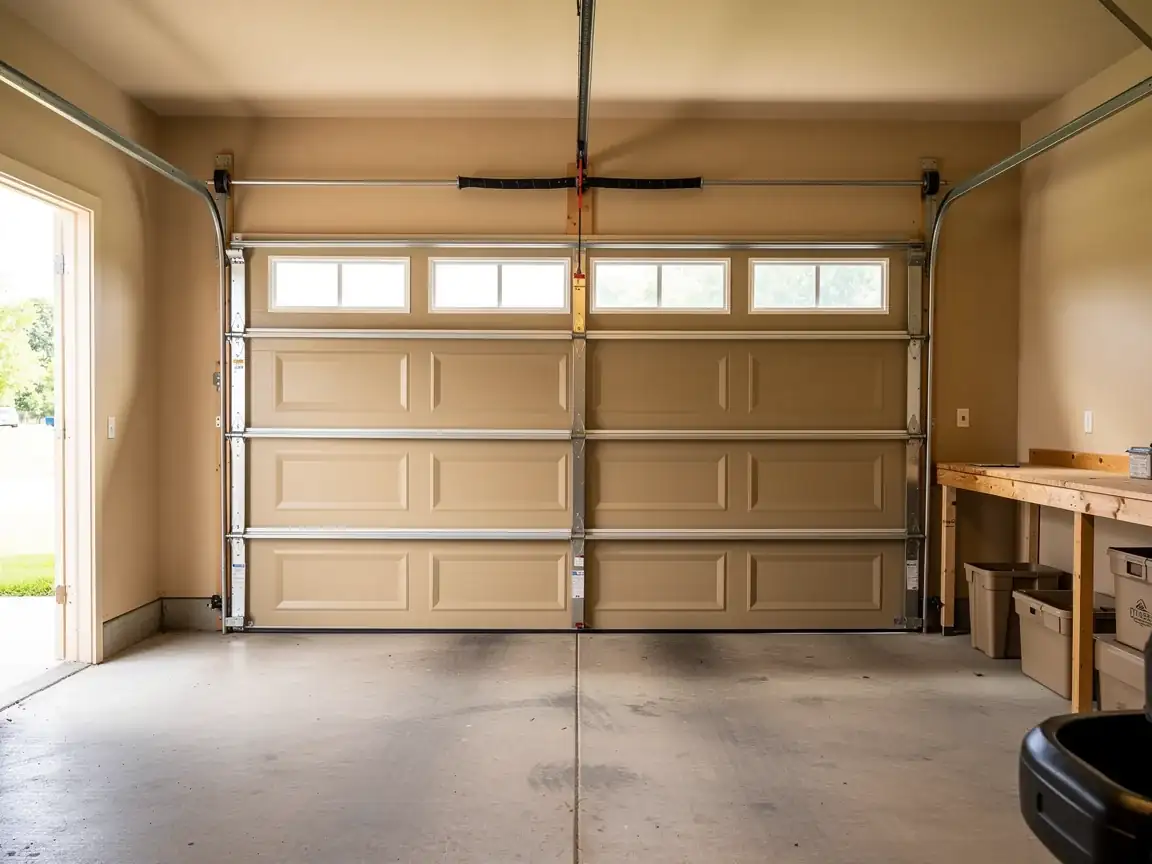
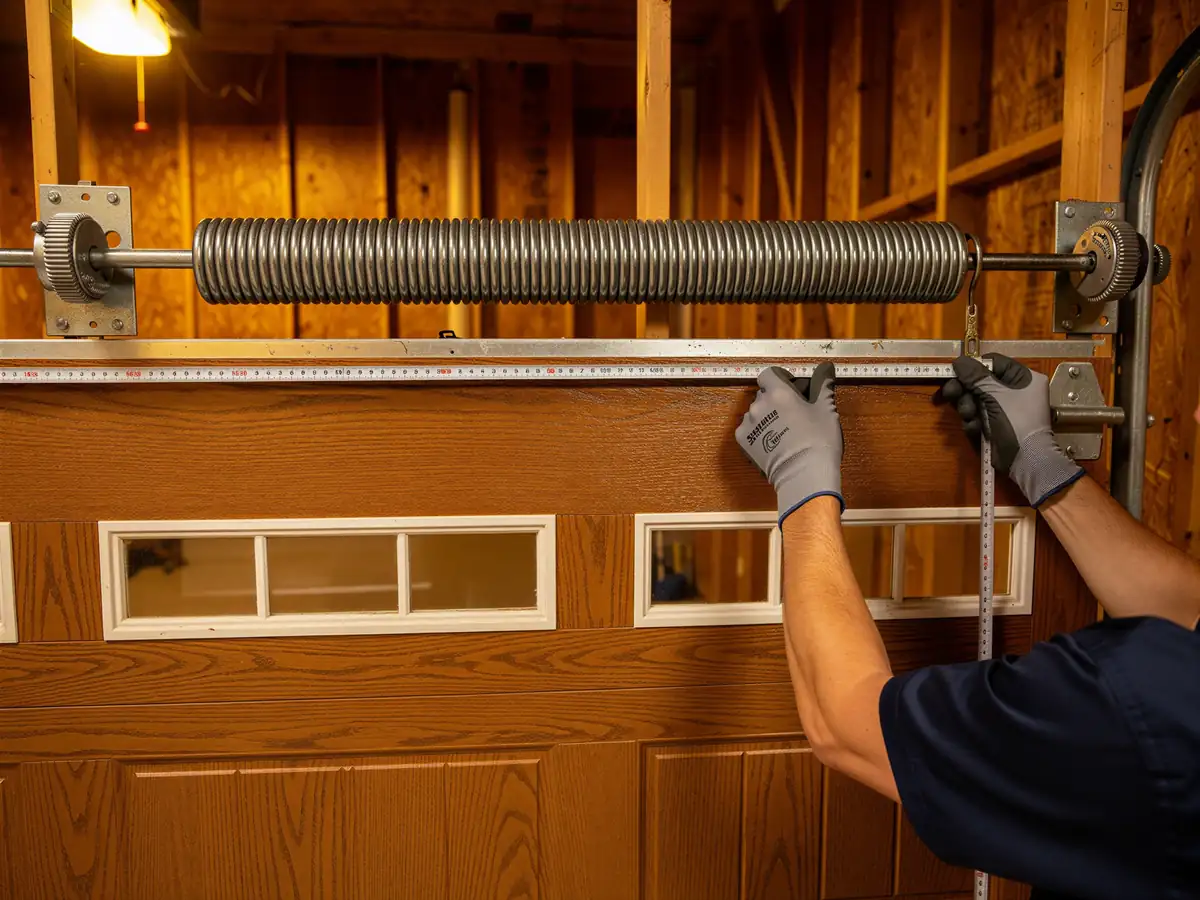
Torsion springs are rated in cycles, not years, but age still shows: galvanized coating wears thin, rust finds the coil, and a spring that's sat through fifty winters snaps with less warning than a newer one would. On a double door that's heavier stock from that era, a single spring doing the work of two is a common setup we still find out here, and it's a setup that fails hard when it fails.
The short version: Colona's doors are old enough that the freeze-thaw cycle has had a lot of time to work on them, and that's the root of most of what we get called out for.
How We Fix It
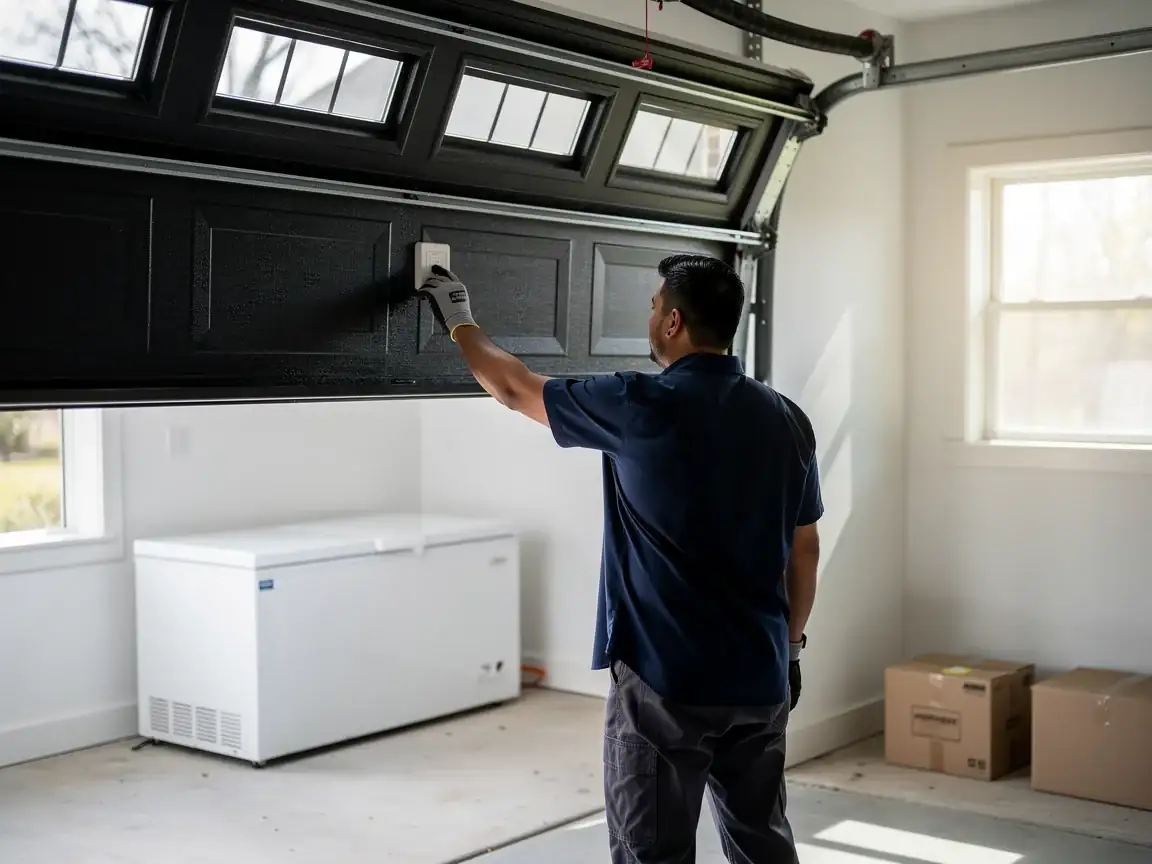
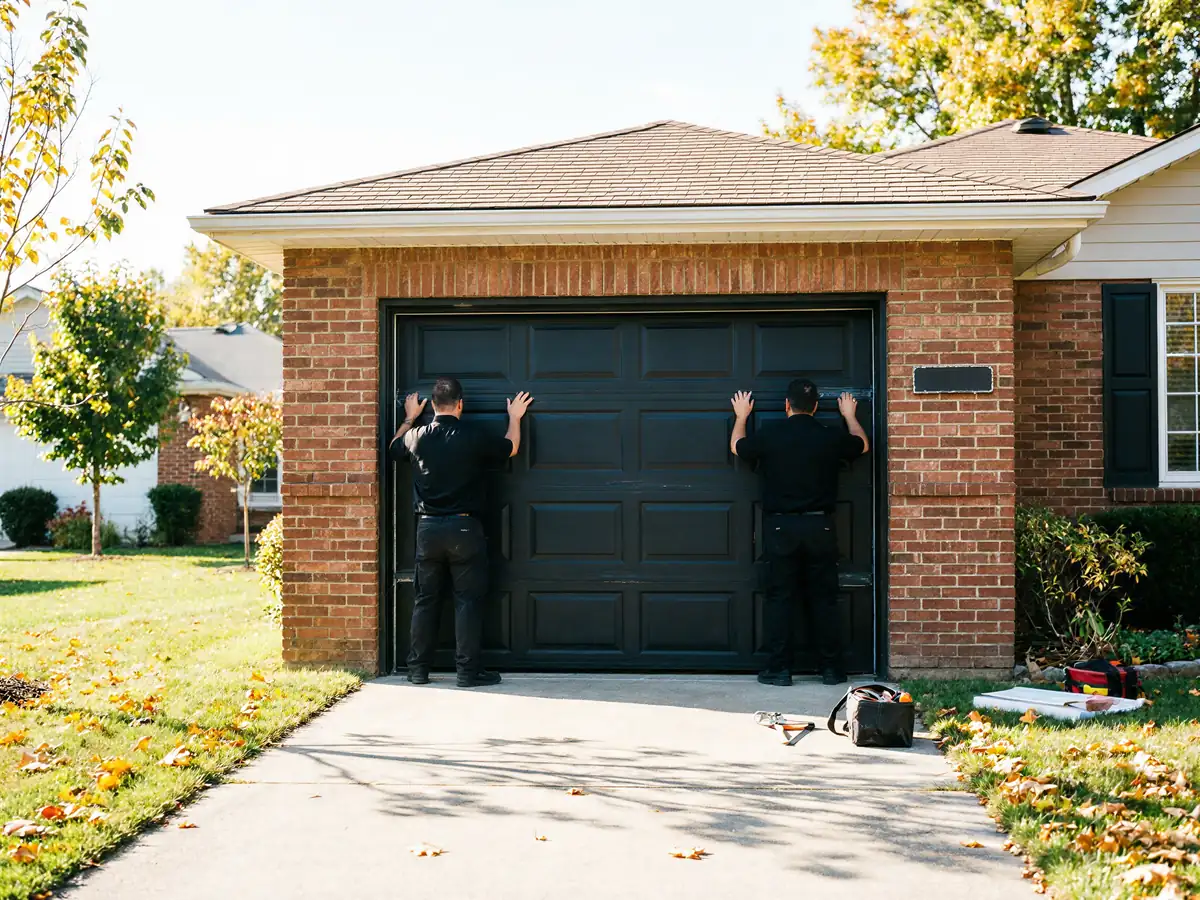
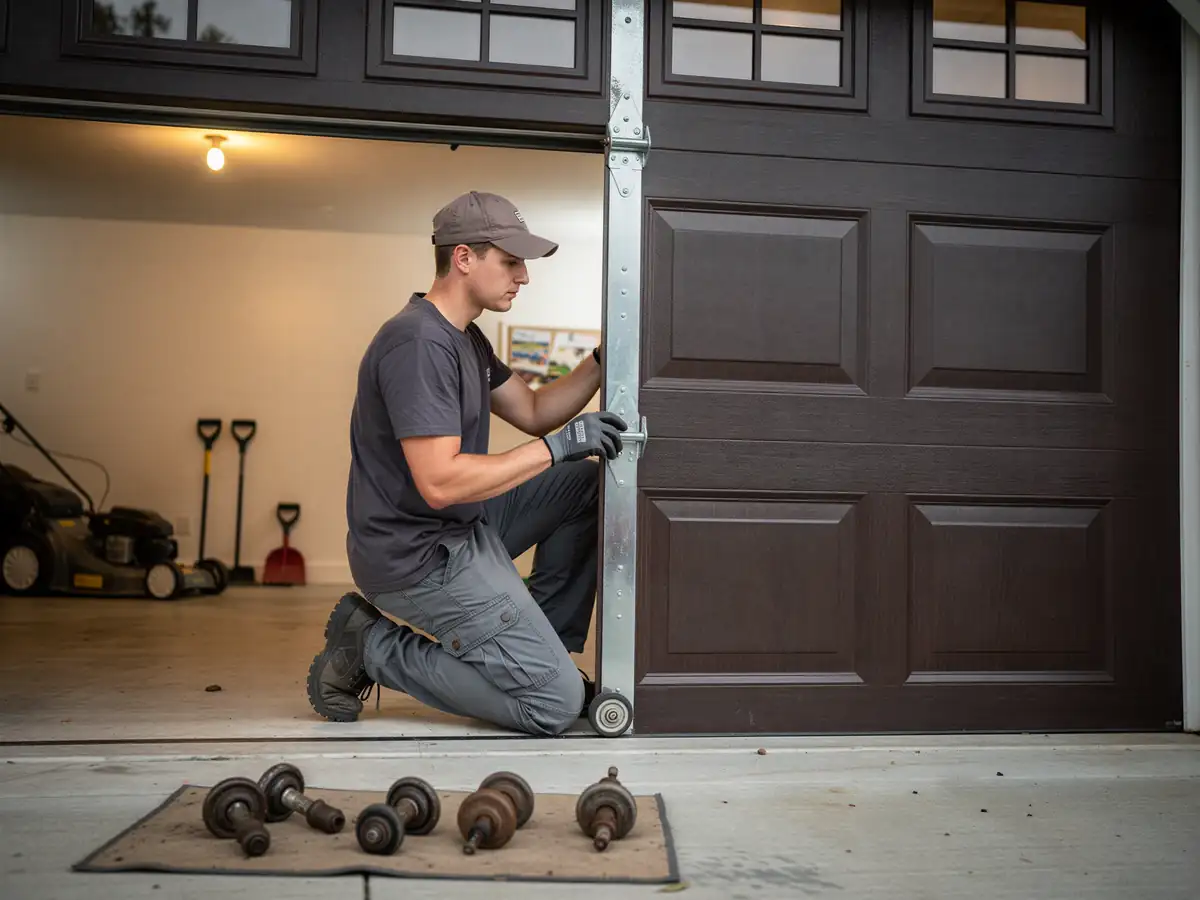
On a house from this build era, we're usually looking at one of three jobs: a torsion spring swap, track realignment after the brackets have worked loose, or a full door replacement once the panels have rusted or dented past the point of a clean repair. We size the spring to the door's actual weight rather than guessing off the old one, since a lot of these original setups were undersized to begin with.
We'll tell you straight when a repair isn't worth it. If the door is steel from the 1960s with rust through more than one panel, patching one section just moves the next failure down the road a year or two - at that point replacement is the better spend, and we'll say so instead of running up a repair bill first.
One limitation worth knowing: if your door is an older or less common size, a replacement panel isn't always something we can grab off the truck that day. Parts for older stock sometimes take a few days to come in, and we'll tell you that up front rather than promise a same-day fix we can't back up.
Getting It Booked In
We run out of Moline
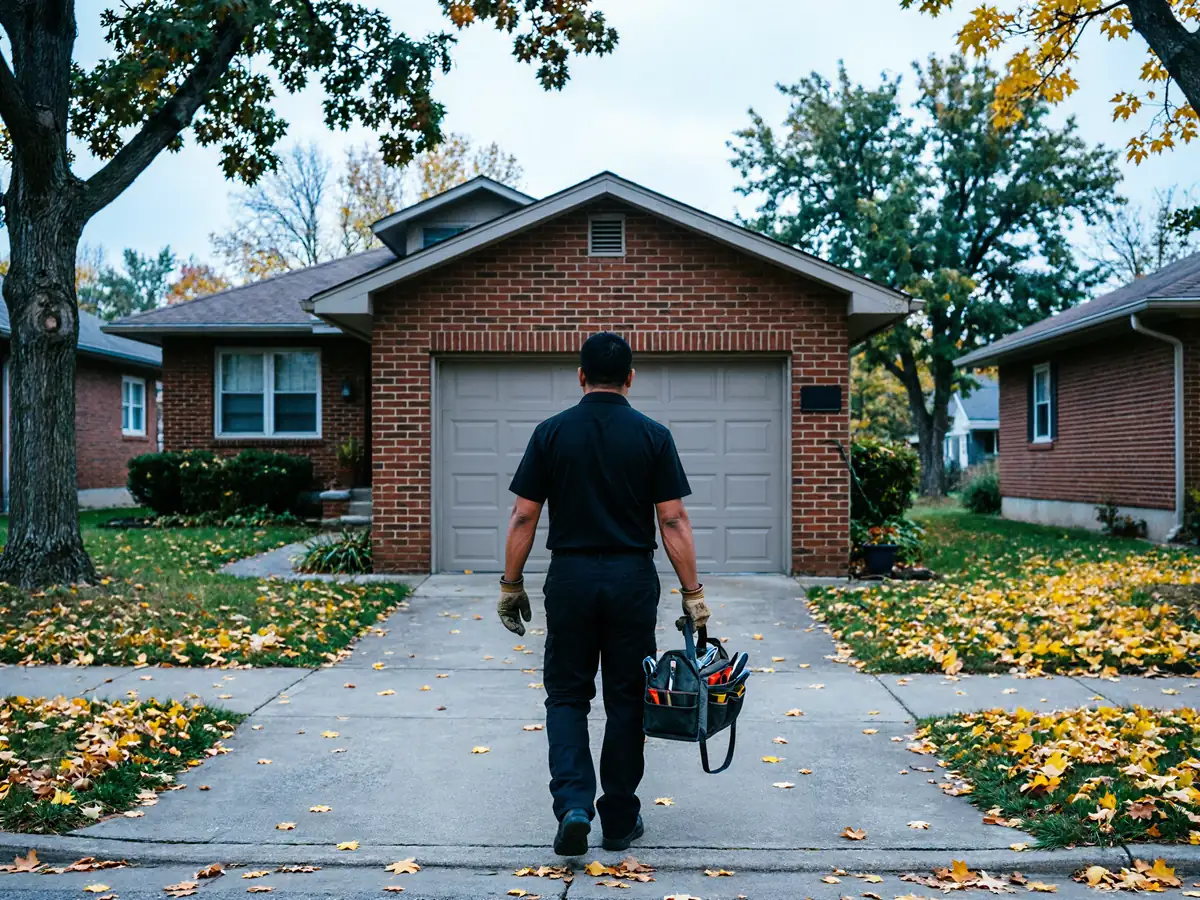
And Colona is about 8 miles from there - close enough that it's a normal stop, not a special trip. We don't keep a branch or drop point in Colona itself; the truck comes from Moline for every job here, same as it does for Coal Valley and Rock Island along the way.
- 8 miles
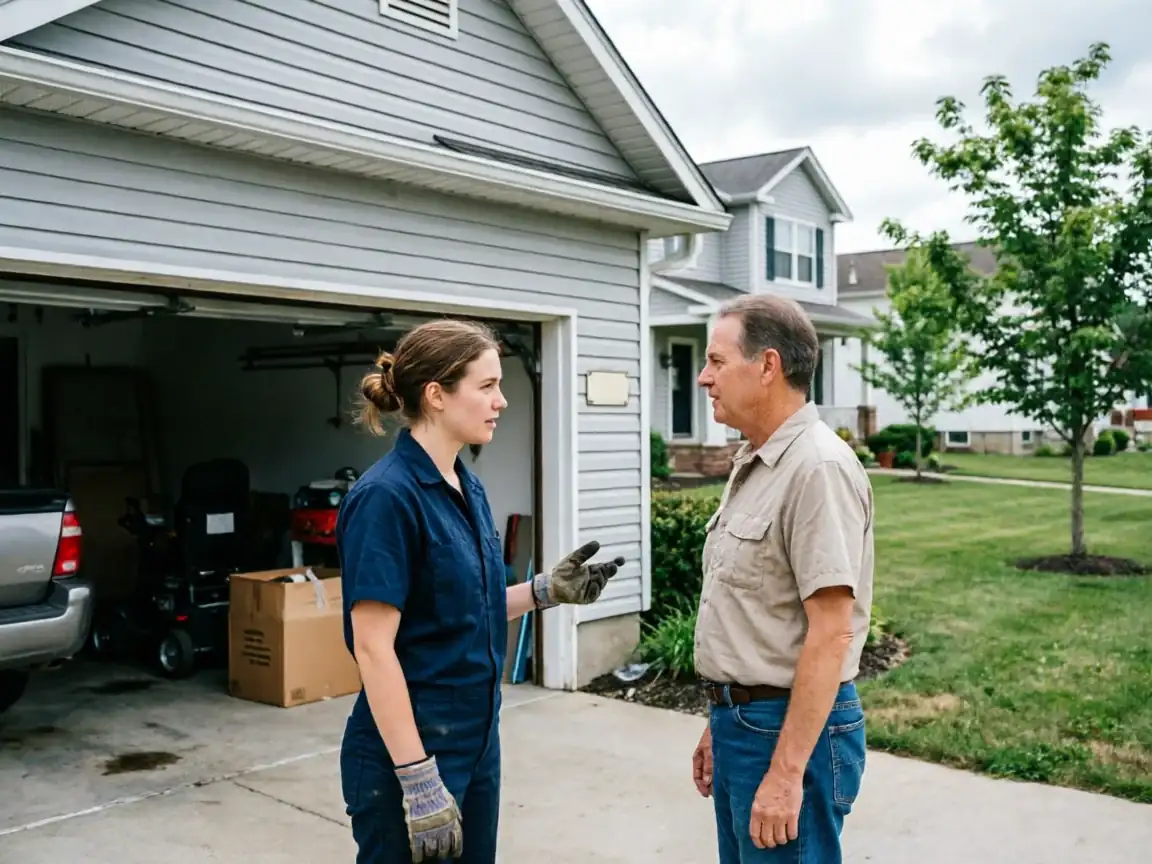
If you're not sure whether what you're hearing is a spring, a track, or an opener problem, that's fine
Most people aren't. Tell us what the door is doing (grinding, refusing to open, hanging crooked on one side) and we can usually narrow it down before the truck even leaves. See more on garage door service in Colona, or check the full rundown of what we handle out of our Moline shop.