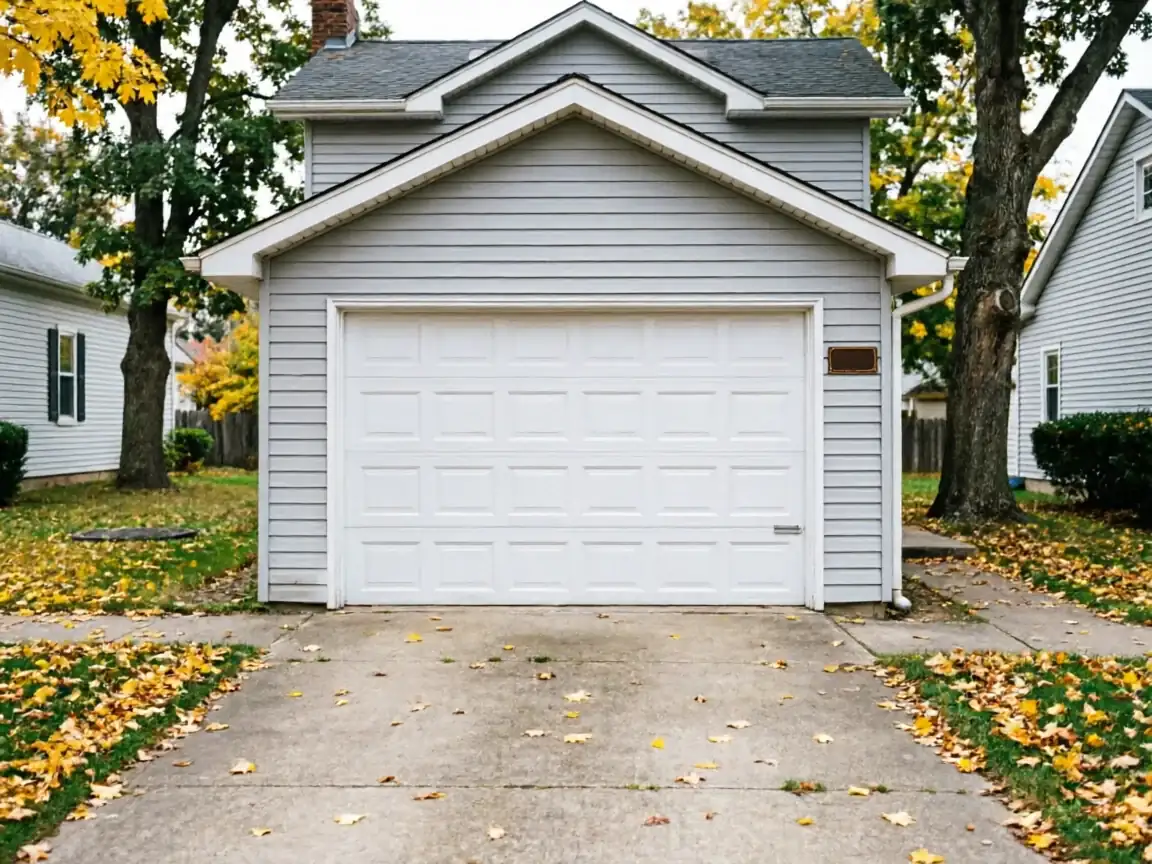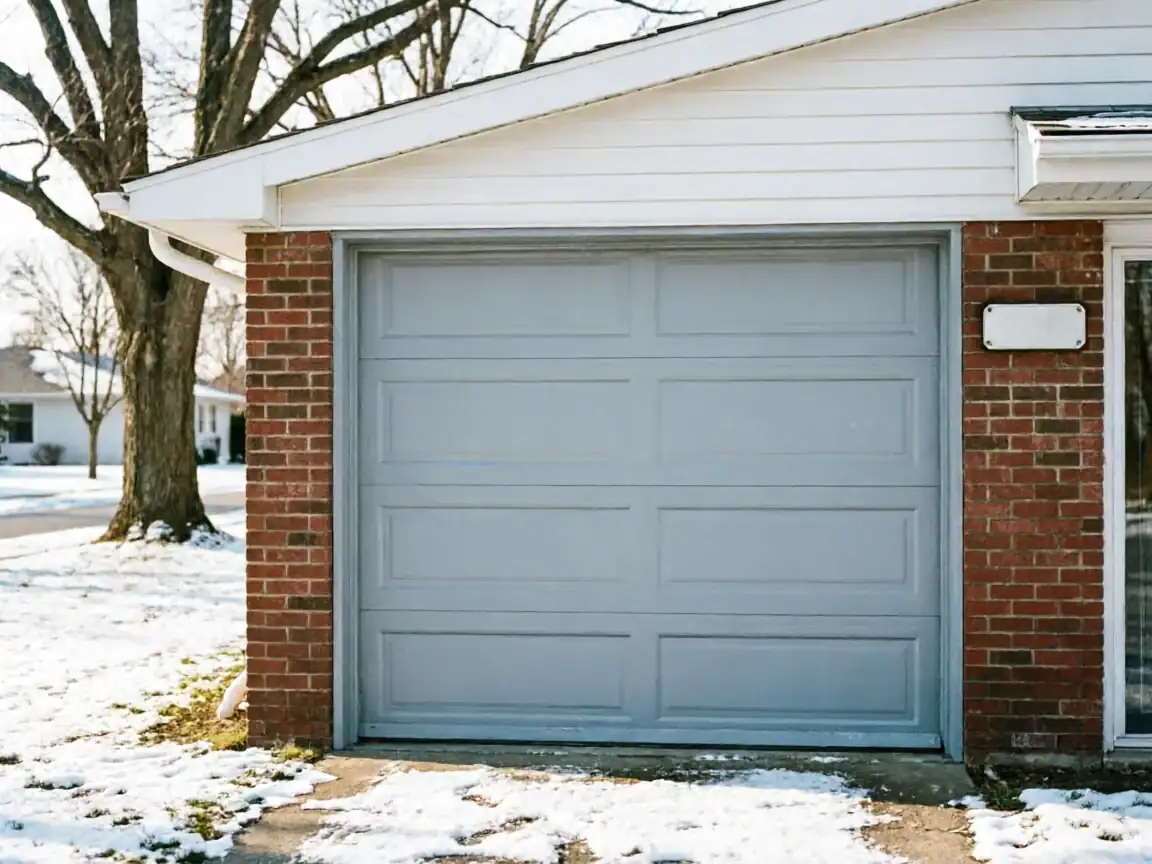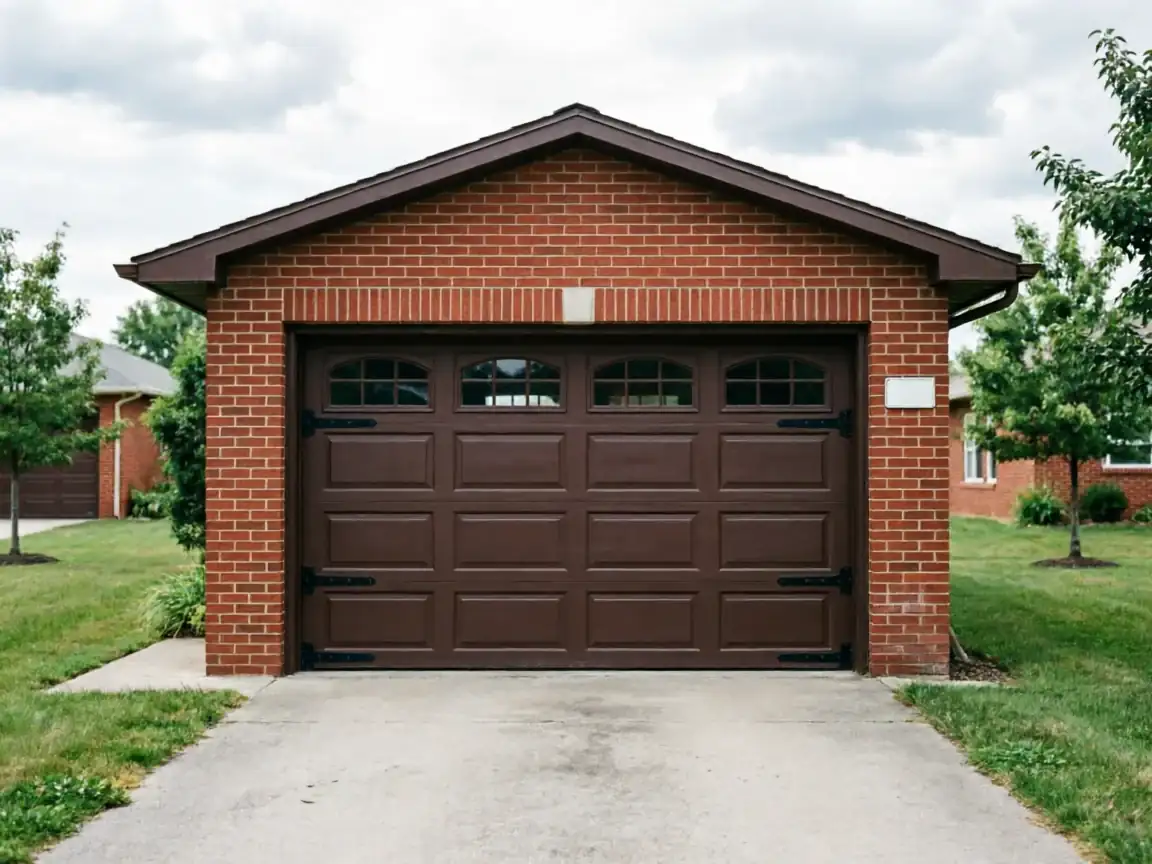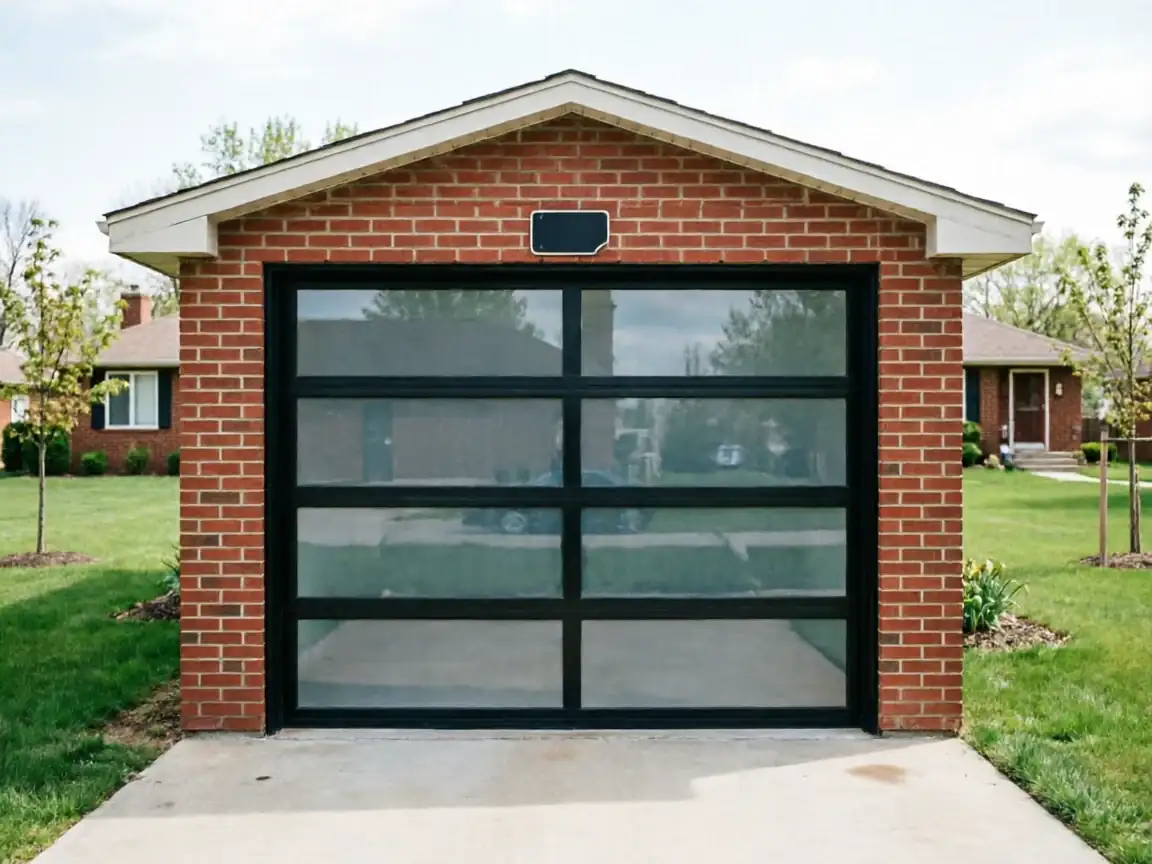
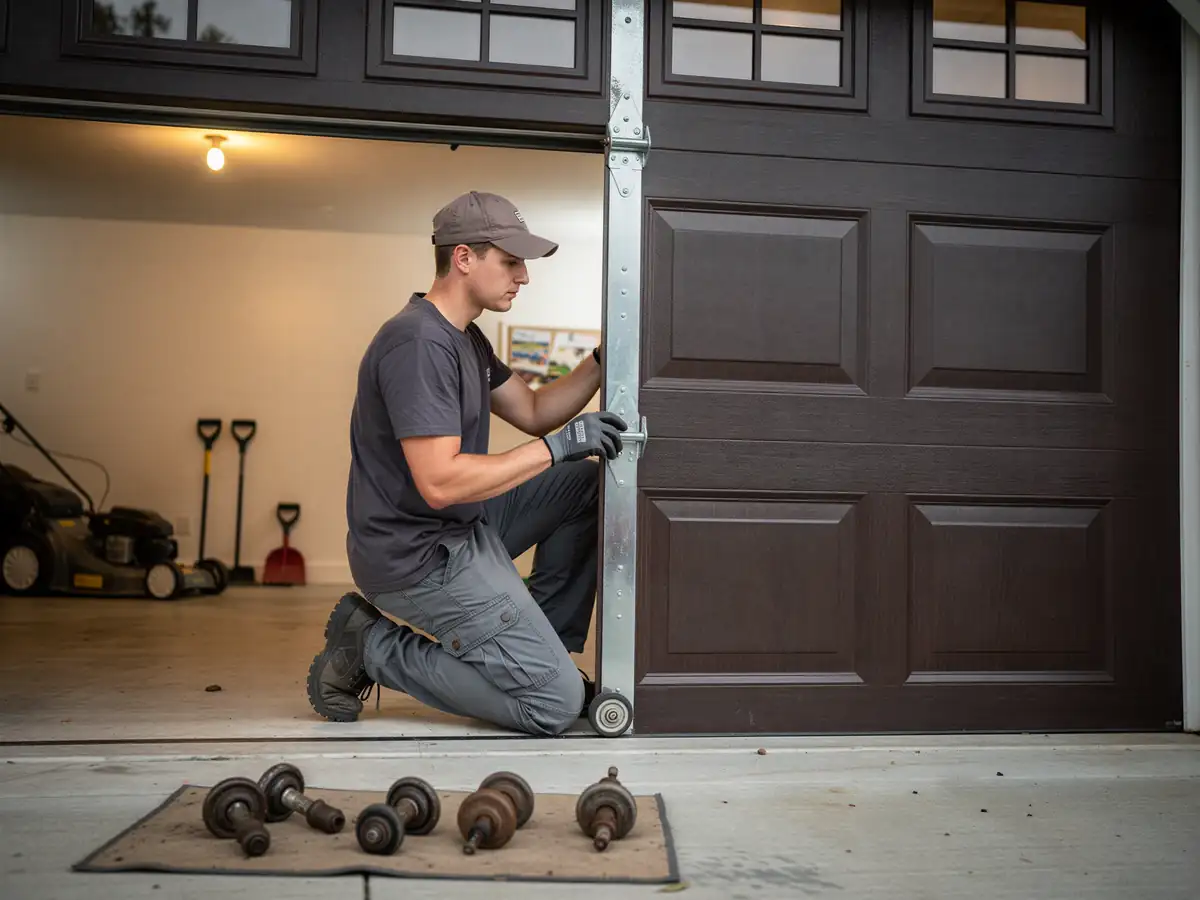
What You Are Seeing
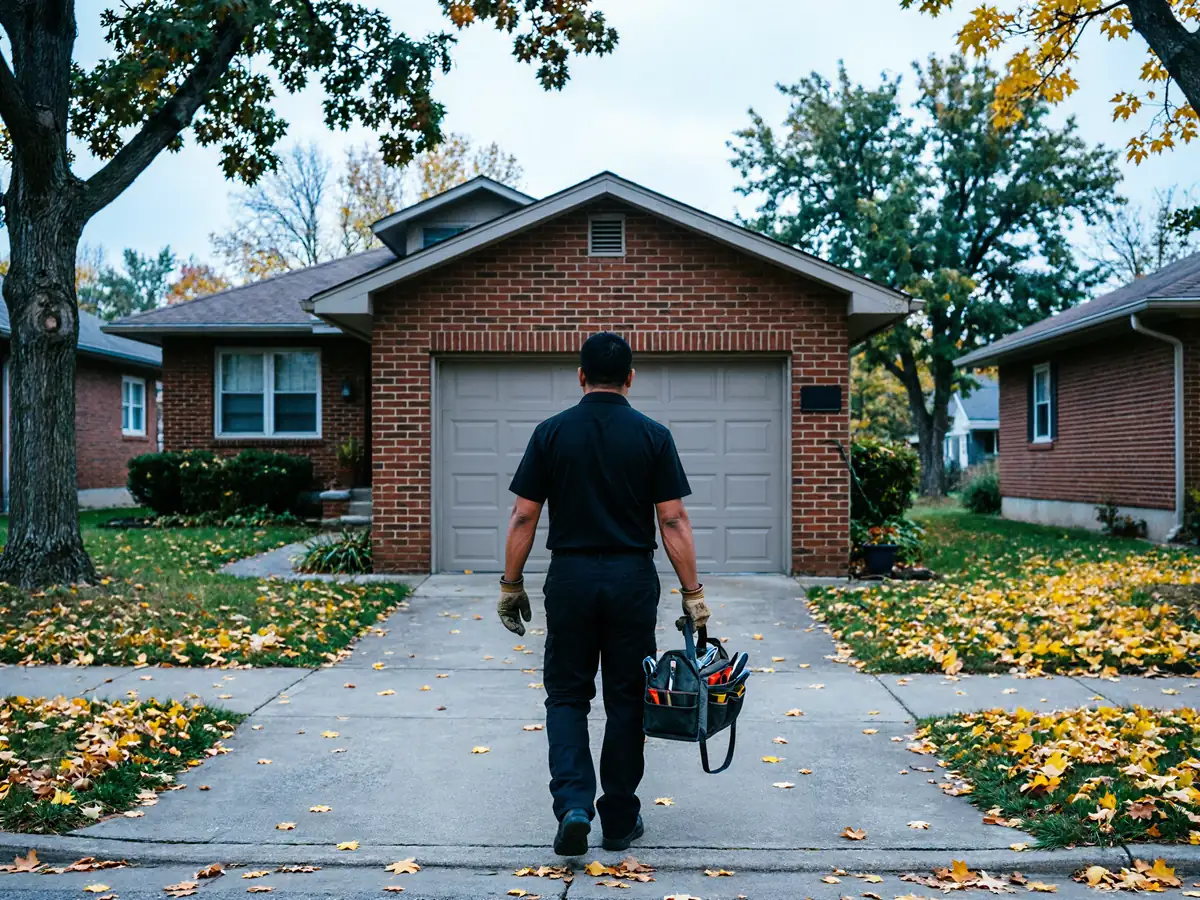
Colona sits eight miles out from our Moline shop, which matters more for this job than most
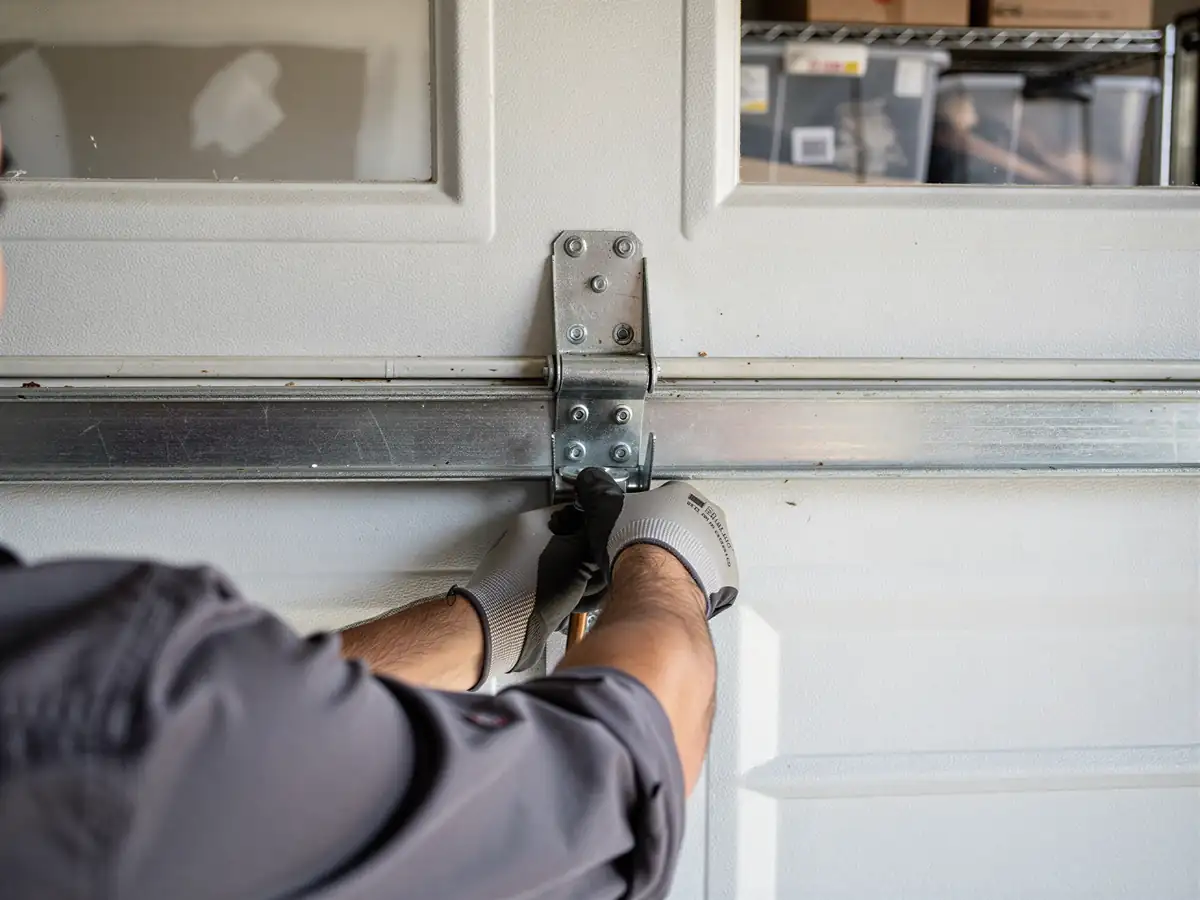
A roller job is small, but it's useless if the tech shows up without the right roller for a track gauge that stopped being common decades ago. Most of what we see out here is a door that grinds or shudders a few inches from the top or bottom of travel, sometimes with a grinding or popping sound as the roller stem works loose in the hinge. On a lot of Colona's doors the roller is still the original steel ball-bearing type that came with the house, not the nylon rollers you'd expect on something installed in the last fifteen years. That's not a flaw in the house - it's just the era it was built in. If your door jerks hard at one point in the track, or the roller looks flat on one side instead of round, that roller has worn past the point where lubricant helps.
We don't guess at this from the driveway
The trip out tells us roughly what we're dealing with before we open the panel.
Why It Happens Here
Housing in this part of the service area went up mostly between 1952 and 1998, with the median build landing around 1968. That's a long window, and it means two different generations of roller hardware are both still in daily use within a few miles of each other - steel rollers on older torsion setups, and later nylon rollers bolted onto doors from the 70s and 80s retrofits. Steel rollers don't fail gracefully. They run fine for years and then seize or flat-spot all at once, usually after a cold snap.
The region sits in a cold, moderate climate band, and that matters for roller material specifically. Steel rollers contract in hard cold, tightening the fit in a track that's already slightly out of square from decades of seasonal swelling and shrinking in the framing. Nylon rollers flex more and tolerate that movement better, which is one reason we replace steel with nylon rather than steel with steel unless there's a reason not to. A roller that's been quietly degrading for a few winters tends to announce itself the first really cold morning of the season, not gradually.
How We Fix It
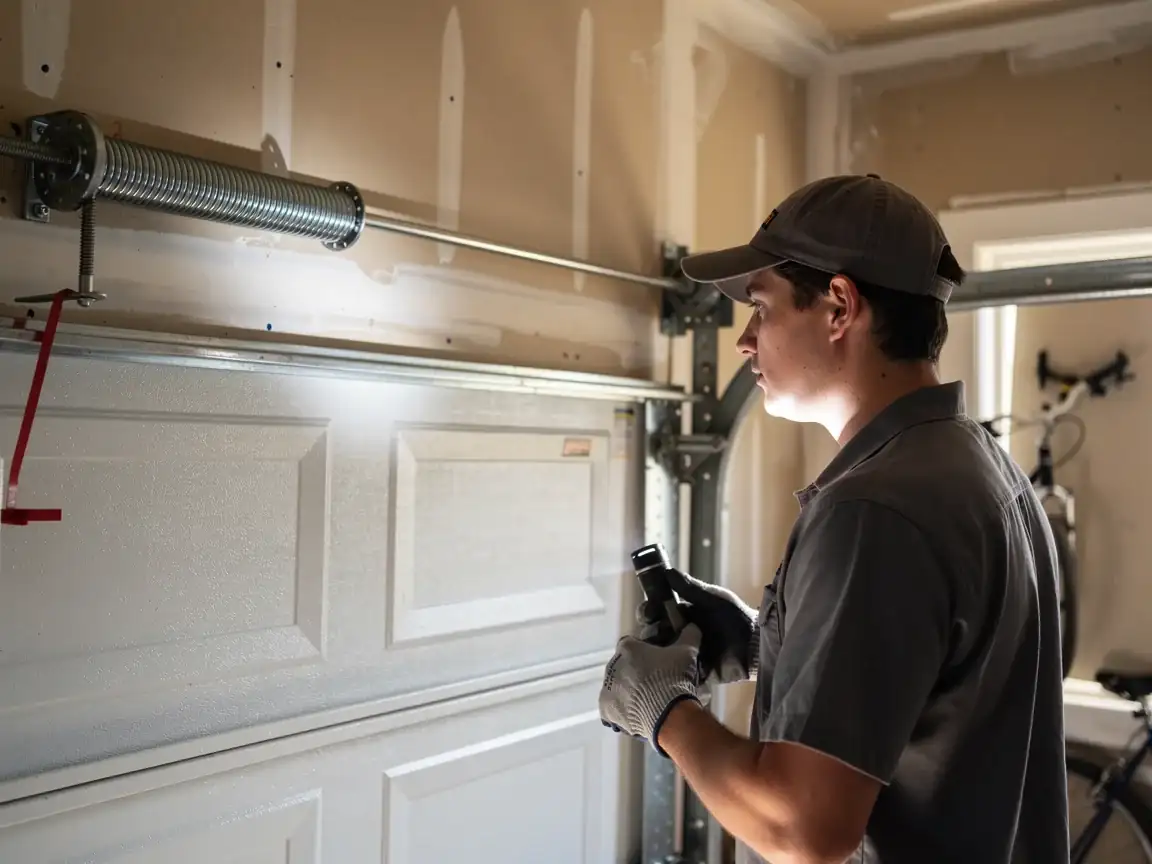
We pull the old rollers, check the track for the wear pattern they left behind, and swap in sealed nylon ball-bearing rollers sized to the stem length your door actually uses - which on a lot of these older Colona builds isn't the modern standard length, so we carry a mixed stock on the truck rather than assume. If only one or two rollers are shot, we replace just those; if the rest are close behind, we'll say so and let you decide whether to do all ten at once and save a second trip.
Here's the limitation worth saying plainly: if the track itself is bent or the rail brackets have pulled away from the jamb, new rollers won't fix the noise or the binding. That's a track repair or a bracket reset, not a roller job, and we'll tell you straight if that's what's actually wrong before we charge you for rollers that won't solve it. Putting new rollers in a bent track just wears them out again inside a year, and that's money you didn't need to spend.
Getting It Booked In
Because we run this out of Moline, eight miles up the road, we load the truck for the roller sizes this area actually needs before we leave
Not a generic kit. That's a small thing, but it's the difference between a job finished in one visit and a second trip for a part. Colona's roughly 2,100 households skew toward the same build era, so once we've done a few jobs on your street we have a decent read on what the rest of the block is running.
- 2,100 households
If you want the broader rundown on what we do for doors in Colona beyond rollers
That's on our Colona service page. If you're comparing roller work against what it costs in Moline proper, we've also laid that out separately, since the housing stock there pulls the numbers in a different direction than it does here.