What Can Go Wrong
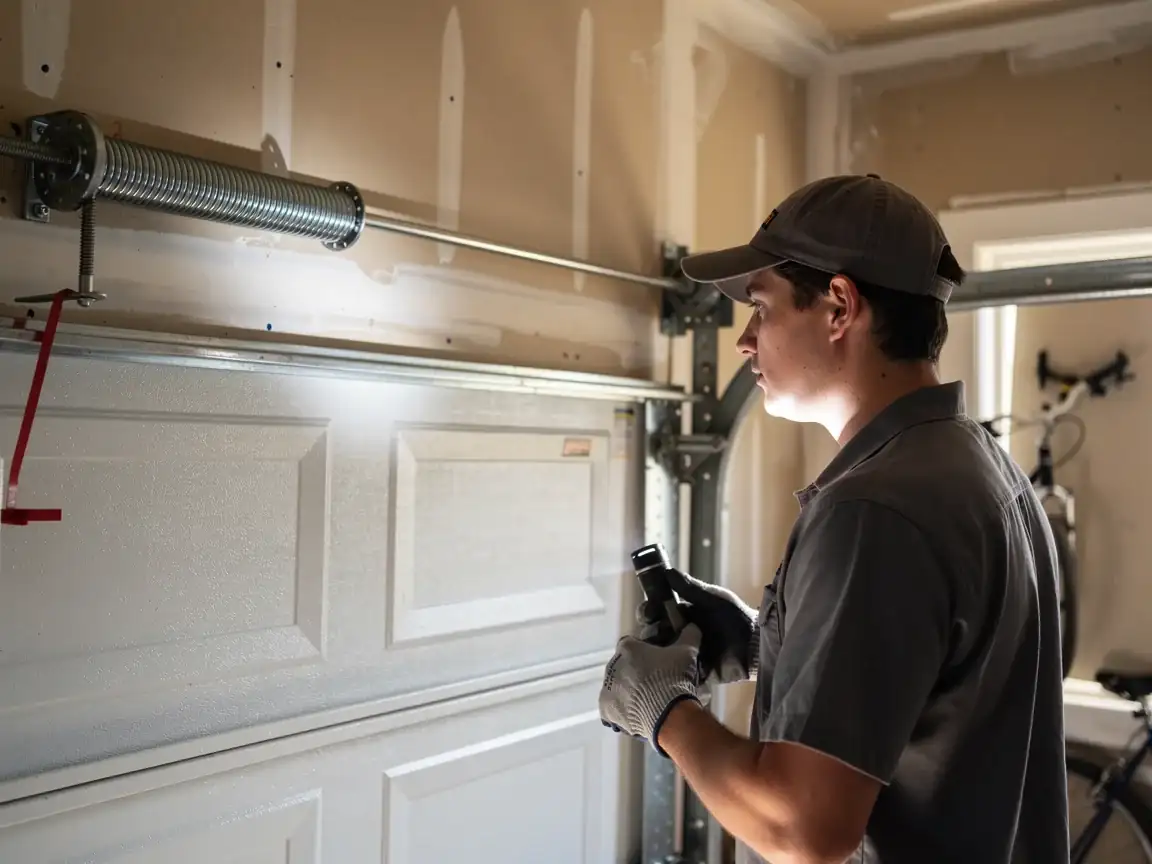
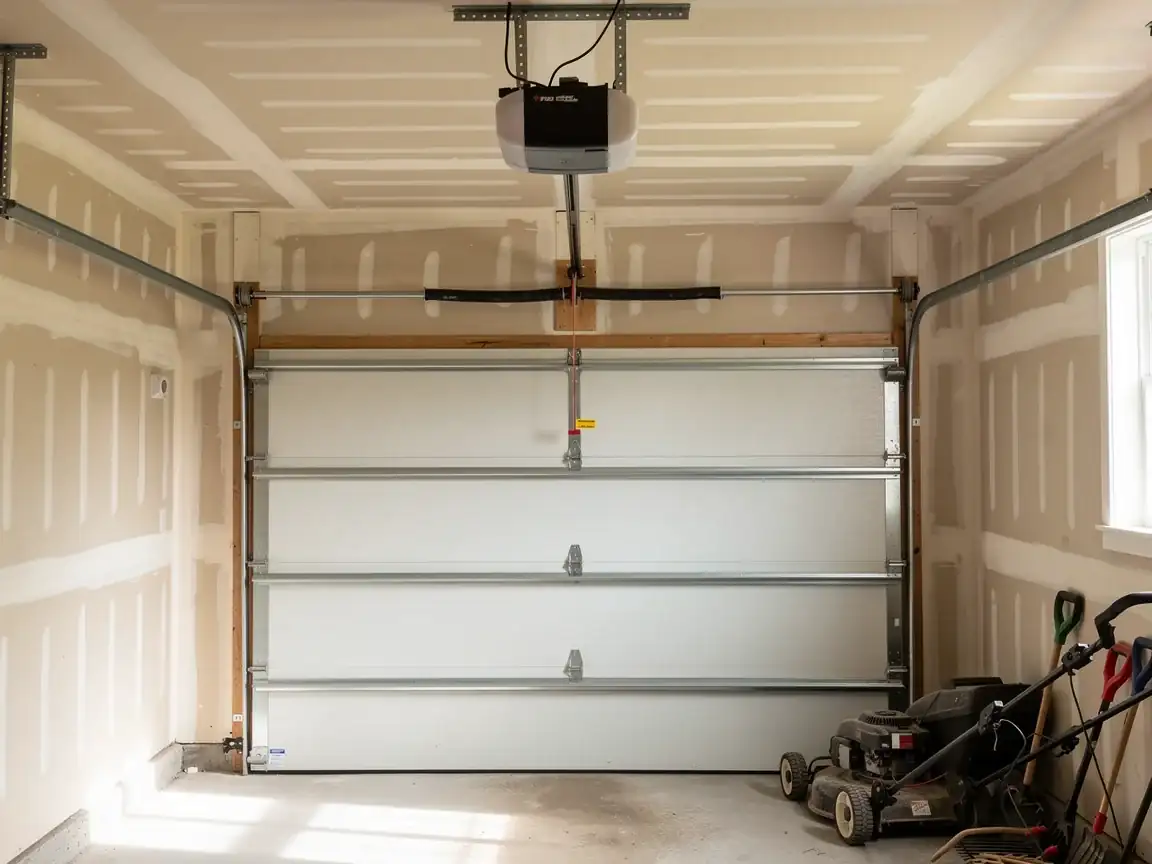
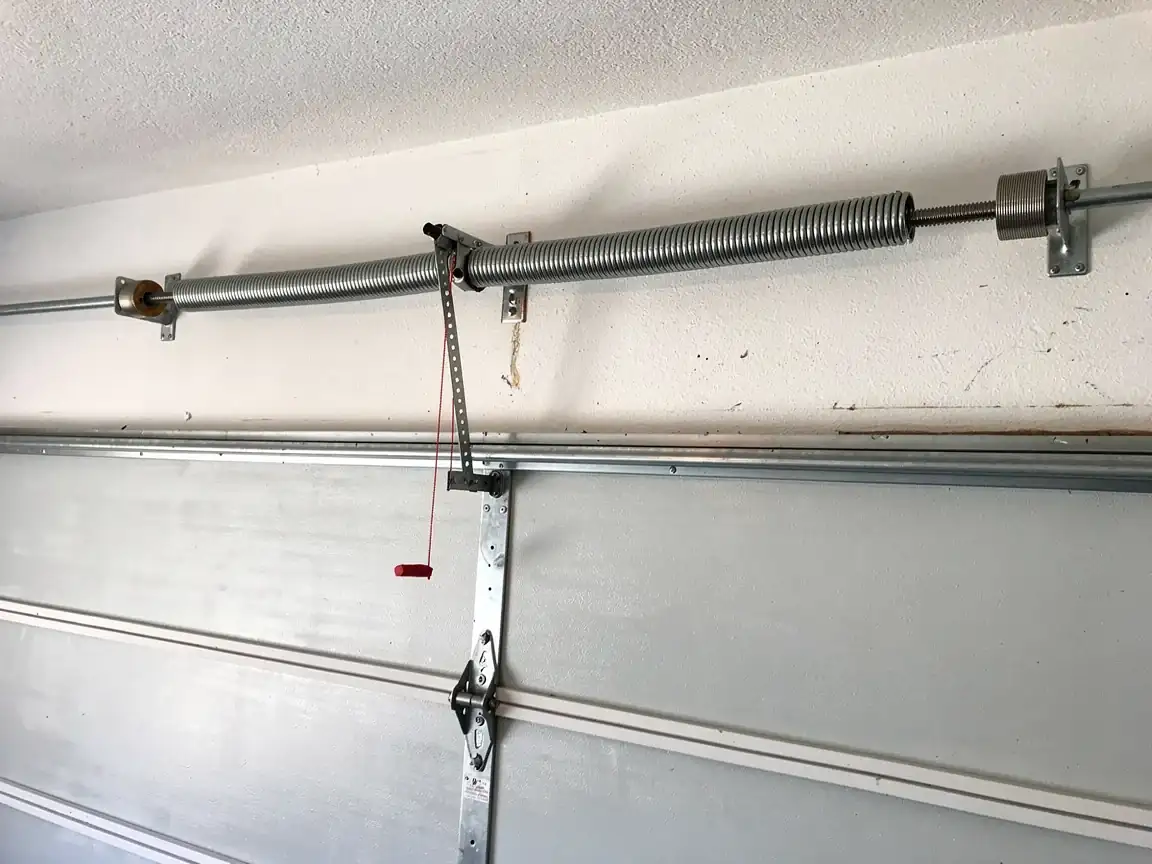
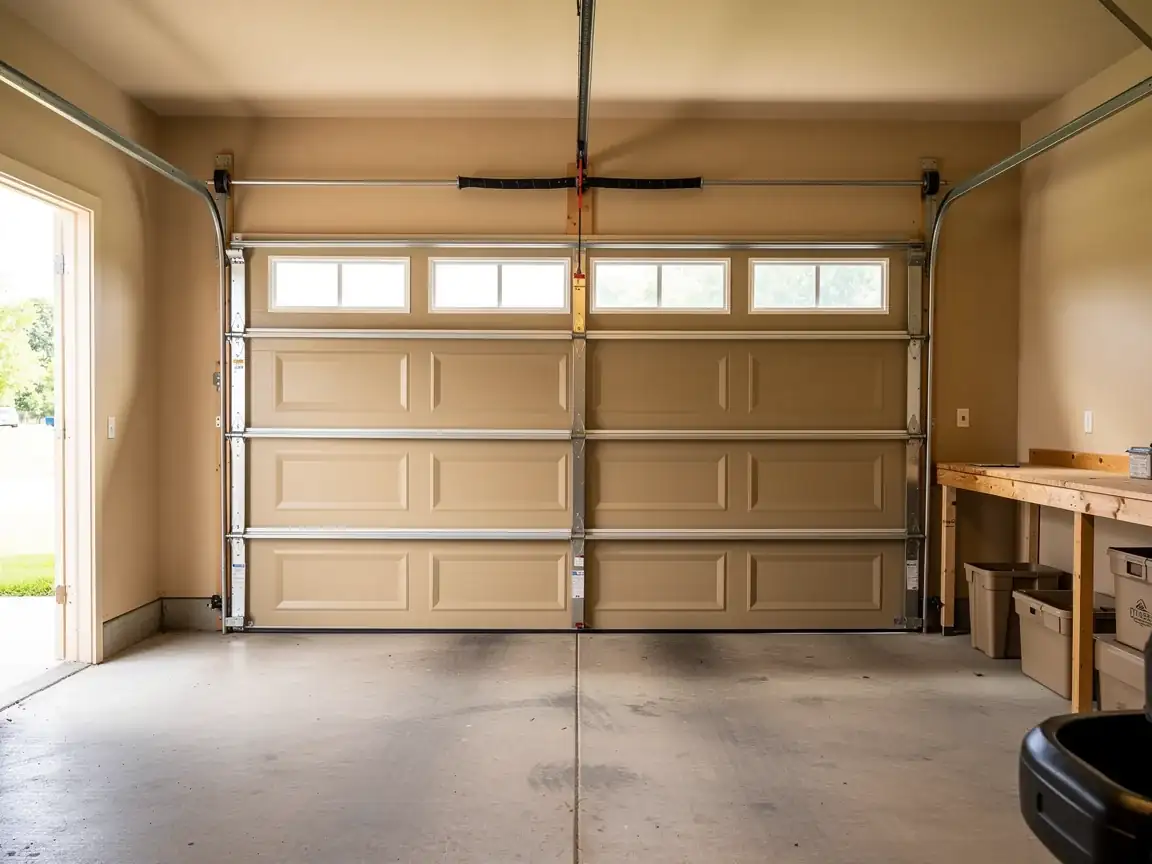
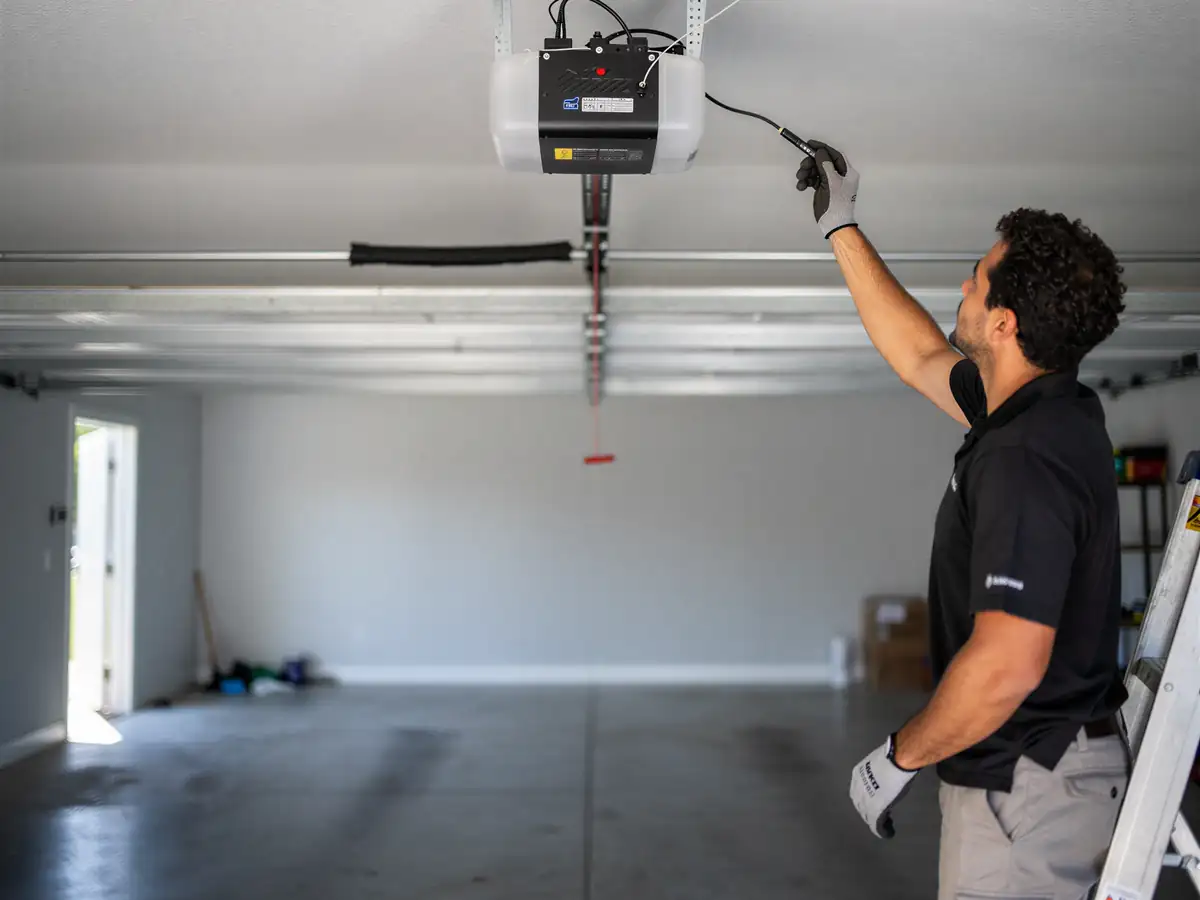
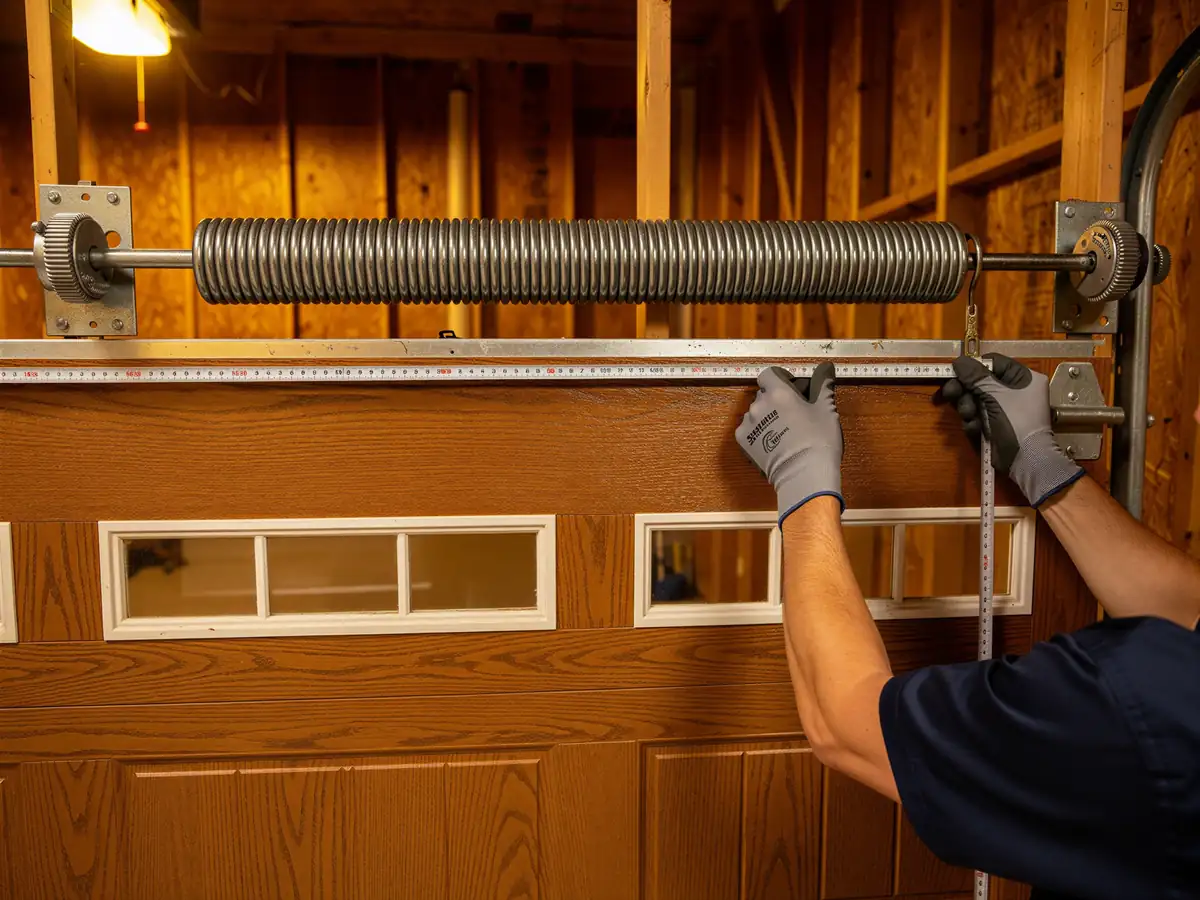
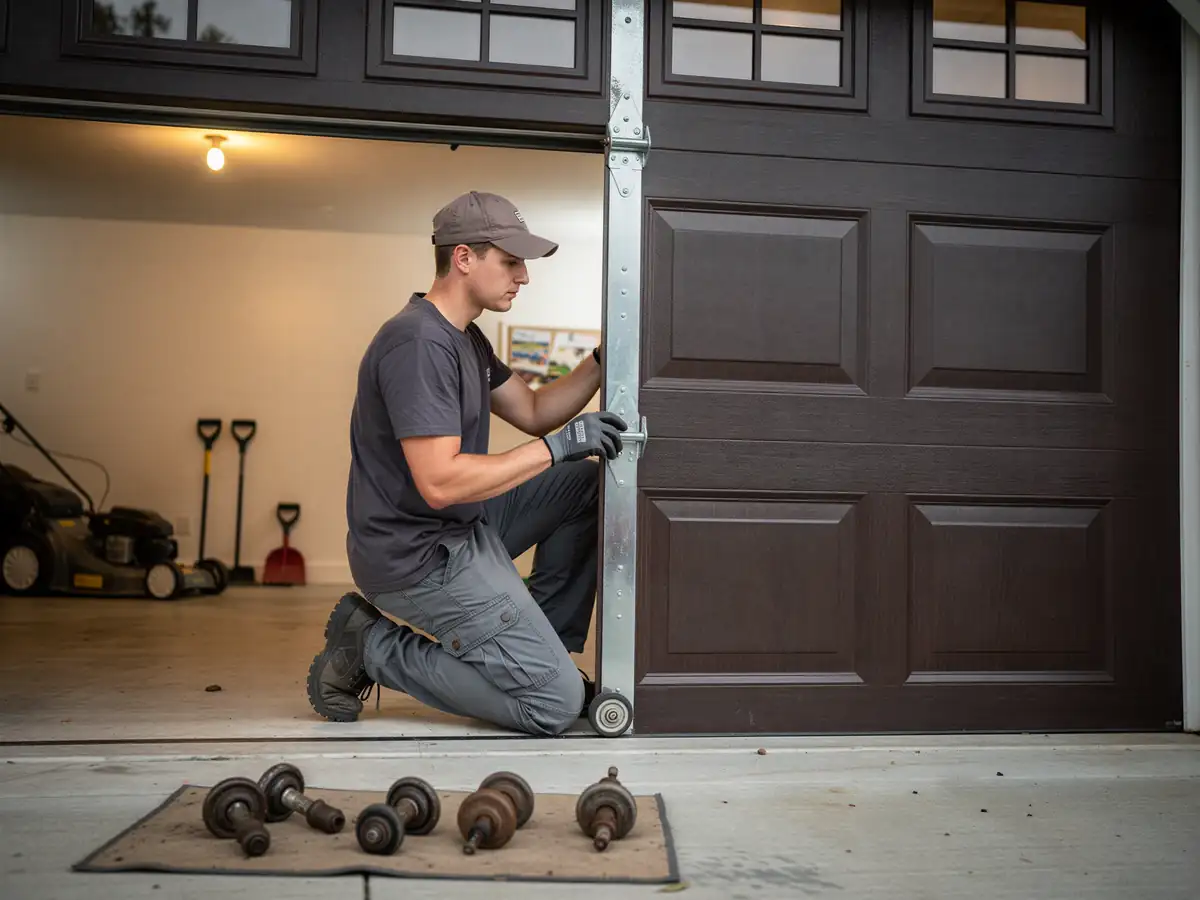
A door running original or near-original hardware from the early 1960s tends to fail in a specific order. The torsion spring goes first, usually with a bang loud enough to bring someone outside. After that it's the cables, frayed where they wrap the drum, especially on doors that never got relubed. Rollers on a door this age are often the stamped-steel kind, not nylon, and they wear the track oval instead of round, which throws the whole door off its rail. Winters here fall in the cold moderate band, and repeated freeze-thaw on a track that's slightly bent from worn rollers is what turns a quiet rattle into a door that jumps the track entirely. Openers are a separate problem - a chain-drive unit from even a later remodel can still be running a drive gear that strips once the door itself gets harder to lift. One thing we won't do is sell you a new spring on a torsion shaft that's rusted through; past a certain point the whole assembly, not just the part, is the honest fix, and we'll tell you when that line's been crossed instead of working around it.
Doing It Yourself
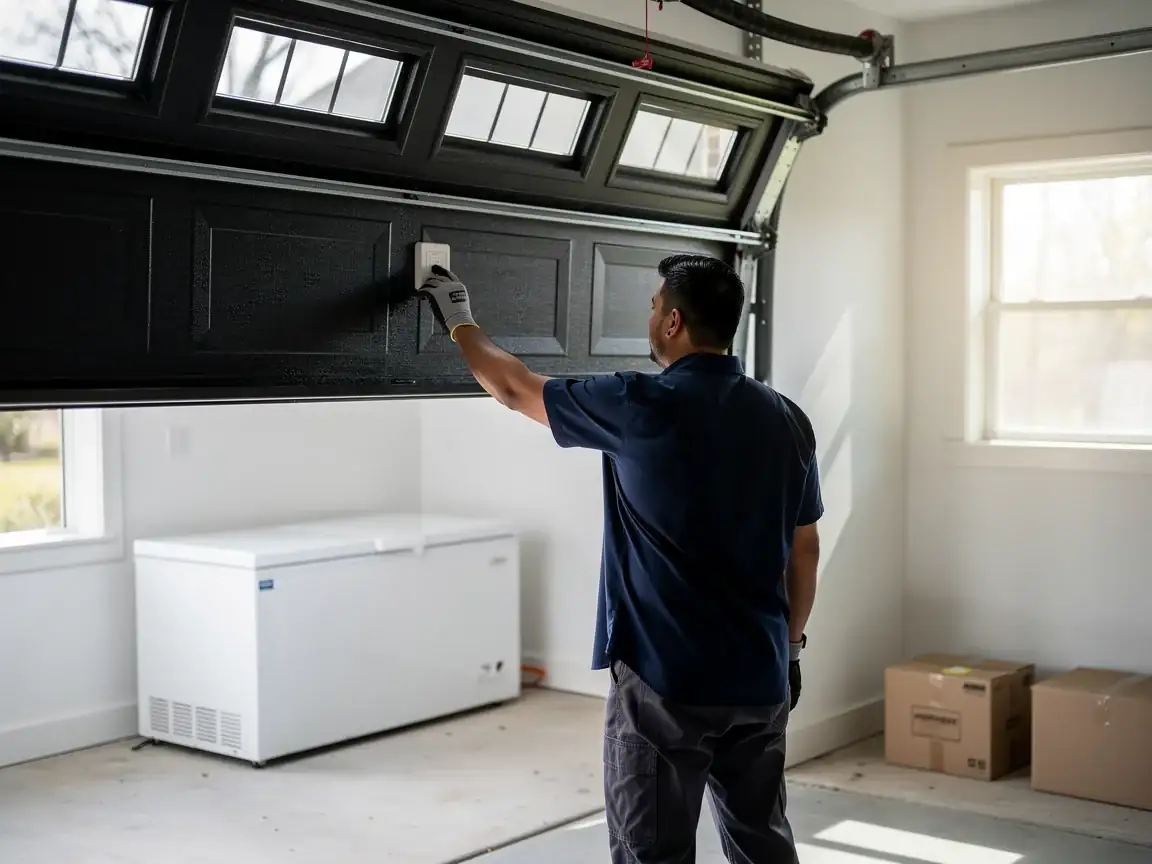
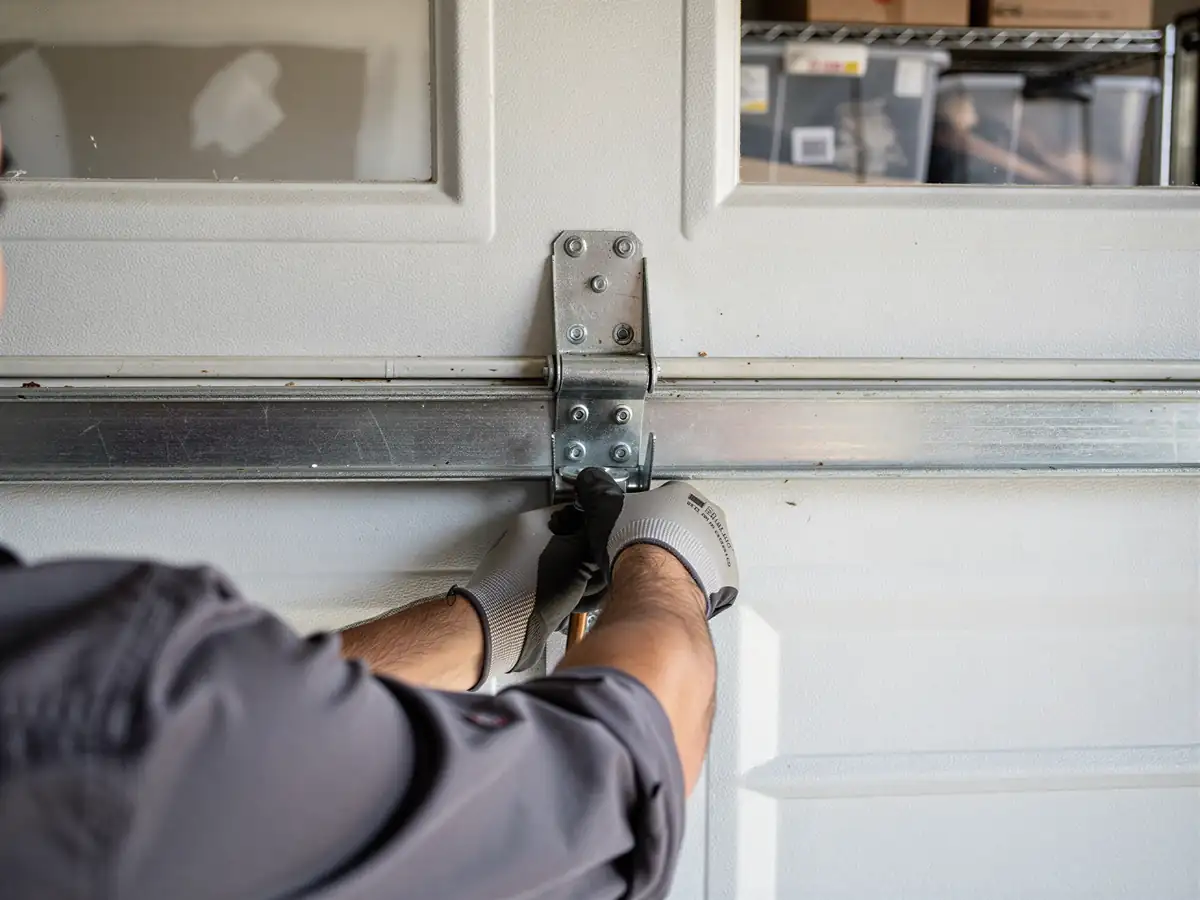
There's real DIY room here - lubricating hinges and rollers, tightening loose track bolts, checking that the photo-eye sensors are aligned and not just unplugged by a stray broom handle. None of that needs a call. Torsion springs are where the line is. A spring under tension on a door built in the 1960s can be a different wind, a different wire gauge, or a different drum size than what's sold off a shelf today, and winding the wrong one or winding it with the wrong bar is how people end up in the ER, not just frustrated. Cable work has the same problem - a cable under load that slips off a drum can take a finger with it. If the door is heavy to lift by hand with the opener disconnected, that's your spring telling you it's done, and that's the point to call rather than improvise. We'd rather talk you through the safe checks over the phone than have you find out the hard way what a loaded torsion bar can do.