What Can Go Wrong
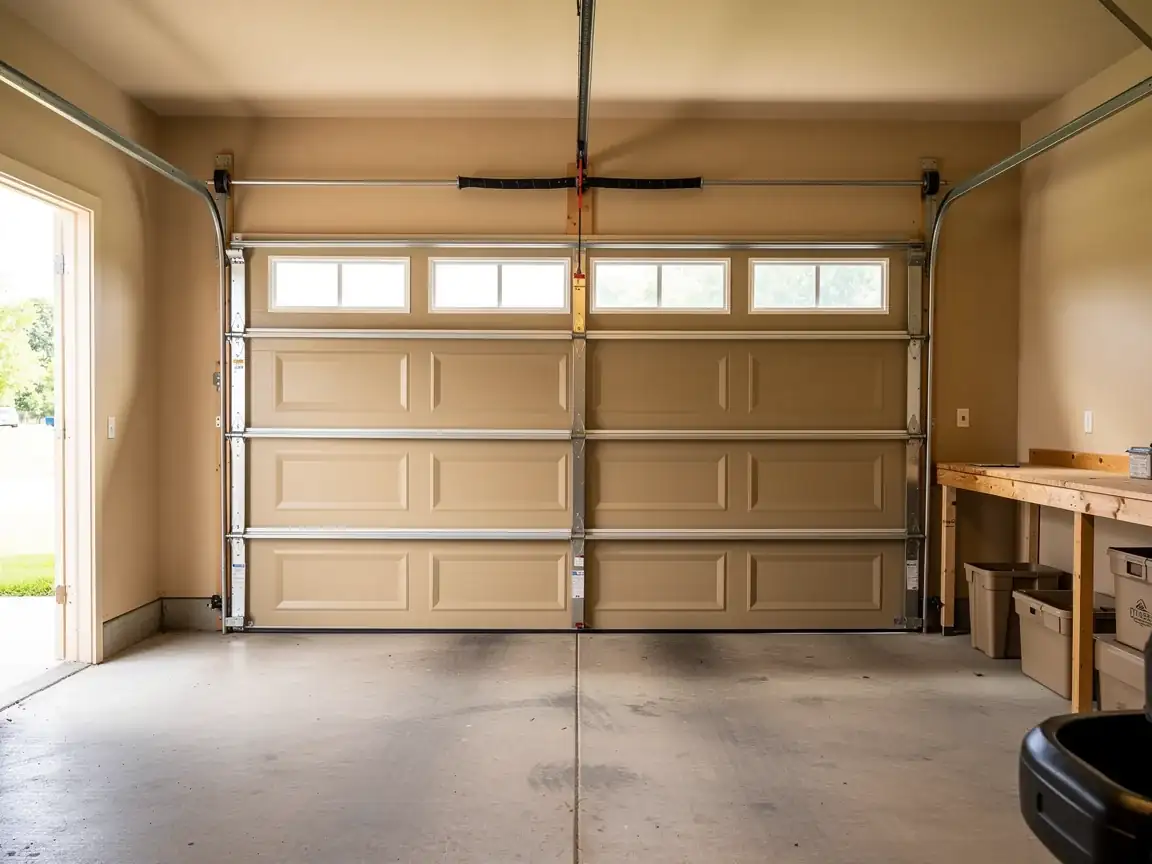
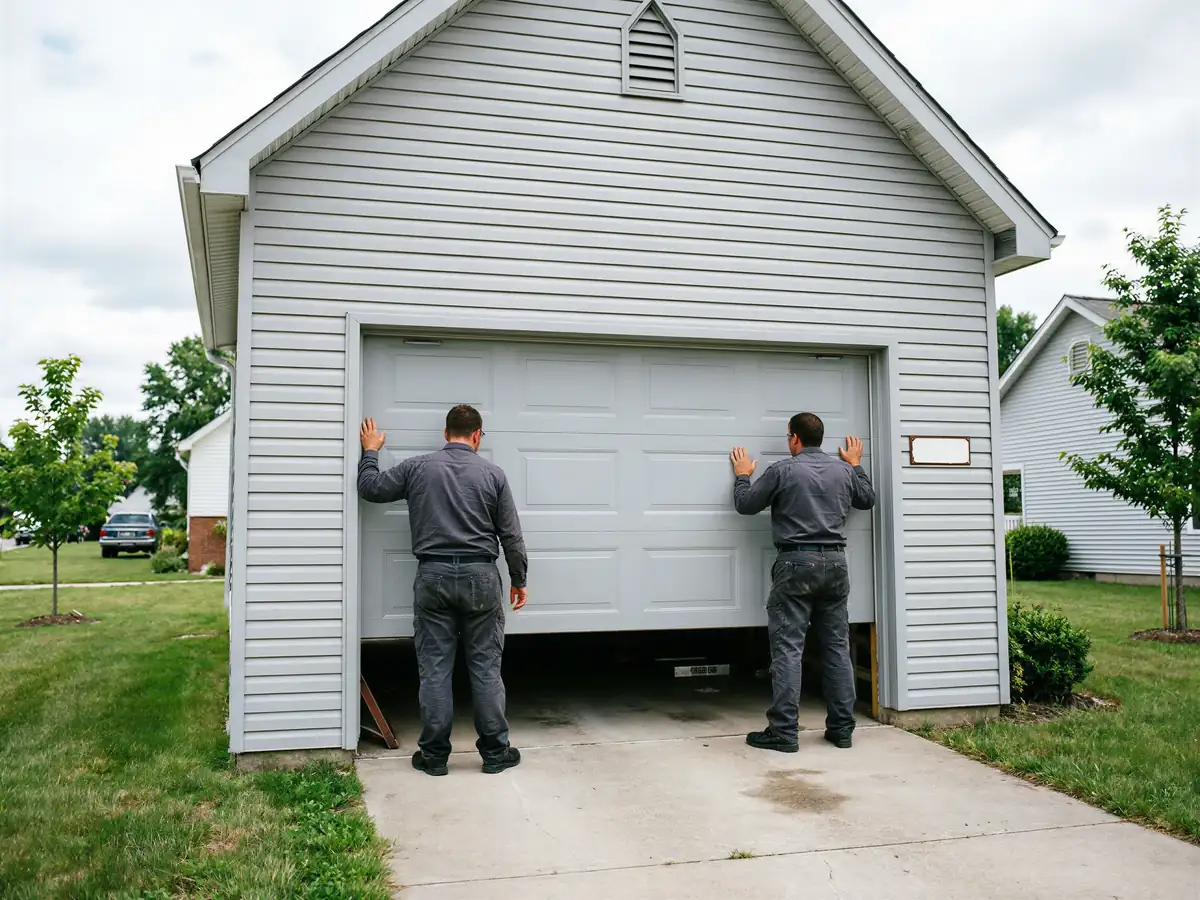
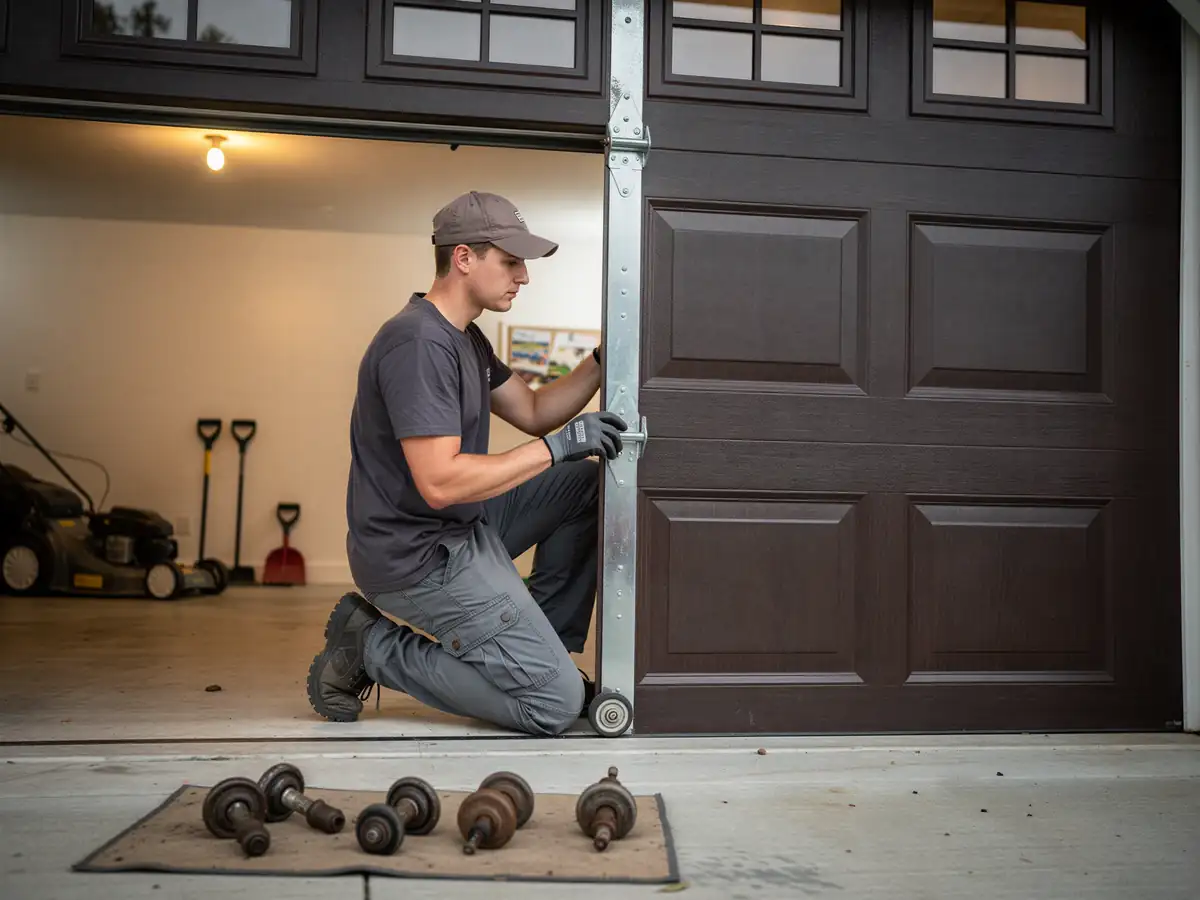
Steel rollers from this build era don't fail quietly. They wear unevenly, and once the roller stem starts rattling in its bracket, the door starts walking sideways in the track instead of rolling straight. Left alone, that uneven wear chews a groove into the track itself, and at that point you're not replacing a $20 roller anymore, you're replacing track too. Our climate band here is cold and moderate, and freeze-thaw cycling through a Midwest winter speeds up that wear by stiffening old lubricant and letting moisture work into the roller bearing. On a double-car door, a cable can jump its drum if a bottom roller binds hard enough mid-cycle, and that's a different repair than a simple roller swap. We won't try to talk anyone into a full door replacement if ten new rollers and an hour of labor solves it. But if the track is already bowed, swapping rollers into bent track just buys you a few months before the same noise comes back.
Doing It Yourself
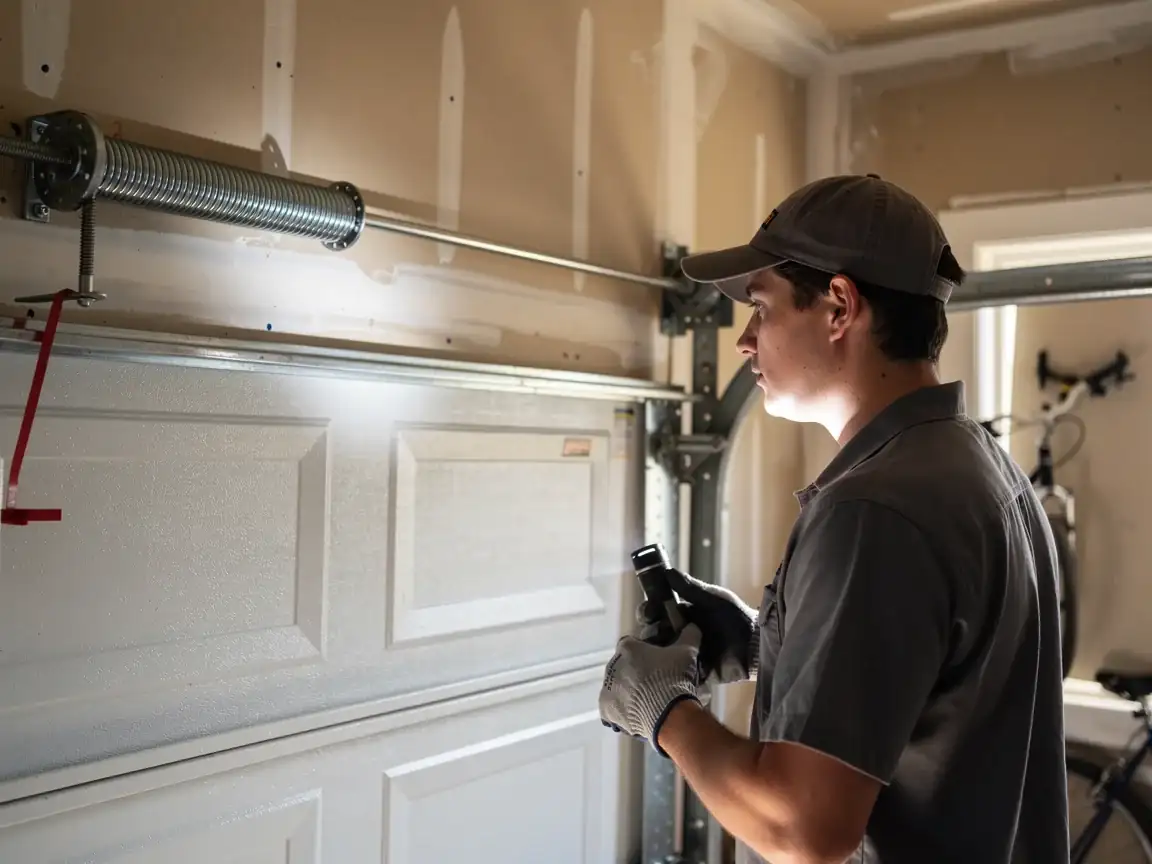
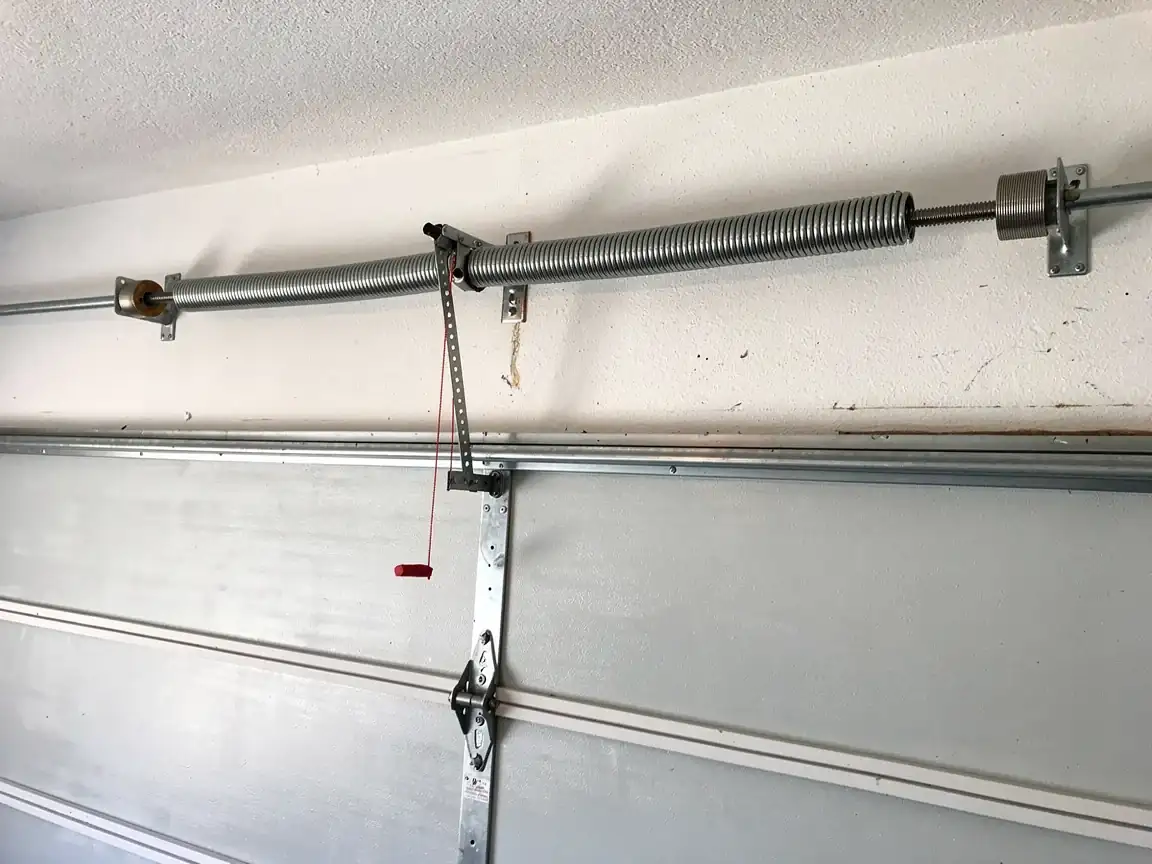
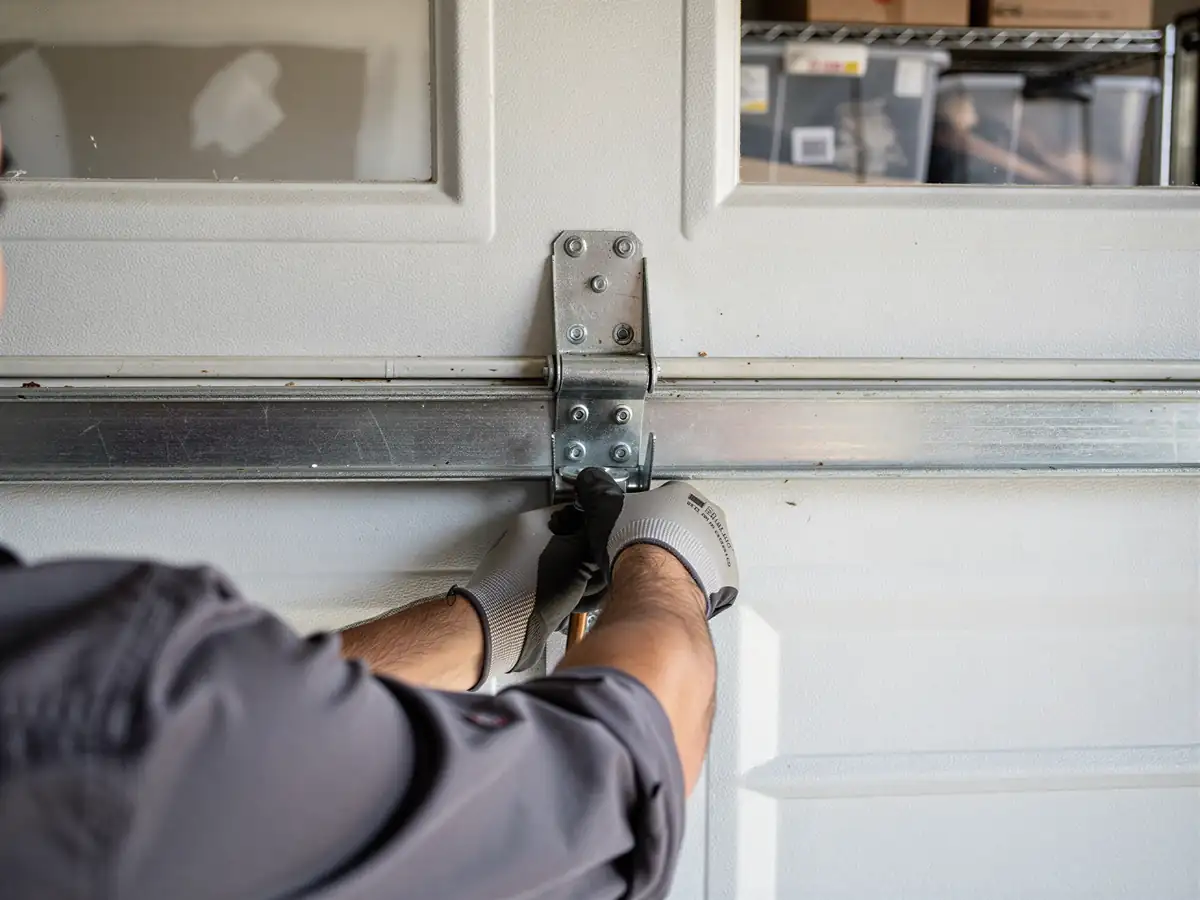
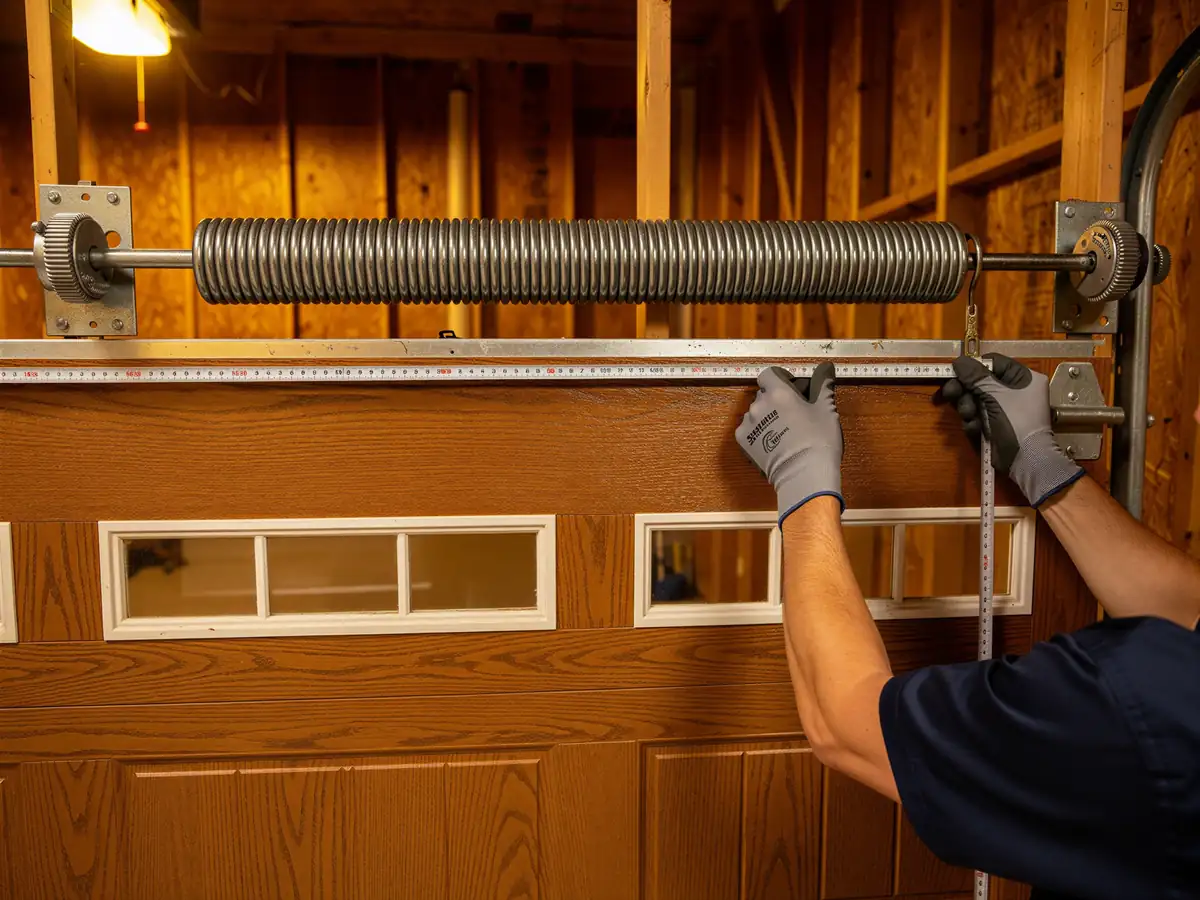
Rollers are one of the more approachable garage door repairs for a homeowner willing to work carefully, and plenty of people in Geneseo do it themselves. The job is straightforward on paper: release tension, pull the hinge pin, slide the old roller out, slide the new one in. Nylon rollers with sealed bearings are a reasonable upgrade from the original steel ones and run quieter. Where this goes wrong is the top roller on each side, which sits under spring tension even with the door down, and the bottom brackets, which are under cable tension whenever the door's closed. Pulling either one without understanding what's holding it in place is how people get hurt. If your door predates the 1968 median for the broader area, meaning the track and drum setup may not match what current roller kits are sized for, it's worth having someone look at it before you order parts rather than after.