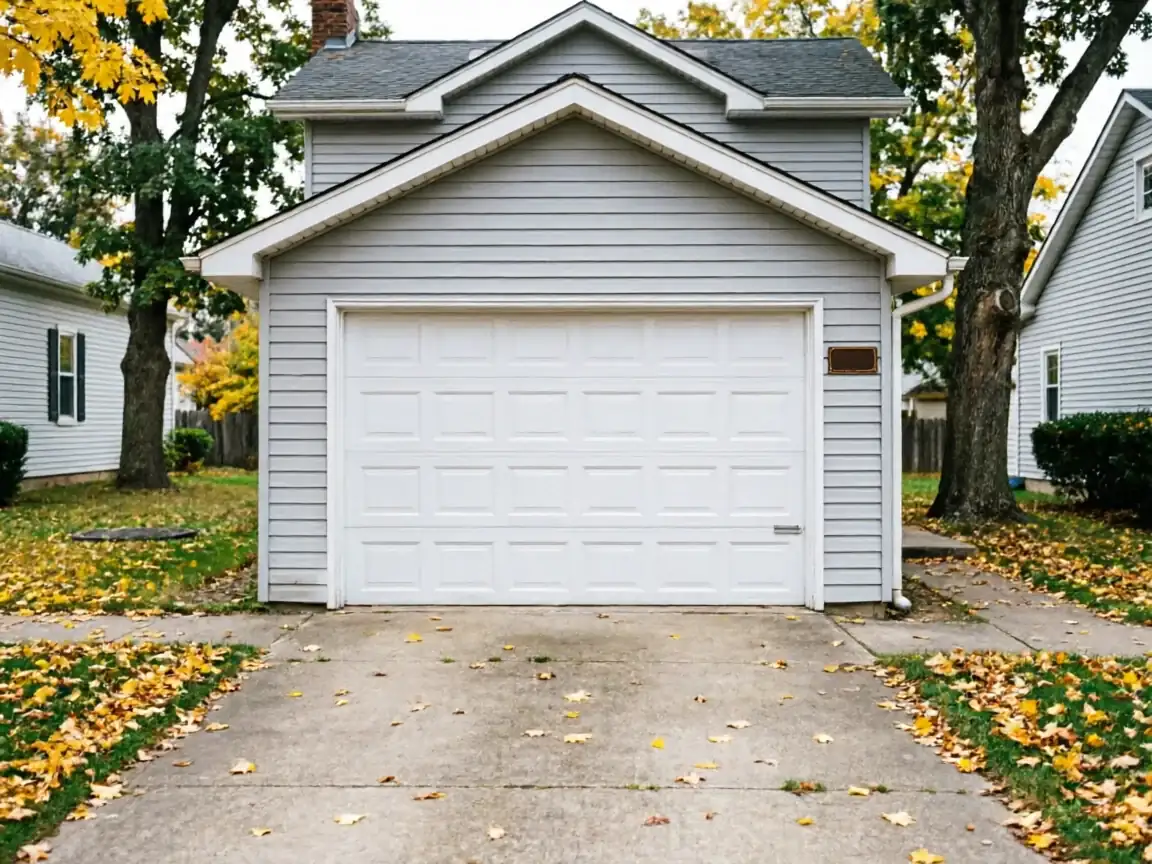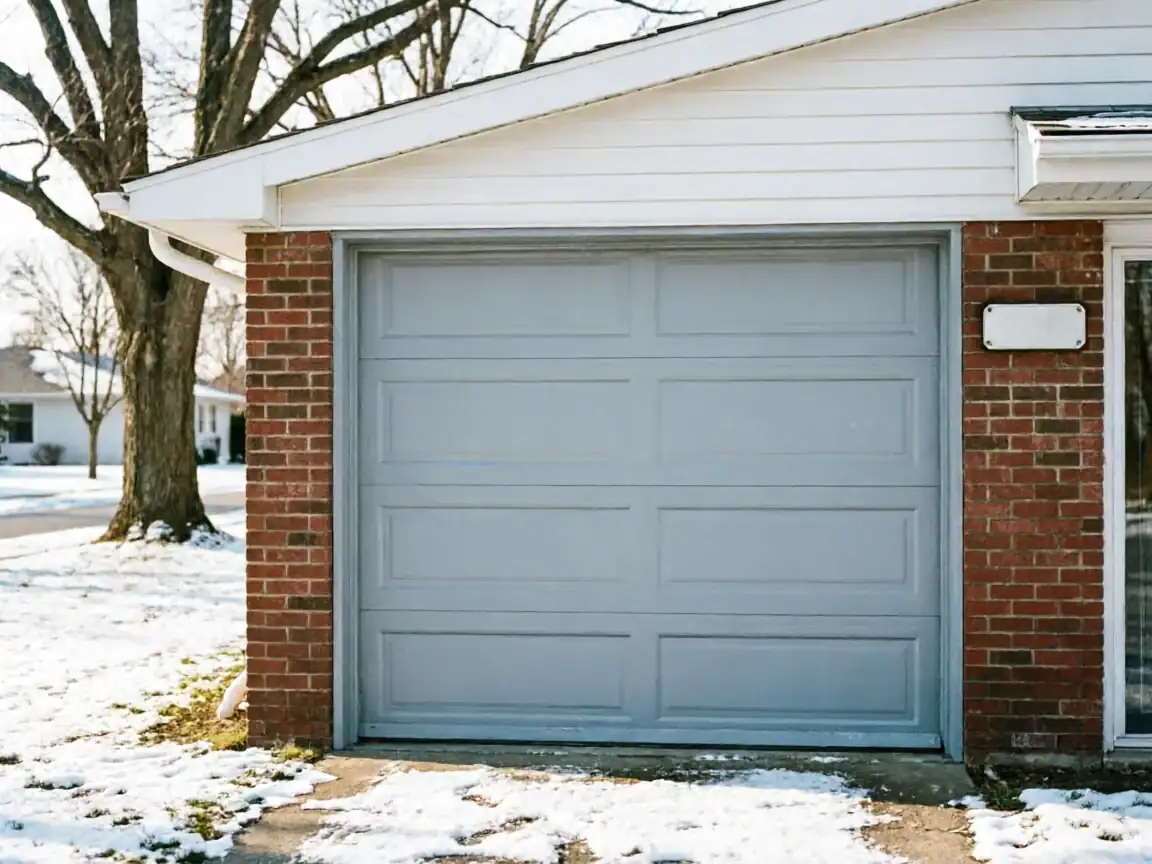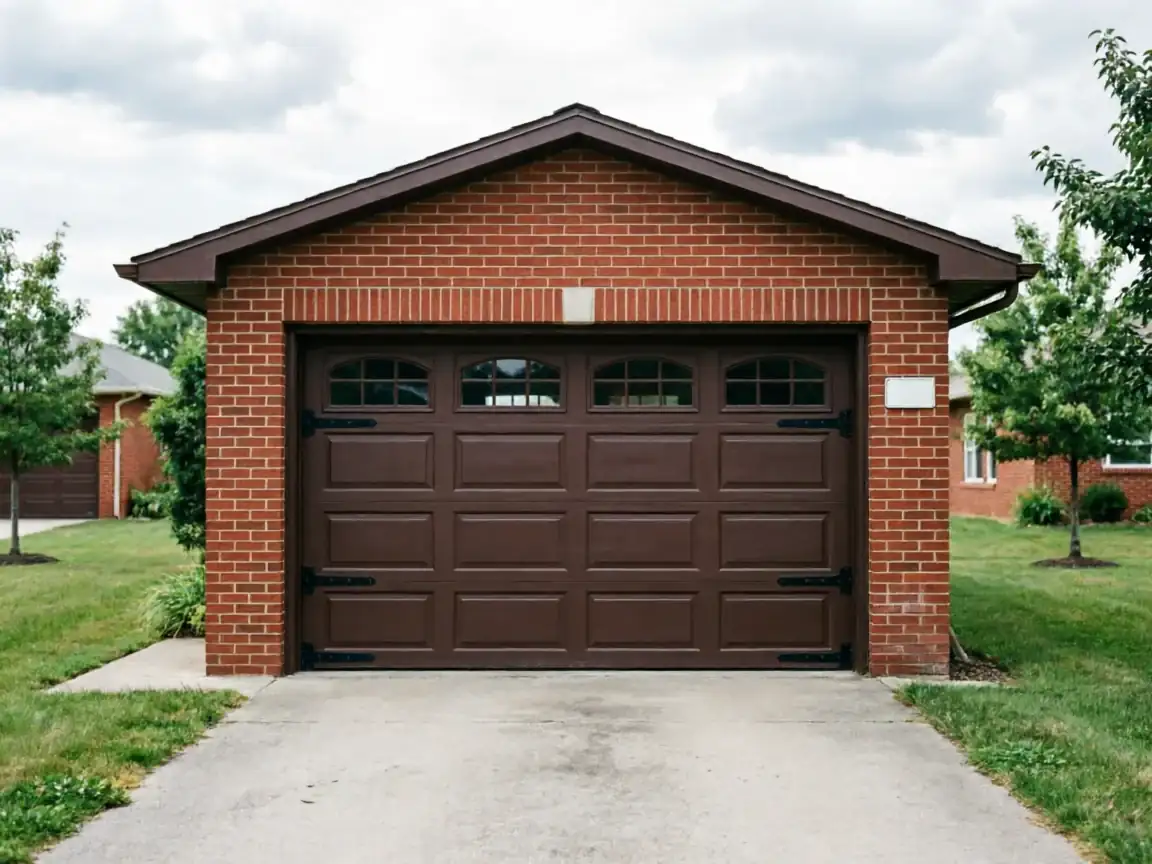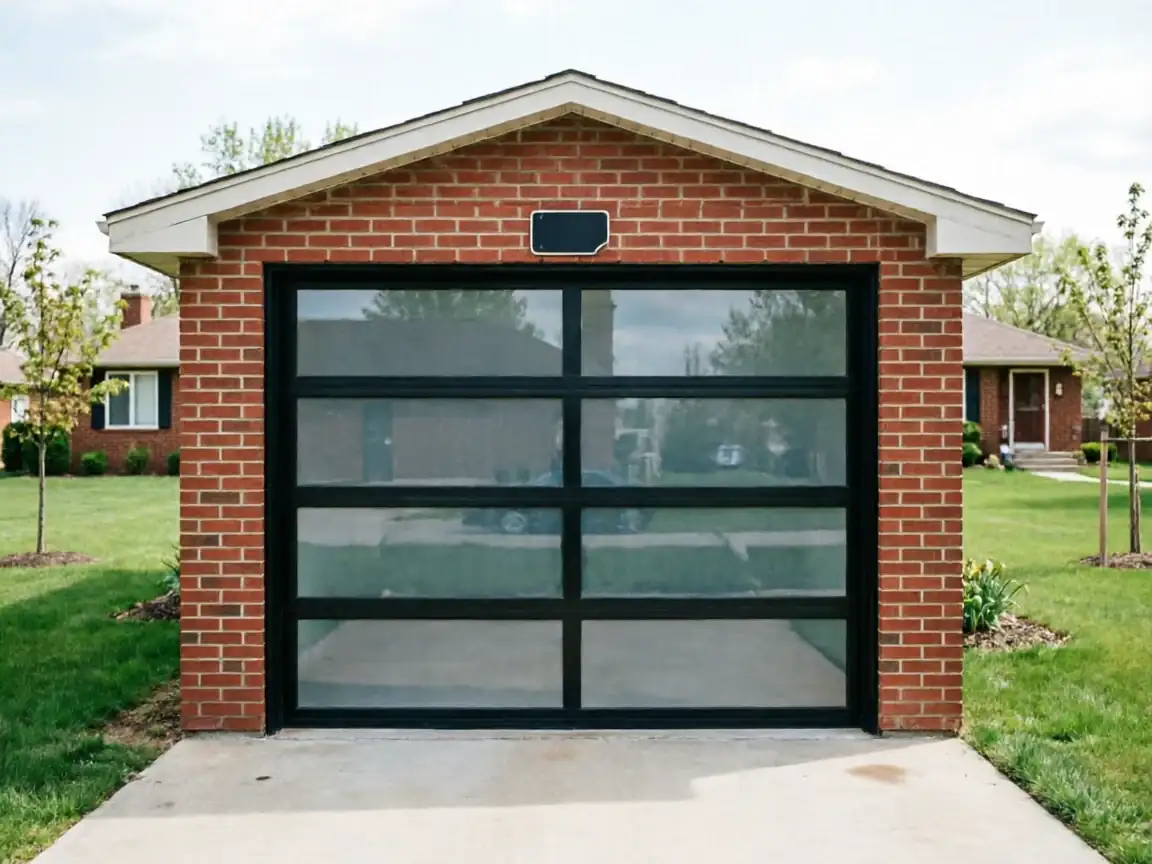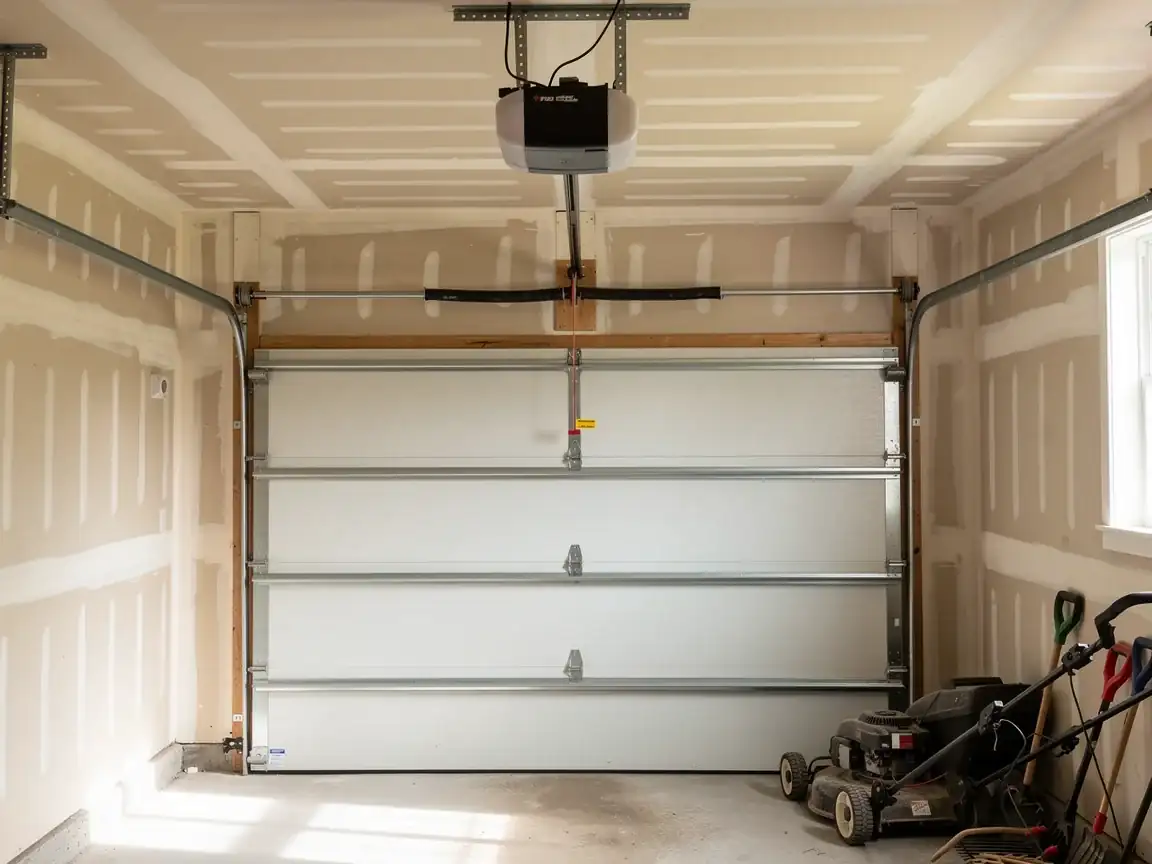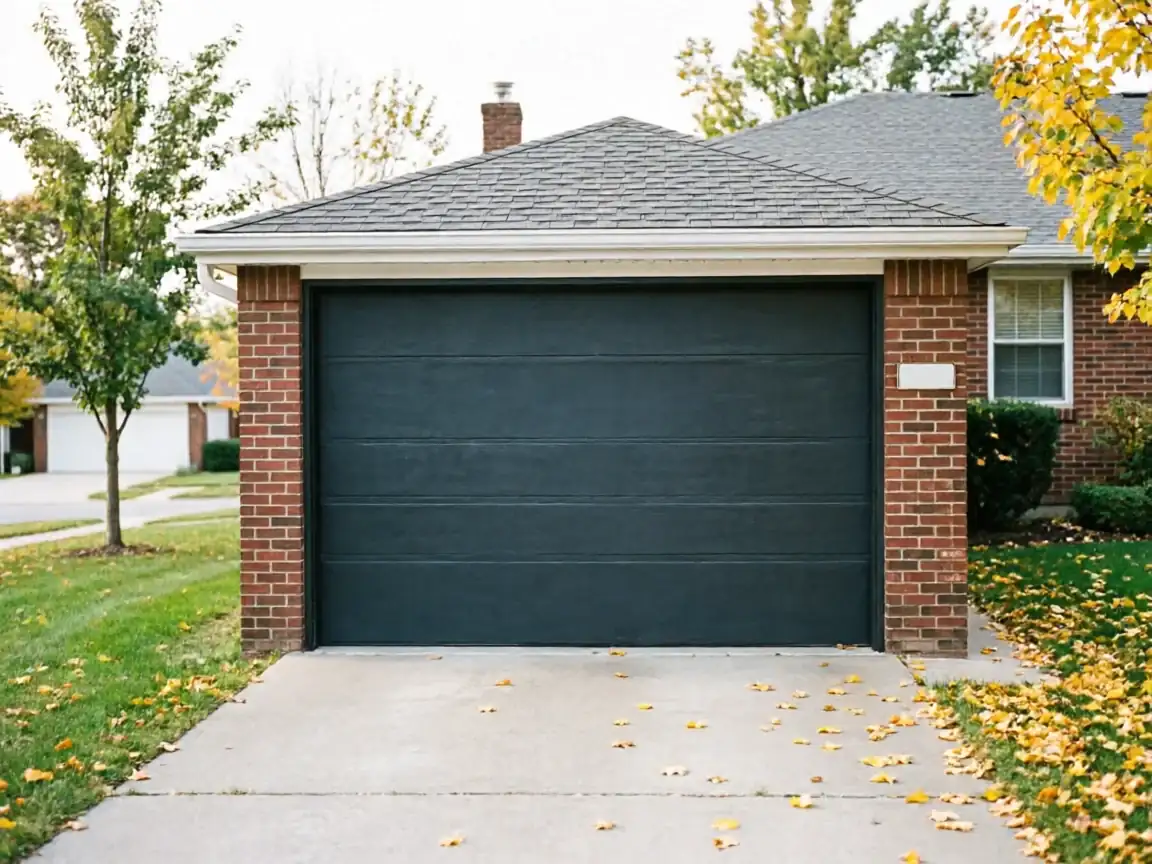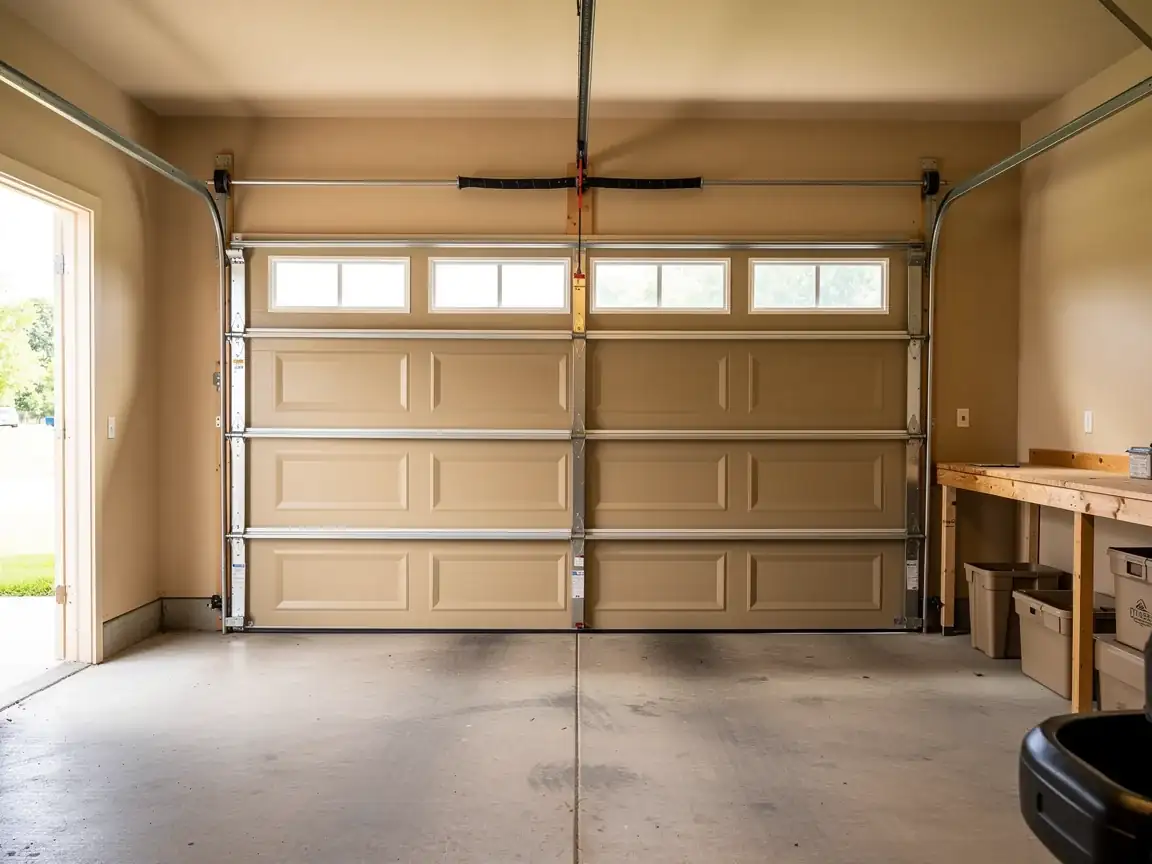
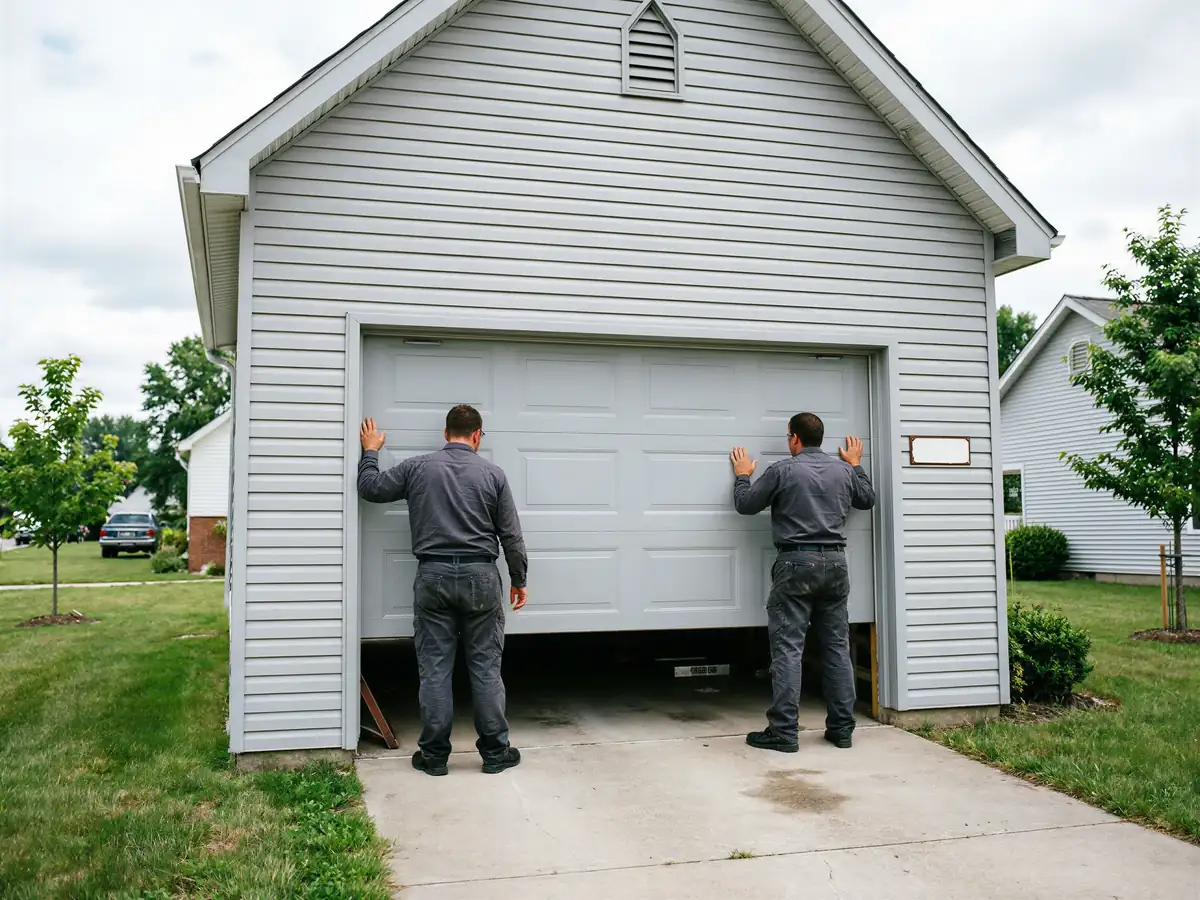
What You Are Seeing
Geneseo sits about 18 miles out from our Moline shop
Which puts it near the far edge of where we schedule panel jobs rather than full-day installs. The math on a panel replacement starts with the house, not the door. Median household income here runs $65,226, lower than the $70,407 average across the wider service area, and that gap matters because panel replacement only makes financial sense when it's cheaper than the alternative. On a door that's otherwise sound, swapping one dented or rusted-through panel is the budget move. On a door that's failing in more than one place, it stops being the budget move and starts being money spent twice.
- 18 miles
The houses themselves set the other half of the equation
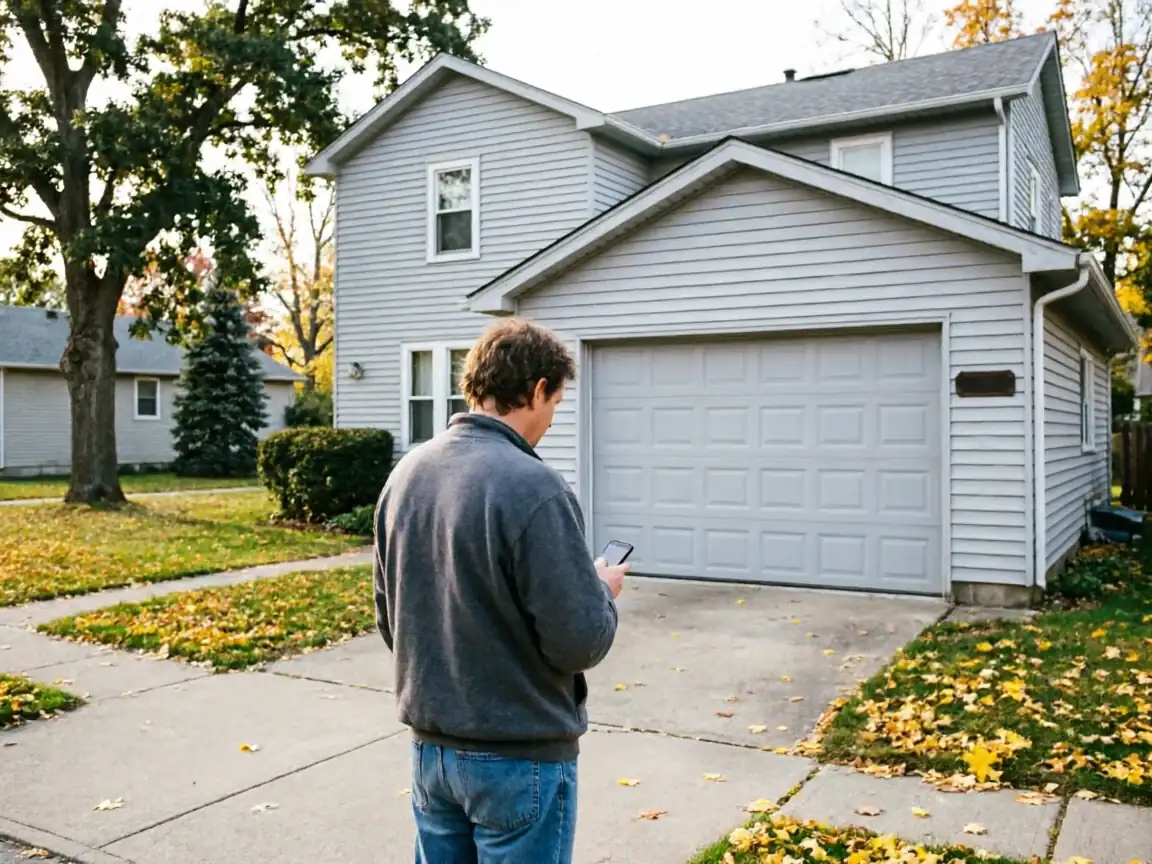
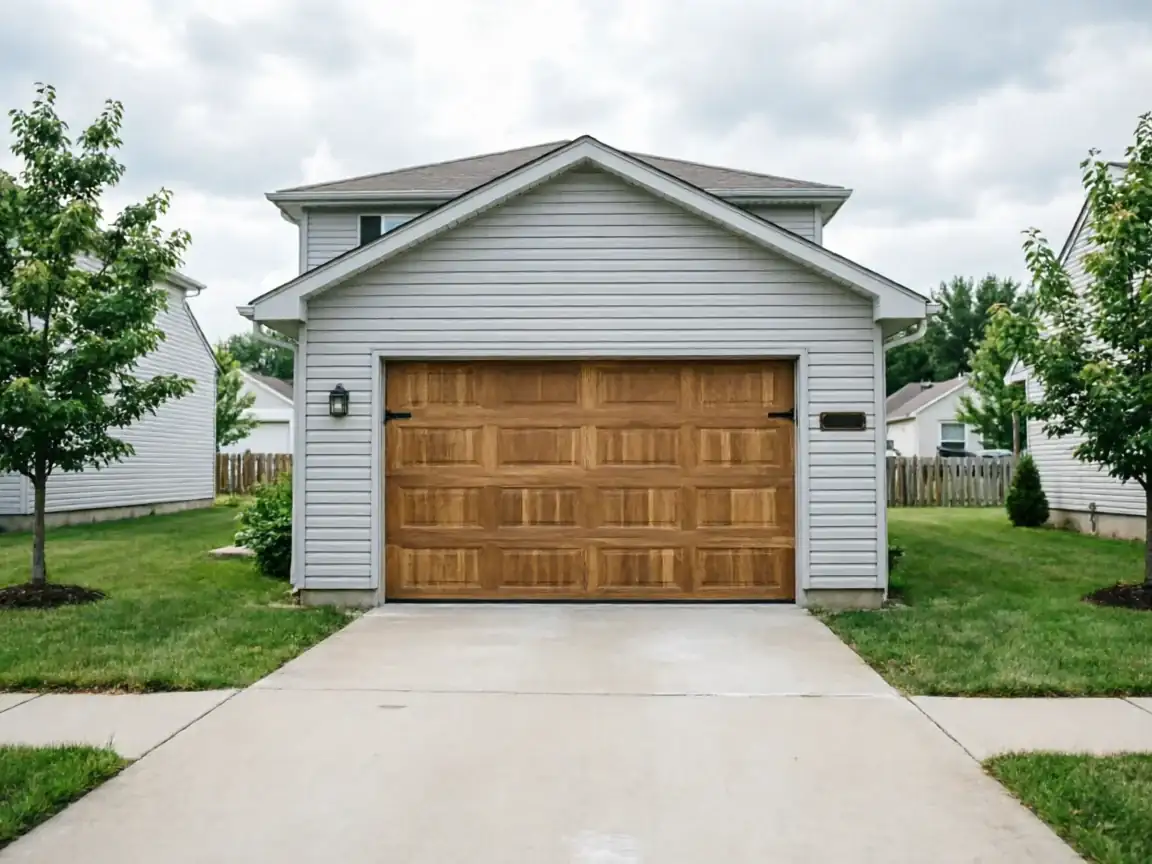
Geneseo's median year built lands around 1962, inside the broader 1952-1998 range we see across the twelve communities we cover, but closer to the early end of that span. Doors from this era were usually ordered as a matched set with the house - specific panel height, specific groove pattern - and that pattern isn't always something a current manufacturer still stamps.
What Can Go Wrong
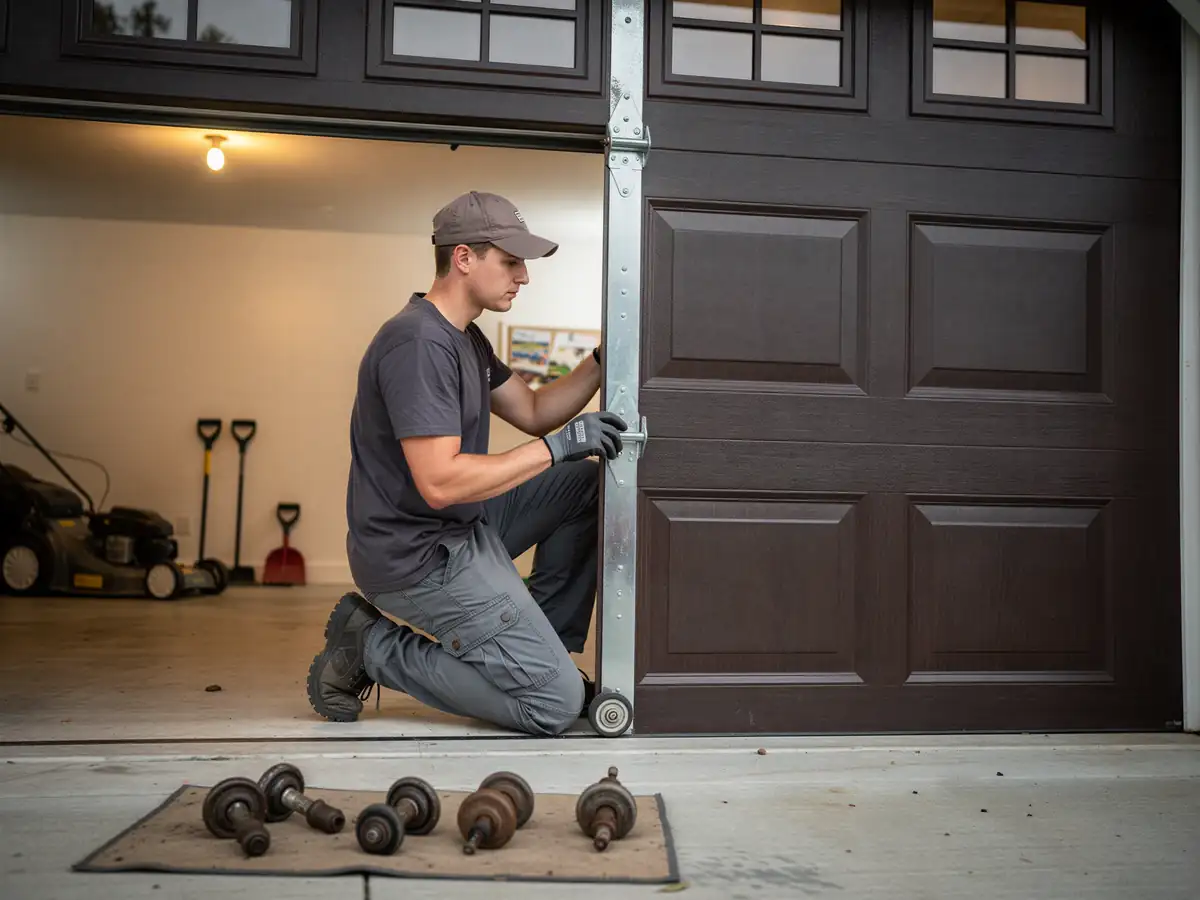
A bottom panel takes the brunt of it on a door this old: road salt kicked up off a plow blade, a mower clipping the edge, moisture wicking up from a slab that's settled a half-inch over sixty years. Once galvanized steel from the 1960s starts rusting through, it rarely stays contained to one spot - by the time you can see daylight at a seam, the panel next to it is usually thinning too.
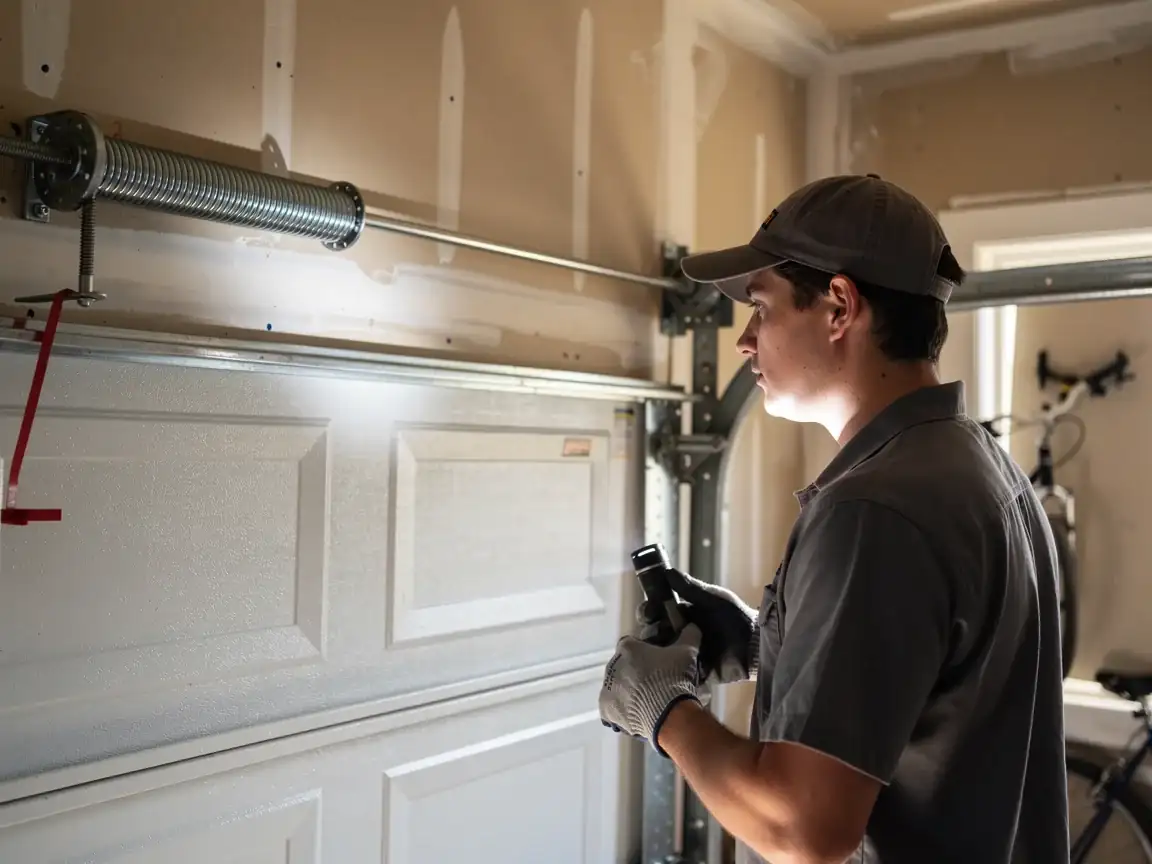
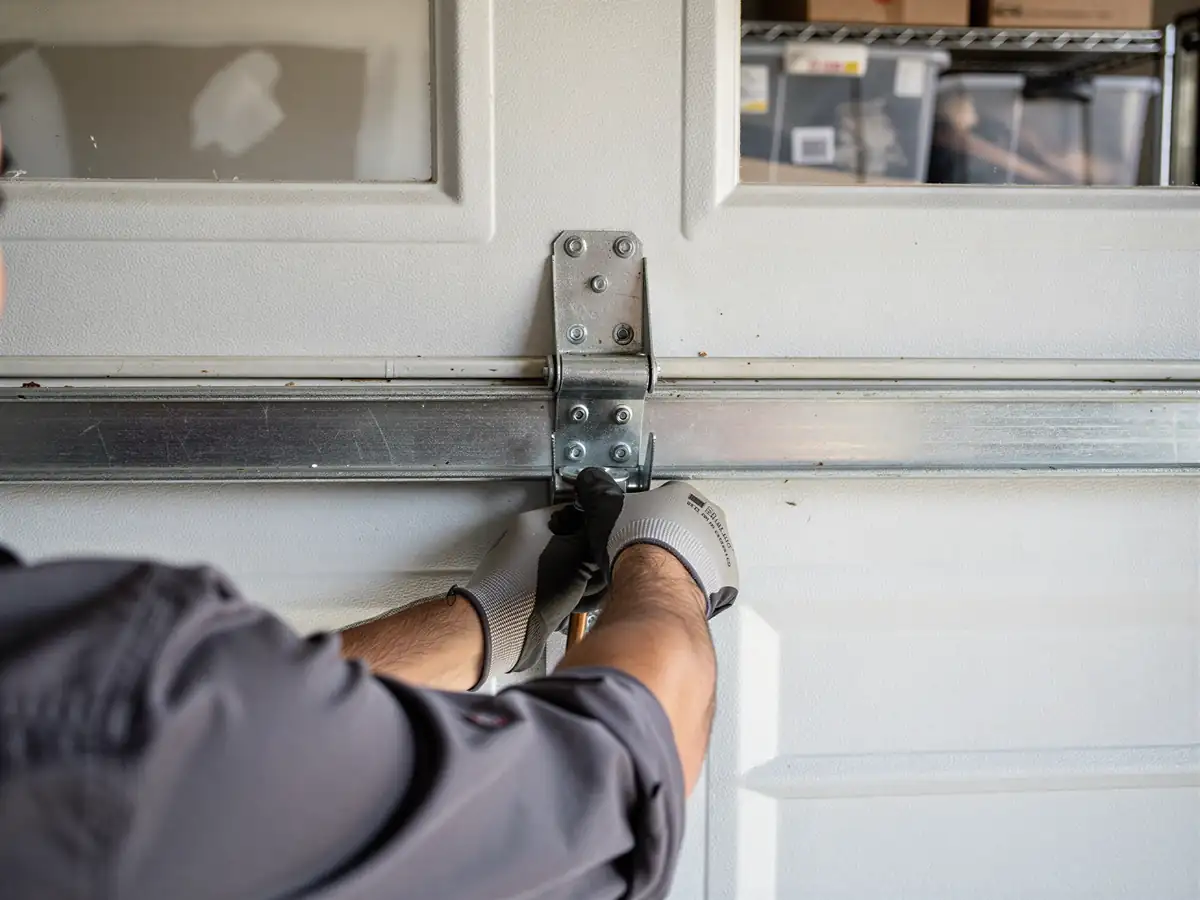
On these older doors we also run into sections that were never meant to come apart from the frame they're hinged to. Some早 steel doors from this build era used continuous hinge rails riveted the full width of the panel, not the bolt-on hinges you'd find on anything made in the last twenty years. Replacing one section means matching hinge spacing that current panels don't always share, which is where a straightforward repair turns into an afternoon of fabrication - or a decision to stop chasing the match and replace the door.
Doing It Yourself
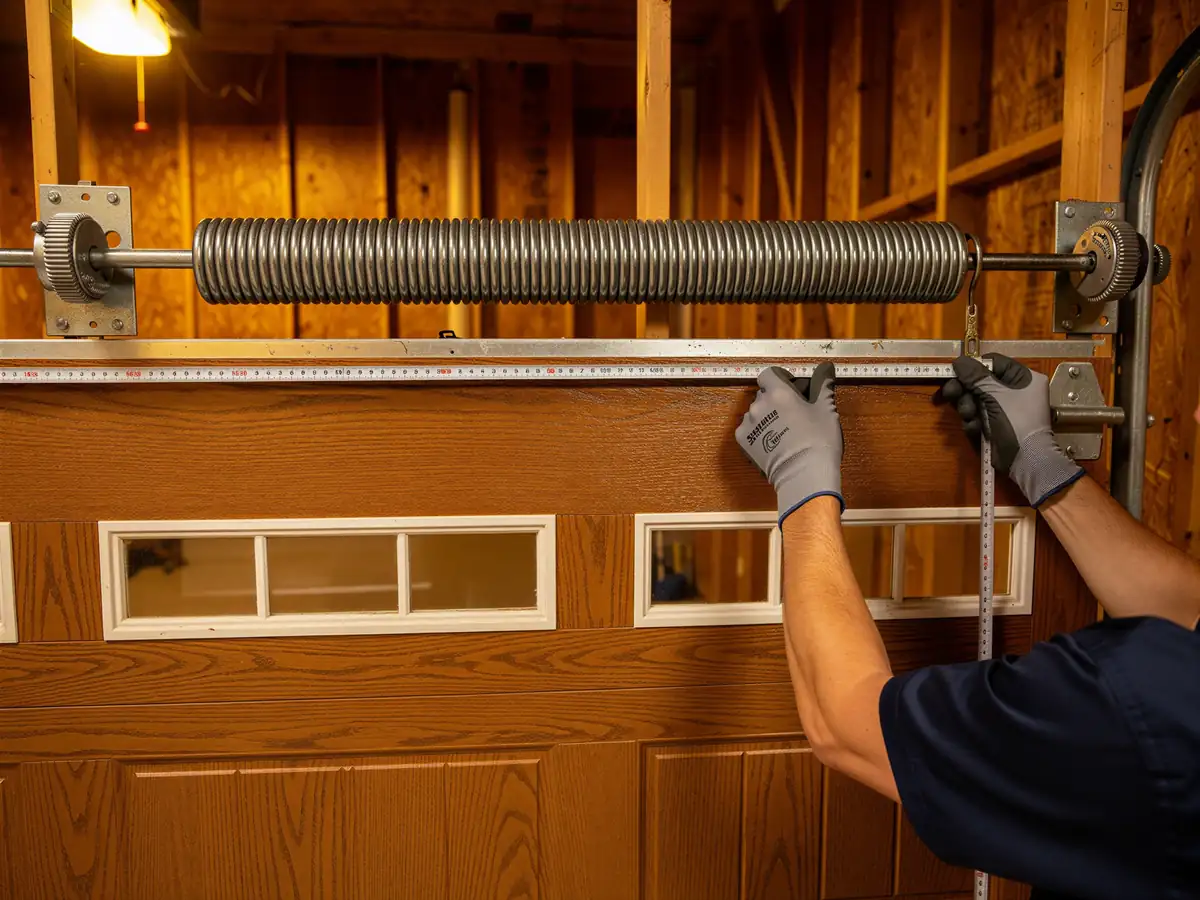
Measuring your own panel isn't hard - width, height, and groove count are all you need to start a search. Finding a panel that actually fits a door built around 1962 is the part that goes sideways. Manufacturers changed panel profiles and section heights multiple times between then and now, and a close match on paper doesn't always sit flush once it's hung.
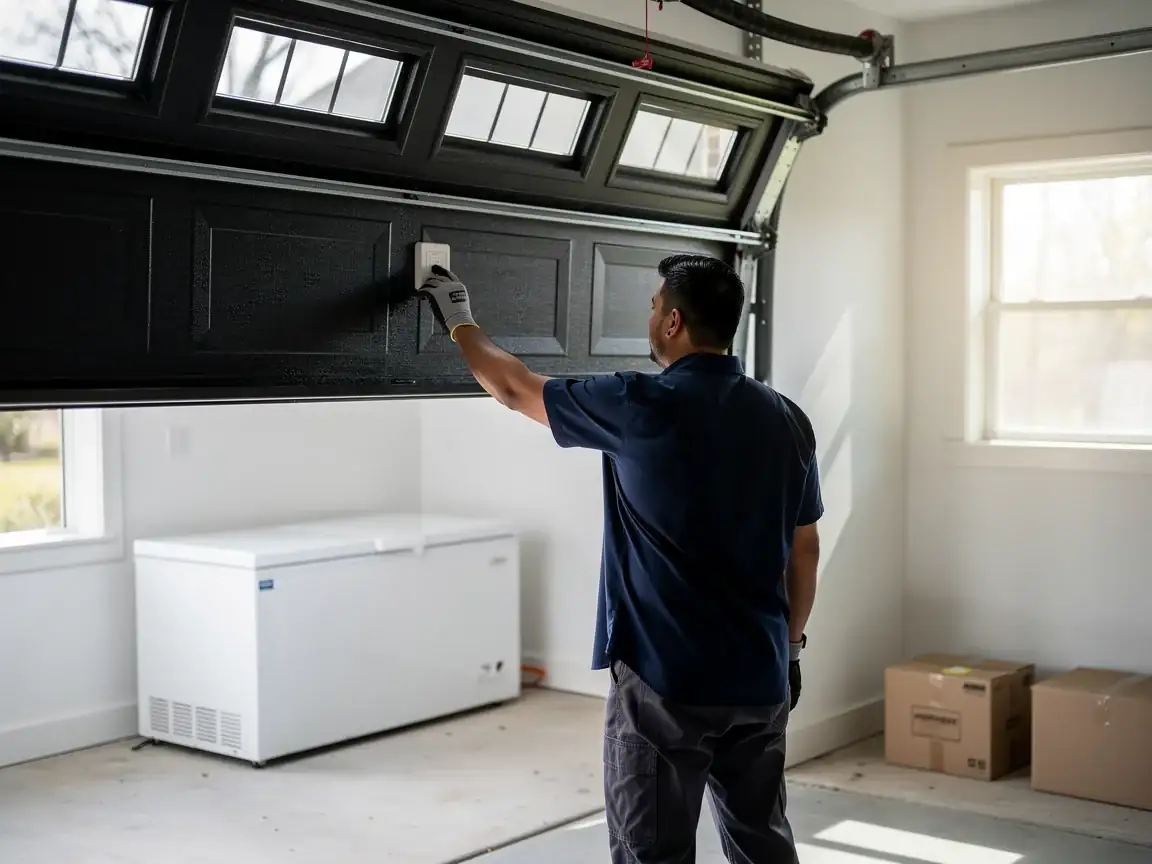
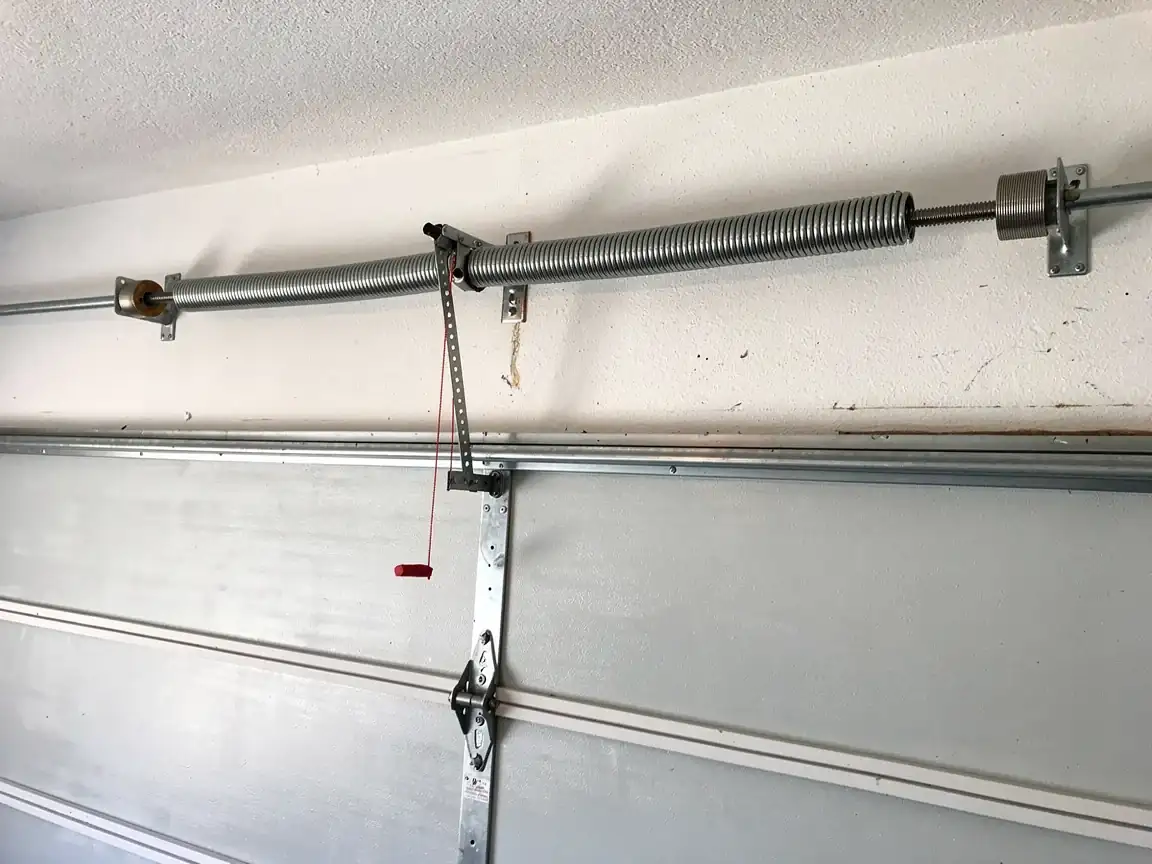
If your door is a double-wide, don't attempt the panel swap alone. The sections carry real weight, and pulling one out of a loaded door without taking tension off the spring first is how people end up with crushed fingers or a door that drops. If you've got a single, lighter panel on a side section with no window cutout, that's about as low-risk as this job gets for a careful homeowner with a helper and the right clamps.
We're straight about this: we don't sell panels over the phone sight-unseen for houses in this era. Too many of these doors need a photo and a measurement first, because guessing wrong means a second trip.
What Is on the Truck
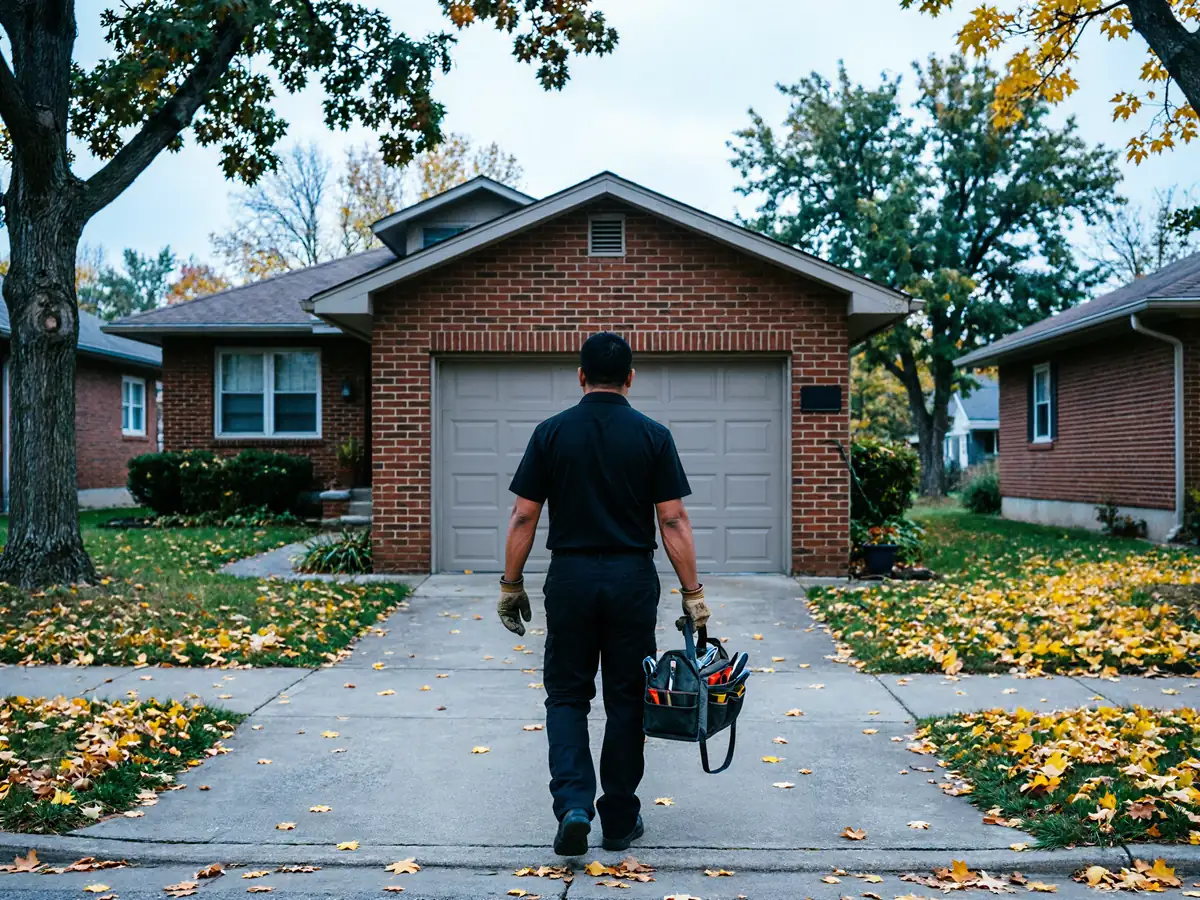
For a Geneseo call, the truck carries a run of standard steel panel widths and the hardware to hang them
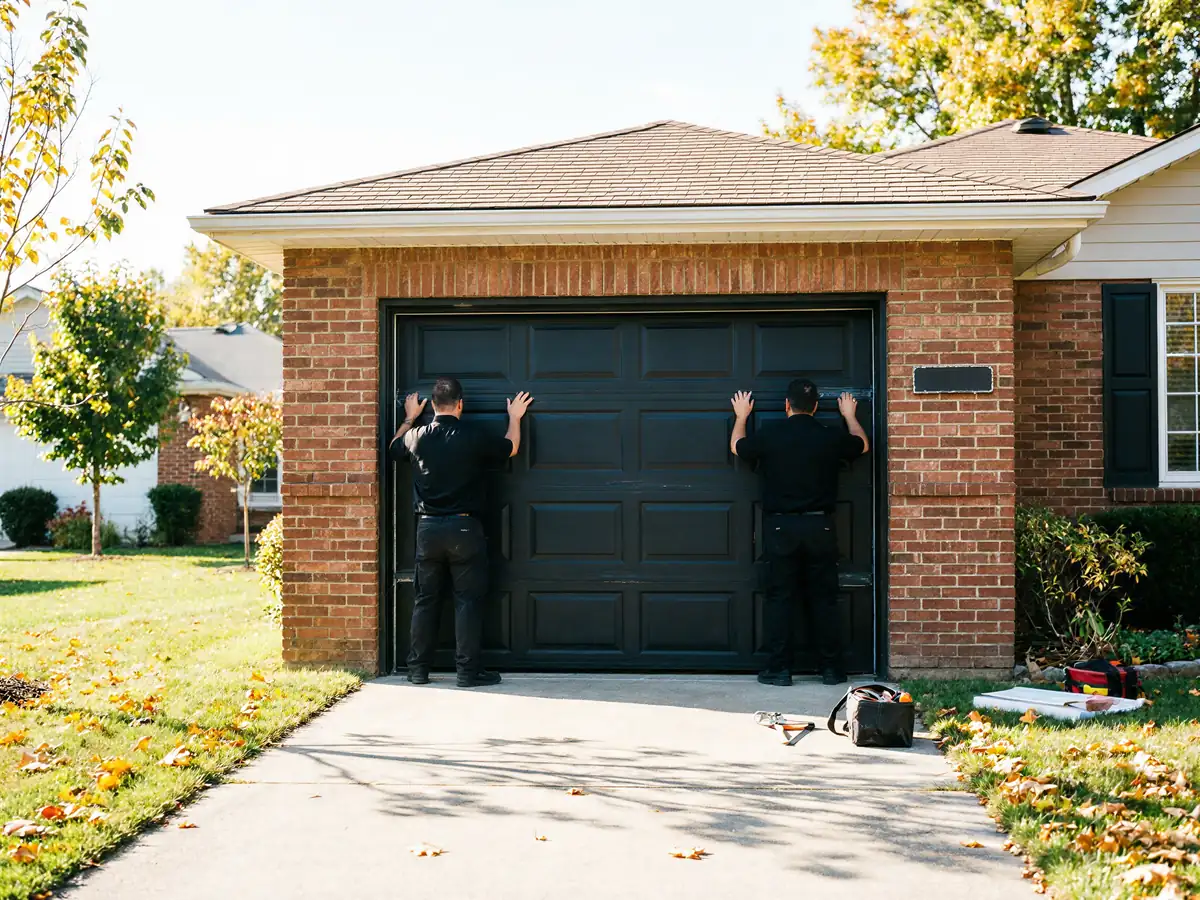
But matching a specific 1960s groove pattern or color isn't something we stock pre-cut. What we bring is the ability to measure on site, pull the damaged section cleanly without disturbing the spring system, and tell you honestly whether a matching panel exists or whether the better move is replacing the whole door.
Because the drive out is part of the job at this distance
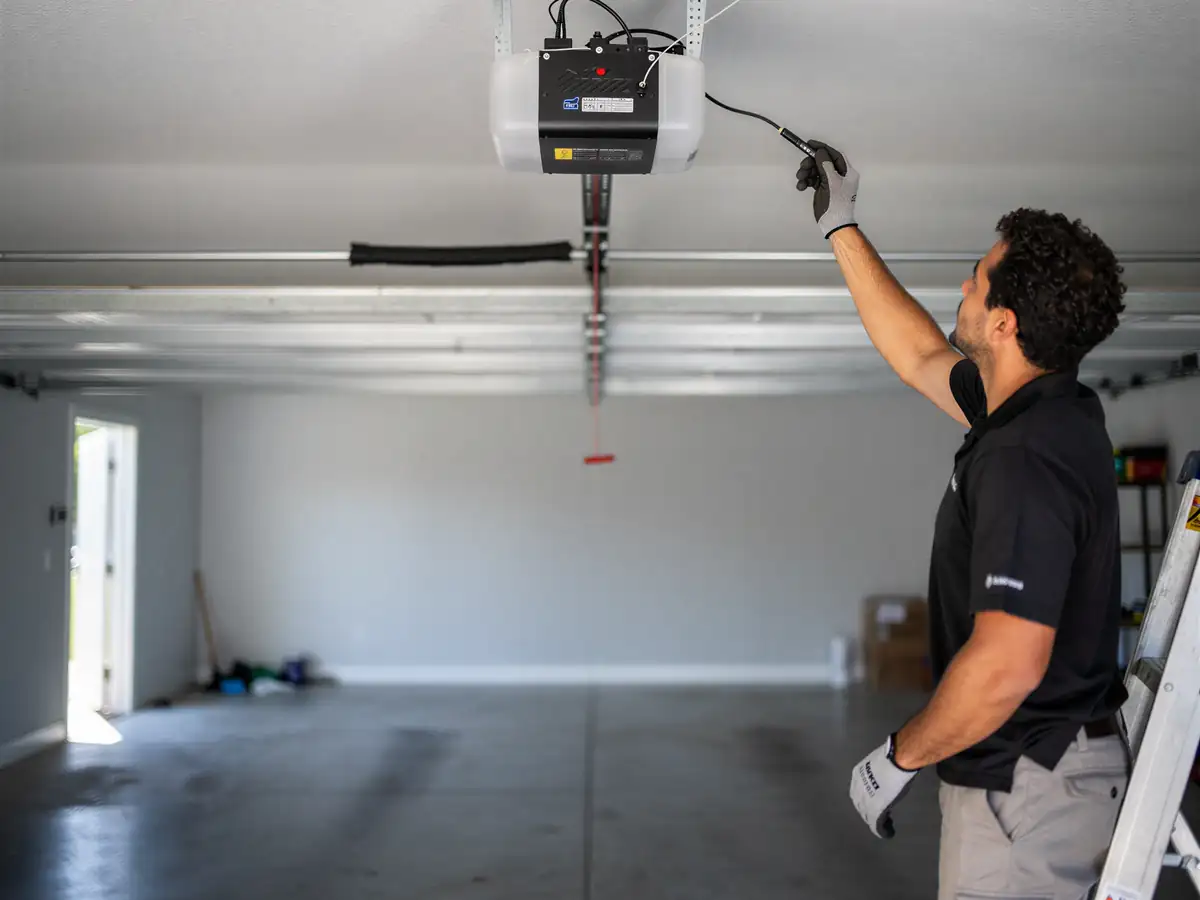
We plan panel work as a dedicated trip rather than a drop-in between closer calls. That's not a complaint about Geneseo - it's just how the scheduling works when a job starts 18 miles from the shop. If your door needs more than a panel - springs going, track bent, opener failing - tell us when you call so we bring the right stock the first time instead of a second visit.
- 18 miles