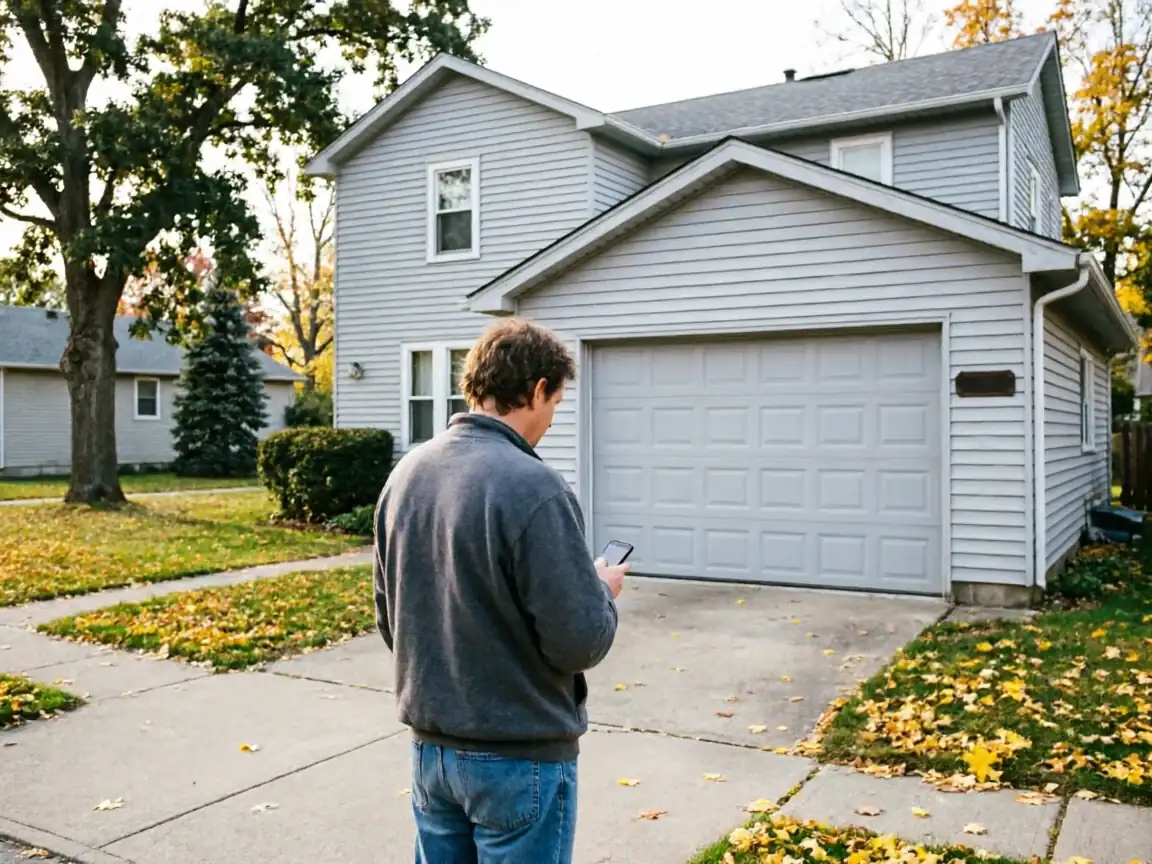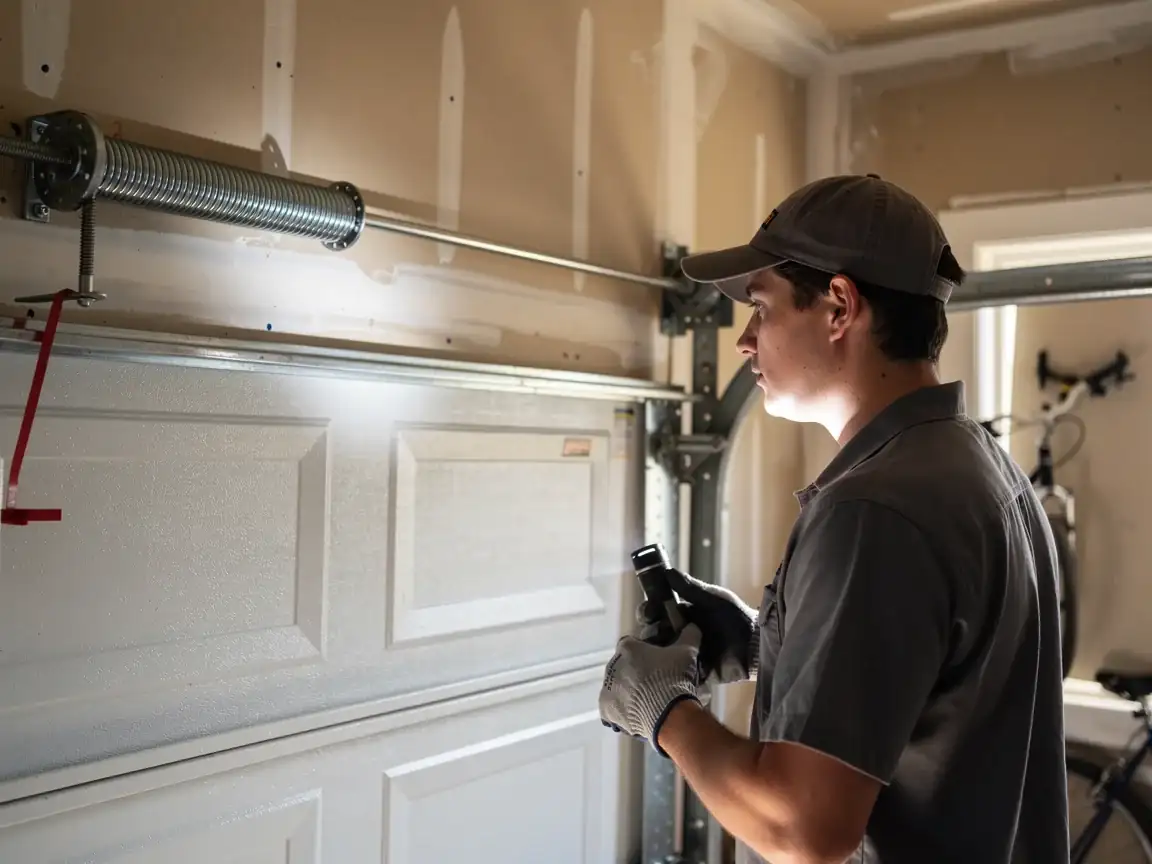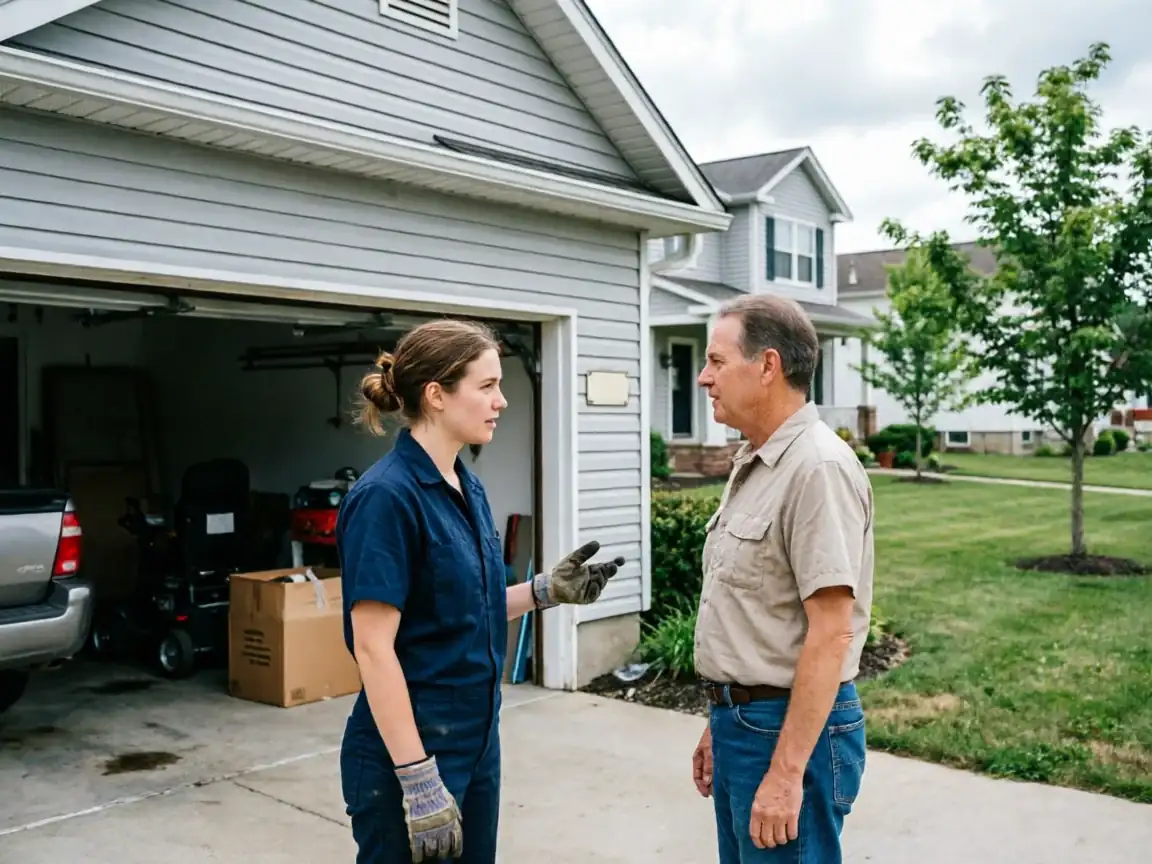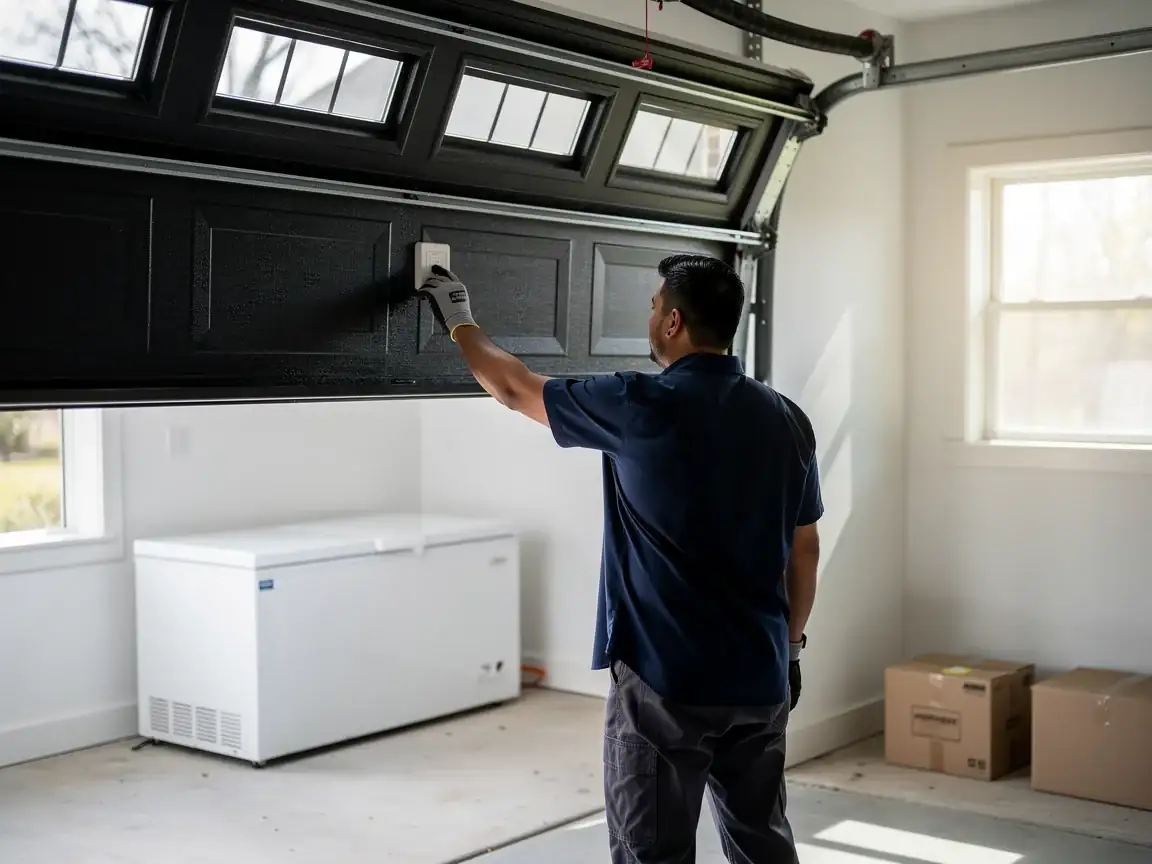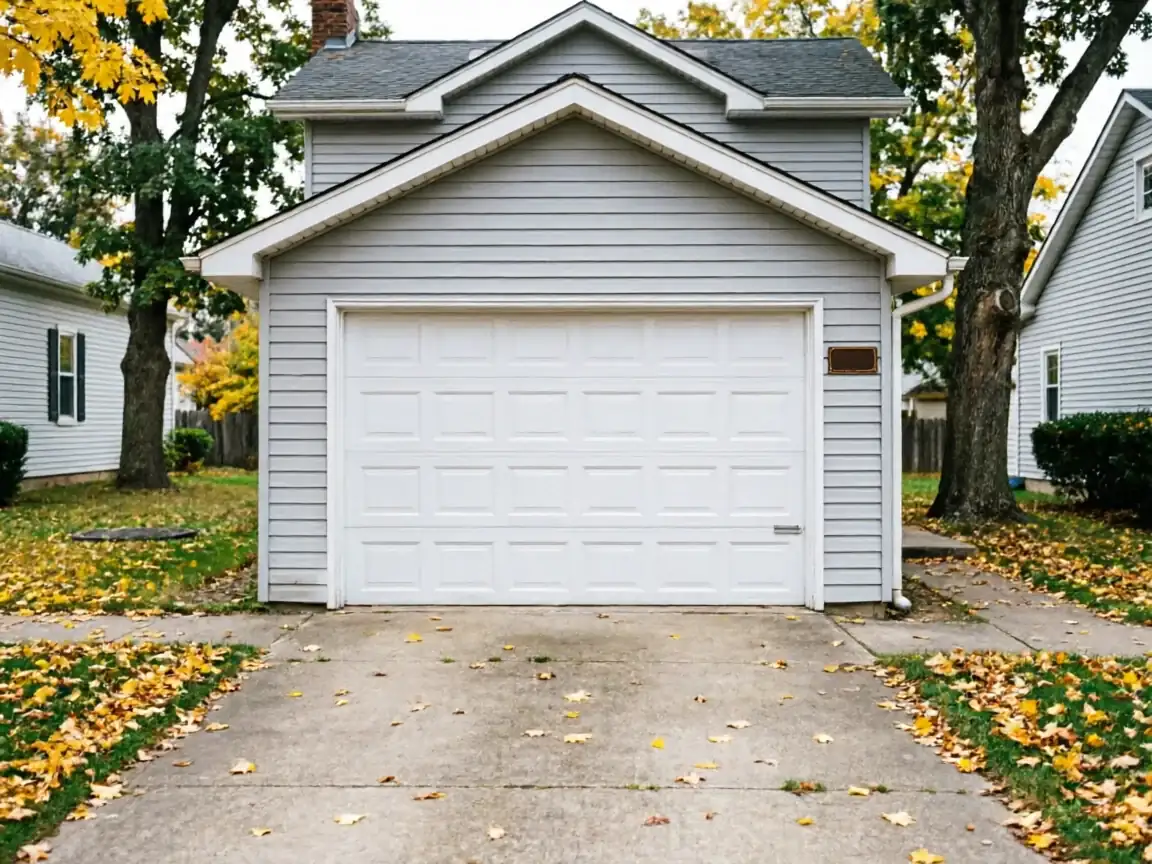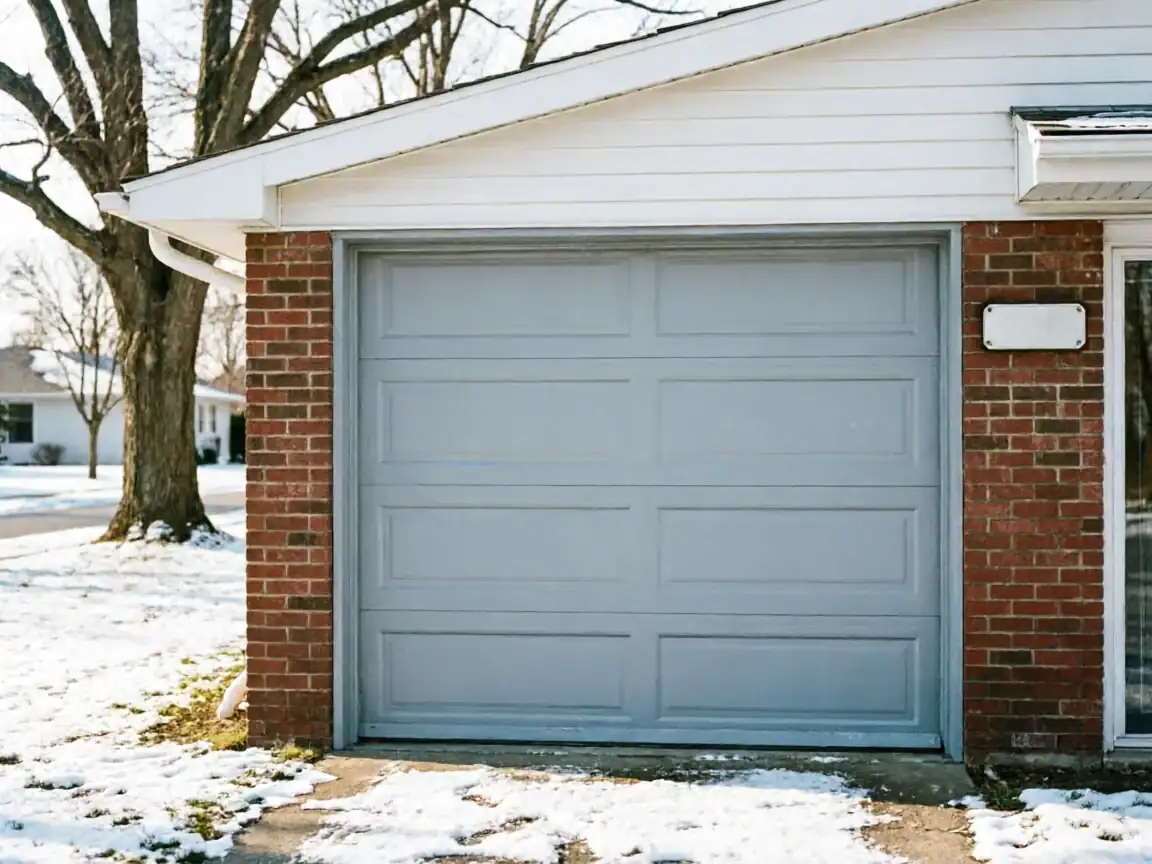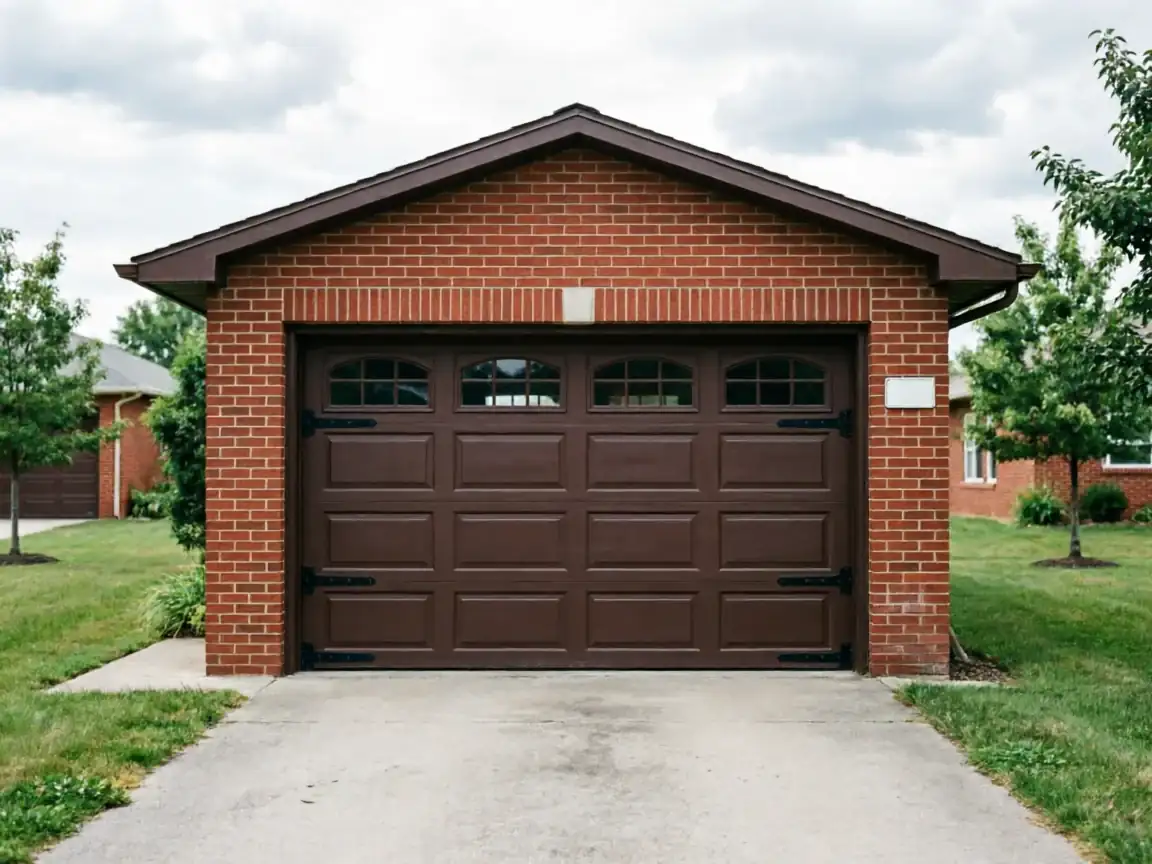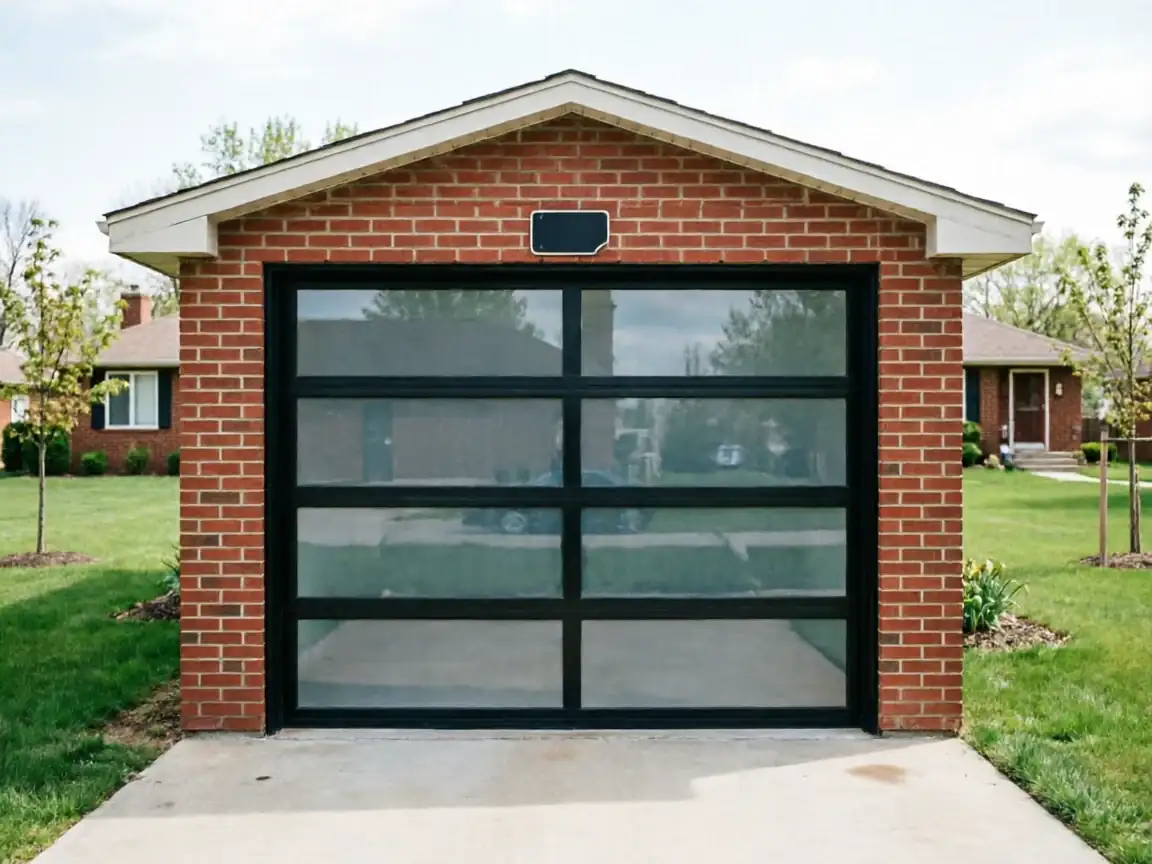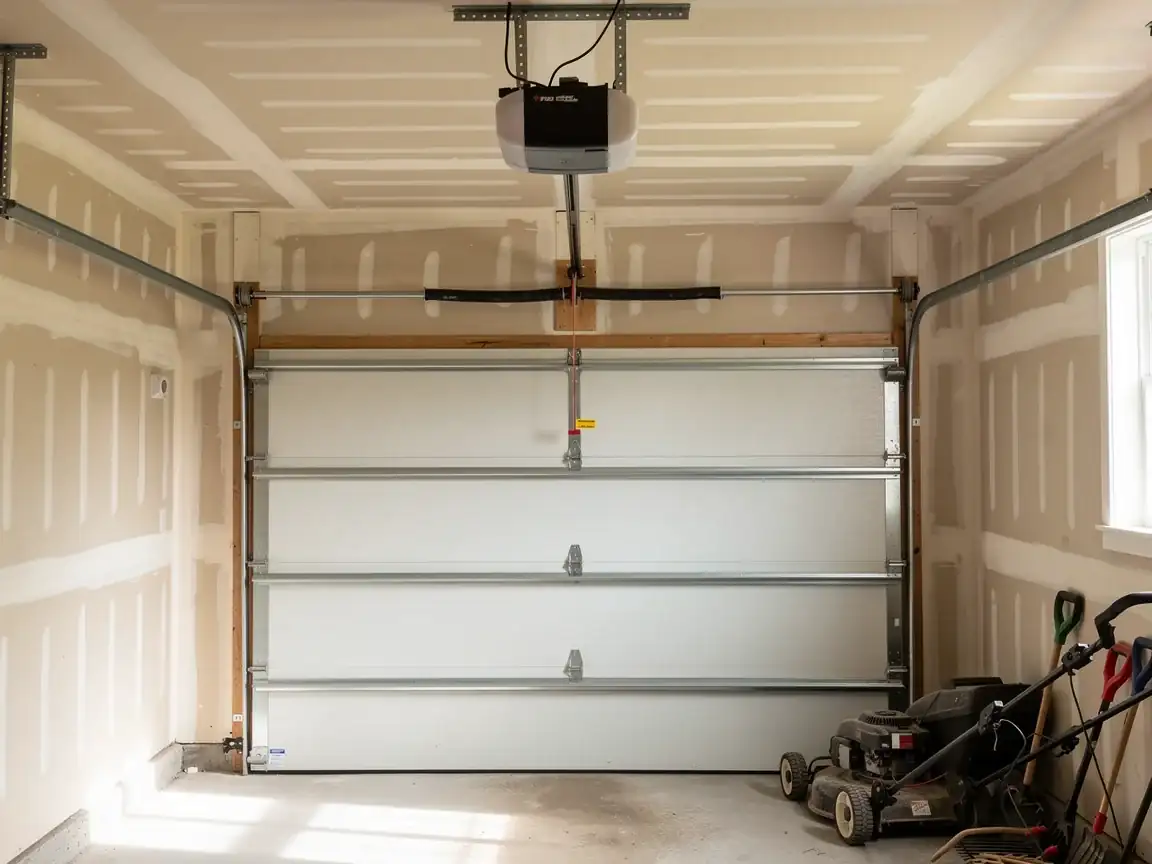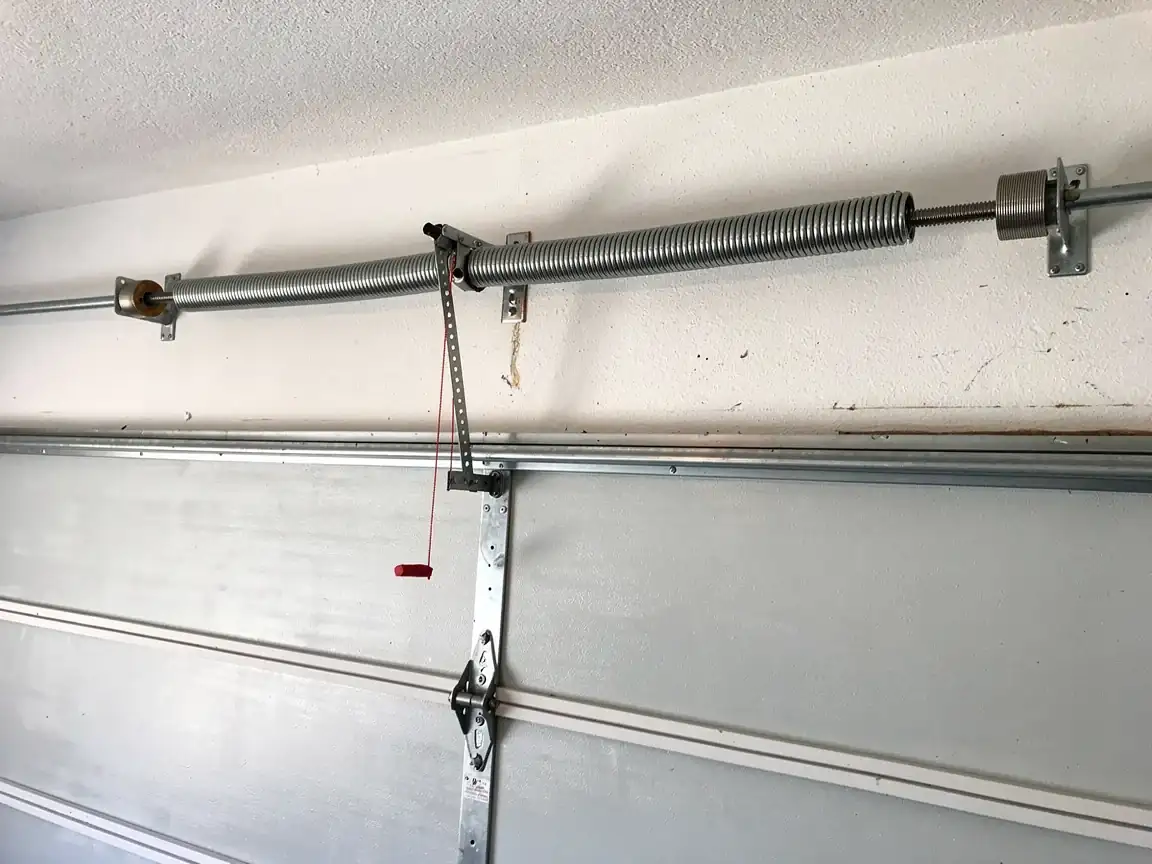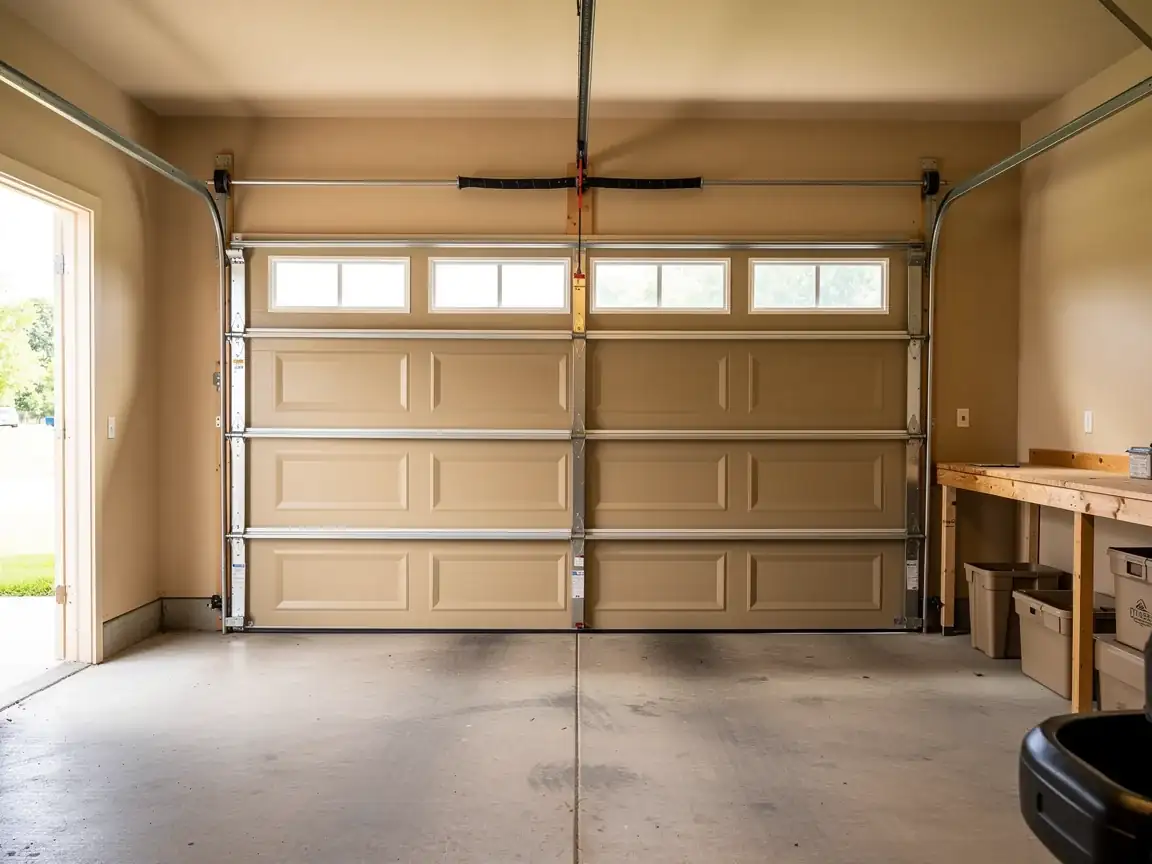
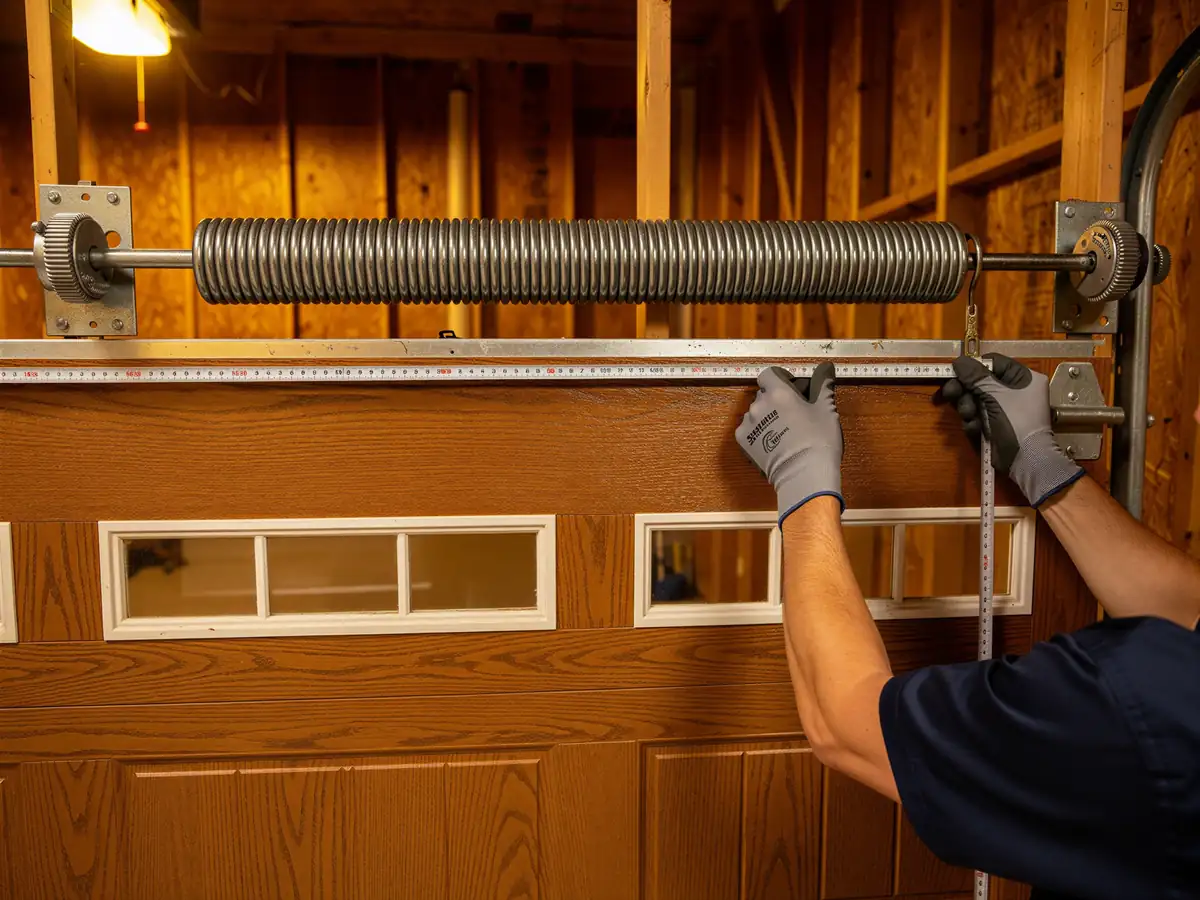
What You Are Seeing
The call we get from Geneseo almost always starts the same way
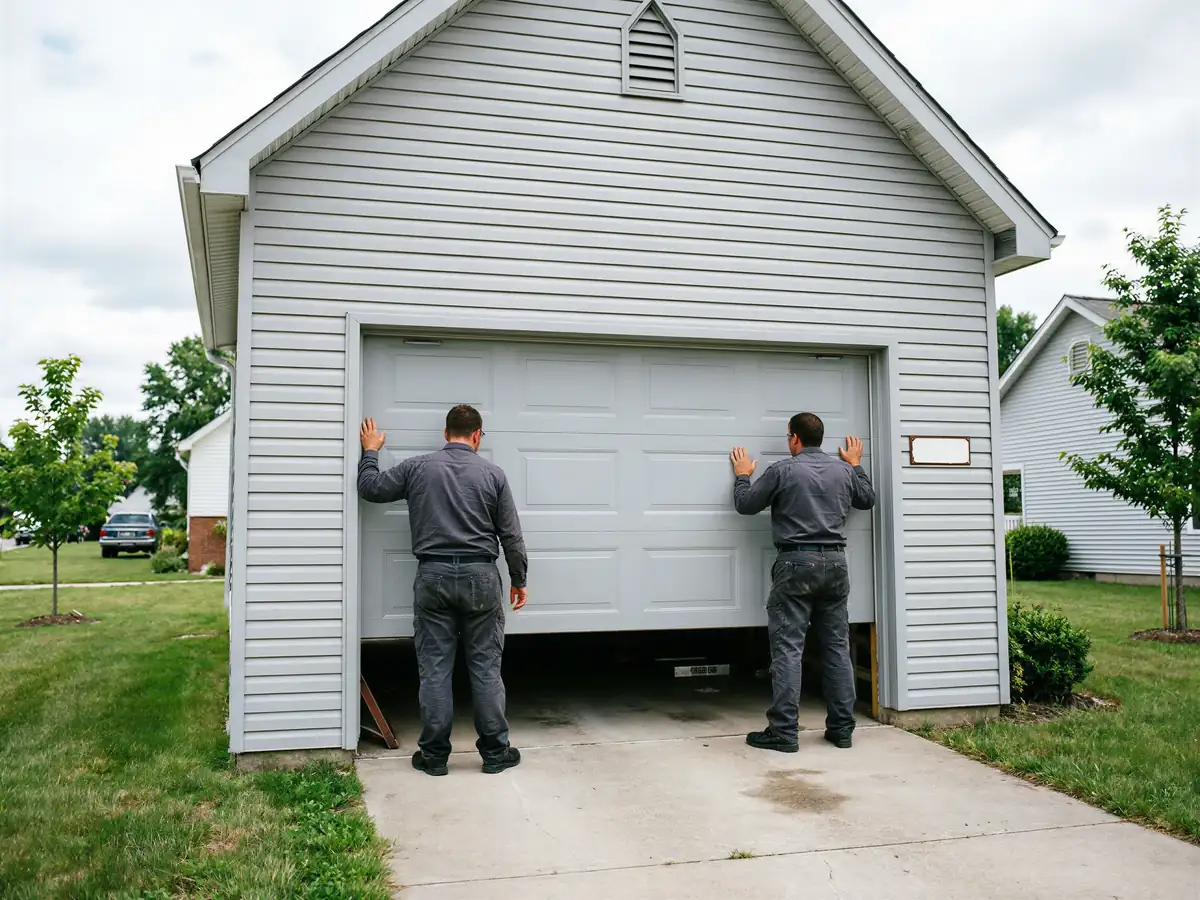
The door won't go up, or it goes up and slams down like something let go. That something is usually a torsion spring, and in this town it's often the original one. Geneseo's houses cluster around a median build year of 1962, a little earlier than the 1968 median for the wider service area we cover out of Moline. That six-year gap matters more than it sounds like it should, because it puts a lot of Geneseo garages on first-generation torsion setups - single spring, heavier cable gauge, brackets that were never meant to be swapped out piecemeal.
If your door is original to a house built in that early-60s run
You're not dealing with the same spring a 1980s Milan or Colona build would have. The wind cycles are different, the wire diameter is different, and a shop that doesn't ask your build year is guessing. We ask, because guessing on a spring means a second trip.
What Can Go Wrong
A torsion spring that's run for sixty years doesn't usually fail quietly. It goes with a bang loud enough to bring someone out of the house, because the coil snaps under full wind tension. Before that happens, you'll often see the warning signs: the door looks crooked going up, one side drops faster than the other, or the opener strains and reverses on a door that used to lift without a fight.
Our service area sits in a cold, moderate climate band, and cold matters to old steel. Metal contracts in winter, and a spring that's already fatigued from decades of cycling is more likely to let go on a sub-freezing morning than in July. We see more snapped springs here in the cold months, and on original-era hardware the failure is often total rather than partial - the spring doesn't just weaken, it separates.
Cables take the same beating. On a single-spring 1960s setup, a frayed cable next to a dying spring is common, and replacing one without checking the other is how a second service call gets booked.
Doing It Yourself
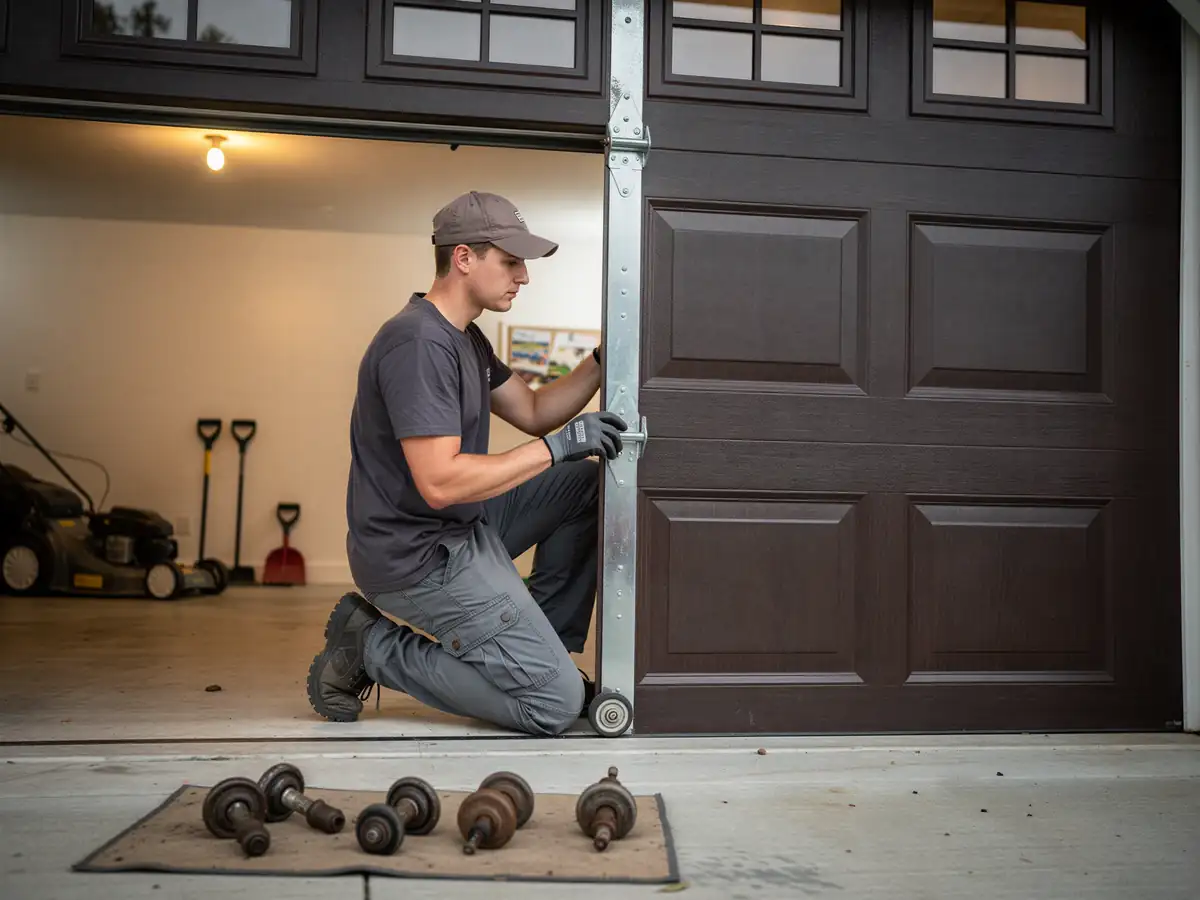
We'll say this plainly: don't wind a torsion spring yourself. The wound coil holds enough stored force to break a wrist or worse, and on original hardware from the early 1960s, the brackets and winding cones weren't built to today's spec, which makes the margin for error smaller, not bigger.
What you can safely do is diagnose. Pull the release cord, lift the door by hand, and see if it feels heavy, uneven, or like dead weight on one side. Heavy and even usually means a spring. Heavy and crooked usually means a spring plus a cable or a bent track. Either way, that's useful information to give us on the phone before we make the drive out.
We're honest about the one limitation here: we don't stock every obsolete bracket or cone size for 1960s single-spring systems on the truck every day. If your setup turns out to need a part that's no longer common, we may need to order it, which can add a day or two. We'd rather tell you that up front than pretend every job closes same-visit.
What Is on the Truck
We carry torsion springs in the wire gauges that match the era Geneseo was mostly built in
Plus the newer double-spring sizes for houses on the later end of the area's 1952-1998 build range. That covers most of what we see on a Geneseo call without a special order.
Alongside springs, the truck carries matching cable, winding bars, and the safety cones that fit older single-spring brackets
Not just the current universal hardware. We also bring a torque wrench set up for the wire gauges common to pre-1970 doors, because tightening an old bracket to modern spec torque can crack it.
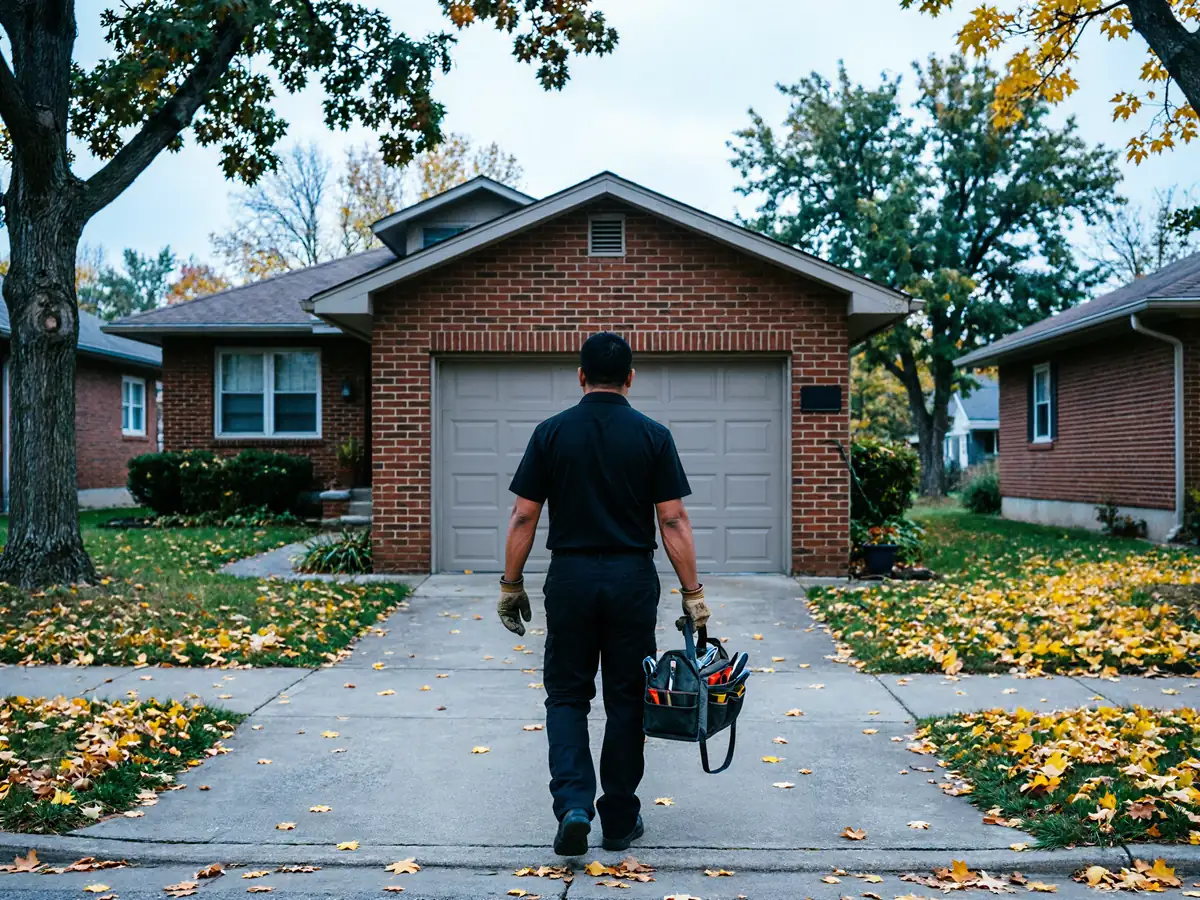
Geneseo sits about 18 miles out from our Moline base
The farthest stretch of anywhere we regularly run in this part of the territory. We plan spring calls out here with that drive built into the job, not as an afterthought, so the truck that shows up has what a 1962-built door is actually going to need, not a generic assortment.
- 18 miles