Doing It Yourself
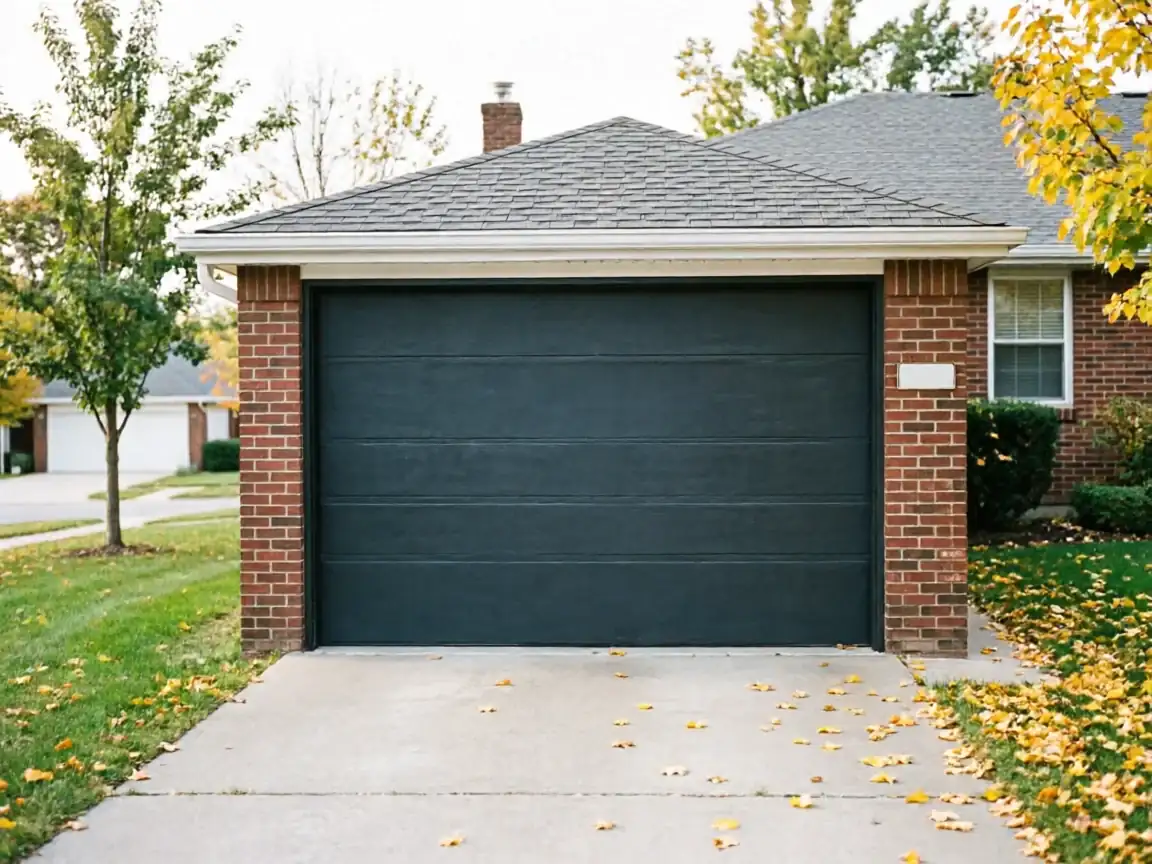
Milan's median house dates to 1968, and that year matters more than most homeowners realize
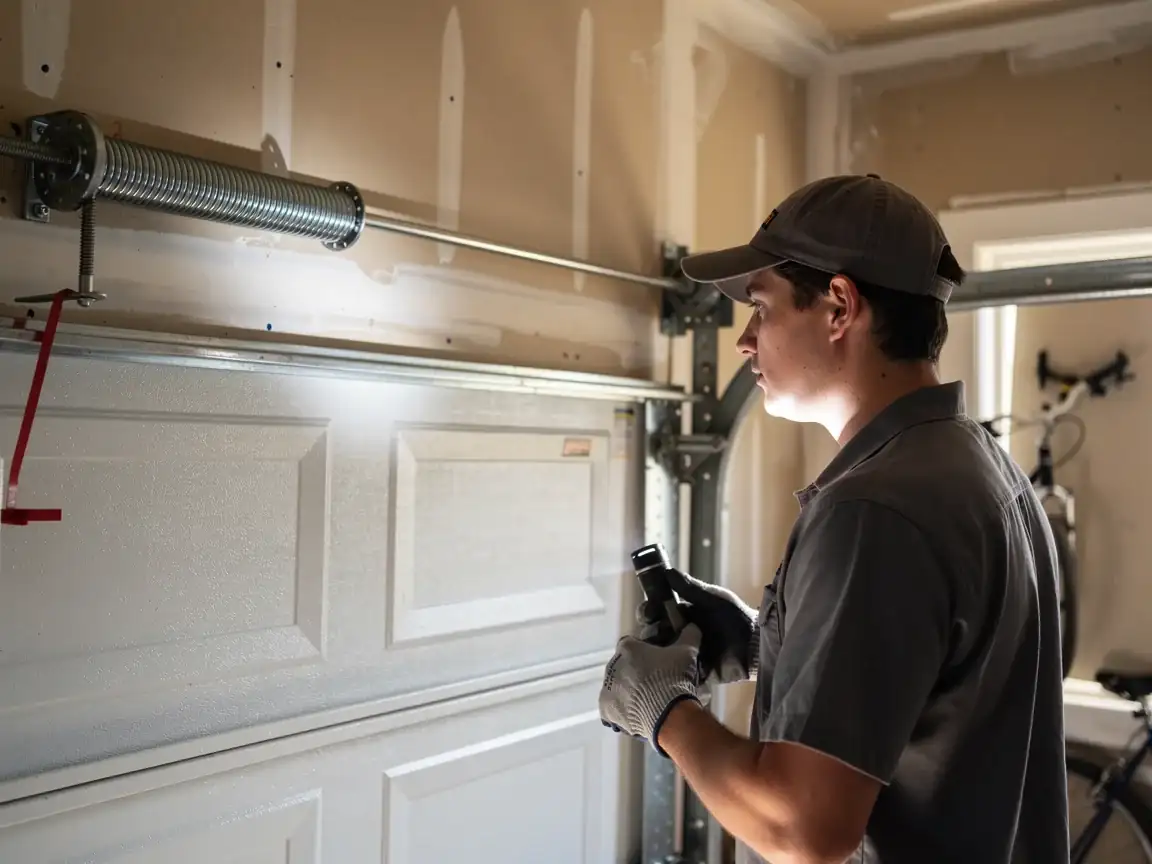
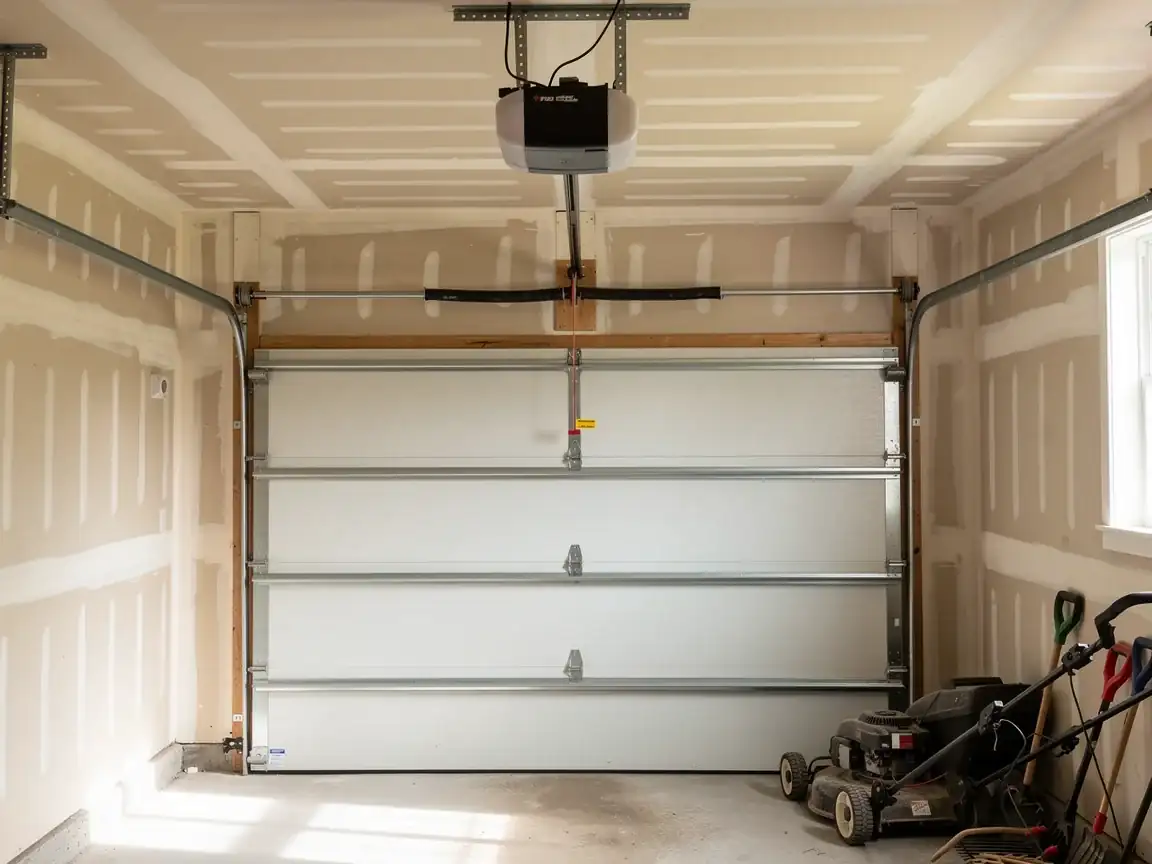
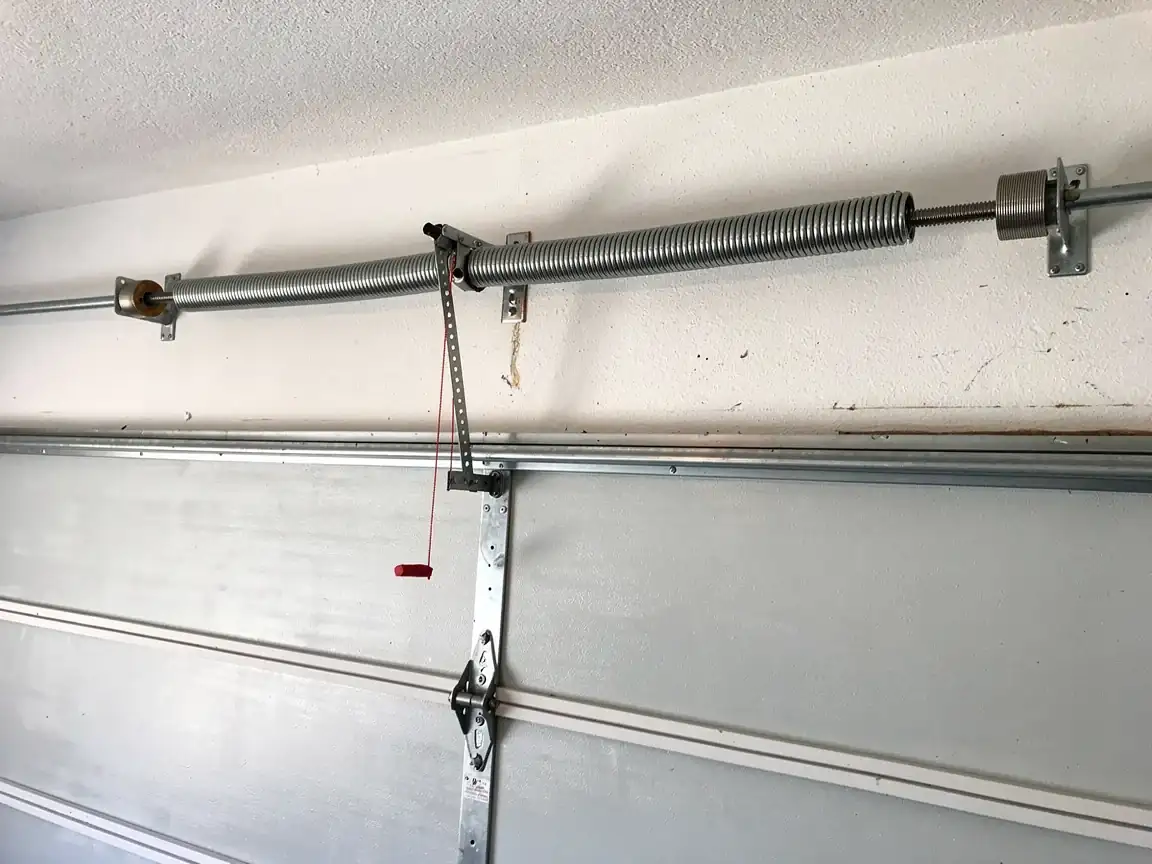
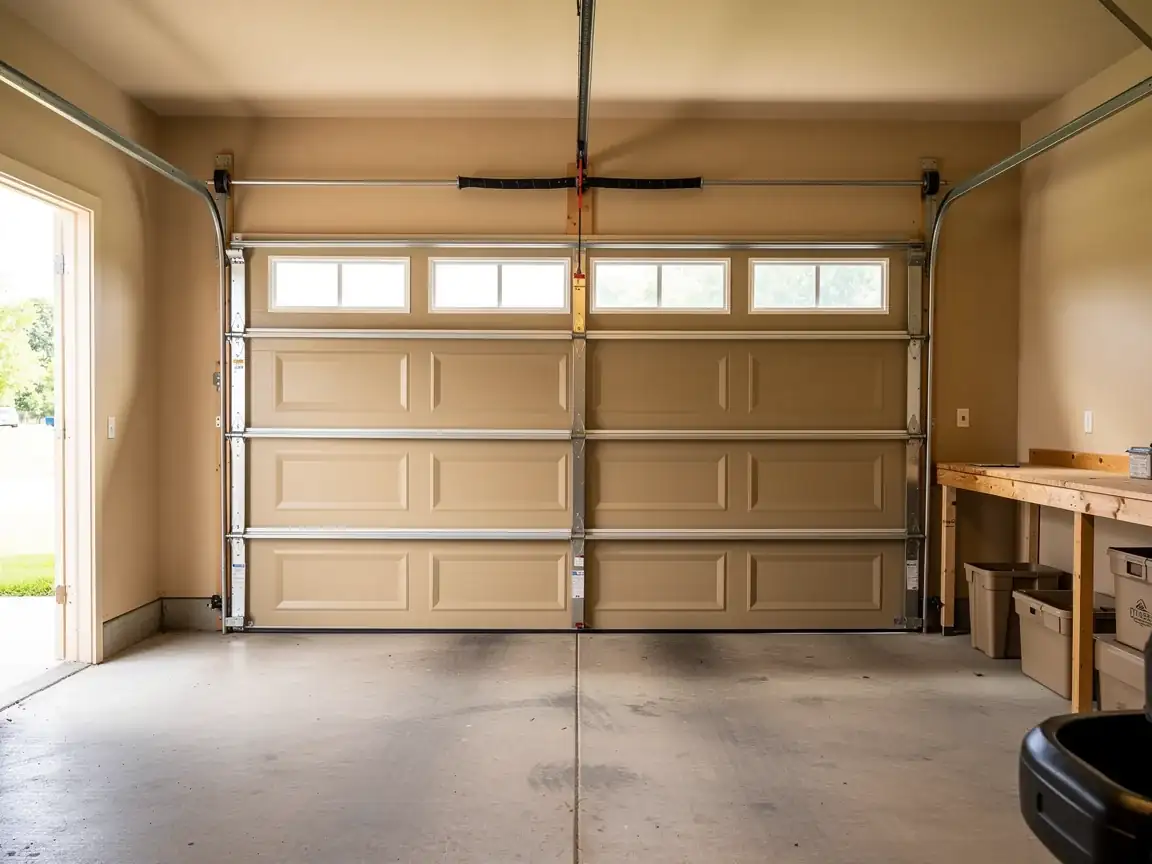
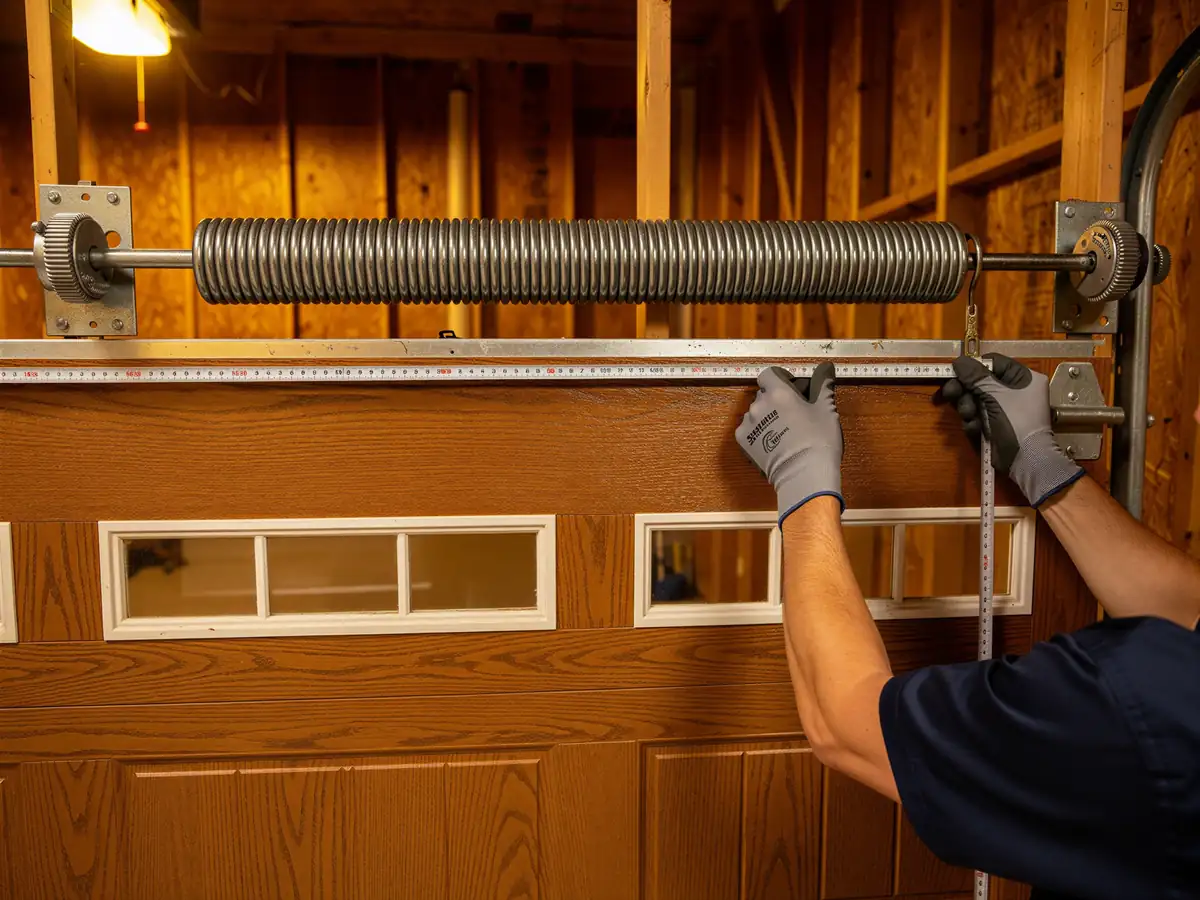
Doors going up then almost never had torsion springs mounted on a shaft above the door. They ran on extension springs stretched along the horizontal tracks, with a pulley-and-cable system doing the lifting. If your door is original or close to it, that's likely what you've got.
Extension springs are a different animal from torsion springs when it comes to DIY
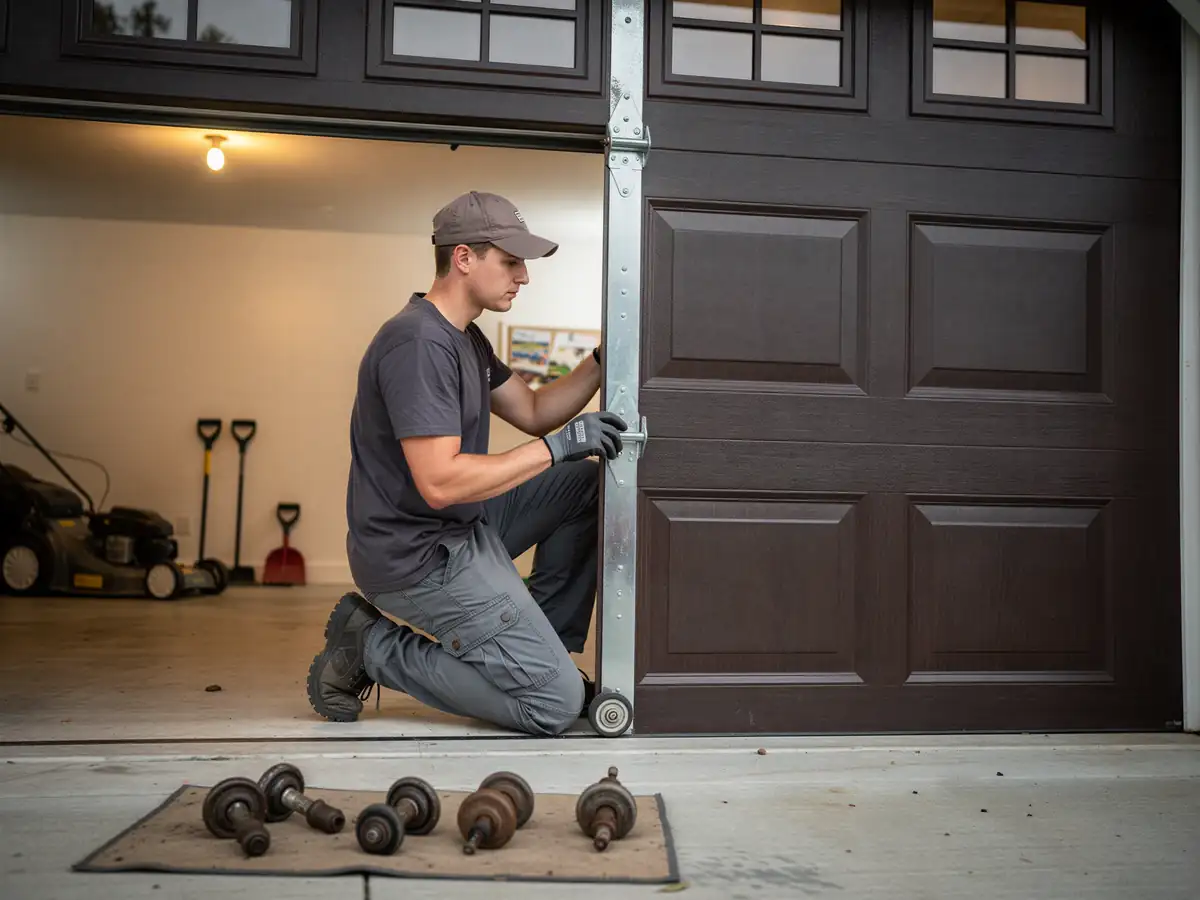
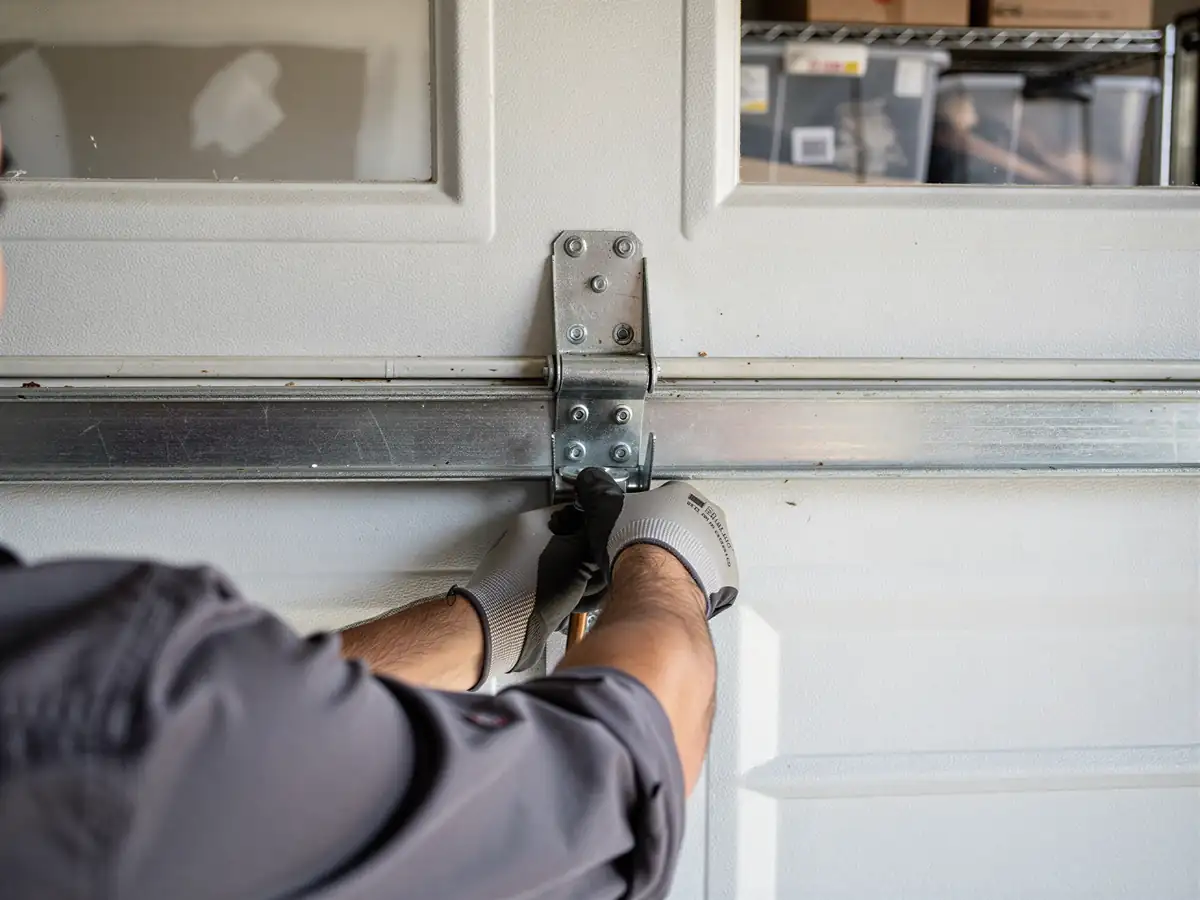
They're under less stored energy per spring, which is why a lot of owners feel comfortable swapping one themselves. That confidence is reasonable up to a point: cleaning tracks, tightening loose hinges, lubricating rollers and hinges - all fine to do yourself with the door disconnected from the opener.
Where we'd stop you is the cable and pulley assembly
On a 1960s-era door, those parts have usually been replaced once or twice already, and the bracket they anchor to can be fatigued in ways you can't see from the floor. A pulley that lets go while someone's hand is near it does real damage. We're honest that this isn't a hard rule for every house - some Milan doors have been upgraded to torsion hardware over the decades - but if yours still has the look of an original system, that's the line where we'd want you to call before you pull it apart.
What You Are Seeing
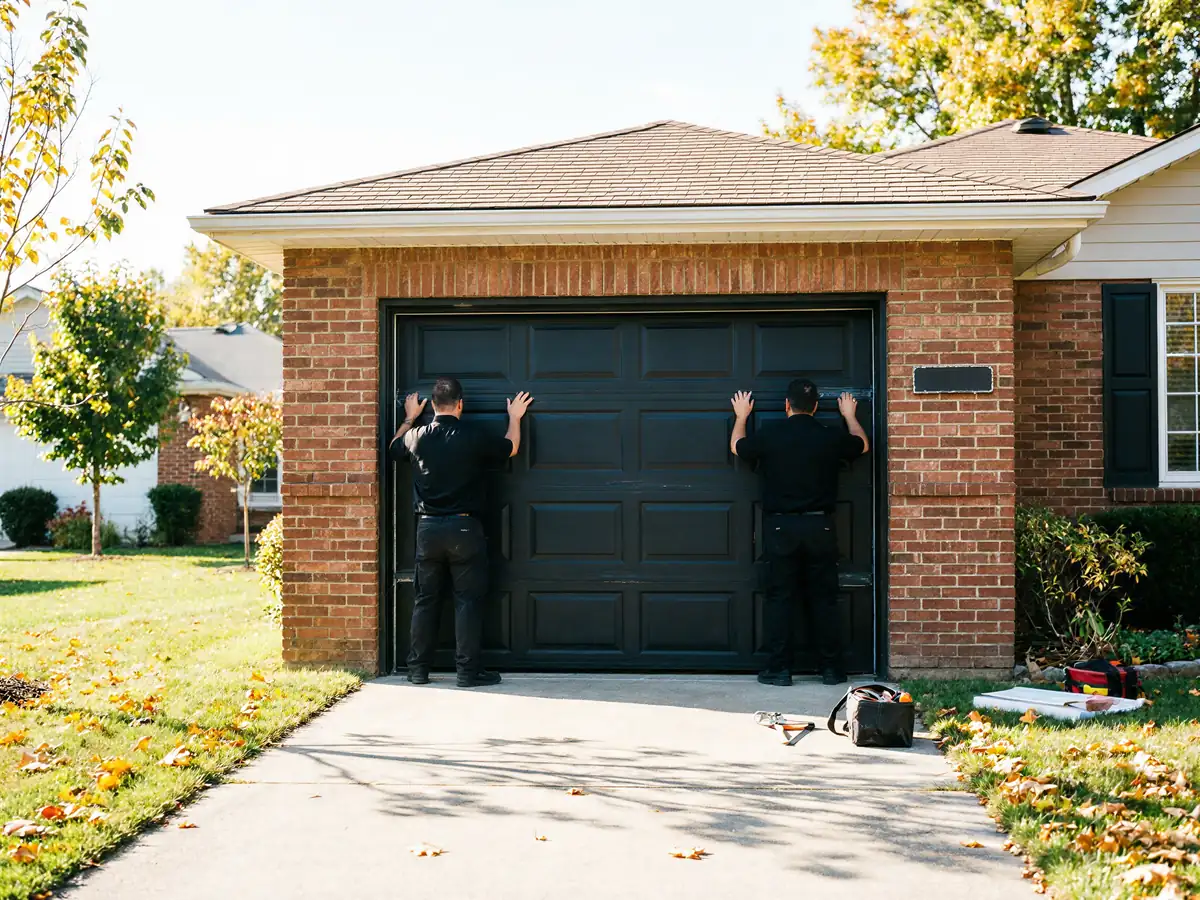
The most common call we get from this side of the service area is a door that drops suddenly on one side, or won't lift past waist height. On extension-spring doors from the 1968 era, that's almost always one of two things: a snapped extension spring, or a frayed lift cable that's about to let go entirely. Both show up the same way to the owner - door feels heavy, then it isn't moving right.
The other pattern we see is the pulley wheel itself. On older installs, those pulleys were steel with a bare bore, no bearing, and after fifty-plus years of use they groove out and bind. You'll hear it before you see it: a grinding or squeal right at the top corners of the door as it travels.
Colder winters play a role too. This area sits in a cold climate band, and metal lift cables contract and stiffen with the temperature swings, which is when a cable that's already frayed tends to finally give. We don't see this as often on newer torsion setups, but on the original hardware still running in a lot of Milan's housing stock, it's a seasonal pattern worth knowing about before it happens to you.
What It Costs
We don't have a published price list here, and we're not going to invent numbers to fill this section. What we can tell you is what drives the cost on a house like the ones common in Milan: whether you're replacing a single extension spring or both, whether the cable and pulley need to come with it, and whether the drum or pulley bracket is worn enough to need hardware beyond the spring itself.
Household income in this part of the service area runs lower than some of the surrounding towns we cover, and we price jobs the same no matter which town we're driving to. The honest answer on cost is that it depends on what's actually failed once we're looking at the door, not on a flat number we can quote over the phone.
How Long It Takes
A straightforward extension-spring replacement on a door like the ones common in this part of Milan is a same-visit job once we're on site
It doesn't require ordering a part that isn't standard stock. Where it takes longer is when the pulley bracket or the track itself has worn unevenly after decades of use, which sometimes means adjusting more than just the failed part to get the door running true again.
We travel the roughly 5 miles out from Moline to reach Milan
So the job itself starts once the truck arrives - we're not a branch sitting in town, we're a company that drives here. That's worth knowing if you're calling on a day when the door is stuck shut and the car's inside.
- 5 miles