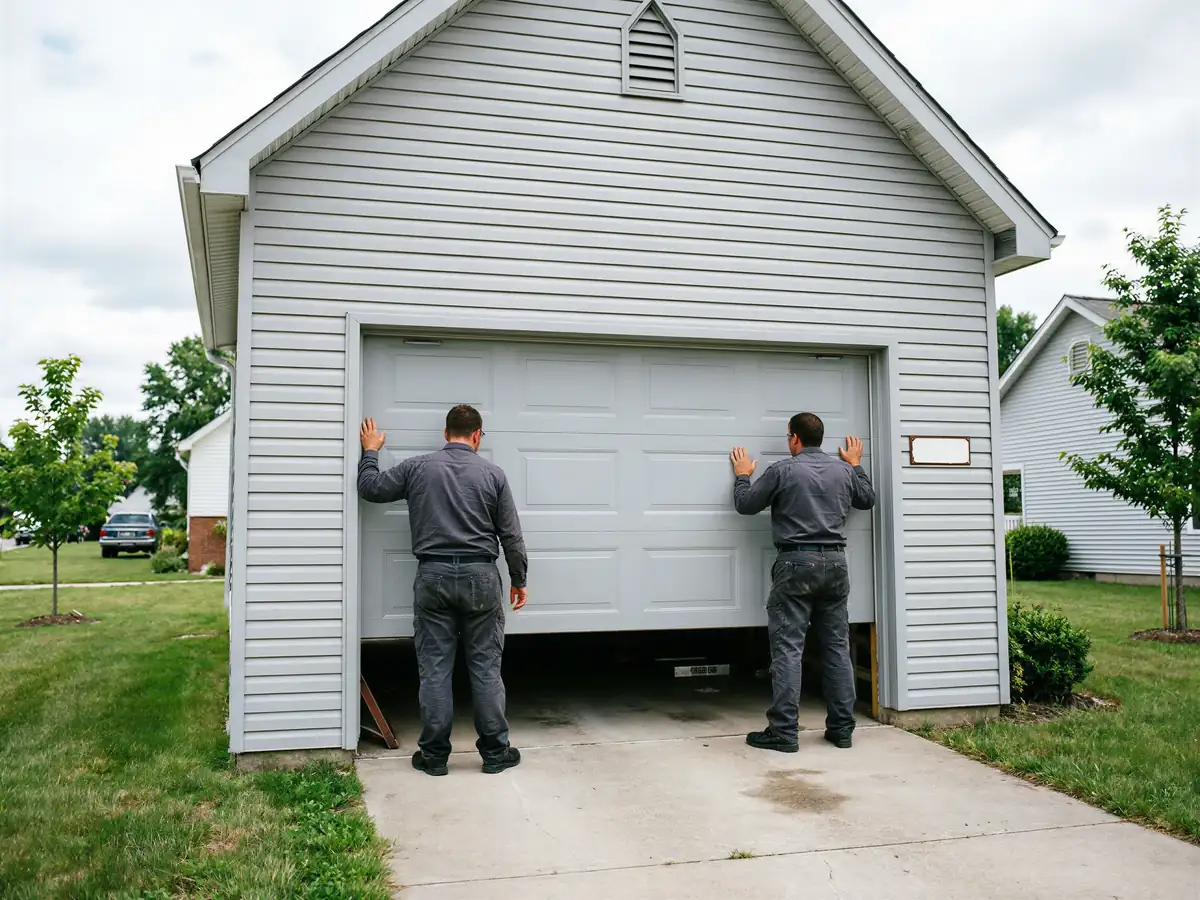
Doing It Yourself
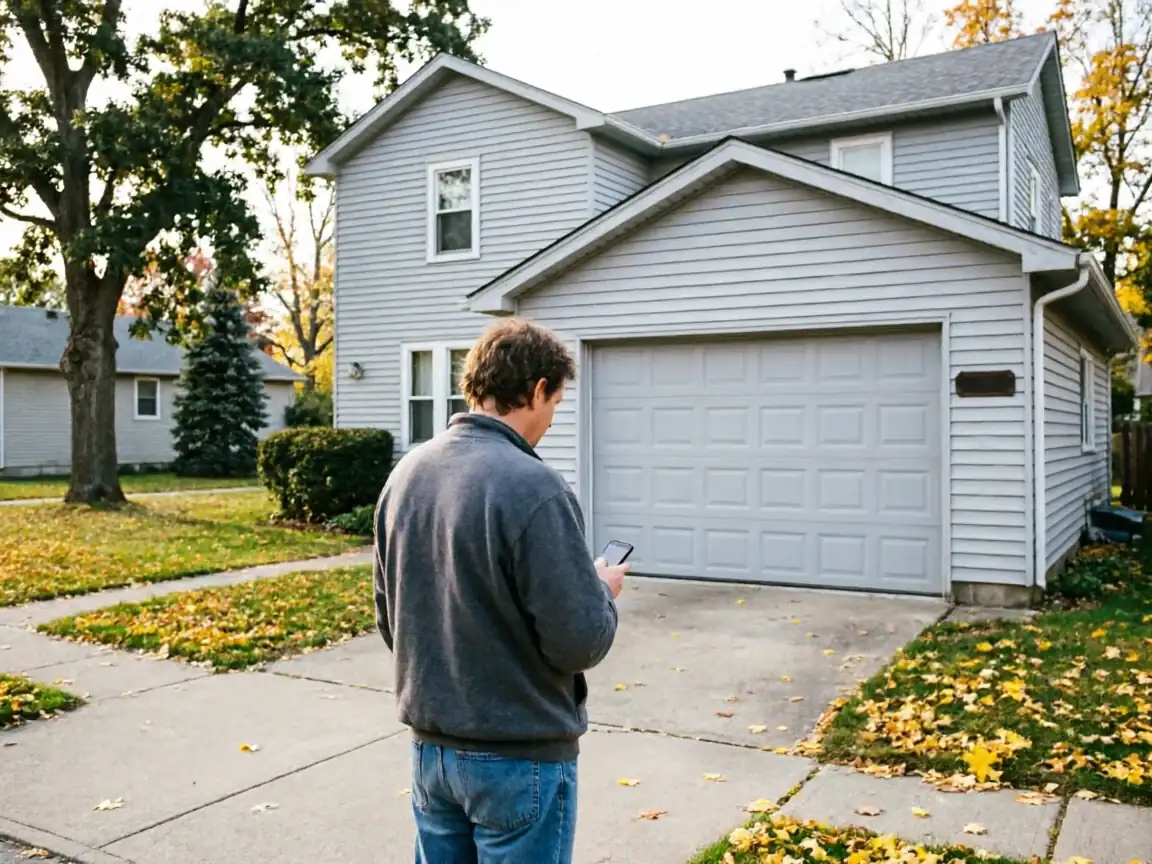
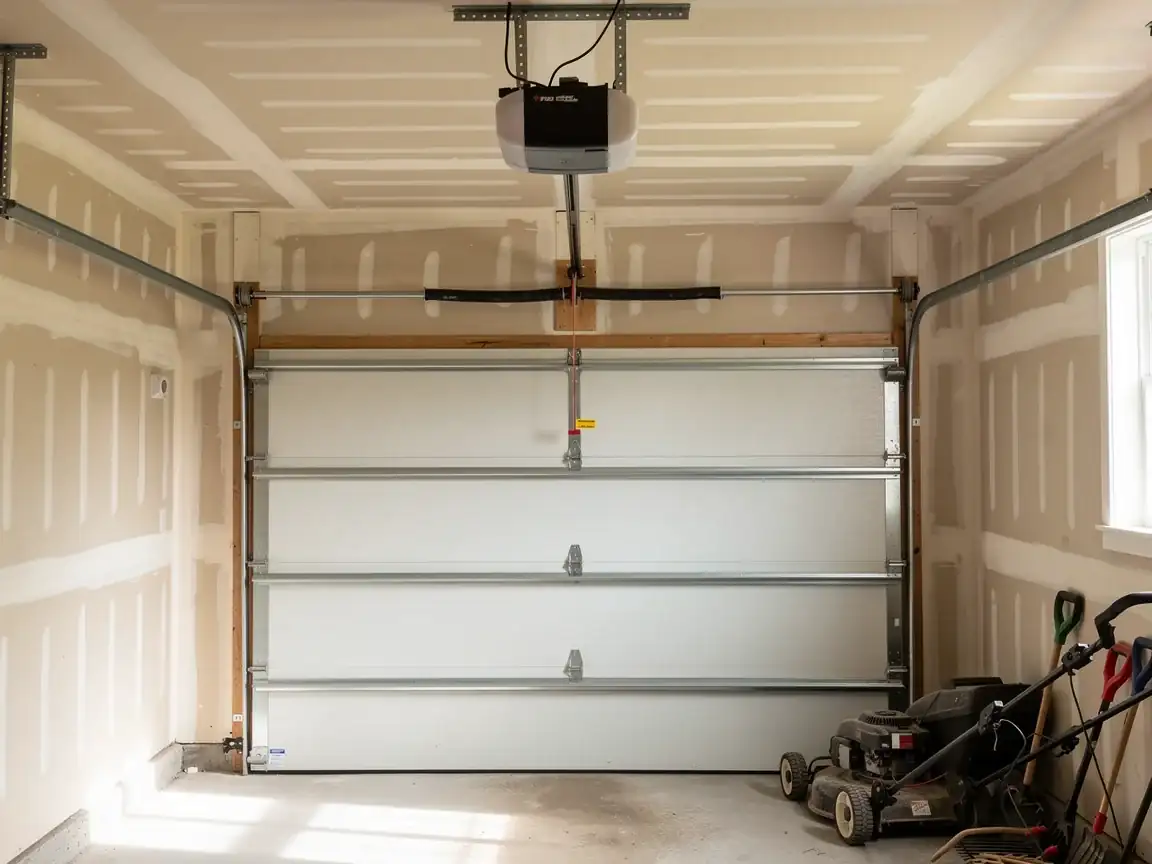
A single dented panel looks like a bolt-and-swap job until you're standing in the garage with the old panel off and no matching replacement in the box
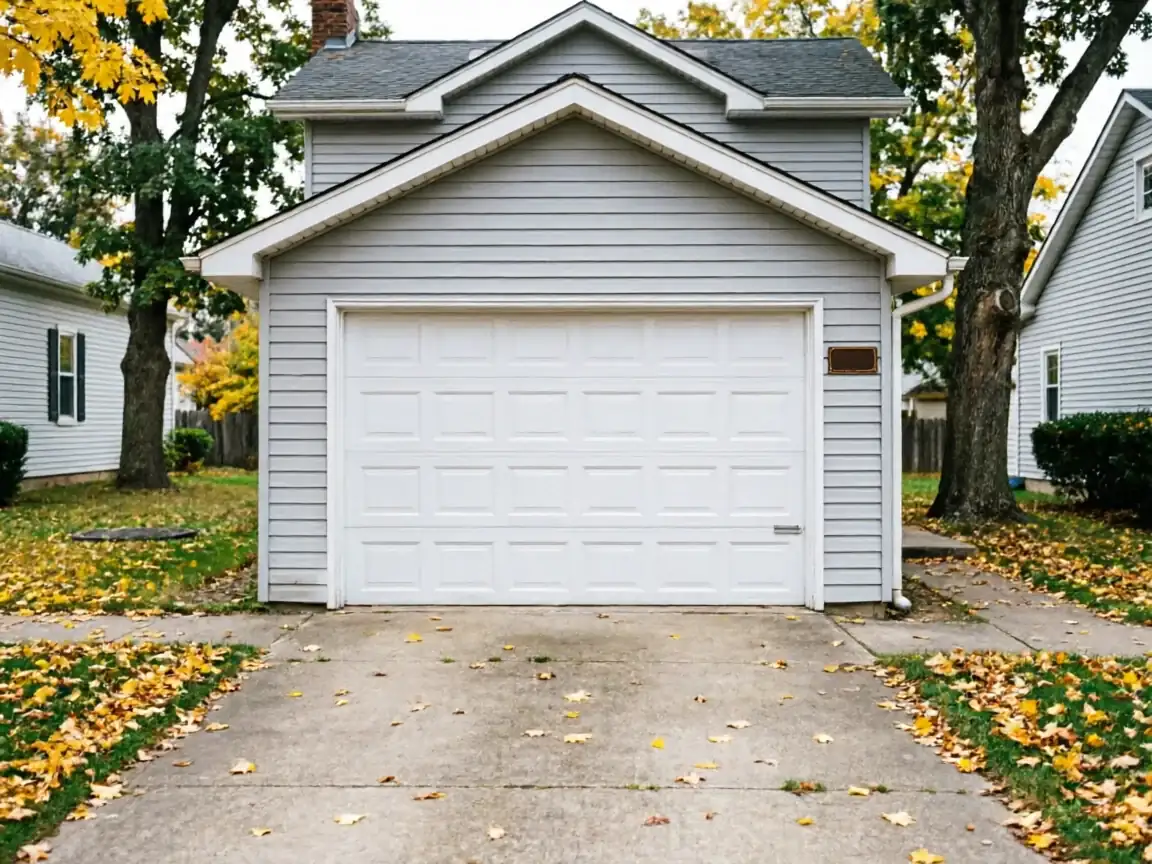
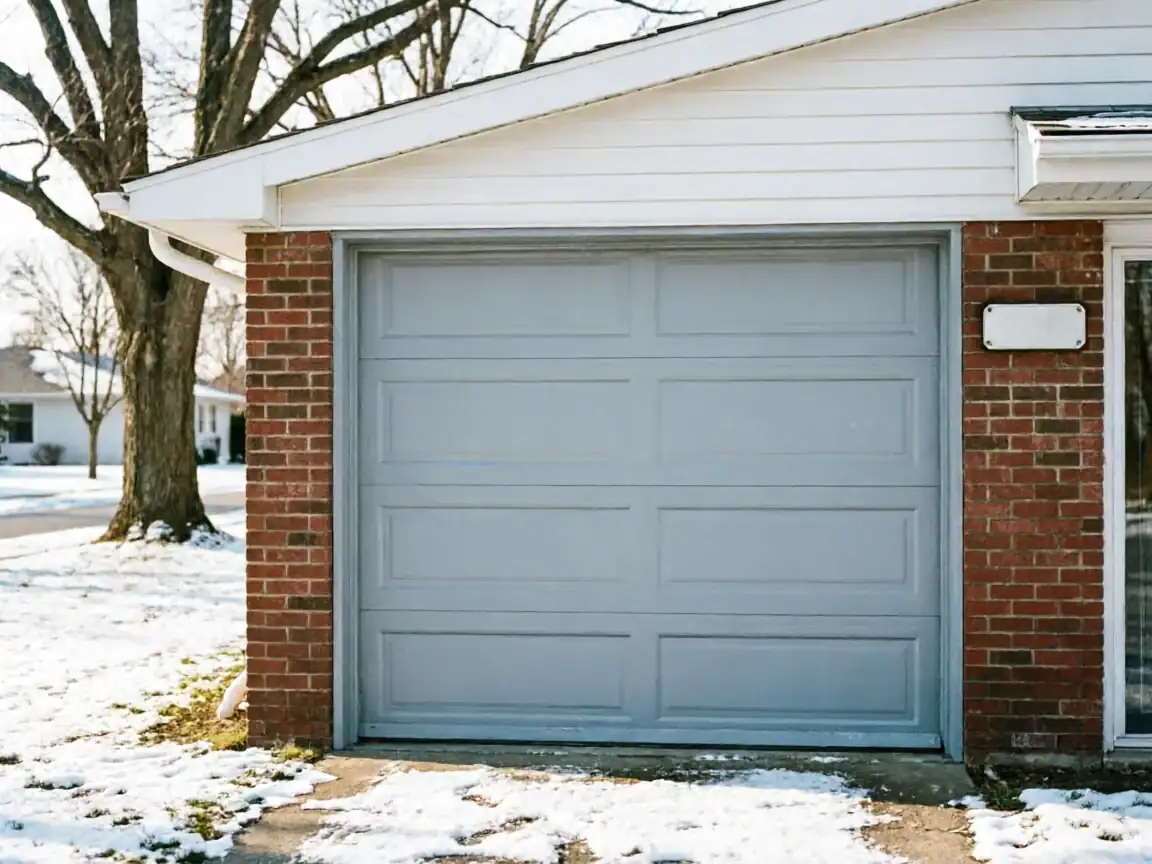
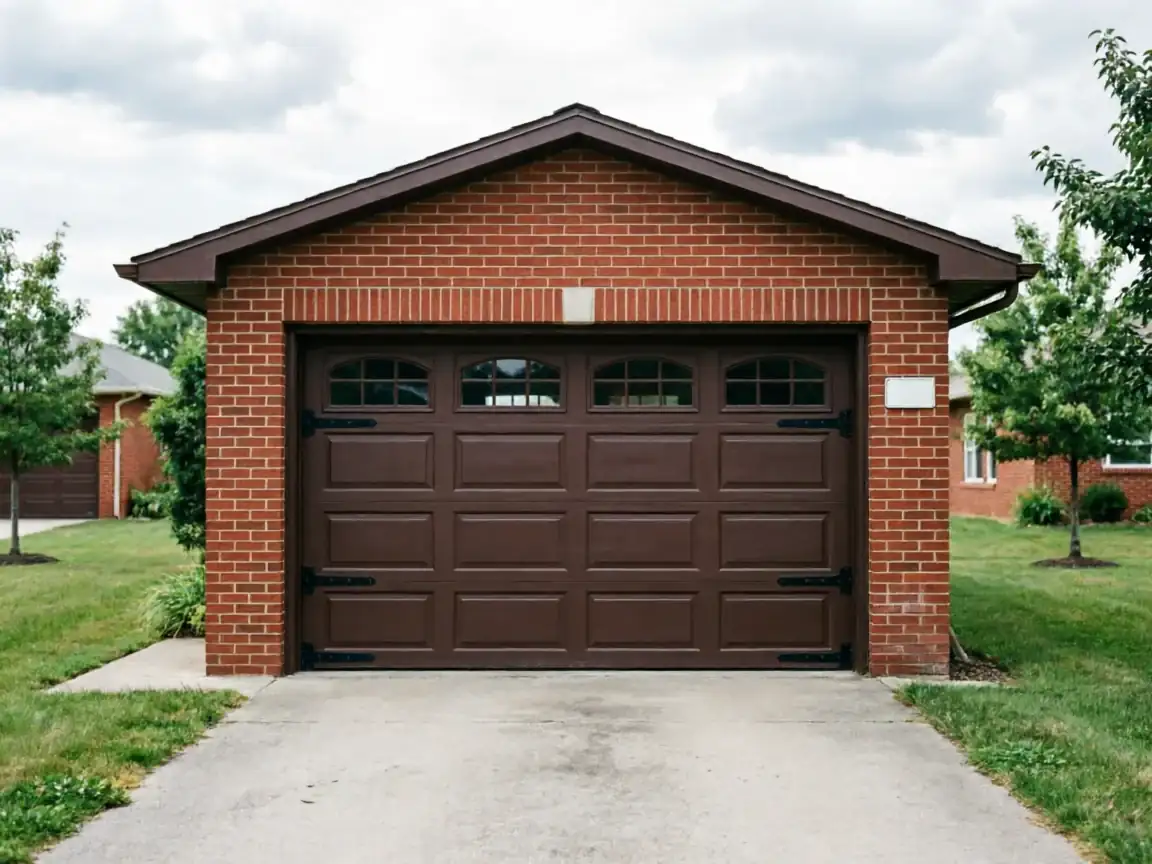
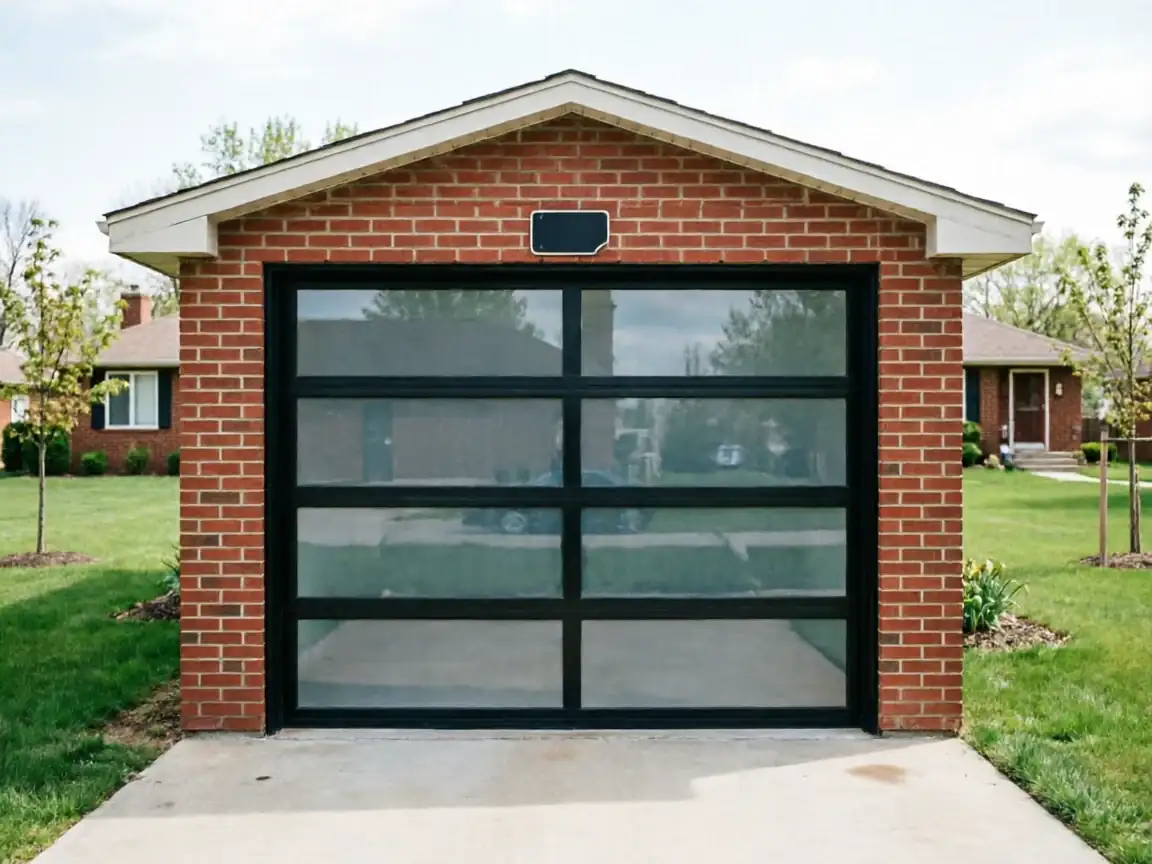
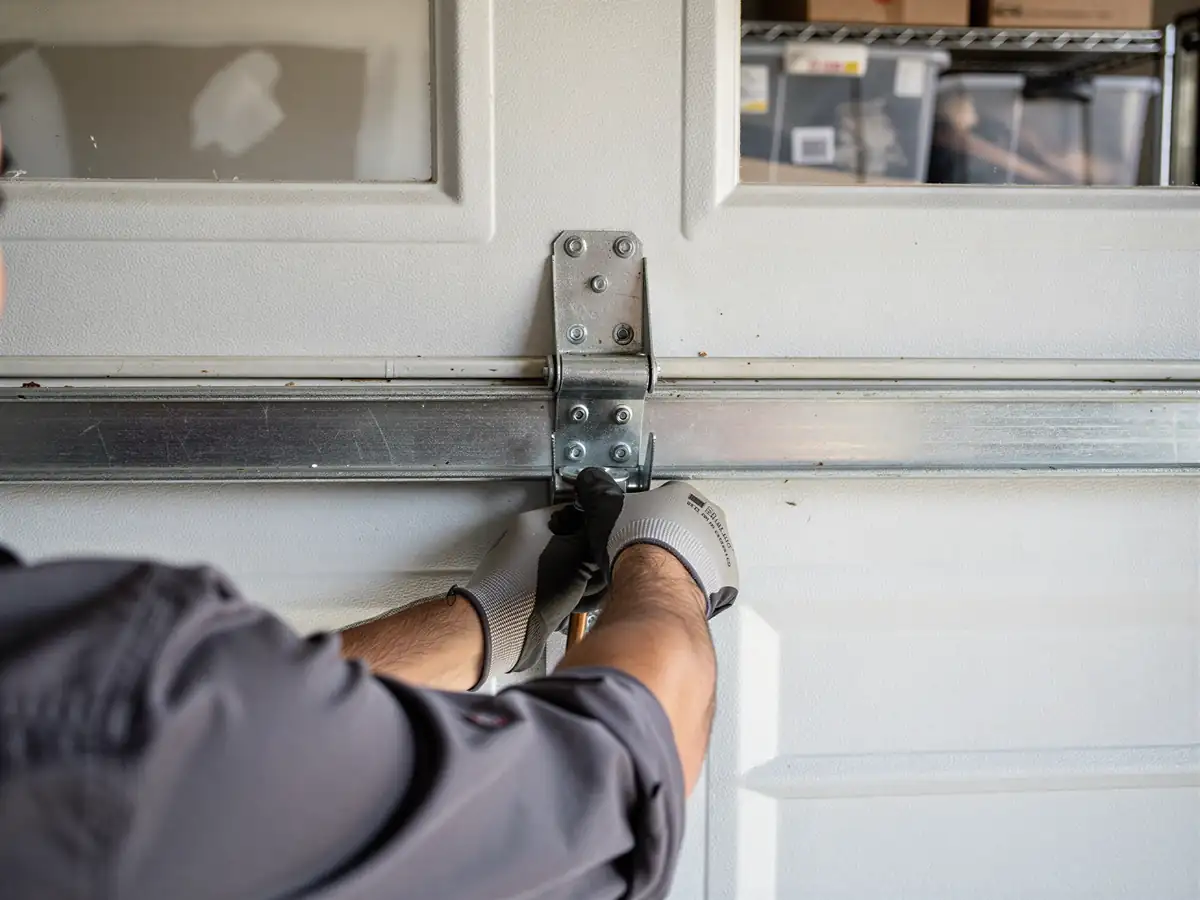
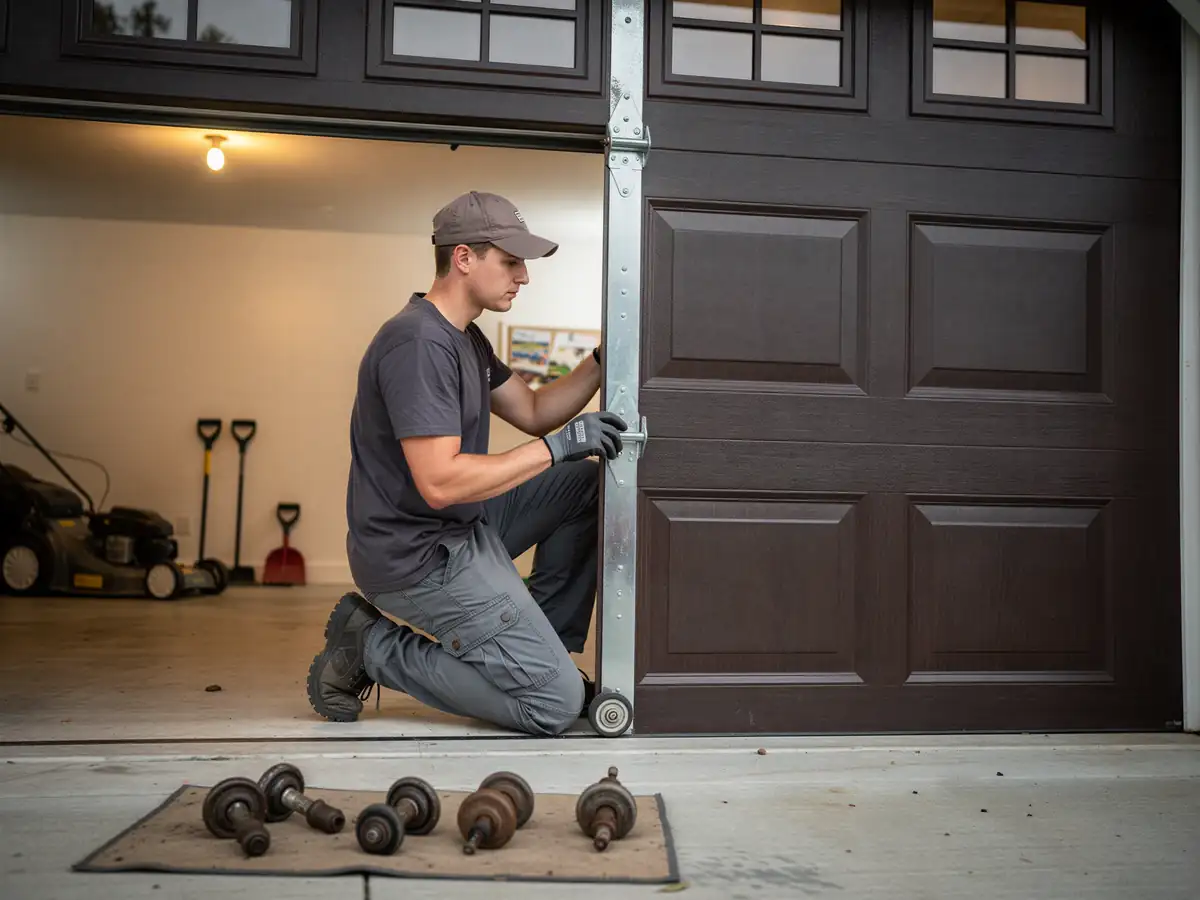
Milan's housing stock is mostly 1952 to 1998, with the typical build landing around 1968, and a lot of those doors are still wearing their original steel sections - narrower, thinner-gauge, and sized to a profile most suppliers stopped stocking years ago. You can pull the hinges and panel bolts yourself with a socket set and a second pair of hands, but matching the panel is the hard part, not the fasteners.
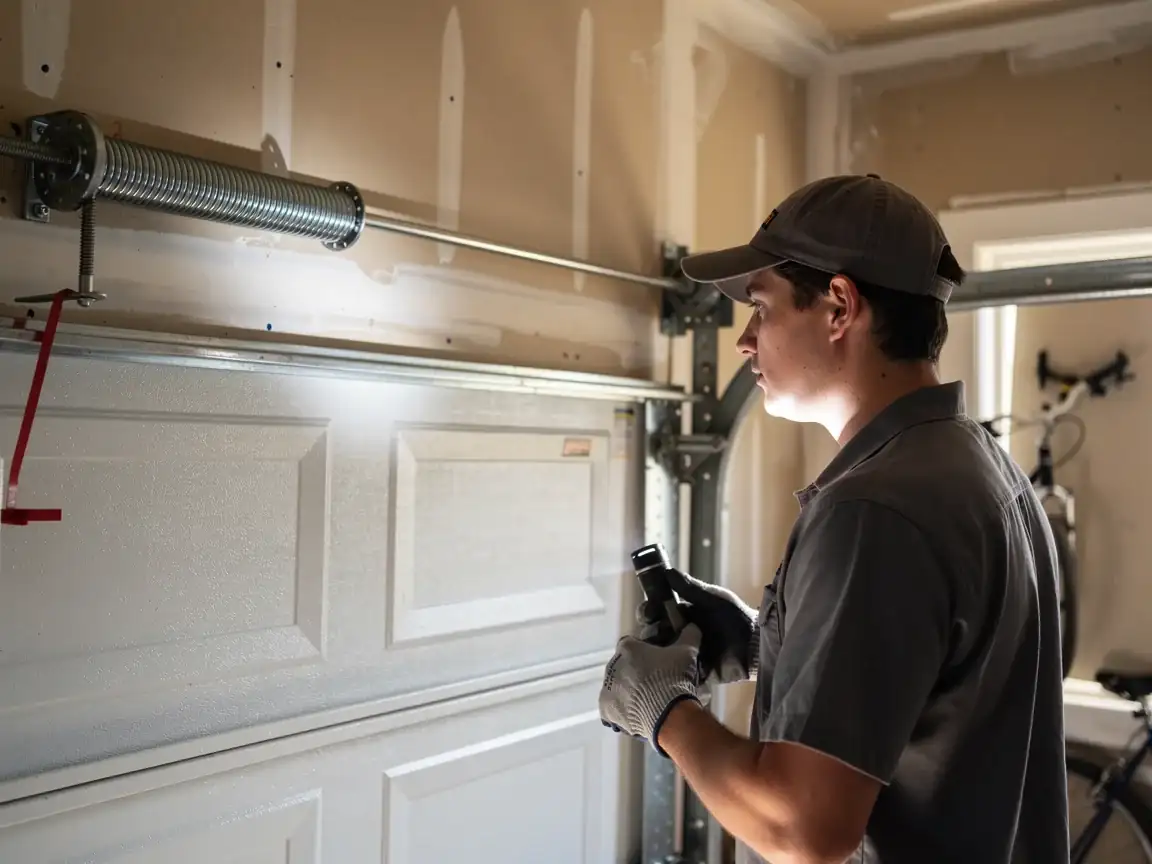
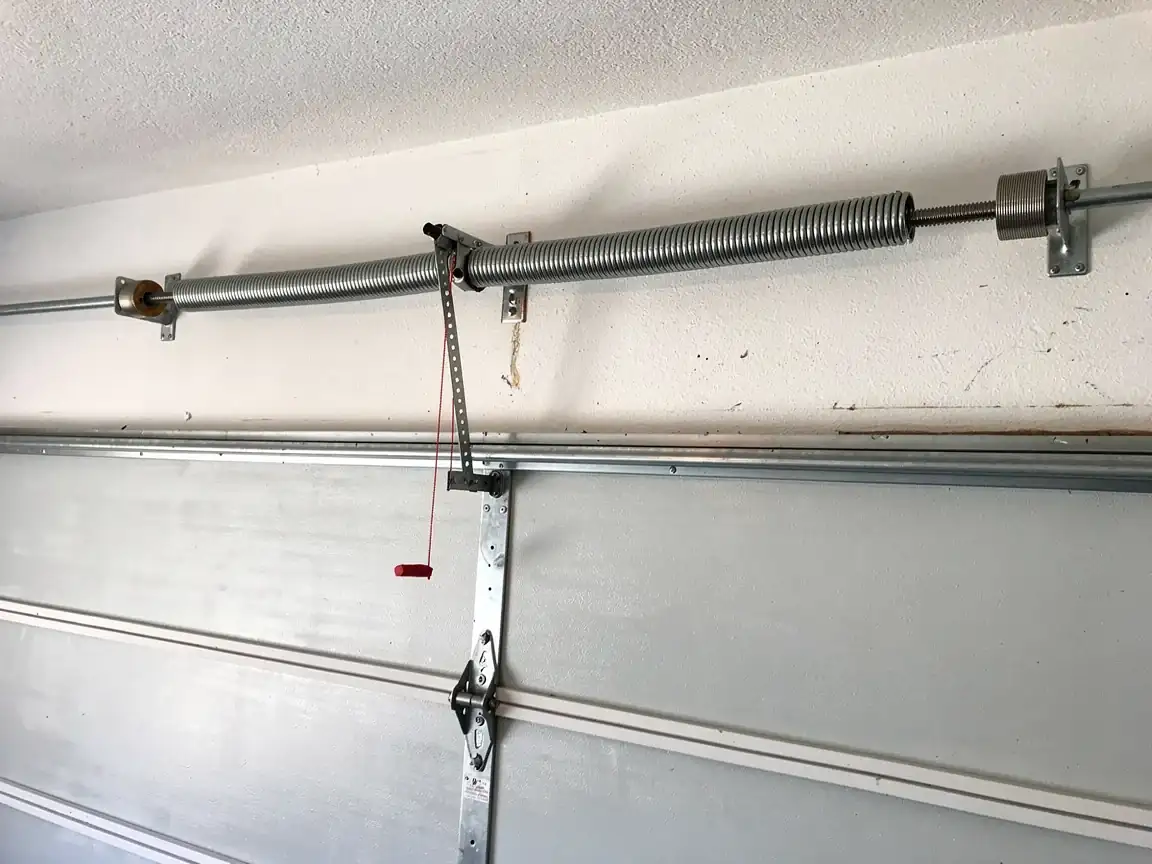
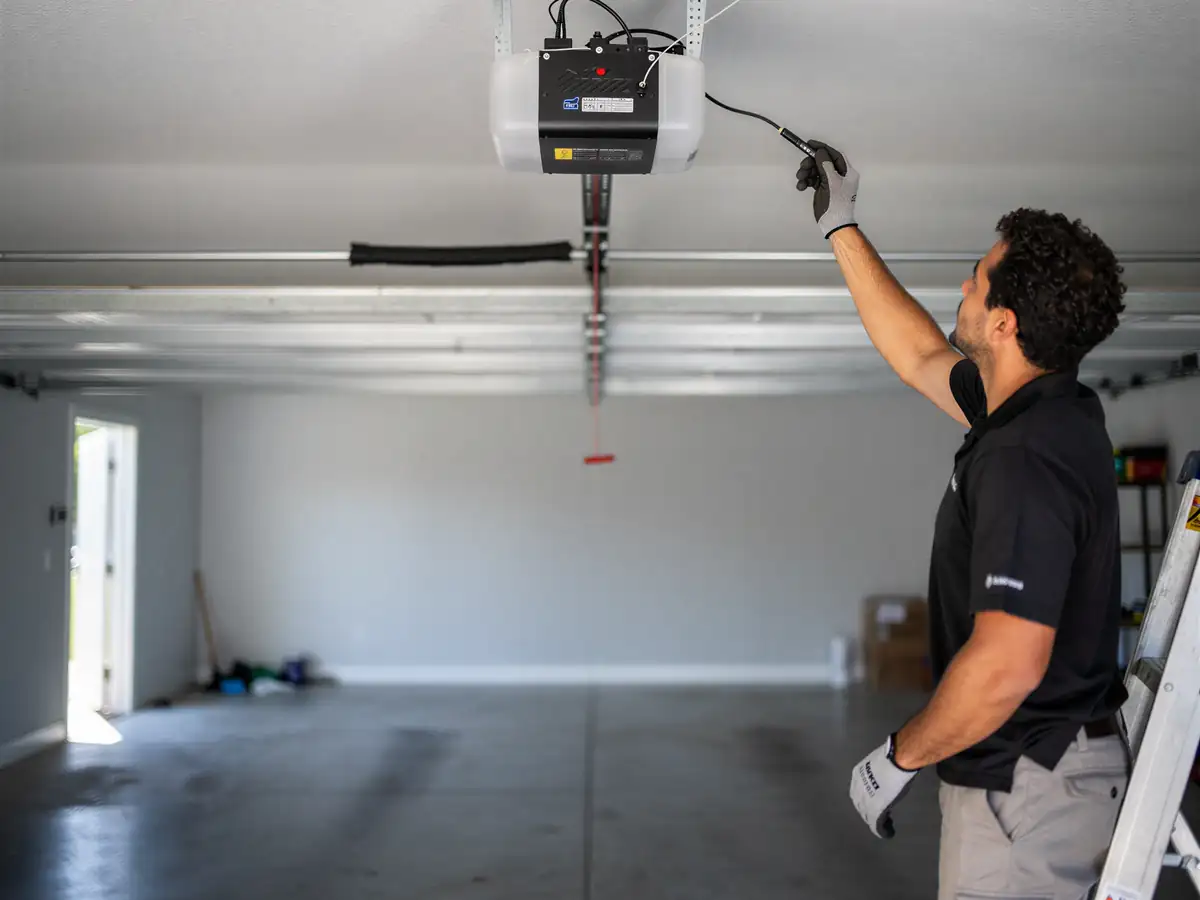
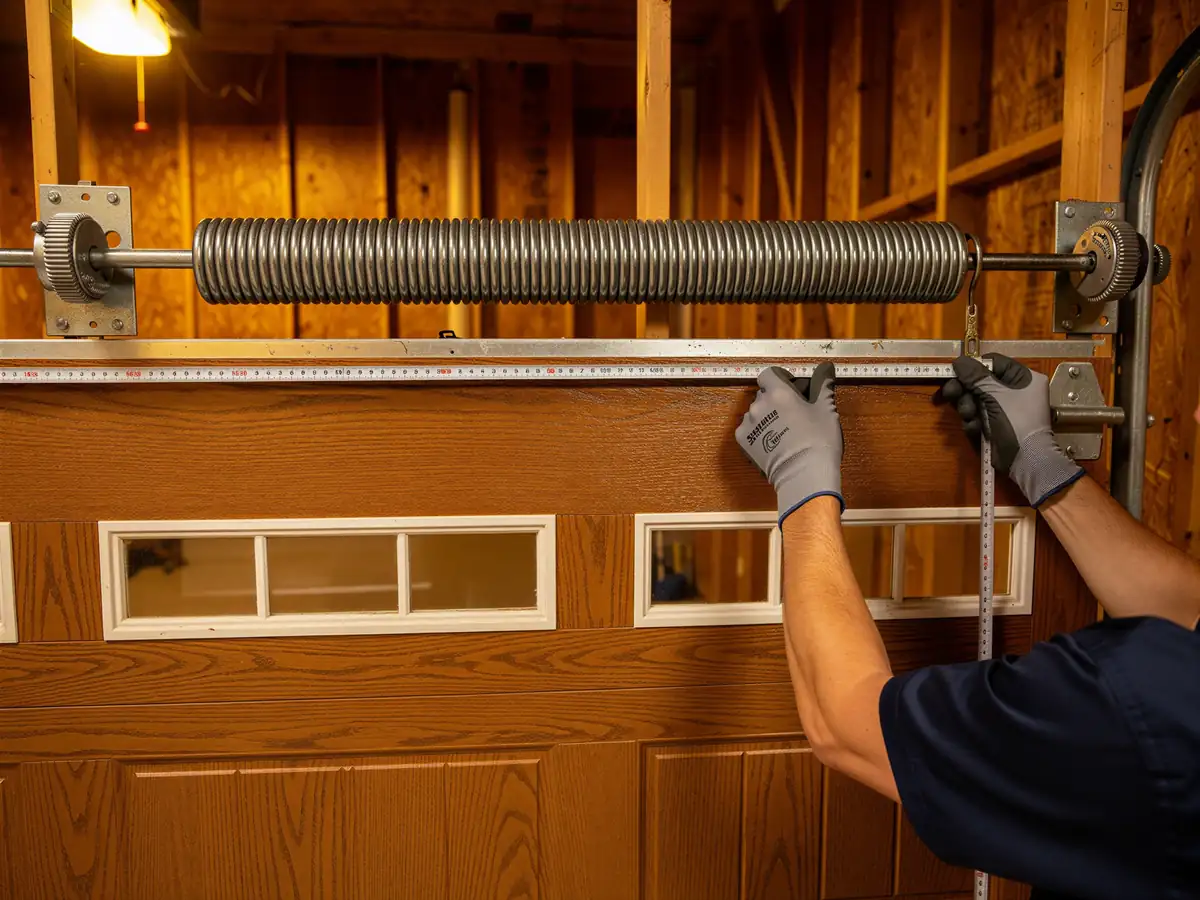
If the track or torsion hardware moved when the panel got hit, stop
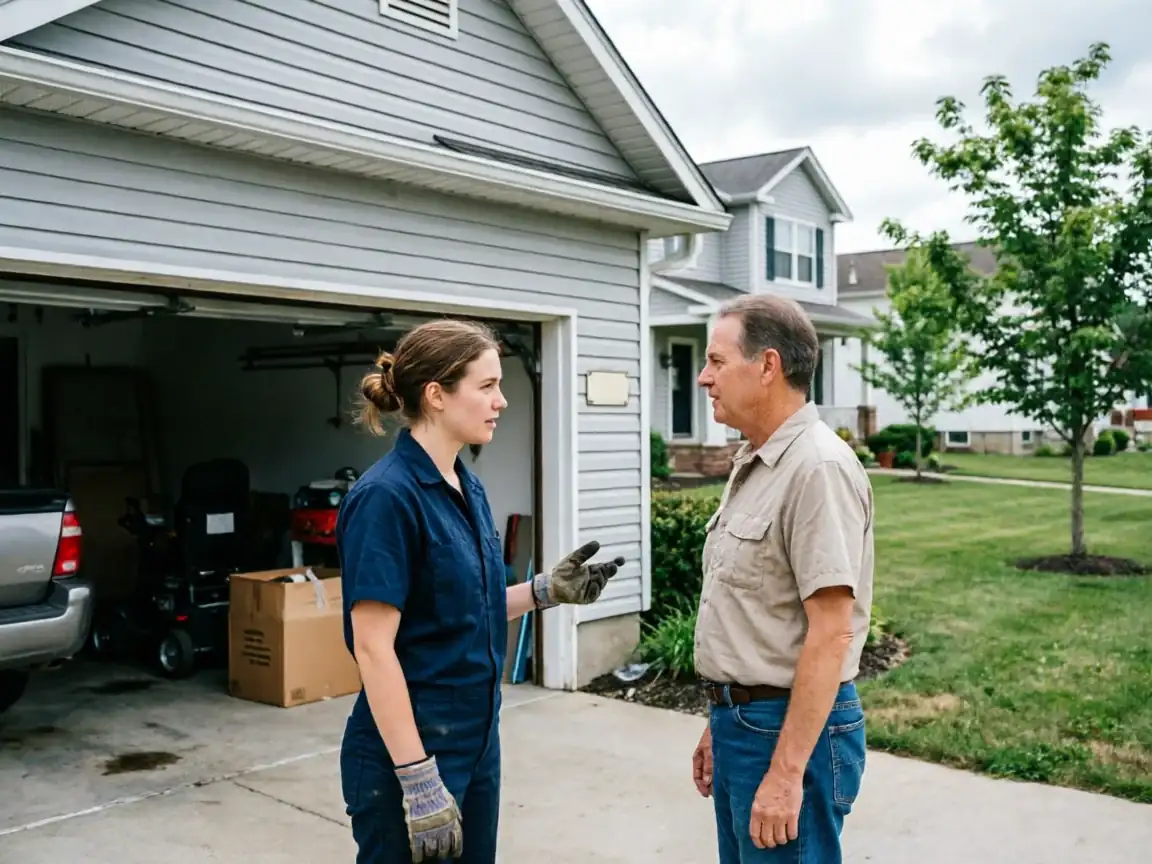
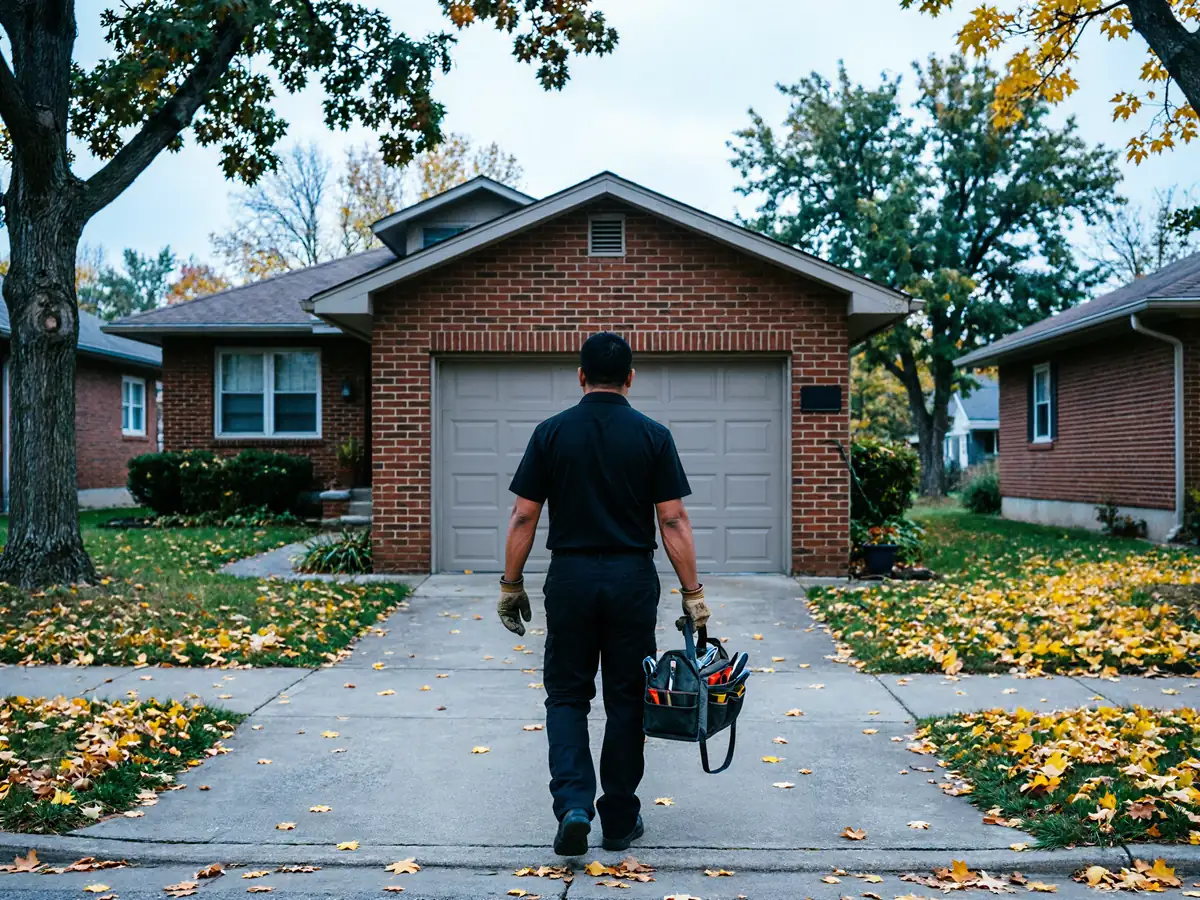
A bent track pulling against a spring under tension is not a weekend project, and we'd rather you call than end up with a cable off the drum. We're not based in Milan - we run the job out of Moline, about 5 miles over - so we're not the crew to call for a same-hour patch job. Plan the visit instead of hoping someone's nearby.
- 5 miles
What You Are Seeing
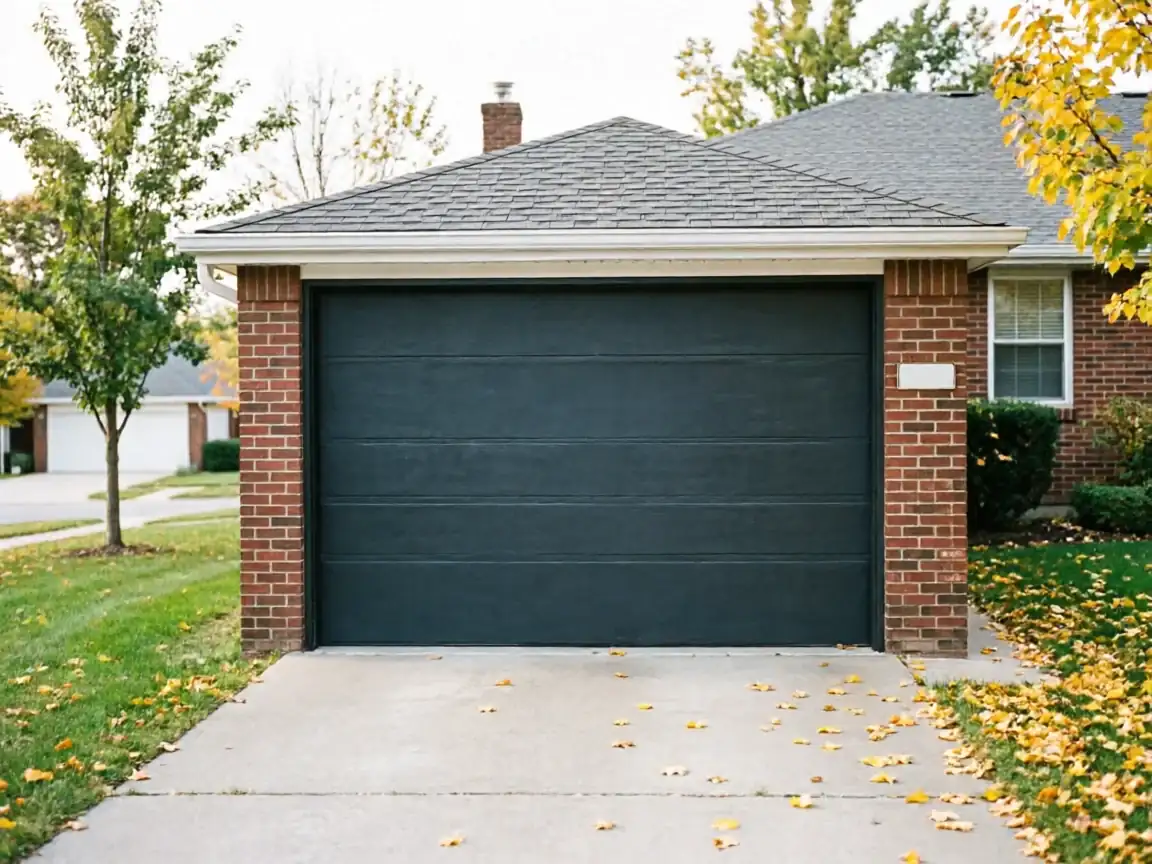
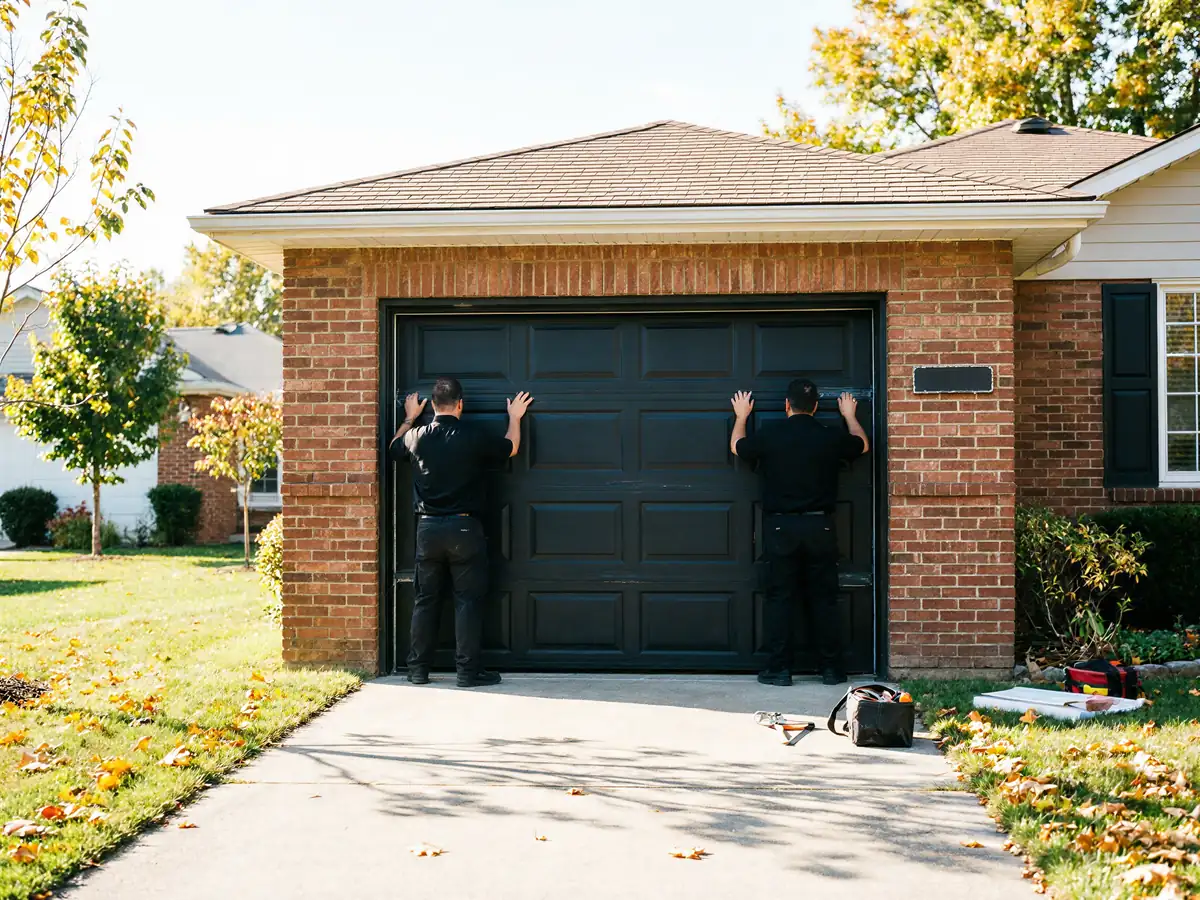
On a lot of these doors, the damage shows up on the bottom one or two panels first. That's not random - it's the panel closest to road salt spray in winter and the one that takes the brunt of a car bumper or a stray basketball. Cold-moderate winters mean repeated freeze-thaw cycles work into any existing seam or paint chip, and rust spreads along the panel edge instead of staying a cosmetic dent.
Milan has about 2,470 households, and a good share of them are sitting on houses built when steel panels were single-layer and uninsulated - no foam core, no thermal break. A dent on one of those panels isn't just ugly; it can crack the seal where panels meet, and that gap gets wider every winter. If you're seeing rust bubbling under paint rather than a clean dent, that's the hardware telling you the panel's done, not something to sand and repaint.
What It Costs
We don't have a flat number to hand you without seeing the door, and we're not going to invent one here. What we can tell you is how the decision usually breaks: a single damaged panel on an otherwise sound door is cheaper than replacing all four, but if your door is from that 1952-1998 stretch and the panel profile is discontinued, a full-door swap sometimes ends up priced close to the single-panel repair once you account for a custom-matched piece.
Median household income in Milan runs $61,188, lower than some of the surrounding area, and that's exactly the situation where a single-panel repair versus full replacement matters most. We'll tell you straight if matching the old panel costs more than just moving to a new door - that's the honest limitation here. We don't keep every discontinued panel style on the truck, and sourcing an exact match for a 1960s or 70s door sometimes takes longer than homeowners expect.
How Long It Takes
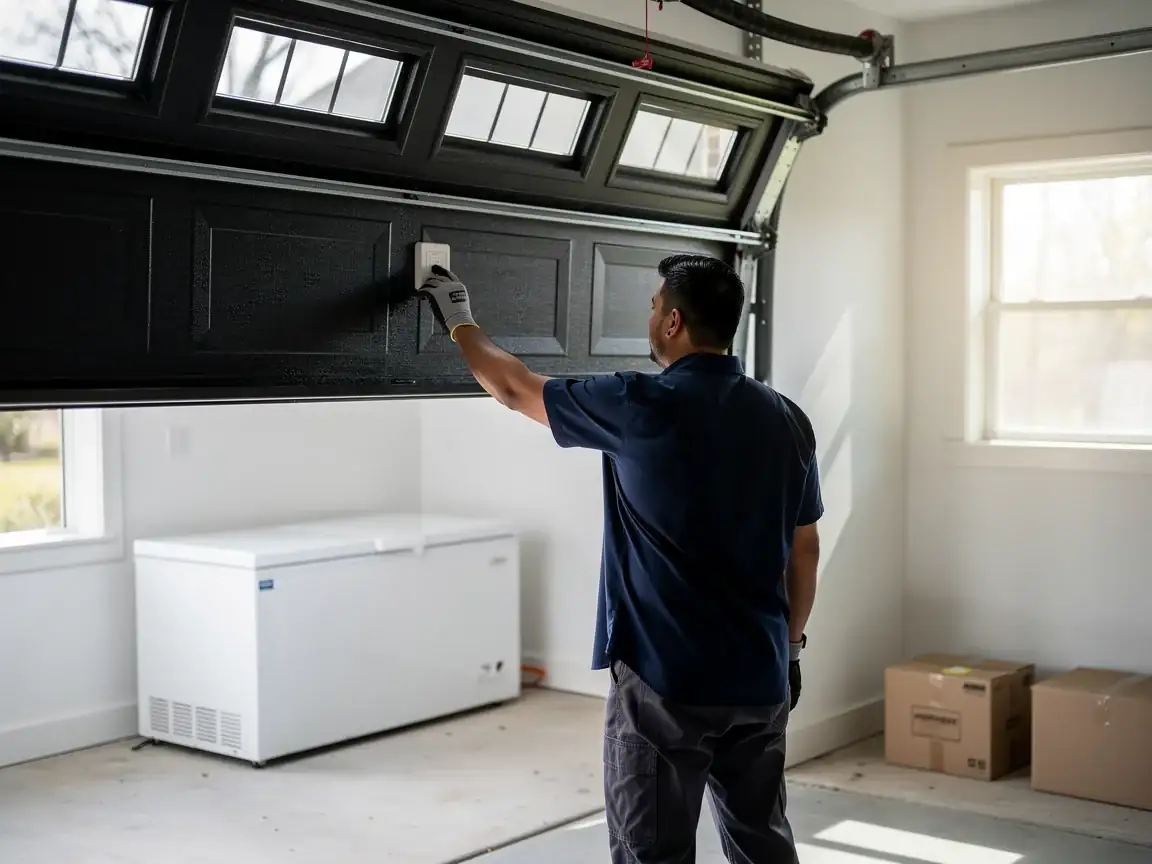
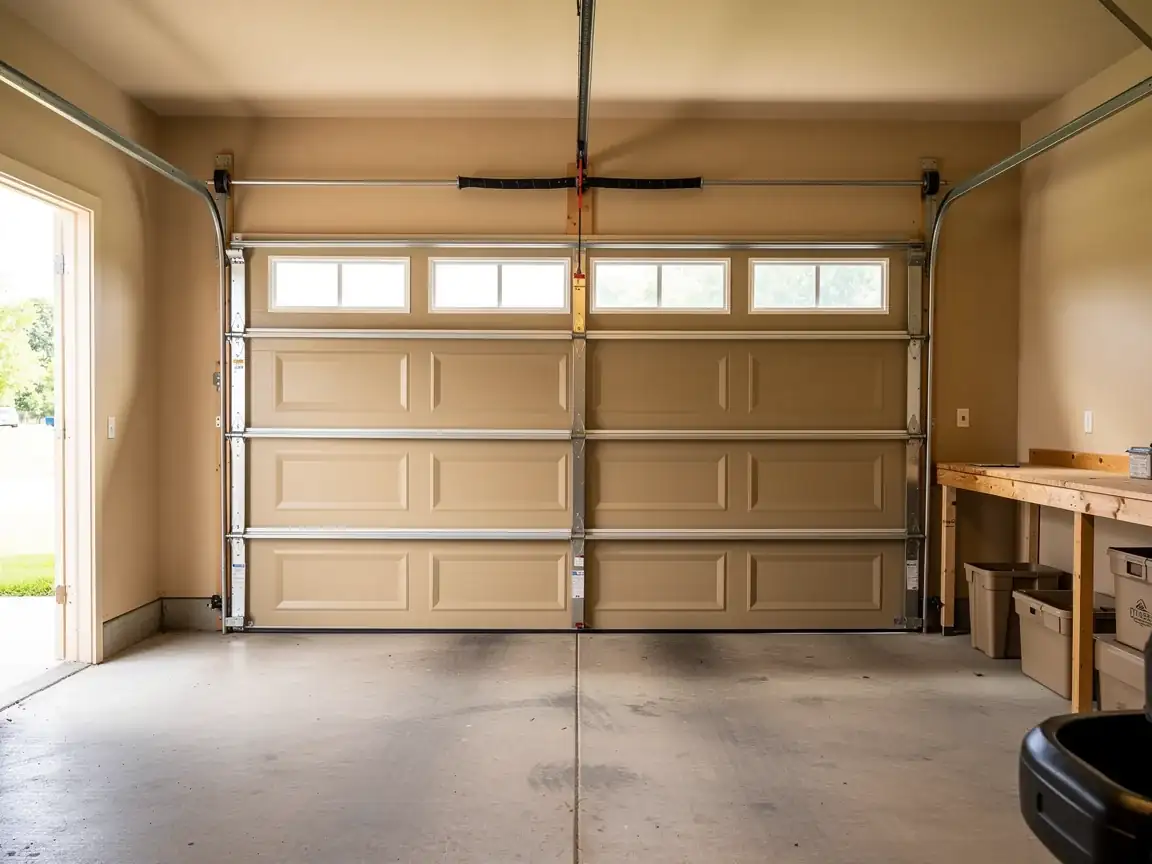
The panel swap itself, once the right piece is on hand, usually runs a couple hours
Unbolt the damaged section, reseat the new one, check the track alignment, test the balance. The variable isn't the labor, it's getting the matching panel in the first place. For newer standard doors that's often quick. For a door that's been on the house since somewhere in that 1952-1998 build window, it can take longer to source the right width and panel style.
Since we're driving out from Moline rather than working out of a branch in Milan
We schedule the visit rather than offering a walk-in window. That's worth knowing going in so you're not waiting by the garage expecting a truck within the hour. If you want the broader rundown on what we cover for doors in Milan, see our service page, and if you're comparing this against a Moline job directly, the panel replacement page for Moline breaks down that side of the service area.