Doing It Yourself
Milan is one of the smaller stops on our route
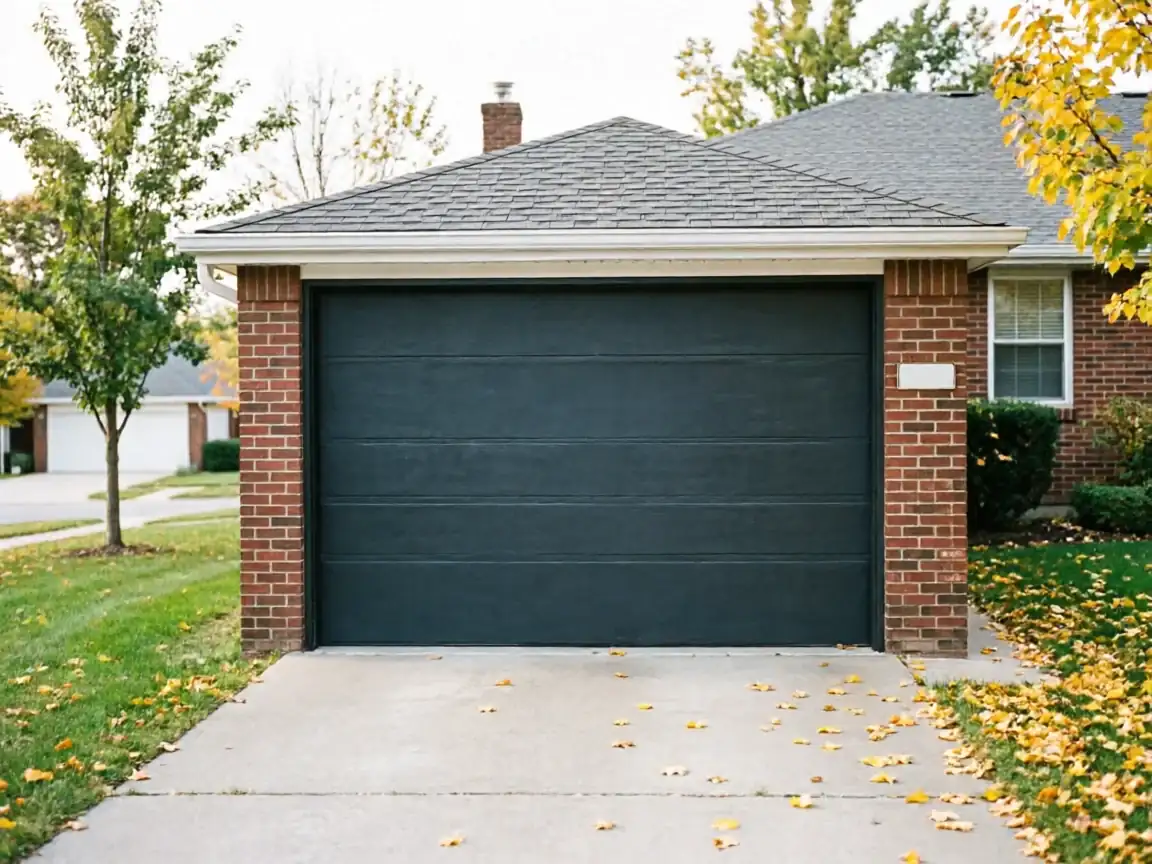
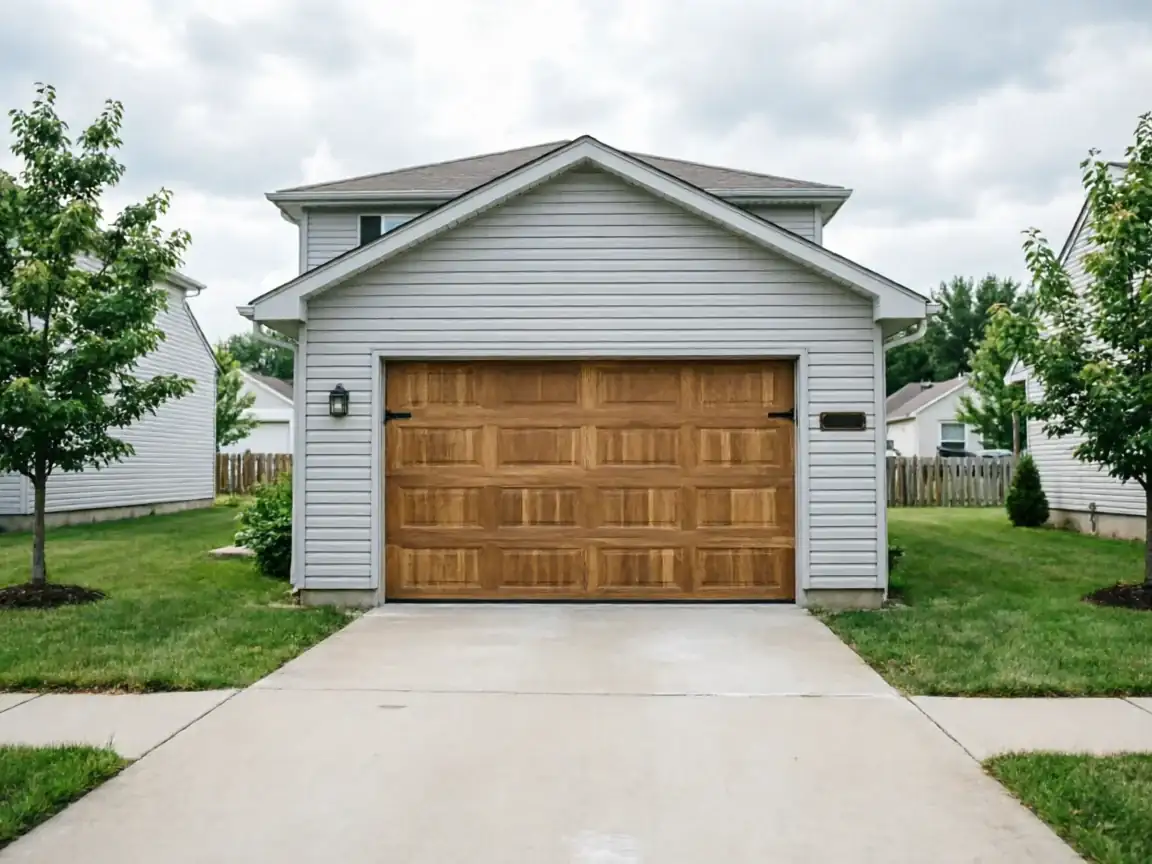
About 2,470 households - which means the jobs here are fewer in number but not any easier. Most of the doors we end up replacing in town went in with the house, and the median Milan home was built around 1968, square in the middle of the 1952-1998 range we see across the wider area. That era means torsion springs wound to original tension, steel sections with no foam core, and openers bolted to framing that was never built with a modern unit's weight in mind.
- 2,470 households
A kit from a home store assumes a square opening and standard track clearances
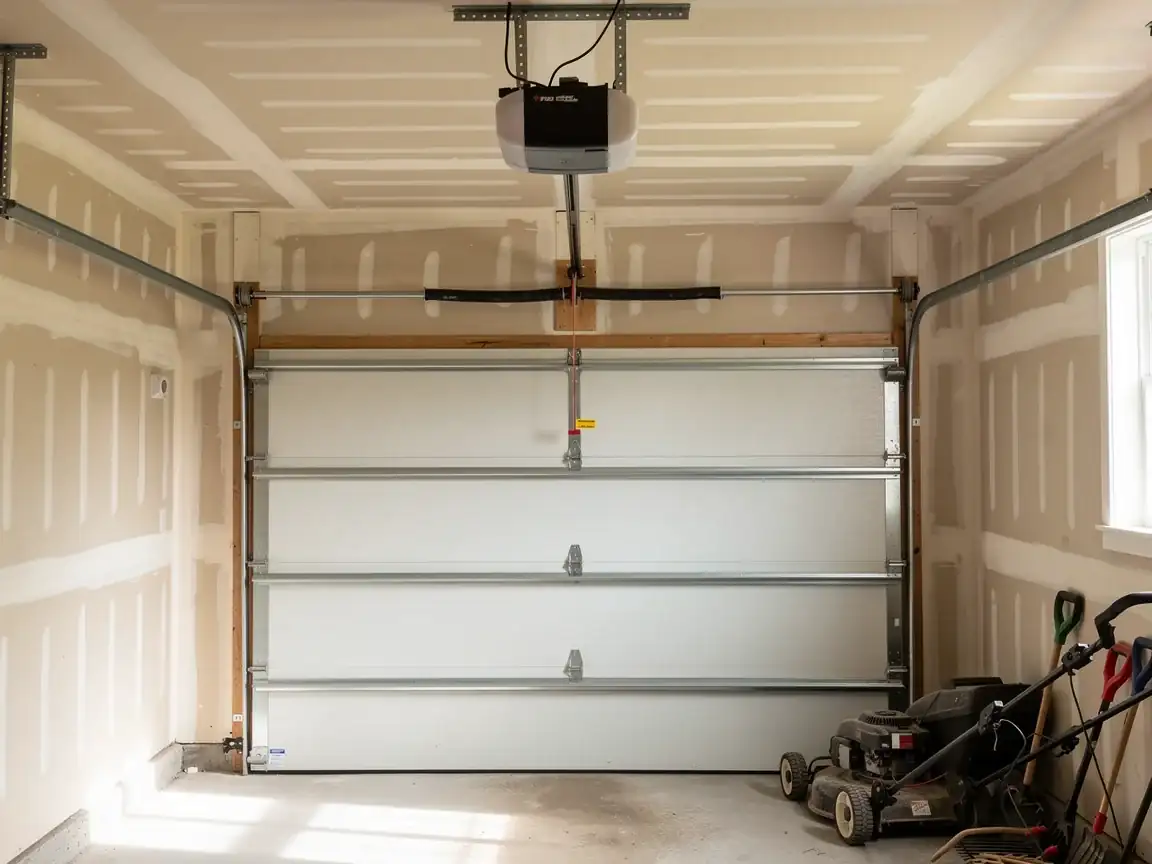
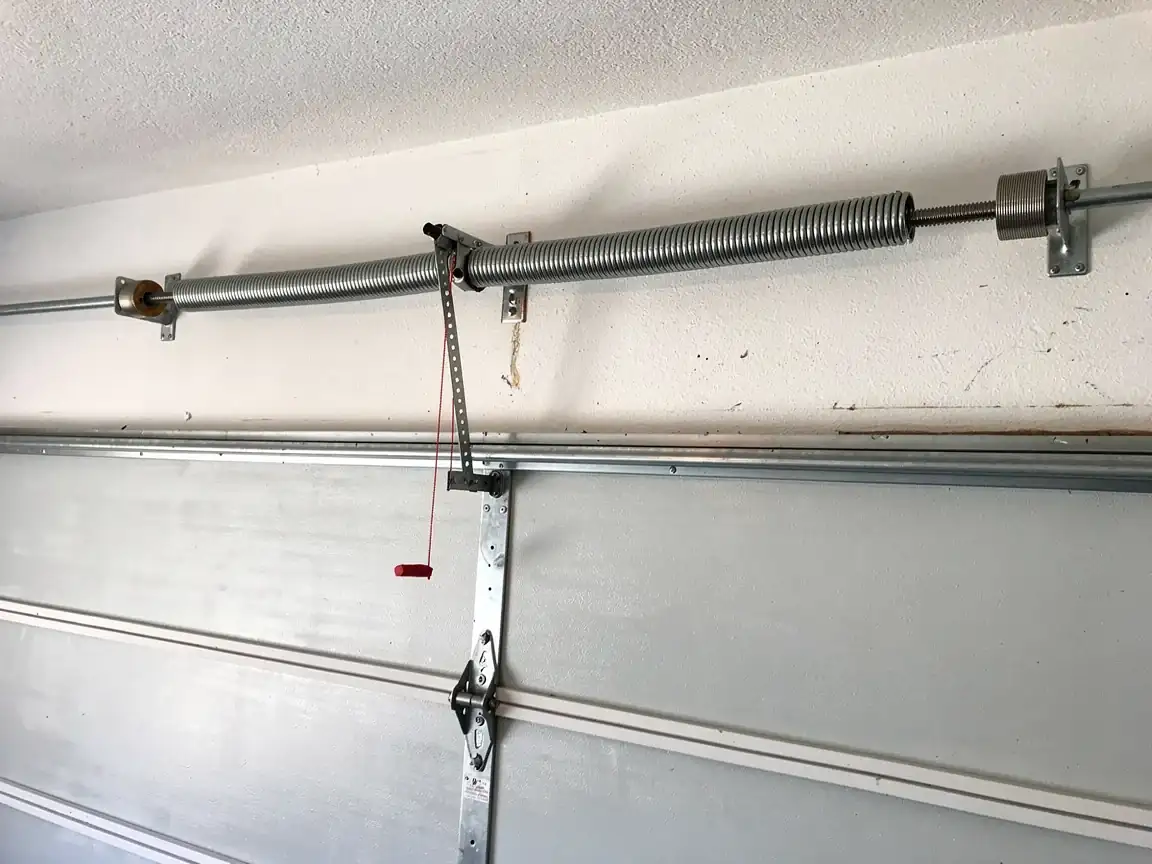
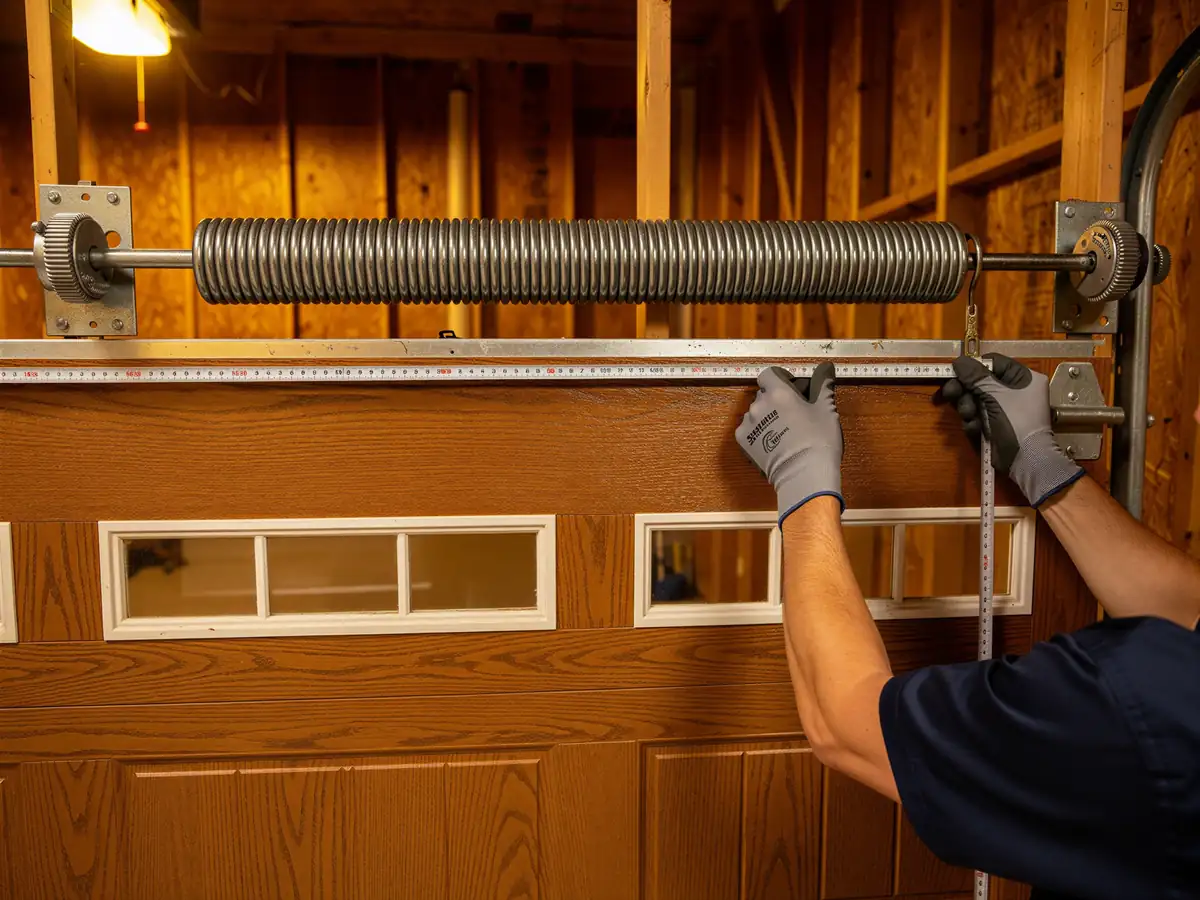
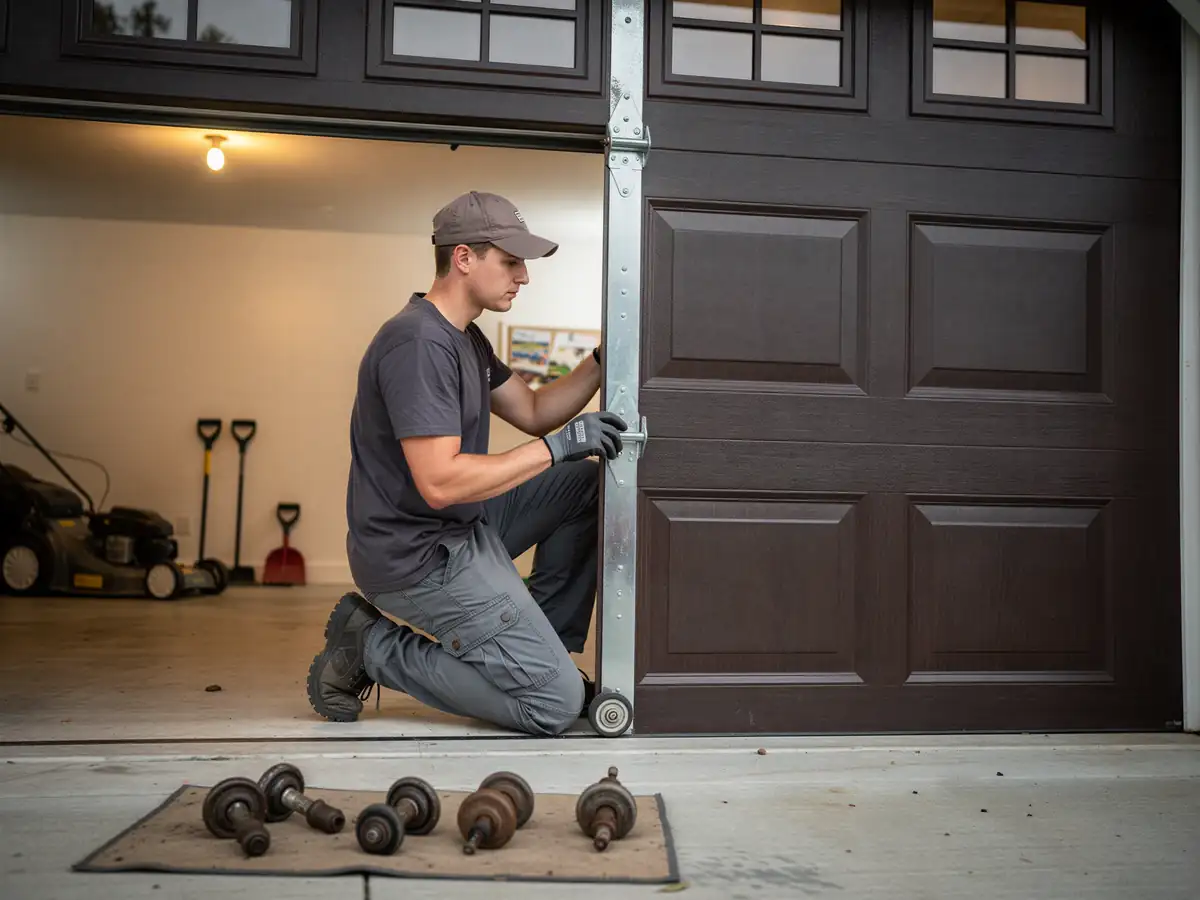
A lot of 1960s garage openings aren't quite square anymore, and the header above the door may have settled just enough to throw off a track that looks fine on paper. Spring work is also where most DIY injuries happen - a wound torsion spring holds real force, and there's no safe way to eyeball the right number of turns.
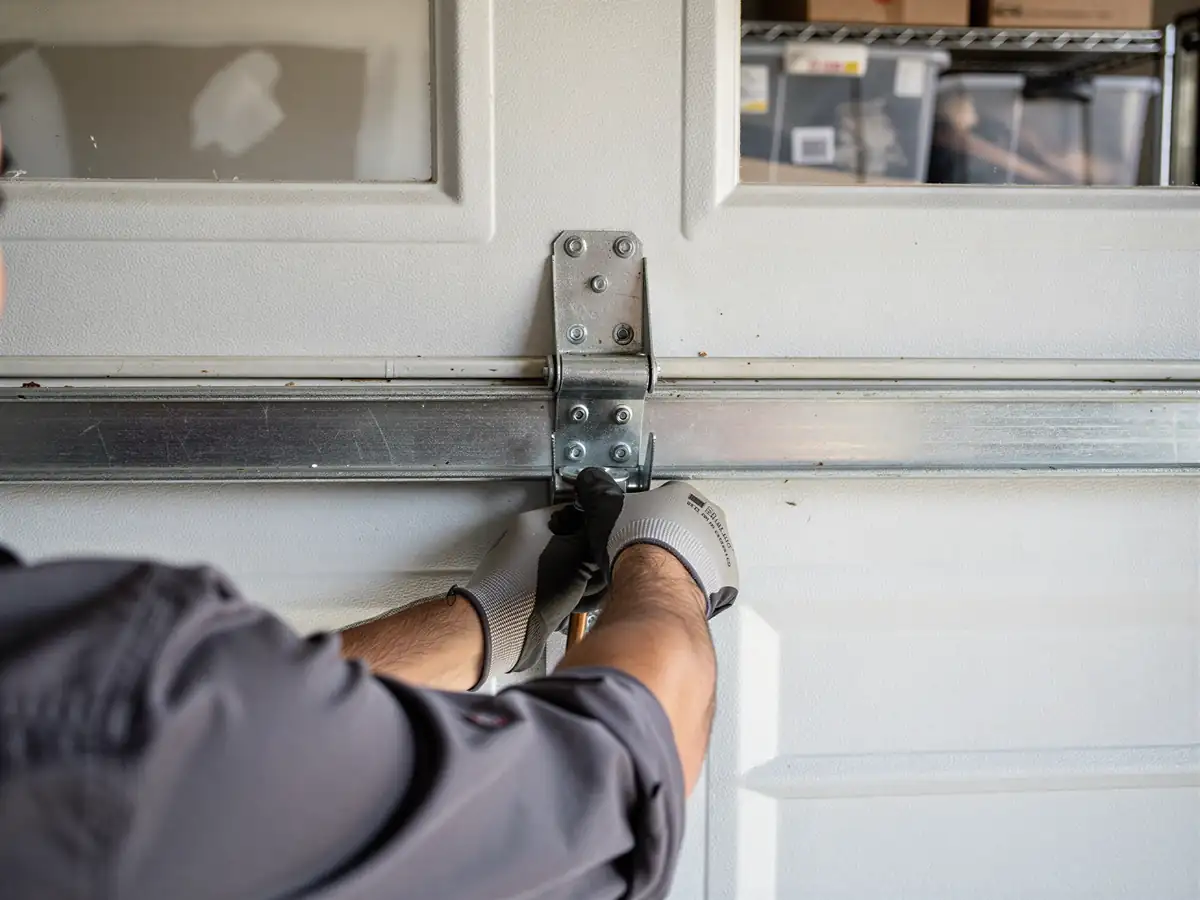
We'll say plainly: if you're comfortable swapping weatherstrip or a roller
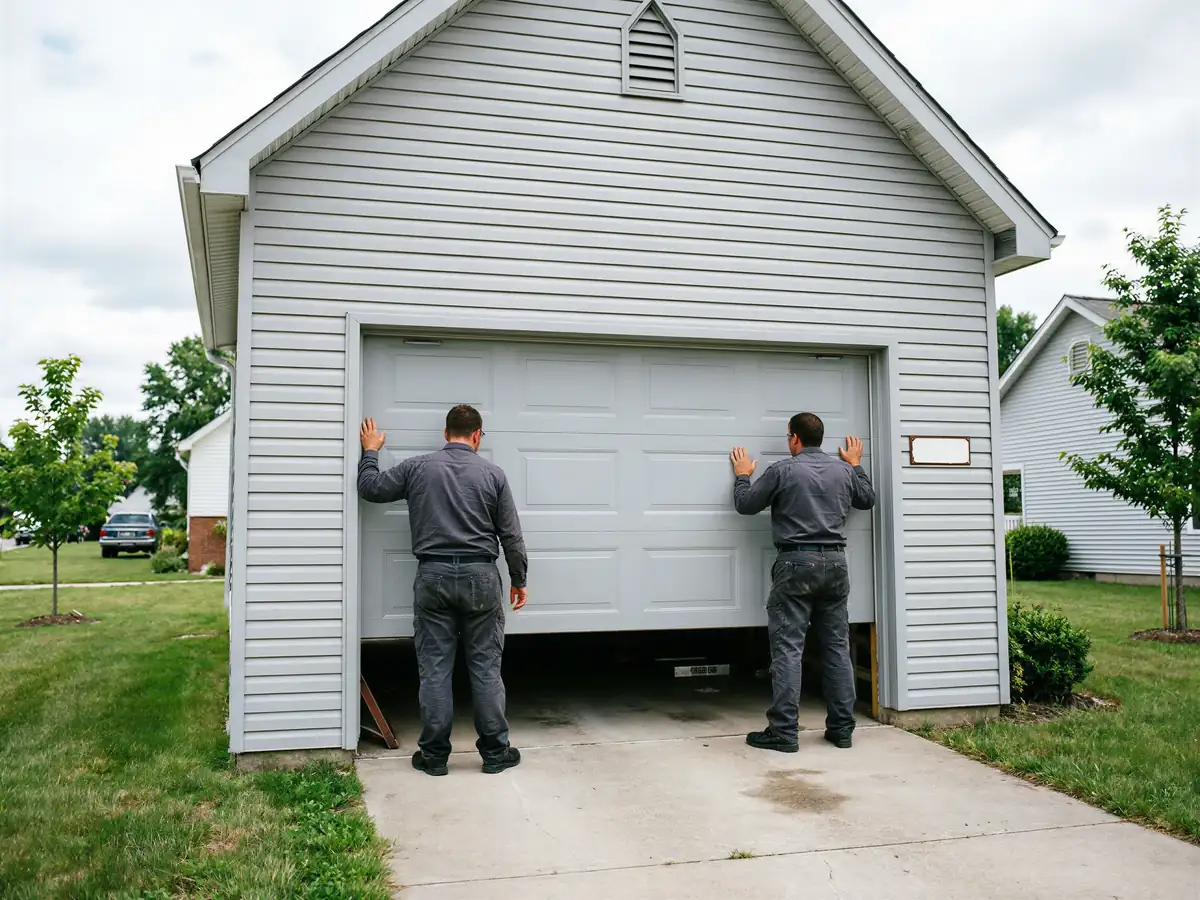
That's fine work to do yourself. Pulling the old door, resetting track, and balancing new springs on an opening this age is where we'd tell you to call instead of guess.
What You Are Seeing
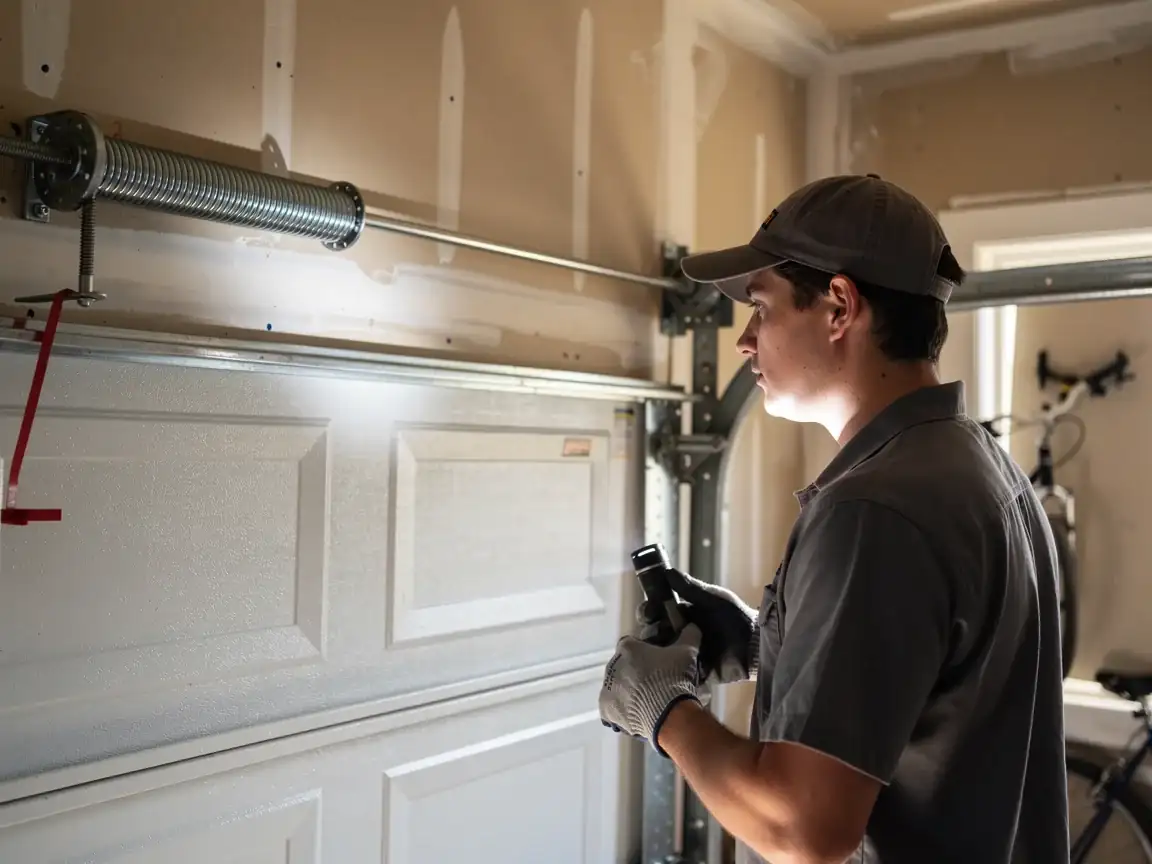
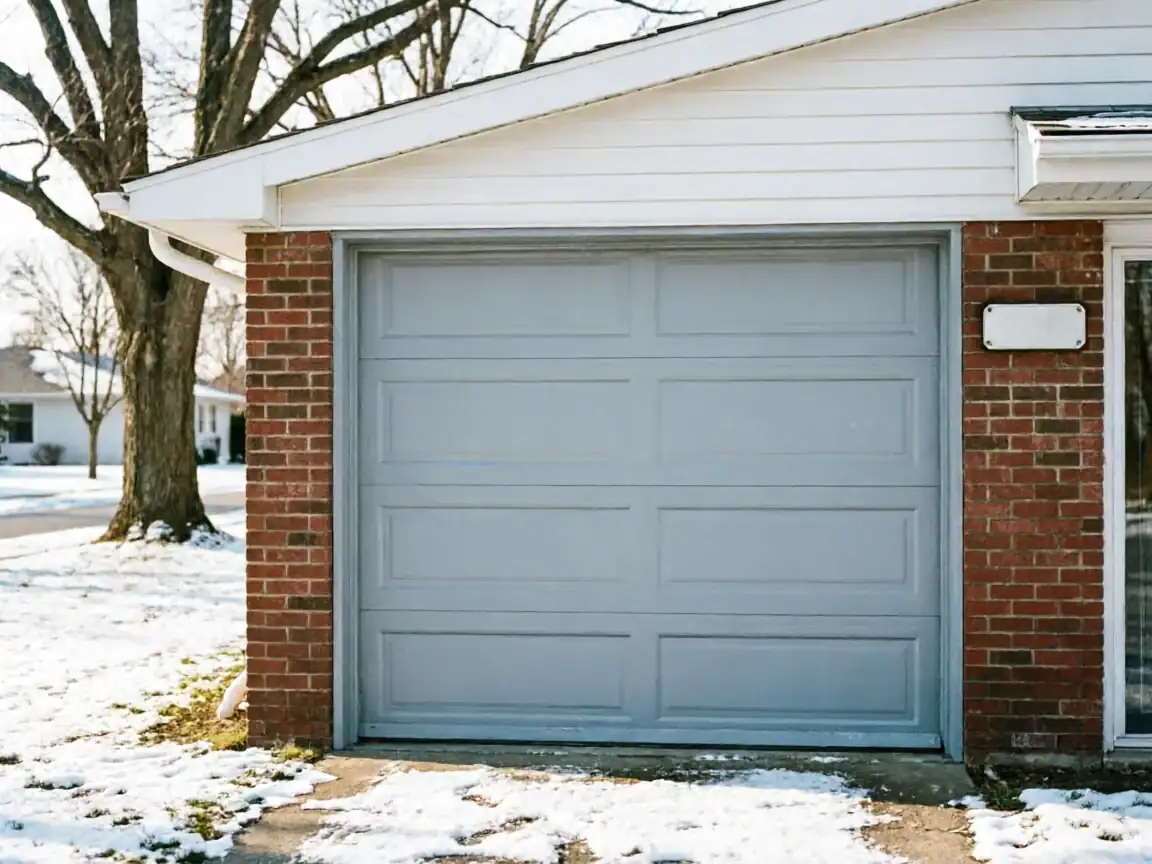
On a lot of Milan doors we inspect, the panels are original steel with no insulation layer - single skin, prone to denting, and often rusted along the bottom section where decades of snowmelt have sat against it. The service area sits in a cold, moderate climate band, and on a door built before insulation was standard, that temperature swing works the steel and the hardware harder each winter: springs lose tension faster, hinges work loose, and the bottom seal hardens and cracks.
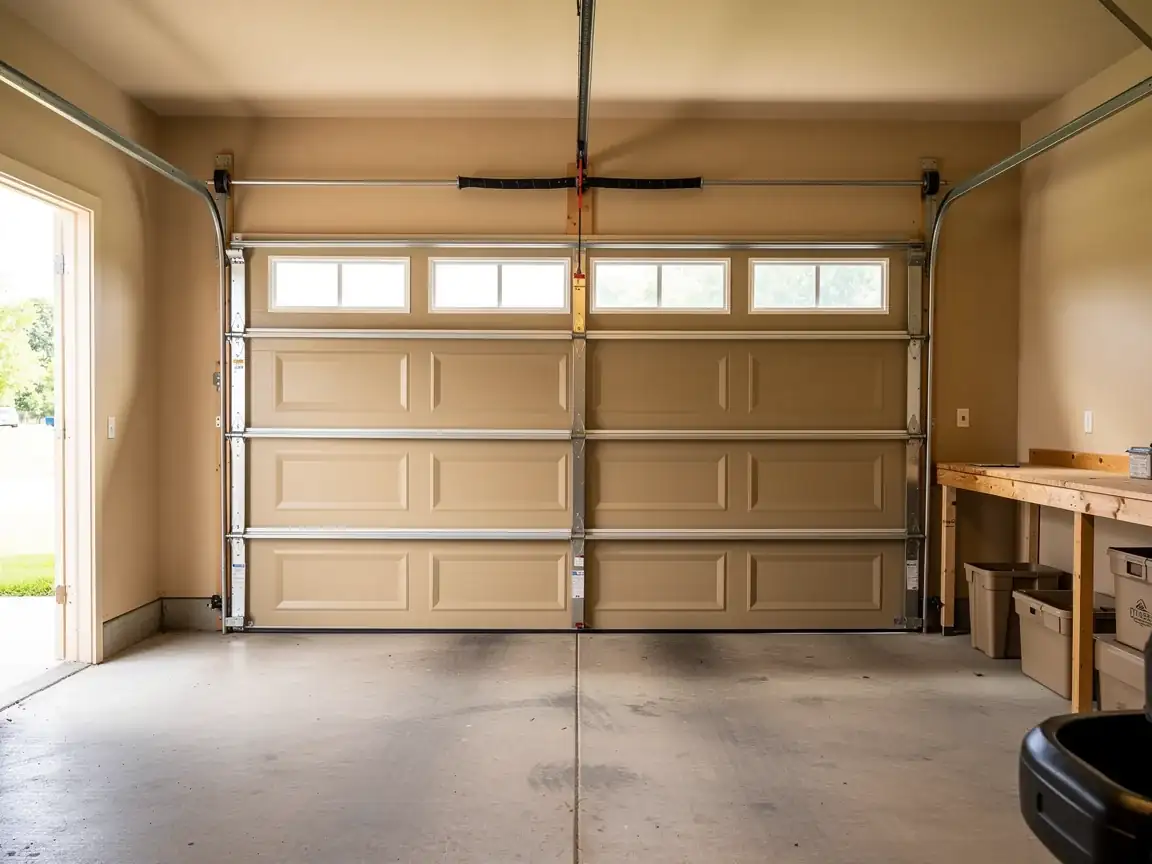
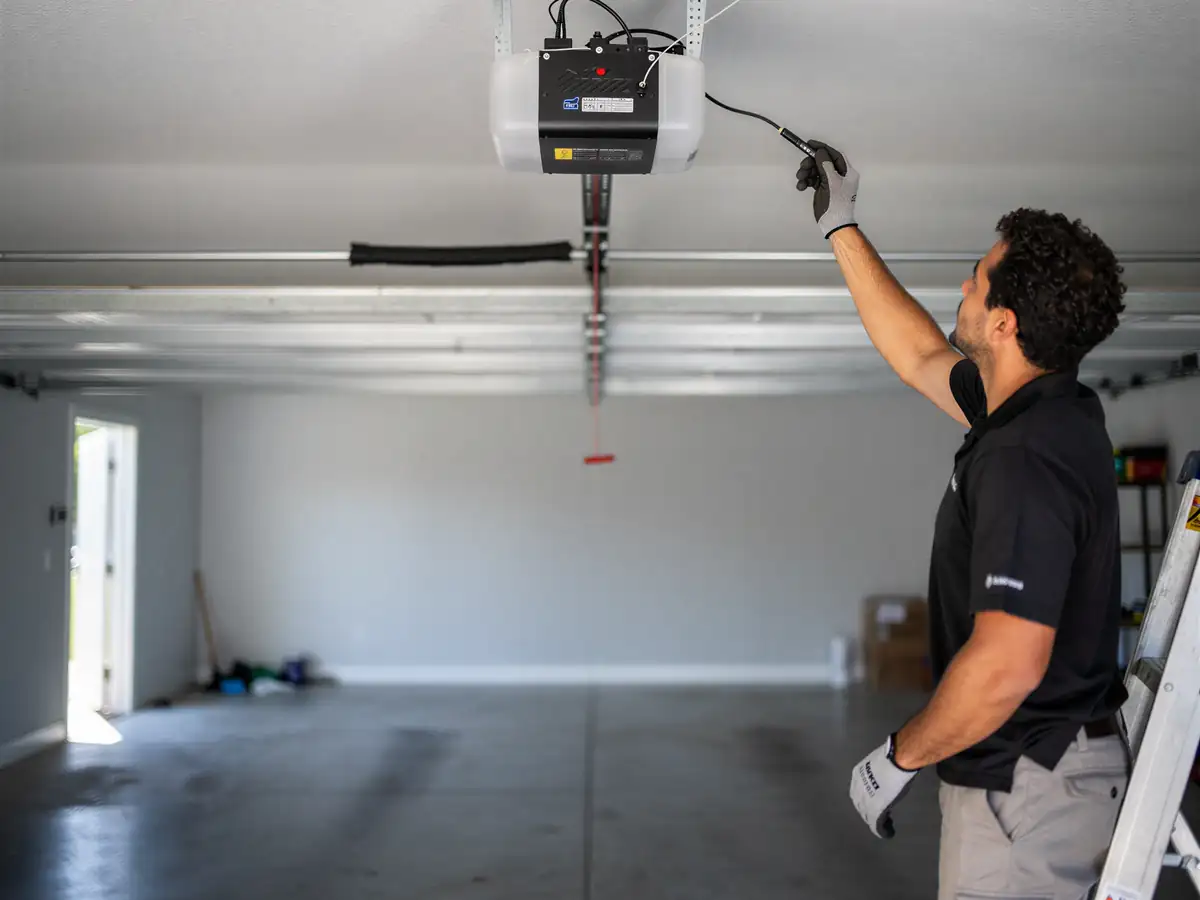
You'll also see mismatched hardware on some of these doors - a replacement opener from the 1990s bolted to 1968 track, or a spring swapped out once already without updating the rest of the system. That's common on housing stock this age across our whole coverage area, not just here, but it's the reason a straightforward-looking door sometimes needs more than a simple swap: the track, the drum, and the opener mount may all be sized to a system that hasn't been made in decades.
If your door still opens and closes evenly, rust is only cosmetic, and the spring isn't original, you may have years left in it. If the door sags at one corner when it's down, or the opener strains and reverses, that's usually the hardware telling you it's done, not the motor.
What It Costs
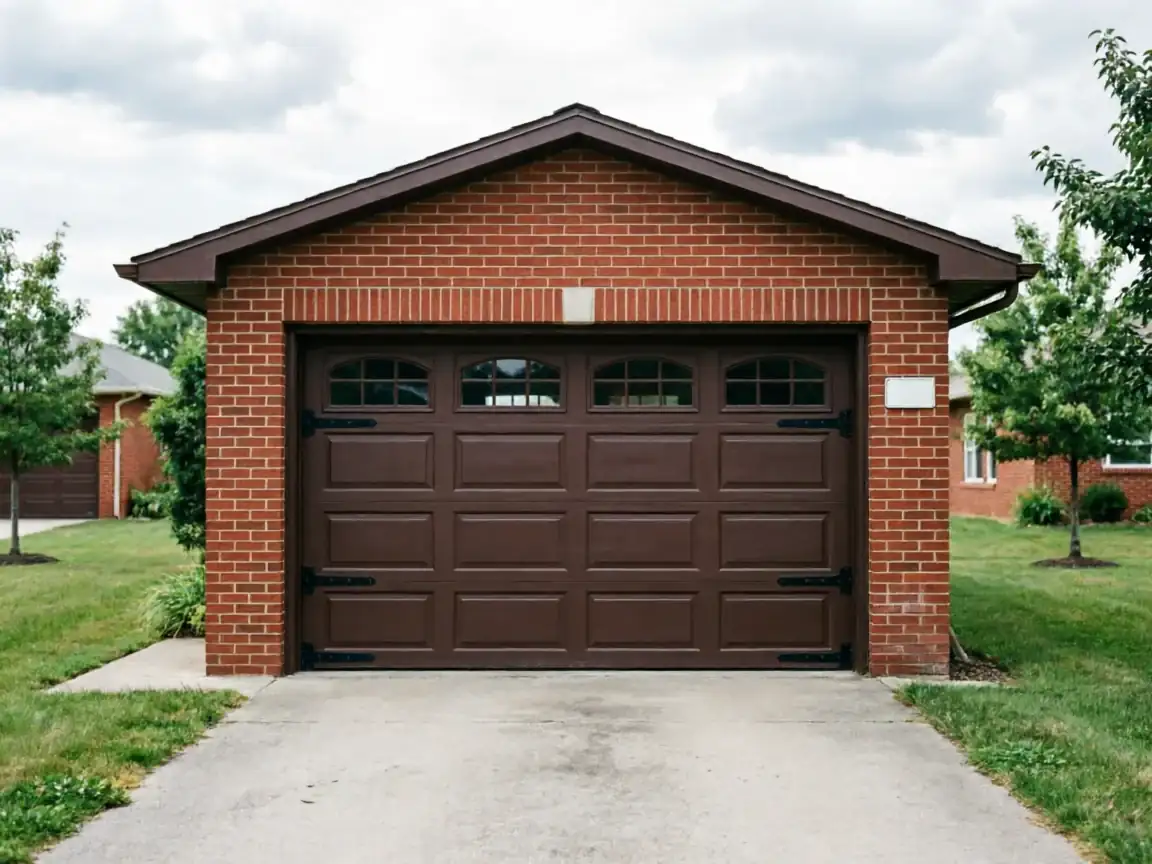
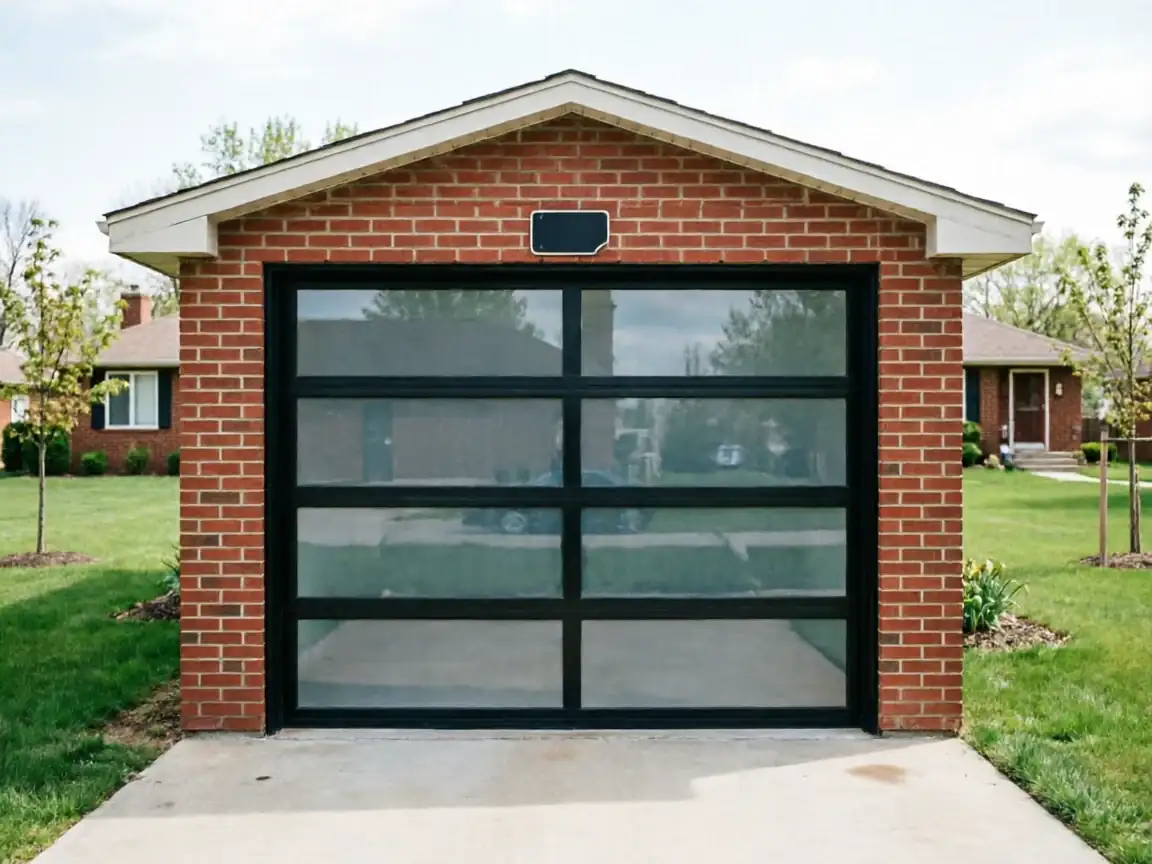
We're not going to put a number here we can't stand behind - the right door for your opening depends on size, insulation level, and whether you're replacing a single or double. What we can tell you is what shapes the decision in Milan specifically. The median household income here runs $61,188, below the $70,407 average across the rest of our service area, and that gap shows up in which door lines actually get chosen - a lot of Milan jobs land on a mid-grade insulated steel door rather than the higher-end wood-composite options we install more often closer to Moline.
Because the climate here sits in the cold-moderate band, insulation isn't a luxury add-on the way it might be further south - it affects how much the opener has to work and how the bottom seal holds up over a winter. That pushes some buyers toward a slightly higher upfront cost for a door that doesn't need the seal replaced every two years.
We'll always measure your actual opening and quote against that, not a guess off the house's age. A door that fits a 1968 opening exactly isn't always a stock size, and custom widths cost more than off-the-shelf ones - that's the honest tradeoff, not something we can shrink by estimating lower.
How Long It Takes
We travel from Moline, about 5 miles up the road
So getting to Milan isn't the slow part of a new install. What takes time is matching the door to the opening. On a house built in the 1968 range, the rough opening sometimes isn't a modern standard width, and if the framing has shifted even slightly over fifty-plus years, the door may need to be special-ordered rather than pulled off a shelf.
- 5 miles
A stock-size install
Tear-out, new track, new springs, new door, opener remount - is usually a single-day job once the door itself is on site. The wait is almost always upstream of us: ordering a non-standard width or a specific insulation package can add lead time before the install date even gets set. We'd rather tell you that up front than promise a date we can't hit because a supplier is backed up.
If your opening is a standard size and you're keeping the existing opener
That's the fastest version of this job. If we're also replacing the opener or squaring up old framing, plan on the install itself taking longer than the door swap alone - we'll tell you which situation you're in once we've measured.