Getting It Booked In
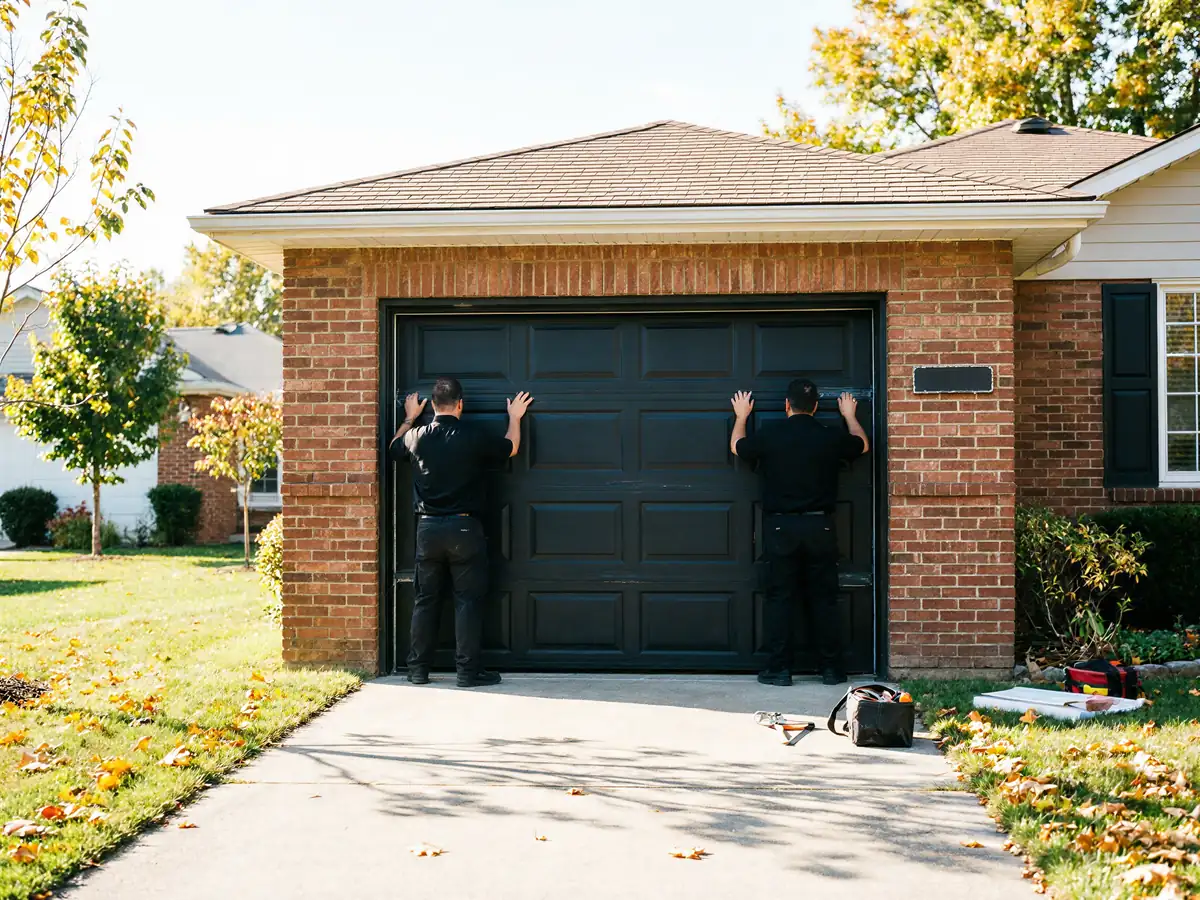
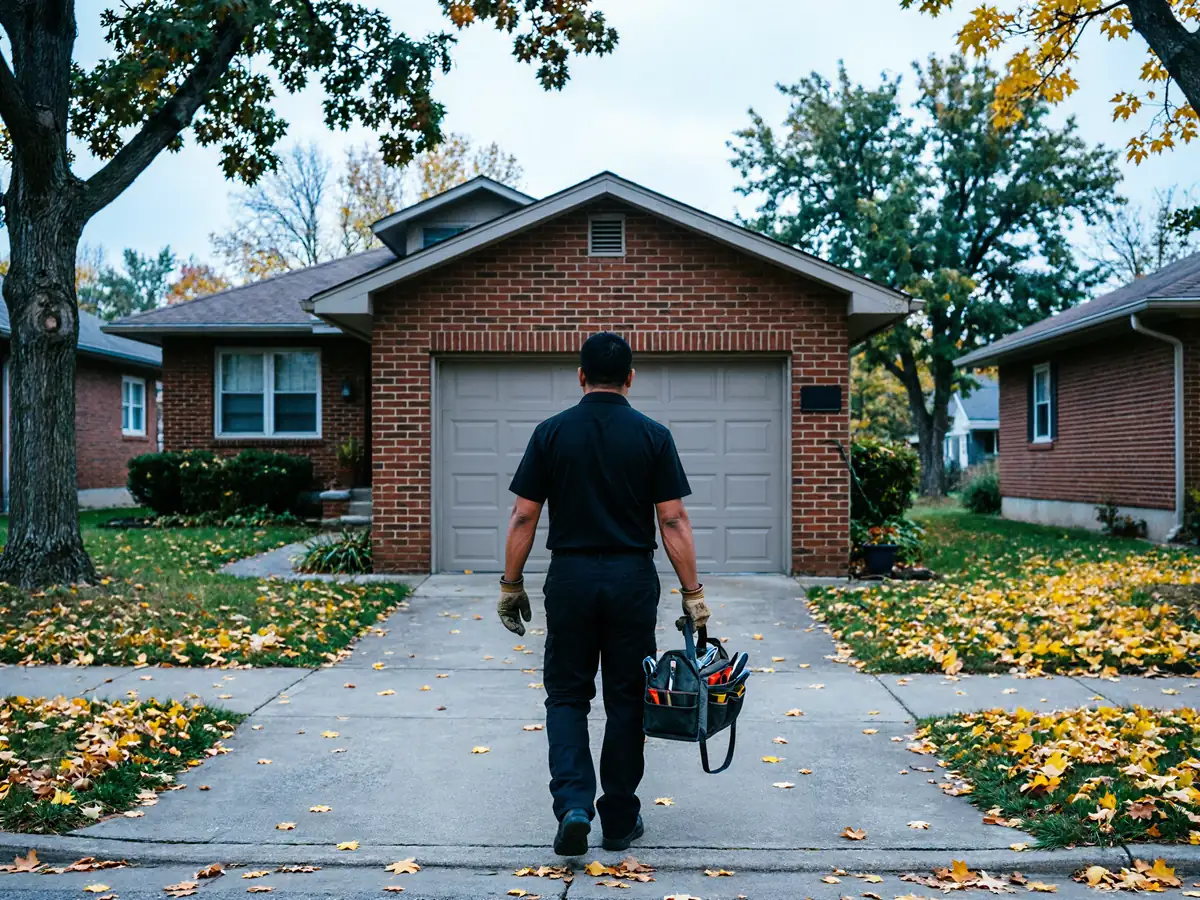
We run out of Moline, about 5 miles from Rock Island, so when you call, tell us the year the house was built if you know it and whether the door is a single steel panel or something newer - it changes what we load on the truck before we leave. Tell us whether the door is stuck open, stuck shut, or running but noisy, and whether anyone's tried to force it. That last detail matters more than people expect; a door someone's tried to muscle open with a broken spring often has bent track or a pulled-out bottom bracket on top of the original problem. We'll ask for the opener brand if there is one, since parts availability varies a lot between brands on units that are themselves twenty or thirty years old. None of this is a dispatch promise with a number attached - we don't quote a response window here - it's just what gets the right parts on the truck the first trip instead of a second one.
What Is on the Truck
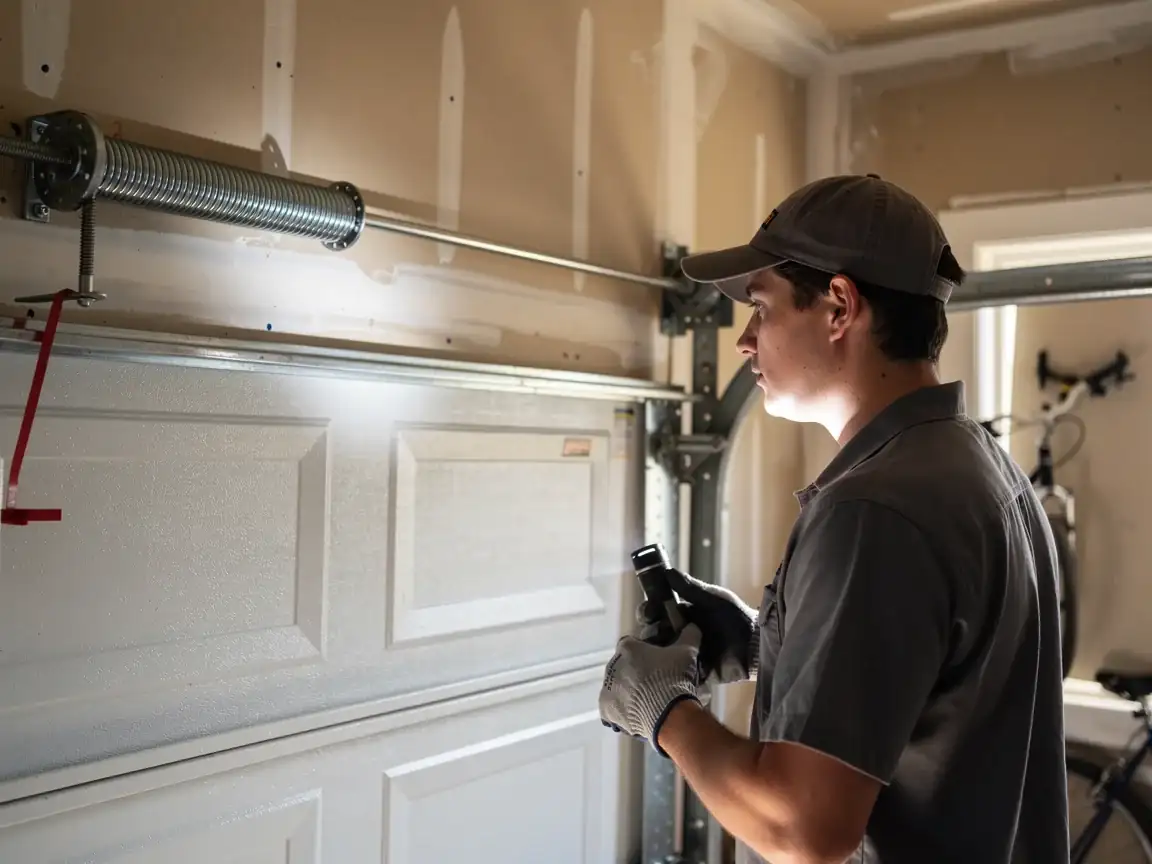
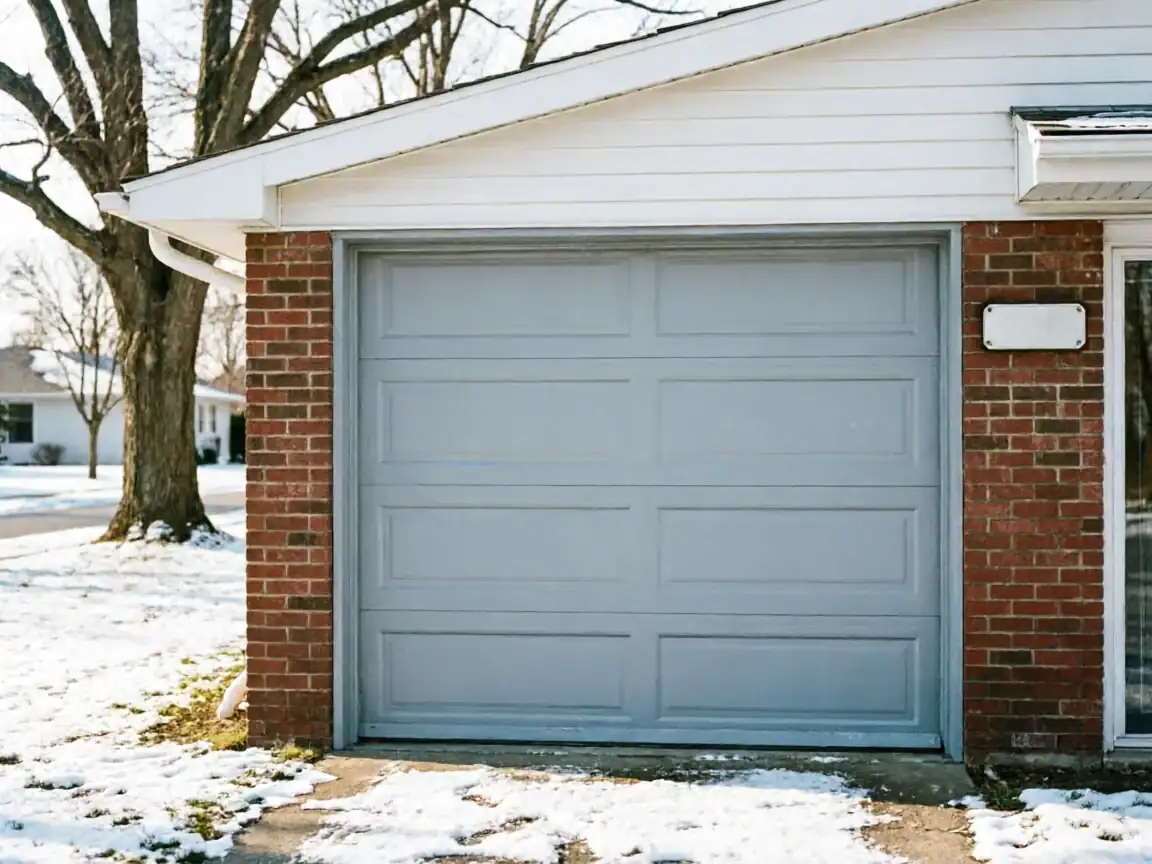
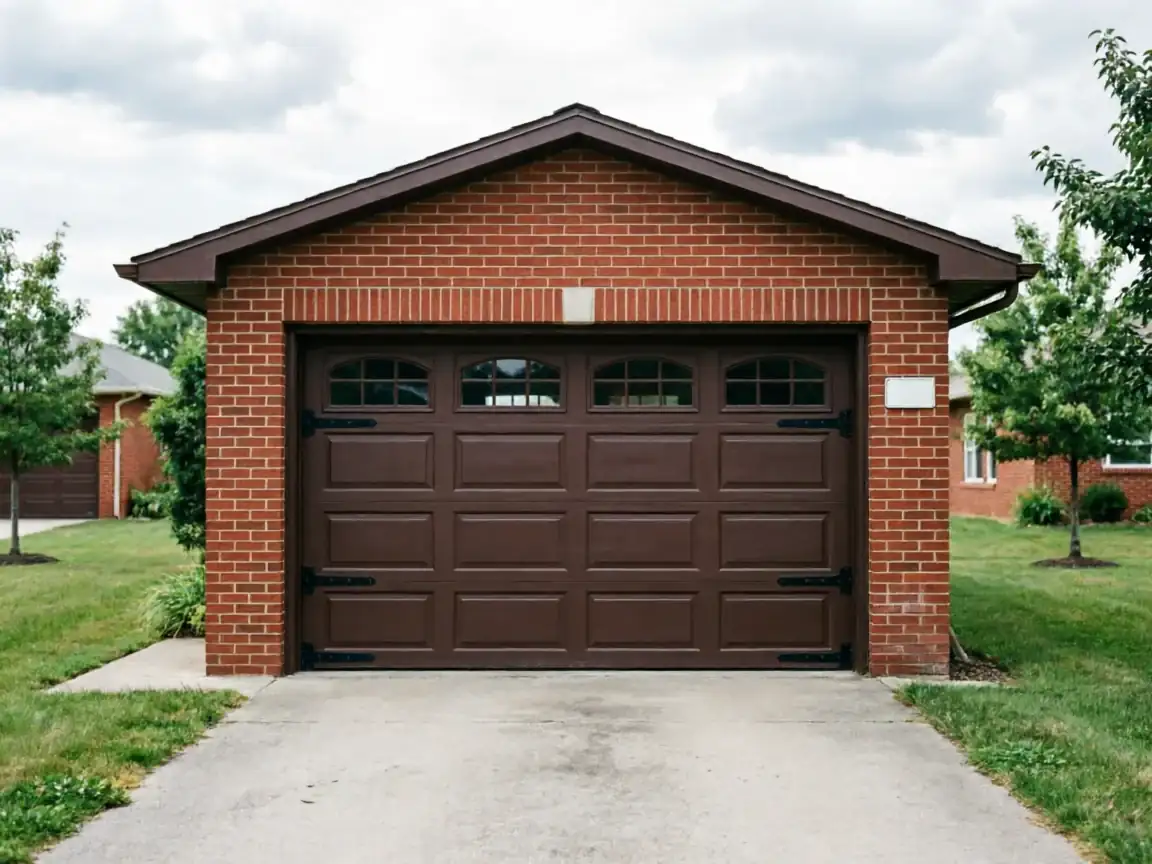
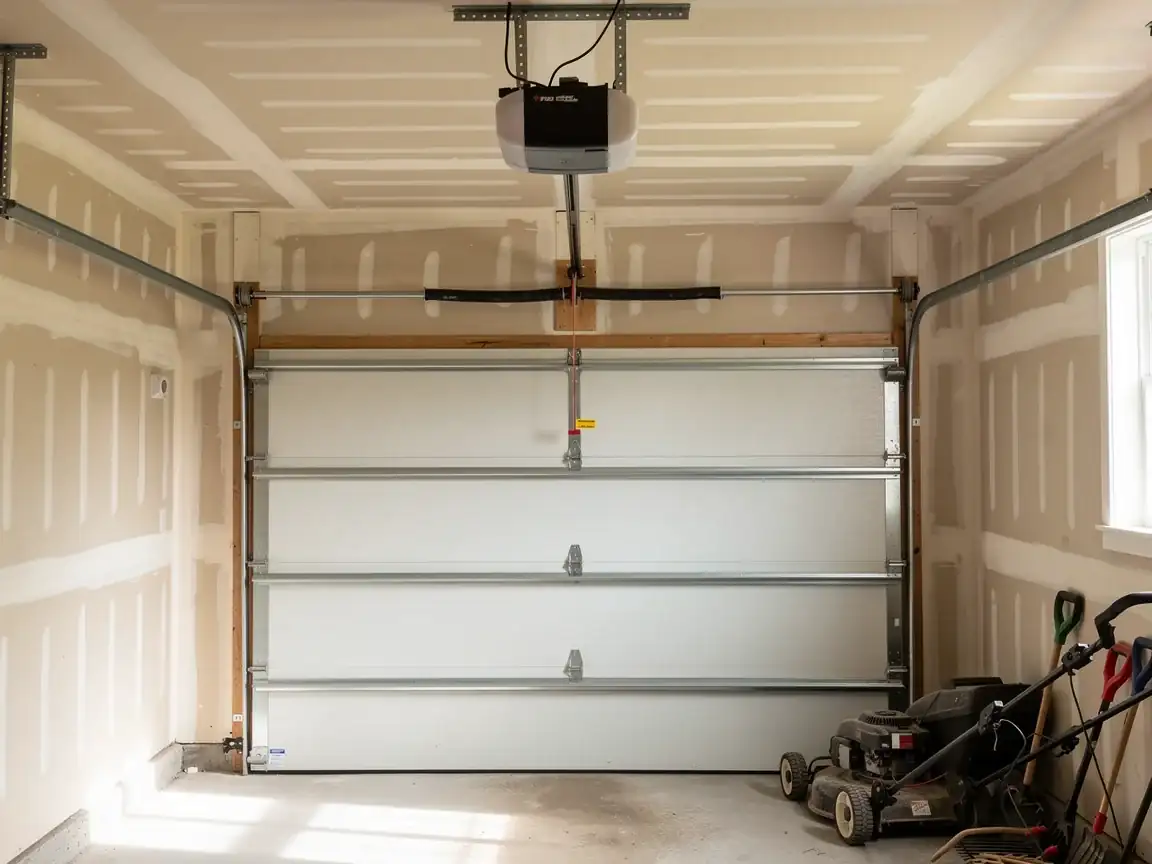
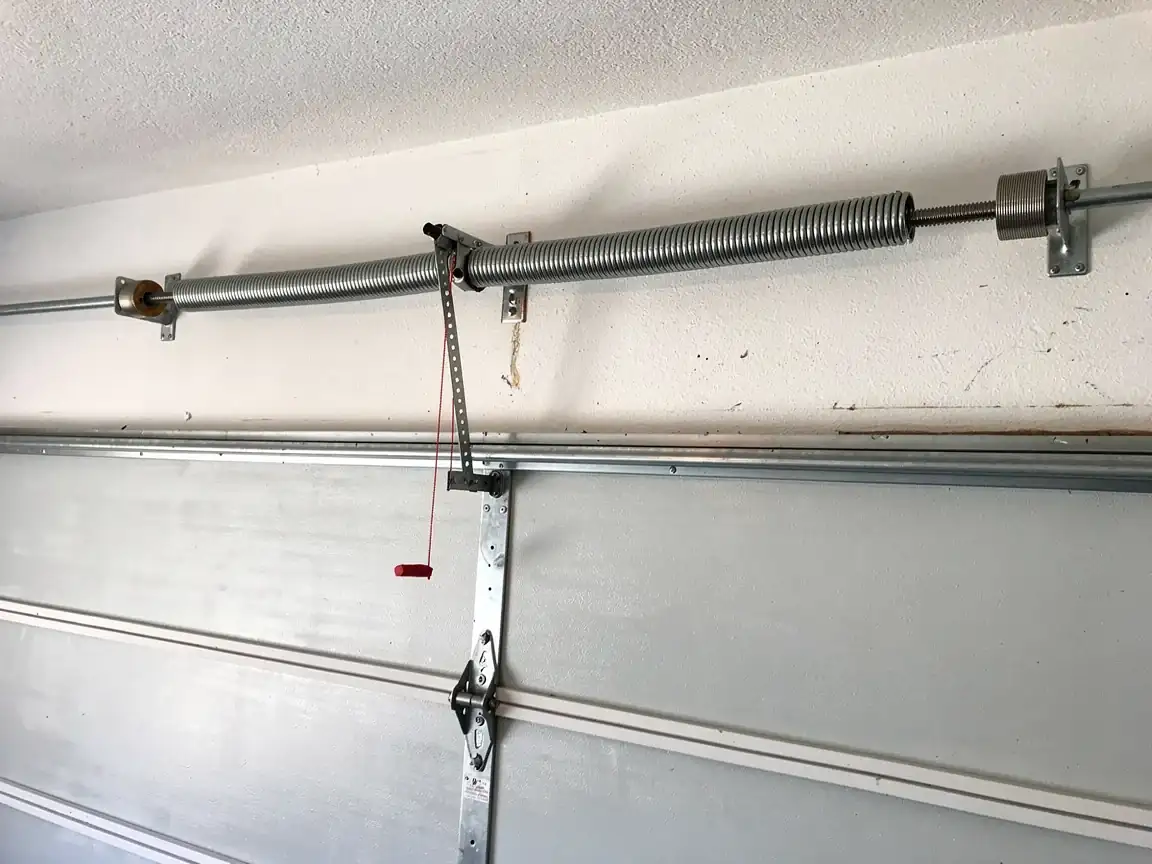
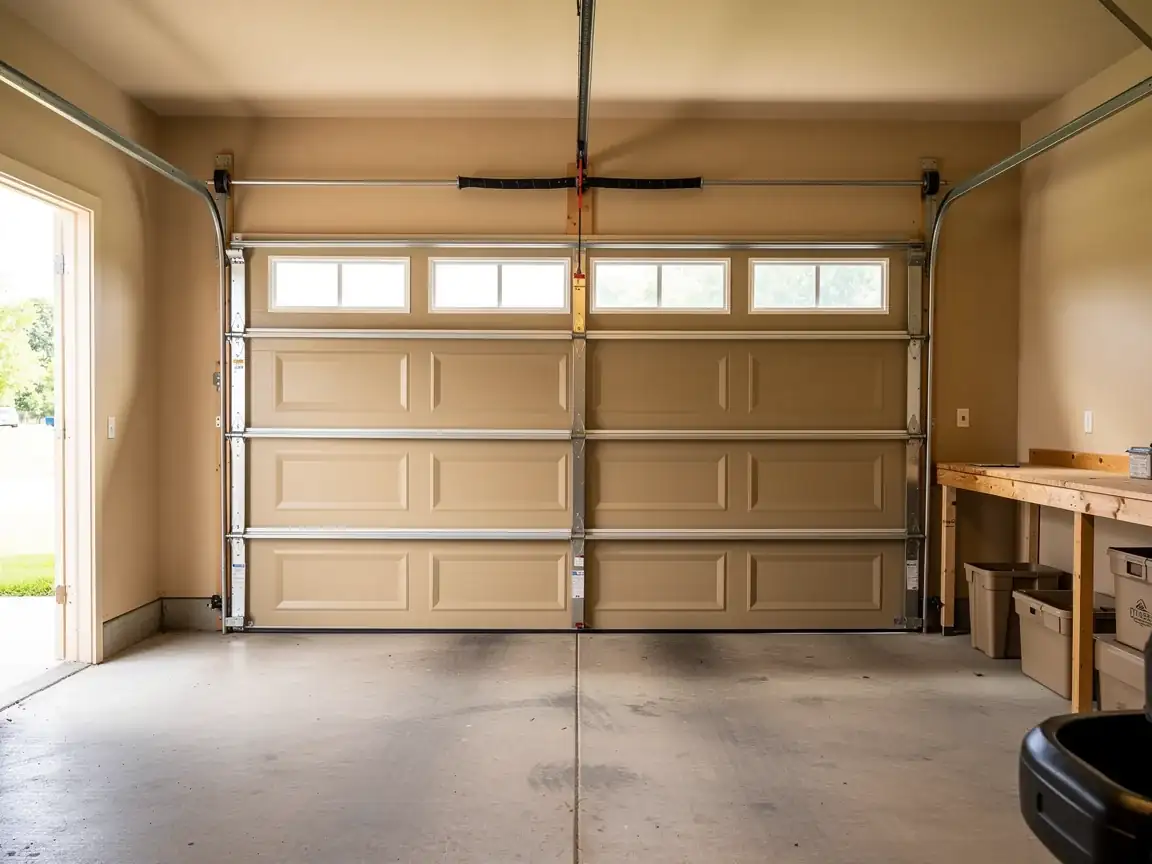
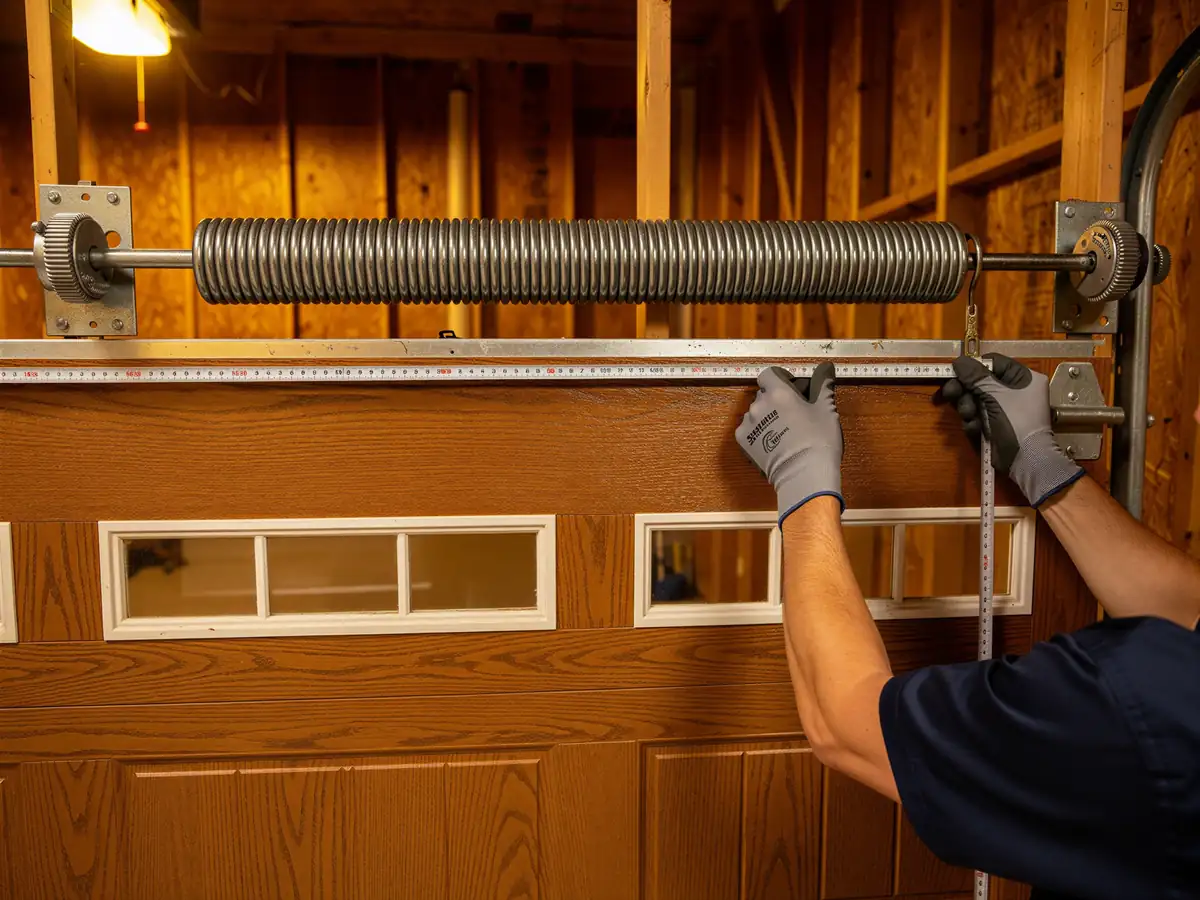
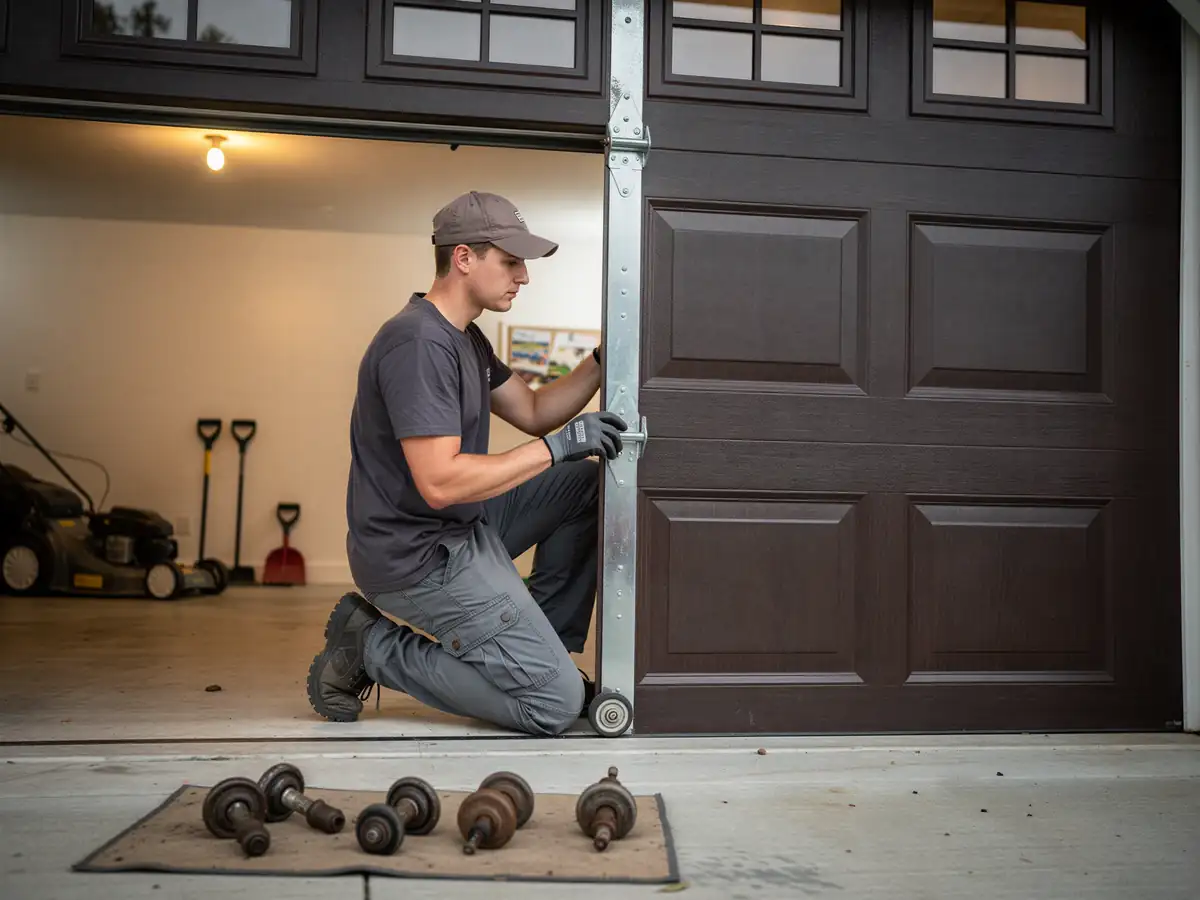
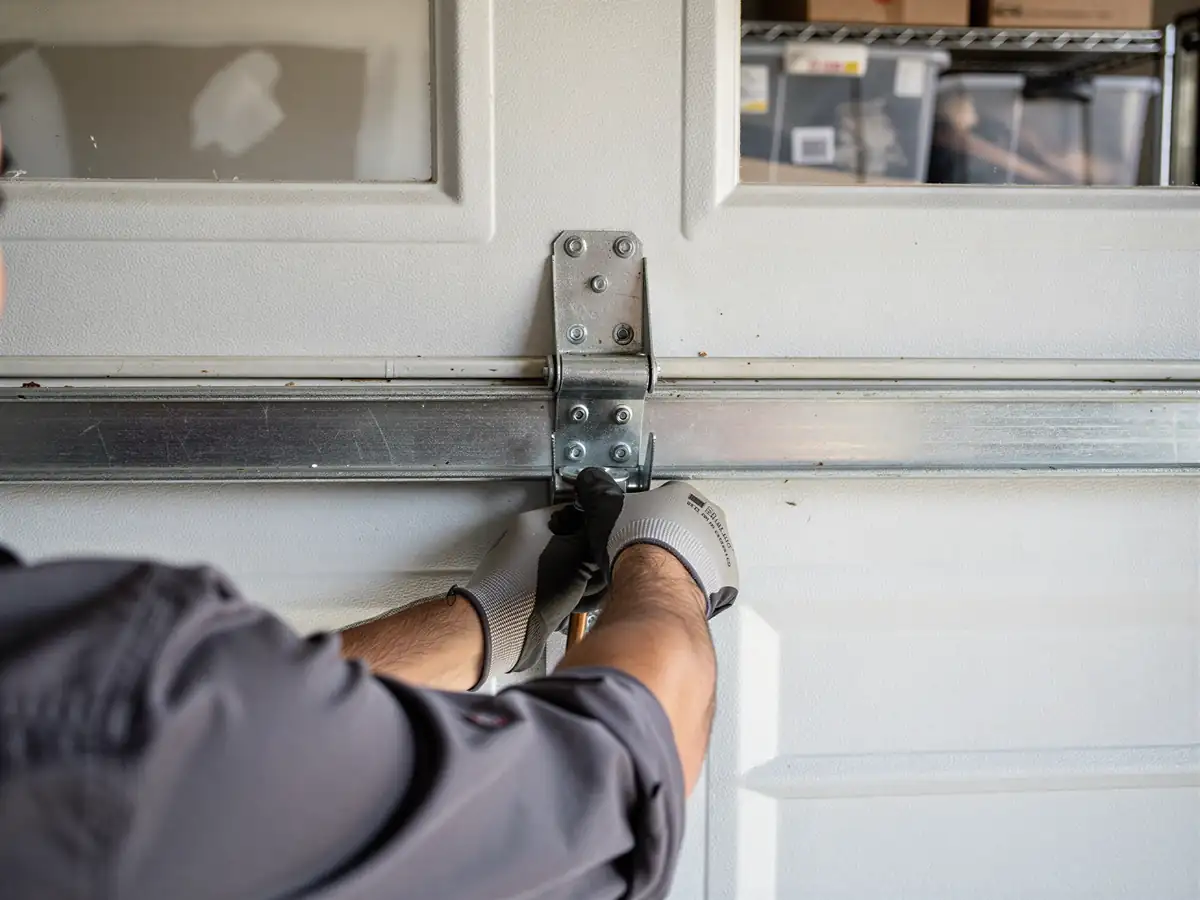
For a town built mostly in the 1950s-60s window, the truck carries a different mix than it would for new construction. That means torsion springs sized for lighter, non-insulated single-layer doors, extension spring sets for the older two-spring side-mount setups that are common on houses from that era, and single-car track hardware sized for the narrower openings that came standard then. We also carry standard photo-eye sensor kits and a range of roller types, since original rollers on doors this old are often the steel ball-bearing kind nobody puts on new doors anymore. What we don't always have is an exact factory match for a 1950s-60s wood door panel - those were often built on site or by a local millwork shop, and a replacement panel for one isn't something we stock. If a panel's split and it's a door like that, we'll tell you straight whether patching makes sense or whether it's a better call to move to a new door section built for the existing track.
Why It Happens Here
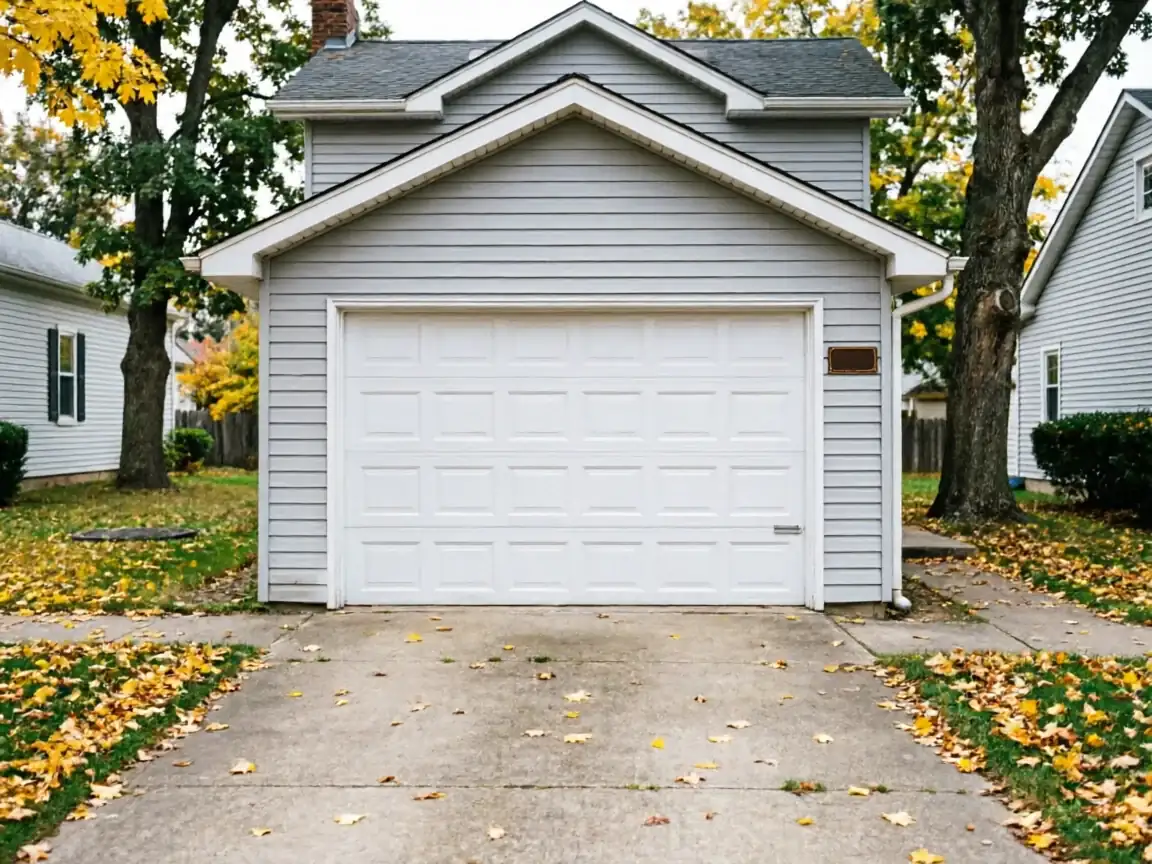
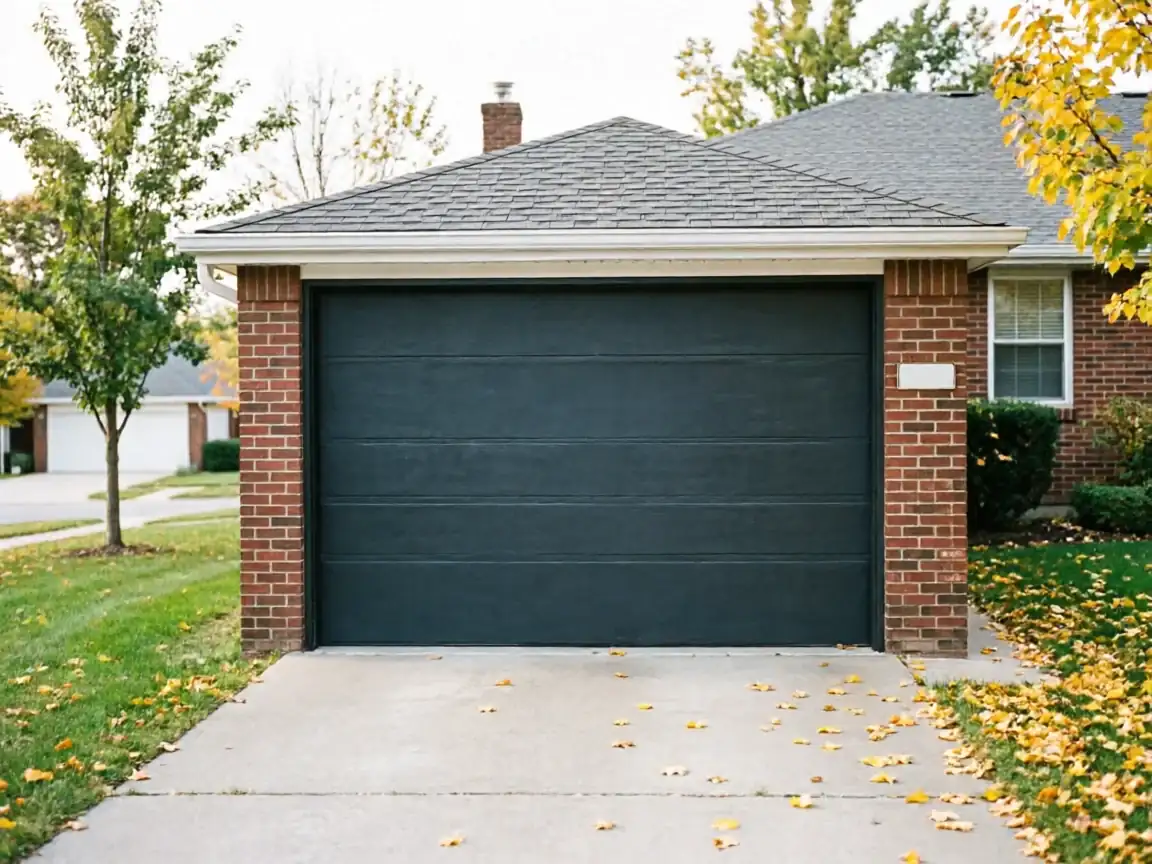
Rock Island sits in a cold-moderate climate band, the kind that puts a garage door through real freeze-thaw cycling every winter and back again every spring. On a door built around 1952, the steel has had seventy-plus years of that cycle to work on seams, fasteners, and any factory coating that's worn thin. Combine that with the housing age - this is one of the older pockets in a service area where most stock runs 1952 to 1998 with a median around 1968 - and you get doors where the hardware has simply outlasted its expected service life more than once over. None of that is unique to any one house; it's just what sixty to seventy winters do to steel, springs, and the bolts holding them to a wood frame that's also moved with the seasons.
What It Costs
We don't publish a price list because the fix depends entirely on what's actually failed, and on a door this age there's often more than one thing wrong at once - a spring job that uncovers worn rollers, or track alignment that reveals a bent bracket underneath. What we can tell you is that repairing original hardware on a 1950s-60s door is usually cheaper than replacing the whole door, right up until the point where the door itself - wood panel, rusted-through steel, or a size nobody stocks parts for - is the actual problem. At that point replacement often costs less over time than chasing parts for hardware that's been out of production for decades. Rock Island's median household income runs lower than some of the newer-built parts of the service area, and we factor that into how we talk through repair-versus-replace, giving you the repair option first when it's a reasonable one rather than defaulting to a new door.