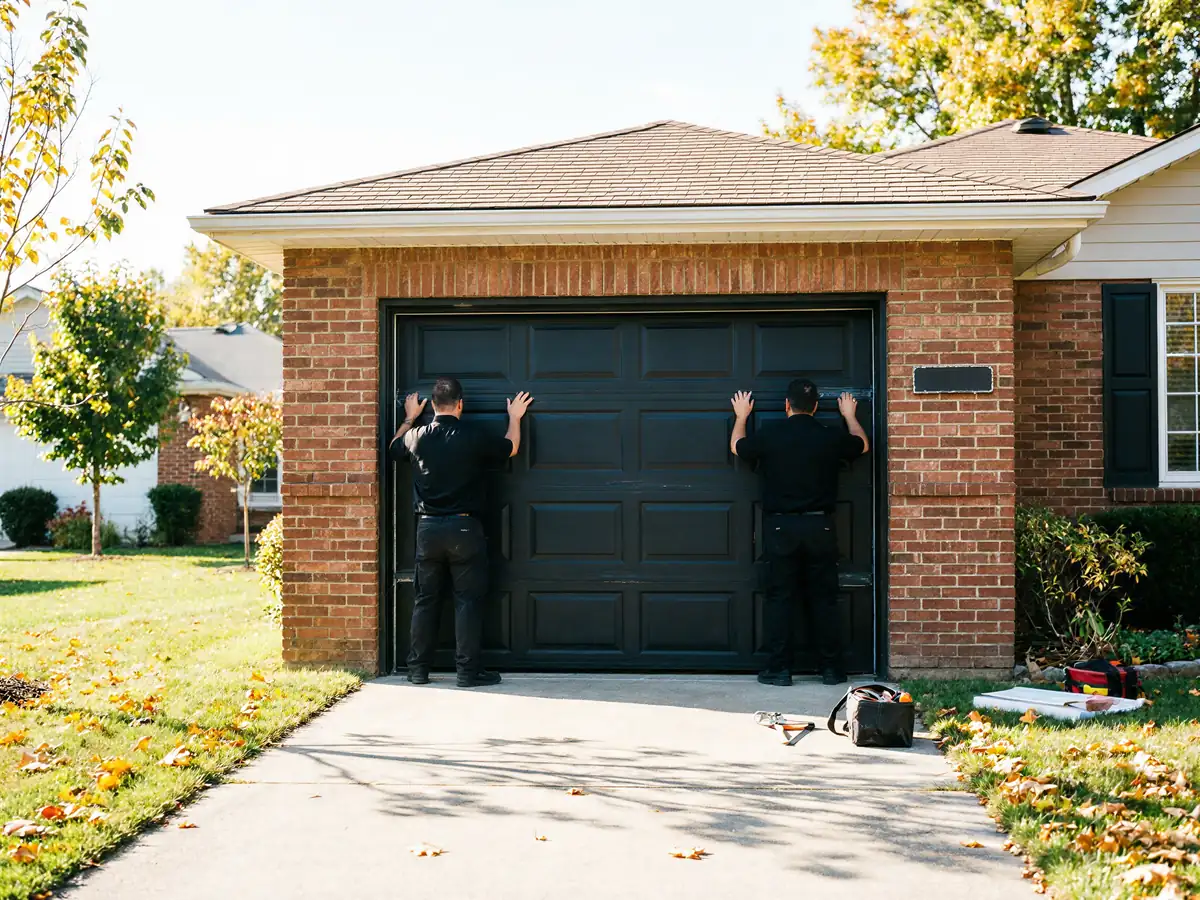
Getting It Booked In
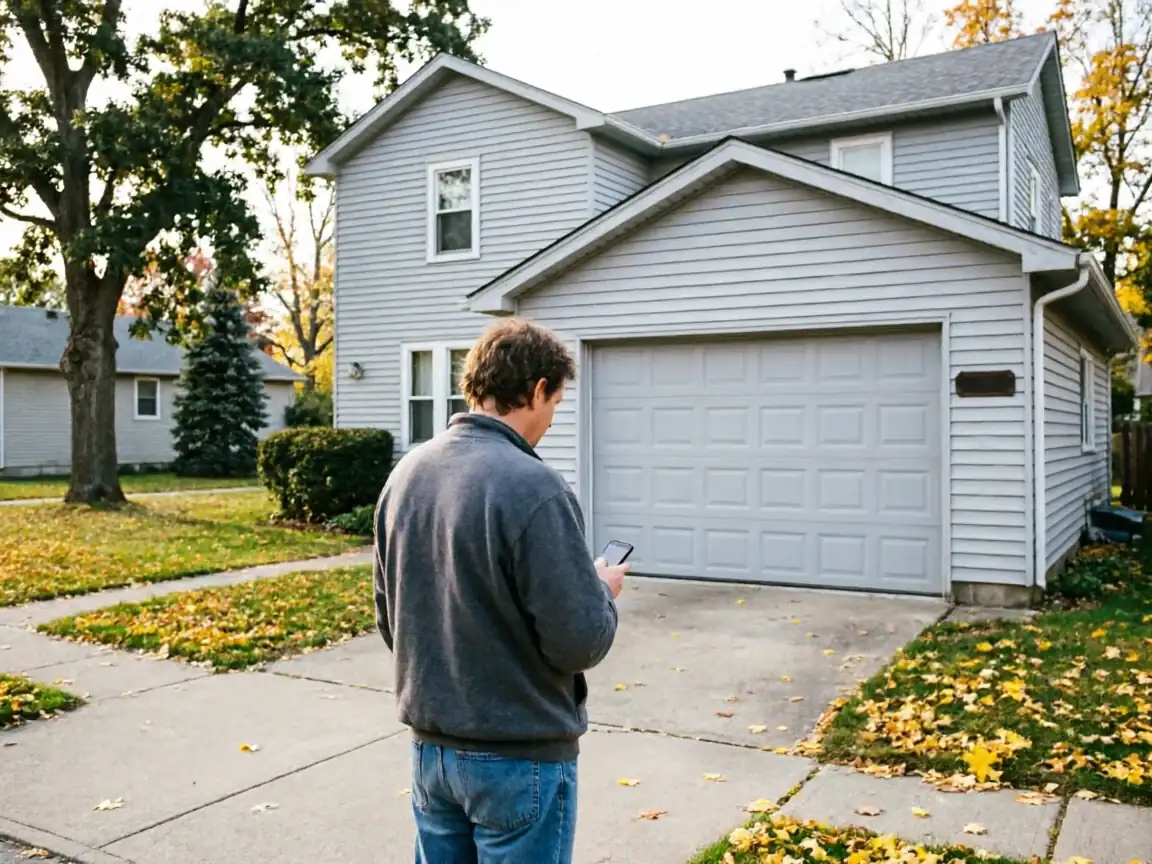
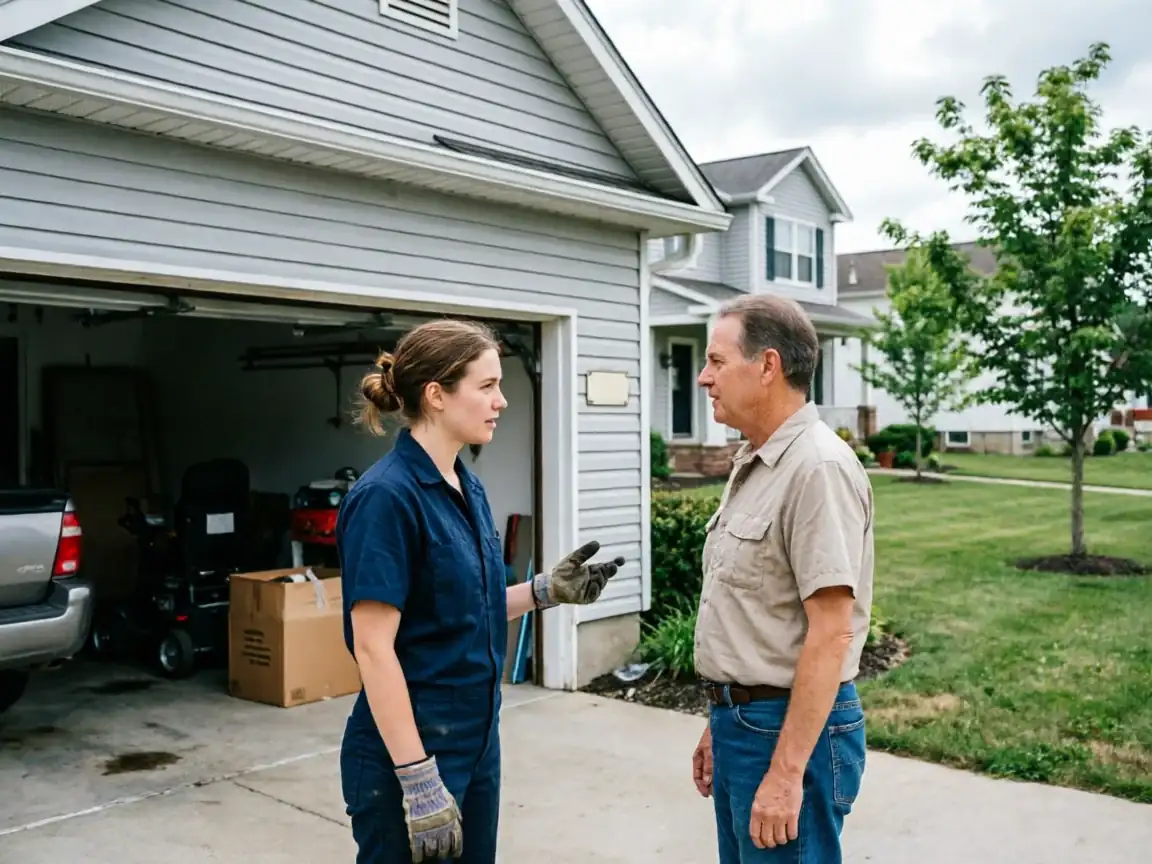
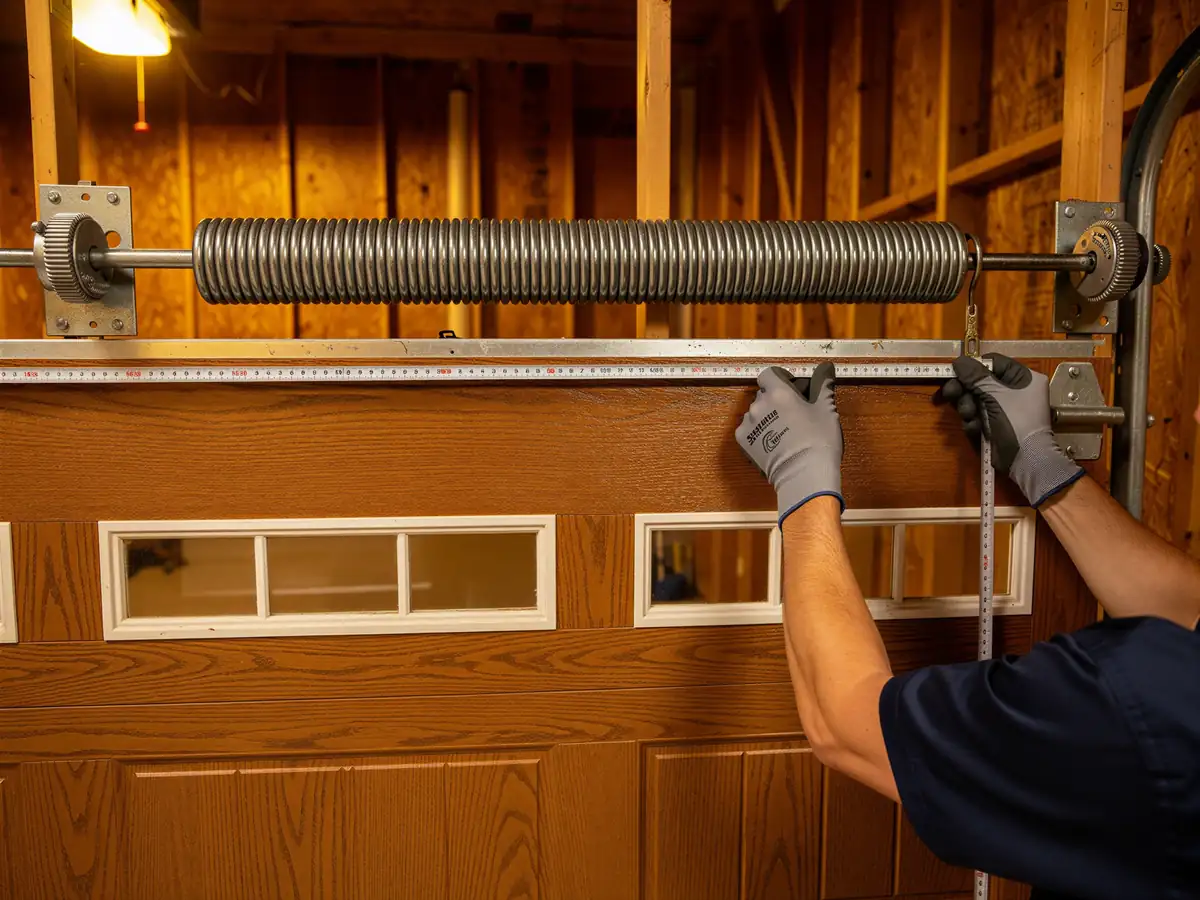
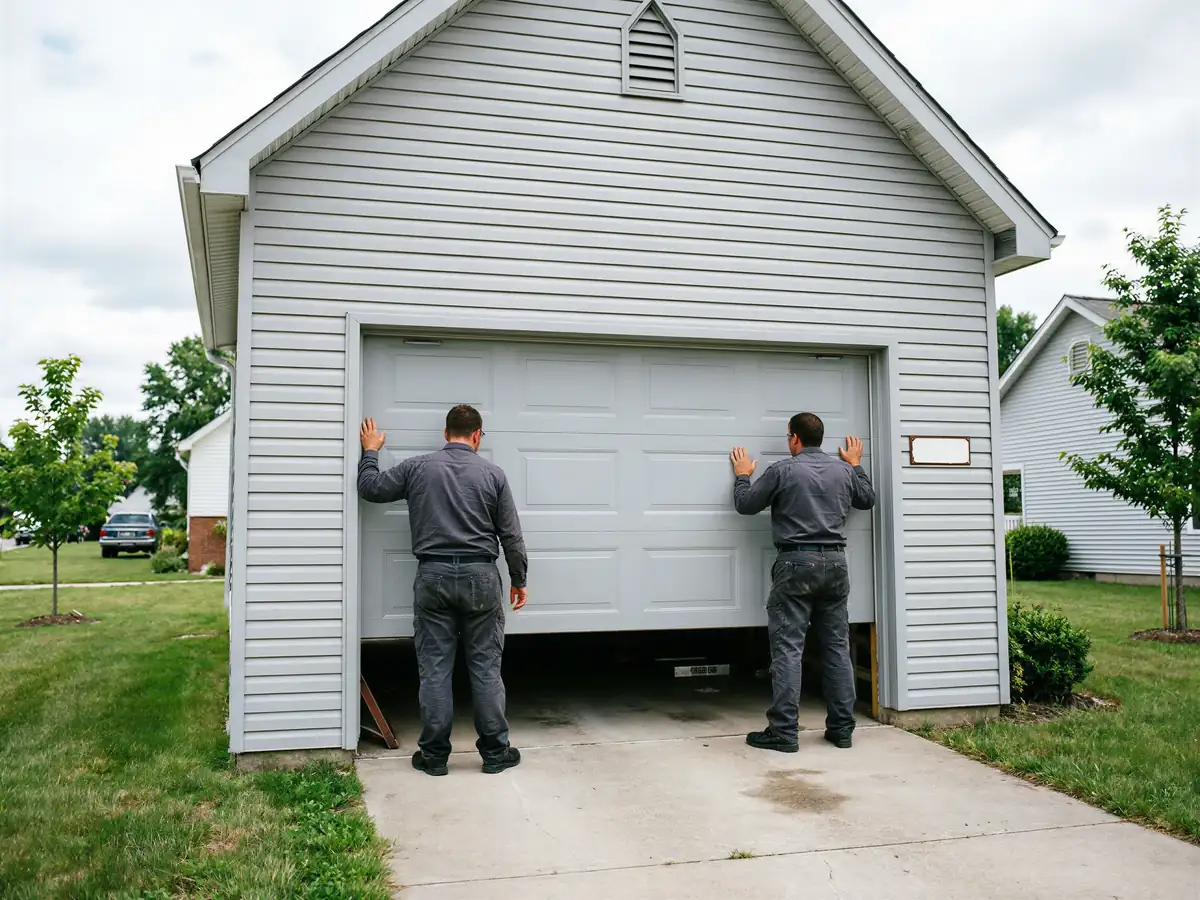
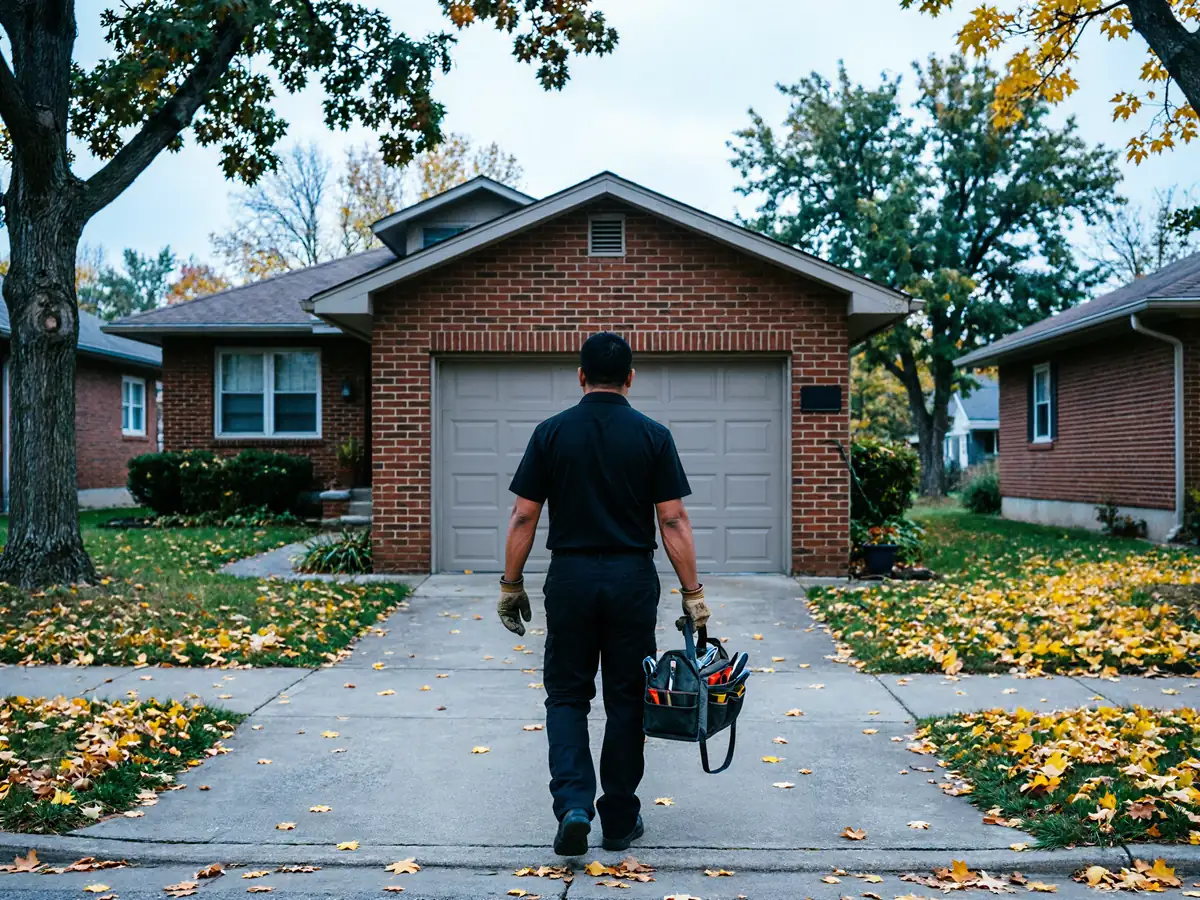
We don't keep a branch in Rock Island - every job here starts with a truck leaving Moline and covering that five miles. For installation work that's not a big deal; it just means the first visit is a measure-and-quote trip, not a same-visit install, because the door has to be built or pulled from stock to match what your opening actually needs. Booking is straightforward: we set the measure visit, confirm the order once we know exact dimensions, and schedule the install once the door's in. Because we're not running a second location out of Rock Island, we batch trips when we can, so don't be surprised if we ask about flexibility on the exact day rather than the exact hour. For a look at the full range of repair and service work we also run out here, see our Rock Island service page.
What Is on the Truck
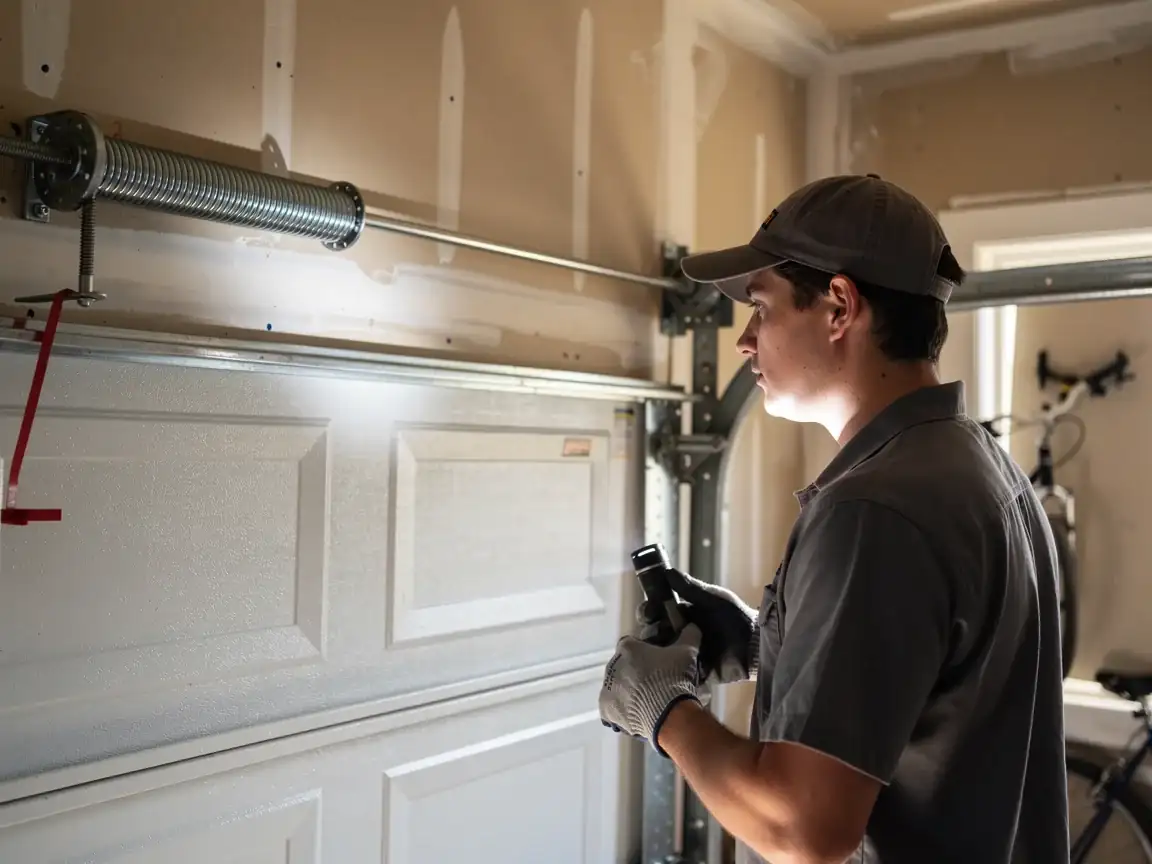
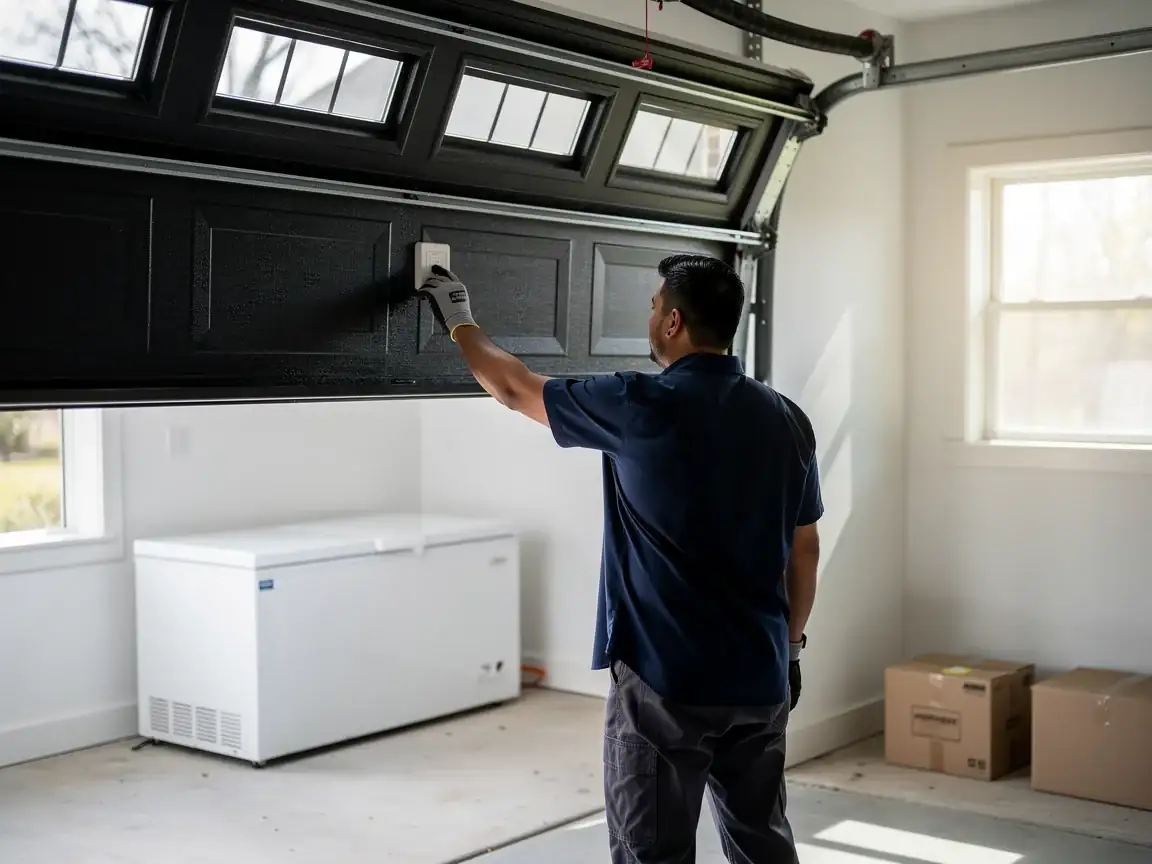
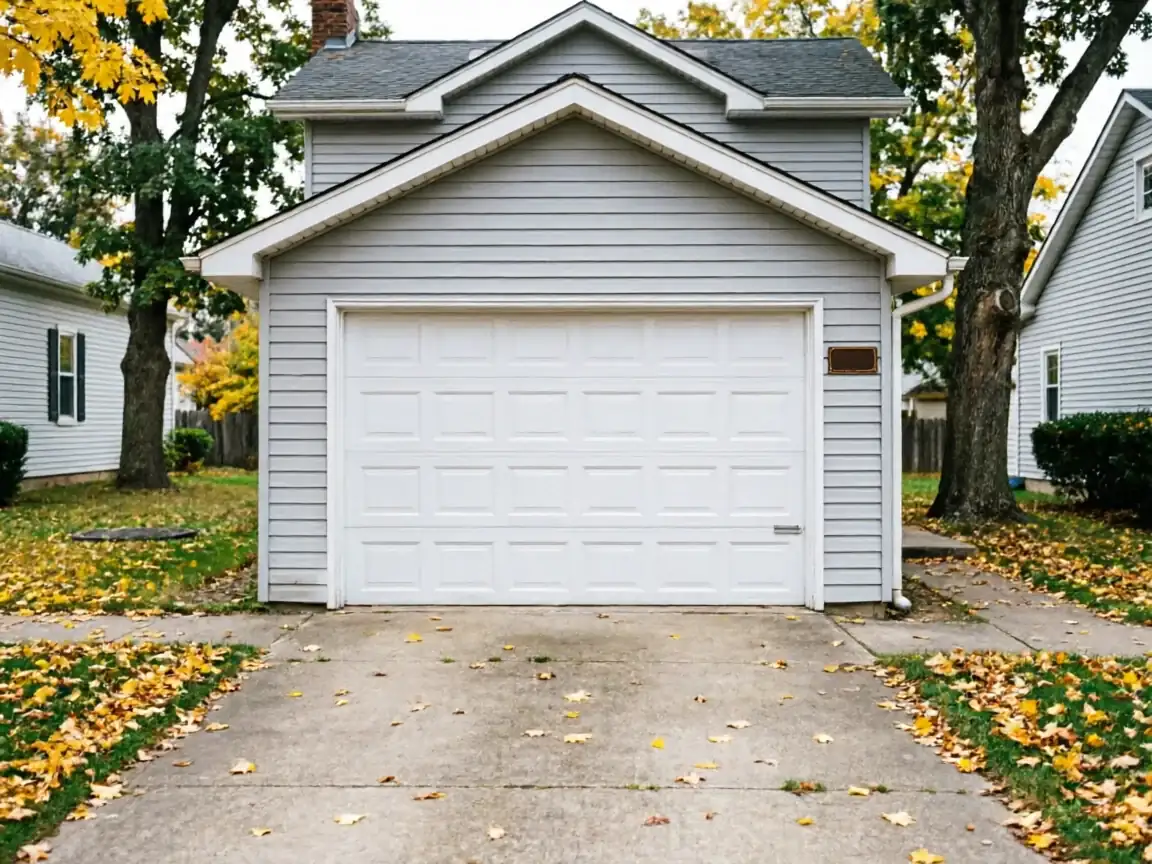
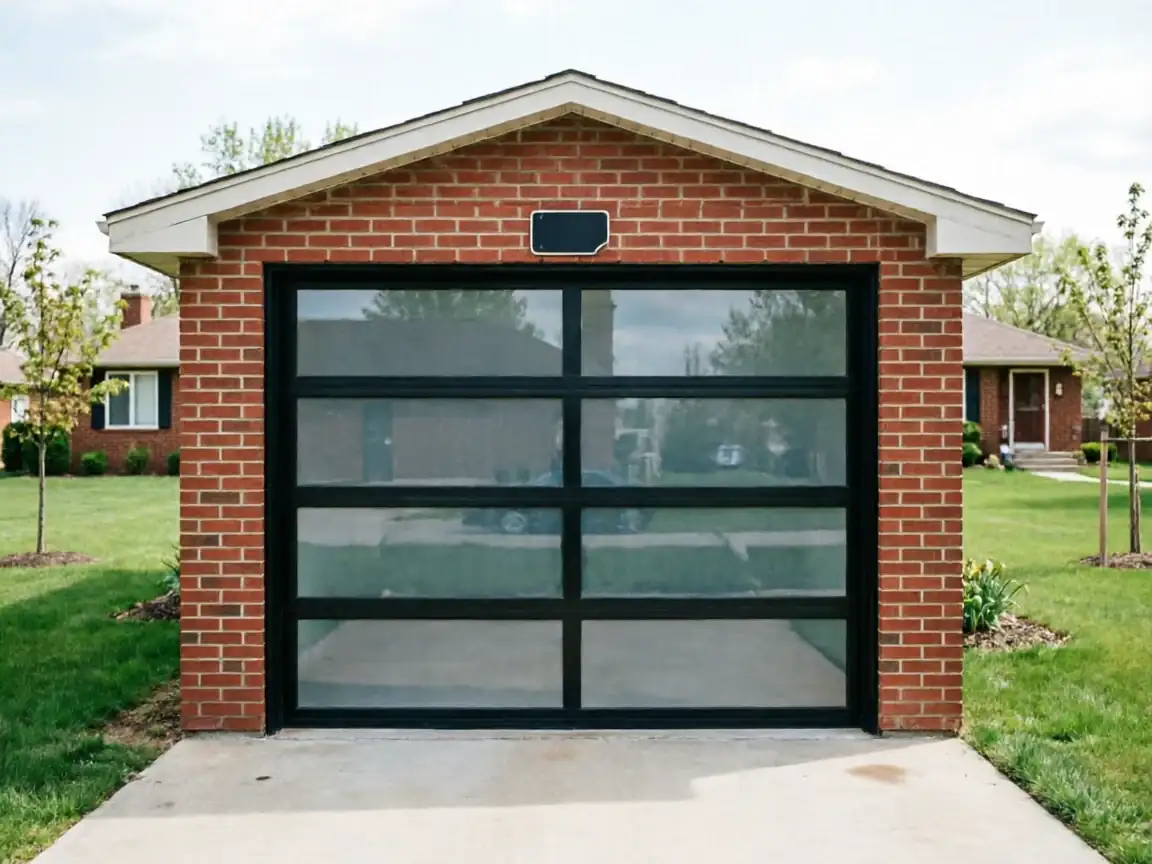
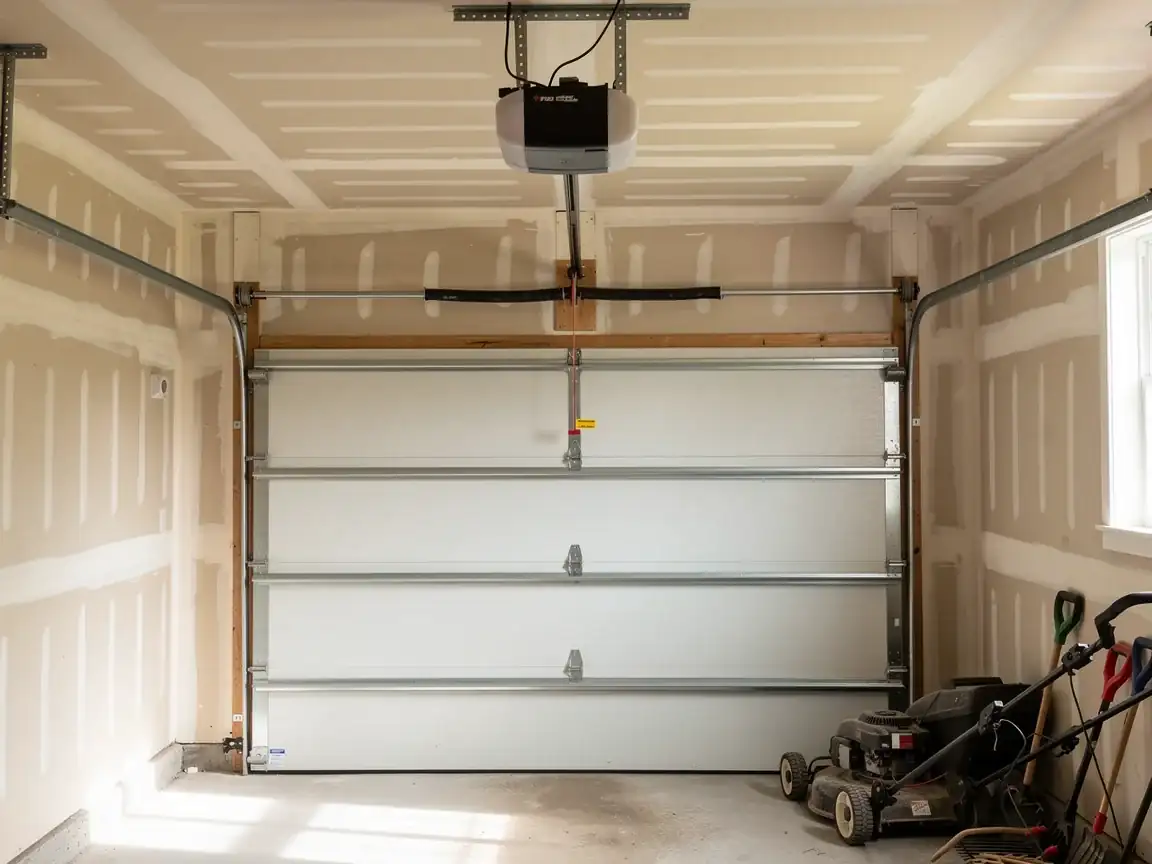
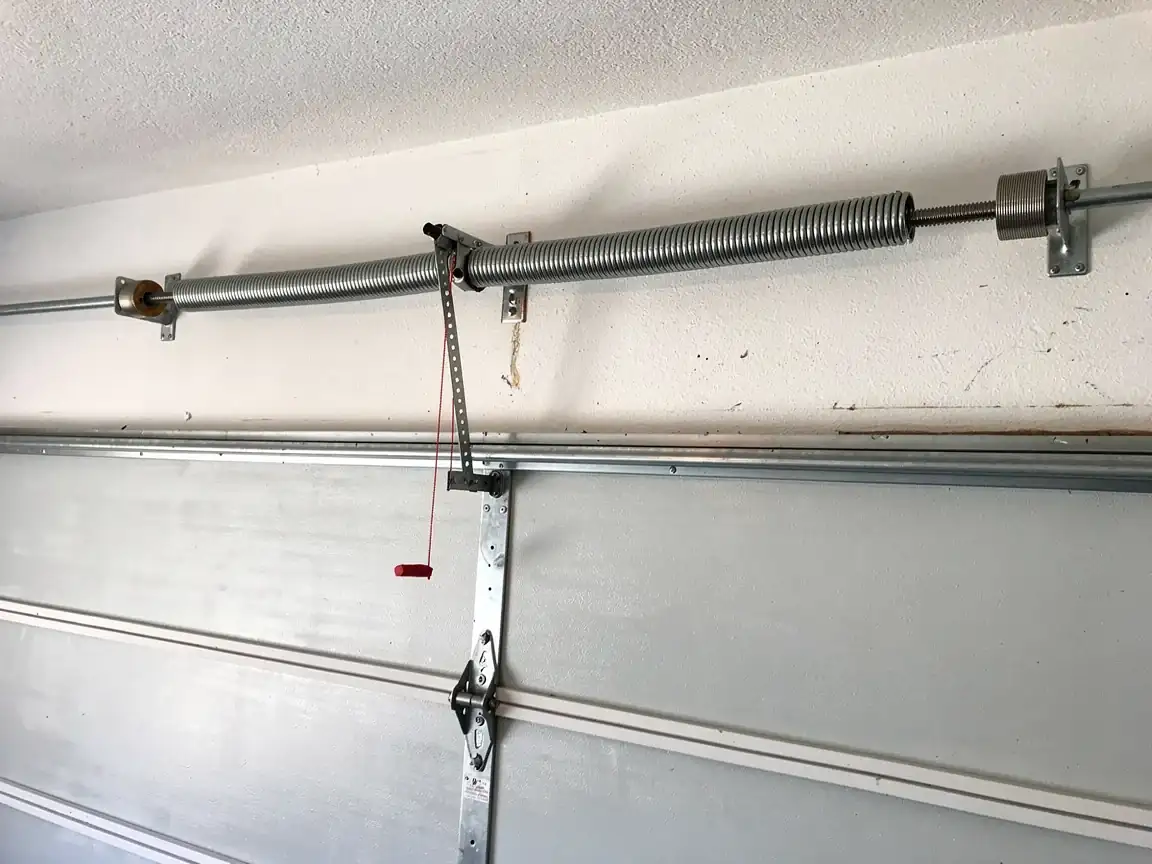
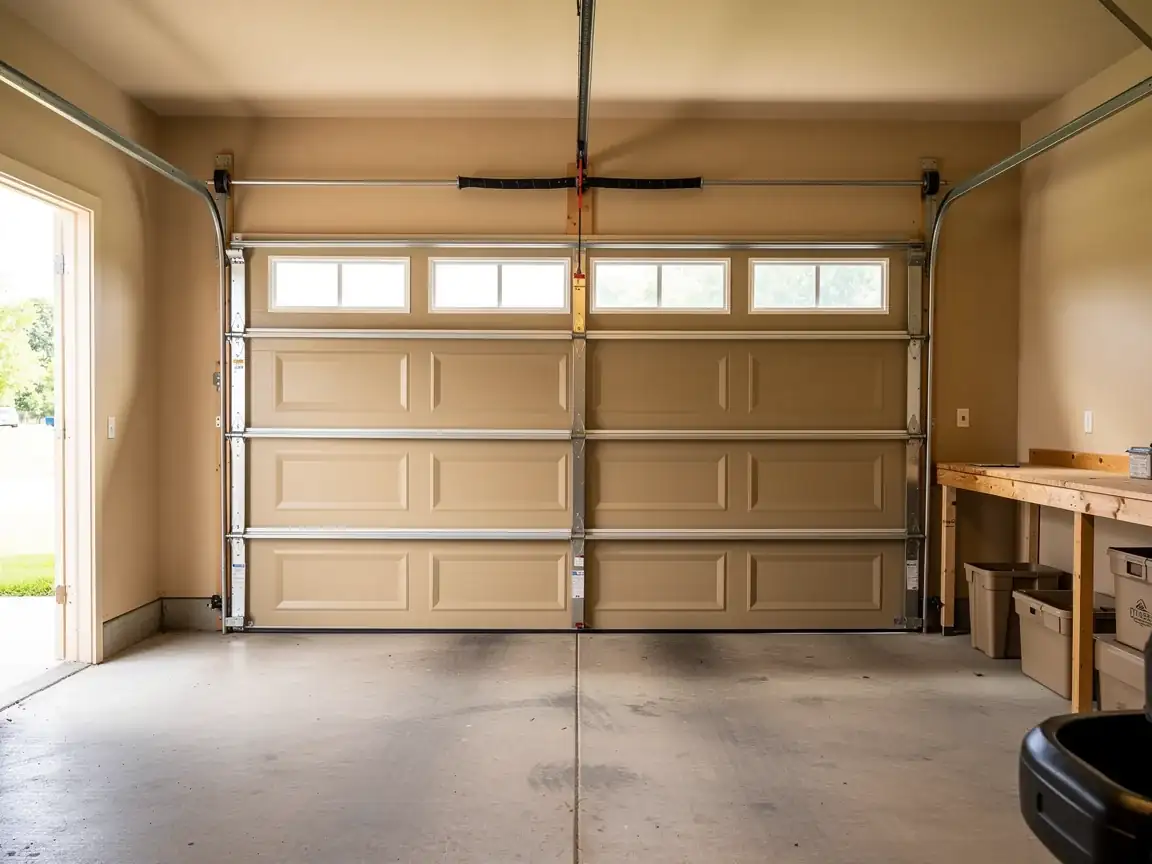
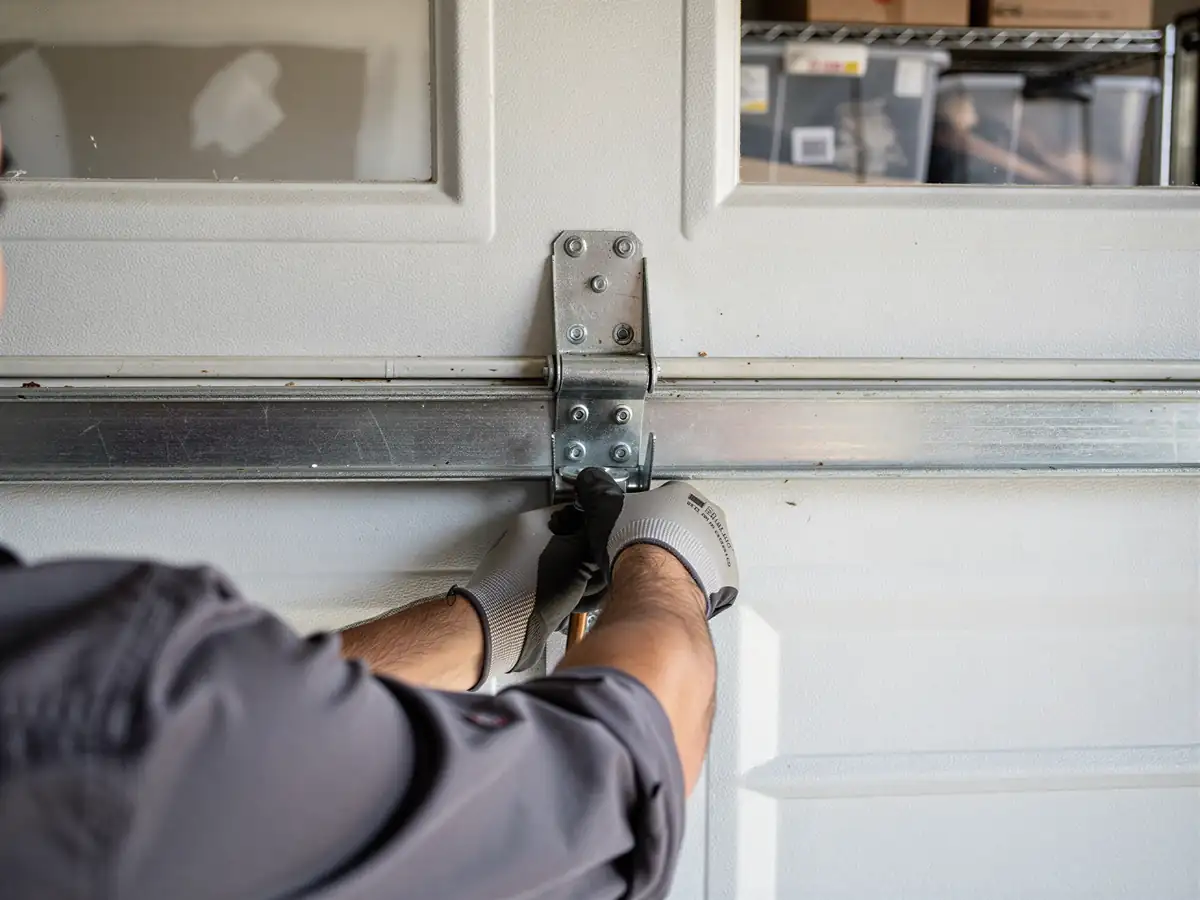
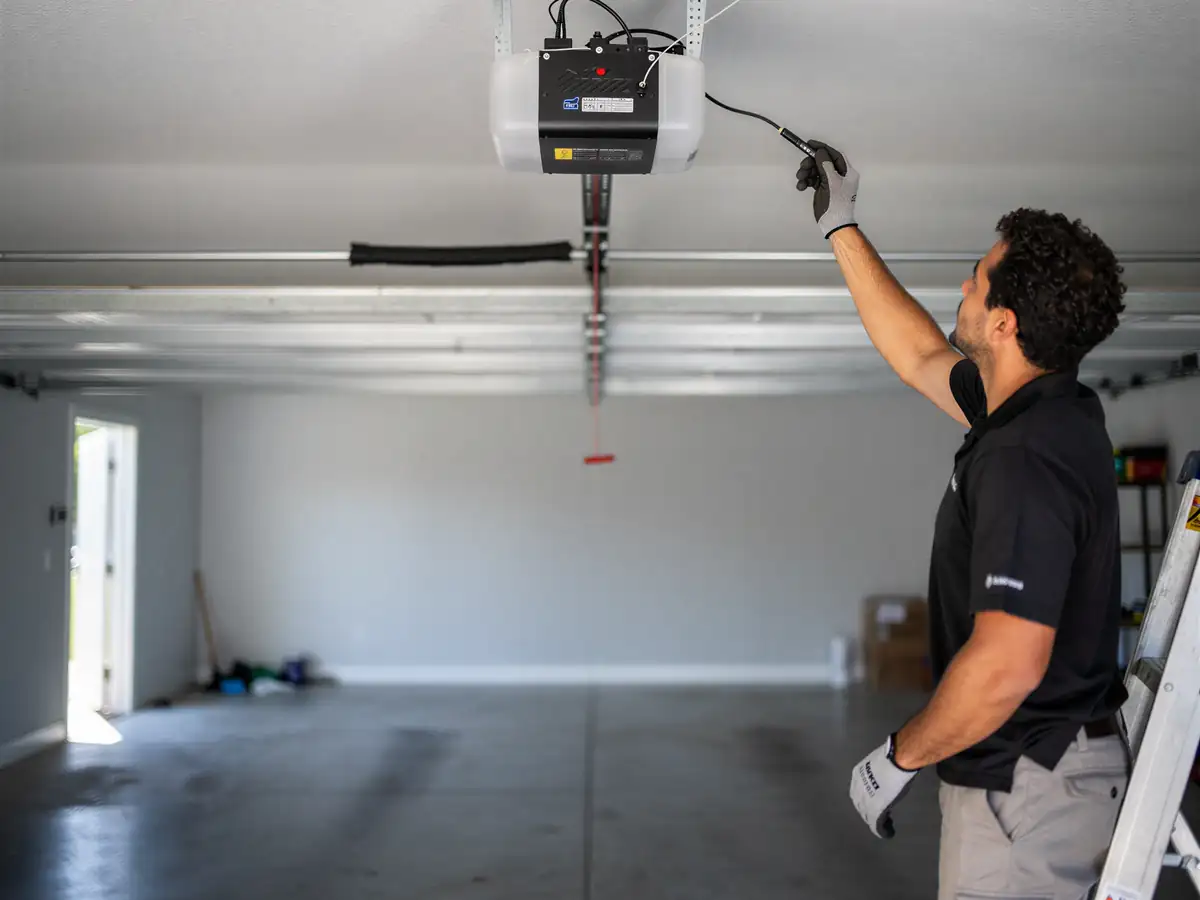
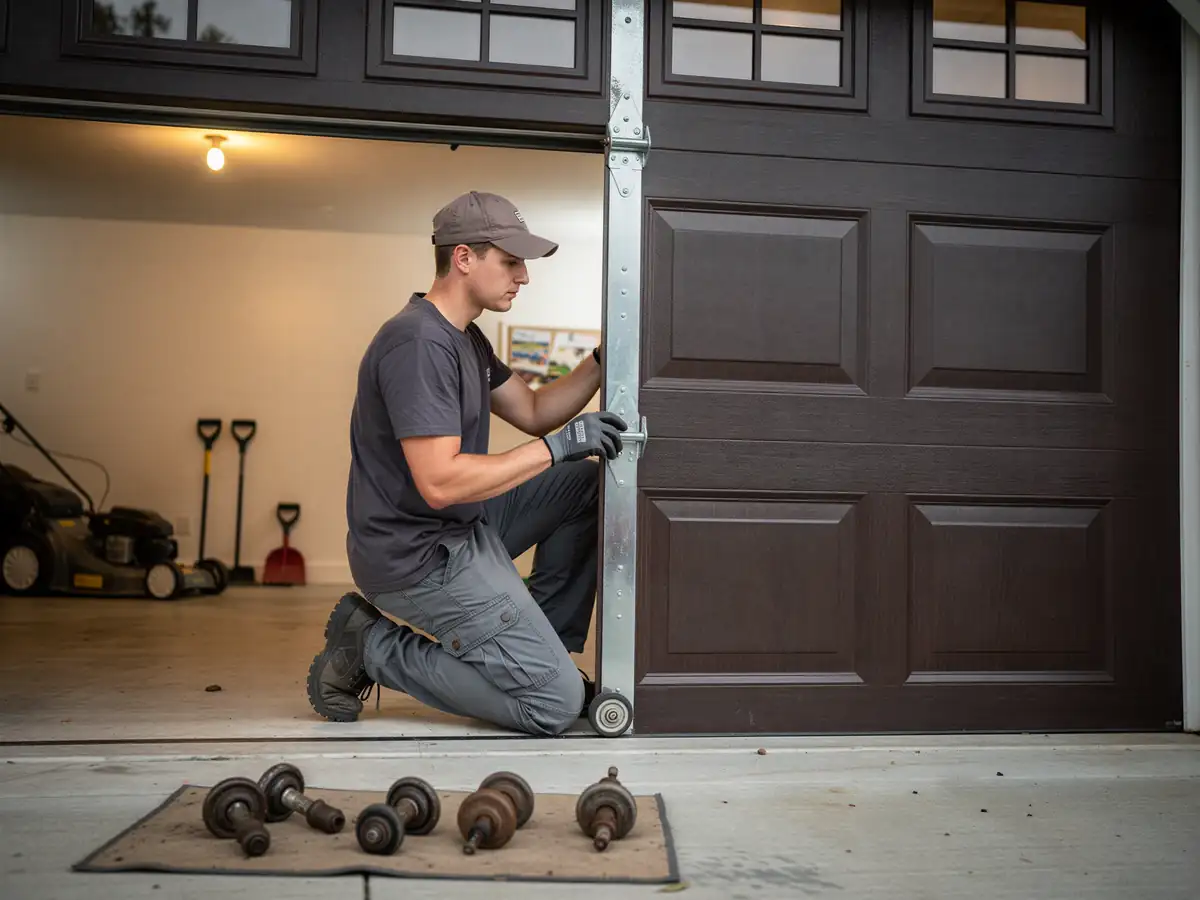
For a new install, the truck carries the door panels or a build order, the track, torsion hardware, and the opener if you're replacing that too - but what rides along for a Rock Island job skews toward older-opening hardware more than a newer-subdivision job would. With median construction here around 1952, we see a fair number of openings sized for doors that predate today's standard dimensions, so the crew often brings extra jamb brackets and non-standard track sections rather than assuming a drop-in fit. We also carry both torsion and extension spring setups, since houses from this era were built across a range of garage configurations - some converted, some original - and you don't know which hardware a given opening needs until the old door's off the wall. What doesn't ride along: specialty insulated glass-panel doors outside our regular lineup. If you want something outside that range, we'll tell you upfront rather than order it and hope.
Why It Happens Here
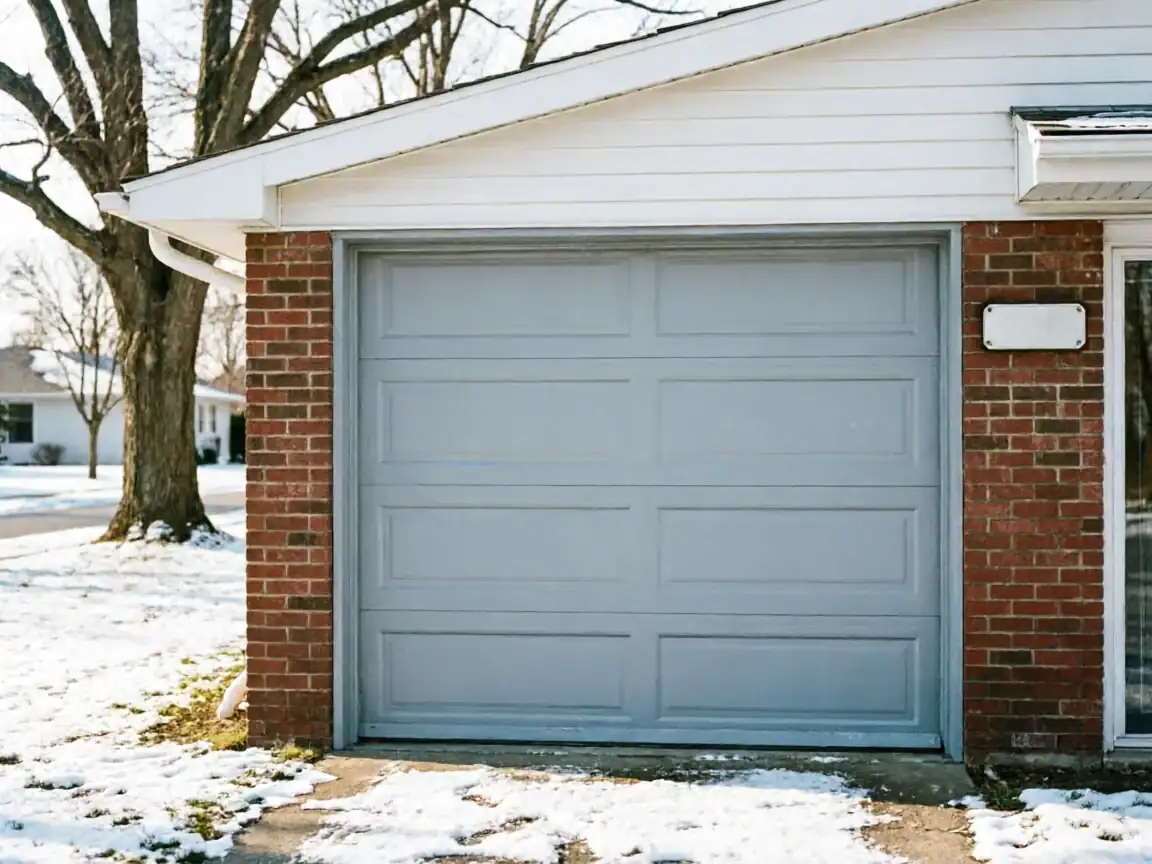
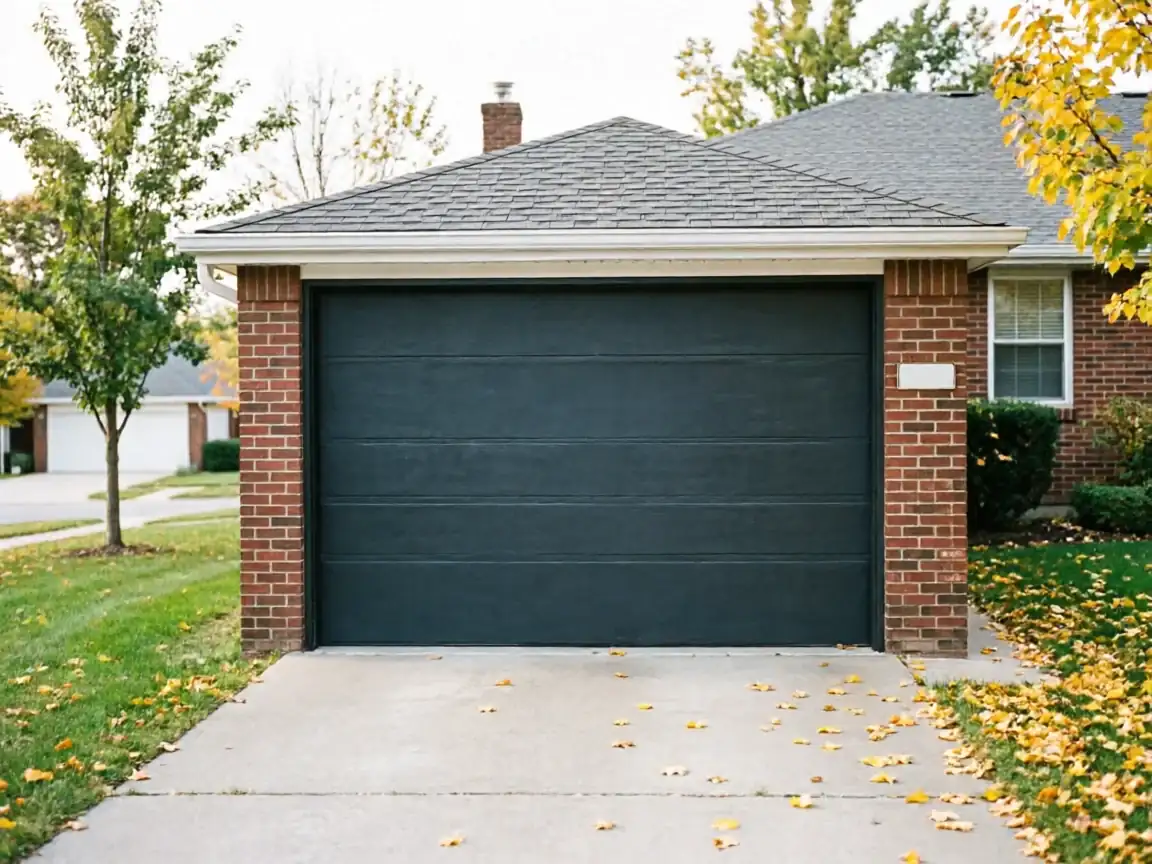
Rock Island's housing runs older than a lot of the broader service area - median year built around 1952, against roughly 15,679 households in the city. That age matters for installs specifically: openings framed in the 1950s were built to the door standards of that decade, not today's, so a straight swap for a modern door often means adjusting the frame, not just the panel. Median household income here runs around $57,292, which tends to push decisions toward doors that are solid and well-sealed rather than top-of-line - insulated steel over custom wood, for instance - and that's a reasonable call for this climate and this housing stock. None of this is unique to one block; it's a pattern across a city built mostly in a single generation, which is also why the fixes tend to repeat: frame correction, standard hardware upgraded for better sealing, and openers sized for the door rather than for the house's age.
What Costs
We're not going to put a number on this page, because a real quote depends on your exact opening, the door material you pick, and whether the jamb needs correction - and none of that is knowable without the measure visit. What we can say: on housing this age, expect the estimate to include some allowance for frame work that a newer house wouldn't need, since a lot of 1950s openings aren't square anymore. If your current door is failing but the opening is sound, repair might cost less than replacement - we'll tell you that straight if it applies, rather than push a new install you don't need. For the install itself, the honest answer is that it varies enough job to job that a firm number before we've seen the opening would be a guess, and we don't quote guesses.