Doing It Yourself
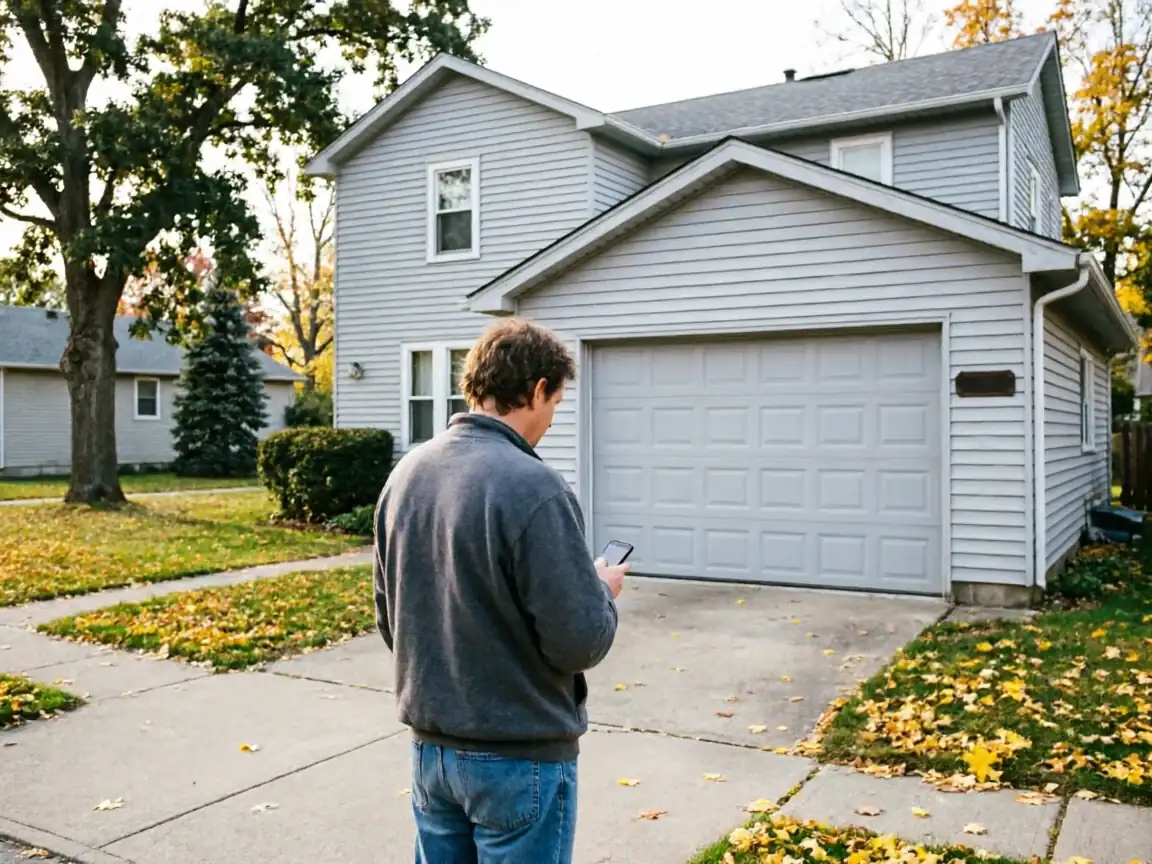
A lot of the houses in Rock Island went up around 1952
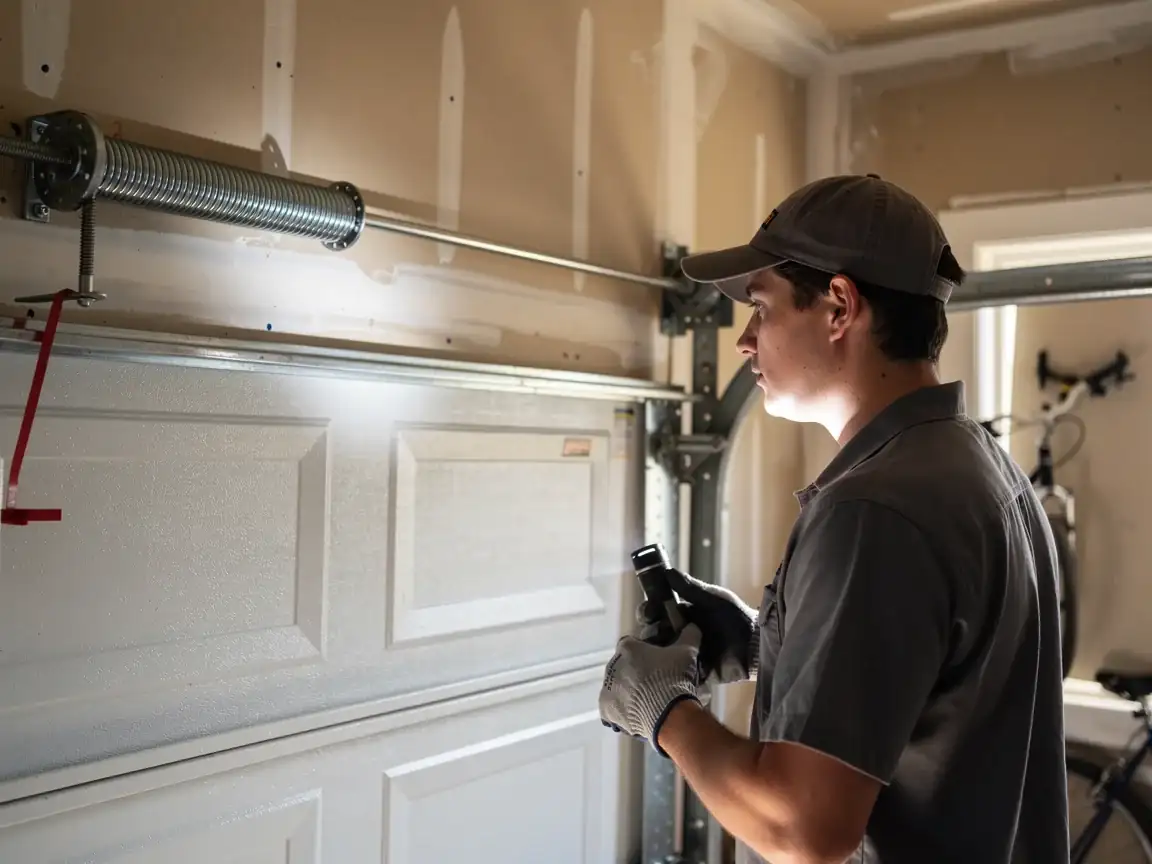
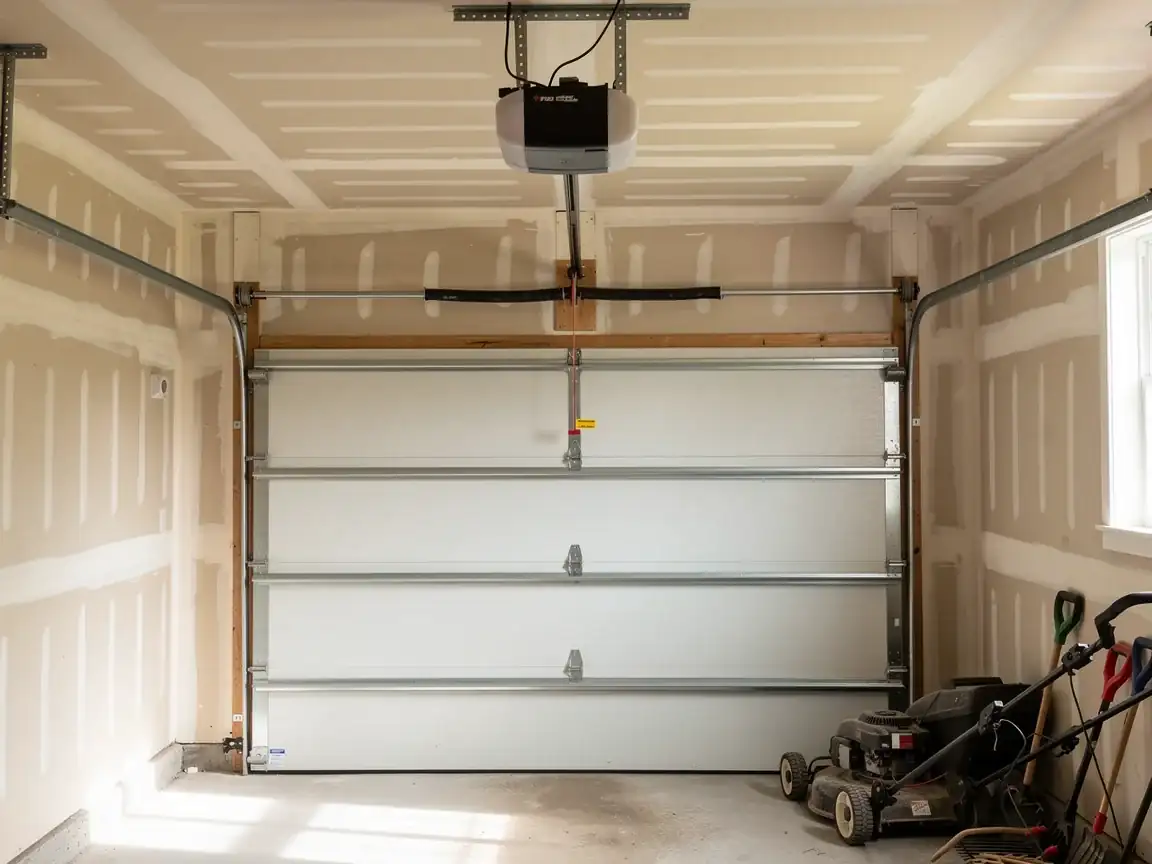
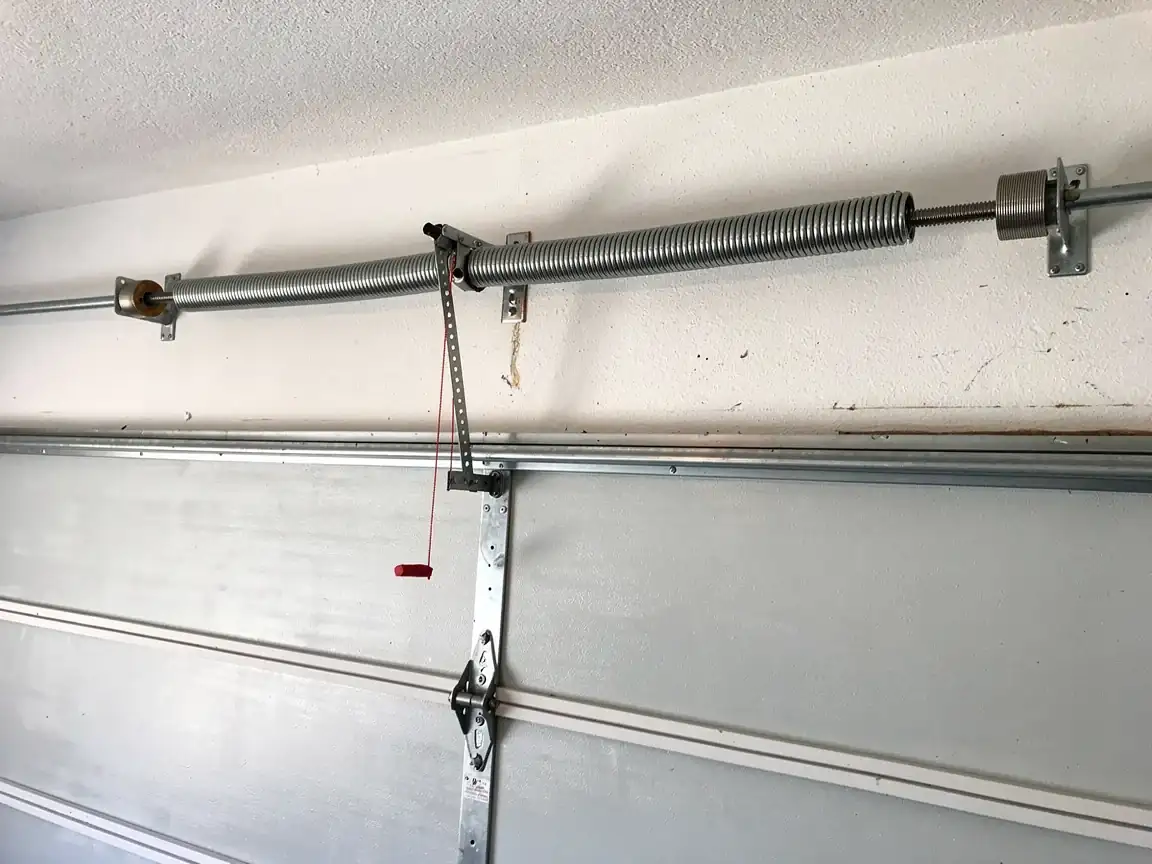
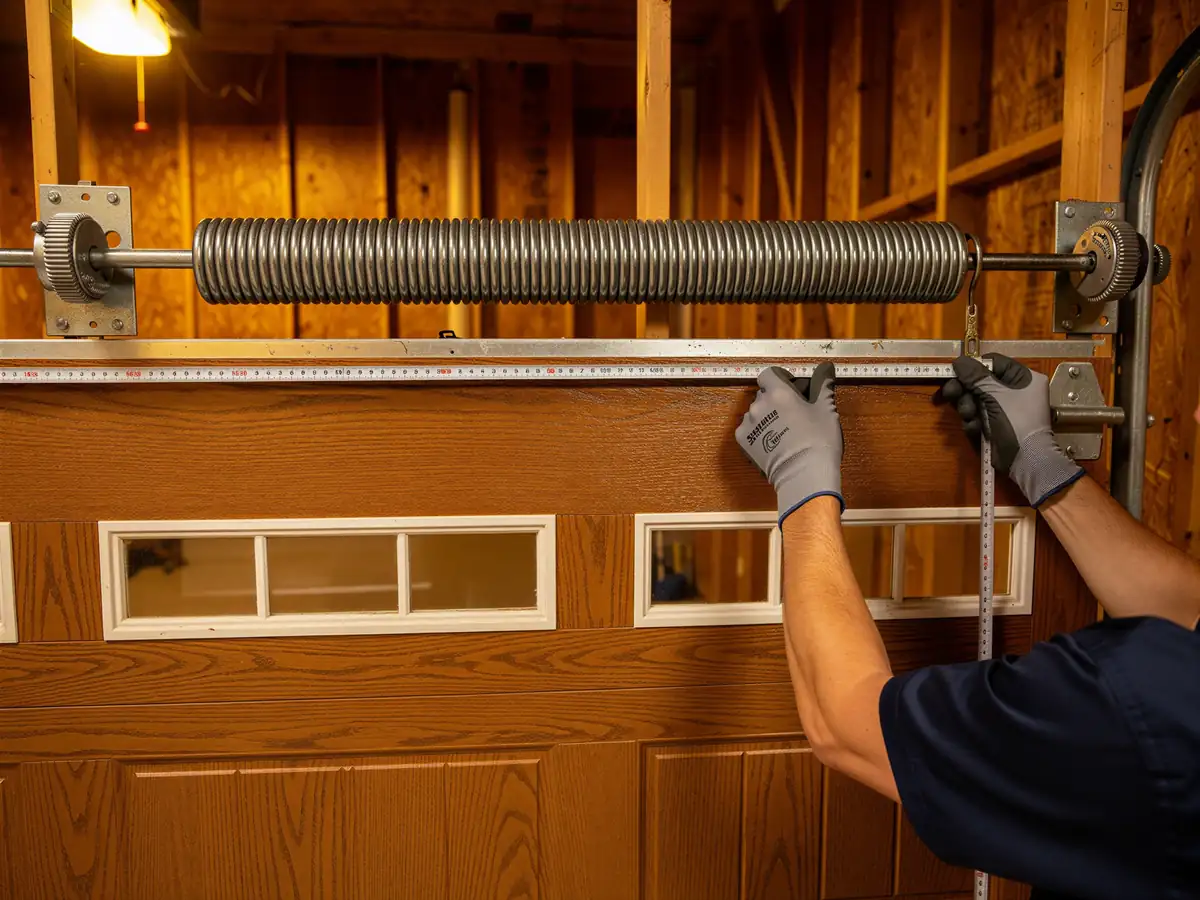
And the doors and openers that came standard on a house that age weren't built with homeowner service in mind. If your door is still on its original torsion spring or an early extension-spring setup, do not try to adjust or remove the spring yourself. That part alone kills or maims people every year, and the tools to do it safely weren't made for a weekend project.
What you can handle
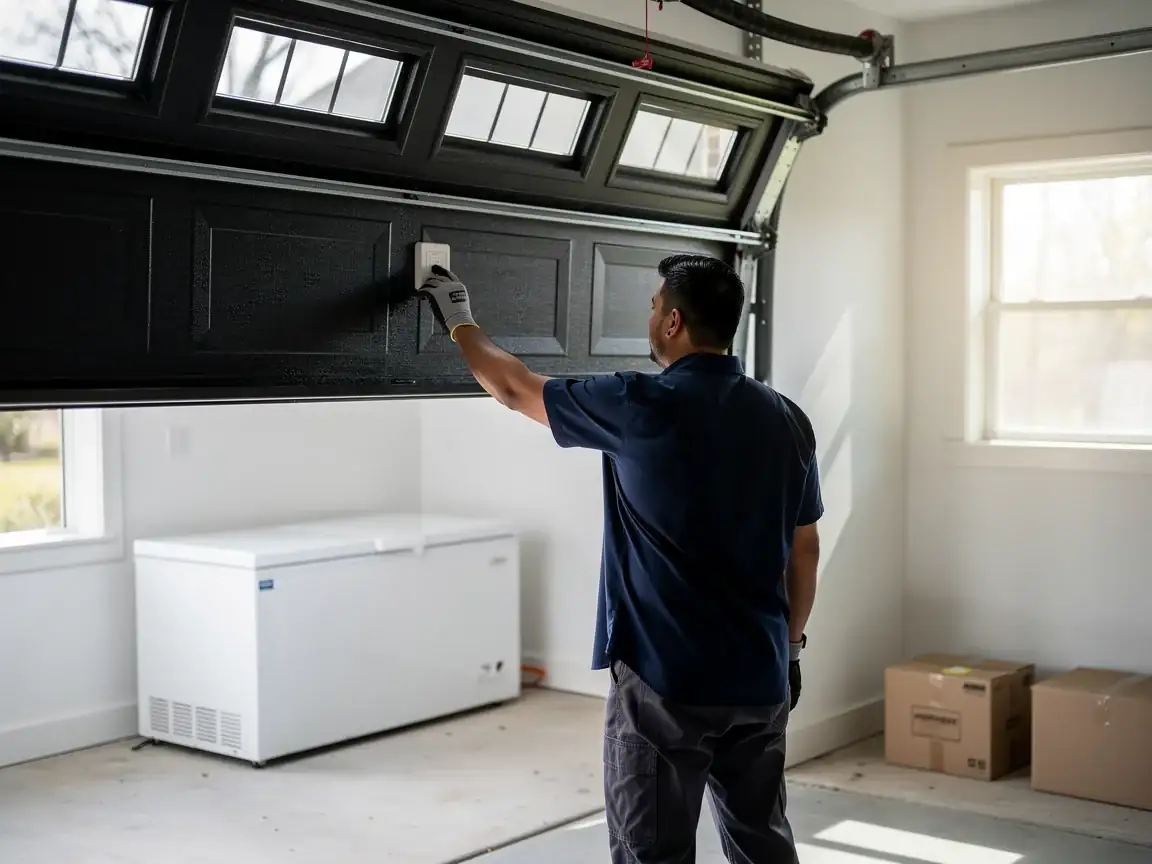
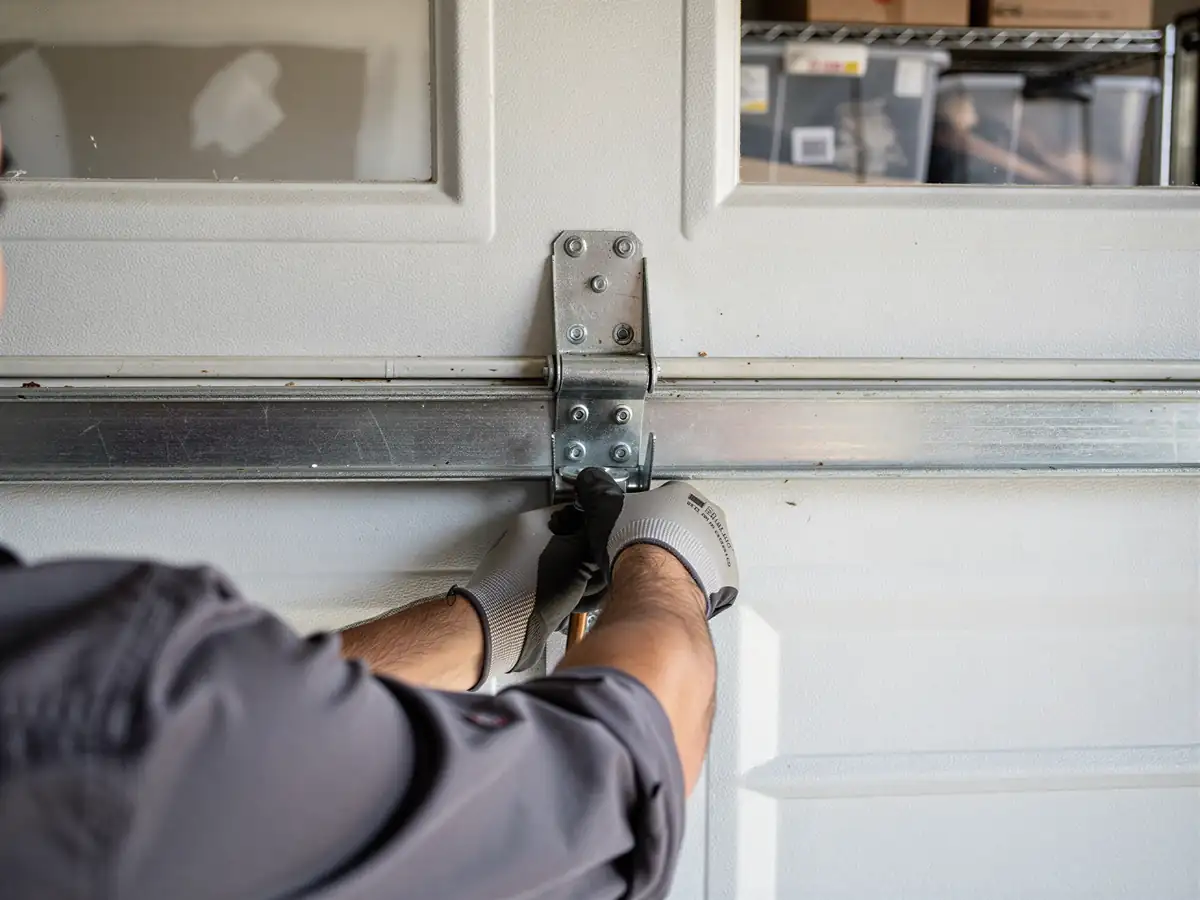
Tightening loose hinge bolts, clearing track debris, lubricating rollers and hinges with a garage-door-specific lubricant (not WD-40, which washes out grease and attracts grit), and checking that the photo-eye sensors near the floor are aligned and clean. If the door is noisy but still balances and closes evenly, most of that is maintenance you can do on a Saturday morning.
What you shouldn't: anything involving the spring, the cable under tension, or a bent track
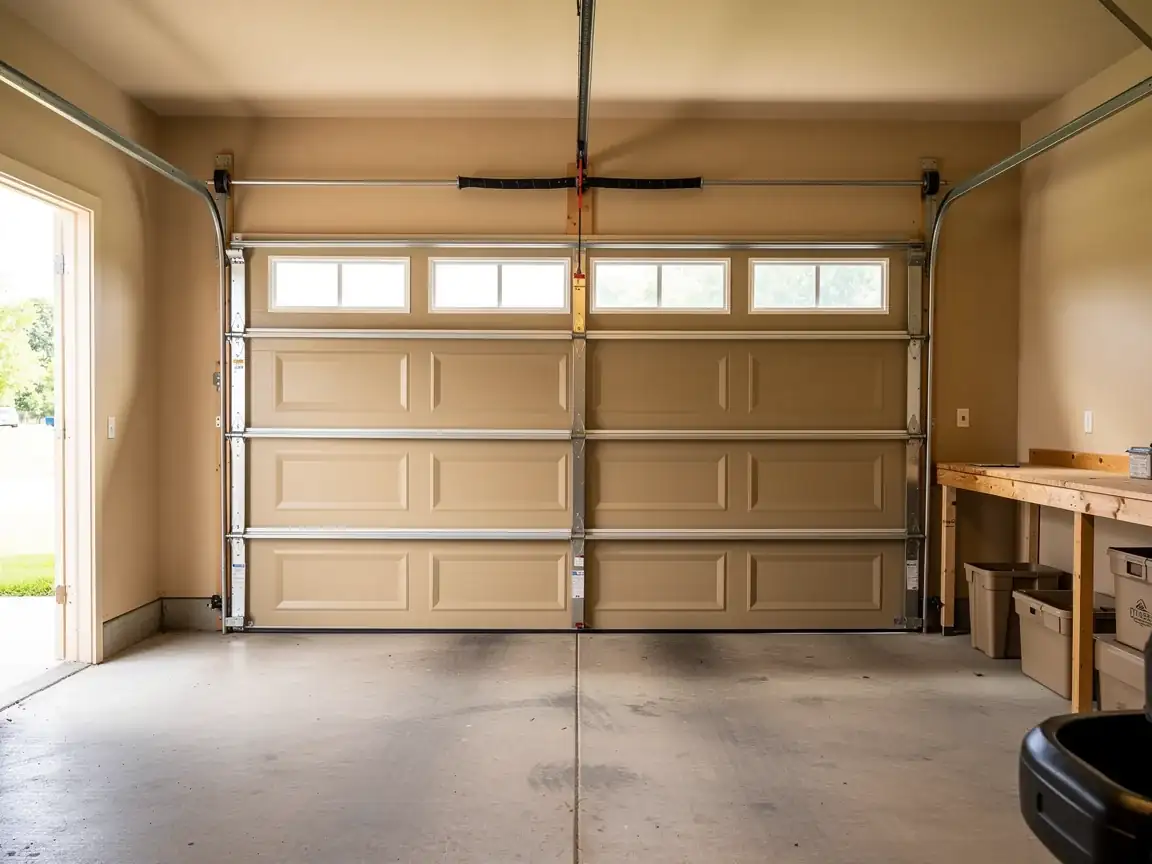
If the door won't stay open on its own, or it slams down faster than it used to, that's a spring losing tension - call it in rather than guess at it. A door that age is also more likely to have a single bottom panel with no hardware insert, which means hardware snapped off during a DIY fix often can't be matched without replacing the whole panel.
Getting It Booked In
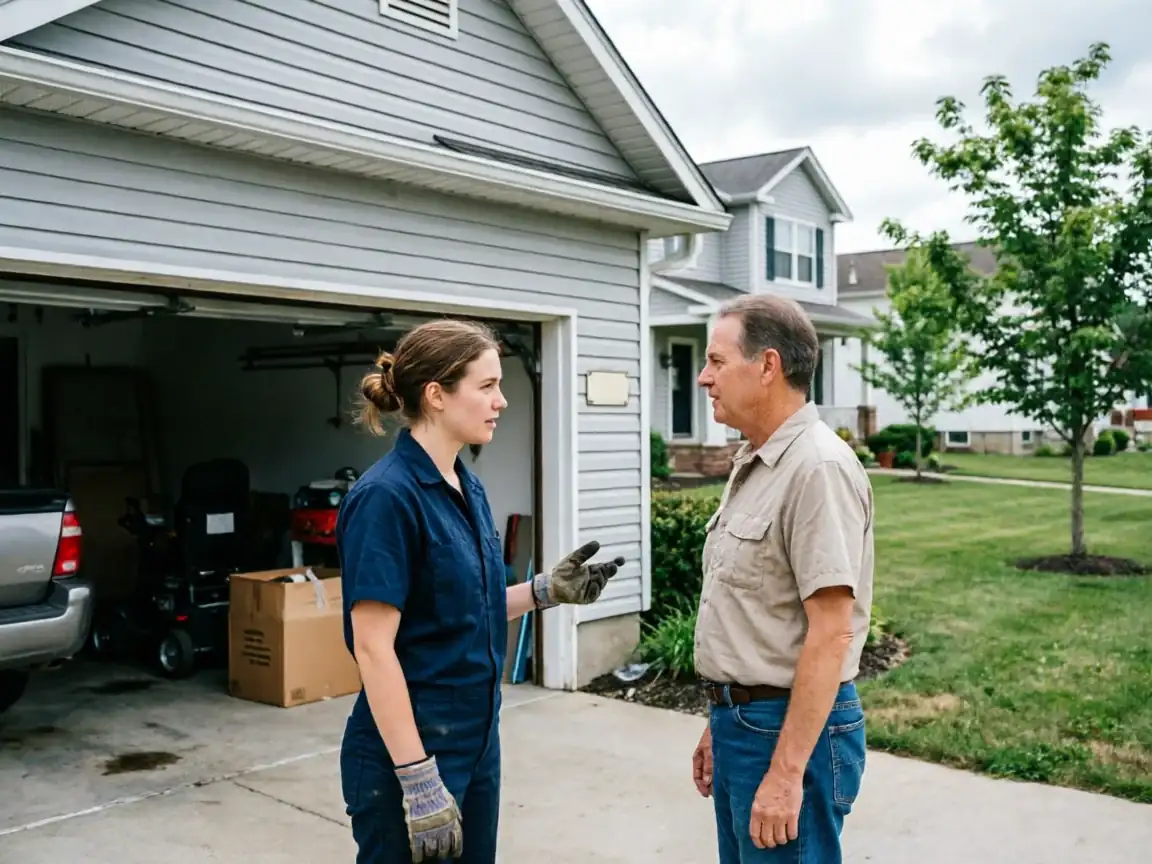
We work out of Moline, about 5 miles from Rock Island, and that's close enough that scheduling a repair or replacement here isn't a special trip - it's part of the regular route. When you call, tell us the age of the house if you know it and whether the door has ever been replaced; a door original to a 1952-era build behaves very differently from one swapped out in the 1990s, and that changes what we bring.
If you're not sure what's wrong - door's stuck, door's loud, door won't respond to the remote - describe what happens and when it started. That's usually enough to narrow down spring, opener, or track before a truck even leaves. For general service details and what else we handle out of Moline, see our Moline garage door service page.
What Is on the Truck
For a service call in this part of the area, we load for older hardware first. That means torsion springs in the sizes that matched doors built through the 1950s and 60s, standard-width rollers and hinges, and the fasteners that fit a steel panel door from that era rather than the newer aluminum-frame styles. Rock Island's housing stock skews toward that older build, so a truck headed here carries more of the parts that fit a 1950s-60s door and fewer of the newer composite-panel pieces.
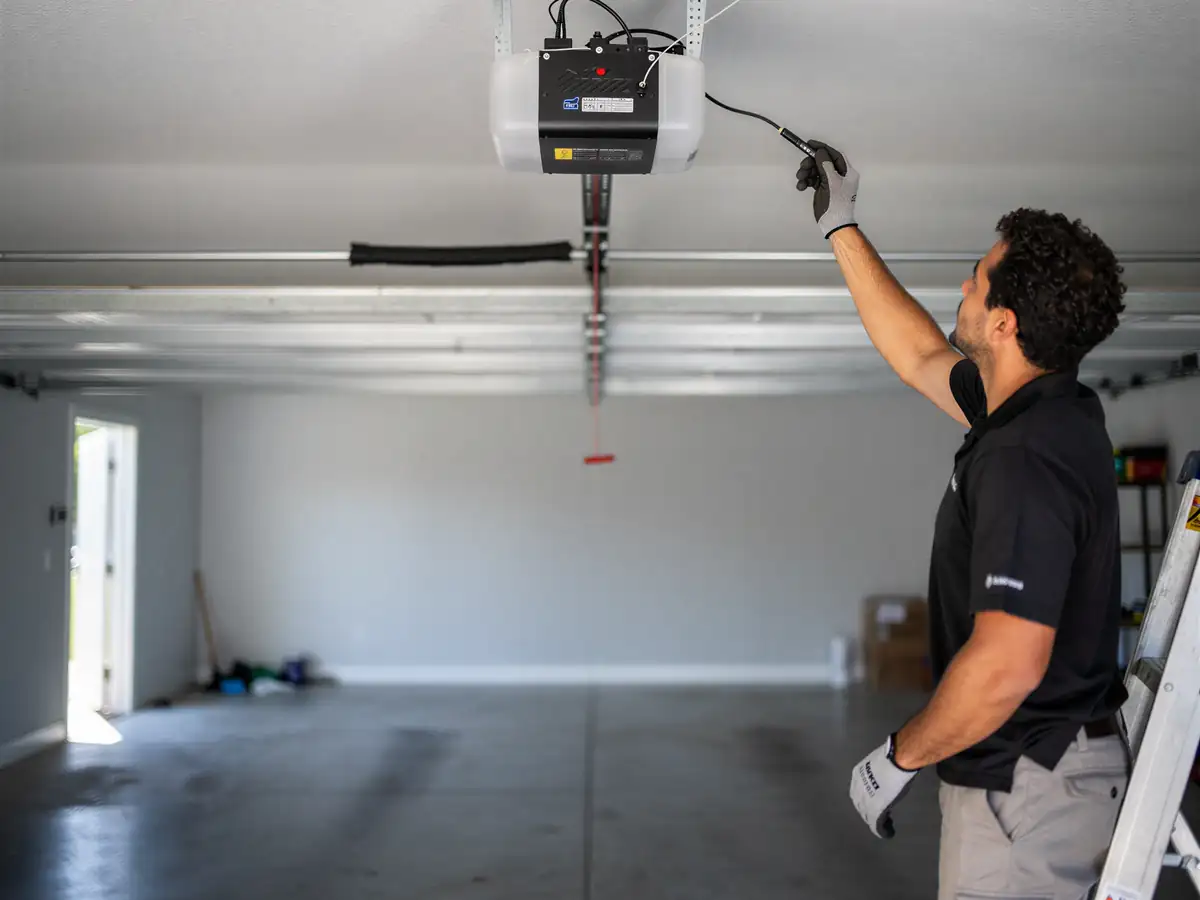
We also carry universal opener logic boards and photo-eye kits, since a lot of homes have had the opener replaced once or twice even if the door itself is original. What we don't carry on every truck is a replacement panel matched to a discontinued door line - if your door needs one specific panel and the manufacturer stopped making that style years ago, that's a special order, not a same-visit fix. We'll tell you straight if that's what you're looking at instead of pretending otherwise.
What Can Go Wrong
On a door this age, the failures cluster in a few predictable places
Torsion springs that have been doing their job since the house was built are near or past the end of their wind-cycle life, and they tend to go without much warning - a loud bang, then a door that won't lift. Cables fray at the drum end first, especially if the door has seen uneven use on one side.
Tracks on older installs were often set with less clearance than current code calls for
So a door that's slightly out of square will bind or jump the roller rather than just rub. And on houses where the opener has been upgraded but the door hardware hasn't, we see mismatches - a modern opener fighting old, heavy springs that were never resized for it, which burns out the opener motor early.
None of this means an old door is a bad door
Plenty of these units still run fine with regular lubrication and a spring swap every decade or two. It means a fault here is more likely to be structural hardware than electronics, which changes what we check first.
Why It Happens Here
Rock Island's median household income runs around $57,292, noticeably below the income across the broader service area, and the housing stock is older here too - median build year around 1952, versus later decades in newer pockets nearby. Put those two together and you get a pattern: doors and openers get repaired and re-repaired longer before anyone replaces them outright, because the original hardware was built heavier and simpler than what ships today, and it's often cheaper to fix the spring again than to buy a whole new door.
That's not a complaint - it's just what shows up on the truck log. A door installed in 1954 on a house that's been well kept can still be running on its third or fourth spring set, because the drive hardware and track gauge from that era hold up. The failures we see tend to be wear parts, not structural rot in the door itself.
What It Costs
We don't have a published price list for this page, and giving you a number without seeing the door would be a guess dressed up as a fact. What we can tell you is what drives the cost on a house like the ones common in Rock Island: whether it's a spring-only repair versus a full opener swap, whether the track needs resetting along with the spring, and whether a panel on an older door needs a special-order match instead of a stock part.
If your door is original to a 1950s or 60s build and still has its first spring set, expect the conversation to include whether a repair is worth it versus replacing the door outright - sometimes the honest answer is that a 60-year-old door with a failing spring is a good candidate for one more repair, and sometimes it's not. We'll walk through that with you on the call before anything's scheduled.