Doing It Yourself
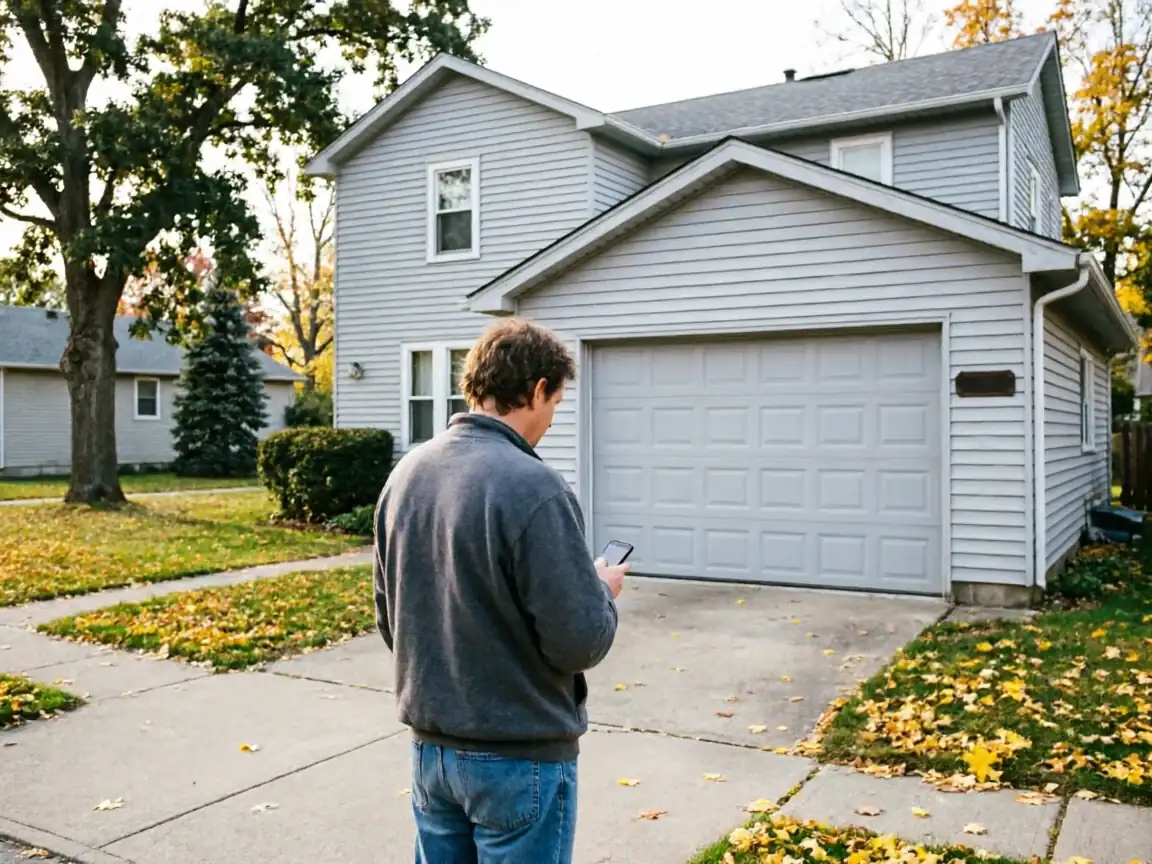
A lot of Rock Island houses went up well before the 1968 median that covers the wider area we work in
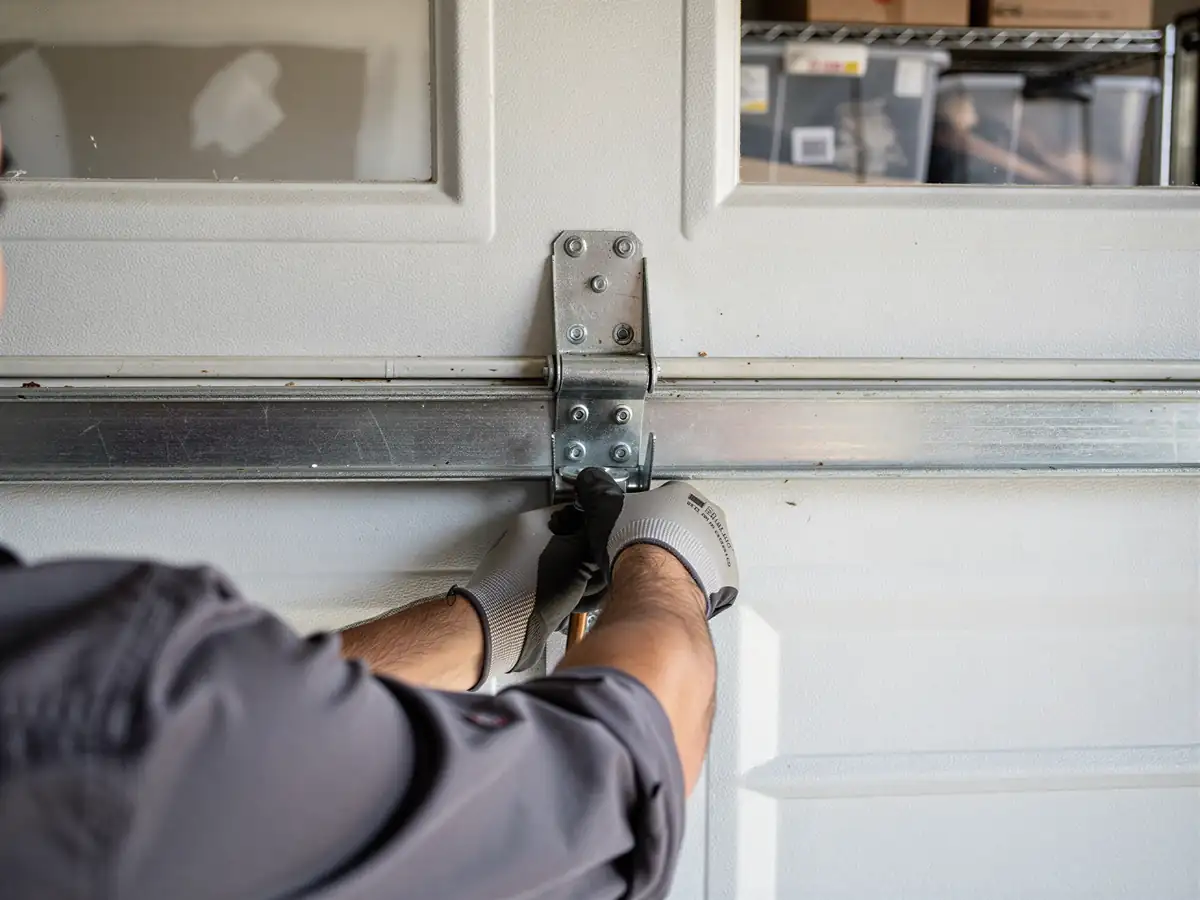
And that matters the minute you start pricing a panel swap yourself. Pull a panel off a door from a house built in the early 1950s and you're often looking at a track width, a hinge spacing, or a section height that doesn't match what's on the shelf at the big-box store today. You can source a universal panel and hack the fit, but on an older door that usually means fighting the existing hinges and rollers too, not just bolting in a new piece.
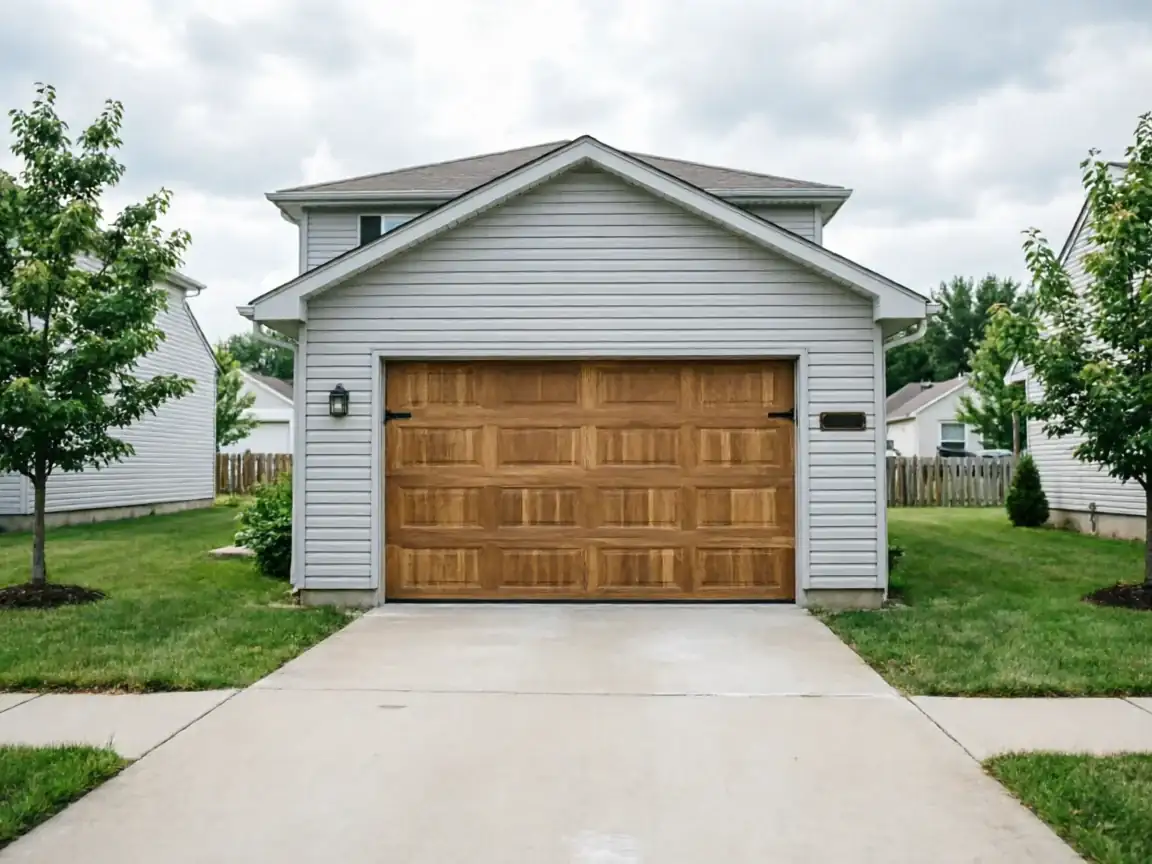
If your door is a newer replacement door on an older house
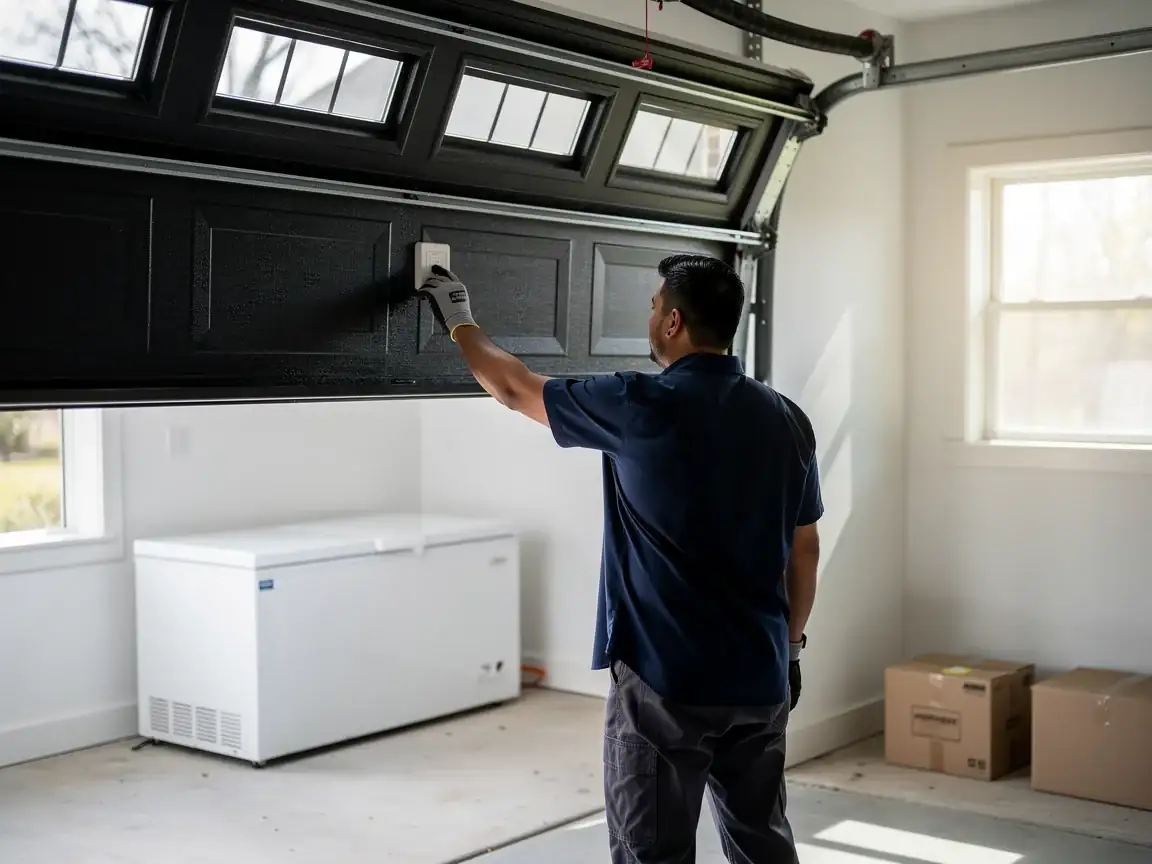
Plenty of owners here have already swapped once - the job is closer to what you'd expect anywhere: match the panel to the model, swap it, done. The hard part is knowing which situation you're in before you order anything. If you're not sure how old your door actually is versus the house, that's the first thing to figure out, not the panel brand.
We're honest that this isn't always a same-day fix even for us
A panel for an uncommon older door sometimes has to be special-ordered, and that can take longer than people expect. We'd rather tell you that up front than have you wait on a truck that isn't coming.
Getting It Booked In
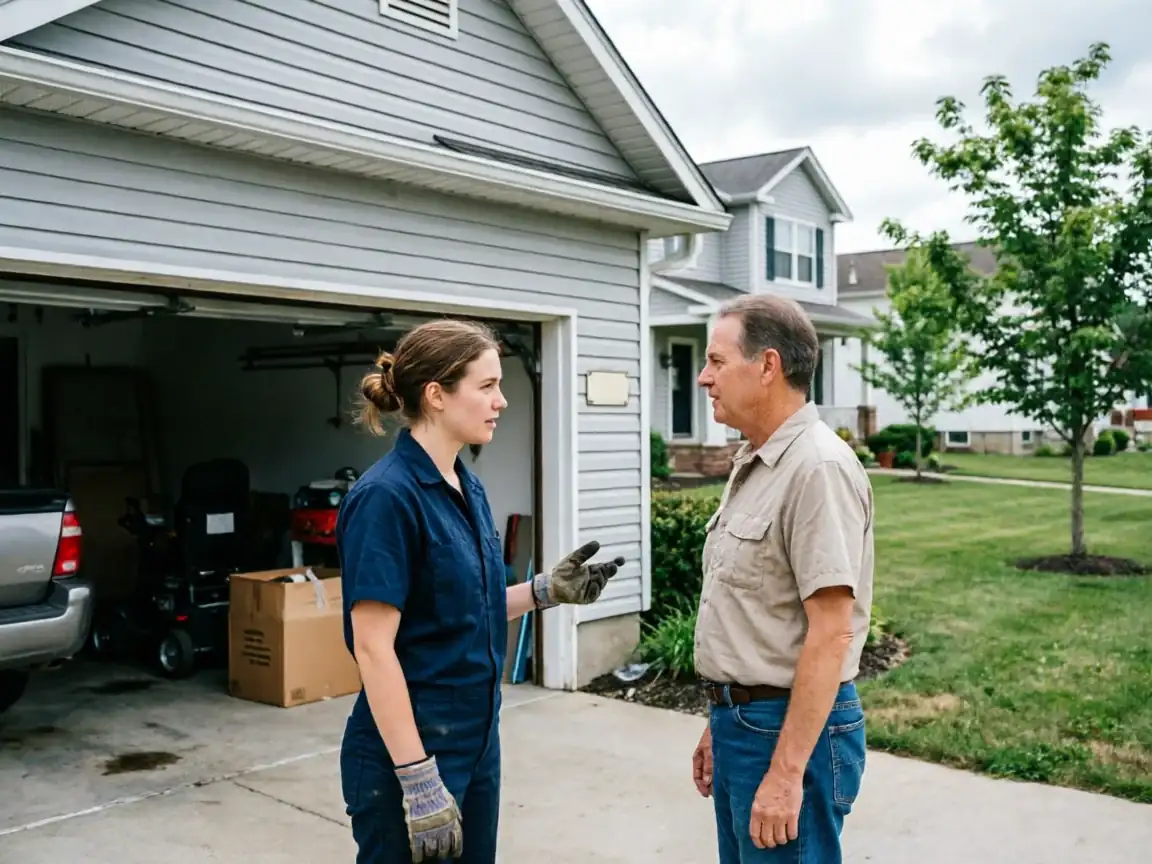
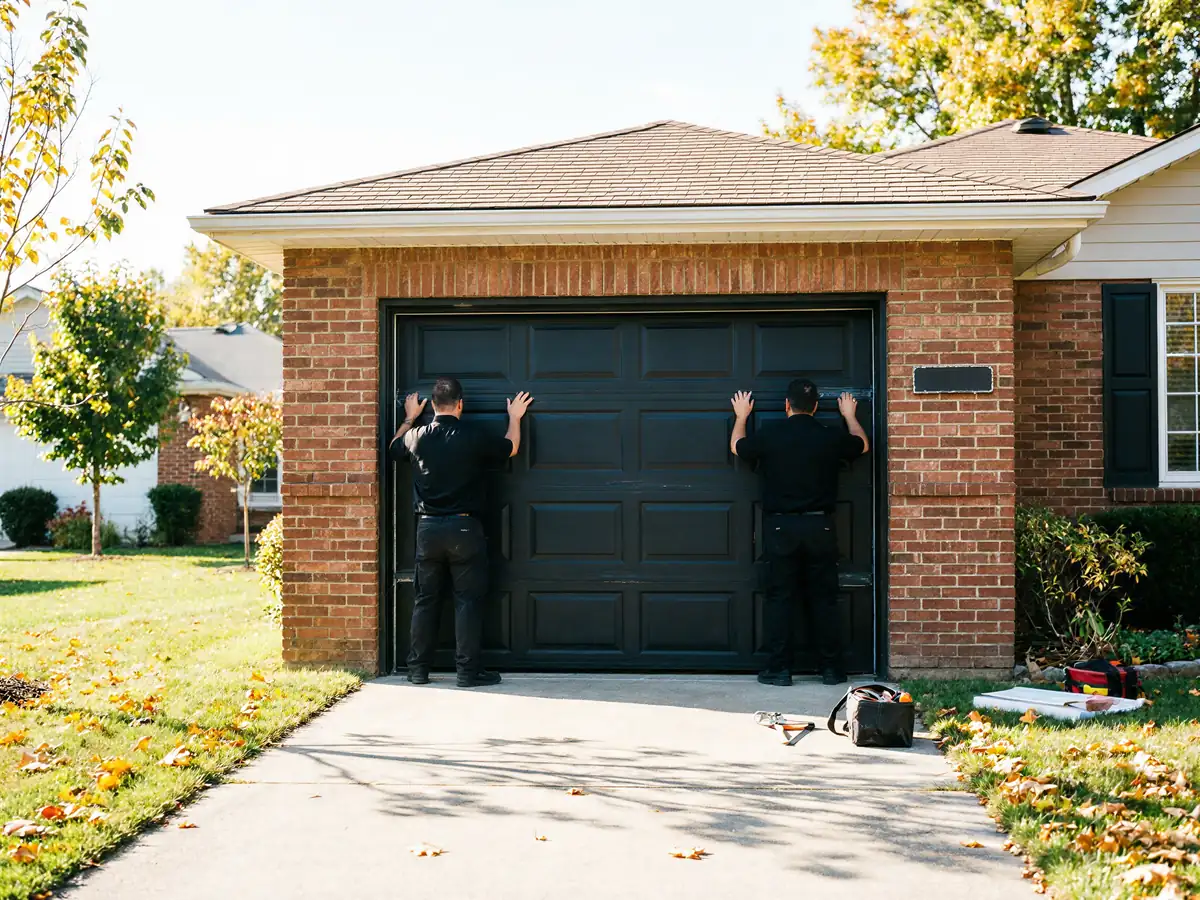
We cover Rock Island from Moline, about 5 miles away, so there's no branch office or depot in town - just a crew that drives over. When you call, the most useful thing you can tell us is the rough age of the house and whether the door looks original or like a later replacement. Given how much of the housing in this corner of the service area predates 1968, a lot of doors we see here are either genuinely old stock or an already-replaced door from the 80s or 90s.
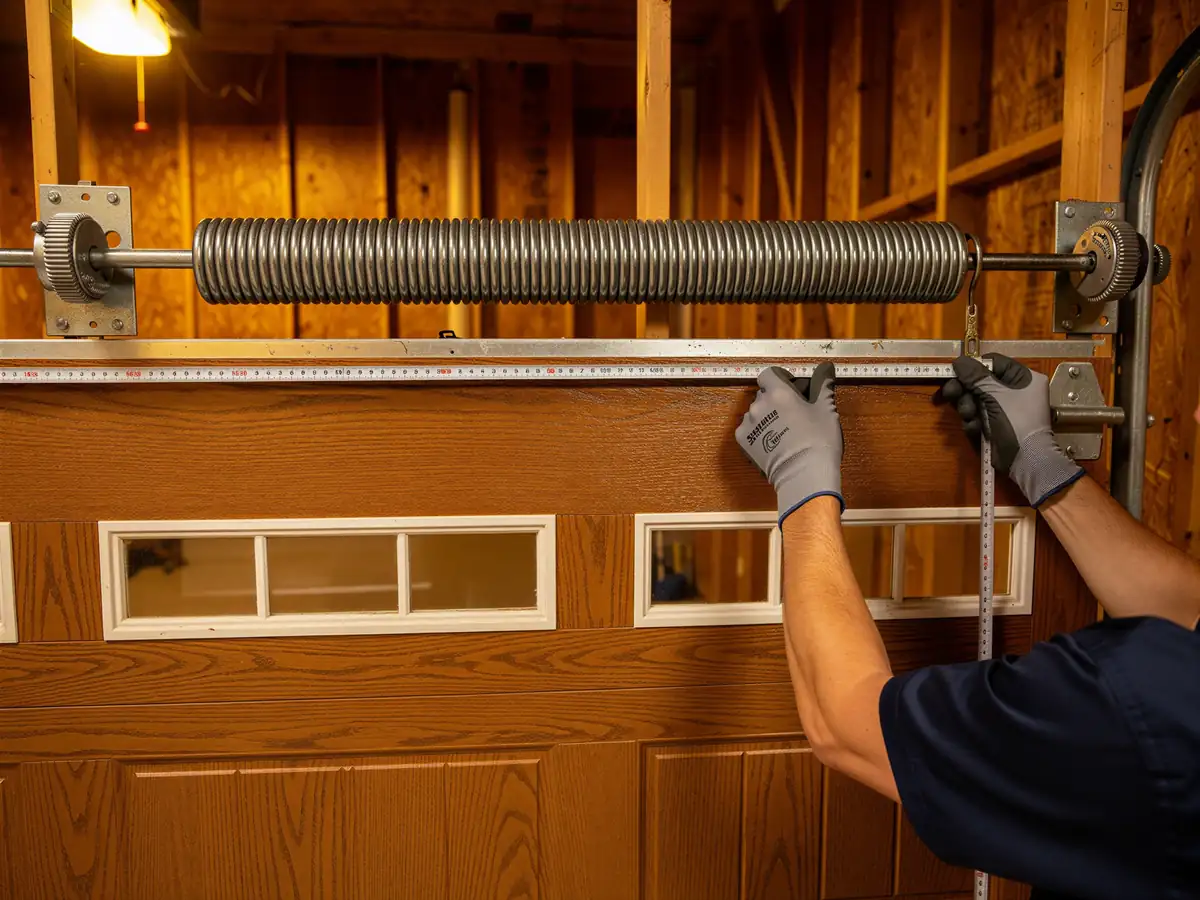
We'll ask what's wrong with the panel specifically - a crack from a backed-into bumper, rot along the bottom section, a dent that's thrown the door out of alignment - because that changes whether we bring a matching panel or need to measure first and order. For an older or uncommon door, we may need a visit just to get exact dimensions before we can quote the part.
We don't keep a Rock Island-specific stock of panels sitting anywhere; everything comes out of Moline on the truck. That's not a knock on the town, it's just how the business is set up, and it means a bit more lead time on an odd-sized or discontinued panel than on a common modern size.
What Is on the Truck
The truck carries the panel sizes and styles that fit the doors most common across this service area's housing stock - mostly 1960s and 70s builds, per the broader numbers we track, with sections sized for the garage openings standard to that era. For Rock Island specifically, where a chunk of the housing is older still, that truck stock covers the door well if it's already been replaced once, which many have.
What it doesn't reliably cover is an original door still in service on a house from the early 1950s. Those sometimes used panel dimensions and hardware spacing that nobody manufactures as a stock item anymore. When we hit one of those, the panel gets special-ordered rather than pulled off the truck, and we'll tell you that at the quote stage, not after the job's half done.
Insulated panels are standard stock given the cold winters this area sees - a steel panel with foam backing holds up better against the kind of temperature swings that crack an uninsulated one over a few seasons. That's not a Rock Island-only concern, but it's part of why the truck carries insulated sections as the default rather than the exception.
What Can Go Wrong
The most common panel failure we see on older Rock Island doors isn't a single dramatic hit
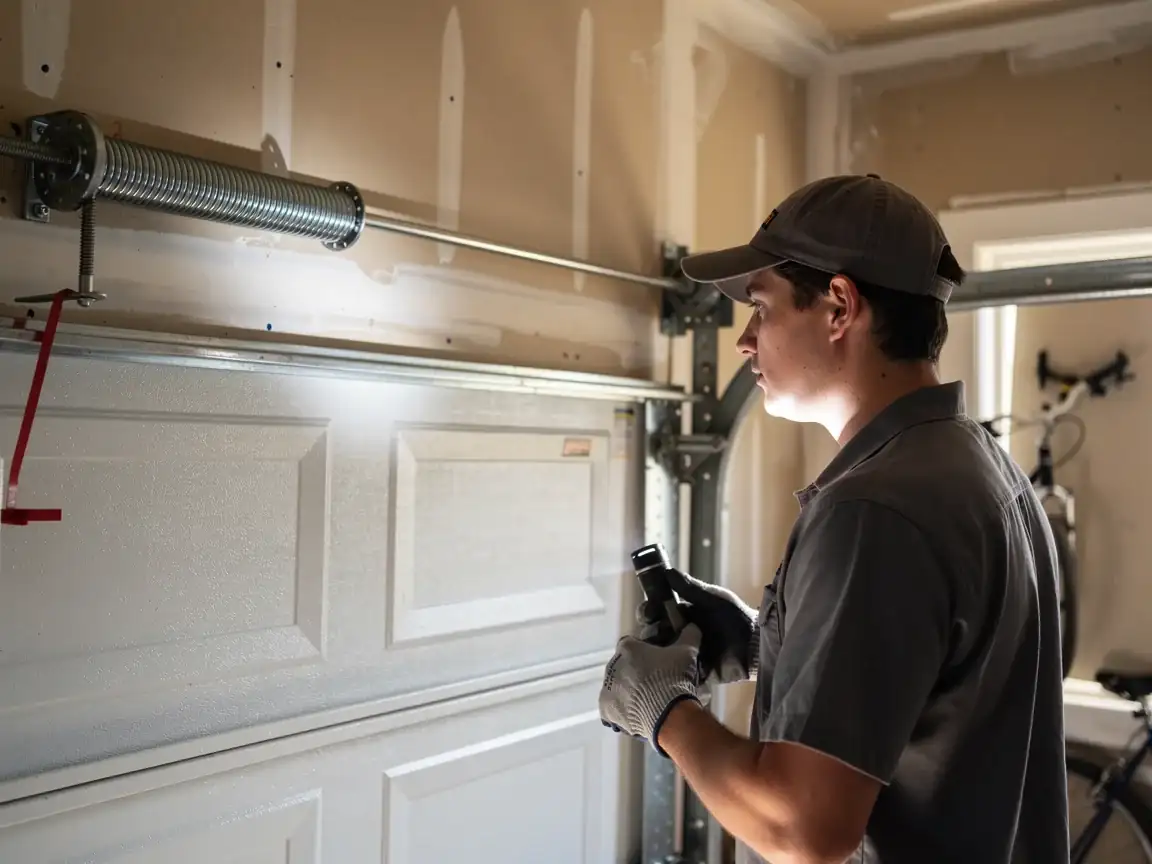
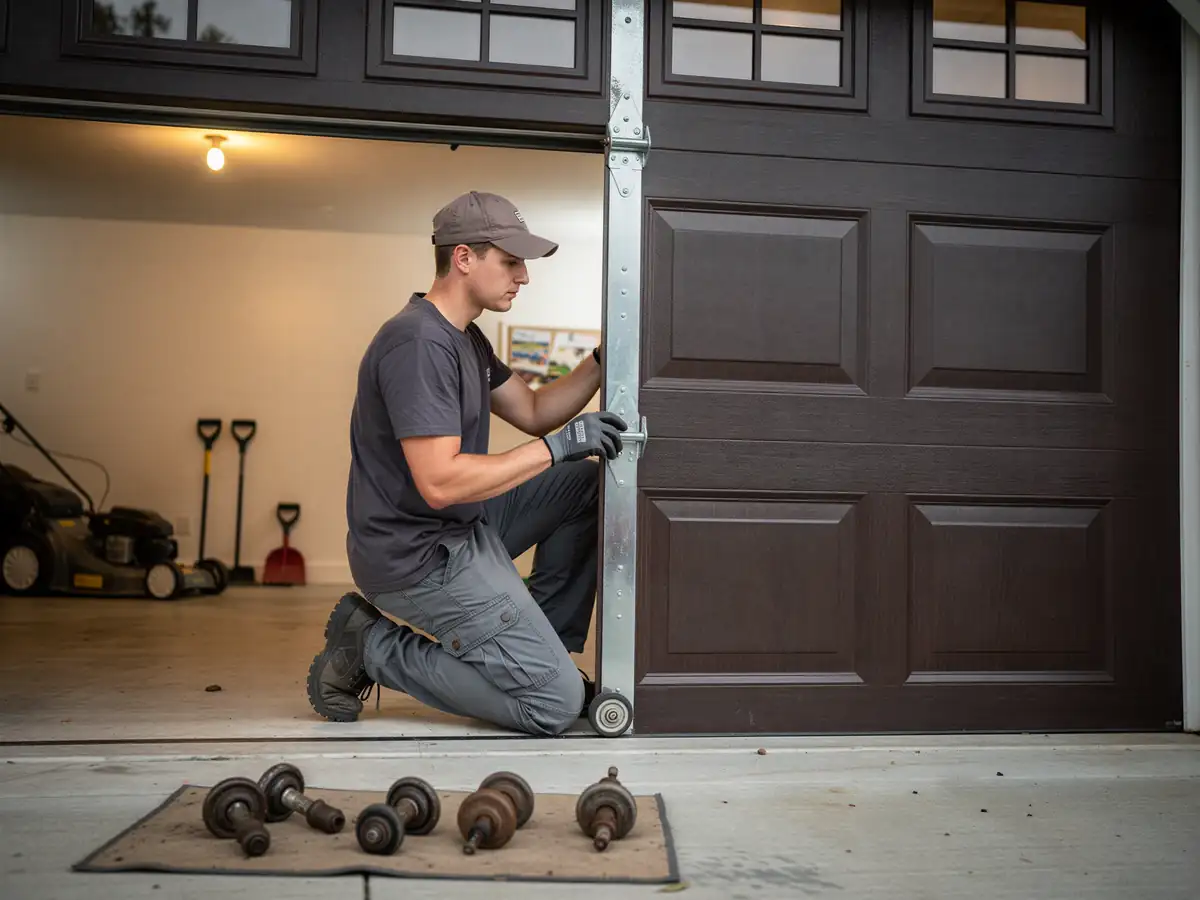
It's years of minor stress on hardware that was never designed for today's heavier insulated sections or stronger opener motors. A hinge pulls slightly loose, the panel starts to bow, and what looked like cosmetic damage turns into a section that won't sit flush anymore.
Rust along the bottom panel is the other one we run into a lot
Especially on doors original to houses from the early 50s through the 60s. Decades of melting snow and road salt sitting against a steel panel edge eats through the coating eventually, and once it's through, the panel doesn't hold a repair well - patch it and it rusts through again a season or two later.
The mistake we see homeowners make most is replacing one damaged panel on an old door and assuming the rest will match
Steel finishes fade and discontinue. A panel ordered today next to a 50-year-old section often reads as a visibly different shade once it's up, even if the dimensions are right.
Why It Happens Here
This comes back to the build timeline. A median year of 1968 across the wider service area already points to older housing than a lot of newer subdivisions you'd find further out, and Rock Island sits on the earlier end of even that range. Earlier construction means earlier garage door hardware standards, and those standards didn't account for the heavier insulated panels or stronger torsion springs that came later.
The cold winters common to this part of the state add to it. Steel contracts in the cold, and a panel with a hairline crack or a rusted seam will fail faster here across a full winter than it would somewhere with a milder climate band. Combine an older panel design with decades of freeze-thaw cycling and you get exactly the kind of bowing, cracking, and hinge pull-away we see on service calls.
It's not that Rock Island's doors are worse built - they were built to a standard that made sense in 1952. The standard just didn't anticipate 70 years of Midwest winters on the same steel.
What It Costs
We don't have a published price list to quote here, and giving you a number without seeing the door would be a guess, not a fact. What we can tell you is what drives the cost up or down on a Rock Island job specifically: whether the panel is a common current size (cheaper, often in stock) or an older, discontinued dimension that has to be special-ordered (more expensive, longer wait). A single cracked panel on a newer replacement door is a straightforward swap. A full-section match on a door original to a house from the early 50s is a different job entirely.
Median household income in this part of the service area runs lower than some of the surrounding towns we cover, and we know that affects how homeowners weigh repair against replacement. If a panel repair is going to cost close to what a full door replacement runs, we'll say so plainly rather than pushing the repair just because that's the call we got. Ask us for the real number once we've seen the door - that's the only quote worth trusting.